Small population signs don’t usually hint at much history worth mentioning. A handful of towns across Oregon quietly prove that assumption wrong.
Some stayed remembered for a single strange event, others for a person who briefly became famous before fading from wider memory. Main streets stretch barely a block long in most of these places, yet ask around and stories start piling up fast, each one stranger than the last.
Population size clearly has nothing to do with how interesting a place turns out to be. These towns figured that out decades ago, holding onto their stories long after bigger cities forgot theirs entirely.
Curious travelers who slow down for these towns rarely leave disappointed. Oregon apparently saves its best stories for the places least expected to have any at all.
1. Jacksonville, Oregon
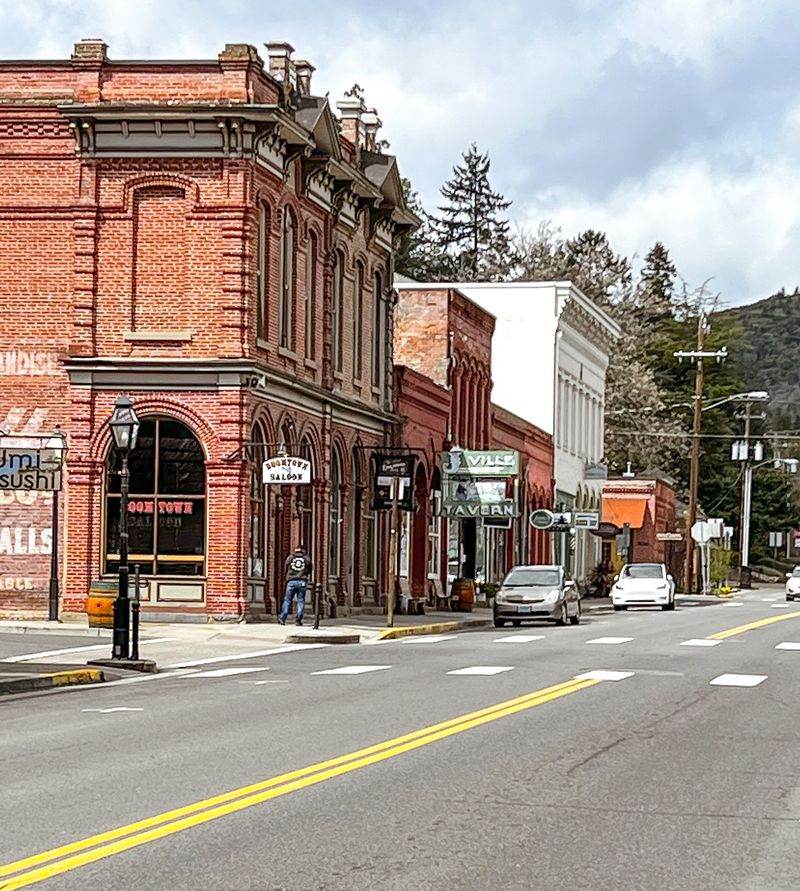
Jacksonville doesn’t just have history. It practically breathes it. This small town in southern Oregon was once one of the wealthiest cities in the entire Pacific Northwest, built almost overnight after gold was discovered in 1851.
The rush brought fortune seekers, merchants, and dreamers from across the country, and the town they built is still standing.
Today, the whole place is a National Historic Landmark, which sounds formal until you actually walk down California Street and realize almost nothing has changed. The brick storefronts, the old courthouse, the iron-shuttered windows, all of it is original.
It feels less like a museum and more like the town just… kept going. Wander a few blocks off the main street and you’ll find quiet residential lanes lined with equally well-preserved Victorian homes.
The Britt Festivals bring live music to an outdoor hillside amphitheater every summer, drawing crowds who sit on blankets under the stars. It’s a strange and wonderful contrast, classical orchestras and folk acts performing in a gold rush setting.
Jacksonville is small enough to explore on foot in an afternoon, but the layers here take much longer to fully absorb. Give it a full day if you can. Even a second visit tends to turn up details missed the first time around.
2. Shaniko, Oregon
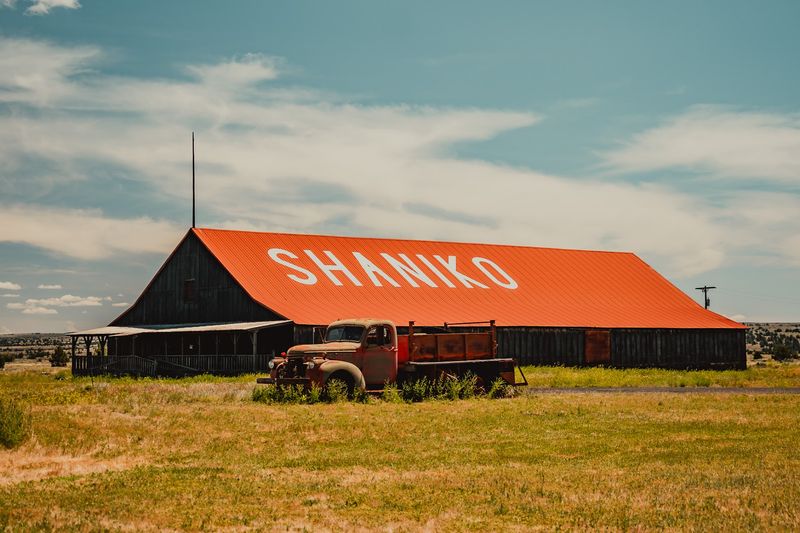
There’s something quietly eerie about Shaniko on a weekday morning. The streets are nearly empty, the wind moves through the gaps in old wooden buildings. And the whole place feels like it’s holding its breath.
Once called the “Wool Capital of the World,” Shaniko thrived at the turn of the 20th century when it sat at the end of a railroad line serving the surrounding ranches.
When the rail line shifted routes, Shaniko essentially stopped. The population today hovers around a handful of residents. But the bones of the old town remain, the water tower, the hotel, the columbian building facades that face a street with almost no traffic.
It’s a genuine ghost town, and one of the most atmospheric ones in the entire Pacific Northwest.
Photographers love it here, especially in the golden hour when the high desert light turns everything amber. I found myself just standing in the middle of the road, listening to nothing but wind. There’s no big attraction, no gift shop with lines out the door.
Shaniko is purely about atmosphere and imagination, about picturing what it looked like when it was alive. That quiet is the whole point.
3. Yachats, Oregon
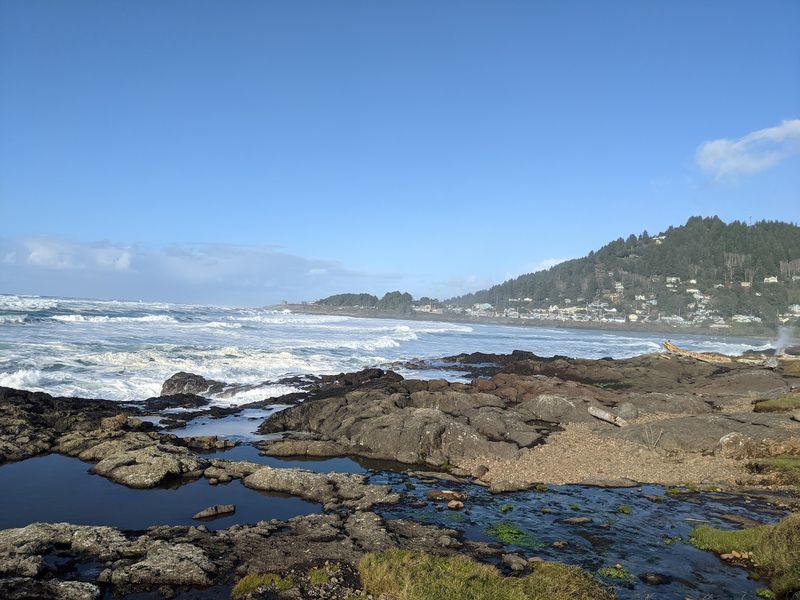
Yachats sits where the Oregon Coast gets serious. The waves here don’t gently lap at the shore. They explode against black basalt rock, sending spray high into the air, and the sound is constant. It’s almost like the ocean is having a conversation with the cliffs.
The town itself is tiny, a few streets, some galleries, a handful of restaurants, and a community that clearly loves where it lives.
Locals call it the “Gem of the Oregon Coast,” and after spending a morning at the tide pools near Cape Perpetua, it’s easy to understand why. Sea stars, anemones, and tiny crabs fill the rocky pools when the tide pulls back.
The Siuslaw National Forest rises just east of town, offering trails through old-growth spruce that block out the noise of everything modern.
Yachats has a creative energy that sneaks up on you. Small art studios sit next to bookshops, and the farmers market feels genuinely local rather than curated for tourists. I overheard a conversation between two painters debating the color of the fog.
That exchange felt very Yachats. It’s the kind of place where people move to slow down on purpose, and visitors tend to leave wishing they had stayed longer.
4. Halfway, Oregon
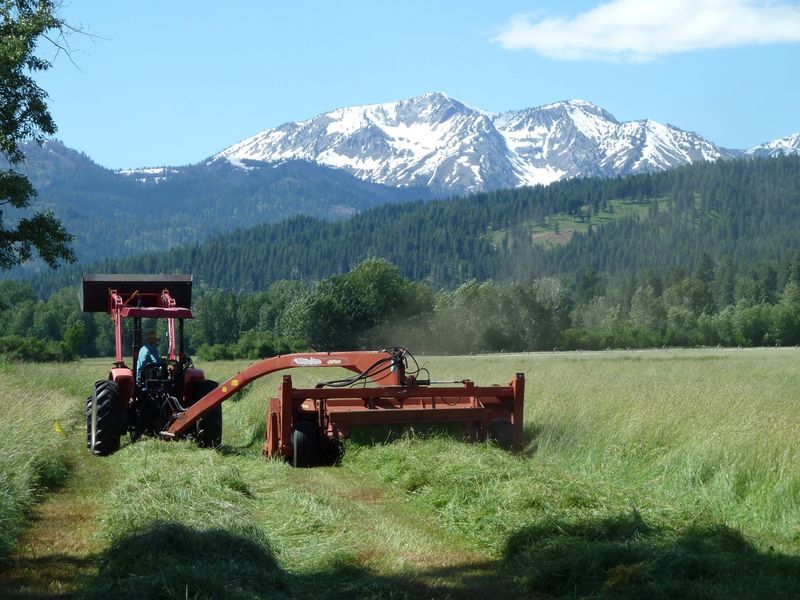
The name alone is enough to make you curious. Halfway sits at the edge of the Eagle Cap Wilderness in eastern Oregon, and getting there requires commitment.
The drive winds through canyon country, past the stunning Hells Canyon National Recreation Area, and the scenery alone makes the distance feel worth it. By the time the valley opens up and the town appears, there’s a real sense of arrival.
Halfway briefly became famous in 2000 when it agreed to rename itself “Half.com” as a promotional stunt for a startup website. The town got computers for its school in exchange.
It was a quirky moment in internet history, and locals still remember it with a mix of amusement and mild embarrassment. The name went back to Halfway when the deal ended, and the town returned to being its quiet, ranching self.
Pine Valley Lodge is the heart of the community, a rustic gathering spot with character to spare. The surrounding landscape is extraordinary, the Wallowa Mountains visible from almost every direction, trails cutting through wildflower meadows in summer.
Halfway is far from everything, which is exactly the kind of thing certain travelers find irresistible. If you go, plan to stay a night or two. You’ll want the time.
5. Fossil, Oregon
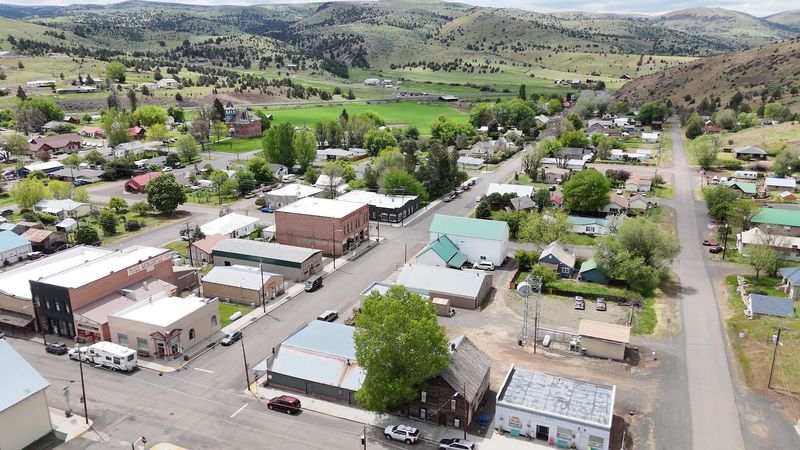
Fossil earned its name honestly. The hills surrounding this tiny Wheeler County seat are literally full of prehistoric plant and marine fossils, some dating back 33 million years. The town itself has fewer than 500 residents, but the story embedded in the rock layers around it spans geological time.
That contrast is part of what makes Fossil such an unexpected destination.
Behind the local high school, there’s a public fossil dig site where visitors can search for leaf impressions and ancient plant life preserved in shale. It costs almost nothing, you just show up with patience and curiosity. Finding a fossil yourself, even a small fern print, is surprisingly thrilling.
Kids and adults react the same way. That shared excitement says a lot about what Fossil offers.
The town also sits near the John Day Fossil Beds National Monument, one of the richest fossil sites in the world. Painted Hills is the most photographed unit of the monument, with red and gold striped hills that look almost extraterrestrial at sunset.
Fossil makes a perfect base camp for exploring the monument. The surrounding high desert landscape has a raw, stripped-down beauty that’s hard to describe without sounding dramatic. But honestly, it earns the drama.
6. Astoria, Oregon
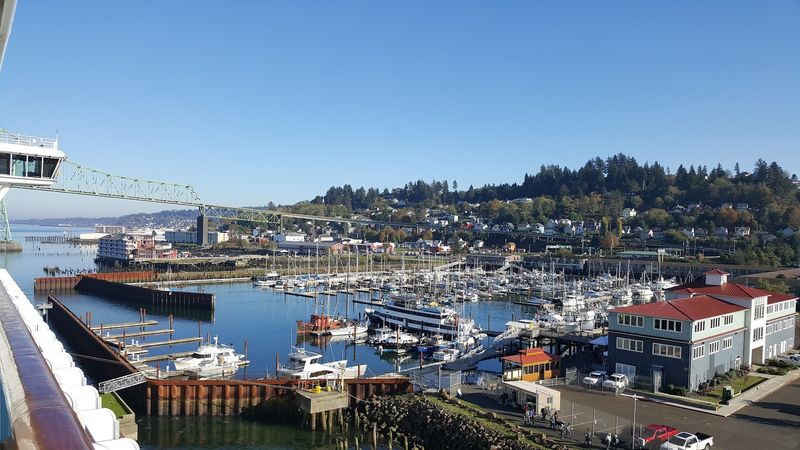
Astoria is small by most measures, around 10,000 people, but it carries the weight of a much larger city’s history. It was the first American settlement west of the Rocky Mountains, established in 1811 as a fur trading post at the mouth of the Columbia River.
That origin story alone sets it apart from almost every other town on this list.
The Victorian homes climbing the hillside above the river give Astoria a storybook look that photographers and filmmakers have long appreciated. Several movies were shot here, and locals point out filming locations with obvious pride.
The Astoria Column sits at the top of Coxcomb Hill, painted with murals depicting regional history, and the view from the top stretches across the Columbia into Washington State.
What I love most about Astoria is how lived-in it feels. This isn’t a town preserved for tourism. People actually live and work here, fish on the river, run shops that have been open for decades.
The maritime museum is genuinely world-class, and the old cannery district along the waterfront has been thoughtfully revitalized without losing its industrial character.
Astoria is a proper small city with big stories layered into every street. And it rewards slow exploration more than almost anywhere else on the Oregon coast.
7. Kerby, Oregon
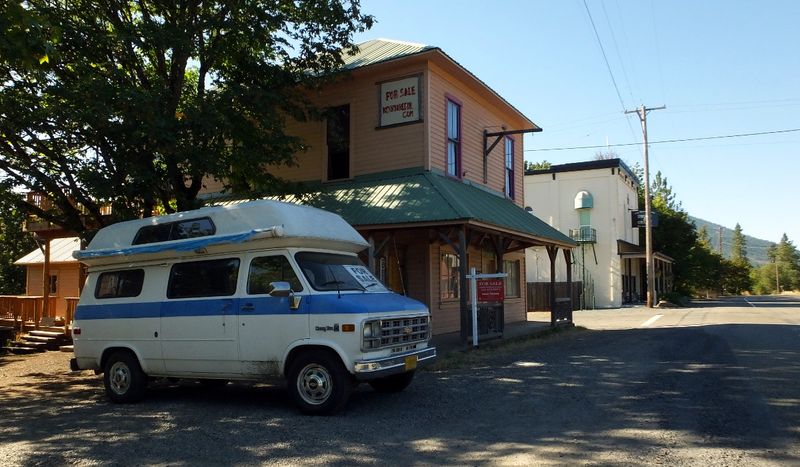
Most people drive through Kerby without realizing there’s anything to stop for. That’s exactly the kind of oversight that makes discovering it feel rewarding. Kerby sits near the California border in a region that was once busy with mining activity and a whole community built around natural resources.
The Kerbyville Museum and Historical Park is a genuine gem for anyone curious about southern Oregon’s past. The collection of historic buildings, artifacts, and local records tells the story of the Illinois Valley with real depth and care.
It’s the kind of small regional museum run by people who genuinely love what they’re preserving, and that enthusiasm comes through in every exhibit.
The surrounding landscape is the other reason to pause here. The Illinois River runs nearby, cold and clear, and the Siskiyou Mountains create a dramatic backdrop that changes color with the light. Cave Junction is just a short drive away, making Kerby a natural stopping point.
There’s a particular quietness to this corner of Oregon that feels increasingly rare. No crowds, no lines, just hills and river and a town that doesn’t ask much of you except a little time.
8. Spray, Oregon
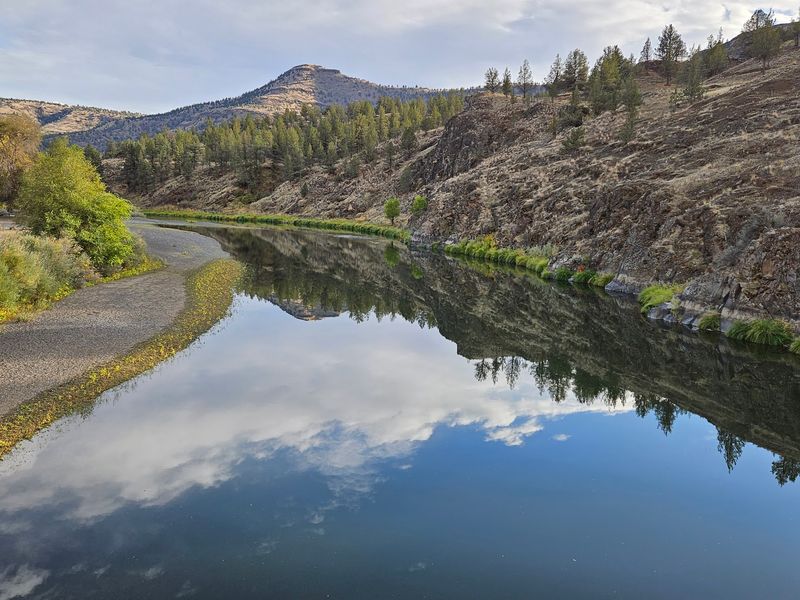
Spray has fewer than 200 residents, and the nearest stoplight is probably an hour away. That kind of remoteness is either a dealbreaker or the whole appeal, depending on who you are. For a certain type of traveler, arriving in Spray feels like finding something the rest of the world forgot to notice.
The John Day River runs right through the area, and the canyon walls rising above it are layered in ancient geology that looks almost painted on.
The town sits in Wheeler County, one of the least populated counties in the United States. There’s a school, a community center, a small market, and not much else in terms of infrastructure. But the access to the John Day River for fishing and rafting draws people from across the region.
The river here is relatively undeveloped compared to more famous waterways, which means the experience feels genuinely wild.
Spray is also close to the Sheep Rock unit of the John Day Fossil Beds, where the Thomas Condon Paleontology Center houses some remarkable fossil specimens. It’s a surprisingly sophisticated scientific facility in an extremely remote setting.
The contrast between the tiny town and the world-class research happening nearby is classic Oregon, understated and unexpected in equal measure. Spray rewards the curious and the patient.
9. Langlois, Oregon
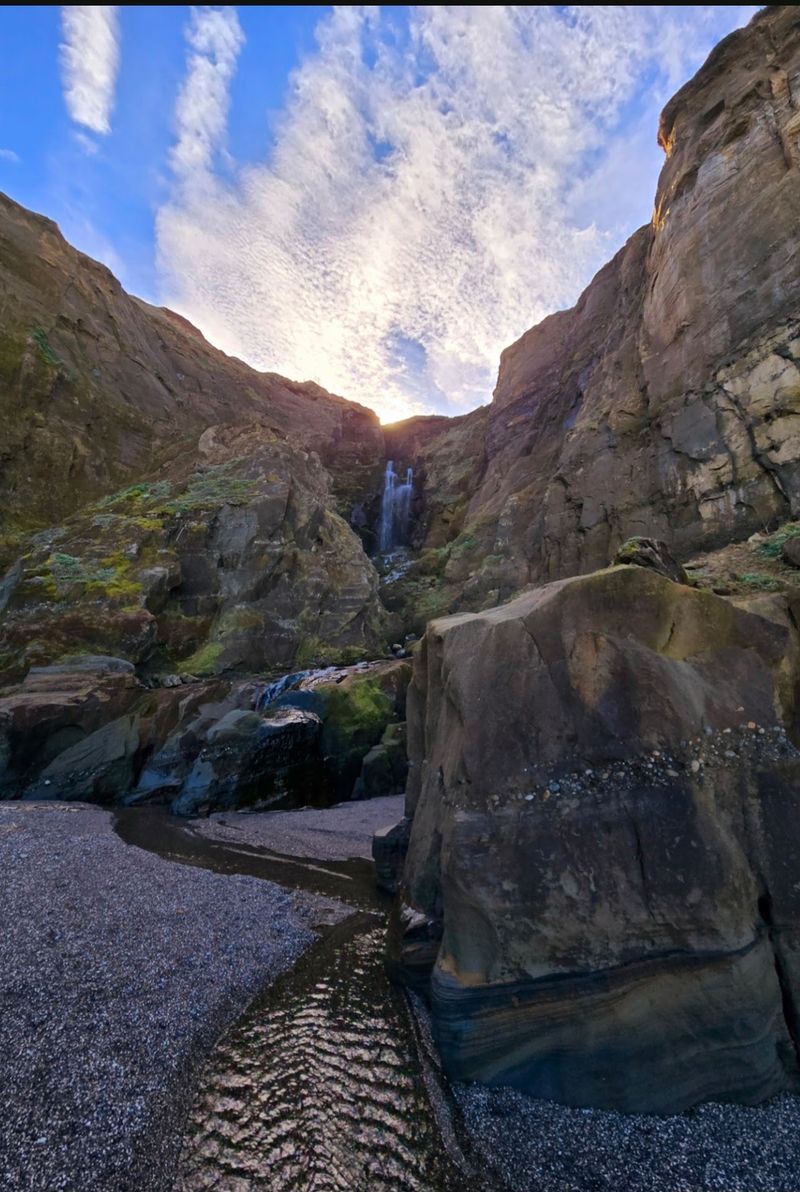
Langlois is the kind of town that makes you slow down without entirely knowing why. Located on Highway 101 in Curry County, it sits inland just enough to feel sheltered from the full force of the coast but close enough that the salt air reaches you on a windy day.
The surrounding dairy farms and green hillsides give it a pastoral quality that feels almost European in the soft morning light.
The town’s most beloved institution is Langlois Market, a small store with a devoted following that stretches far beyond the local population. The hot dogs sold there have developed a reputation that pulls travelers off the highway specifically to try one.
It sounds modest, but people talk about that market with real affection, the kind usually reserved for places that have been getting something right for a very long time.
Langlois sits near Floras Lake, a shallow coastal lake popular with windsurfers and kiteboaders because of the reliable wind patterns that funnel through the area. The lake is calm enough for beginners but consistent enough to attract serious enthusiasts.
Bandon is just a short drive north, and Port Orford is south, making Langlois a natural midpoint on a coastal road trip. It’s easy to overlook on the map, but harder to forget once you’ve actually stopped.
