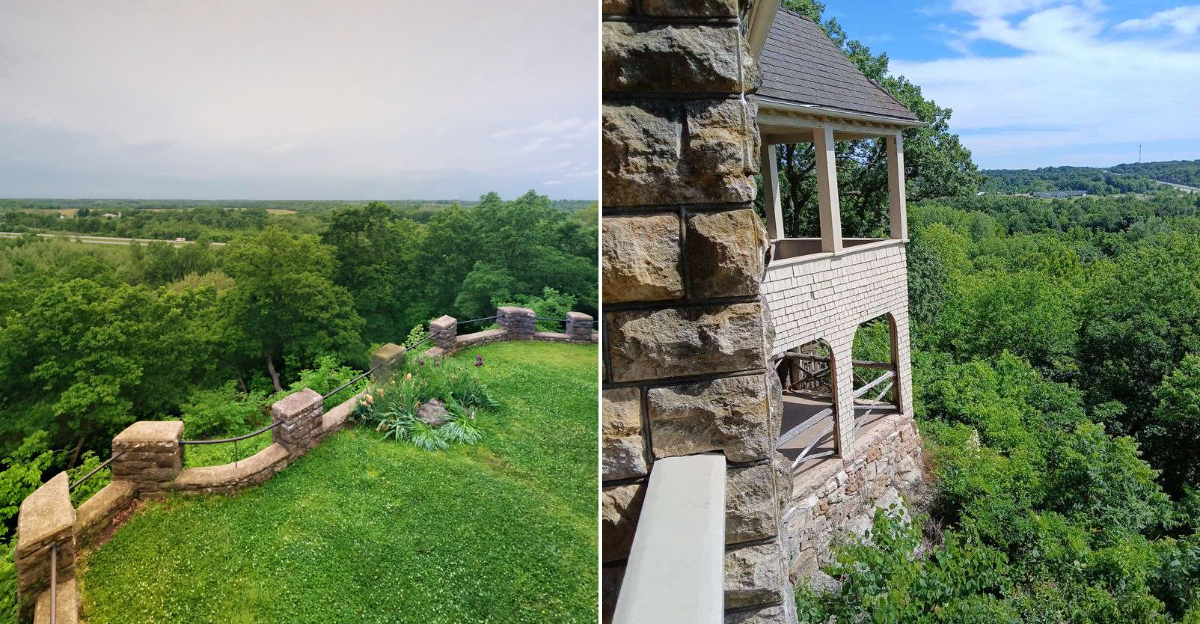
A lawyer built a home over a cave. Two, actually. The lodge sits on a limestone bluff, and the cool air rising from the caves below keeps the whole building comfortable, even on hot summer days.
He spent more than thirty years adding rooms, towers, and a carriage house, creating a sprawling stone mansion that feels like a personal project rather than a formal estate.
You can walk through the halls, climb the narrow stairs, and feel the draft rising from below. The view stretches across the valley.
A visit here is a step into a story that is still being told.
The Grand Approach On The Bluff
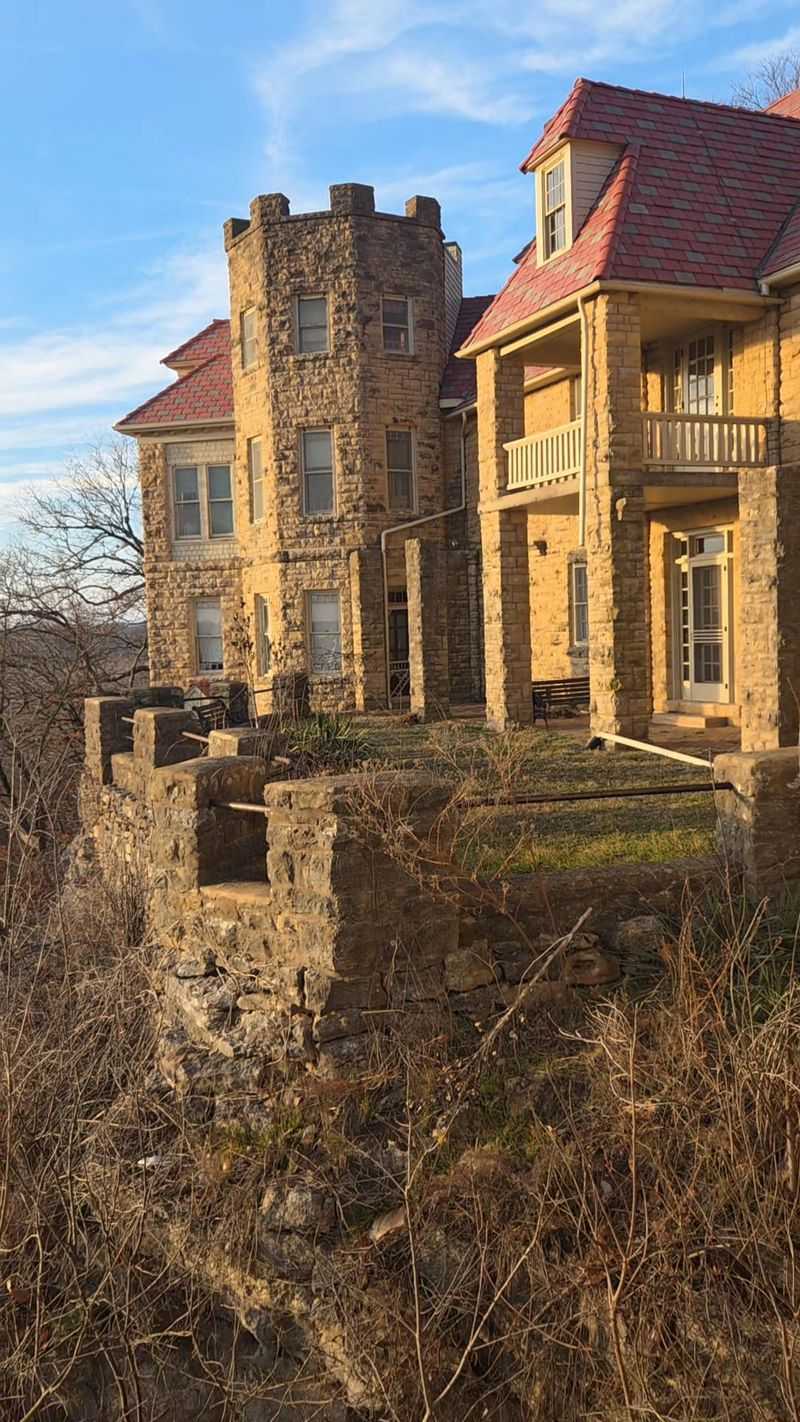
You know that feeling when a building shows up ahead and your whole car gets quieter for a second? That is the approach to Bothwell Lodge, because the stone walls and high setting make it look serious, but not stiff, like it belongs exactly where the bluff starts to rise.
Trees frame the view, the road builds a little suspense, and then the lodge finally appears with a shape that feels part castle, part country retreat.
From outside, the use of local stone tells you a lot before any guide says a word. John Homer Bothwell wanted the place to feel rooted in Missouri, and that choice still works, because the house seems pulled from the hillside instead of dropped on top of it.
If you are visiting, take your time before walking in, since the first look helps you understand the rest of the tour.
Photos are tempting here, but honestly, standing still for a minute is better. You notice the bluff, the trees, the rough texture of the walls, and the sense that someone built this place for views, weather, and fresh air, not just for show.
That opening impression sets the mood for everything that follows, and it makes the caves below feel even more surprising later.
Finding The Lodge Near Sedalia
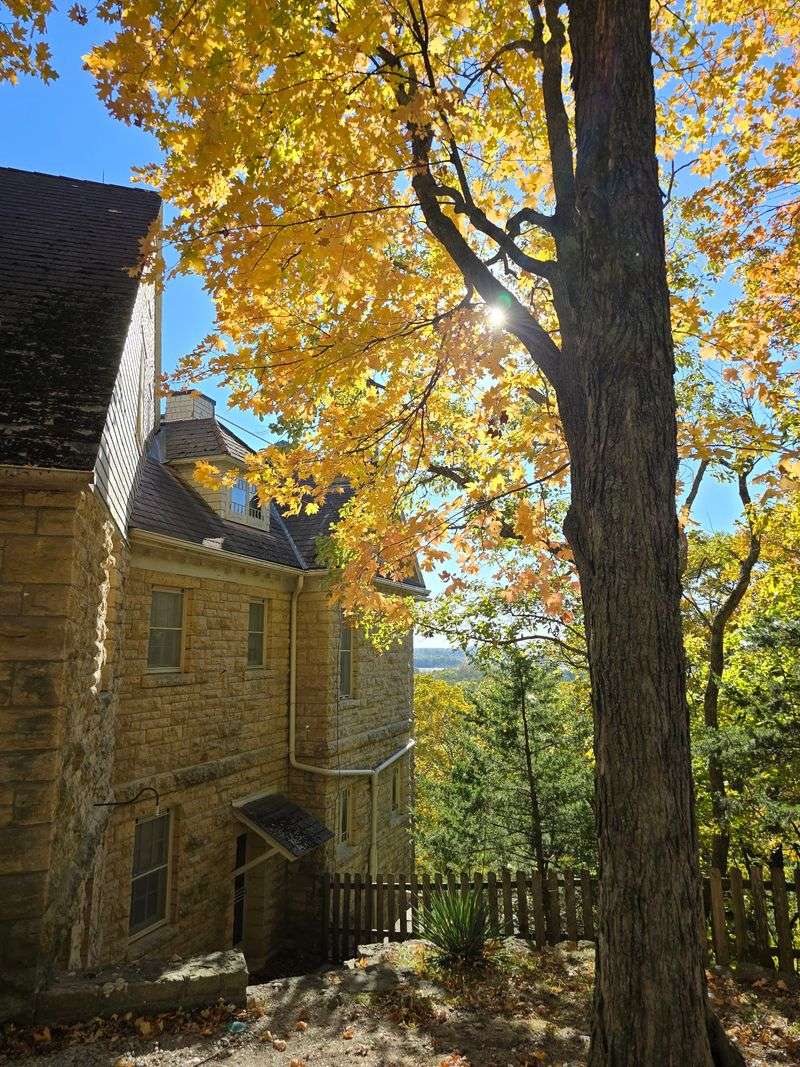
Getting there feels pleasantly old school, because the road does not hand the place over all at once. Bothwell Lodge State Historic Site sits at 19349 Bothwell State Park Road, Sedalia, MO 65301, and once you turn in, the setting starts doing half the storytelling before you even reach the house.
You leave regular errands behind pretty quickly, and the whole visit begins to feel more like an outing than a checklist stop.
That matters more than people think, because place and mood are tied together here. Sedalia gives you the nearby city name, but the lodge itself feels set apart, up in the landscape in a way that keeps your attention on woods, stone, and sky.
Missouri has plenty of historic places, yet not many announce themselves with such a mix of remoteness and personality.
If you like arriving without confusion, it helps to look up the route before you leave, since cell service and back roads can make anyone second guess a turn. Bring shoes you do not mind walking in, leave a little room in your schedule, and treat the drive as part of the experience.
By the time you step out of the car, the lodge already feels like its own world for the day ahead.
A House That Keeps Unfolding
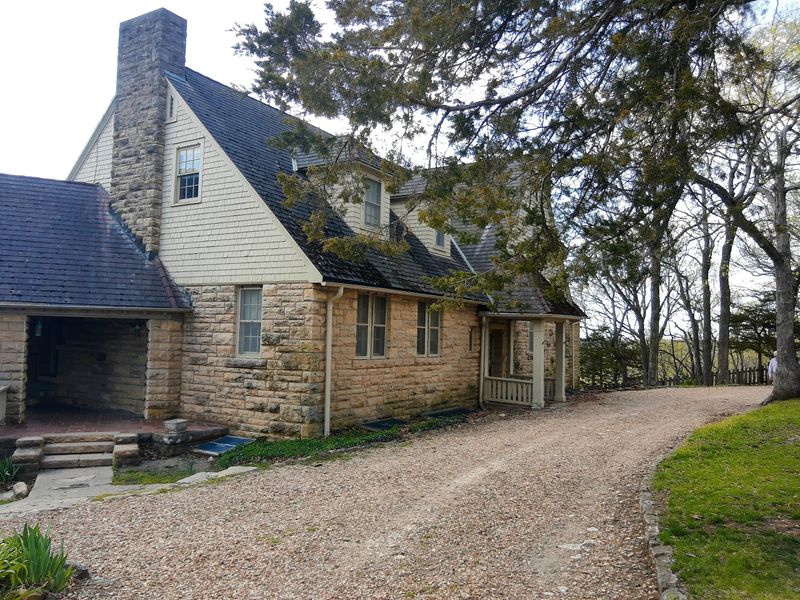
Once you hear how sprawling the lodge is, the inside starts making more sense. Room leads to room in a way that feels curious rather than fancy, and you get the sense that the house grew from ideas, hobbies, and gatherings instead of one neat master plan.
It is large enough to feel impressive, yet the materials and layout keep it from turning cold or distant.
Walking through the lodge, you notice how size changes the mood from one area to the next. Some spaces feel open and social, while others seem tucked away for reading, talking, or just cooling off after time outside.
That mix is part of the fun, because it lets you imagine the house actually being used, not simply admired from behind a rope.
Friends who like architecture will probably focus on how the rooms connect, but casual visitors usually respond first to the feeling of abundance. There is always another corner, another doorway, another view, and that steady sense of discovery keeps the tour lively.
If you visit with kids or with anyone who gets bored in formal historic homes, this place usually works better because the scale makes exploration feel natural, almost like the house is inviting you to keep going a bit longer.
Built Right Over Natural Caves
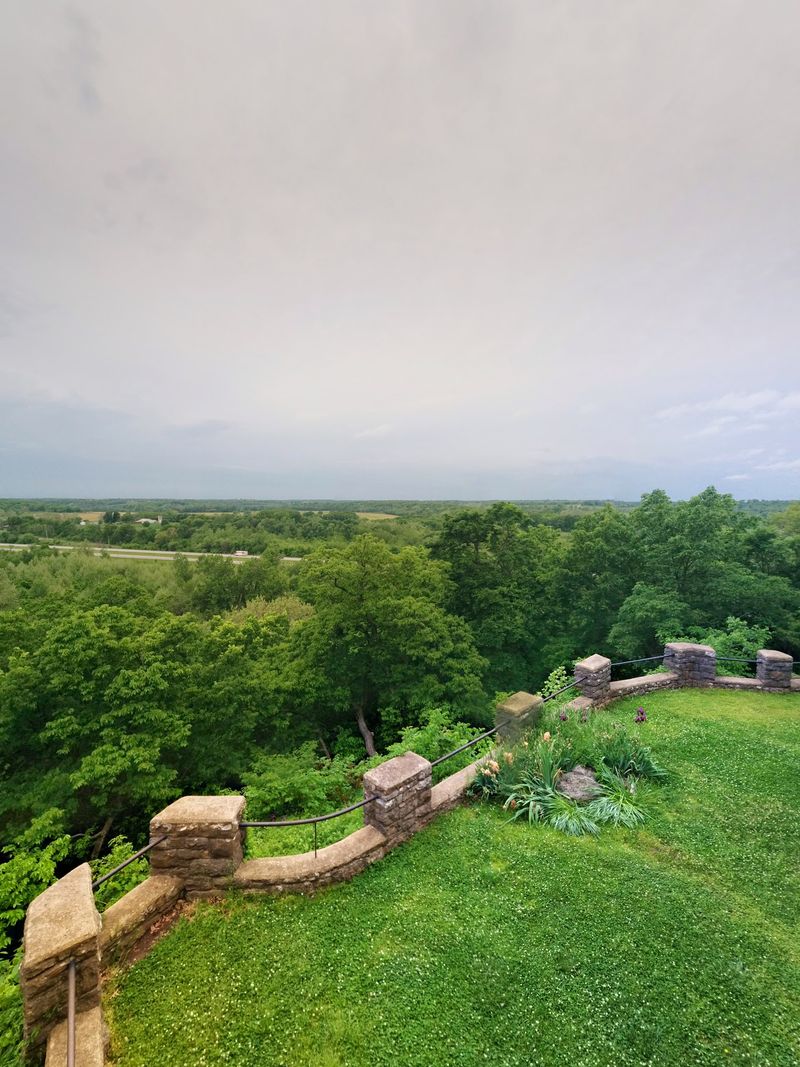
Here is the detail that makes everyone stop and blink for a second. Bothwell Lodge was built directly above natural caves, and once you know that, the whole house feels a little more daring, a little more personal, and a lot more memorable.
It is not just a pretty old home on a hill, because there is a hidden underground world shaping the story from below.
The caves are not some random side note added later by a guide trying to spice things up. They are central to how the lodge was imagined, and they help explain why the setting feels so unusual even before you hear the full background.
Missouri has many caves, but having a home designed around them gives this place an entirely different kind of character.
When you walk through, it helps to keep picturing the ground under your feet. That simple idea makes the stone walls, cool air, and bluff location feel connected in a way that is easy to remember.
If you enjoy places where nature and architecture are basically having a conversation, Bothwell Lodge does that better than most sites, and it does it without feeling showy. You keep thinking someone saw caves here and built a lodge over them anyway successfully.
Cool Air Rising From Below
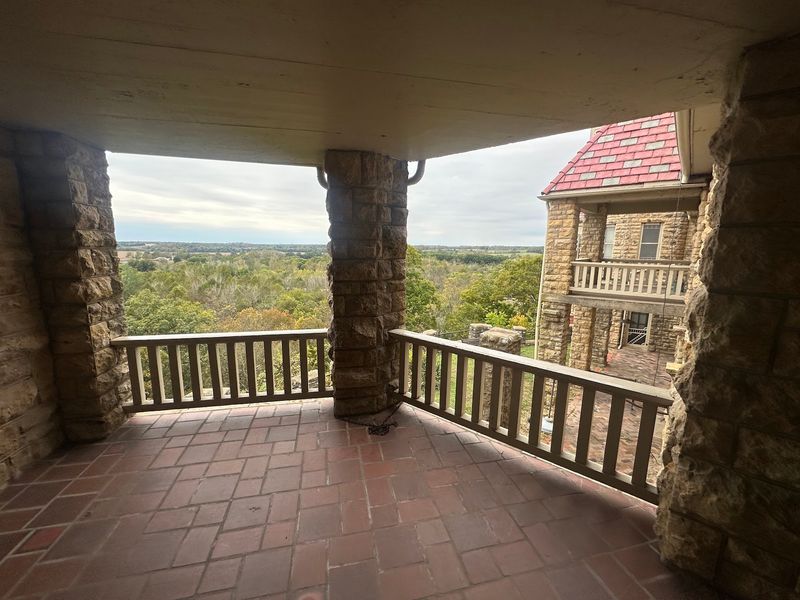
Honestly, the cooling idea is the part that makes John Homer Bothwell seem especially stubborn and clever. He did not just build over caves for bragging rights, because he tried to use the cool cave air to help temper the lodge above.
Even now, that plan feels imaginative, practical, and a little bit bold in a way that makes the whole house easier to appreciate.
The setup involved an opening and shaft connected to one of the caves, which sounds almost like something from a story until you remember it was a real attempt at natural climate control. Instead of fighting the landscape, the house borrowed from it.
That approach gives the lodge a kind of hands-on intelligence that still feels fresh.
When you tour the place, think about how warm Missouri summers can get and then imagine someone looking underground for an answer. Suddenly the caves stop being just a fun fact and start feeling like part of the building’s working design.
For visitors, that adds a nice layer to the experience, because you are not only seeing old rooms and stonework, you are also seeing an early effort to live more comfortably by paying attention to the land. That smart plan is why so many visitors remember it.
Walking The Grounds And Trails
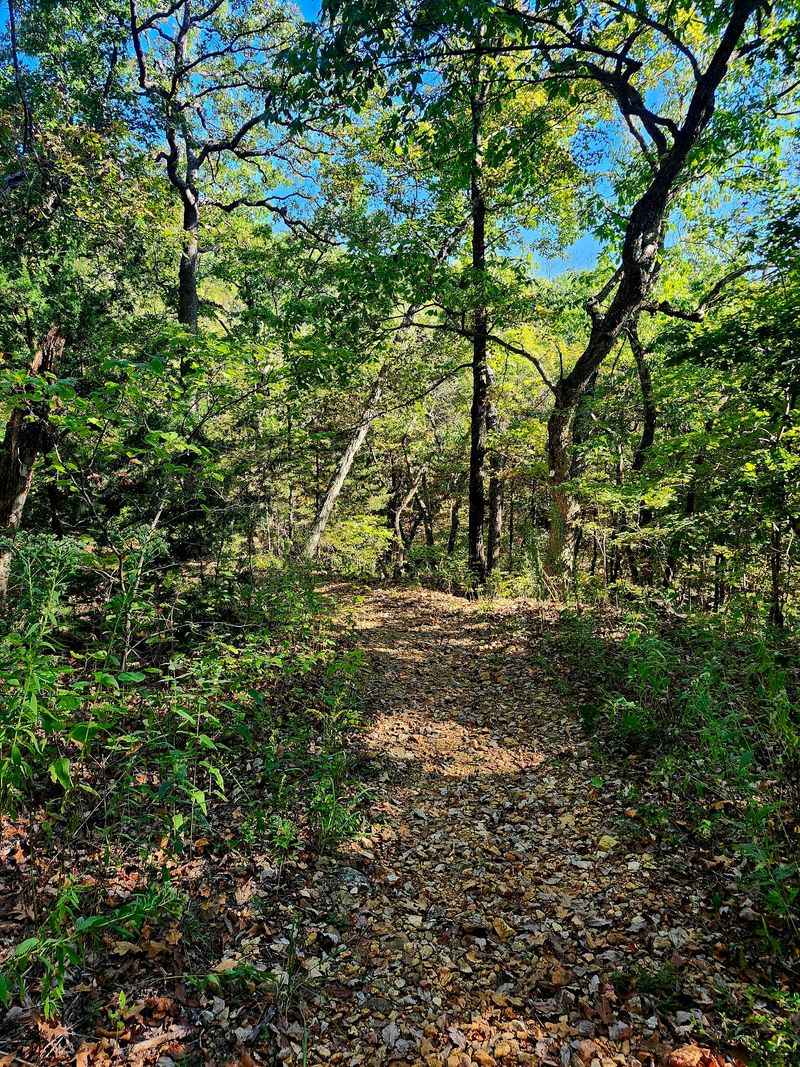
After a while indoors, stepping onto the grounds feels like taking a deep breath you did not realize you were holding. The land around Bothwell Lodge matters just as much as the building, because the trails, rocky features, and open views help explain why anyone would want a retreat up here in the first place.
You are not just circling a house, you are moving through the setting that gave the house its whole mood.
One of the best things about walking here is that the property still feels textured and a little rugged. You might pass old quarry areas, stone features, wooded stretches, and overlooks that remind you the bluff was part of the plan from the beginning.
Everything seems tied together by the same appreciation for local rock, outdoor air, and quiet wandering.
If you go, wear shoes with decent grip and give yourself time to slow down, because this is not a race from one landmark to the next. The grounds reward people who notice details, like how the stone structures echo the lodge or how the trees suddenly open toward a view.
In Missouri, that matters, because the landscape never feels like background scenery. It acts like a partner in the story, making the walk satisfying.
Rooms That Still Feel Lived In
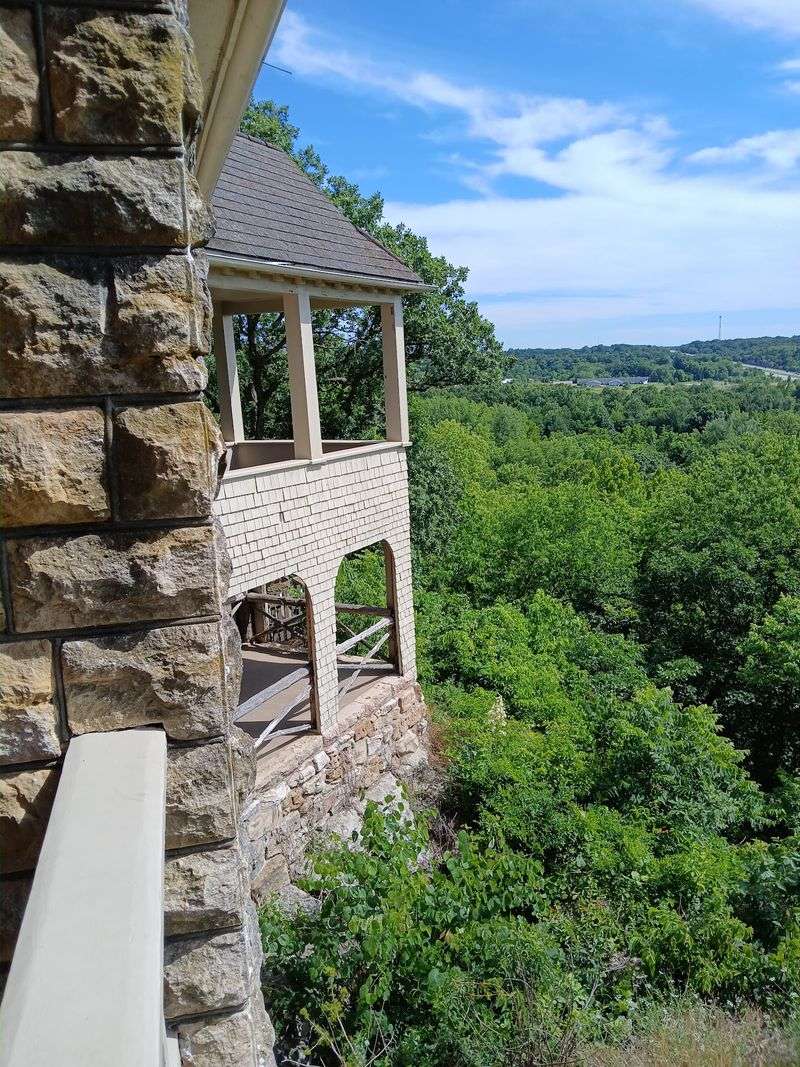
The inside of Bothwell Lodge has that rare feeling of being preserved without seeming frozen. Rooms hold onto their old character, and many furnishings help the place feel lived in rather than cleaned up into a generic history lesson.
You can imagine people sitting, talking, resting, and looking out the windows instead of simply posing in a carefully staged house.
That makes a huge difference on a tour, especially if you usually get tired of historic interiors after the first few rooms. Here, the objects and finishes support the story of John Homer Bothwell as a person with tastes, routines, and a very specific idea of comfort.
The home feels personal enough that you start noticing preferences instead of just antiques.
Pay attention to textures and atmosphere more than trying to memorize every object, because that is where the place gets under your skin. Stone, wood, light, and furniture work together to create rooms that feel solid but not heavy.
If you are visiting with someone who claims old houses all feel the same, bring them here and let the interior prove otherwise. The lodge has an eccentric warmth, and that is why people leave remembering how it felt.
It still seems like a real home carrying its owner’s habits.
The Man Behind The Stone Walls
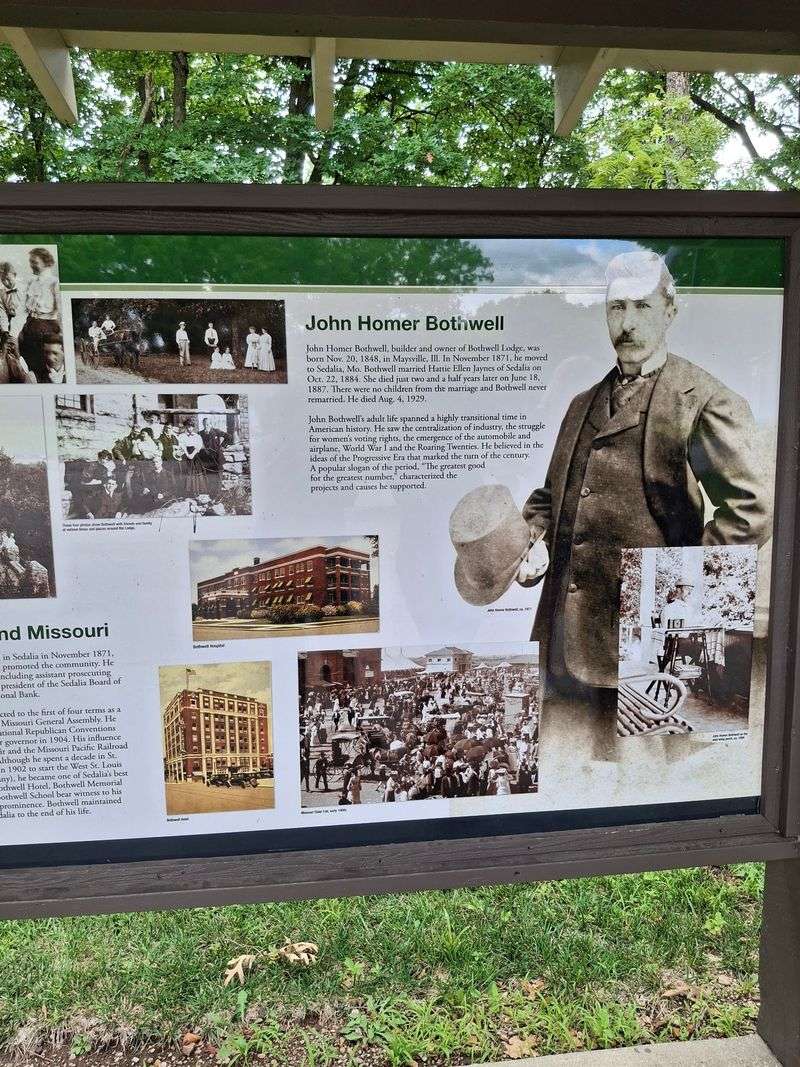
What I find most interesting is that the lodge reflects a real person, not just a name on a plaque. John Homer Bothwell was a lawyer, a public figure in Sedalia, and someone whose influence reached beyond his own property into the wider story of Missouri.
When you know that, the house stops being just eccentric and starts feeling like an extension of a strong-minded local character.
You do not have to memorize a stack of civic details to appreciate that part of the visit. It is enough to understand that Bothwell helped shape his community, and the lodge shows the private side of someone who also mattered in public life.
The combination makes the site feel more grounded, because the man behind it was involved in the place around him.
That connection to Sedalia gives the tour extra weight without making it heavy. You are seeing where personal taste met public stature, and where a successful Missourian chose to build something deeply individual instead of predictable.
If you like history best when it feels tied to a human story, keep an eye out for the ways the house reveals confidence, curiosity, and a desire to gather people together. In Missouri, few legacies feel this visible in stone and setting.
A Retreat Made For Gathering
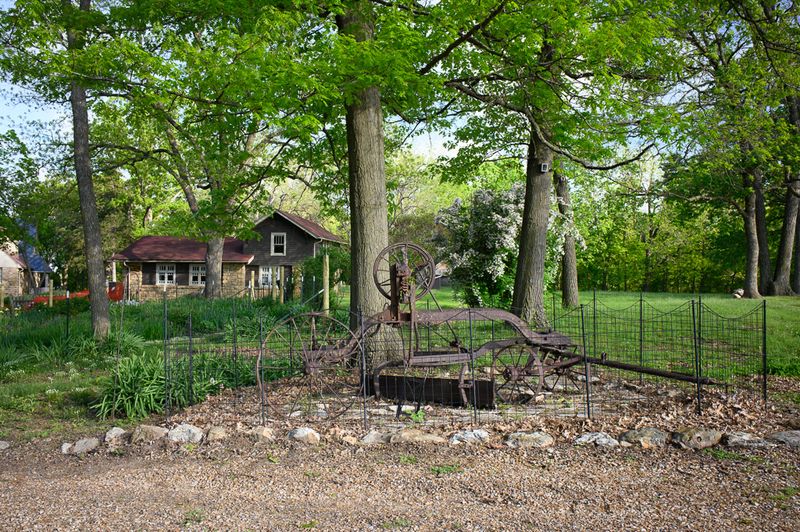
By the end of the visit, the lodge starts making sense as a place built for company. It was meant as a retreat where friends could gather, rest, talk, and enjoy the land, and that purpose still comes through even when the rooms are quiet.
You can almost picture long conversations, open windows, and people drifting between indoors and outdoors without any rush.
That social feeling changes how you read the whole property. Instead of seeing only stone walls and historic objects, you start noticing spaces that seem made for sharing views, cooling off, or lingering a little longer before heading home.
The house feels welcoming in a personal way, like it was designed around use and companionship rather than display.
The bluff setting ties everything together, because the scenery gives guests something to do even when nobody is doing much at all. Looking out over the valley is part of the experience, and it helps explain why this corner of Missouri felt right for an ambitious private escape.
If you ever wonder whether a building can still carry the mood it was created for, Bothwell Lodge answers yes pretty clearly. Even now, the place feels like a gathering spot first, which is probably why people remember it so warmly.
