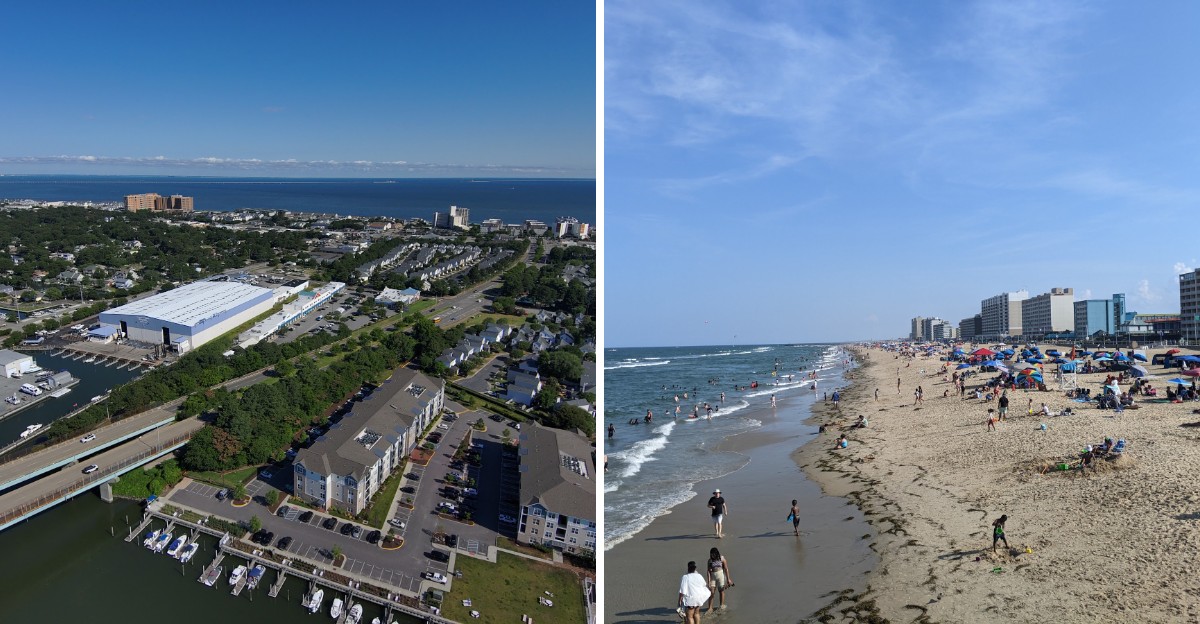
Growth sounds good on paper. More visitors mean more money, more jobs, and more attention for a place that deserves it.
But there is a tipping point, and some Virginia towns have already passed it. What was once a livable coastal community has become a destination that overwhelms the people who actually live there.
Traffic backs up for miles during peak season. Parking disappears.
Rent climbs until longtime residents can no longer afford to stay. The businesses that cater to locals get replaced by shops selling the same souvenirs to a rotating crowd.
Some families have already left. Others are holding on but admit they no longer recognize the place they grew up in.
The beach itself is still beautiful. The sunsets are still worth watching.
But the balance has shifted, and the people who built their lives there are the ones paying the price. It is a story happening in coastal towns across the country, and Virginia is no exception.
Whether you visit or live there, the tension is impossible to ignore.
The Boardwalk Shuffle Gets Real
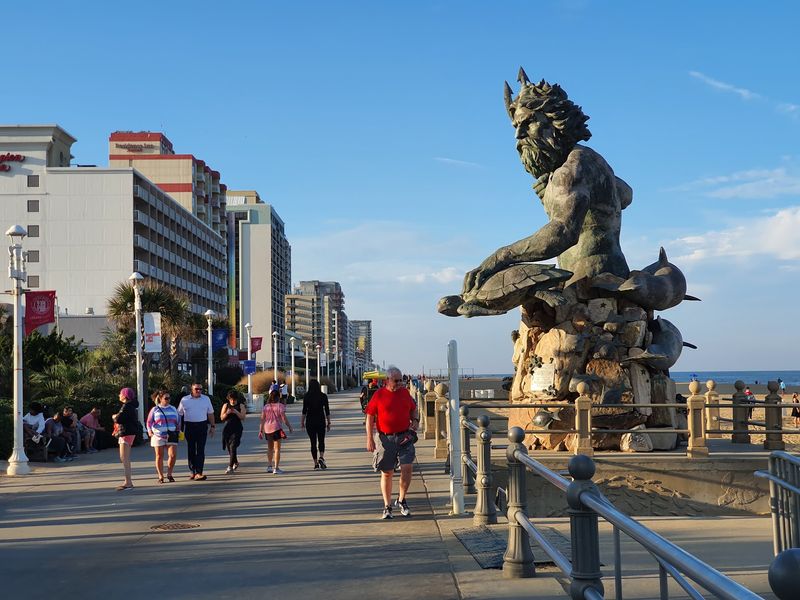
Picture a long ribbon of concrete hugging the Atlantic, and now picture half the East Coast trying to stroll on it at once. Welcome to the Virginia Beach Boardwalk in peak summer.
Bikes zip down their own lane while families weave around strollers, surfers, and folks hunting for the perfect selfie spot. Hotels stand shoulder to shoulder along the edge, so the ocean view comes with a side of skyline.
Locals have a nickname for this stretch during busy season, and it rhymes with nothing polite. Plenty of residents simply avoid the oceanfront from late spring until the cooler months roll in.
Smart move? Try going early.
Sunrise on the boardwalk feels like a secret handshake, with soft pink light, quiet sand, and joggers who actually live here.
Fall is another winner. Water stays warm for a while, crowds thin out, and parking stops feeling like a competitive sport.
Look for the giant bronze King Neptune statue near the northern end of the main stretch. He has watched the madness for years and still looks pretty calm about it.
Rent a bike, skip the midday rush, and you will see why people fight over this view.
Traffic That Tests Your Patience
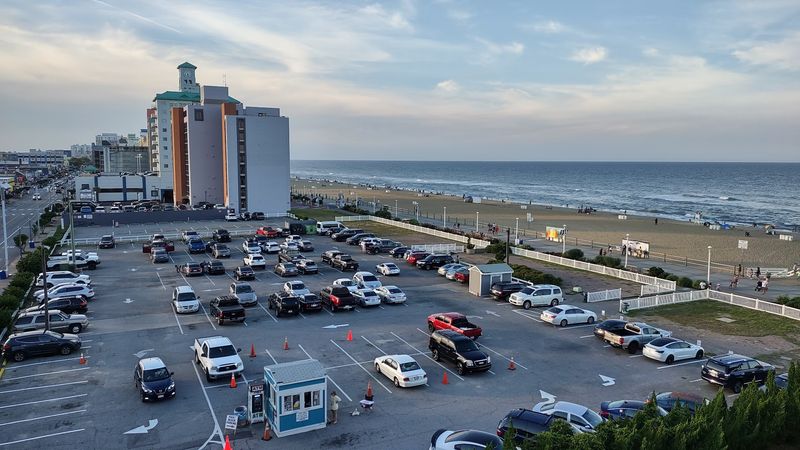
Nobody plans a beach day hoping to spend it staring at brake lights. Yet that is exactly what happens on summer weekends when Interstate 264 turns into a slow parade toward the sand.
Residents know the drill. Saturday mornings bring a flood of cars from across Virginia and beyond, and Sunday afternoons send them all back at once.
Running a simple errand during those hours can feel like a mini road trip. Grocery runs get strategic, and locals plan around the tide of out of town plates.
Here is the trick that keeps your sanity intact. Arrive before mid morning or roll in late afternoon when day trippers start packing up their coolers.
Public transit helps too. Seasonal trolley service has run along the resort area, letting you skip the parking hunt and ride with the windows down.
Parking garages near the oceanfront fill fast, so check city lots ahead of time. Better yet, stay within walking distance of the beach and leave the car parked for the whole trip.
Less honking, more wave watching. Everybody wins, including the neighbors who just want to buy milk.
Short Term Rentals Shake Up Neighborhoods
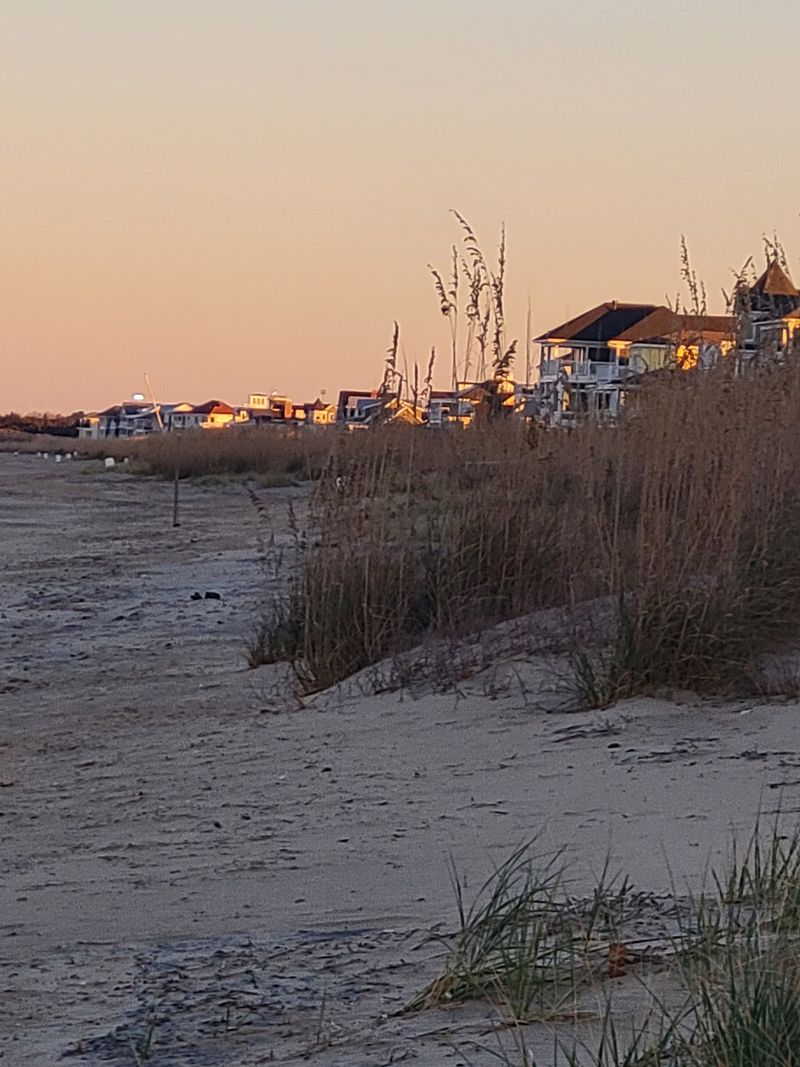
Quiet cul de sacs used to belong to kids on scooters and neighbors swapping garden tips. Now some streets near the water feel more like hotel hallways with lawns.
Short term rentals have become a hot topic in Virginia Beach, and city leaders have spent plenty of time debating rules about where they can operate. Certain oceanfront and Sandbridge areas allow them, while other zones face tighter limits.
Why do residents care so much? Weekend groups can mean late night noise, extra cars squeezed onto narrow roads, and trash cans overflowing on Monday mornings.
Housing costs also play a role. When homes turn into vacation stays, fewer places remain for teachers, nurses, and service workers who keep the city running.
That does not mean you should feel guilty about booking one. Just be the kind of guest neighbors forget you were ever there.
Keep the volume down after dark, follow parking rules, and sort your recycling properly. Small courtesies go a long way toward easing tension.
Want a lighter footprint? Consider a locally owned inn or hotel along the resort strip and let the residential blocks stay residential.
Sandbridge Is No Longer a Secret
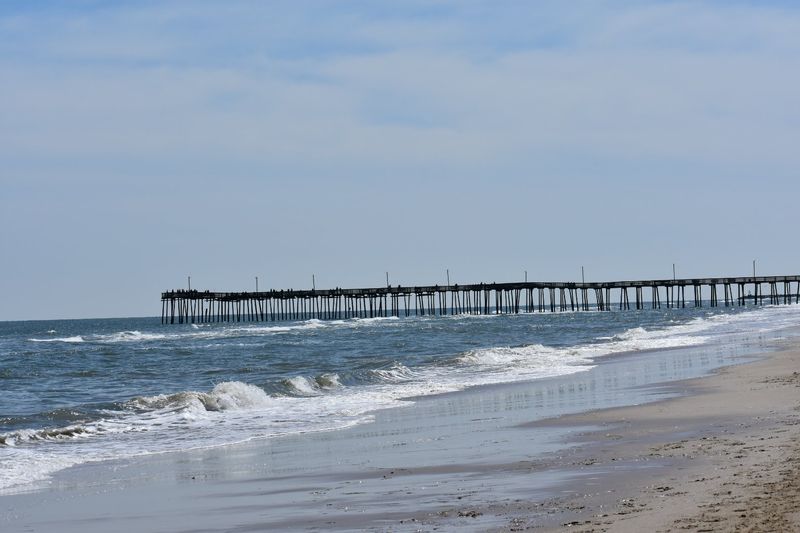
Once upon a time, Sandbridge was where locals escaped when the oceanfront got too wild. Stilted beach houses, tall dunes, and a calm shoreline made it feel worlds away.
Word got out, as word always does. Today rental homes fill up quickly in summer, and the narrow road leading in can get busy with cars hauling kayaks and beach chairs.
Still, this stretch keeps a laid back personality the main resort area lost long ago. No towering hotels crowd the sky, and the sand feels wide open.
Nature lovers get a bonus here. Back Bay National Wildlife Refuge sits right next door, with marsh trails, boardwalks, and birdlife that puts on quite a show.
Bring bug spray in warm months. Mosquitoes treat the marsh like an all you can eat buffet.
Shops and dining options are limited, so pack snacks and water before heading out. Showing up prepared also keeps you from adding to the traffic on extra supply runs.
Respect the dunes, stay on marked paths, and you will understand why folks who grew up here still talk about it with a dreamy smile.
First Landing Draws History Buffs and Campers
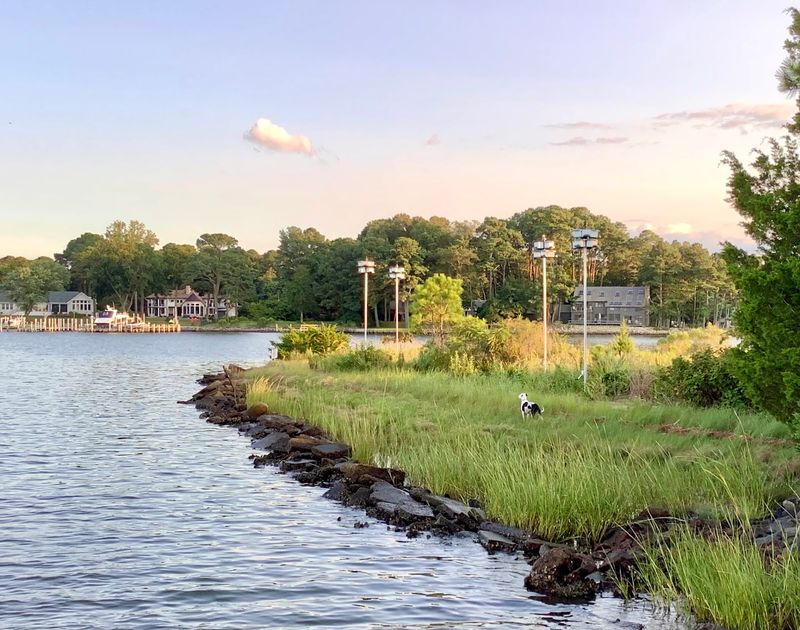
History buffs, listen up. English colonists set foot here before sailing on to found Jamestown, and First Landing State Park honors that moment along the Chesapeake Bay.
Walk the Bald Cypress Trail and you will feel transported. Twisted trees, Spanish moss, and dark tea colored water create a swampy scene that looks borrowed from a movie set.
Popularity comes with a price. Campsites and cabins book up far in advance, and summer weekends can bring full parking lots at the entrance.
Locals love this park for morning runs and bike rides on the Cape Henry Trail. Showing up midday in July means sharing that peace with a lot of new friends.
Plan ahead if you want to camp. Reservations open well before summer, and the best spots disappear fast.
The bayside beach offers calmer water than the ocean, which makes it lovely for little kids. Sunsets over the bay here are seriously gorgeous.
Leave no trace, keep pets leashed, and stick to marked trails. Treat this spot kindly and it will treat you to one of the most magical walks on the coast.
Aquarium Crowds and Ocean Wonders
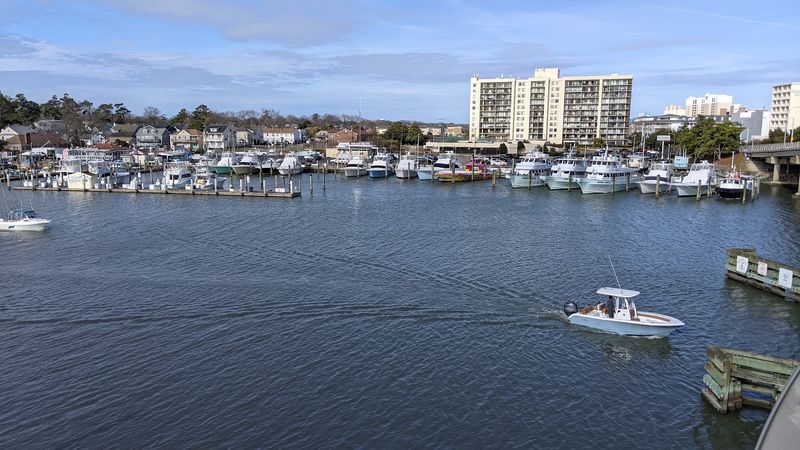
Sharks, sea turtles, and stingrays all under one roof sounds like a dream for curious kids. That is why the Virginia Aquarium and Marine Science Center packs out on rainy days.
Exhibits explore habitats from local waters to faraway oceans. Tanks are huge, the touch pools are a hit, and the marsh pavilion across a nature trail adds river otters to the fun.
Timing matters big time here. When storms roll over the beach, every family in town has the same backup plan.
Go on a sunny weekday morning instead. Halls feel roomier, and you can actually press your nose to the glass without a crowd behind you.
Seasonal boat trips run from the area too. Dolphin watching tours in warmer months and whale watching in winter let you see wildlife in their real home.
Buy tickets online ahead of time to skip lines. Also check for special exhibits, which change throughout the year.
Locals tend to visit during the off season, and honestly they are onto something. Fewer crowds, happier fish, and more time to admire that sea turtle swimming laps.
Rising Rents Push Workers Inland
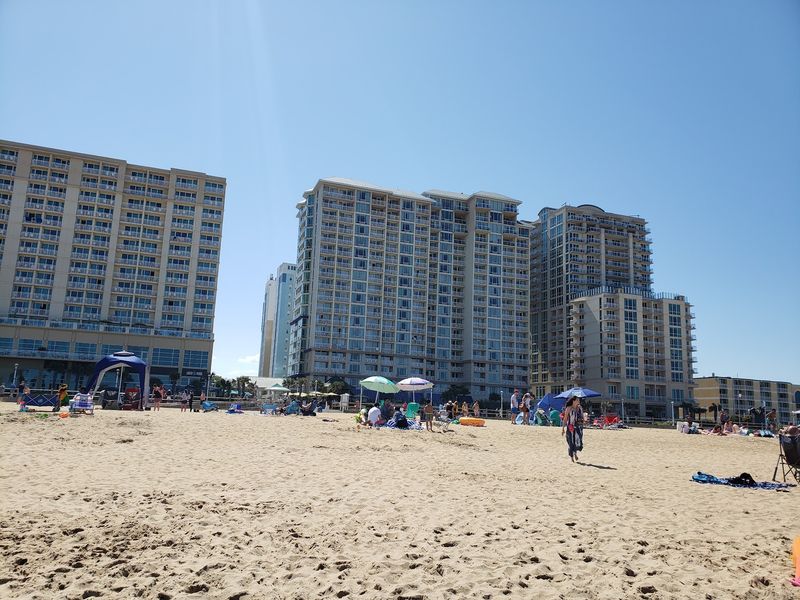
Behind every sunny postcard sits a cashier, a lifeguard, or a line cook who needs a place to live. Finding one near the water has become a real headache.
Housing prices across Hampton Roads have climbed, and coastal neighborhoods feel that pressure most. Many workers now commute in from farther away, adding to the daily traffic crunch.
Military families add another layer. Naval Air Station Oceana and Joint Expeditionary Base Little Creek Fort Story bring steady demand for homes, which tightens the market even more.
Is tourism the only culprit? Not quite, but vacation demand certainly stirs the pot.
So what can you do as a visitor? Support businesses that treat staff well, tip generously, and be patient when places feel short handed during busy weeks.
Shopping at locally owned spots keeps money circulating inside the community. Farmers markets and family run shops make great stops for souvenirs.
Kindness is free and powerful. A thank you to the person scooping your ice cream on a scorching afternoon matters more than you might think, especially when that person drove a long way just to get there.
Where Locals Hide When Summer Hits
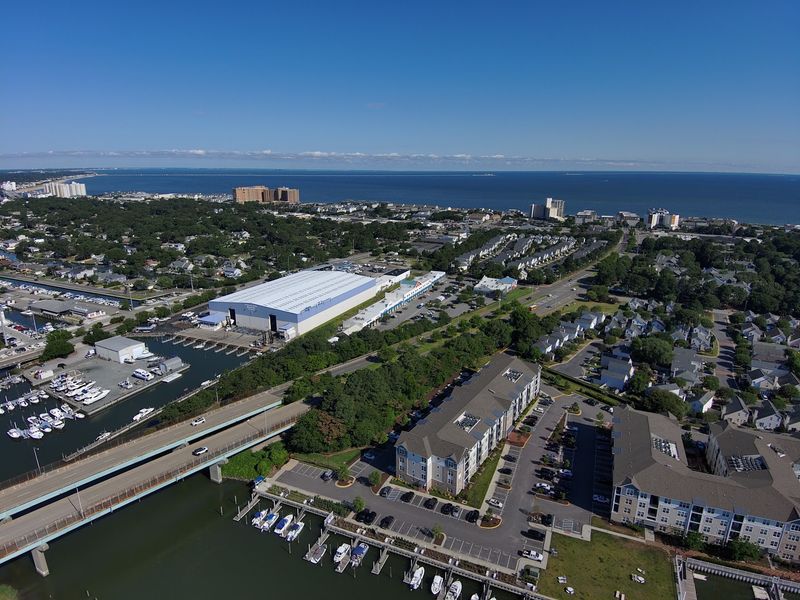
Ask a lifelong resident where they go in July, and you might get a sly grin before an answer. Chesapeake Bay beaches along Shore Drive are a longtime favorite.
Waves here are gentler, the sand is softer, and the vibe feels neighborly. Chic’s Beach, as locals call the Chesapeake Beach area, has a relaxed small town charm.
The Lesner Bridge glows at night with colorful lights. Watching boats glide under it while the sun dips low is a top tier evening plan.
Another local escape is Pleasure House Point Natural Area. Trails wind through marsh and maritime forest with views that stay calm even on busy days.
Now, about sharing these spots. Visit quietly, park legally, and avoid blocking driveways on narrow side streets.
Residents rarely mind company. What bugs them is trash left on the sand and music blasting at full volume.
Come with good manners and you will be welcomed like family. Leave the bay better than you found it, and maybe neighbors will even wave as you head back to your car.
Festival Season Brings Big Crowds
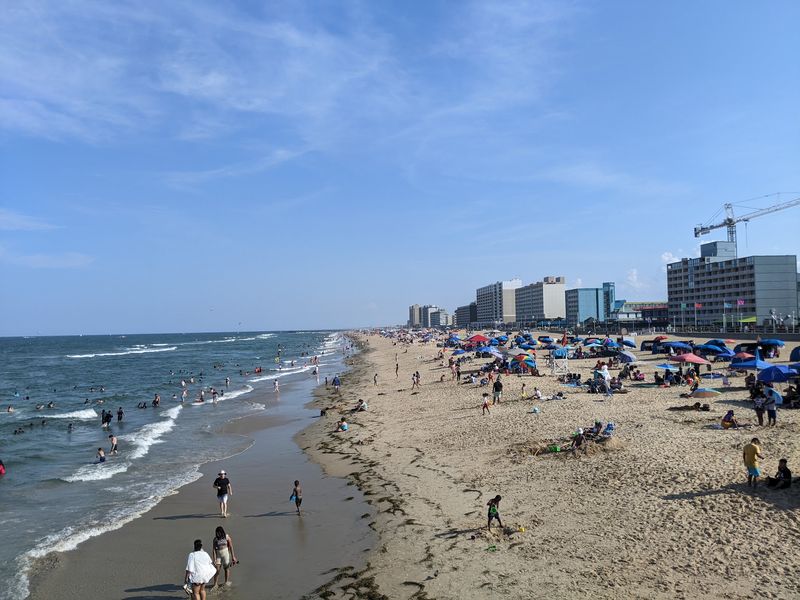
Live music on the sand, fireworks over the ocean, and food trucks everywhere create a party that feels like it never stops. Festival season turns the oceanfront into one giant stage.
Big events like the Neptune Festival in fall bring sand sculptures, parades, and craft booths. Summer concerts and holiday celebrations keep the action rolling for months.
Of course, more fun means more people. Roads close, hotels sell out, and nearby residents brace for loud nights and crowded sidewalks.
Some locals adore the energy. Others count down the days until things settle and they can reclaim their favorite parking spot.
Planning to attend? Book lodging early, check road closure maps, and consider walking or biking to the venue instead of driving.
Bring earplugs if your room faces the action. Fireworks look amazing, but sleep is also pretty nice.
For a calmer twist, the holiday light displays in winter offer seasonal magic without summer chaos. Cozy jackets, glowing lights, and a nearly empty boardwalk make Virginia Beach feel like an entirely different town, and residents will happily share it in December.
Visit Smart and Share the Shore
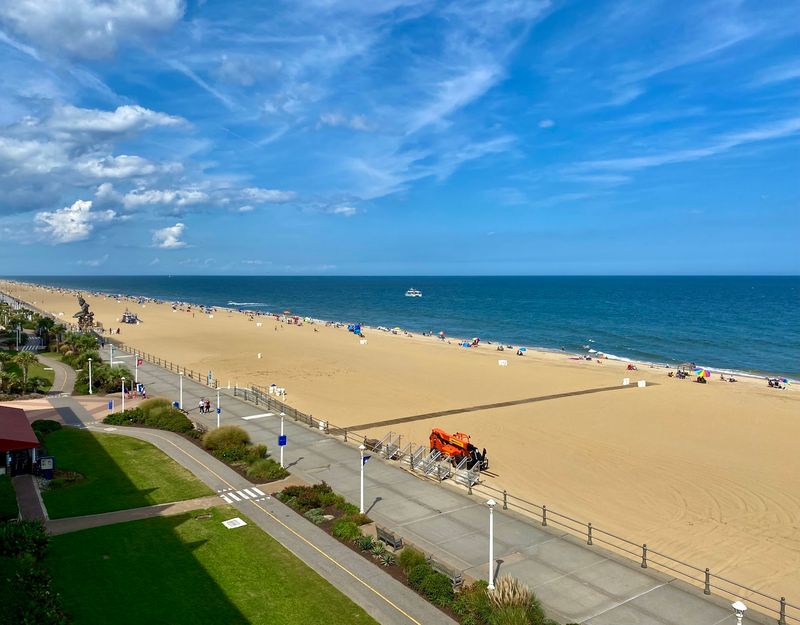
Love this coastline? Prove it by visiting like a good neighbor.
Virginia Beach can handle crowds, but it thrives when guests show a little respect.
Shoulder seasons are your secret weapon. Late spring and early fall bring warm sand, fewer lines, and residents who are far happier to see you.
Honestly, I think autumn might be the best time of all. The ocean still sparkles, prices on lodging tend to drop, and sunsets feel like private shows.
Follow beach rules, pick up every scrap of litter, and stay off protected dunes. Spending money at local restaurants and shops gives the community a real boost.
Need trip planning help? The city website at vbgov.com covers parking, events, and beach rules, and the city sits in southeastern Virginia, USA, right where the Chesapeake Bay meets the Atlantic Ocean.
So here is my challenge to you. Skip the July stampede, pack your flip flops for September, and see this shoreline the way locals wish everyone would.
Grab that beach bag and go. The waves are waiting, and they promise not to honk at you.
