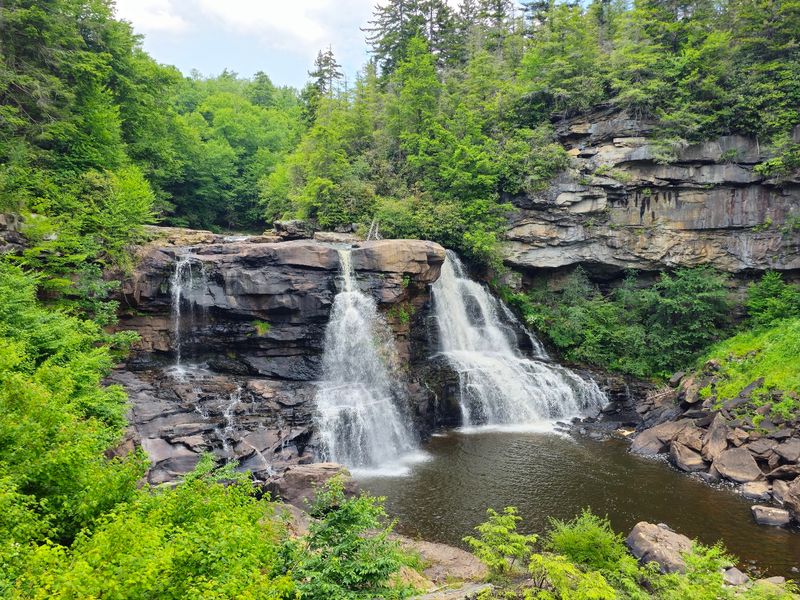
A 785-megawatt gas-fired power plant could rise less than two miles from one of the most photographed waterfalls in West Virginia. That single number has neighbors packing meeting rooms and filing appeals.
One analysis suggests sky glow near the falls could jump by 528 percent. That matters because the park is working toward official dark-sky status.
I can’t imagine trading a sky full of stars for the hum of diesel generators.
The water here runs the color of strong tea, thanks to hemlock and red spruce needles. The trails, cabins, and overlooks draw families, retirees, and road-trippers all year.
Locals say the whole mountain economy leans on that scenery.
So who is pushing back, and what exactly are they trying to save? I believe the answer is worth a closer look before the next permit decision lands.
The Amber Waterfall Everyone Is Suddenly Talking About
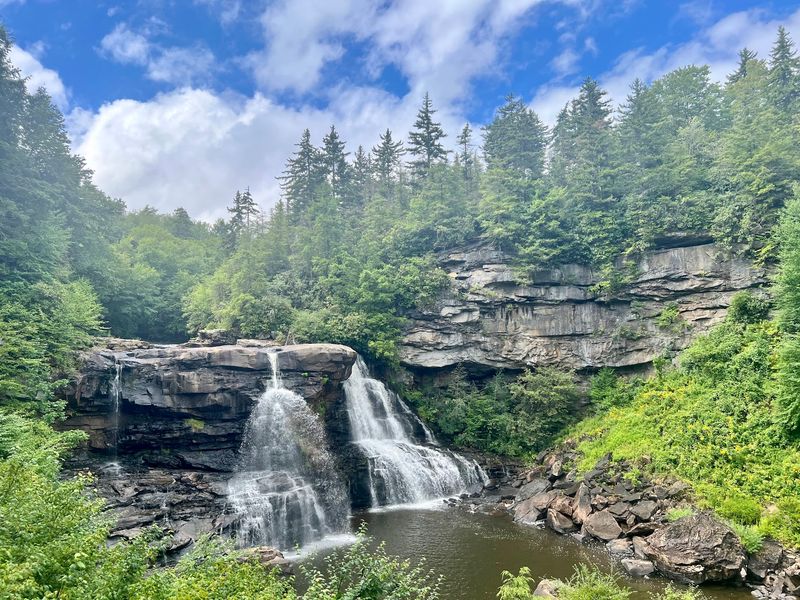
Fifty-seven feet of tea-colored water explains why so many people care. Blackwater Falls State Park sits in Tucker County, West Virginia, and its namesake waterfall drops about five stories into a deep gorge.
That gorge then runs roughly eight miles downstream. The river’s dark amber shade comes from tannic acid released by fallen hemlock and red spruce needles.
No dye, no trick of the light. Just the forest quietly steeping itself like a giant cup of tea.
The falls rank among the most photographed sites in the Mountain State. State tourism leaders and conservation groups both describe the park as a nationally significant public land and recreation area.
Now that reputation sits at the center of a heated local fight. A proposed private power plant and data center complex could be built just up the road, inside the same watershed.
Neighbors argue the waterfall isn’t just pretty scenery. It’s the anchor for hiking, lodging, and small businesses across this corner of the highlands.
So before getting into permits and acreage, it helps to understand the prize. Once you see what’s at stake, the passion behind the opposition starts to make a lot of sense.
What The Ridgeline Project Would Actually Put On The Mountain
Developer Fundamental Data, LLC calls its plan the Ridgeline Project. According to reporting from Mountain State Spotlight and West Virginia Public Broadcasting, the centerpiece is a 785-megawatt natural-gas-fired power plant with diesel backup generators.
That plant would power a private data center complex. Early plans target about 291 acres, though the full footprint could reportedly stretch toward 10,000 acres.
Some of that land might even reach into neighboring Grant County. That’s a lot of server racks for a region better known for ski slopes and mountain bikes.
The site sits less than a mile from the towns of Thomas and Davis. It also lies within the headwaters of the Blackwater River watershed.
In 2025, the West Virginia Department of Environmental Protection issued an air quality permit for the plant. In August 2026, the agency verified the company’s ownership of roughly 290 acres.
Here’s the curious part. Fundamental Data has reportedly described the project as conceptual to the state Commerce Department while still seeking permits.
Opponents say that mixed messaging is exactly why they keep asking questions. When a project is both maybe and moving forward, neighbors tend to pay attention.
Neighbors, Conservationists, And One Very Determined Coalition
Grassroots fights rarely start with lawyers. This one started with residents who noticed the paperwork and decided to organize.
Tucker United formed as a local coalition of citizens worried about the plan. Residents such as Pamela Moe have been credited in local reporting with helping rally the community response.
They didn’t stay alone for long. The West Virginia Highlands Conservancy, the Sierra Club, and Friends of Blackwater have all joined the opposition.
Together, several of these groups formally appealed the state air quality permit. They’re also pursuing challenges through the state court system.
Transparency sits near the top of their list. Permit documents have been heavily redacted, which opponents say keeps the public guessing about the project’s full scope.
Then there’s House Bill 2014, passed in 2025. Critics say it limits local zoning control over off-grid power plants and data centers.
They also argue it sends most of the property tax revenue to the state instead of local governments. For a small mountain county, that detail lands hard.
Whatever your take, it’s a striking example of neighbors refusing to sit on the sidelines. Mountain folks have never been shy about protecting home.
Stars Overhead Could Fade Fast Under A 528 Percent Glow
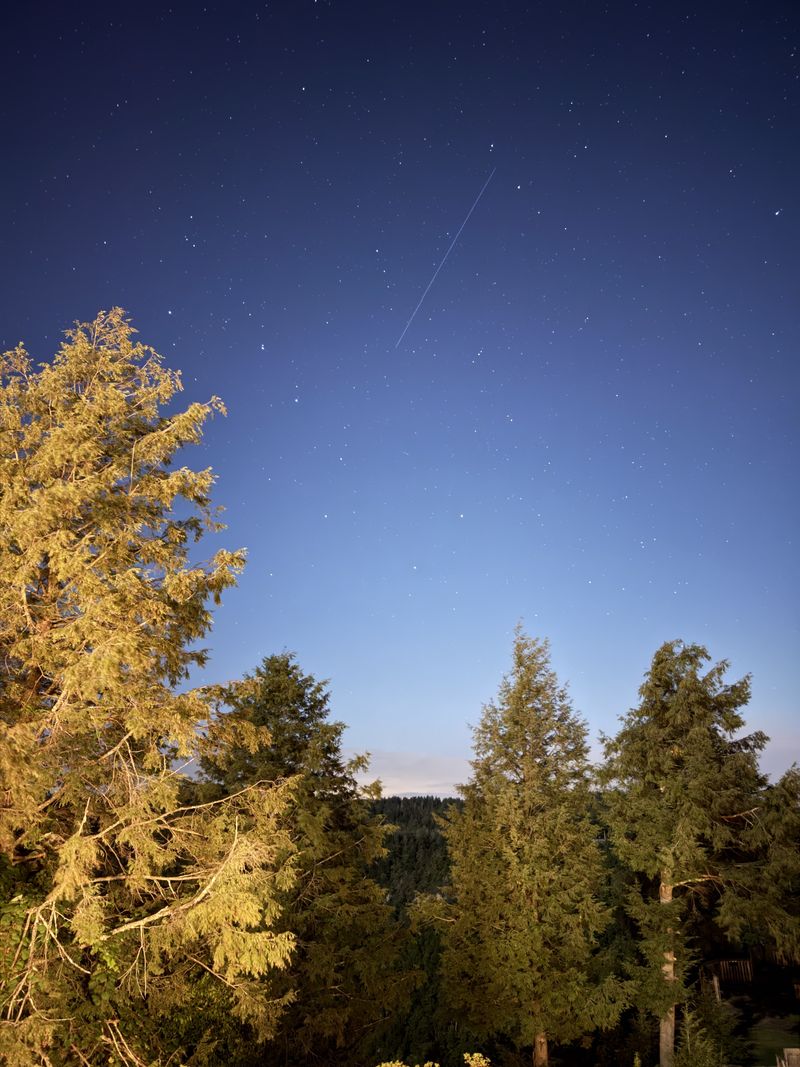
Few things feel as rare these days as a truly dark sky. Blackwater Falls State Park is actively pursuing official dark-sky certification, a goal that would reward its remote highland setting.
One analysis cited by opponents suggests the data center’s initial lighting could raise sky glow near the falls by 528 percent. That’s not a small dimmer switch.
For stargazers, that number stings. Dark-sky status can draw night photographers, astronomy fans, and families hoping to spot the Milky Way.
Noise is another concern on the list. Power plants and backup generators don’t exactly hum lullabies.
Opponents point out that clean air, quiet nights, and dark skies all feed Tucker County’s tourism economy. Visitors come here to escape city lights, not to find new ones.
Retirees and couples planning a quiet weekend often pick places like this for that very reason. A bright industrial glow on the horizon changes the whole mood.
The certification effort is still a work in progress. Whether it survives may depend on how the permit appeals play out.
Either way, the stars above Blackwater Canyon have suddenly become part of a very earthly debate.
Headwaters, Diesel Tanks, And A River Worth Guarding
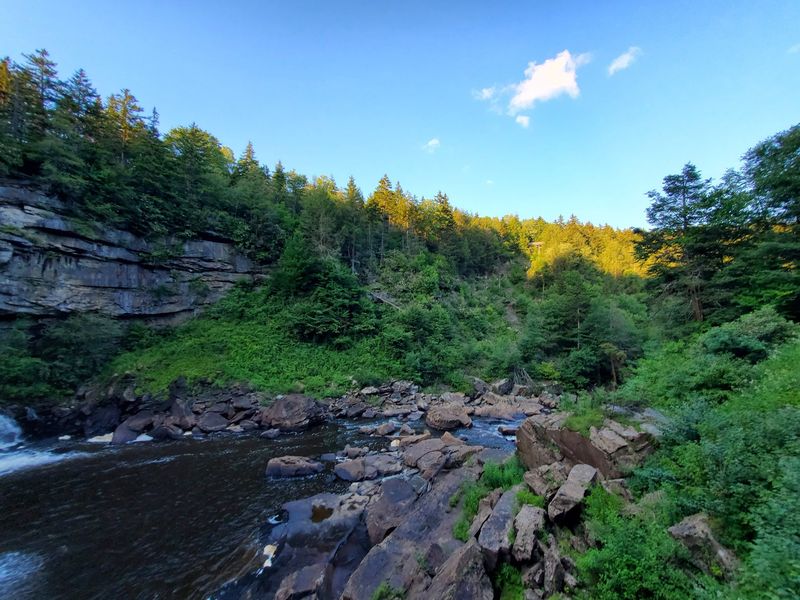
Thirty million gallons. That’s the amount of diesel fuel opponents say could be stored near the Blackwater River headwaters.
Their worry centers on where that fuel would sit. Groups including the West Virginia Highlands Conservancy describe the site as high-risk undermined land, a leftover from the region’s coal history.
Spills don’t stay put in a watershed. Anything that reaches the headwaters can travel downstream toward the falls and the eight-mile gorge.
Water use raises another flag. Data centers often need large volumes for industrial cooling, and opponents question what that demand could mean for local supplies.
Air quality matters too. Critics estimate the plant could emit more than two million tons of carbon dioxide each year, plus pollutants linked to respiratory illness.
The plant would also sit less than two miles from the local elementary and middle school. That detail hits close to home for parents and grandparents alike.
Then there’s the forest itself. Opponents cite possible habitat loss, forest fragmentation, and permanent changes to the mountain landscape.
For a river named for its dark, needle-steeped water, the stakes feel especially personal. Protecting the source means protecting everything downstream.
Boardwalks, Overlooks, And The Famous Stairs Down
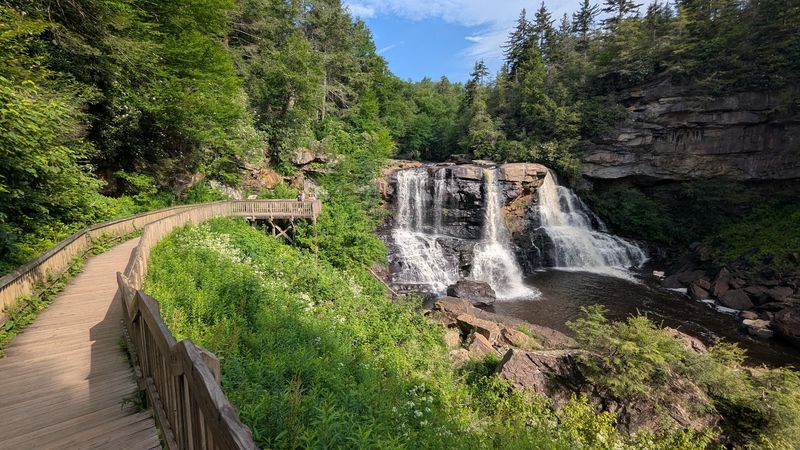
Bring good walking shoes, because the classic view comes with plenty of steps. A boardwalk and staircase lead down to the falls, with several overlook platforms along the way.
Each landing offers a slightly different angle. Many visitors find the scene gets better the closer they get to the water.
Not up for a staircase workout? A second viewing area offers a more distant look that’s handicap accessible.
A gift shop with restrooms sits near the main viewing area. There’s also a spot to refill water bottles, which your knees will appreciate on the climb back up.
Beyond the main falls, the park packs in more than 20 miles of hiking and biking trails. Elakala Trail leads to smaller cascades that deserve their own photo session.
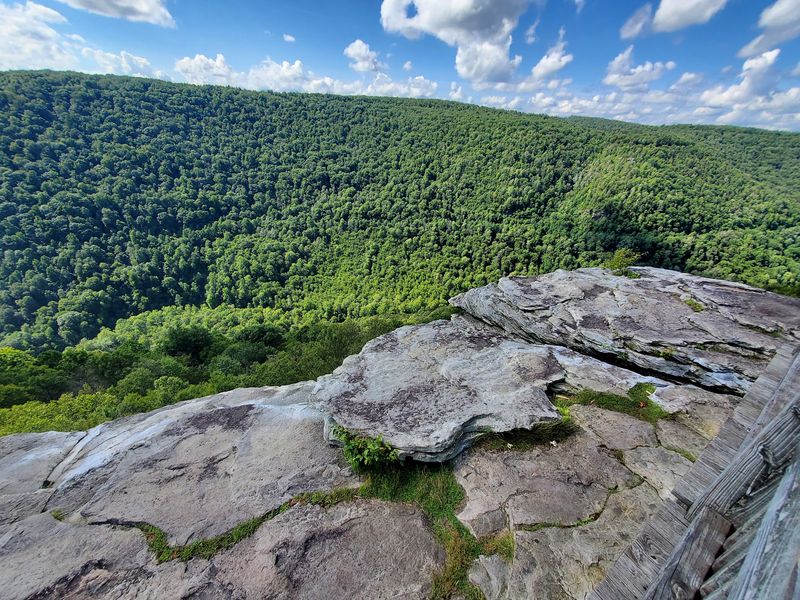
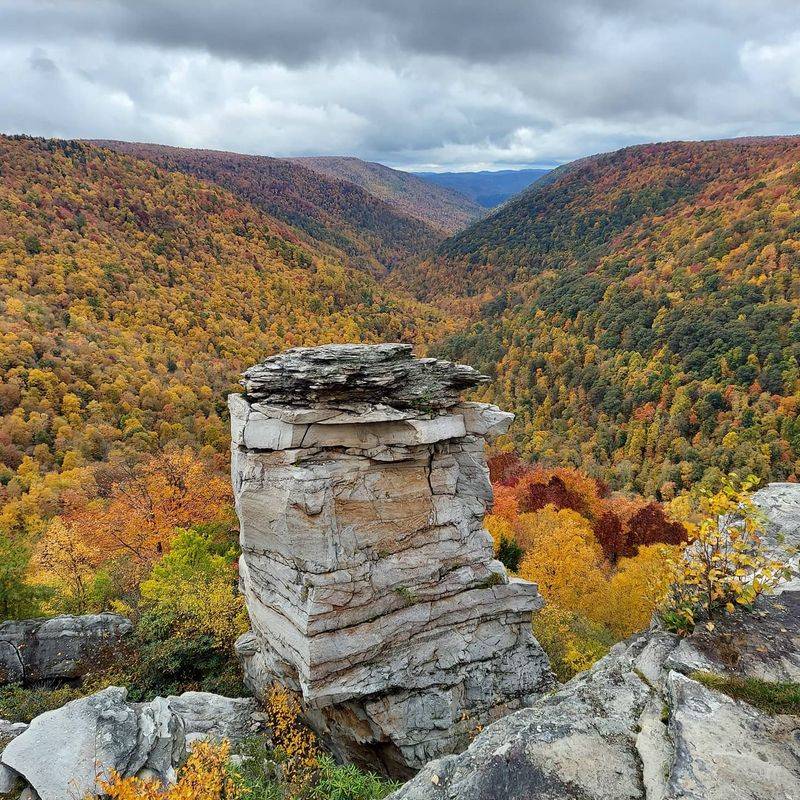
Lindy Point is another favorite, offering a sweeping view over Blackwater Canyon. Fall foliage there turns the gorge into a quilt of reds and golds.
The falls also look especially lively after rain or a spring thaw. That’s when the amber water really roars.
Walking these paths, it’s easy to see why neighbors feel so protective. This scenery took a very long time to make.
Cabins, A Canyon-View Lodge, And Room For The Grandkids
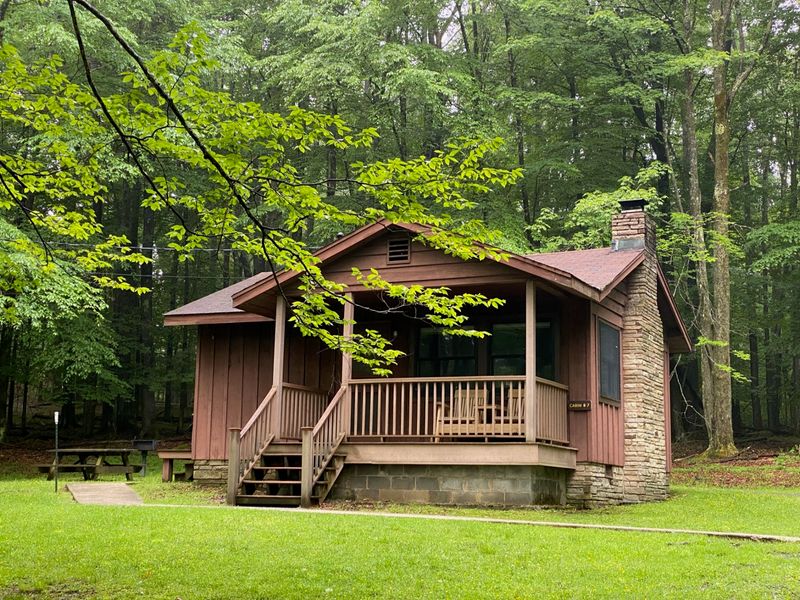
Staying overnight turns a quick stop into a real getaway. Blackwater Lodge sits on the canyon rim and offers rooms, suites, and a restaurant with sweeping views.
Lodge rooms were updated in 2022. Suites with partial canyon views include extra space and a balcony.
Prefer more elbow room? The park’s cabins include newer models with full kitchens, washers and dryers, and dishwashers.
Some cabins are pet friendly, which helps if the family dog insists on tagging along. Large dining areas make room for board games with the grandkids after a long hike.
Campers have options too. The campground includes electric sites, glamping sites, and heated bathhouses with private showers.
The Smokehouse restaurant inside the lodge serves meals with a view. It’s handy after a day on the trails.
Out on Pendleton Lake, seasonal rentals include kayaks, canoes, and stand-up paddleboards. Fishing is popular there and along the Blackwater River.
Winter brings its own fun, with sledding and cross-country skiing. That year-round draw is exactly what supports nearby shops and inns.
Tucker County’s whole visitor economy grows from moments like these, which is a big part of what neighbors are defending.
Plan A Visit While The Debate Plays Out
Good news first. The park is open daily from 6 a.m. to 10 p.m., giving early risers and sunset chasers plenty of time.
You’ll find Blackwater Falls State Park at 1584 Blackwater Lodge Rd, Davis, WV 26260. It’s an easy drive from the small towns of Davis and Thomas, both worth exploring for shops and live music.
Parking near the main falls area includes overflow space. Dress for changing mountain weather, since highland days can turn cool quickly.
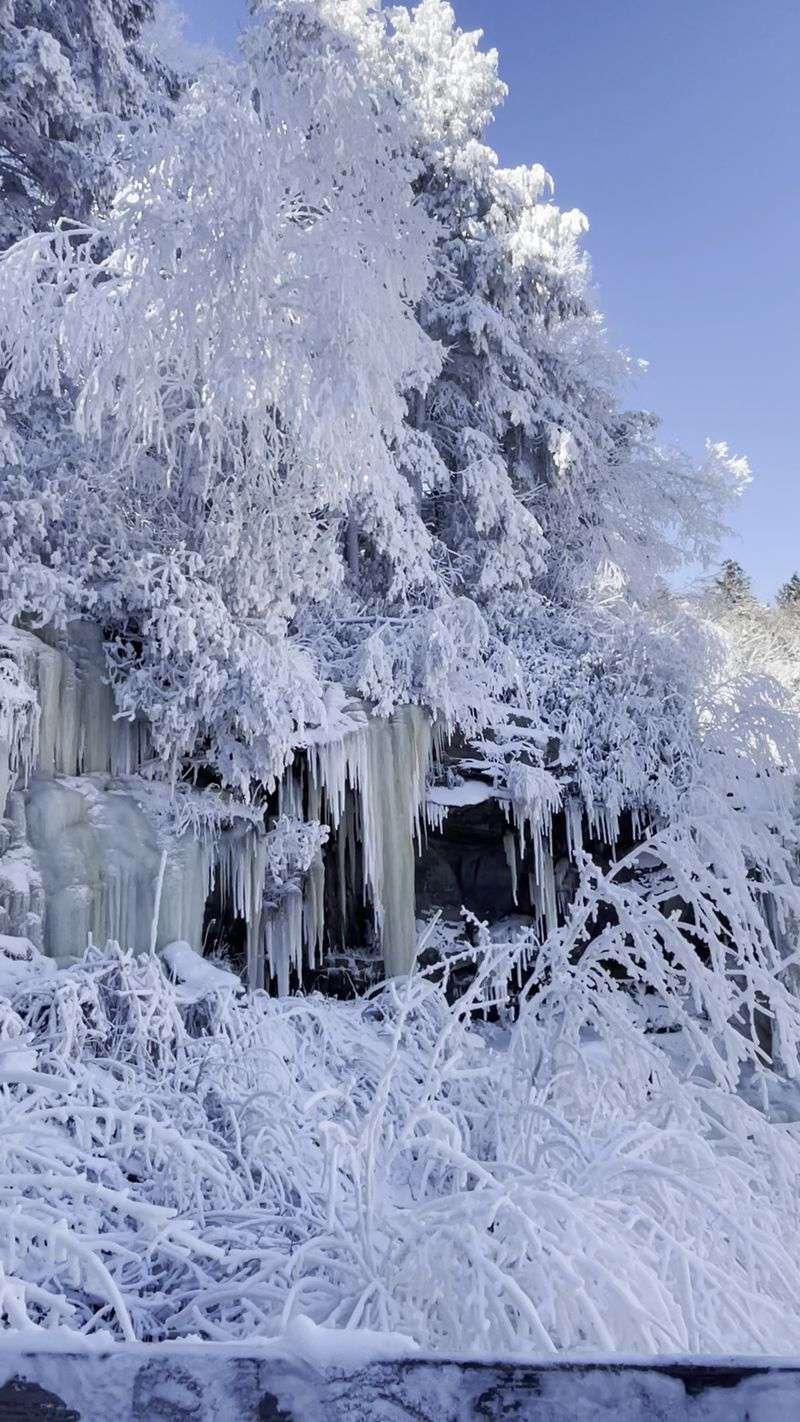
Every season brings something different here. Spring delivers rushing water, fall paints the canyon, and winter covers the trails in snow.
As for the Ridgeline Project, the story isn’t finished. Appeals and court challenges remain active, and opponents keep pushing for more transparency.
Visiting is one simple way to understand what’s at stake. Stand at an overlook in West Virginia’s highlands, and the arguments start to feel very real.
Whatever happens next, this park has already earned its place in plenty of family photo albums. I’d say it deserves a spot on your list too.
Who knows, you might end up with an opinion of your own before heading home.
