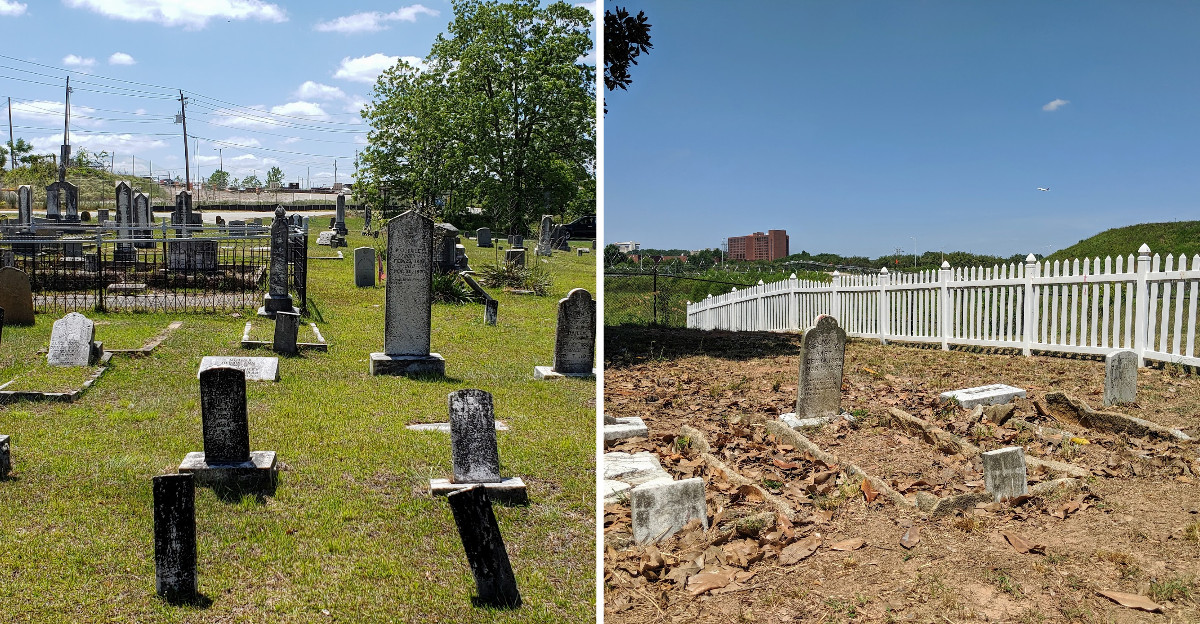
Graves rest just beyond the runway lights at one Georgia airport, a fact that surprises even frequent fliers. The busiest airport on the planet roars with constant motion, yet two quiet cemeteries still sit in the middle of it all.
Mossy headstones and hand-set fieldstones mark the ground where farm communities lived long before the first plane landed. Jets scream overhead every few minutes, but the cemeteries remain undisturbed.
The contrast hits harder than expected, in the best possible way. Walking among the graves, the noise of the airport fades into a distant hum, and the past feels close enough to touch.
The airport expanded around them, but the graves stayed put. No one moved them, and no one paved over them.
These burial grounds are what remain of families who worked this land for generations. They are a reminder that progress does not always erase the past.
History with a strange twist waits here, a story worth telling friends about for years.
A Farm Town That Turned Into a Runway
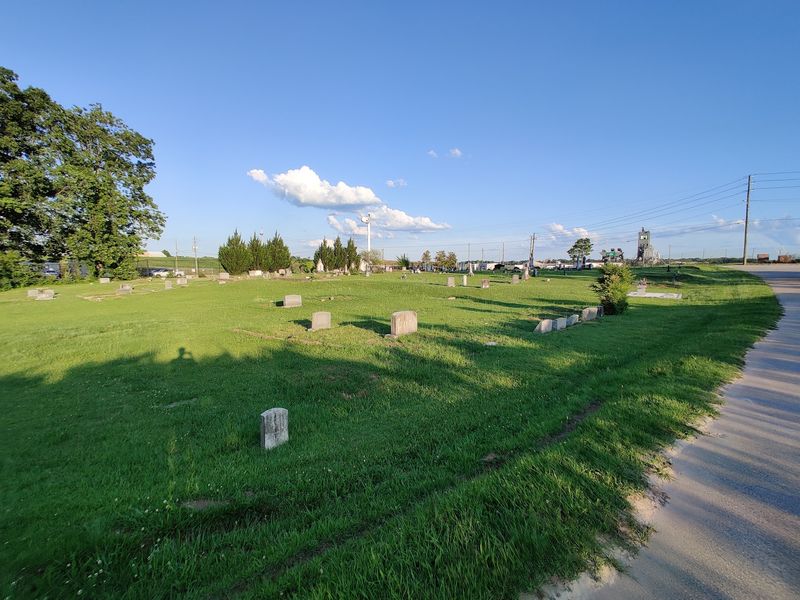
My first surprise came from a map, not a headstone. Long before Delta jets crowded the skies, this land south of Atlanta was rolling farm country filled with families, churches, and dirt roads.
Farmers settled the Flat Rock area before the Civil War, and they built a close community around faith and hard work. As the airport grew, especially during the big expansions of the 1960s, it slowly swallowed homes, stores, and fields.
Whole neighborhoods vanished under concrete and runway lights.
The graves, though, stayed put. Rather than dig up the passed ones, airport planners chose to work around them and fold the cemeteries into the official site plan.
That decision is why you can still visit both places today, even though they sit inside the property of the world’s busiest airport.
I think that choice says something kind about how people treat the past. Moving graves happens all the time with big projects, so keeping them here was a real act of respect.
When I stood near the fence and looked at the open land, I could almost picture the fields and porches that used to fill it.
Bring a little imagination with you, because it helps the story come alive.
Flat Rock Cemetery and Its Vanished Church
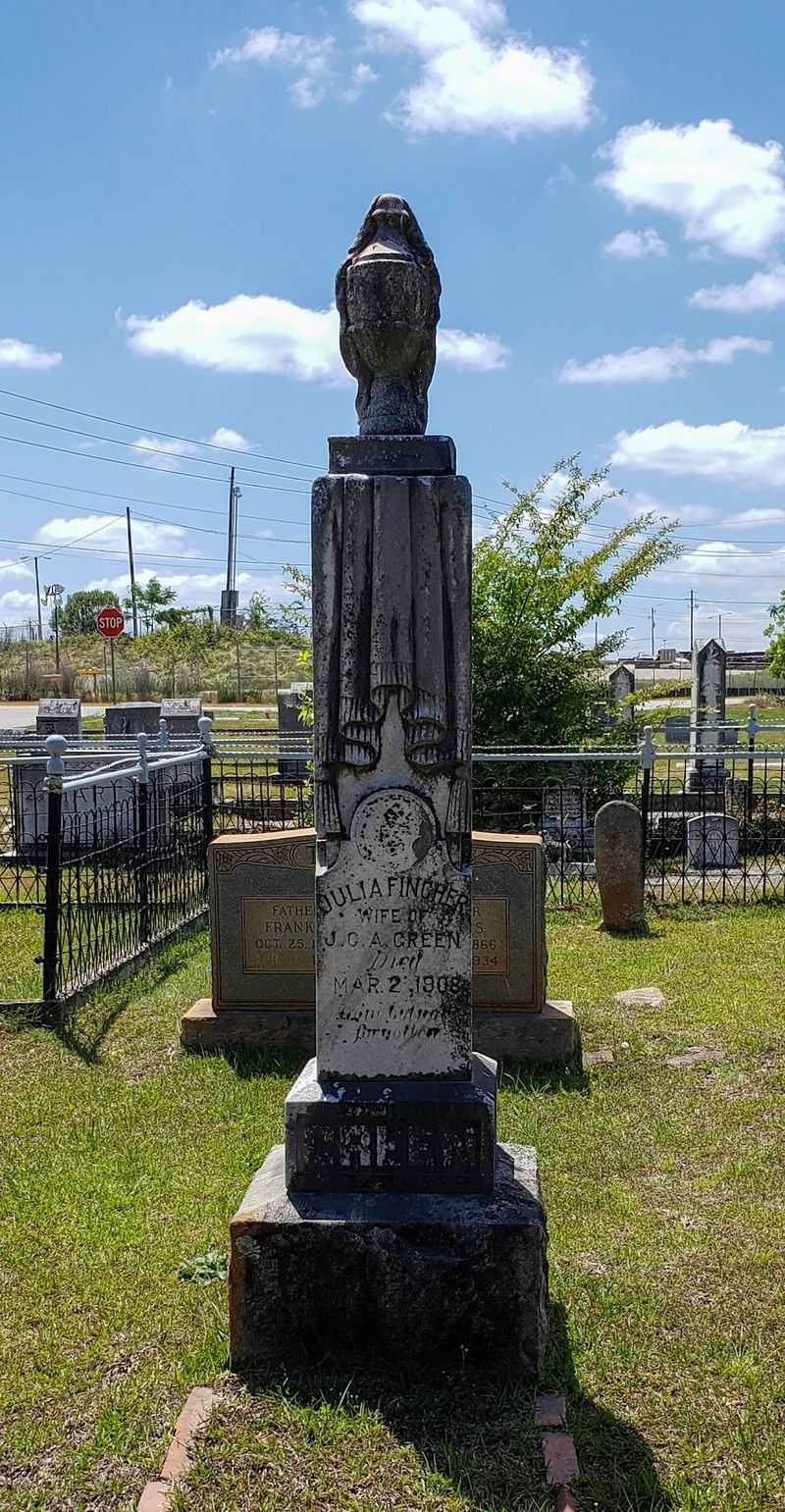
Some places carry the weight of a whole town, and Flat Rock Cemetery is one of them. Established in 1877, it once sat beside Flat Rock Baptist Church, the true heart of this old farming community.
The church itself was organized in December 1872, and its first building went up in 1875. Folks gathered there for Sunday services, weddings, and goodbyes.
When the airport expanded, the congregation shrank as neighbors moved away one by one.
By 1970, the land around the cemetery was sold to the City of Atlanta, and the airport authority took it over in 1979. The old church building was torn down around 1996.
Only the burial ground remains, and honestly, it holds the memory of the church better than any building could.
I loved spotting the range of grave markers here. Some are plain and humble, while others were fancy for their time, with careful carving and taller stones.
You can almost read the community’s story in how families chose to remember their loved ones.
Take a slow lap around the rows before snapping any photos. Little details, like faded names and old dates from the 1800s, tend to show up only when you stop rushing.
Veterans Resting Under the Flight Path
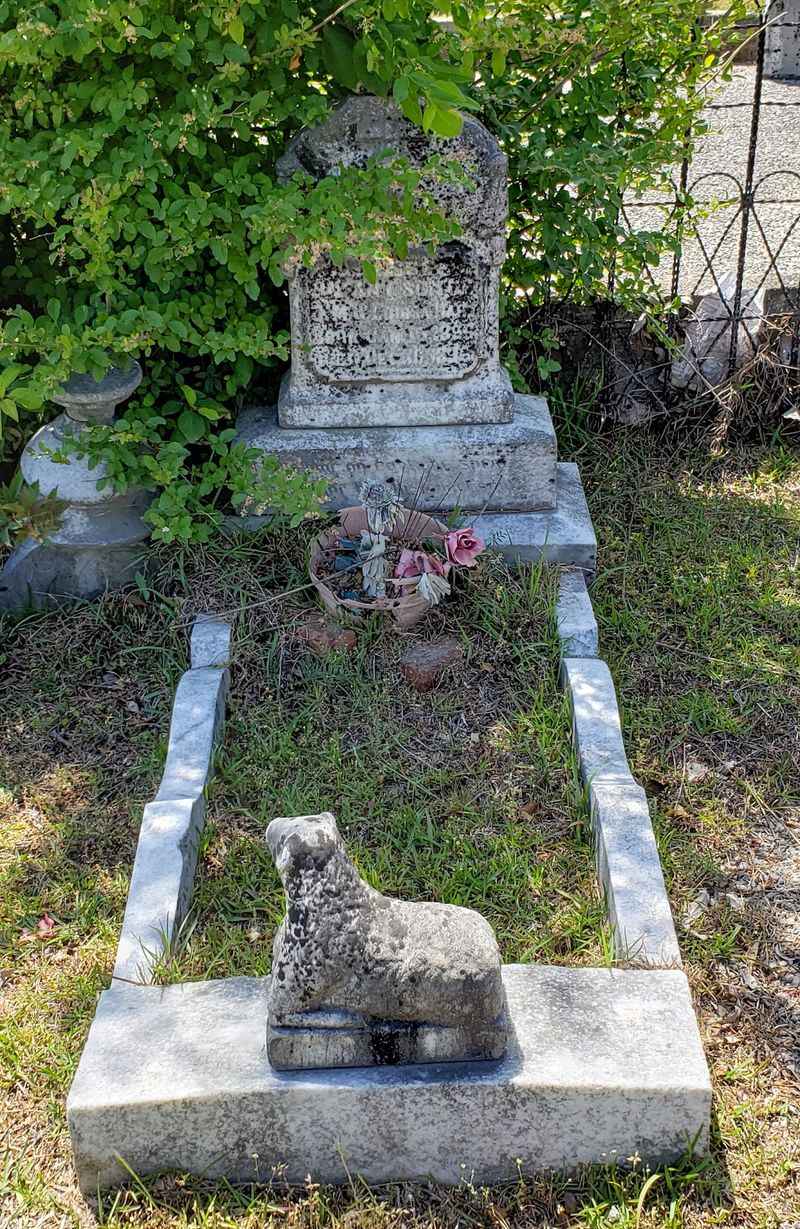
Honoring soldiers in a place full of thundering engines felt oddly fitting to me. Flat Rock Cemetery holds veterans from the Civil War, World War I, and World War II, so three very different eras share the same patch of red Georgia earth.
Look closely and you may notice some Civil War stones carved with the letters CSA. That stands for Confederate States of America, and those markers are a direct link to the 1860s.
They remind visitors how deep the roots of this little community really go.
The World War markers feel closer to our own time. Some families here probably had grandparents and grandsons both serving, decades apart.
Reading those dates side by side helped me understand how one rural neighborhood connected to huge national events.
Here is a tip that made my visit better. Bring a notebook and jot down a few names and dates you notice, then look them up later through local history records or genealogy websites.
It turns a quick stop into a fun research project, and kids especially enjoy the detective work.
Please stay respectful, of course. Avoid leaning on old stones, since many are fragile after more than a century of weather.
Still Active After All These Years
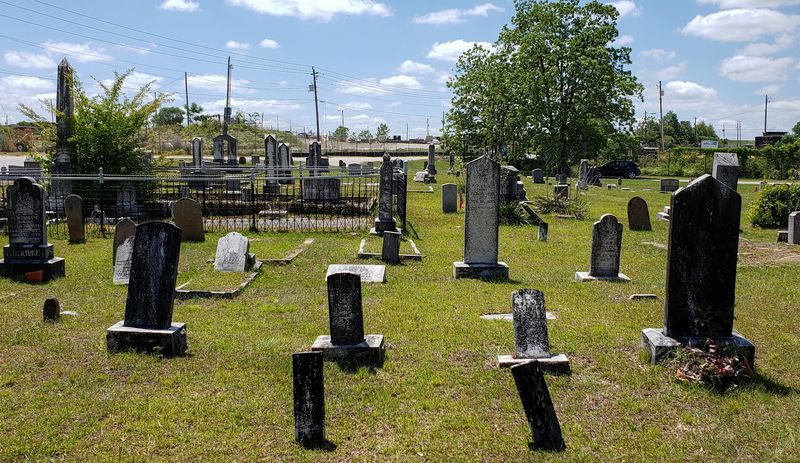
Here is a fact that made me pause. Flat Rock Cemetery is not just a relic, because the most recent burial shown on a headstone happened in 2012.
That means families with ties to the old Flat Rock community still choose to bring loved ones home, right into the middle of airport land. I found that touching.
A place can lose its church, its houses, and its roads, yet people still feel it belongs to them.
Flat Rock is also the bigger of the two cemeteries, and it sits fully surrounded by airport property. It lies roughly three-quarters of a mile south of the main terminal and about a thousand feet south of the four main east-west runways, near the fifth runway.
Few cemeteries anywhere can claim neighbors quite like that.
Records here go back a long way too. People have made several inventories of the burials over the years, and the earliest known survey dates all the way to 1931.
Those lists help families trace relatives and keep the history accurate.
Because the cemetery is still in use, treat it like any active burial ground. Keep voices low, leave flowers where they are, and give space to anyone visiting a grave.
Hart Cemetery, a Family Hilltop
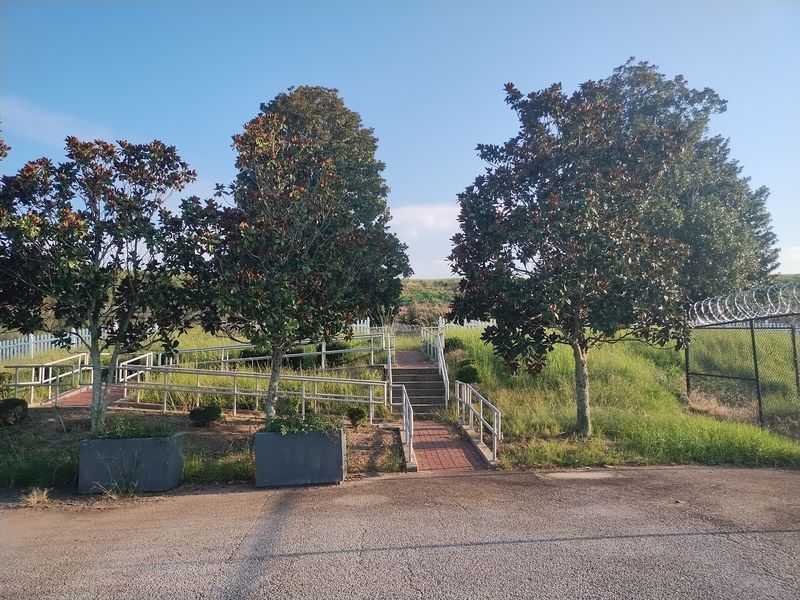
Ellender Brown Hart picked this spot herself, according to family stories, and I can see why. Hart Cemetery rests on a hilltop, and she became its very first burial in 1860.
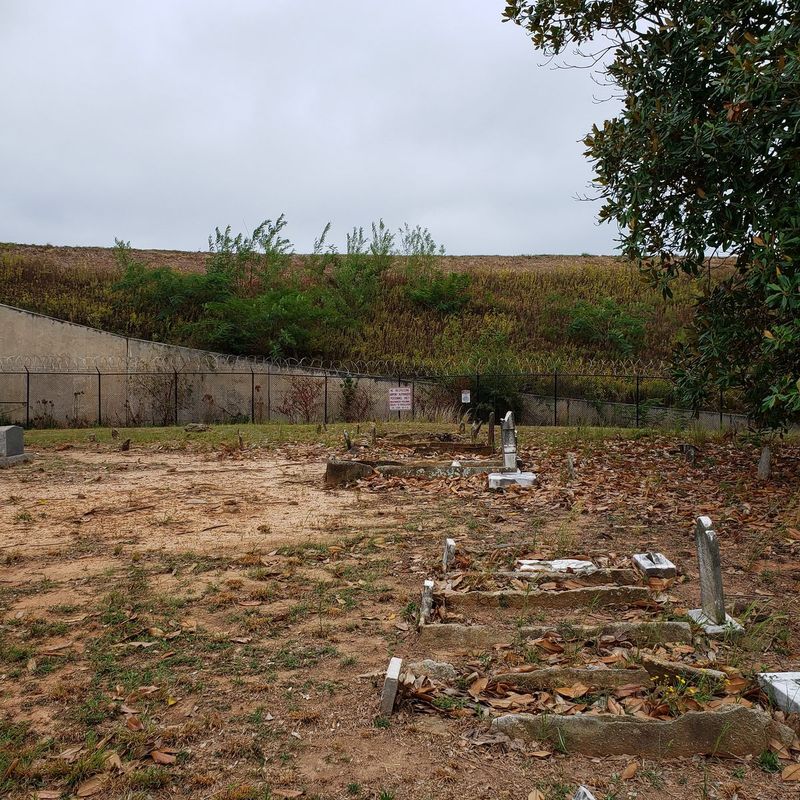
The Hart family has owned this land since 1848, which is pretty amazing given everything that changed around it. What started as a quiet family plot is now ringed by raised runway earthworks, warning signs, and razor wire from the airport fence.
The view went from cotton fields to jumbo jets.
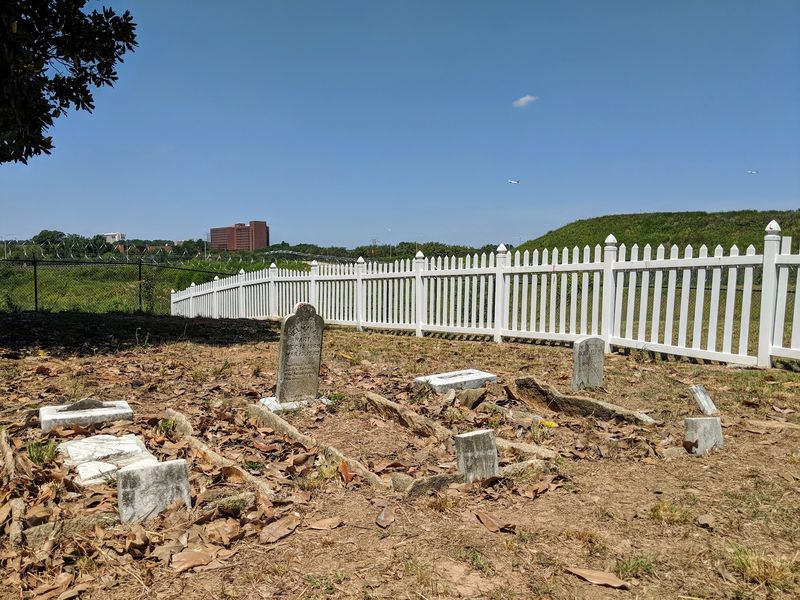
Hart is smaller than Flat Rock, but it has a powerful feel. A 1995 assessment counted 83 graves, laid out in 11 north-south rows.
Many are marked only with simple fieldstones, so you need sharp eyes to notice them.
An earlier survey from 1982 to 1984 found just 16 graves with inscribed headstones. The rest are a quiet mystery, known mostly through family memory.
A descendant, Tommy Jones, has said his great-grandmother was the first buried here and that at least 90 family members likely rest on the hill.
The last known burial took place in the 1940s. Walk carefully, since fieldstones can blend right into the grass.
A Family Story With a Twist
Every old family has a story people still talk about at reunions, and the Harts have a good one. Family oral history says they did not side with the Confederacy during the Civil War.
William Hart, who is buried in this cemetery, reportedly deserted the Confederate army. According to those family accounts, he passed while traveling to Washington, D.C., hoping to receive a pardon.
He never made it home alive, but he did end up resting with his kin on the hill.
I find stories like this really valuable. History books often talk about the South as if everyone agreed, but real families had complicated choices and strong opinions.
A tiny cemetery beside a runway quietly holds proof of that.
Keep in mind that this is family oral history, passed down through generations rather than written in official papers. That does not make it less meaningful.
It just means you are hearing the past the way the Harts themselves remembered it.
If stories like this spark your curiosity, the Atlanta History Center and Georgia state archives are wonderful places to learn more. Pairing a cemetery visit with a museum trip makes the whole day feel richer and more complete.
Finding Your Way In and What to Expect
Getting there is half the adventure, and I mean that kindly. Both cemeteries are open to the public, but the routes feel a bit like sneaking backstage at a concert.
For Flat Rock, turn right onto Liberty Street from Riverdale Road. The path looks like an airport maintenance or access road, so do not panic if you think you made a wrong turn.
Drive slowly and watch for signs.
Hart Cemetery is reached by Sullivan Road. Spotting it from the street has gotten trickier since a car wash was built in front, so keep your eyes peeled.
Older directions once placed it behind an abandoned church near West Fayetteville Road in College Park, though the landscape has changed a lot since then.
Now for the best part. Jets roar overhead constantly, and the sound is loud enough to rattle your chest.
I laughed the first time, because a peaceful graveyard is the last place you expect a 747 soundtrack.
Bring water, sturdy shoes, and maybe ear protection for little ones. Respect the airport fences and warning signs, and never try to cross them.
Go during daylight, take your time, and enjoy this wonderfully strange piece of Georgia.
Address: 2487 Bright Star Rd, Douglasville, GA 30134
