Rusty blast furnaces rising over a river in Pennsylvania are not something you see every day. Two giants, each about 92 feet tall, stand there like they are still waiting for the next shift to clock in.
Stopping mid-sentence was the only possible reaction the first time they appeared. These furnaces are nearly all that is left of a steel mill that once stretched for miles along the water.
Between 1907 and 1978, they turned raw materials into rivers of glowing iron, day and night. Today, wildflowers poke through cracked concrete, artists have left their mark, and guides share stories that bring the old noise back to life.
Walking among them, the scale is overwhelming and the silence feels heavy with what used to be. Dusty sneakers and a phone full of photos came home that day, along with a whole new respect for the people who built America with their hands.
Meeting the Two Rusty Giants
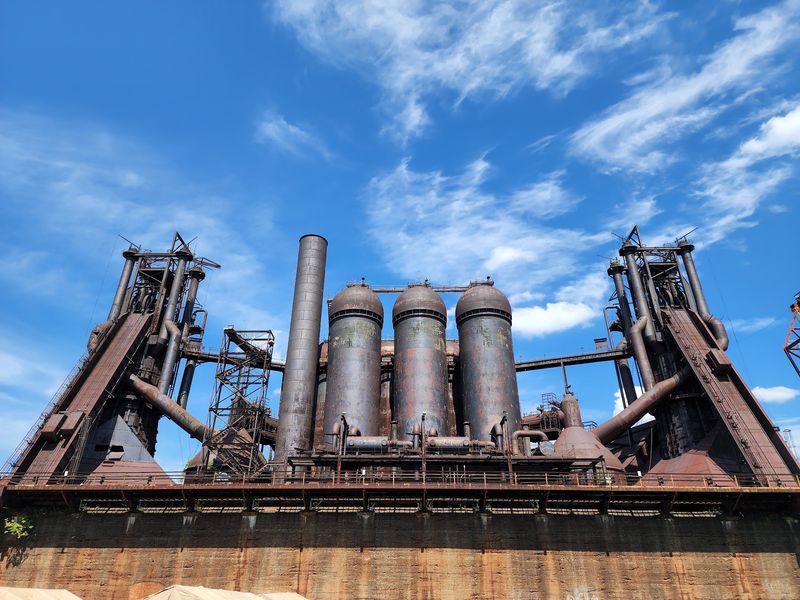
My neck got sore within five minutes of arriving, because I could not stop looking up. Furnaces #6 and #7 are huge, wrapped in steel plate about 2.5 inches thick and lined inside with heat-proof brick.
At 92 feet tall, they loom over the Monongahela River like a pair of tired old guards.
The original furnaces here were first built in 1884, but these two survivors started working in 1907. They kept running until 1978, which means generations of families depended on them.
The site is named after Carrie Clark, the daughter of William Clark, who was the first president and manager of the furnaces.
Here is the wild part. These are extremely rare examples of iron-making technology from before World War II.
After the steel industry faded in the 1970s and 1980s, almost every other furnace like them in the region was torn down.
So when you see them, you are looking at something that nearly vanished. The rust has a reddish glow in the afternoon light, and the pipes twist around like giant metal veins.
Give yourself a quiet minute before the tour starts, because the size alone tells a story that words struggle to match.
A Mill That Once Stretched for Miles
Picture smoke, sparks, and noise running along the river as far as your eyes could follow. That was the Homestead Steel Works, and the Carrie Furnaces were a key part of it.
Andrew Carnegie bought the Homestead mill in 1883, and in 1901 it became part of U.S. Steel.
Back then, this area was one of the busiest industrial spots in Pennsylvania and on the planet. At its peak, the Carrie site alone produced between 1,000 and 1,250 tons of iron every single day.
That iron then helped make steel for bridges, buildings, and railroads across the country.
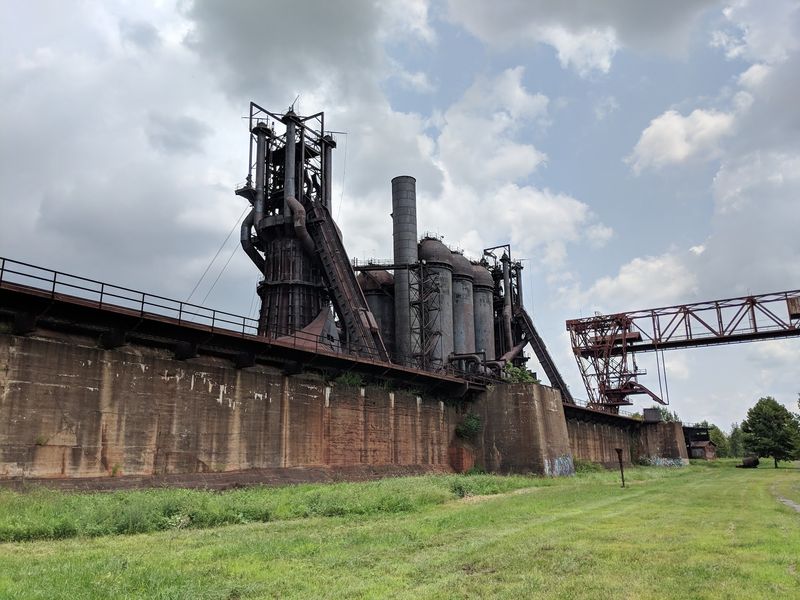
Once the furnaces shut down in 1978, demolition crews cleared away most of the giant complex. Shopping centers and new roads now sit where long mill sheds once stood.
Somehow, these two furnaces and their bridge escaped the wrecking ball.
I found it helpful to look at old photos before visiting. It made the empty fields around the furnaces feel less empty, almost like ghosts of buildings were still there.
Try imagining the whole riverbank buzzing with workers, trains, and cranes. Suddenly the two survivors seem even more precious, like the last pages saved from a really long book.
The Bridge That Carried Liquid Fire
Liquid iron hotter than a volcano once rolled across the river in special rail cars. The hot metal bridge made that trip possible, linking the Carrie Furnaces to the Homestead steel mills on the other side of the Monongahela.
I loved standing near it and thinking about the timing involved. Workers had to move that glowing iron quickly before it cooled, so the bridge was basically a lifeline.
Every crossing kept the whole system running.
Like the furnaces, the bridge survived when most of the Homestead Works disappeared. It is still there today, steel trusses stretched over the water, looking sturdy and a little stubborn.
Plans call for turning it into a bridge for bicycles and people on foot.
That idea makes me smile. A structure built for something dangerous could soon carry families out for a weekend ride.
Bring a camera, because the bridge looks great framed against the river and the hills, especially on a clear day.
Fun fact for your next trivia night: the iron itself never became steel at Carrie. It always had to travel across the water first.
So this bridge was the handoff point between two huge jobs, and without it the furnaces would have had nowhere to send their work.
Following the Iron on the Industrial Tour
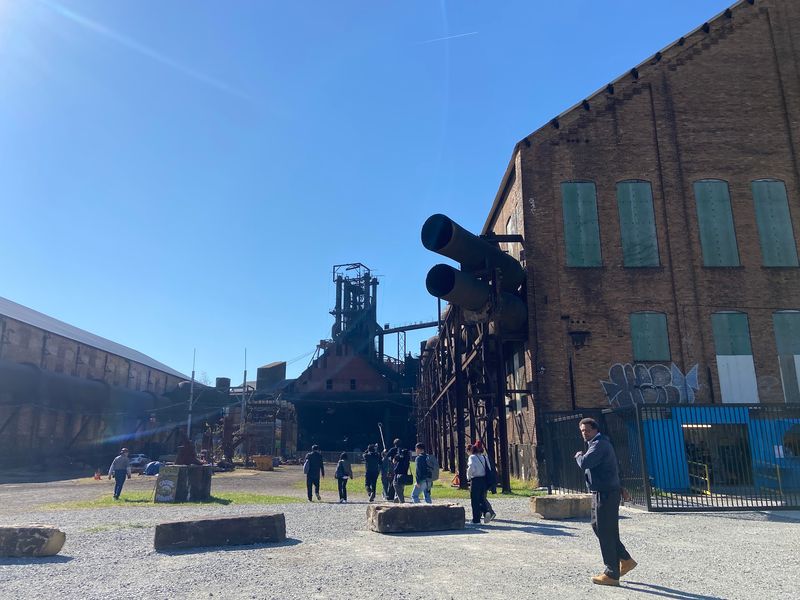
Our guide pointed at a dusty pile of rock and somehow made it fascinating. The Industrial Tour walks you through how raw materials became molten iron, step by step, right where it happened.
Expect around two hours of walking and standing. You learn how ore, fuel, and limestone fed the furnaces, and how hot air roared through them.
There is even an optional climb onto a crane gantry, which shows the giant scale of moving all that material.
The tour is less about tricky science and more about people. Guides talk about the brutal heat, the danger, and the culture of the workers who spent their lives here.
Some guides even worked in the steel industry themselves, which adds a personal touch you cannot get from a textbook.
Restoration work is ongoing, so certain spots may be closed during your visit. That means each tour can feel a little different, which is a nice excuse to come back.
I walked away understanding Pittsburgh in a deeper way. The city did not just get rich from steel.
Its neighborhoods, families, and even its tough personality were shaped inside places like this one. Booking tickets online ahead of time is smart, since groups can fill up.
Art Growing Out of the Rust
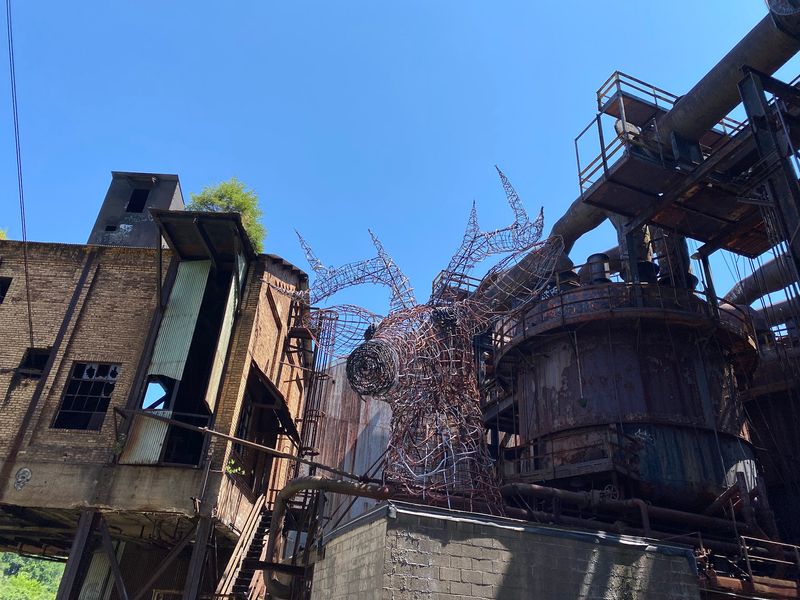
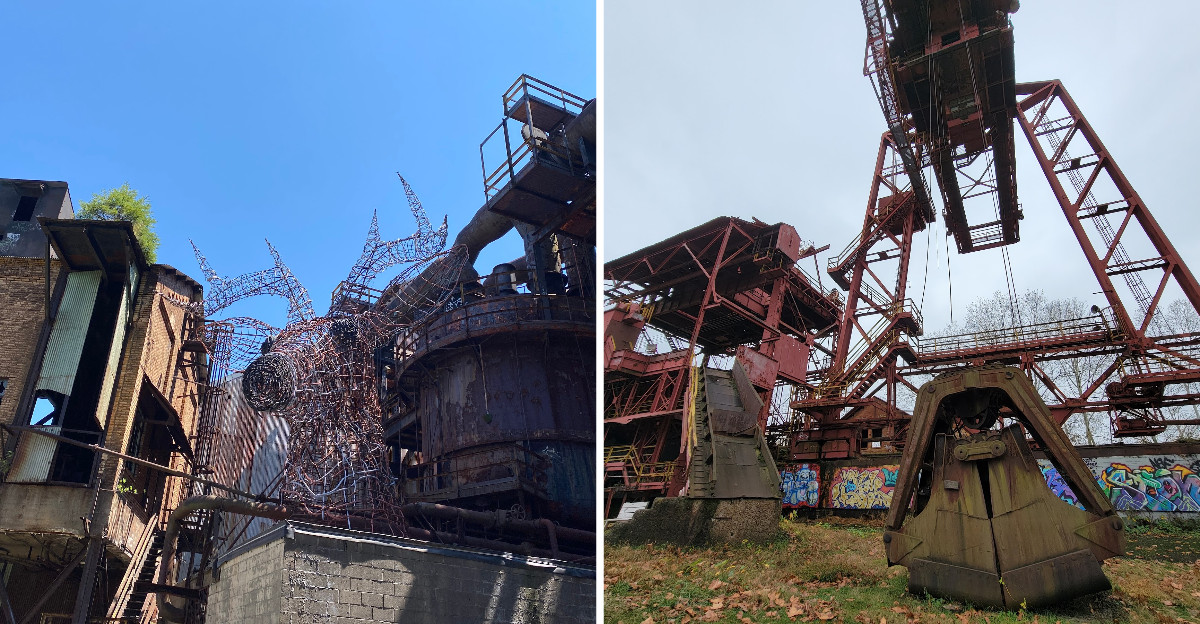
Nobody warned me that I would meet a giant deer here. The Carrie Deer is a famous sculpture made from scrap metal by artists, and it stares out across the site like it owns the place.
Honestly, it kind of does.
The Arts and Grounds Tour focuses on how the furnaces became a source of creative inspiration after the iron stopped flowing. Graffiti, sculptures, and other artworks pop up in unexpected corners.
It feels like the site got a second life, just with paint and imagination instead of fire.
What I enjoyed most was the contrast. Heavy, rough machinery sits right beside colorful murals and handmade pieces.
The mix is strange in the best way, and it makes you see the old metal as something beautiful instead of just broken.
Plants have moved in too. Tall grass, vines, and wildflowers creep over the edges, softening all the hard steel.
It is a reminder that nature is patient.
If you like art or simply want a slower pace, this tour is a great pick. You get more time to wander and look closely.
Keep your eyes open, because small details hide everywhere, from welded shapes to bright painted lines.
A Photographer’s Rusty Playground
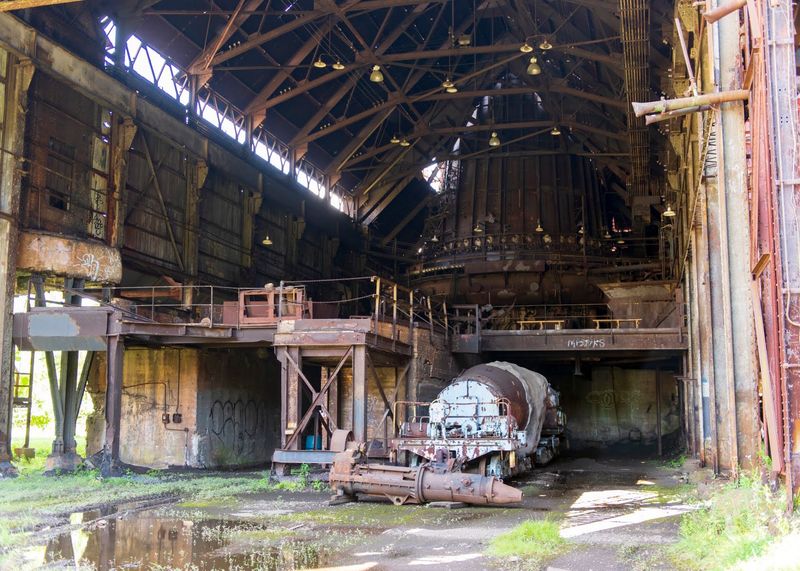
My phone storage filled up faster here than at any beach I have ever visited. Photography is allowed on the site, and there is something to shoot every few steps.
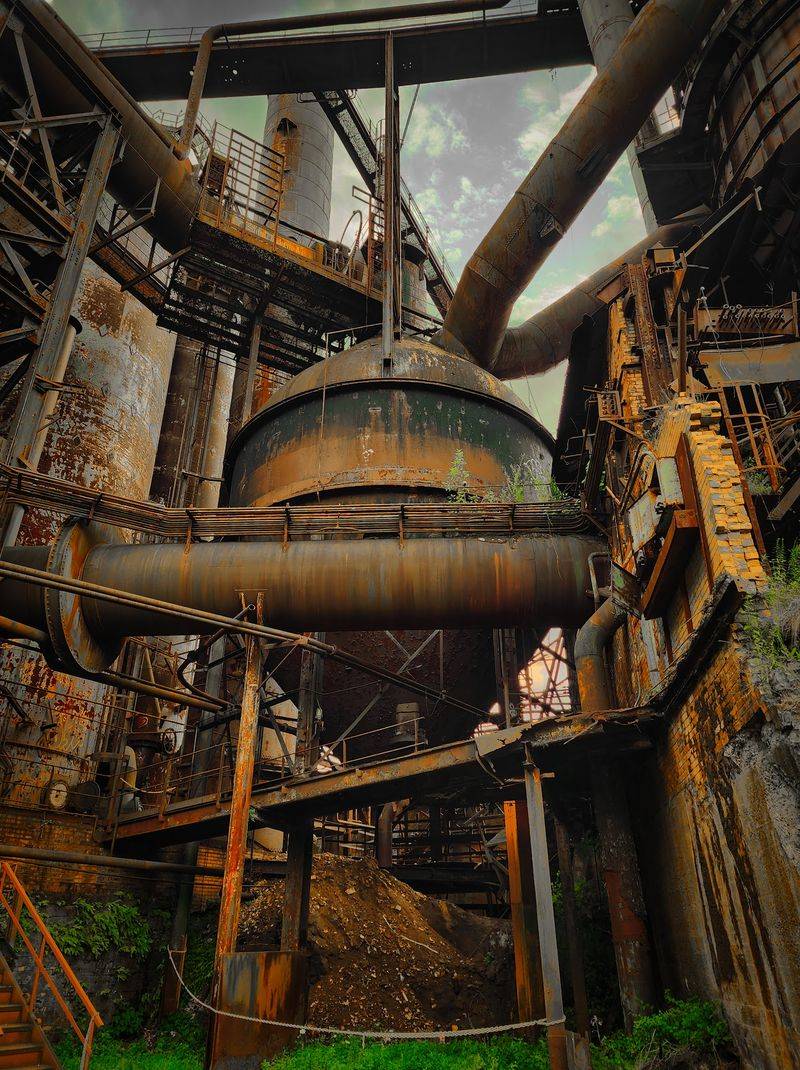
Rust creates amazing colors, from deep brown to bright orange. Old rivets, twisted pipes, and peeling paint make great close-up shots.
Wide shots of the furnaces against the sky look almost unreal, like a scene from a science fiction movie.
A few practical tips will help you get better pictures. Shoot in morning or late afternoon light, when shadows add depth to the metal.
Try looking up through beams and ladders for cool angles, and do not forget the river views.
Remember that this is an industrial site under restoration. Some areas may be roped off, so follow your guide and stay where you are allowed.
Safety first, even when the perfect photo is calling.
Photo fans might also enjoy the special photography-focused tours offered at times. They give extra freedom to explore with your camera.
Even if you only have a phone, you can capture something memorable here. The textures are so strong that it is almost hard to take a boring picture.
Smart Tips Before You Head Out
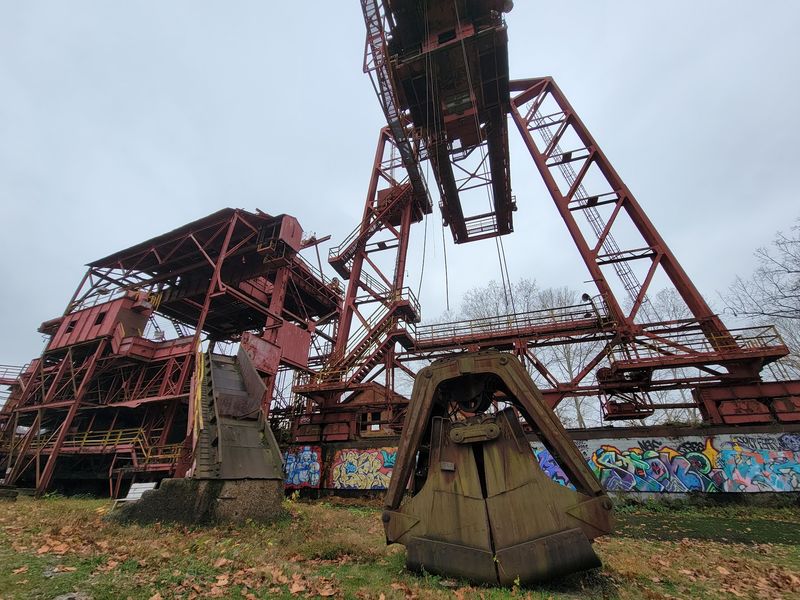
Sneakers saved my day, and sunscreen saved my nose. The grounds are uneven, gravel-covered, and not climate controlled, so plan like you are going on a light outdoor adventure.
Tours run seasonally from May through October. During the season, the site usually opens Friday from 10 AM to 2 PM, and Saturday and Sunday from 9 AM to 3 PM.
Check the Rivers of Steel website before you go, since schedules can change.
Bring water, a hat, and maybe bug spray in summer. Long pants help too, because parts of the grounds are wild and grassy.
Restrooms are basic, so use them before your tour begins.
Accessibility is limited. Tour grounds are not wheelchair accessible, though handicapped parking is available.
Some areas may also be closed for restoration work.
The non-profit Rivers of Steel Heritage Corporation has cared for the site since 2010, and it became a National Historic Landmark in 2006. Special events like festivals and metalworking classes happen here too, so peek at their calendar.
A visit supports the effort to keep these giants standing for future visitors.
Address: 801 Carrie Furnace Boulevard, Pittsburgh, Pennsylvania 15218
