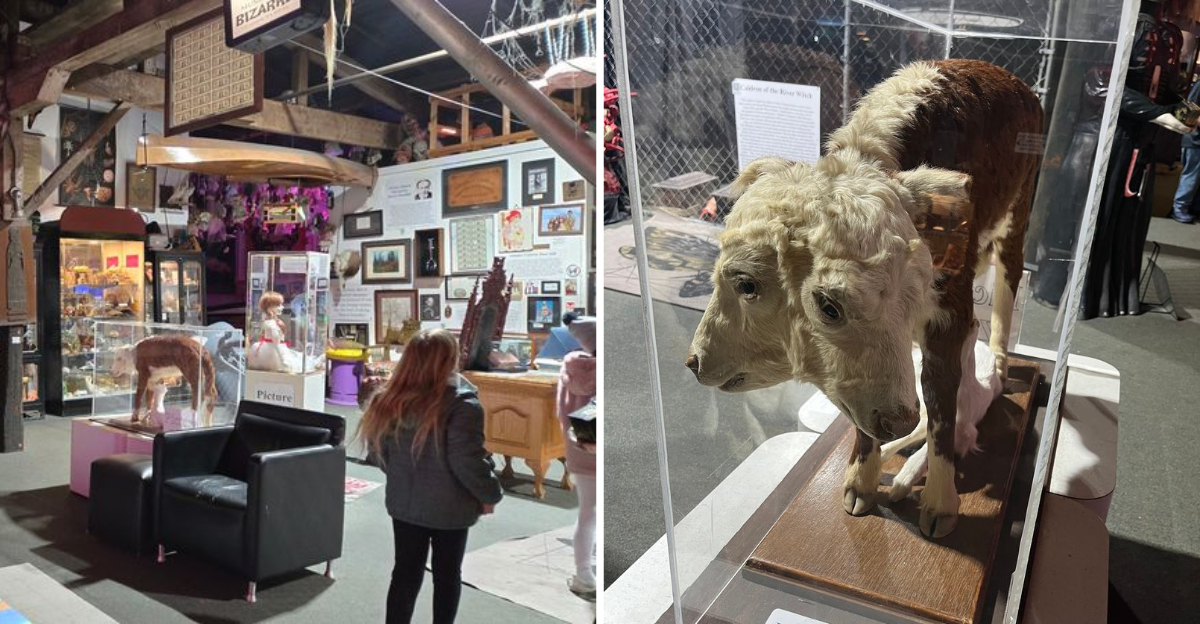
A brick building on a North Carolina riverfront held a two-headed goat in one case and something labeled as a unicorn horn in another, and I honestly could not decide which one to look at first.
I had wandered into the old riverfront structure with an ice cream cone melting faster than I could eat it, and the sign out front made me pay a few dollars at the door.
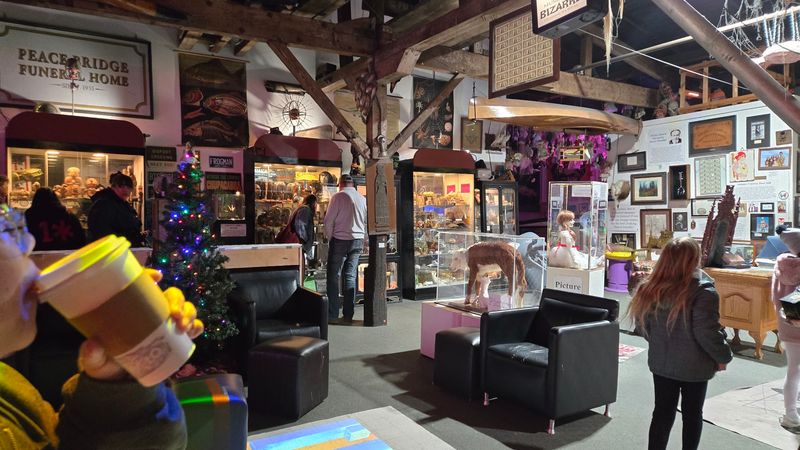
The room inside was packed floor to ceiling with things I had never seen before in my life, and what surprised me most was how much fun it was, not scary or grim, just wonderfully strange in a way that made me grin. The cases are arranged with the kind of care that makes you lean in closer, and every shelf holds something that makes you pause.
The owner clearly loves the collection, and the whole place hums with the energy of someone who found their passion and built a room around it.
Museums that feel more like a treasure hunt than a lecture are exactly the kind of stop I keep coming back to, and this North Carolina spot delivers that feeling from the moment you step through the door.
The Two-Headed Goat That Greet You First
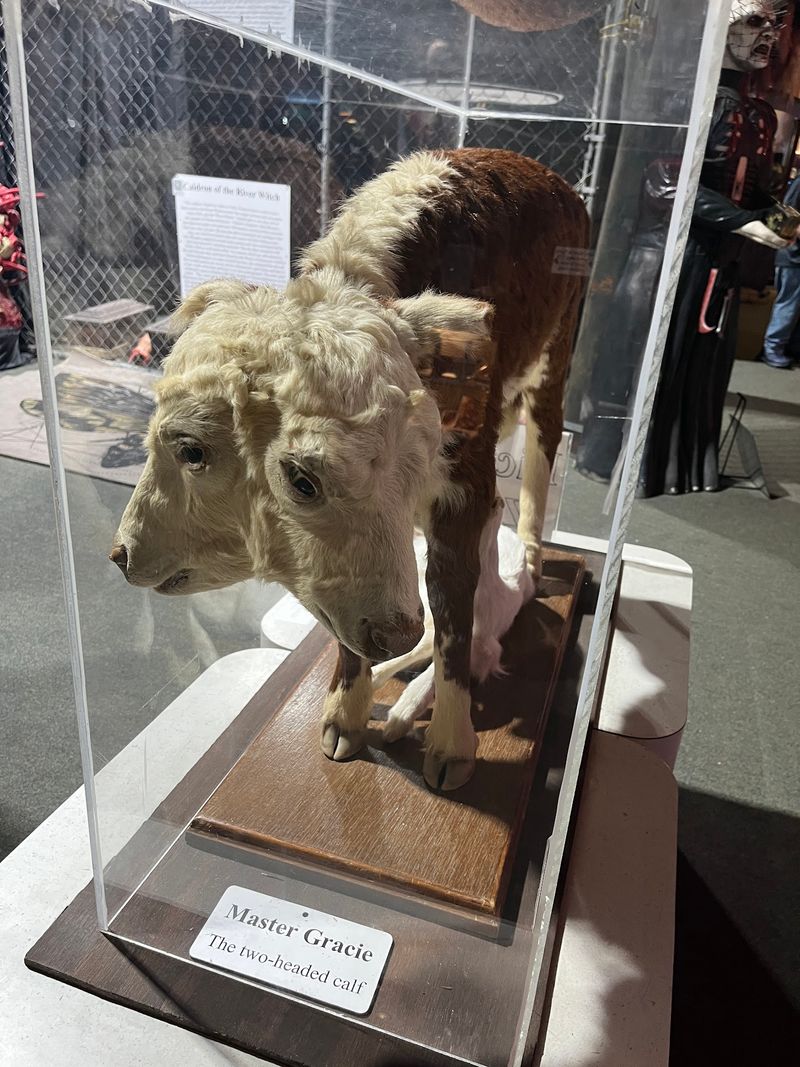
My eyes went straight to the goats. Two heads, one body, sitting quietly in a lit case like it was the most normal thing in the world.
Animals born with two heads are real, though extremely rare. It happens when a developing embryo starts to split into twins and then stops partway through, leaving one animal with doubled features.
Farmers have documented these births for centuries, and preserved specimens like these often ended up in traveling sideshows before landing in collections.
The museum has more than one. There is a two-headed calf nearby, plus a goat with an extra leg, and a pair of preserved goat brothers’ heads displayed together.
I expected to feel squeamish and mostly just felt curious instead. The lighting is soft, the labels are matter-of-fact, and nothing is presented in a way meant to gross you out.
Kids seem to love this corner most of all. I watched a boy count the legs on the goat three separate times to make sure he had not miscounted.
Give yourself a minute here. The details are easy to miss if you rush past looking for the next odd thing.
A Unicorn Horn in a Glass Case
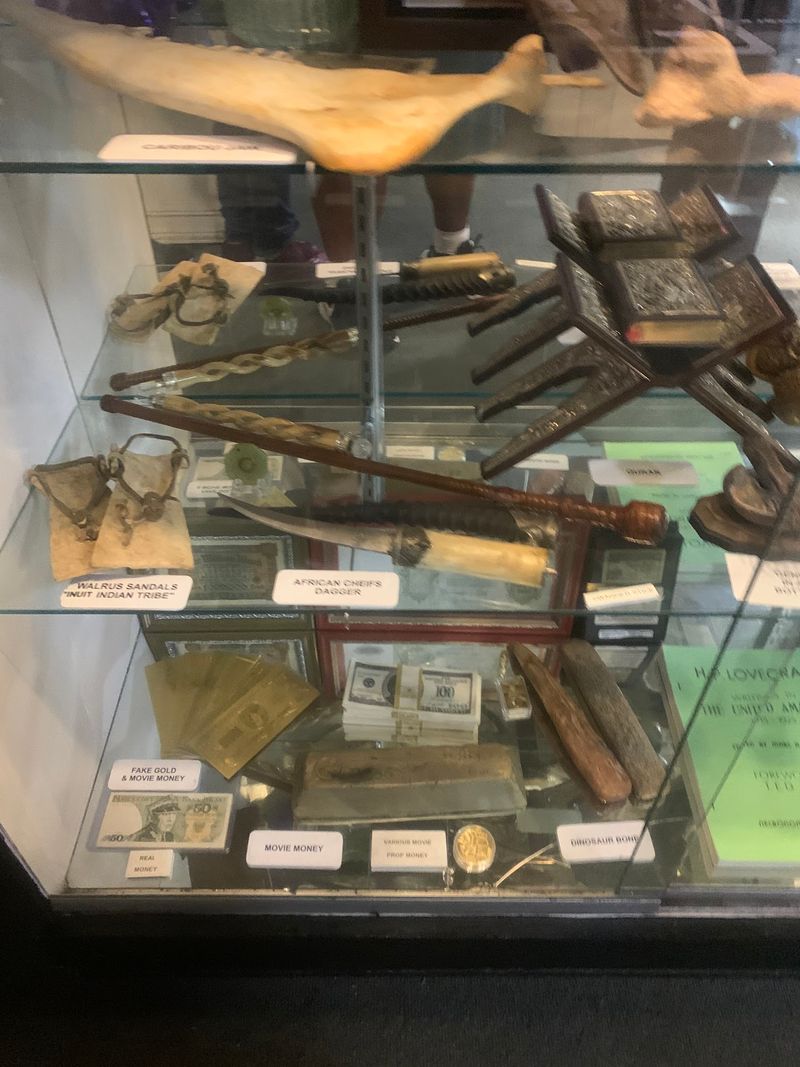
The unicorn horn stopped me cold, mostly because I did not expect to see one anywhere outside a storybook.
Long, pale, and twisted into a spiral, it sits upright in its case looking exactly like the thing medieval paintings promised. Whether you take it at face value or not is honestly part of the fun.
Here is a bit of history worth knowing. For hundreds of years, European royalty paid enormous sums for what they believed were unicorn horns, convinced the material could detect or neutralize poison.
Many of those horns were narwhal tusks, sold by traders who knew exactly what they were doing.
The museum leans into that playful uncertainty rather than lecturing you. Signs give you a story, and you get to decide how much of it lands.
I liked that approach more than I thought I would. Too many places tell you exactly what to think.
Standing there, I remembered being a kid who genuinely believed unicorns might turn up someday. For about thirty seconds in that little room, that feeling came right back.
Bring your sense of wonder along.
An 1869 Iron Works Building With Its Own Backstory
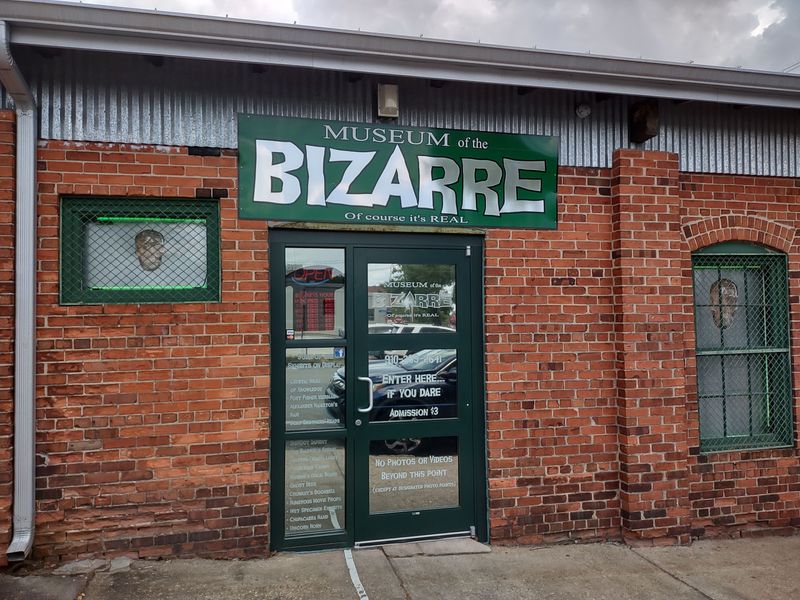
Before you even reach the oddities, the building itself deserves a look. Red brick, thick walls, and a footprint that dates back to 1869.
The structure once housed the Wilmington Iron Works, a place where men shaped metal for ships and machinery along the Cape Fear River. You can still feel that industrial bones quality in the way the space is put together.
The museum opened here in 2015, and the pairing works better than it has any right to. Old brick and strange artifacts belong together somehow.
Water Street sits right on the riverfront, so the walk in comes with boat masts, seagulls, and the smell of river air. I came from the north end of the boardwalk and the change in mood happens fast once you step through the door.
Inside, the ceilings feel lower than you expect and the rooms wrap around each other in a way that keeps surprising you.
Downtown Wilmington, North Carolina has plenty of preserved buildings, but few of them hold anything this unpredictable. The contrast between the historic shell and the contents is half the charm.
Look up at the beams while you are there.
Movie Props That Horror Fans Will Recognize Instantly
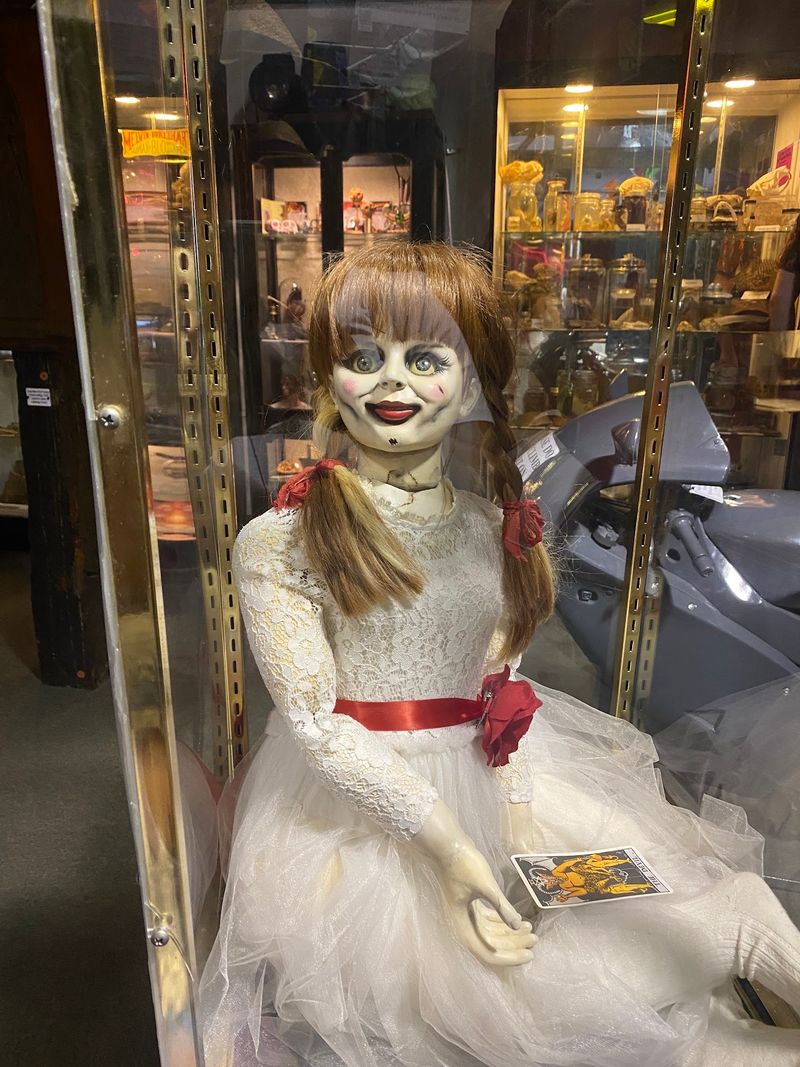
Horror fans, this is your corner. I heard someone gasp behind me and knew exactly which case they had reached.
The collection includes props and memorabilia from films people grew up quoting, with the Annabelle doll among the pieces that draw the biggest reactions. Seeing an object from a movie in real life does something strange to your brain.
What I appreciated is that these are not glossy corporate reproductions behind velvet rope. They sit in ordinary cases, close enough that you can study the wear and the seams.
Photography is limited to marked spots, which honestly kept me looking rather than scrolling. I noticed more details because I was not framing shots.
Fun bit of local context: Wilmington has been a working film town for decades, hosting productions at EUE/Screen Gems Studios since the 1980s. A museum full of movie props fits the city perfectly.
If you only have twenty minutes, this section rewards a slow pass. The labels contain jokes, and the jokes are genuinely funny.
I came back to it twice before leaving.
The Mirror Maze and Its Required Gloves
Gloves at the entrance were my first hint that things were about to get silly. You put them on, step in, and immediately walk into your own reflection.
The maze is compact rather than sprawling, which turns out to be the point. You bump, laugh, backtrack, and eventually find the way through feeling slightly dizzy.
Wearing gloves keeps the glass clean for everyone who comes after you, and it is a smart touch considering how much hand-to-mirror contact happens in there. Nobody wants to navigate smudges.
Adults seem to enjoy it just as much as kids, though nobody admits that out loud. I definitely walked face-first into a panel and pretended I meant to.
It is offered as a separate add-on alongside the main museum, so you can pick and choose depending on your mood and how much time you have.
Colored lights bounce off every surface, making the space feel larger and stranger than its actual size. Photos from inside look wild.
Go in with low expectations about scale and high expectations about fun, and you will come out happy. Mine took about five minutes.
The Van de Graaff Machine, Crystal Skull, and Other Curiosities
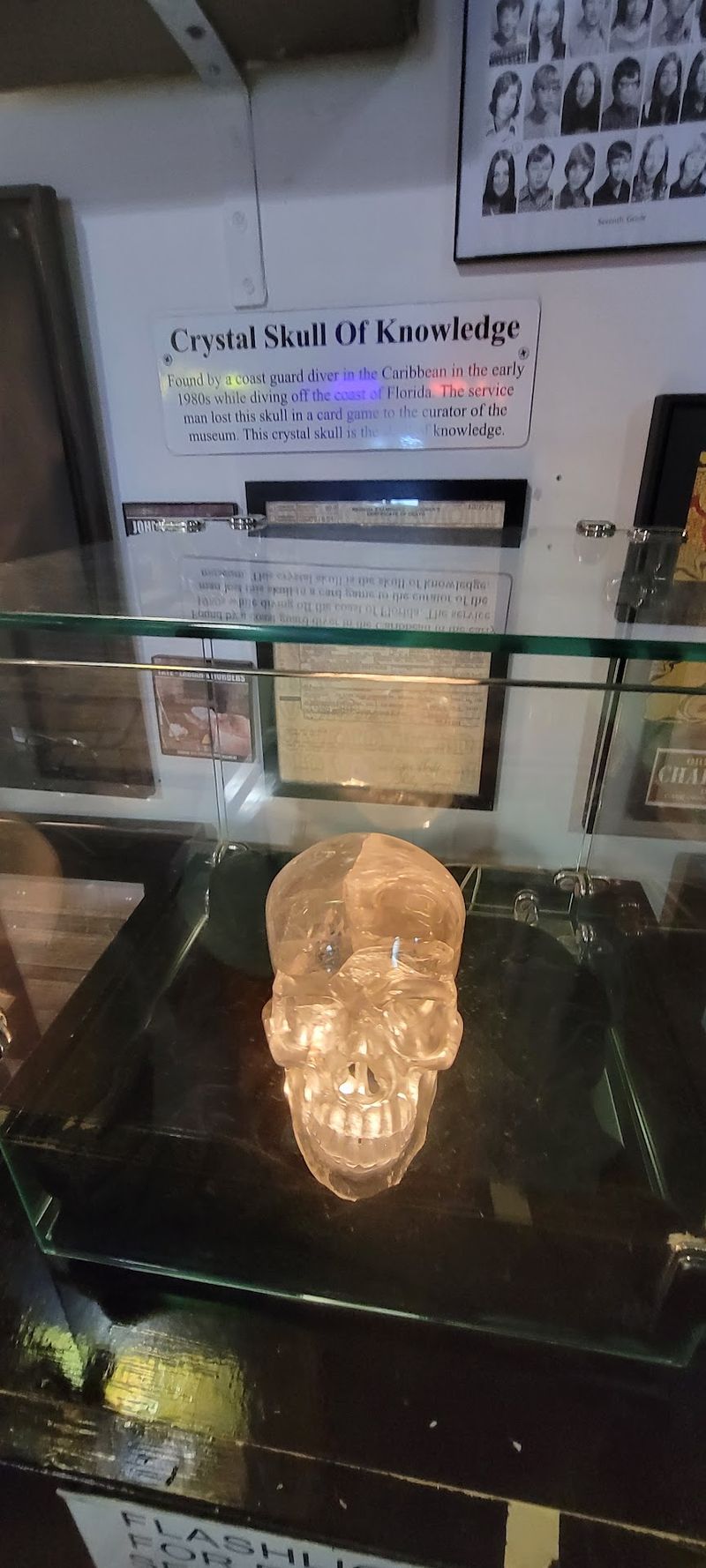
Science and superstition sit side by side in this part of the museum, and the combination is oddly perfect.
A rare Van de Graaff machine anchors one area. Invented in 1929 by physicist Robert Van de Graaff, these generators build up static electricity on a large metal sphere, and they are the reason you have seen photos of people with hair standing straight up.
Nearby you will find the Crystal Skull of Knowledge and a Ouija board attributed to Houdini, plus a lock of hair said to belong to Alexander Hamilton.
Haunted dolls occupy their own shelf, staring out with that specific expression only old dolls manage.
The Laser Vault Room is another add-on, a heist-style challenge where you duck and weave through beams. My knees complained.
My competitive streak did not care.
I kept noticing how the cases mix eras and categories without much logic, and that randomness is genuinely part of the appeal.
You never know what is coming next, which keeps you reading every single label.
Plan on an hour minimum if you actually want to read things.
Planning Your Visit to Water Street
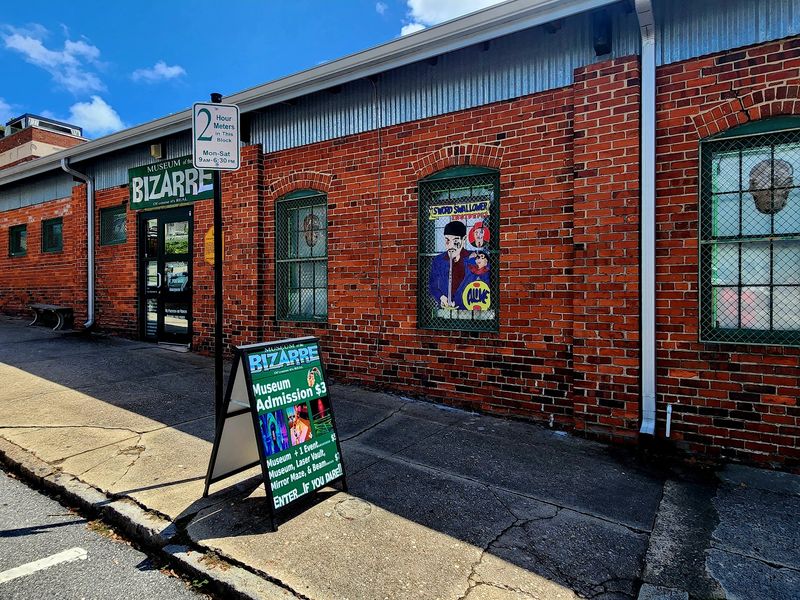
Timing matters more than you might think with a small museum like this one. Doors open at 11 AM every day of the week and close at 6 PM, and the last hour tends to feel rushed if you are a reader.
Parking is street parking along Water Street, so build in a few extra minutes to circle the block. The riverfront area fills up quickly on weekends.
Sword swallowing demonstrations happen inside from time to time, performed for tips, and catching one turns an ordinary stop into a story worth retelling.
There is a small gift shop near the exit with shirts, postcards, and assorted oddball souvenirs. A single public restroom is available.
Most visitors spend somewhere between forty-five minutes and an hour and a half depending on how thoroughly they read. I lost track completely and ended up on the longer end.
Rainy beach days are ideal for this place, and locals seem to know it.
Call ahead at 910-399-2641 if you are planning a group visit, since the space is cozy.
Address: 201 S Water St, Wilmington, North Carolina 28401
