A bronze cavalry officer has been charging across a city park for more than eight decades, sword raised and horse in full stride. In 2017, two local history lovers decided he deserved better than weathered metal and a tired base.
Their names are Aurore Eaton and Pat Howard. They raised $48,000, convinced the city to add matching funds, and helped bring in a bronze preservation expert for the delicate work.
I love that this story starts with neighbors, not a giant agency. New Hampshire has plenty of statues, but few have a comeback story this personal.
Two volunteers looked at a faded landmark and saw a hero worth polishing.
The rider himself has quite a resume, too. He’s linked to a famous rescue of George Washington.
So who is he, and why does a New Hampshire city care so much?
Two Volunteers Saw A Tired Landmark And Refused To Look Away
Plenty of people walk past old statues without a second thought. Aurore Eaton and Pat Howard did the opposite, and a city landmark is better for it.
The Brigadier General Casimir Pulaski Monument stands in Pulaski Park in Manchester, New Hampshire. By 2017, decades of weather had left the bronze rider and his surroundings in need of serious care.
Eaton and Howard are local historic preservation volunteers. They launched a fundraising effort that same year, and they didn’t stop at collecting donations.
The pair also lobbied the city for matching funds. That move turned a hopeful idea into a real, funded project with professional help behind it.
A full restoration of the statue, its base, and the iron fence was estimated at a hefty six figures. The volunteers raised $48,000 toward the statue work and park beautification.
I believe the most impressive part is the persistence. Fundraising for a bronze horse isn’t exactly a lemonade stand, and it takes months of letters, meetings, and polite reminders.
Their effort is a good reminder for any town with a forgotten monument. Sometimes all a landmark needs is two people stubborn enough to ask for help and keep asking.
The Rider Once Charged In To Protect George Washington
September 11, 1777, was a rough day for the American army at the Battle of Brandywine. Casimir Pulaski led a cavalry charge that helped the troops retreat safely.
He’s credited with helping save George Washington’s life that day. Not a bad thing to have on your record, right?
Pulaski was a Polish immigrant who came to help the colonies during the American Revolution. Four days after Brandywine, he was promoted to brigadier general.
He then worked to shape the Continental Army’s horsemen into an organized fighting force. That work earned him the nickname Father of American Cavalry.
His service ended after he was badly wounded at the Siege of Savannah in October 1779. He was only in his early thirties.
Knowing this backstory changes how the Pulaski Monument feels. The outstretched sword isn’t just a dramatic pose, because it reflects the kind of bold charge that made his name.
Kids learning about the Revolution will find a great real-world connection here. A quick chat about Brandywine before a visit turns a bronze statue into a story they’ll actually remember.
A Hometown Art Teacher Shaped Every Inch Of That Bronze
Lucien-Hippolyte Gosselin wasn’t a sculptor flown in from some faraway city. He taught at the Manchester Institute of Arts and Sciences, which later became the New Hampshire Institute of Art.
I like that detail a lot. The man who designed this heroic rider was part of the local art scene, teaching students right in town.
Gosselin lived from 1883 to 1940. The Pulaski statue became one of the notable works of his career, finished just a few years before his own life ended.
Horse sculptures are famously tricky. The animal’s weight, balance, and motion all have to look believable, or the whole piece feels stiff.
Gosselin’s design shows Pulaski mounted with his arm stretched forward, sword in hand. It captures a leader in action rather than a general politely posing for a portrait.
Art fans should take a slow lap around the fence. Each angle shows a different side of the horse and rider, and the details reward patient eyes.
Budding artists might even bring a sketchbook. Drawing a famous bronze made by a local teacher feels like a fun way to connect with the city’s creative roots.
A 1930s Jobs Program Helped Put The General On His Pedestal
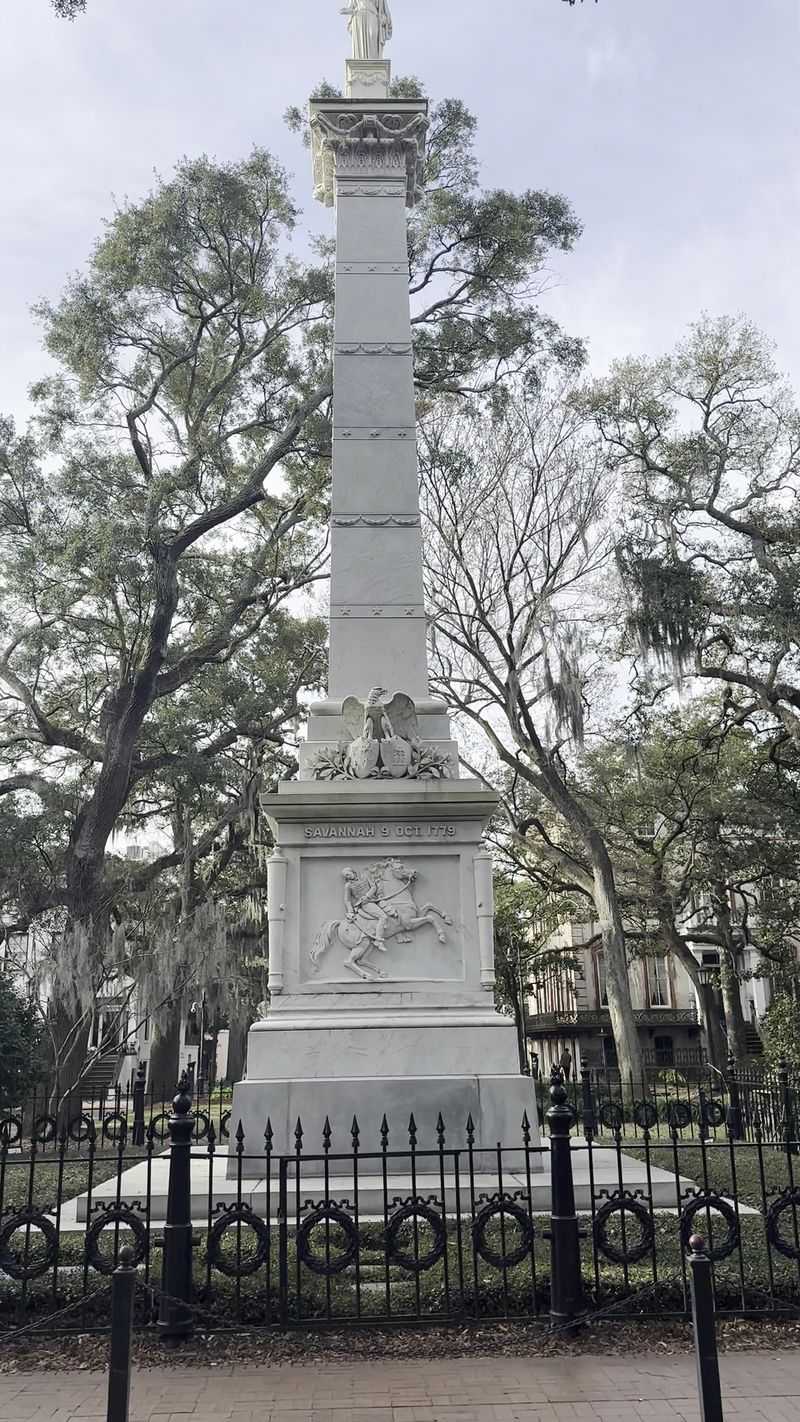
The Works Progress Administration built roads, bridges, and schools across America in the 1930s. In Manchester, it also helped deliver a bronze cavalry hero.
The equestrian statue was erected in 1937 through the WPA. It was formally dedicated on August 21, 1938.
The park itself has an origin twist, too. Before it became Pulaski Park, the green space was known as Tremont Common.
The city officially renamed it on September 22, 1933. So the park carried Pulaski’s name for a few years before his statue actually arrived.
Polish American residents of Manchester began raising money for the monument in the 1930s. Their community pride is baked right into the bronze.
Think about the timing for a second. The country was struggling through the Great Depression, yet people still found ways to honor a hero they cared about.
That connects nicely to the modern restoration story. Different generations, same idea: neighbors pooling effort to keep a meaningful symbol standing tall.
History buffs will appreciate how layered this little park is. One patch of grass holds stories from the 1770s, the 1930s, and the 2010s.
Bronze Doctors Gave This Statue A Careful Checkup
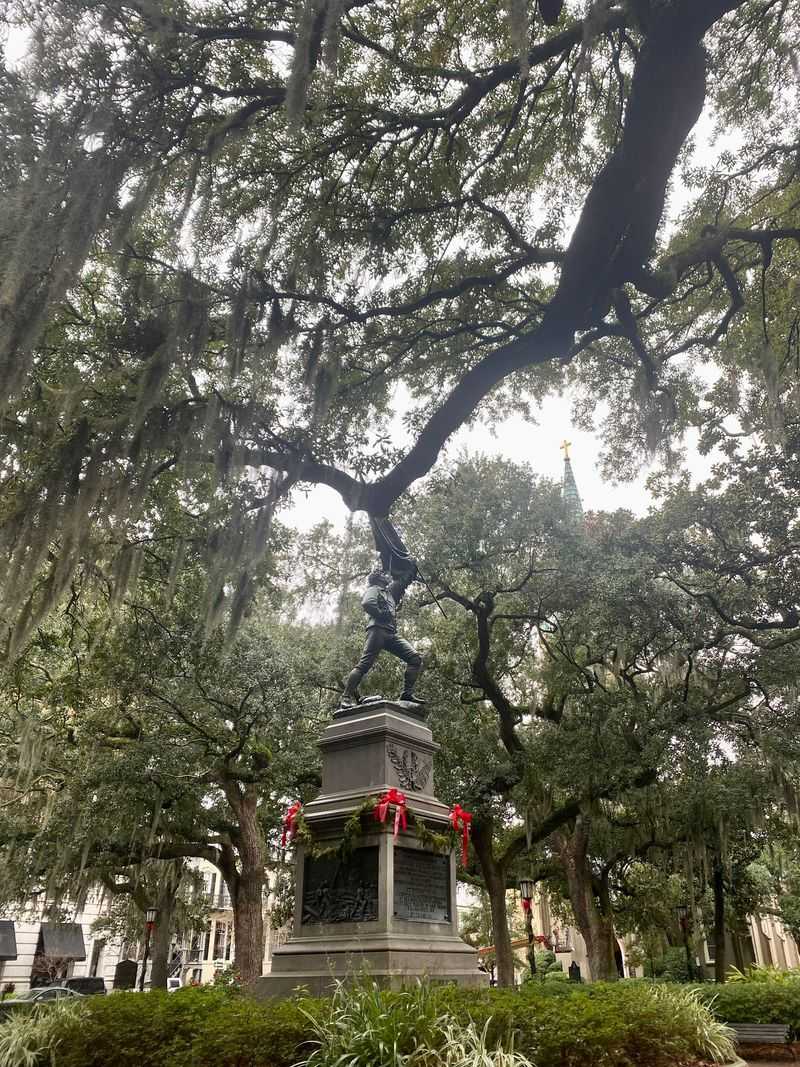
Scrubbing bronze with dish soap and a garden hose would be a disaster. Old metal needs specialists who understand its chemistry and history.
That’s where Josh Craine of Daedalus, Inc. came in. He’s an expert in the historic preservation of bronze monuments, and he oversaw the restoration work.
The project ran under the supervision of the Parks, Recreation and Cemeteries Division of Manchester’s Department of Public Works. The City of Manchester Heritage Commission supported the effort too.
Work was underway in August 2019. By later that month, word went out that the restoration was complete.
I can’t imagine the pressure of handling a beloved 80-year-old sculpture. One wrong move could damage details that Gosselin shaped by hand in the 1930s.
Professional care like this protects more than looks. It helps slow down the slow wear that weather and time bring to outdoor metal.
Curious readers can learn a lot from this approach. Restoration isn’t about making something look brand new, it’s about respecting the original artist’s work.
So when the Brigadier General Casimir Pulaski Monument catches the light now, credit the experts behind the scenes.
Roses In Red And White Send A Quiet Message
Red and white aren’t random garden picks here. They’re the colors of the Polish flag, planted on purpose near the general.
In September 2020, Manchester Garden Club volunteers teamed up with AmeriCorps workers and the city’s Parks Planner. Together they added hardy red and white roses to the grounds.
Native New Hampshire lilac bushes went in alongside them. It’s a lovely pairing, with Poland and the Granite State sharing the same flower bed.
The landscaping was funded by a $750 Plant America grant from National Garden Clubs, Inc. Small grant, big personality.
I like how this detail rewards people who pay attention. Someone glancing quickly might see pretty flowers, while someone who knows the story sees a tribute.
Gardeners might pick up an idea or two here. Meaningful colors can turn an ordinary planting bed into a story without a single sign.
The roses also show the restoration didn’t end with the bronze. Volunteers kept building on the work, adding beauty around the base after the statue gleamed again.
Spring and summer seem like the natural times to enjoy the blooms.
Pack A Basketball, A Bike, Or A Leash
Statues are great, but kids usually want something to do. Good news: Pulaski Park offers more than a bronze horse to stare at.
A basketball court sits in the park, ready for pickup games. Bring your own ball, since it’s a public park and not a sports center.
Cyclists get a handy perk too. A bicycle pump station sits in the park, which beats discovering a flat tire halfway across town.
Dogs are welcome here as well. Just bring bags and keep things tidy so the green space stays pleasant for everyone.
Open grass and mature shade trees give you choices on a sunny day. Benches offer spots to rest and admire the monument.
Planning a picnic? There aren’t permanent tables or grills, so a blanket and a cooler of sandwiches are your best bet.
The park is listed as open 24 hours. Daytime visits make the most sense, though, especially if you want good light on the bronze.
Mix it up for the family. Shoot some hoops, then stroll over and tell everyone how this rider helped protect George Washington.
Downtown Manchester Keeps The General Close At Hand
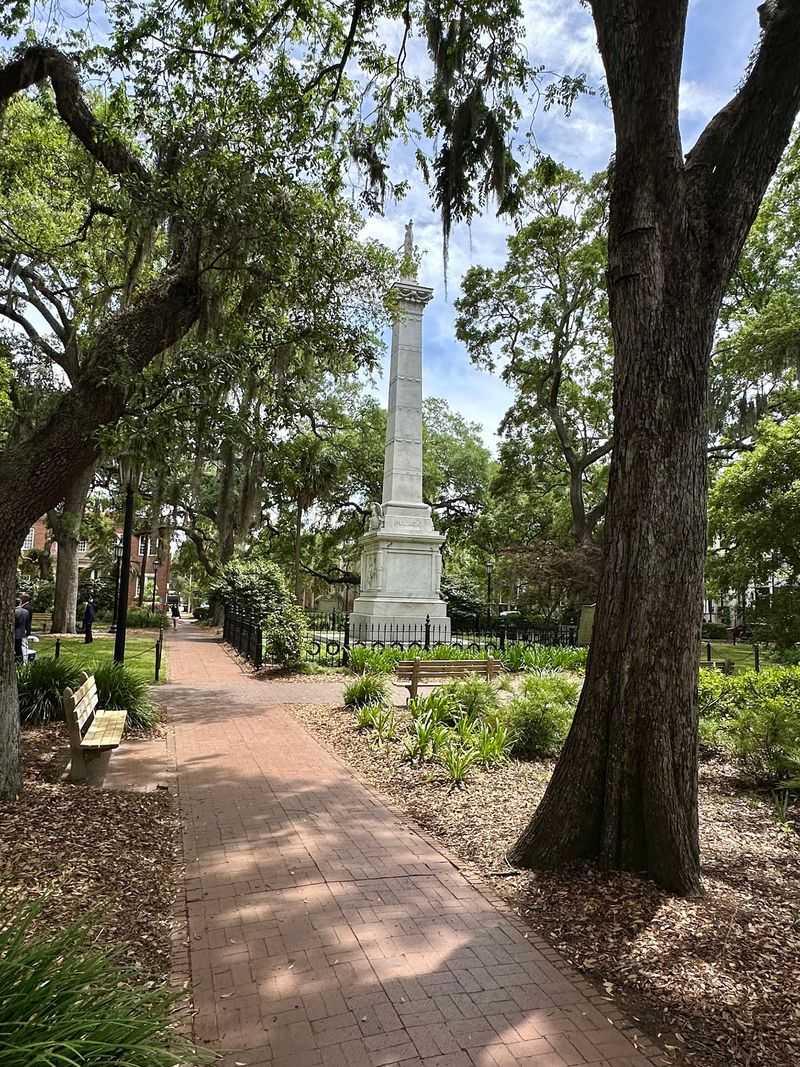
No hiking boots are required for this piece of history. The monument sits right in the city, close to downtown Manchester.
Pulaski Park is located at 128 Bridge Street, Manchester, NH 03104. Its corner of the city sits along Bridge Street, a busy road connecting toward Elm Street and the downtown core.
That convenience is a real bonus. You can fold a stop here into a day of exploring Manchester instead of planning a whole special trip.
Bridge Street sees steady traffic, so keep an eye on younger kids near the edges. The ball court is set back from the road, but caution never hurts.
A quick visit might only take fifteen minutes. History lovers, though, will want time to circle the fence and study the sculpture.
I believe the best landmarks are the ones people actually pass every day. This one sits in a real neighborhood, part of ordinary city life rather than tucked away behind a ticket booth.
Visiting New Hampshire’s largest city? Put the Pulaski Monument on your list between other downtown stops, and give the general a friendly nod while you’re there.
Every Shiny Landmark Needs People Who Keep Showing Up
Restoring a statue once is impressive. Keeping its story alive for the next generation might be even harder.
Plans were made to install interpretive signage in Pulaski Park in 2021. The goal was to share the history of the park and monument with everyone passing by.
A commemorative booklet was planned as well. That kind of keepsake helps the story travel beyond the park fence.
Here’s my favorite takeaway from the whole Pulaski Monument saga. A volunteer project started a chain reaction involving city staff, experts, garden clubs, and AmeriCorps workers.
Aurore Eaton and Pat Howard showed what steady local effort can do. Their push helped turn a weathered bronze into a point of pride again.
Readers in any town can borrow that lesson. Find a local historical society, ask about a neglected marker, and see where a few phone calls lead.
Visitors can help too, in simple ways. Toss trash in the bins, respect the plantings, and share the story with friends.
The general has been charging forward since 1937. With people like these in New Hampshire looking after him, he should keep charging for a long time.
