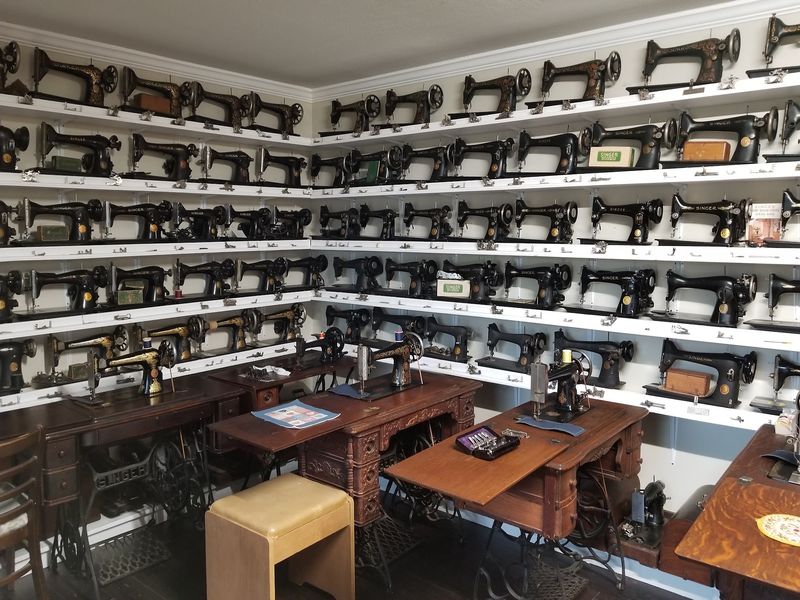
Some of the best afternoons in Oklahoma start with a plain little building you almost drive right past. I walked in expecting a few dusty machines on a shelf and maybe ten minutes of polite looking.
Instead, I found rows of iron, chrome, and painted gold that seemed to hum with old stories, plus a host who made every one of them feel personal. If you think sewing sounds boring, this stop might just change your mind.
A Museum Built Around the Hum of Needles
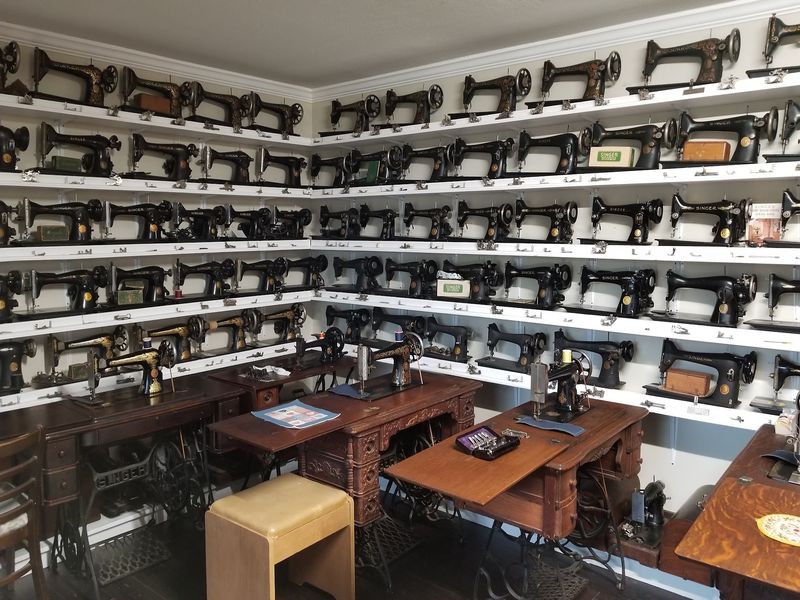
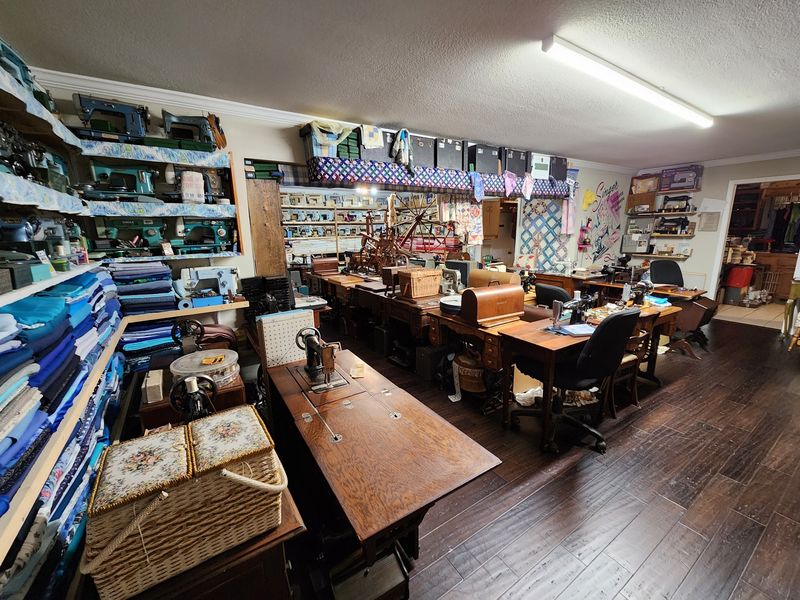
Picture hundreds of sewing machines lined up like old friends waiting to chat. That is the first impression at a modest museum devoted to one humble invention that changed how the whole world dressed, camped, and built things.
Collection counts vary depending on who you ask. Some sources mention 600 or 700 machines, while others put the number above 1,300 domestic and industrial models, covering roughly 170 years of sewing history.
Either way, you will not run out of things to look at.
Treadle machines with ornate iron bases sit near dainty hand-crank models. Mid-century designs in soft pastel colors share space with heavy industrial giants that look ready to stitch through a barn door.
Visitors often say the variety alone is worth the trip, even for folks who have never threaded a needle.
Locals sometimes call the place simply the M, which fits its quirky, friendly spirit. It is less a hushed gallery and more a working showroom of craft and curiosity.
Before we talk about where to find it, though, the story of how it started deserves its own spotlight, because it began with a boat and a broken $99 machine.
From Tree Trimming to Treadles
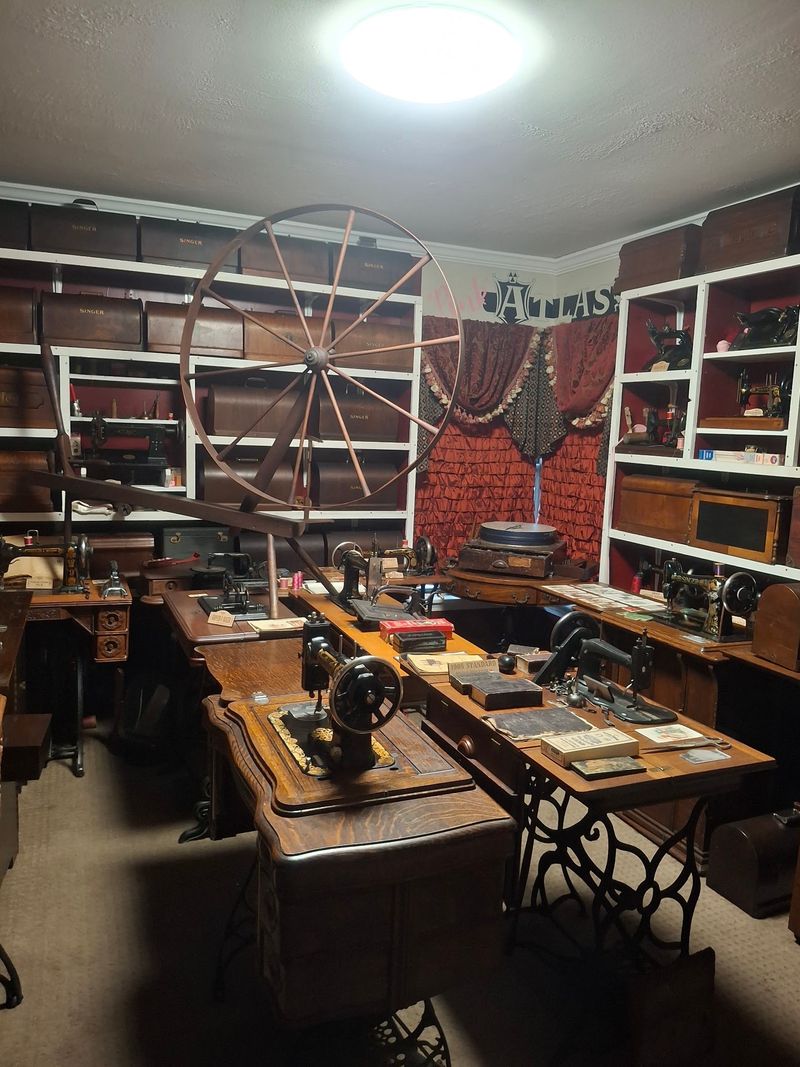
Here is a plot twist nobody saw coming. Around 2016, after a 30-year career in stump grinding and tree trimming, W.K.
Binger just wanted to reupholster his boat and go fishing.
He had never sewn before, so he bought a heavy-duty machine for $99. According to a visitor who heard the tale firsthand, it broke within a couple of hours.
Being an inventor who holds patents, he figured he might just fabricate a new part himself.
Then the story took a friendly small-town turn. Staff at a fabric store pointed him toward a man who could help with a machine better suited for upholstery.
That man turned out to be someone whose trees Binger had trimmed over the years.
The deal was simple and a little funny. He could have a machine, but only if he also took two others and found them good homes.
Instead of passing them along, he kept collecting.
By around 2017, the M was born, mostly by accident. Today he owns thousands of machines, many of them quite valuable.
Few museums can trace their roots back to a fishing boat, and that scrappy beginning still shapes how the place feels today.
South Peoria Avenue, Tulsa
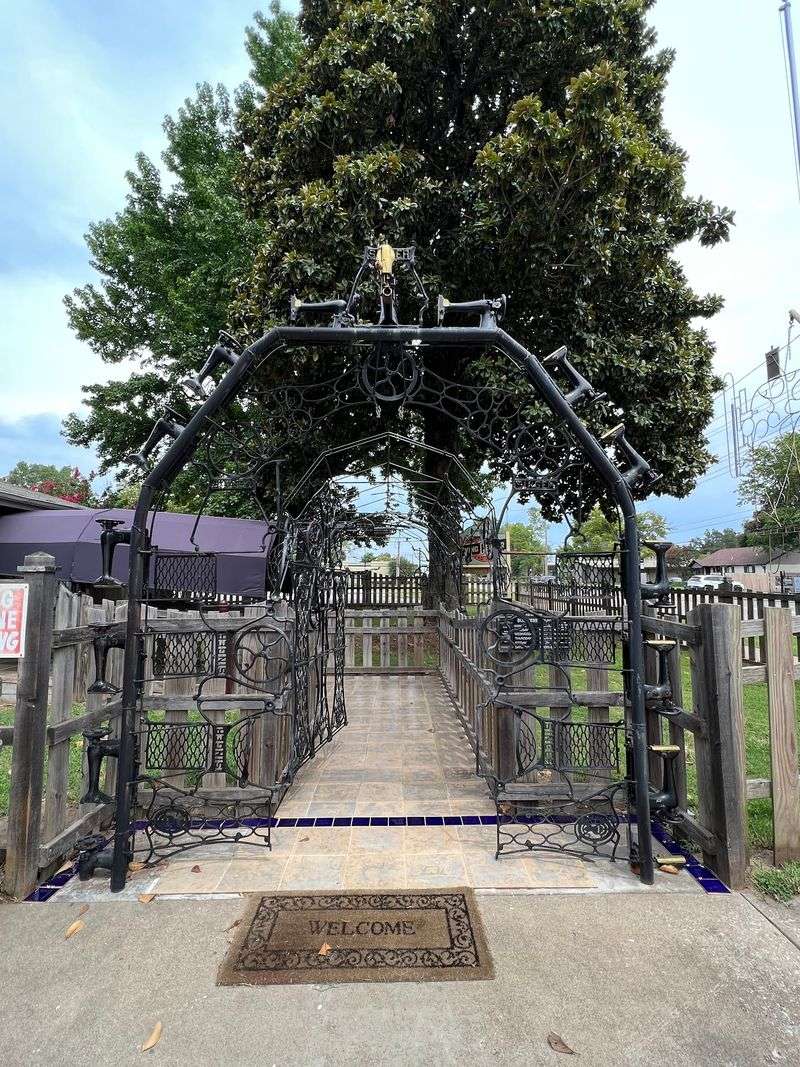
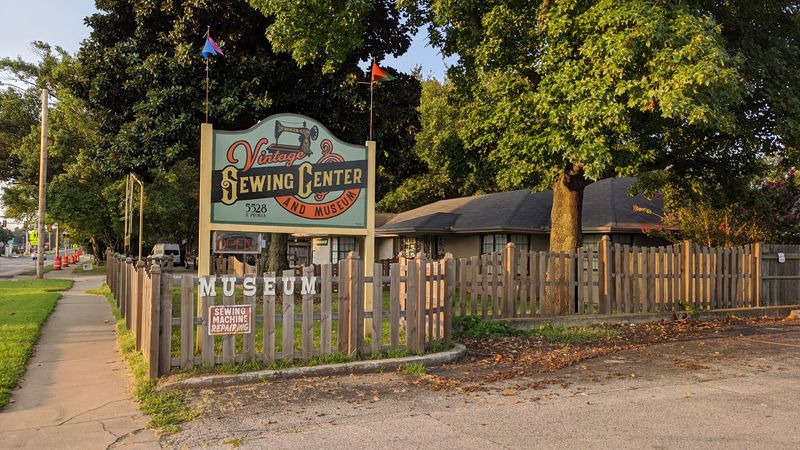
Ready for the big reveal? The Vintage Sewing Machine Museum sits at 5528 S Peoria Ave in Tulsa, tucked into the city’s south side.
From the outside, nothing screams world-class collection. Several visitors admit they pulled up not knowing what to expect, then walked out hours later amazed.
That gap between a plain exterior and a packed interior is part of the fun.
For Oklahoma City folks, Tulsa makes an easy day trip, roughly a 90-minute drive up the turnpike depending on traffic. Families from Broken Arrow, Bartlesville, or Muskogee can reach it even faster.
Road-trippers passing through on longer journeys have also stopped in and called it a highlight.
Parking should not stress you out. The museum notes handicapped parking, and it can even handle bus and motorcoach parking for groups.
That makes it a handy pick for church outings, senior centers, or a quilting guild field trip.
One tip worth tucking away: Oklahoma weather can turn quickly, especially in spring storm season. One visitor recalled waiting out rain in the parking lot, only to have the host walk out with an umbrella.
Since this is an indoor stop, it makes a solid rainy-day plan any time of year.
Machines You Can Actually Touch
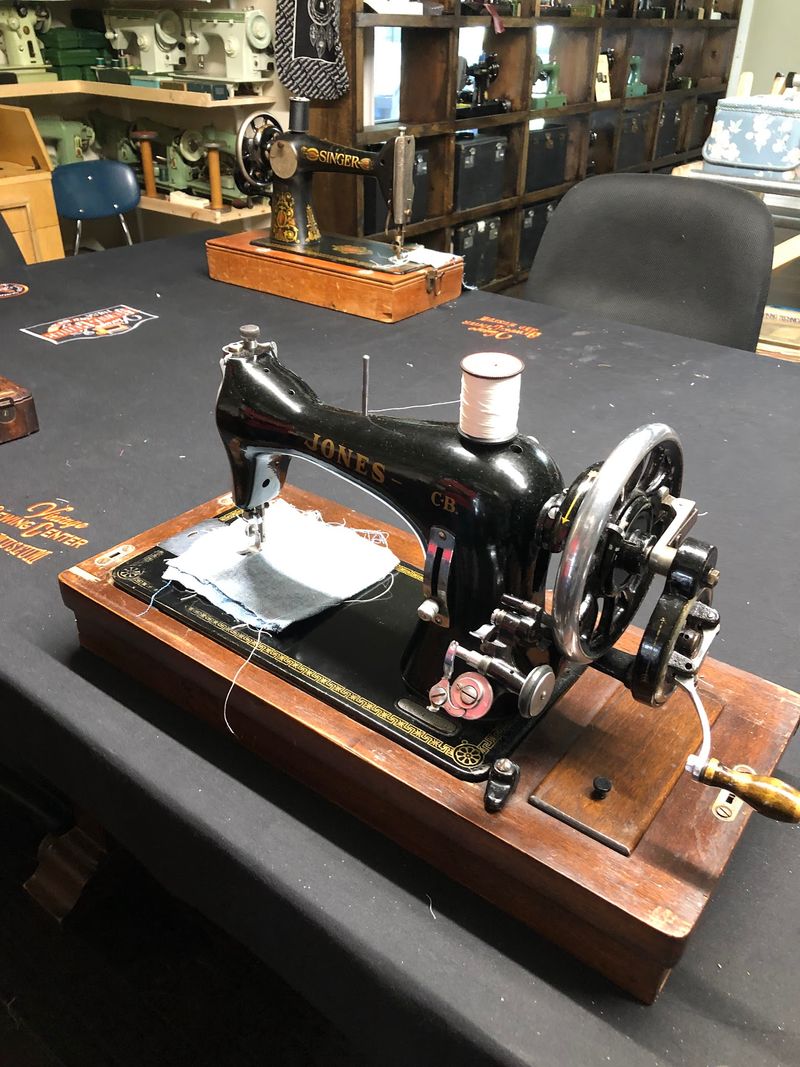
Forget the velvet ropes. At most museums, touching the exhibits gets you a stern look, but here the staff practically pulls out the chair for you.
Guests are encouraged to sit down and sew on many of the machines. You can try a treadle, crank a hand-powered model, and feel how differently each one handles.
It turns history into something you experience with your hands and feet instead of just your eyes.
The headline attraction for many is an industrial machine once used for military naval bags and parachutes. Visitors can run a stitch on it, literally leaving their mark on a piece of working history.
Another group described operating a leather sewing machine about the size of a small automobile.
Not into sewing? That hardly matters.
Several visitors who came along just to keep a spouse company ended up having as much fun as the sewing fan in the group. There is something oddly satisfying about hearing a century-old mechanism clatter to life under your own control.
Restoration quality earns praise too. People mention how carefully the machines have been brought back to life, so they look sharp and run smoothly.
Bring curiosity, and maybe a scrap of patience for your first wobbly seam.
The Storyteller Behind the Collection
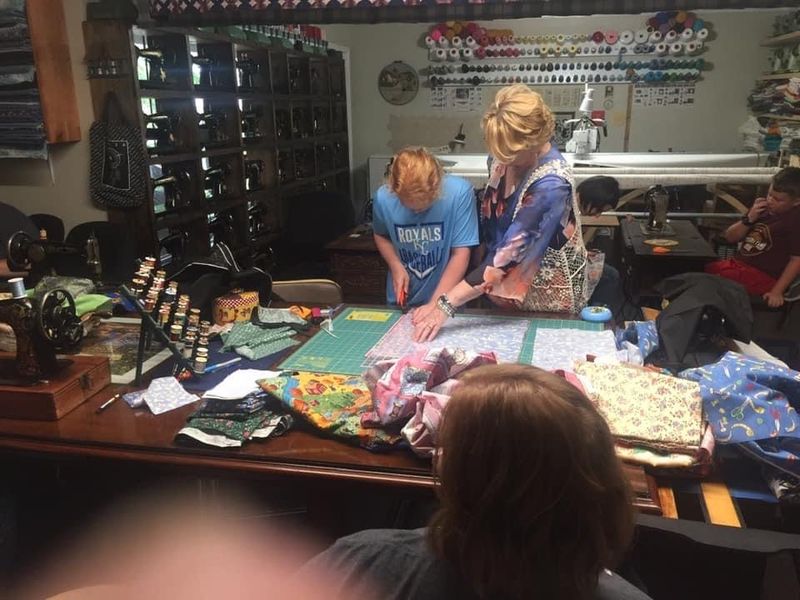
Ask almost anyone who has visited, and they will mention W.K., sometimes called Wayne, before they mention a single machine. He has been compared to Mr. Rogers and Bill Nye the Science Guy, which tells you plenty about his style.
His memory is something else. One couple said he knew who owned each machine before it arrived, and sometimes even the name of that person’s grandmother.
He can explain what a specific machine was built to sew, from hammocks to book bindings to tents and sails.
Visitors often say the collection is impressive, but the collector is what makes it unforgettable. Without his explanations, one guest admitted, they would not have understood what they were looking at.
A fun fact he likes to share: more sewing machines have reportedly been made than any other machine in history. That surprising bit helps explain why the technology matters well beyond clothing.
Fair warning, conversations can wander. Some guests love the long chats, personal projects, and side stories, while a few have felt the visit drifted away from the machines themselves.
If you prefer to browse quietly, it may help to say so politely, and he will typically let you explore at your own pace.
Classes, Kids, and Grandma’s Attic
Teaching seems to be the real heartbeat of the M. Beyond the displays, the museum offers sewing classes, workshops, quilting parties, and a youth program for kids.
W.K. has a memorable motto for students: if you are not willing to live on the edge of failure, you are not using all your creativity. He reportedly keeps student mistakes rather than tossing them, seeing each one as proof that a child tried something new.
Visitors mention he works with autistic students and a blind student, letting them solve problems their own way.
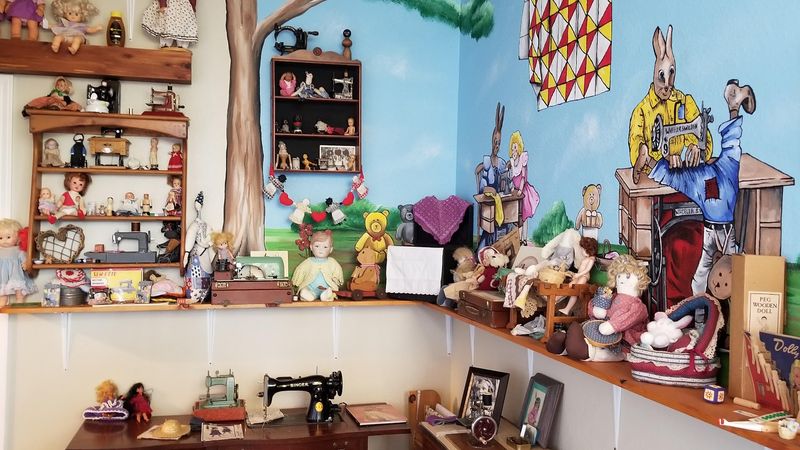
Younger visitors get a special space called Grandma’s Attic. Kids can play dress-up, color, and pretend to cook while grown-ups linger over the machines.
The museum also hosts birthday parties and group tours.
Some guests leave with a small souvenir, too. Several people describe watching a custom tile or patch being made on a laser machine, along with a keychain.
Parents with very young or sensitive children may want to keep an eye on that equipment.
Adults are not left out. One visitor learned how to service an old Singer at home, which brought back memories of watching a mother oil her own machine years ago.
Repairs, restorations, and machine rentals are available as well.
Hours, Tickets, and How Long to Stay
Good news for budget travelers: a day here costs less than a family lunch out. Adult self-guided admission runs about $10, and that ticket covers your entire day.
Want the full story experience? A one-hour guided tour is listed at around $20.
Teens ages 15 to 18 pay roughly $5, and children under 15 get in free with a paying adult. Prices can change, so a quick call to 918-280-0161 before you go is smart.
Hours generally run Tuesday through Saturday from 12 PM to 6 PM. The museum is closed Sundays and Mondays.
Out-of-town guests and groups may be able to arrange a special visit by appointment.
Plan for more time than you think. The museum suggests at least 30 to 45 minutes for a self-guided look, not counting the gift shop.
Many visitors, though, report staying two or three hours, and one joked that a quick hour turned into an entire afternoon.
A donation box supports the kids’ projects, and plenty of guests happily drop in a little extra on the way out. Check the museum’s Facebook page for updates, since posted hours on other travel sites have sometimes been out of date.
Worth the Detour Up the Turnpike
So, should you make the drive? For most folks, the answer leans toward a cheerful yes.
Quilters and seamstresses will feel like kids in a candy store. History buffs get a surprising look at how one machine shaped industry, from parachutes to sails.
Grandparents can share memories of mothers and aunts pedaling treadles, while grandkids burn off energy in Grandma’s Attic.
The price stays friendly, the setting is unpretentious, and the whole operation feels like it grew from one man’s passion rather than a corporate plan. That homegrown spirit fits right in with what Oklahomans love about small, preserved places.
Go in with the right expectations, though. Think of it as part museum, part workshop, and part long conversation with a very enthusiastic host.
If you prefer silent galleries and printed placards, the chatty style may take some adjusting.
Pair your visit with a Tulsa lunch spot or a stroll somewhere nearby, and you have an easy, affordable day out. Bring a friend, wear comfortable shoes, and leave room in your schedule.
Chances are you will walk out talking about bobbins, treadles, and a fishing boat that started it all, and maybe tagging someone who needs to see it next.
