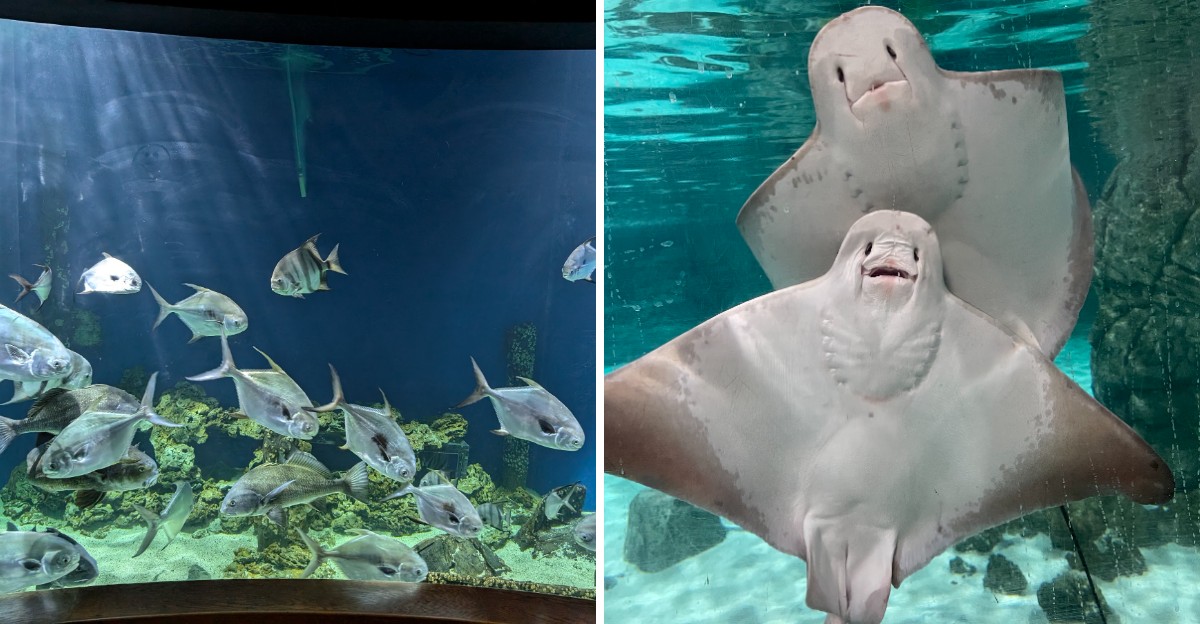
Seeing ocean life up close is not something you get to do every day. But Virginia has aquariums where the distance between you and the animals shrinks in surprising ways.
This list has ten of them, from large facilities with shark tunnels and touch pools to smaller centers focused on local marine life. Some let you feel a stingray glide under your fingers.
Others put you face to face with sea turtles, jellyfish, and fish that shimmer in colors you did not know existed. A few have interactive exhibits designed for kids, while others cater to adults who want to learn more about conservation.
The common thread is access. These aquariums are built to bring you closer to the water, not keep you at a distance.
Whether you are a lifelong ocean lover or just curious, these spots are worth a visit. Bring a camera and a sense of wonder.
1. Virginia Aquarium & Marine Science Center, Virginia Beach, VA
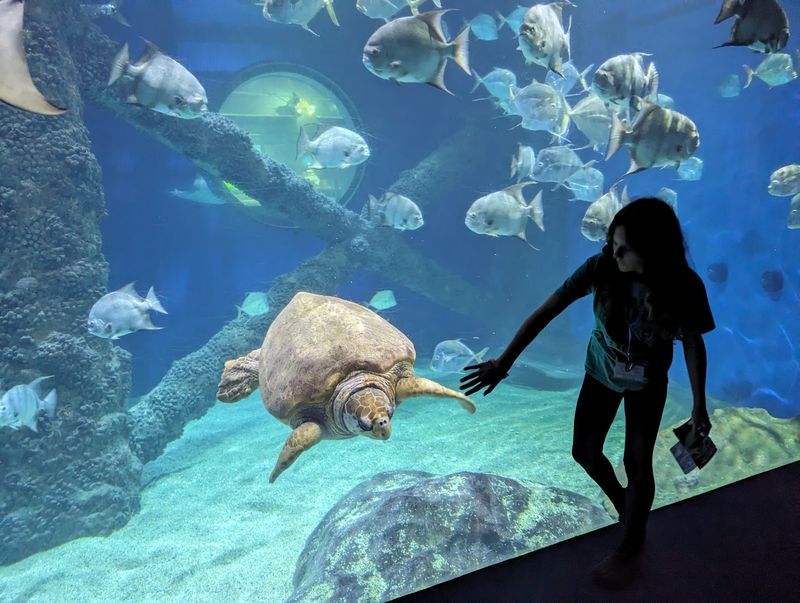
Sea turtles have a knack for stealing your attention without making a sound. At the Virginia Aquarium & Marine Science Center, big viewing windows give you room to watch marine animals move at their own pace.
Slow down beside a tank and notice how differently a turtle swims from a fish. That quiet comparison can teach more than a hurried walk past every display.
Saltwater habitats are the big draw, but the center also explores the waterways that connect coastal land to the Atlantic. Look for signs explaining where animals live and what threatens their homes.
If a touch experience is available during your trip, follow the posted directions and let the animals set the pace. Gentle hands and patience beat an eager poke every time.
Outside, the nature trail offers a welcome change of scene along Owl Creek. Marsh views make the story inside feel real: water, shorebirds, plants, and fish belong to one connected place.
Bring shoes that work for a walk, and keep an eye out for wildlife without approaching it. Boat programs may offer another way to learn about animals in coastal waters, though trips depend on schedules and conditions.
You will find the aquarium at 717 General Booth Boulevard, Virginia Beach, VA. Check its official site before leaving for current exhibits, admission details, and boat availability.
Give yourself time for both the galleries and the trail rather than treating the outdoor stretch as an exit route. A little breathing room turns an aquarium trip into a fuller look at life along Virginia’s coast, where even a still marsh can put on a lively show.
2. Nauticus National Maritime Center, Norfolk, VA
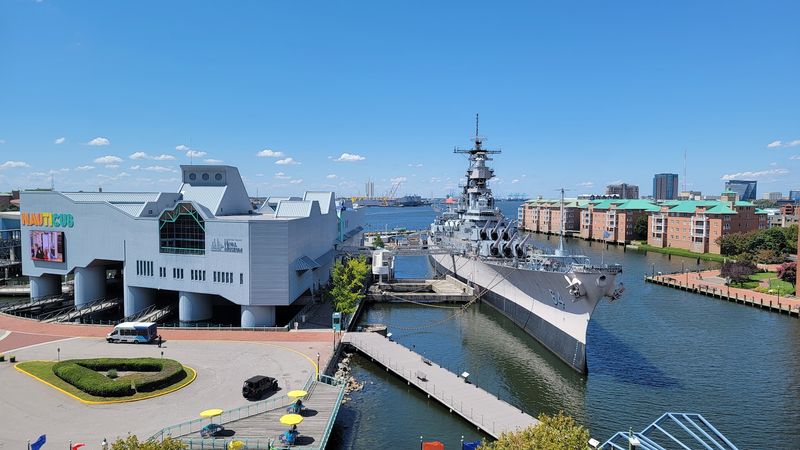
Norfolk knows that the sea is bigger than a fish tank. Nauticus sits beside a working waterfront, so the ships outside help explain the marine stories inside.
Its exhibits connect ocean science, maritime work, and naval history. For you, that means an outing where an aquatic display can lead straight into a question about the vessels sharing those waters.
Start by looking at the current gallery map rather than assuming every hands-on feature is running. Nauticus changes exhibitions and activities, and animal encounters may have special rules or limited availability.
When an aquatic exhibit invites close observation, look for clues about an animal’s habitat before moving on. A creature’s shape often hints at how it swims, hides, or finds food.
The Battleship Wisconsin adds a completely different sense of scale. Its decks make a striking partner to the museum’s stories about waterways and the work that happens on them.
Exploring a ship takes more walking than studying a tank, so comfortable shoes earn their place in your bag. Follow posted access guidance, particularly if parts of the ship are closed.
Find Nauticus at One Waterside Drive, Norfolk, VA, on the downtown waterfront. Check the official website for the current exhibit lineup and battleship access before you go.
If your main goal is live ocean animals, be clear about what this stop offers: it is a maritime museum, not a large aquarium. Pair it with another Norfolk wildlife stop if you want more animal viewing.
The reward here is context. After seeing the waterfront and its ships together, you may look at even a small aquatic display differently.
Every harbor has a wild side, even when a battleship gets top billing.
3. Virginia Living Museum, Newport News, VA
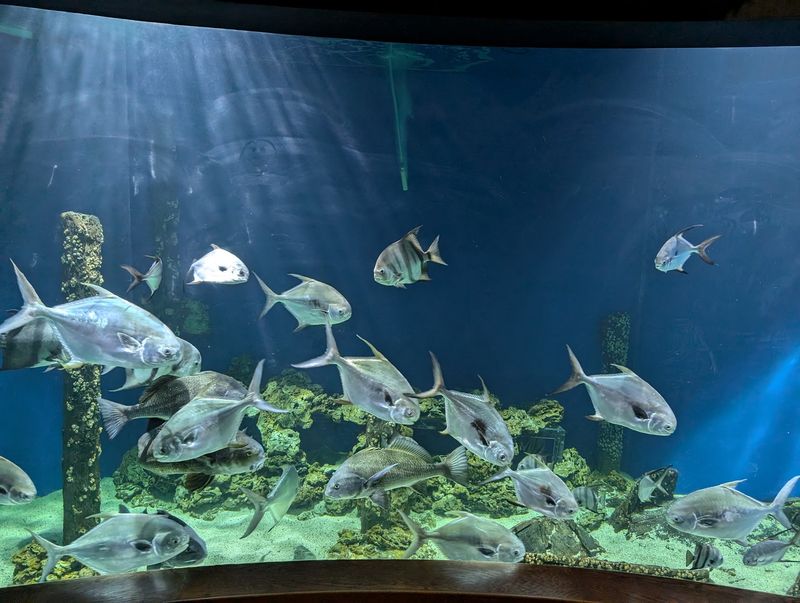
Think of this stop as a field guide that grew walls and windows. The Virginia Living Museum brings native animals and habitats together, giving you a close look at life that usually stays beneath muddy water or beyond a shoreline.
Its aquariums feature local aquatic species, while other exhibits widen the picture to forests, wetlands, and nearby coastal environments.
Take your time with the labels. They can help you tell a freshwater animal from one suited to saltier conditions, a useful distinction in a region shaped by rivers and the Chesapeake Bay.
Rather than hunting only for the flashiest creature, watch how each animal uses its space. A fish holding still near cover can be just as interesting as one making laps around a tank.
Outdoor paths add a pleasant twist when you need fresh air. Habitats beyond the building show why protecting a watershed matters to creatures indoors.
Wear shoes you can walk in, and plan for the weather if you hope to explore outside. Leave wild animals alone along the paths, even if a perfect photo seems close enough to grab.
The museum stands at 524 J. Clyde Morris Boulevard, Newport News, VA.
Its official website is the best place to confirm which exhibits and outdoor areas are available on your chosen day. Not every animal on display comes from the ocean, and that is precisely the point.
You can follow the links between inland streams, tidal waters, and the coast without pretending they are all the same habitat. Newport News gives this lesson a lively setting: nature is nearby, wonderfully varied, and seldom arranged as neatly as a map suggests.
4. Hill City AquaZoo, Lynchburg, VA
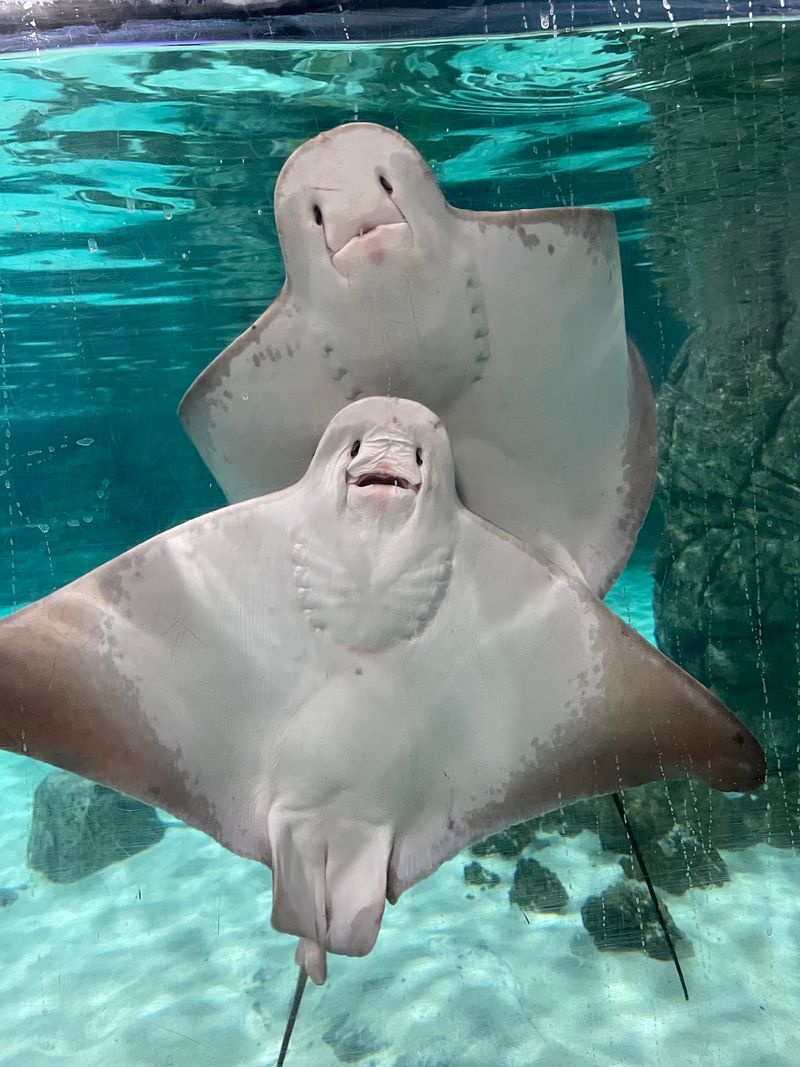
A mall trip can take an unexpected turn when fish enter the picture. Hill City AquaZoo operates inside River Ridge in Lynchburg, bringing aquatic exhibits and other animal habitats under one roof.
Its themed setting makes the stop feel playful, though the best part is still taking a careful look at the creatures themselves. Give each display a moment before racing toward the next colorful corner.
Because this is an animal attraction rather than a traditional coastal aquarium, expect a mix of species and experiences. Some activities may allow supervised touching or feeding, but never assume an encounter is included or always offered.
Read the rules first, wash your hands when directed, and treat every animal as a living creature rather than a photo prop. That small bit of care makes the experience better for everyone.
Use the habitat themes as a conversation starter. Which animals need water throughout the day, and which only visit it?
What features help a fish turn quickly or a reptile stay protected? Asking simple questions can turn a lively indoor outing into a real lesson about adaptation.
Younger companions may enjoy finding answers before reading the signs.
The address is 3405 Candlers Mountain Road, Suite B80, Lynchburg, VA. Check Hill City AquaZoo’s official channels before setting out to confirm its current exhibits, admission options, and encounter rules.
Mall surroundings also make it easy to forget that animal care has limits, so keep your pace relaxed and your hands where staff or signs permit. For an inland stop, it offers a cheerful change from the usual shopping trip.
Your errand list might have to wait while you figure out who is swimming behind the next window.
5. Center in the Square Aquariums, Roanoke, VA

Reef fish in downtown Roanoke sound like a geography mix-up, yet Center in the Square makes the pairing work. Its public aquarium displays add moving color to a building devoted to arts and learning.
You can pause at the tanks between other downtown plans, which gives this stop a different feel from a full-day aquarium outing.
Look closely rather than treating the displays as decoration. Reef life rewards patience: a small fish may stay near cover while another crosses open water.
Other aquatic displays can introduce different habitats, helping you compare the needs of saltwater and freshwater animals. Exhibit details can change, so let the signs in front of you, not an old photo online, guide what you expect to find.
The building sits at 1 Market Square SE, Roanoke, VA, right in the city’s walkable center. Check Center in the Square’s official information for current public access before planning your stop.
Galleries within the building may have separate admission arrangements, so avoid assuming that seeing the aquariums grants entry everywhere else. Keeping those plans clear saves you an awkward pause at a ticket desk.
Make this visit a lesson in scale. A reef tank gives you a close view of movement and color, but it represents just one carefully managed slice of a much larger ocean.
Watch how fish use shelter, then imagine the countless places they could hide in a natural reef. Afterward, step back outside and enjoy the contrast between mountain city streets and the aquatic world indoors.
In Virginia, a good sea-life surprise does not always arrive with a beach attached.
6. The Cove at the Science Museum of Western Virginia, Roanoke, VA
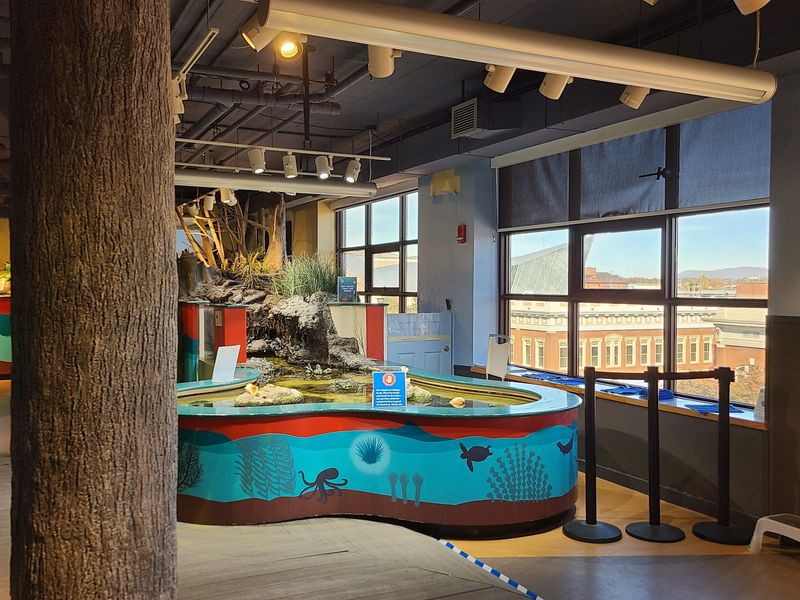
Curiosity has a home upstairs at Roanoke’s Science Museum of Western Virginia. The museum’s interactive approach makes water a subject you can explore through questions, displays, and activities rather than a distant picture in a textbook.
The Cove is part of that wider science outing, so approach it as a hands-on learning stop, not a promise of giant ocean tanks.
Check the museum’s current exhibit information before you travel specifically for an aquatic feature. Displays and activities can change, and a named space may not always offer the same experience pictured in older descriptions.
Once inside, follow the signs for any water-related exhibits that are available. Compare what you learn there with the living aquariums elsewhere in Center in the Square.
One helps explain ideas; the other lets you watch animals respond to their surroundings.
Children can get more from an interactive display when you leave time to test an idea twice. Make a guess, try the activity, and see whether the result matches.
If touching is allowed, use only the equipment marked for hands-on use. Actual animals, when present in any exhibit, need a different kind of attention and care.
You will find the museum in Center in the Square at 1 Market Square SE, Roanoke, VA. Confirm museum admission and the latest exhibit map through its official website; shared building space does not mean every attraction has the same entry rules.
This is a smart companion to Roanoke’s aquarium displays, especially when you want more than a quick look through glass. The ocean may be far from the Blue Ridge, but questions about water travel remarkably well.
7. The Robins Nature Center at Maymont, Richmond, VA
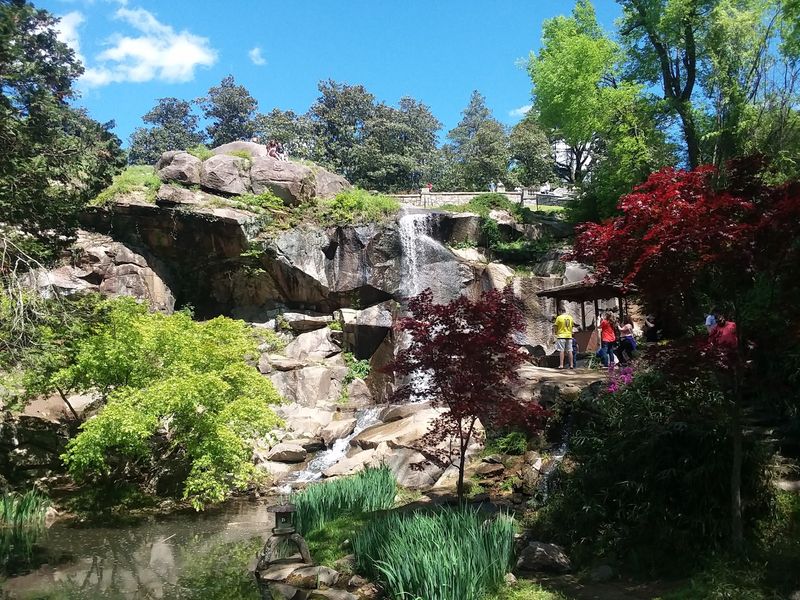
River creatures deserve a little more fame, and The Robins Nature Center gives them a stage. At Maymont in Richmond, exhibits focus on the James River and the wider watershed linked to the Chesapeake Bay.
Aquatic habitats let you study native animals up close, while the surrounding displays show where those creatures fit into a changing river landscape.
Keep an eye out for the difference between a river specialist and an animal that can live across several connected habitats. A sturgeon, for example, opens the door to questions about how fish move through waterways during their lives.
Read the exhibit labels before calling every tank an ocean exhibit. Freshwater is the star here, and its link to the bay makes the story more interesting, not less.
Maymont offers plenty beyond the nature center, so decide whether you want a focused indoor stop or a longer walk around the grounds. Check its official website for current access, any ticket requirements, and the status of exhibits.
A light bag and comfortable shoes make moving between indoor learning and outdoor paths much easier. Give yourself time to pause instead of racing through every corner.
Find The Robins Nature Center at 2201 Shields Lake Drive, Richmond, VA. This stop is especially rewarding if you have ever crossed a city bridge without thinking about the water below it.
Watch an animal in its habitat, then look for the river on a map and trace where it goes next. Suddenly, the route toward the Chesapeake feels less like a line on paper and more like a living connection.
That is a fine reason to linger a little longer.
8. Three Lakes Park & Nature Center, Henrico, VA
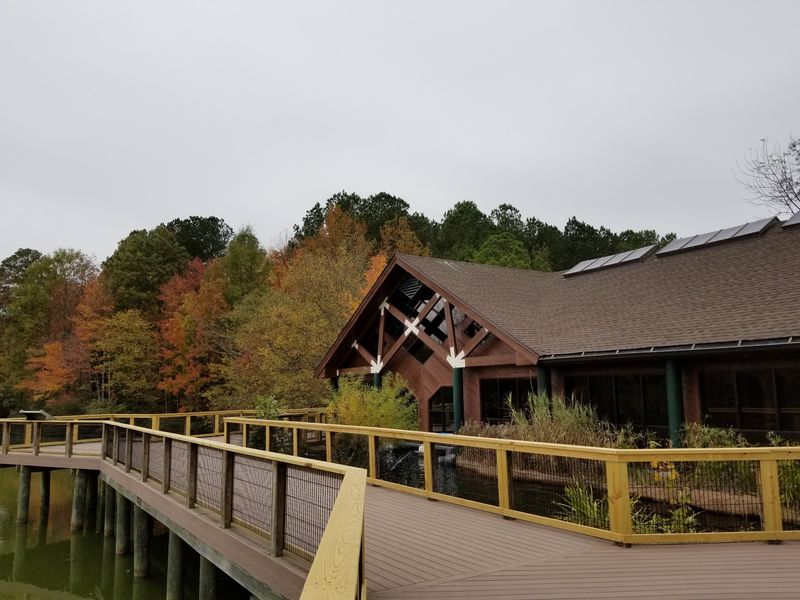
Here is an aquarium with the neighborhood lake practically at its doorstep. Three Lakes Park & Nature Center highlights freshwater life native to the area, making it easy to connect what you see indoors with the landscape outside.
Fish behind glass are interesting; fish living in a lake just beyond the building make the lesson stick.
Spend a little time at the aquarium before heading onto the park paths. Notice where the fish gather and whether some prefer open water or cover.
Then look across the lakes and consider how much habitat remains out of sight beneath the surface. The center’s displays can help you identify local animals, but leave wildlife where you find it outdoors.
A turtle on a bank has its own plans for the afternoon.
Trails and lake views give this stop a calm pace that bigger attractions rarely match. Wear shoes suited to outdoor paths, carry water, and watch the weather before setting off.
If you bring a camera, use it without blocking narrow viewing spots inside or disturbing animals outside. Birdlife and insects may offer a bonus lesson around the shore.
The park is at 400 Sausiluta Drive, Henrico, VA. Check Henrico County’s official parks information for current nature center access, since the grounds and indoor exhibits may not share the same availability.
This is not a saltwater aquarium, so come for a close look at the freshwater systems that support Virginia’s wider environment. Leave room in your plans for a lakeside pause after the displays.
The quietest stop on the list might send you home with the biggest question: what else is happening under water when nobody is watching?
9. The Aquatic Trails at the Virginia Zoo, Norfolk, VA
Not every watery encounter needs a fin. At the Virginia Zoo, turtles and other animals tied to aquatic habitats offer a different way to think about life near water.
This is a zoo outing rather than a dedicated aquarium visit, so let its habitat map guide you toward the exhibits that interest you most. A careful look at a turtle can be surprisingly absorbing.
Watch how its shell, feet, and behavior suit the setting. Some turtles spend more time swimming, while others are better known for life on land.
Habitat signs help you avoid lumping them together simply because they share a familiar shape. Reptile areas may also connect you with animals that depend on wetlands or waterways, though the exact collection and exhibit access can change.
Plan for outdoor walking as well as indoor viewing. Norfolk weather can shift, and shade or shelter may shape the route you choose.
Keep your voice low near animal spaces, stay behind barriers, and skip tapping on glass. Those habits make it easier for you to notice natural behavior instead of a startled animal retreating from view.
The Virginia Zoo is at 3500 Granby Street, Norfolk, VA. Use its official website to check the current map, admission information, and exhibit updates before making aquatic habitats the focus of your day.
For a fuller picture of the coast, you could compare what you learn here with Norfolk’s maritime exhibits. Just remember that zoo turtles are not a stand-in for ocean fish; their differences are the fun part.
Choose the habitat that catches your eye, pack walking shoes, and let the next shell-shaped surprise settle the debate.
