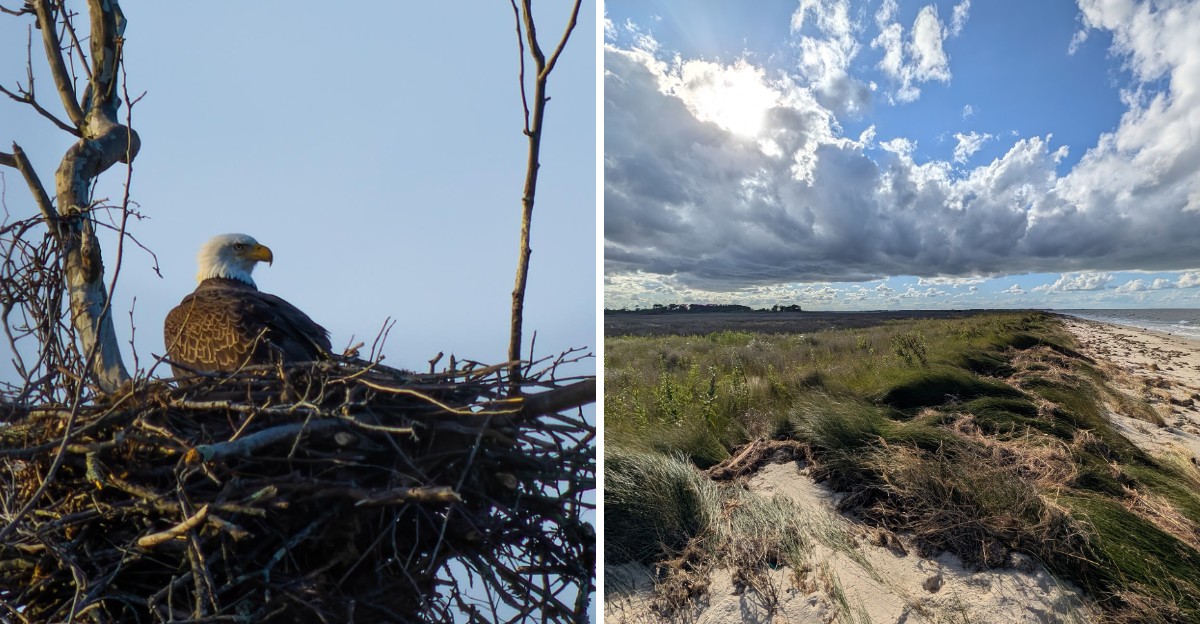
Birds are easy to overlook until you actually start paying attention. Then suddenly there are colors, calls, and movements everywhere, and a quiet morning turns into something you did not expect.
Virginia has bird sanctuaries that make that shift happen, places where the trails are designed for watching and the habitat is managed to attract a wide range of species. This list has nine of them, from coastal marshes to inland forests.
Some are large and well-known, with observation towers and boardwalks. Others are smaller and quieter, where you might be the only person on the trail.
A few are especially good during migration, when the variety is at its peak. The common thread is access and habitat.
These sanctuaries are built to support birds and the people who want to see them. Bring binoculars, wear muted colors, and move slowly.
Whether you are a serious birder or just curious, these spots are worth a morning. The best sightings usually happen when you least expect them.
1. Weyanoke Bird and Wildflower Sanctuary, Norfolk, Virginia
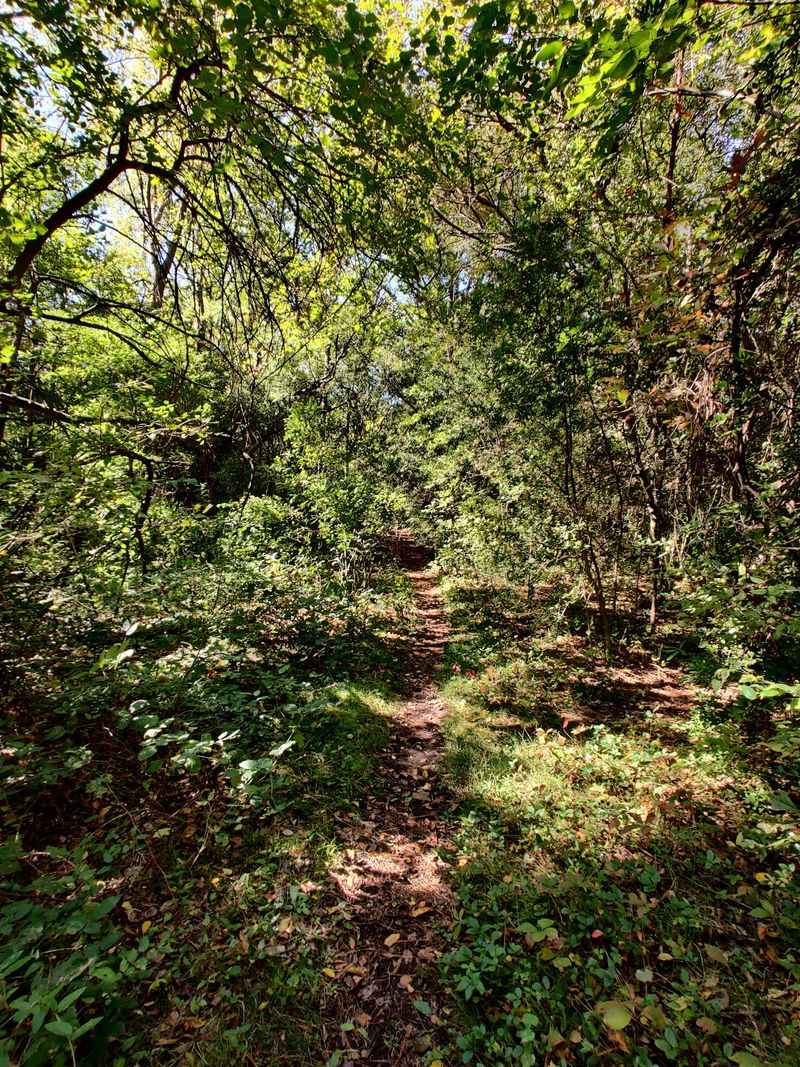
Somewhere between the traffic lights and the coffee shops of Norfolk, a tiny forest is quietly running a bird hotel. Weyanoke Bird and Wildflower Sanctuary proves you do not need a road trip to find wild things.
Sometimes you just need to turn down the right side street.
Small in size but big on personality, the sanctuary packs woodland, wet spots, and native plant beds into a pocket of the city. Volunteers care for the land, pulling invasive plants and nurturing the kind of flowers and shrubs that local birds actually love.
That hard work shows up every spring, when migrating songbirds drop in to rest and refuel.
Think warblers flashing yellow through the leaves. Picture woodpeckers drumming like tiny construction crews.
Cardinals and wrens handle the soundtrack, and they are never shy about volume.
Short, easy trails loop through the property, so you can wander at a slow pace without worrying about getting lost. Bring binoculars, but also bring patience.
Birds here reward the quiet walker who pauses, listens, and lets the forest settle back into its routine.
Wildflower season adds another layer of color, and butterflies tend to crash the party too. Early mornings are the sweet spot, before the city fully wakes up and the air still feels cool and fresh.
Honestly, the best part is the surprise factor. One minute you hear traffic, the next you hear a thrush singing like it owns the place.
Find this urban oasis at 1501 Armistead Bridge Road, Norfolk, VA 23507.
2. Chincoteague National Wildlife Refuge, Chincoteague, Virginia
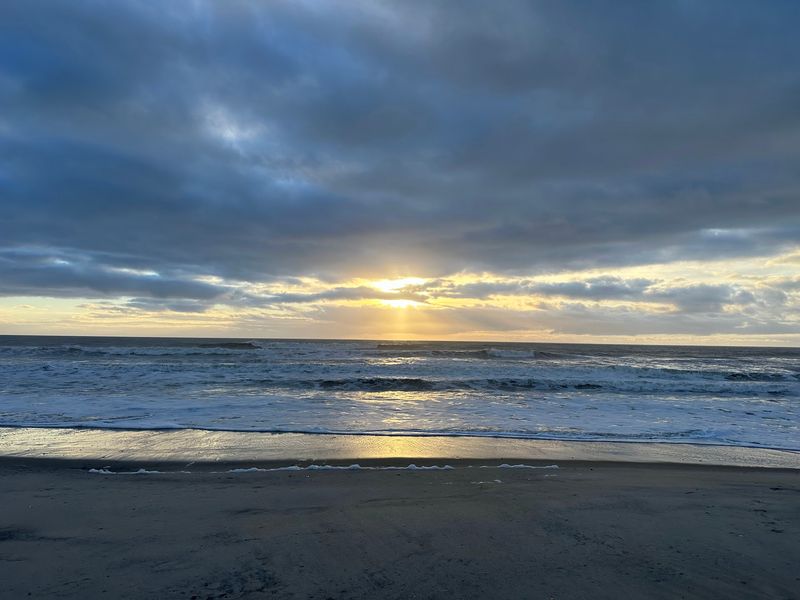
Wild ponies, a candy-striped lighthouse, and a sky full of geese. Chincoteague National Wildlife Refuge sounds like something a kid would dream up, yet it sits on the Virginia end of Assateague Island, just across the bridge from the town of Chincoteague.
Birds are the true headliners here. The refuge was created to protect migratory birds, and it sits smack in the middle of the Atlantic Flyway.
That means every season brings a new cast of characters.
Spring is shorebird mania. Flocks of sandpipers and red knots race along the tide line, gobbling horseshoe crab eggs to power their long trip north.
Fall hands the stage to hawks and falcons riding the coastal winds.
Winter might be the most jaw-dropping time of all. Snow geese gather on the refuge pools by the thousands, and when they lift off together, the roar sounds like applause from the whole marsh.
Ducks and swans fill in the background like an enormous feathered choir.
The Wildlife Loop is a paved path perfect for walking or biking, with marsh views in every direction. The Woodland Trail and Marsh Trail offer quieter strolls, plus overlooks for scanning the water.
Keep an eye out for bald eagles and the famous ponies grazing in the grass.
Pack bug spray in summer. Trust me, the mosquitoes here take their job seriously.
Start at the Herbert H. Bateman Educational and Administrative Center, 8231 Beach Road, Chincoteague Island, VA 23336.
3. Back Bay National Wildlife Refuge, Virginia Beach, Virginia
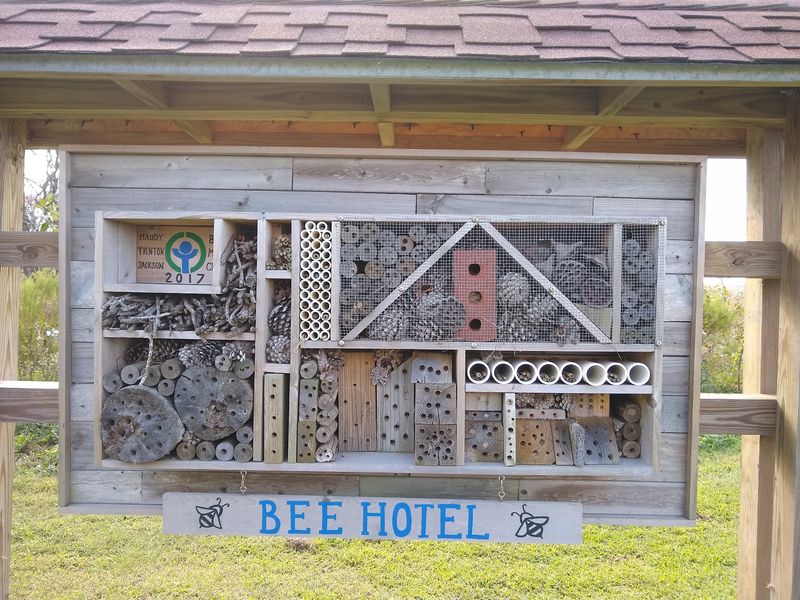
Sunscreen crowds, meet your quiet opposite. Far south of the busy Virginia Beach oceanfront, the road narrows, the buildings vanish, and Back Bay National Wildlife Refuge takes over a skinny strip of land between the Atlantic Ocean and Back Bay.
Created as a safe resting spot for migrating birds, this place still does exactly that job. Dunes, maritime forest, freshwater marshes, and open beach sit side by side.
Each habitat attracts a different crowd of feathered regulars.
Cold months are the real magic trick. Tundra swans, snow geese, and all sorts of ducks pile into the marsh impoundments to rest.
Shovelers sift the water with their spoon-shaped bills, while gadwalls paddle around looking politely unbothered.
Warmer days bring songbirds to the shrubby edges and shorebirds to the sand. Ospreys patrol overhead, diving feet first for fish with impressive accuracy.
Brown pelicans glide low over the waves like tiny airplanes in formation.
Boardwalks near the visitor center lead to bay views and a sandy stroll to the ocean. The dike trails stretch farther out, and they reward walkers with wide, uninterrupted marsh views.
Some seasonal trail closures protect wintering birds, so checking ahead saves you a wasted trip.
Pedal power works well here too. Bikes let you cover more ground without spooking the wildlife.
Keep going south and the refuge borders False Cape State Park, a wild stretch of beach with no car access. Point your map to 4005 Sandpiper Road, Virginia Beach, VA 23456.
4. Occoquan Bay National Wildlife Refuge, Woodbridge, Virginia
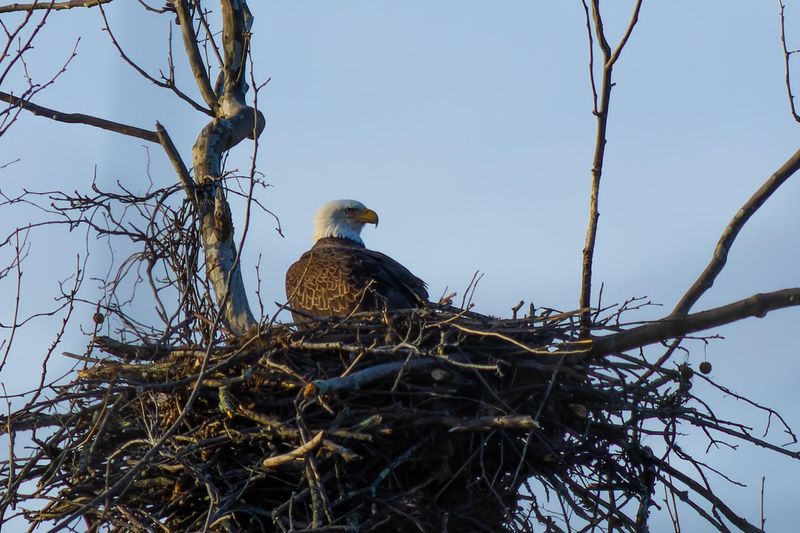
Here is a plot twist worthy of a movie. The quiet grassland at Occoquan Bay National Wildlife Refuge once hosted an Army radio transmitting station, and today the only signals flying around come from singing sparrows.
Tucked where the Occoquan River meets the Potomac, this refuge feels surprisingly wild for busy Northern Virginia. Commuter traffic hums nearby on the interstate, yet step onto the trail and the noise melts into birdsong.
Open meadows, marshes, and woods create a patchwork that keeps things interesting.
Grassland birds are the specialty. That matters, because open meadows are getting rare in the suburbs, and species that nest in tall grass have fewer places to go.
Watch for field sparrows, meadowlarks, and bobolinks during migration.
Bald eagles nest in the area, and spotting one perched over the river never gets old. Winter brings rafts of ducks bobbing on the bay.
Spring and fall migration send warblers, vireos, and thrushes flickering through the treeline like living confetti.
Several miles of mostly flat trails loop around the property, which makes this an easy morning outing for all ages. Keep an eye out for the photography blind, a handy spot to wait for wildlife without being noticed.
Benches along the way invite slow, lazy scanning with binoculars.
Butterflies and dragonflies steal the show on summer afternoons. Do not be surprised if a deer strolls across the path like it pays the rent.
Head to 13950 Dawson Beach Road, Woodbridge, VA 22191.
5. Eastern Shore of Virginia National Wildlife Refuge, Cape Charles, Virginia
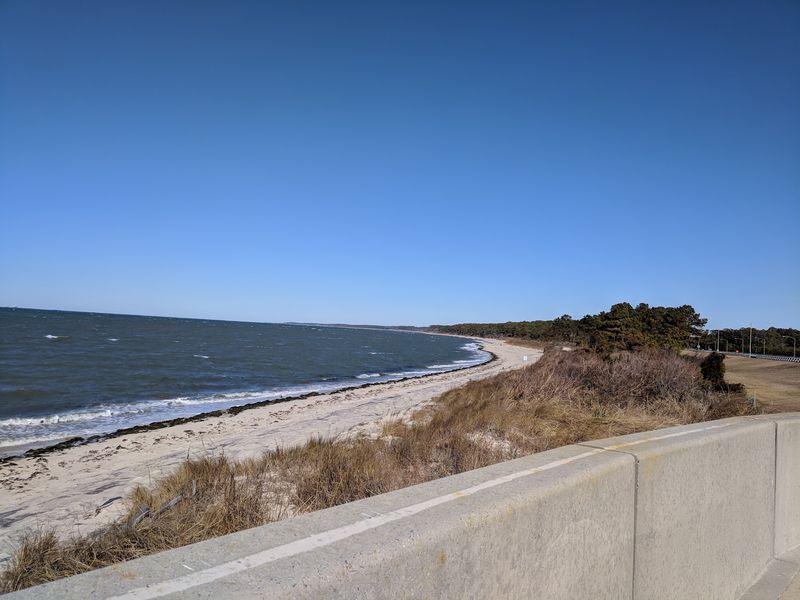
Old military bunkers usually hide secrets. At the Eastern Shore of Virginia National Wildlife Refuge, one of them now holds up an observation platform, and the only thing it guards is one of the best views on the whole peninsula.
Back in World War II, this land served as Fort John Custis, watching over the mouth of the Chesapeake Bay. Today it protects something softer and far more colorful.
Salt marsh, maritime forest, grassland, and ponds fill the southern tip of the Delmarva Peninsula.
Geography makes this place a superstar. Birds heading south in fall funnel down the narrow peninsula and pause right here before crossing the bay.
Picture a giant bird traffic jam, only prettier.
Autumn is prime time for raptors. Kestrels, merlins, ospreys, and peregrine falcons zip overhead, while songbirds pack the shrubs to fuel up.
Monarch butterflies join the migration too, fluttering through by the hundreds on good days.
Winter nights may bring the quirky American woodcock and its wobbly dance. Owls roost in the pines, keeping a low profile.
Spring welcomes songbirds back with fresh energy and noise.
Short trails lead from the visitor center to marsh views, and the bunker overlook shows off barrier islands stretching toward the Atlantic. A pollinator garden near the center buzzes with bees in warmer months.
Kids tend to love the history as much as the birds.
Start at the visitor center, 32205 Seaside Road, Cape Charles, VA 23310.
6. Elizabeth Hartwell Mason Neck National Wildlife Refuge, Lorton, Virginia
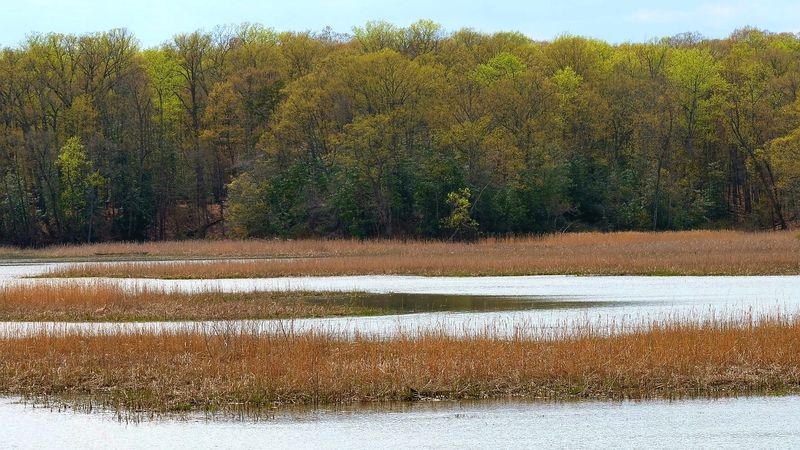
America’s national bird got its very own safe house on a peninsula in Lorton. Elizabeth Hartwell Mason Neck National Wildlife Refuge holds the proud title of the first national wildlife refuge created specifically to protect the bald eagle.
Back when eagles were in serious trouble, local conservationists fought to save this land from development. Elizabeth Hartwell led much of that charge, earning the nickname the Eagle Lady.
Her name now lives on in the refuge, and the eagles are doing just fine.
Spotting one is not a matter of luck here. Eagles nest, hunt, and perch across the peninsula throughout the year.
Winter is especially good, when extra eagles move in and the trees look like they grew white-headed fruit.
Mature hardwood forest covers much of the land, and a sprawling freshwater marsh opens up along the edge. The Great Marsh Trail is paved and accessible, ending at an observation platform with wide marsh views.
Wintering ducks and wading birds keep the scene busy.
Great blue herons are another big deal. A large nesting colony sits within the refuge, protected from disturbance, so the birds can raise their gawky, noisy chicks in peace.
Watching them fly in with fish is pure entertainment.
Woodland paths offer a peaceful change of pace. Mason Neck State Park sits right next door, so you can easily stretch the adventure into a full day.
Find the trailheads along High Point Road, Lorton, VA 22079.
7. Hoffler Creek Wildlife Preserve, Portsmouth, Virginia
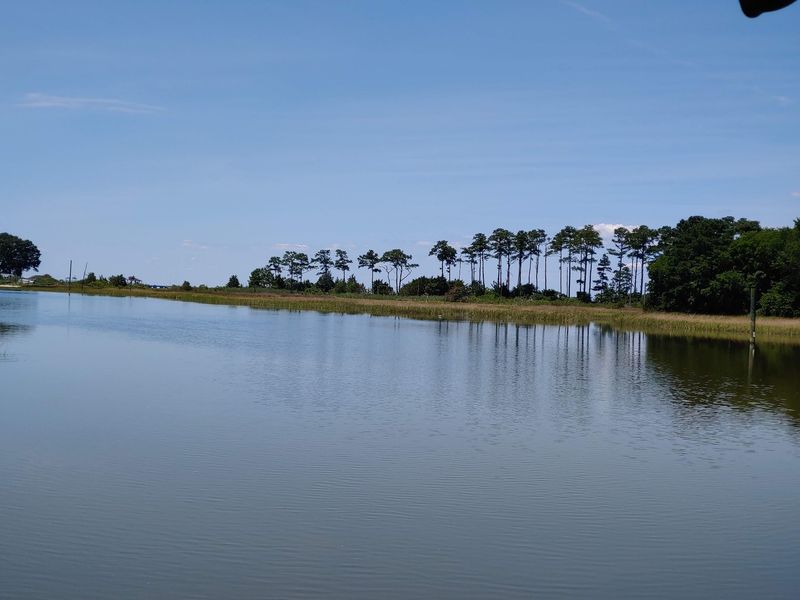
Neighborhoods, highways, and shopping centers crowd around it on the map, yet Hoffler Creek Wildlife Preserve refuses to be tamed. This Portsmouth treasure is the last big chunk of undeveloped land along its creek, and it wears that title proudly.
Four very different habitats squeeze into one easy walk. A tidal creek winds through salt marsh.
Forest shades the trails, a meadow bursts with native grasses and flowers, and a quiet brackish lake called Lake Ballard sits right in the middle.
All that variety means a little bit of everything shows up. Ospreys dive into the lake for lunch.
Herons stalk the shallows with the patience of a chess champion, while bluebirds flit around nest boxes in the meadow.
Bald eagles are known to nest in the area, so keep glancing skyward. River otters, foxes, and deer also call the preserve home.
Early mornings give you the best odds of catching them before they slip away.
Trails are short and friendly, perfect for families or anyone easing into birding. One path leads to an observation deck over the marsh.
Another brings you near the creek mouth, where views stretch toward the busy waters of Hampton Roads.
Nature programs and guided kayak trips happen here too, run by the nonprofit that cares for the land. Paddling the creek offers a whole new angle on the marsh.
A backpack with water and binoculars is all the gear you really need.
Visit 4510 Twin Pines Road, Portsmouth, VA 23703.
8. Grandview Nature Preserve, Hampton, Virginia
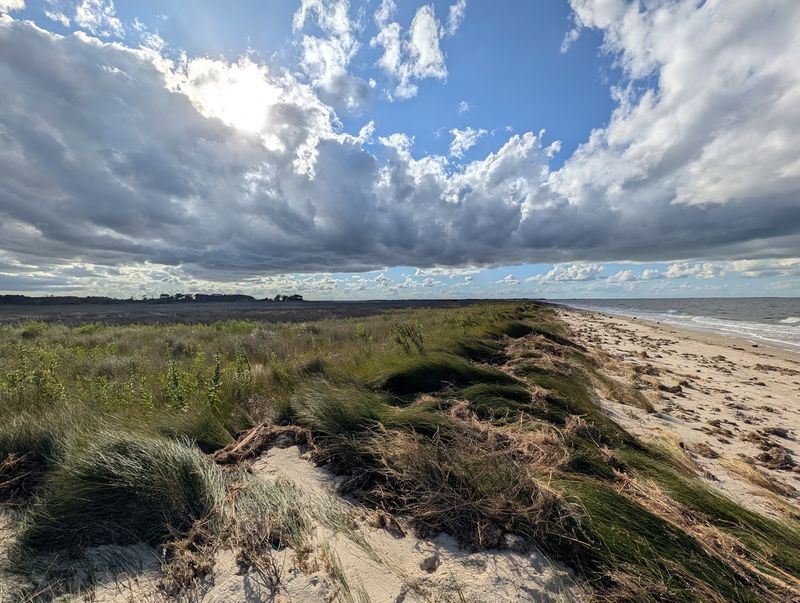
Picture a beach with no boardwalk, no snack shacks, and no blaring speakers. Grandview Nature Preserve in Hampton keeps things wild, with sandy Chesapeake Bay shoreline, salt marsh, and tidal creeks stretching as far as you can see.
Getting there is half the fun. A trail leads from the end of State Park Drive through cordgrass marsh toward the beach.
Egrets and herons wade in the channels on either side, pretending not to notice you.
Once the sand shows up, the whole bay opens wide. Out on the water sit the rocky ruins of the old Back River Lighthouse, now a favorite lounging spot for gulls and cormorants.
It makes a pretty sweet photo backdrop too.
Warm months bring nesting shorebirds, including least terns, black skimmers, and American oystercatchers. Some beach areas close during nesting season to protect eggs and chicks, so respect those signs.
The birds will thank you by squawking a little less.
Winter flips the script. Loons, long-tailed ducks, and diving sea ducks bob offshore, and the occasional northern gannet may plunge into the waves like a feathered missile.
Cold wind is part of the deal, so bundle up.
Sturdy shoes help, since the trail and beach can get soggy after storms. Walking the shoreline at low tide reveals shells, crabs, and tracks galore.
Sunrise here feels like the bay is putting on a private show just for you.
Look for parking at the end of State Park Drive, Hampton, VA 23664.
9. Edward S. Brinkley Nature Preserve, Cape Charles, Virginia
Few birders earn a nature preserve in their honor. Edward Ned Brinkley did, and anyone who knows Eastern Shore birding understands why.
His name now sits on a peaceful stretch of land near Cape Charles that feels made for slow, curious mornings.
Brinkley was a respected birding expert and writer who spent years studying the wildlife of this region. Naming a preserve after him fits perfectly.
The land celebrates the same coastal habitats he loved to explore.
Mowed paths lead walkers through open fields and into mixed woodland. Woodpeckers hammer away at pine trunks.
Warblers flicker through the branches during migration, and the tiny brown-headed nuthatch, a pine forest specialty, may squeak from the treetops.
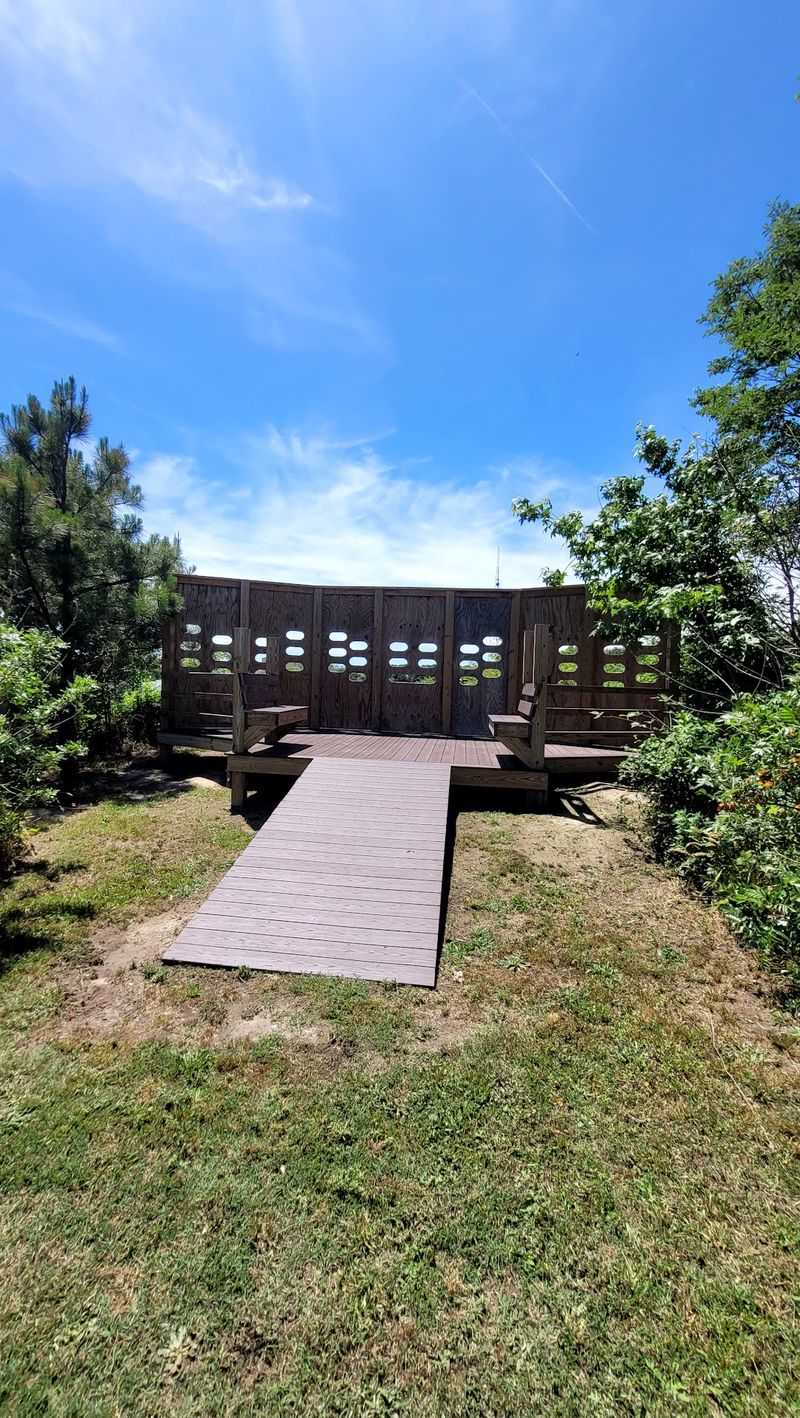
Keep walking and the trail brings you to a viewing platform. From up there, salt marsh and lagoons spread out in soft shades of green and silver.
Wading birds hunt the edges while ducks drift on the open water.
Neighboring land also has a long birding reputation, and a nearby pond often pulls in ducks, waders, and open-country birds during fall and winter. That mix of habitats keeps every visit a little unpredictable.
You never quite know who will show up.
Trails are flat and easygoing, ideal for a relaxed ramble. Quiet footsteps and a good pair of binoculars make all the difference.
My advice is to linger at the platform longer than you planned.
Look for it along Seaside Road near Cape Charles, at 20199 Seaside Road, Cape Charles, VA 23310. Pack your binoculars and go claim your front row seat.
