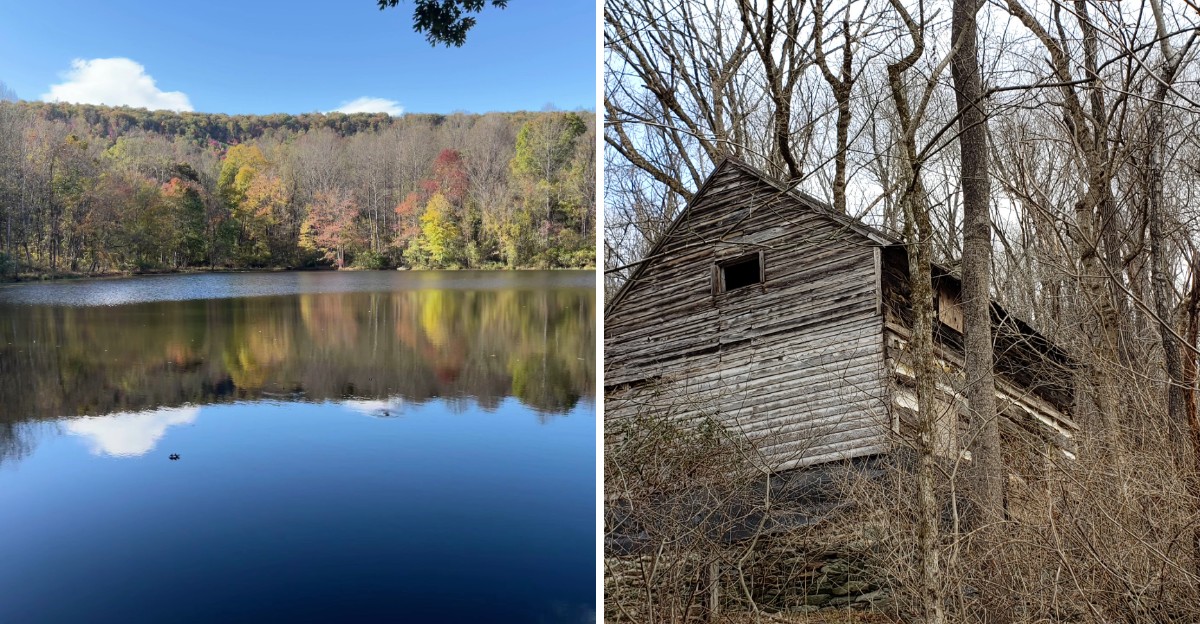
An old farming community left behind ruins that you can still encounter while hiking through the woods. That’s a pretty fascinating addition to a nature walk, especially when a restored farmhouse dating to the 1840s is also part of the landscape.
This 884-acre Virginia state park combines historic remnants with forests, streams, and mountain views. Its 11 miles of hiking trails offer plenty of opportunities to explore, while the Blue Ridge Mountains provide a beautiful backdrop.
I love the idea of discovering pieces of local history during an afternoon outdoors. You can appreciate the scenery while learning about the people who once worked this land.
And with so much ground to cover, you could return for another hike and still have something different to explore.
Virginia’s Newest Park Came With A Very Old Backstory
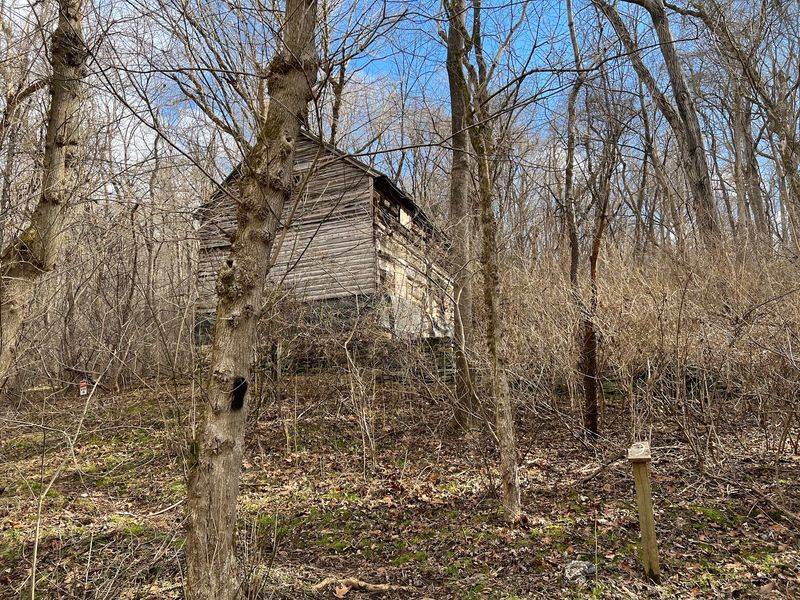
Sweet Run State Park became Virginia’s 42nd state park when Governor Glenn Youngkin dedicated it on October 6, 2023. It’s also the very first state park in Loudoun County, which feels overdue for such a scenic corner.
The land almost had a very different future. During the late 1900s, developers eyed it for a housing subdivision or a golf course.
Then Hurricane Agnes swept through in 1972 and wrecked a dam a developer had built. Those plans fizzled, and nature quietly kept the property.
In 1999, the Robert and Dee Leggett Foundation bought nearly 900 acres. For years it ran as the Blue Ridge Center for Environmental Stewardship.
The foundation donated 604 acres to the state in 2016. Loudoun County bought 280 more acres in 2018 and transferred them to Virginia in 2022.
Virginia State Parks officially took over management on May 26, 2023. Add it all up, and you get 884 acres of protected land.
The park is still in developmental status, so some features are on the way. Day-use areas and trails are open daily from 8 a.m. to dusk, which gives you plenty of daylight to explore.
Your Trail Map Comes From An 1840s Farmhouse
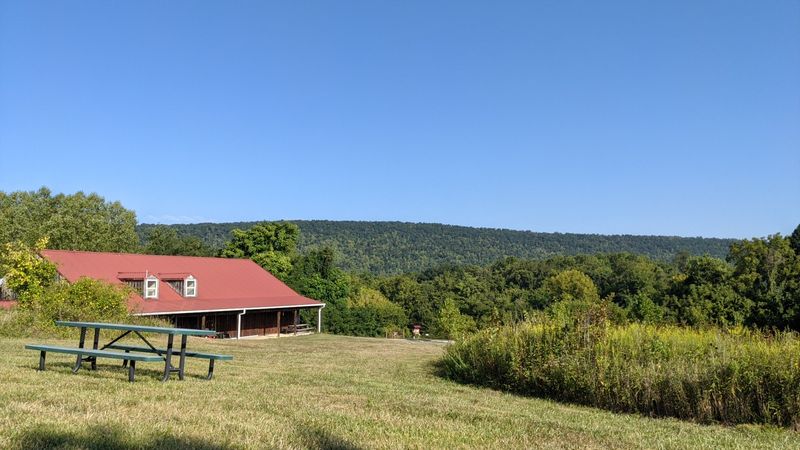
Most parks hand out maps from a modern ranger booth. At Sweet Run State Park, you start inside the Demory-Wortman House, a restored farmhouse built in the 1840s.
That makes the visitor center older than the Civil War. It’s a fun detail to share with kids who think anything before smartphones is ancient.
The house now serves as the visitor center and gift shop. It’s the natural first stop for questions, maps, and a quick look around.
Restrooms sit at the visitor center, which is a welcome perk before a long hike. There’s also a picnic pavilion close by for snack breaks.
The building connects directly to the park’s bigger story. Families farmed this land for generations, and this house is one of the best-preserved reminders.
Ranger-led programs also highlight the park’s natural and cultural history. Checking the schedule ahead of time can turn a simple walk into a guided adventure.
Here’s a smart move for first-timers. Stop inside, ask which trail fits your group, and then head out with a plan instead of guessing at every fork.
Stone Ruins Pop Up Where You Least Expect Them
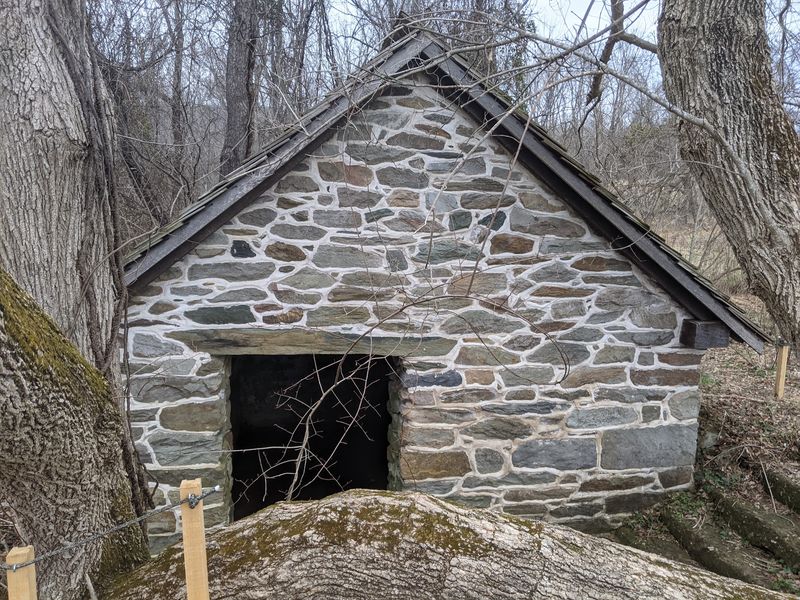
Old stone walls just standing in the woods. That’s the kind of surprise waiting along the trails here.
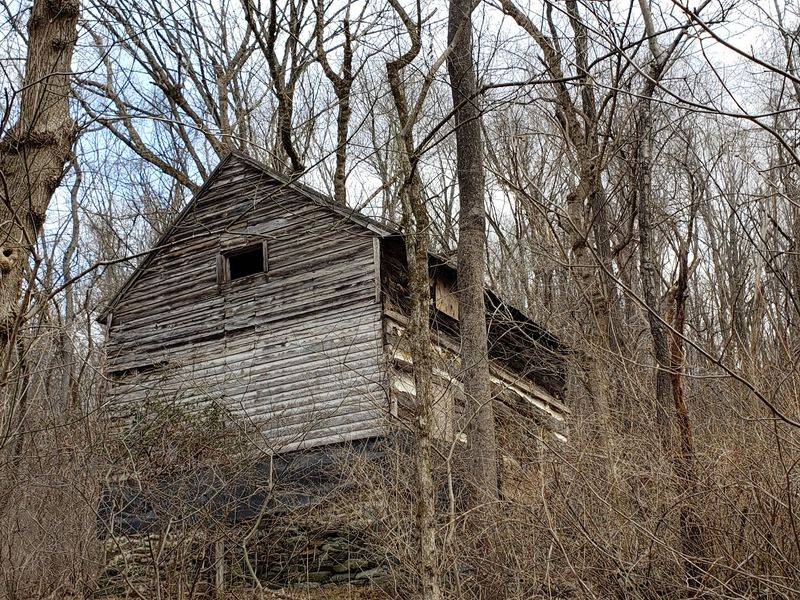
Back in the late 1700s, a settlement called the Waters community grew near where Piney Run and Sweet Run meet. Families farmed the land and also produced charcoal.
Remnants of that 19th-century farming community still sit along the paths today. You can spot the remains of old stone farmhouses as you hike.
Charcoal hearths are another clue to the past. Workers once turned wood into charcoal on these flat spots, which helped fuel local industry.
Look for traces of historic road networks too. Those old routes once linked homes, fields, and neighbors before cars ever existed.
The Farmstead Loop Trail is a great pick for history lovers. It runs a little over a mile, so it works for short legs and short attention spans.
Timing matters if you want clear views. Leaves in spring and summer can partly hide the old structures, while late fall and winter reveal much more.
Please admire the ruins without climbing on them. They’ve survived this long, and they deserve a little respect.
Pack Shoes That Don’t Mind Getting Wet
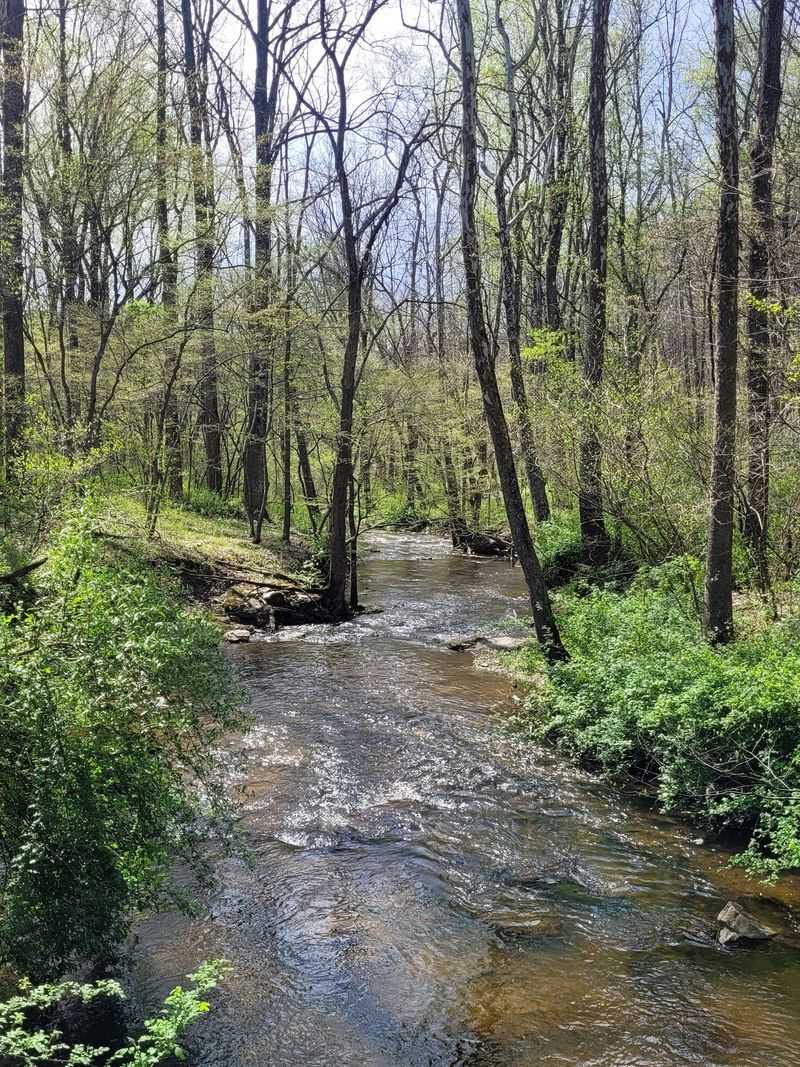
Two streams, Sweet Run and Piney Run, cut right through the park. They’re beautiful, but they also mean your feet might get a surprise.
Several trails require creek crossings with no bridges. Butterfly Alley, Bypass, Lower Sweet Run, and Piney Run are the ones to watch.
Water levels change with the weather, so a hop across rocks one day could become a wade the next. Waterproof boots or sandals with good grip are smart choices.
Got little ones along? Plan your route before you leave the visitor center so nobody ends up with soggy socks and a grumpy mood.
The total trail system is impressive for a newer park. You get 11 miles of hiking trails across forests, meadows, and mountainside slopes.
Terrain varies quite a bit. Some sections feel easy and open, while others climb and get rocky underfoot.
Ticks are also a reality in grassy, wooded areas like this. Long pants, repellent, and a quick check after your hike are worth the effort.
Bring water and snacks too. Streams are lovely to look at, but they aren’t your drinking fountain.
Horses Get Their Own Nine Miles Of Fun
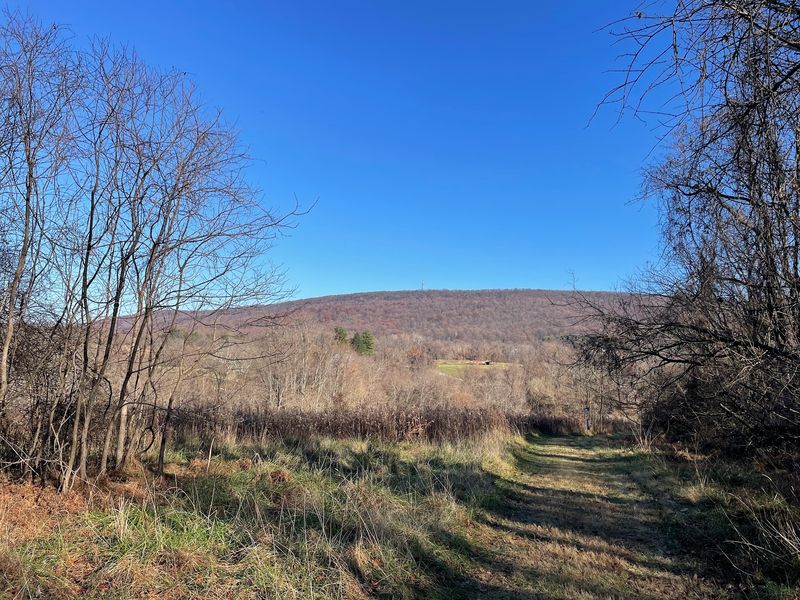
Hikers aren’t the only ones sharing these paths. The park offers 9 miles of equestrian trails, and riders are part of the everyday scene.
Riding here works on a bring-your-own-horse basis. There’s no rental stable, so this one is for folks who already have a horse and trailer.
The Sawmill Access is a handy starting point for many riders. It also has restrooms, which every group appreciates after the drive.
Hikers should know a little trail etiquette. Step aside calmly when horses pass, and speak in a normal voice so the animal knows you’re human.
Shared trails also mean you’ll want to watch where you step. Nature leaves surprises, and not all of them are wildflowers.
Riders get serious scenery in return. Meadows, forest, and mountain views make the miles feel far shorter than they are.
I believe mixed-use trails add charm to a park like this. Seeing a horse amble past old farmland feels fitting on land that once supported working farms.
Parking is limited at both access points. Arriving early helps, especially if you’re hauling a trailer.
A Hike-In Pond Rewards Patient Anglers
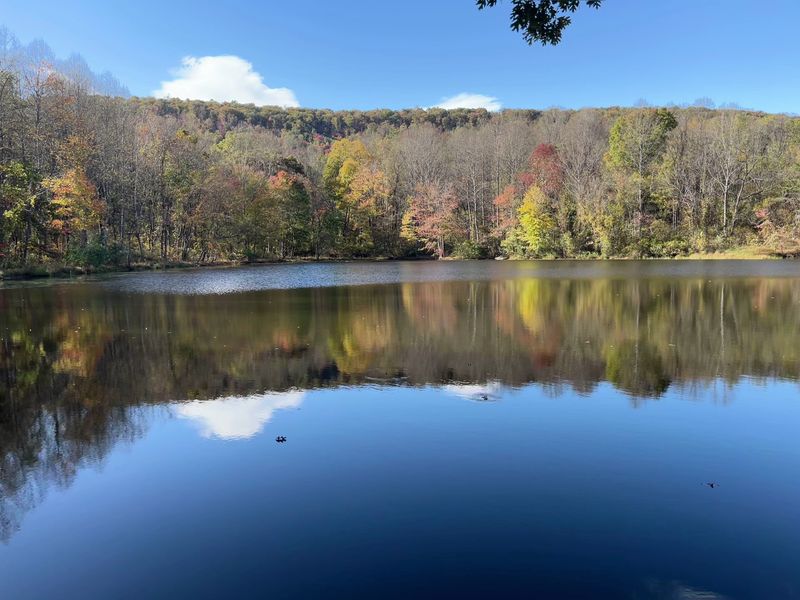
Fishing with a little workout built in? Gordon Pond is a hike-in fishing spot, so you’ll carry your gear down the trail to reach it.
The effort pays off with a quiet setting. Sunfish, largemouth bass, and crappie all swim in the pond.
Pack light and smart. A compact rod, a small tackle box, and water will make the walk much easier.
Remember that Virginia fishing rules apply here. Check that you have the proper license before casting a line.
Even non-anglers can enjoy the pond as a hiking goal. It makes a natural turnaround point and a relaxing place to sit for a bit.
Keep your eyes open around the water. Herons are among the wildlife species living in the park, and ponds are prime territory for them.
The pond works well for families with patient kids. Sunfish tend to keep young anglers busy, which keeps the questions about snacks to a minimum.
Quiet is part of the appeal. With no motorboats roaring by, the loudest sound might just be your own line hitting the water.
Bring Binoculars, Because The Wildlife List Is Wild
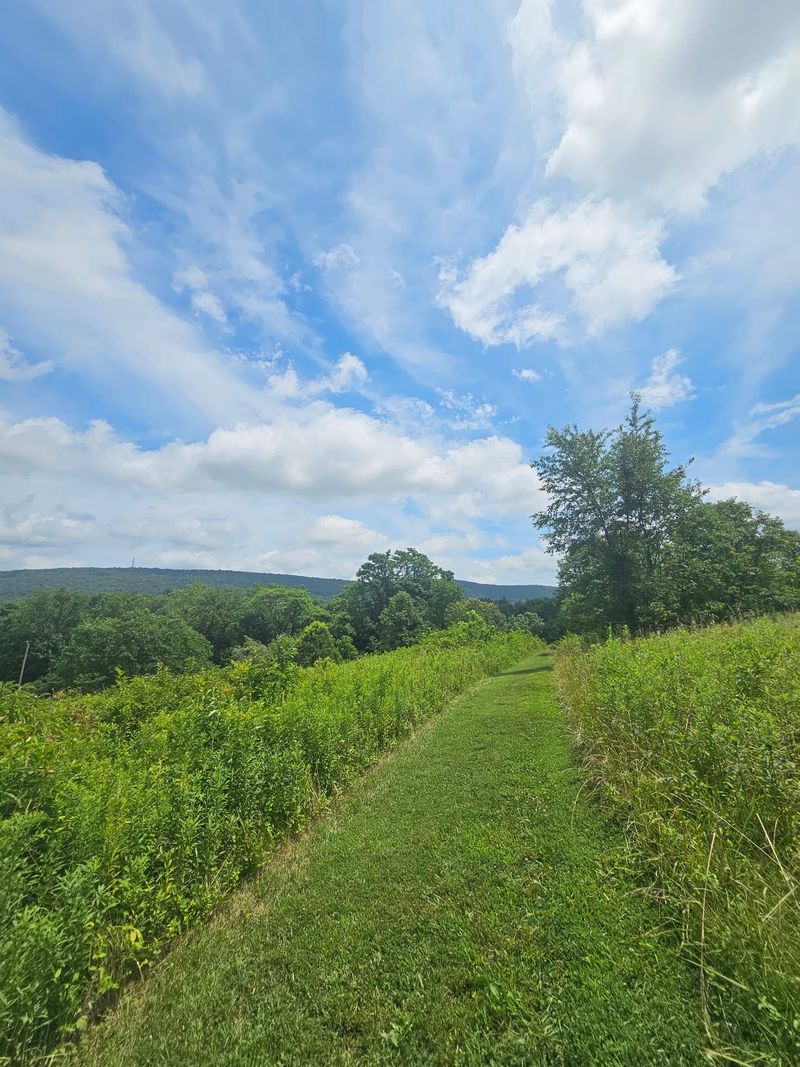
Bald eagles and black bears share this park with tiny butterflies. That range alone makes the binoculars worth packing.
Wood turtles live here as well. They depend on healthy streams, and Sweet Run State Park protects important headwater habitat.
Those headwaters matter far beyond Loudoun County. The streams feed into the Potomac River watershed, which helps support the health of the Chesapeake Bay.
Birdwatchers get plenty to scan. Meadows, forests, and stream banks create different homes for many bird species.
Butterflies are another highlight, which explains a trail named Butterfly Alley. Sunny meadow edges are a great place to slow down and look closely.
Herons often hang around water, so the streams and pond are good places to pause. Patience usually beats speed when you’re hoping to spot animals.
A few simple habits help everyone. Stay on trails, keep a respectful distance, and never feed wildlife.
Dogs are welcome on trails and in day-use areas, but they must stay leashed. That keeps pups safe and gives turtles one less thing to worry about.
Cavalry Once Clashed Where You’re Now Hiking
History buffs, this part is for you. During the Civil War, the park area saw frequent clashes between Union cavalry and Confederate riders.
The 43rd Virginia Cavalry Battalion was involved, led by Col. John S.
Mosby. He became famous for quick, surprise raids across Northern Virginia.
Knowing that changes how the trails feel. Those old roads and farmsteads were part of a region caught between two armies.
Local farm families lived right in the middle of it all. Their homes, fields, and charcoal work continued while riders crossed the hills.
The 1840s farmhouse at the visitor center stood during those years. That gives the building an extra layer of meaning beyond its age.
Ranger-led interpretive programs are a great way to learn more. Rangers can connect the ruins and roads to the bigger picture.
Want a helpful tip for kids? Turn the hike into a detective game where they look for stone walls, old road traces, and flat hearth spots.
History feels more real when your boots touch the same ground. This park makes that easy without a single velvet rope.
Plan Smart, Then Linger For The Mountain Views
Getting there is simple. Set your GPS for 11661 Harpers Ferry Road, Hillsboro, VA 20132, in western Loudoun County.
Parking is limited, so earlier arrivals have an easier time. There’s also a parking fee, so pay at the station before heading out to avoid a ticket.
A Virginia State Parks pass can save money if you visit often. Frequent hikers may find it pays for itself quickly.
Families will like the nature play area near the visitor center. Kids can burn off energy while adults catch their breath.
The picnic pavilion makes lunch easy. Pack your own food, since the park doesn’t run a restaurant.
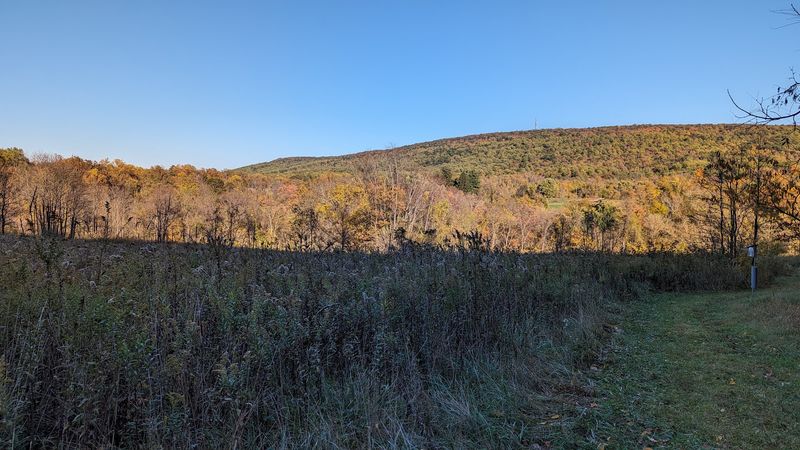
Big views come free with admission. Wide looks at the Blue Ridge Mountains stretch out from open spots in the park.
Craving even more miles? The park offers access to the Appalachian Trail, which is a pretty fun bonus for bragging rights.
Sweet Run State Park blends farmland history, creeks, and mountains into one peaceful outing. I can’t think of a better reason to set an early alarm.
