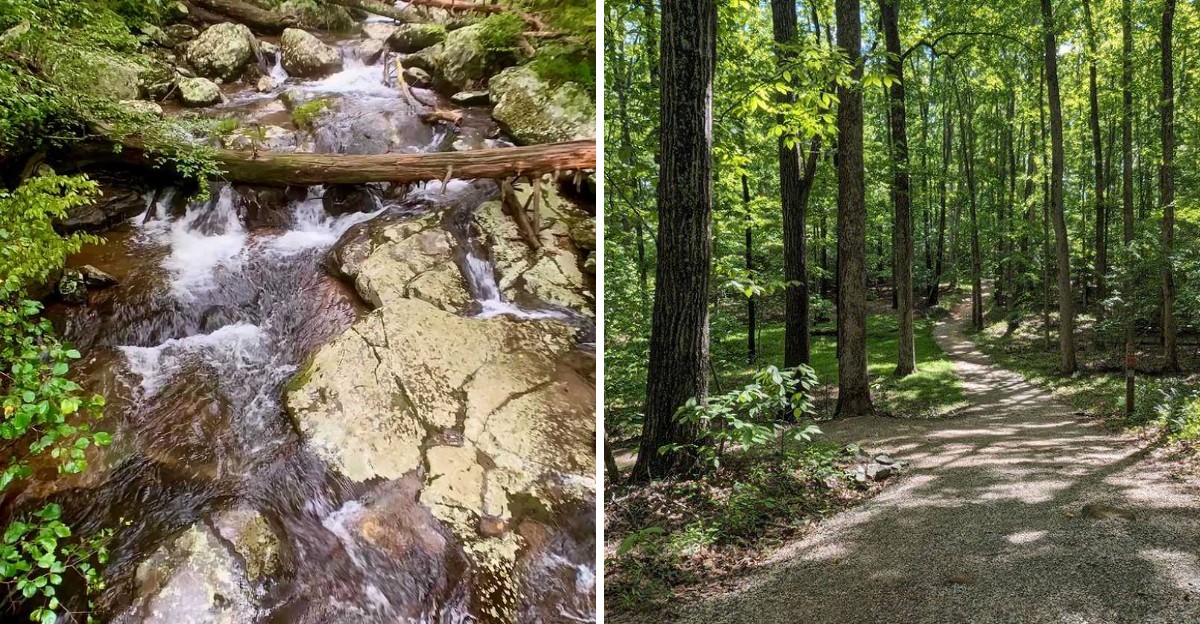
September is a beautiful month for hiking in Virginia. The weather is cooler, the leaves are starting to turn, and the trails are less crowded.
But there is one thing that keeps locals off certain trails this month. Copperheads.
This list has ten Virginia hiking trails that locals avoid in September because the snakes are too active. The snakes are not aggressive, but they blend in well with fallen leaves and rocky ground.
Most encounters are harmless, but it pays to be cautious. The trails are still worth visiting, but you need to be aware of your surroundings.
Wear boots, stay on the path, and keep your eyes open. Go prepared and you will be fine.
Old Rag Mountain Trail, Shenandoah National Park
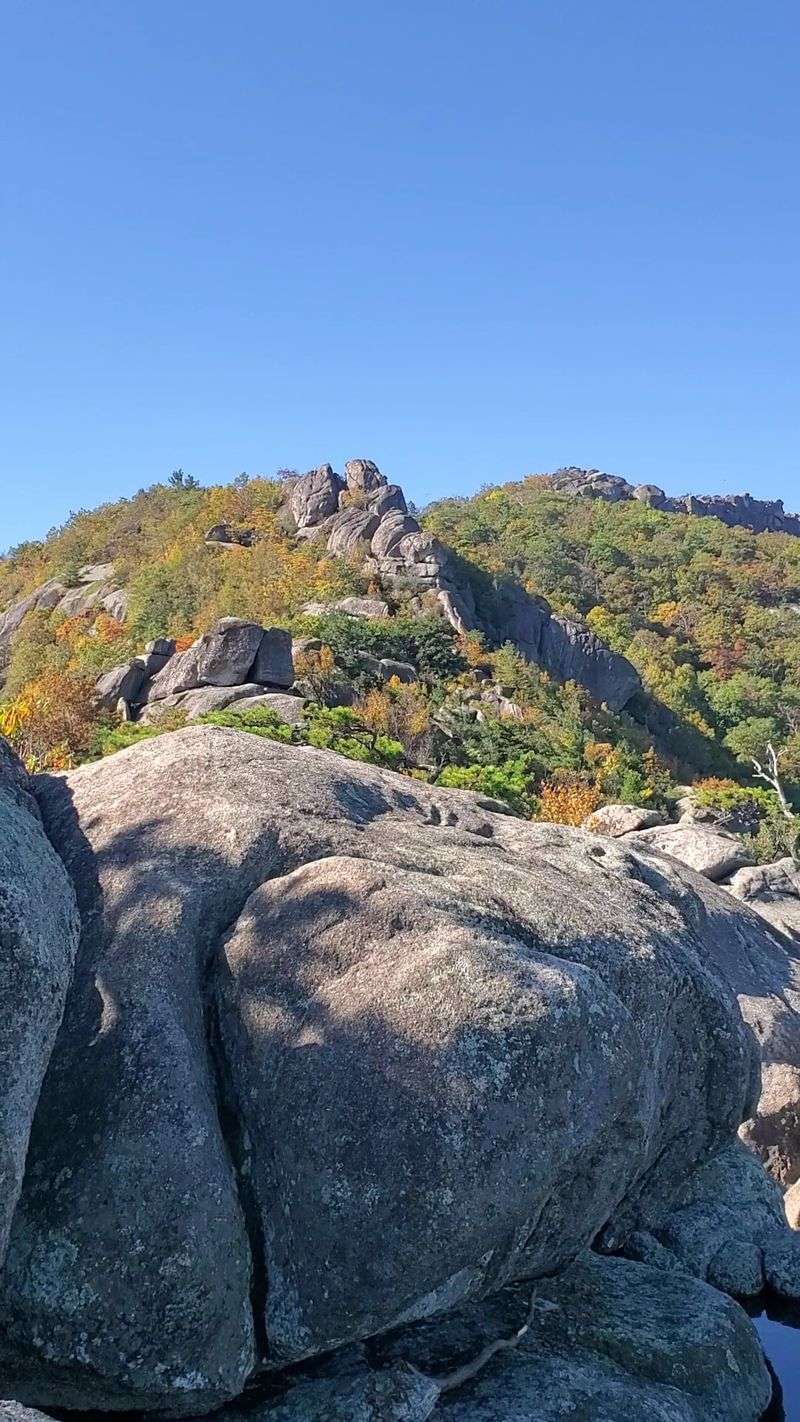
Scaling Old Rag Mountain is the kind of experience that gets permanently etched into your memory. The boulder scramble near the summit, where you use both hands and feet to navigate massive granite slabs, is genuinely thrilling.
But those same sun-baked rocks that make the climb so dramatic also function as perfect copperhead sunbathing platforms come September.
Copperheads are remarkably well camouflaged against granite and fallen leaves, and their coloring practically mirrors the russet tones of early autumn on this trail. The birthing season adds an extra layer of concern, since juvenile copperheads are just as venomous as adults and arguably more unpredictable.
Locals who know this mountain well tend to shift their Old Rag adventures to October or even spring, when snake activity settles down considerably.
The rock scramble section, roughly the upper third of this strenuous nine-mile loop, demands constant attention to where you place your hands and feet. Grabbing a ledge without looking first is simply not a smart move during peak season.
Gloves are actually a reasonable accessory on this trail for exactly that reason.
The trailhead sits on Nethers Road in Madison County, Virginia, right along the eastern boundary of Shenandoah National Park. Parking requires a timed entry reservation during busy periods, so plan accordingly.
The payoff at the summit is genuinely spectacular, but timing your visit outside of September makes the experience far less nerve-wracking for everyone involved.
Stony Man Trail, Shenandoah National Park
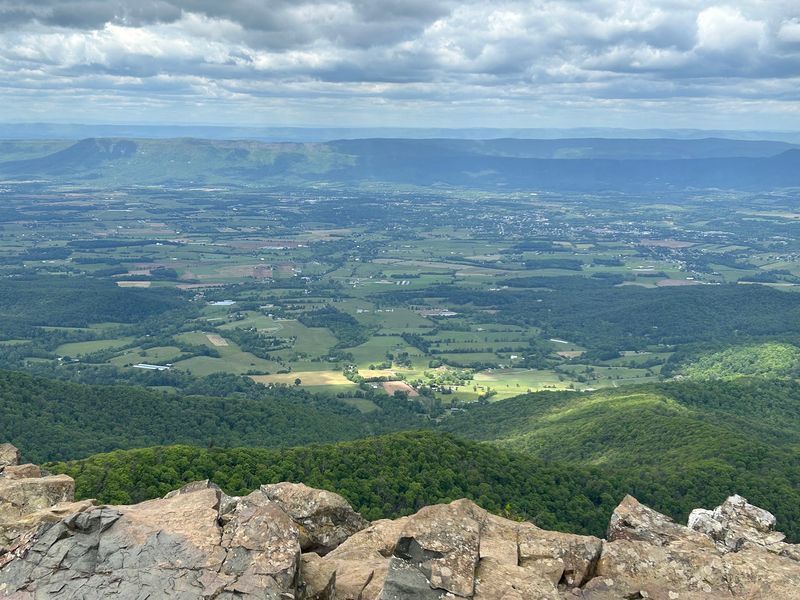
Do not let the short distance fool you. Stony Man Trail packs a serious visual punch into a compact loop, rewarding hikers with some of the most jaw-dropping views in all of Shenandoah National Park.
The high-elevation spruce-fir forest feels almost otherworldly, and the cliffside overlook delivers that breathtaking, legs-going-wobbly moment every hiker craves.
The problem in September is that this trail’s rocky outcrops and sun-exposed ledges are absolutely irresistible to copperheads. The mild temperatures of early fall keep these snakes highly active, and the trail’s rocky sections near the summit are classic basking habitat.
Multiple reports from seasoned park visitors confirm that snake encounters on this path spike noticeably during late summer and early autumn.
Because the trail is relatively short and often crowded, many hikers move through it quickly without paying close attention to the ground. That casual pace is exactly the kind of behavior that leads to an unpleasant surprise.
Slow down, scan ahead, and give any rocky area extra scrutiny before stepping through.
Access to Stony Man Trail is from the Stony Man Parking Area at milepost 41.7 on Skyline Drive, near Skyland in Luray, Virginia. The trailhead is well-marked and easy to find.
Bringing trekking poles is a smart move on any rocky Virginia trail in fall, both for stability and for giving you an extra tool to check a suspicious shadow before your boot gets there first.
Whiteoak Canyon Trail, Shenandoah National Park
Six waterfalls. One trail.
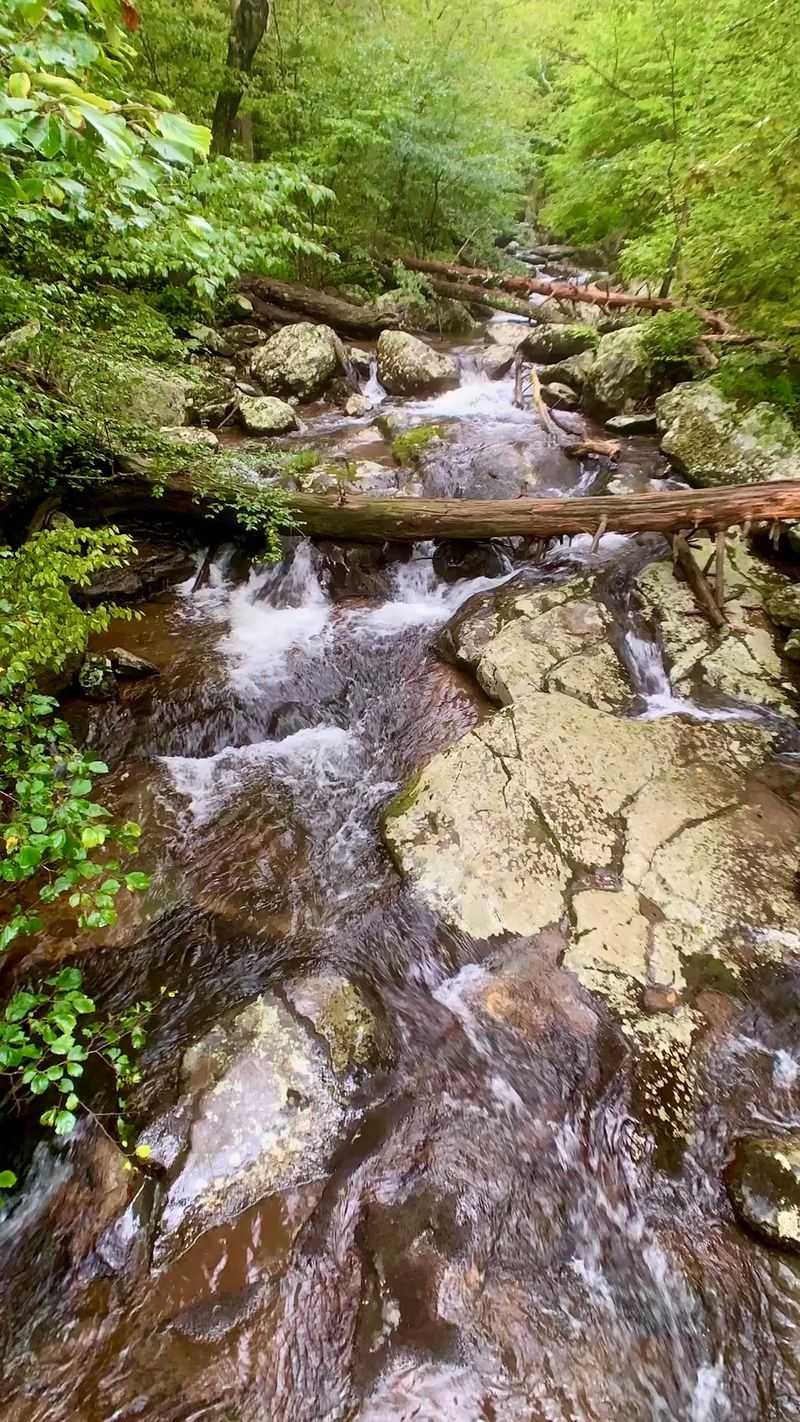
Countless reasons to visit Whiteoak Canyon, and yet September has a way of adding one very compelling reason to reconsider. This trail along the Robinson River is genuinely one of the most beautiful hikes in all of Virginia, with cascading falls, mossy boulders, and a cool, misty atmosphere that feels like stepping into a nature documentary.
That moisture-rich environment is also exactly what copperheads look for in a September habitat. Near water sources, prey is plentiful, temperatures stay moderate, and the dense leaf litter provides ideal cover.
The combination of damp rocks, fallen logs, and shaded nooks along this trail creates a near-perfect copperhead corridor, especially on stretches between the upper and lower falls.
Stone steps and rocky scrambles along the route require you to place your hands on surfaces that may not be as unoccupied as they appear. The snake’s copper-and-brown banding blends almost perfectly with wet rock and autumn leaves.
Experienced hikers on this trail in September tend to move at a deliberately careful pace, which is a good habit to adopt regardless of the season.
You can reach the upper trailhead from the Whiteoak Canyon parking area near milepost 42.6 on Skyline Drive. Alternatively, access from Weakley Hollow Road near Syria, Virginia, provides a longer but equally scenic approach.
Wear sturdy footwear with ankle support, keep your eyes scanning the trail ahead, and save the swimming hole dip for a time when the local reptile population is less enthusiastic about socializing.
Crabtree Falls Trail, George Washington National Forest
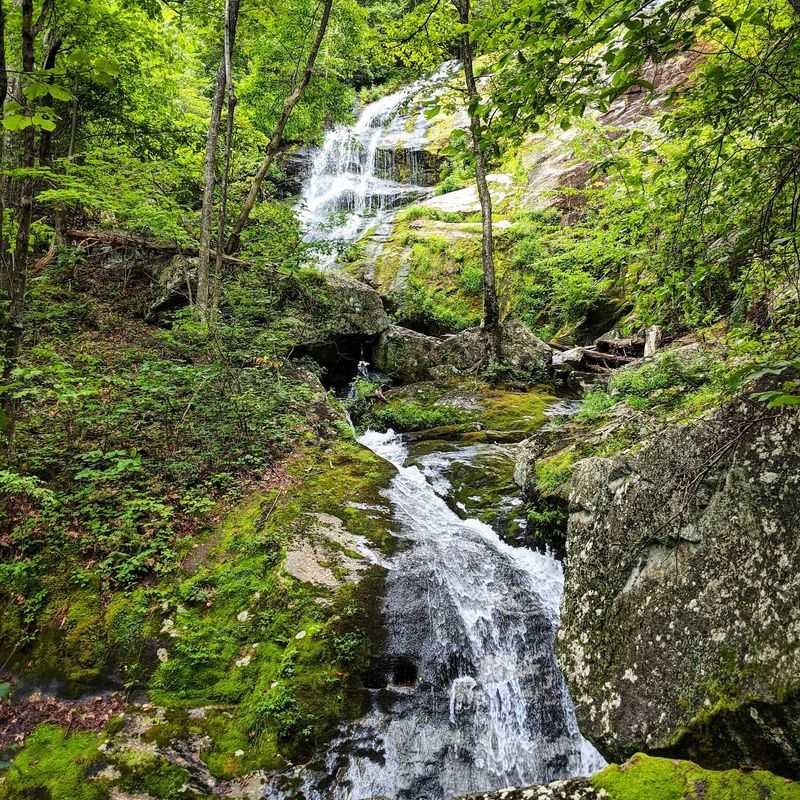
Crabtree Falls earns every superlative thrown its way. Tucked into Nelson County within the George Washington National Forest, this series of five major cascades tumbles over rocky ledges in a display that genuinely stops hikers in their tracks.
The lower overlook is accessible to almost anyone, while the full trail climbs steadily through oak and hickory forest for a more serious workout.
September transforms the surrounding forest into a patchwork of early fall color, making the hike even more photogenic. Sadly, it also marks a busy period for copperheads in this part of Virginia.
The rocky, wooded gorge alongside the Tye River provides exactly the kind of sheltered, prey-rich habitat these snakes prefer. Leaf litter accumulates quickly in the canyon, giving copperheads exceptional camouflage right at boot level.
The trail follows the falls closely for much of its length, which means hikers are frequently stepping over roots, rocks, and damp patches of ground. Each of those features is worth a second glance in September.
Park staff and regular trail users consistently advise watching the path carefully rather than keeping your eyes fixed on the spectacular views above.
Crabtree Falls is located off State Route 56 near Montebello, Virginia. The parking area is clearly signed from the road.
Pack layers since the gorge can be significantly cooler than the surrounding area, and solid hiking boots with good grip are a must on the wet rock surfaces near the falls. The beauty here is undeniable; just bring your full attention along for the ride.
Beaver Lake Trail, Pocahontas State Park
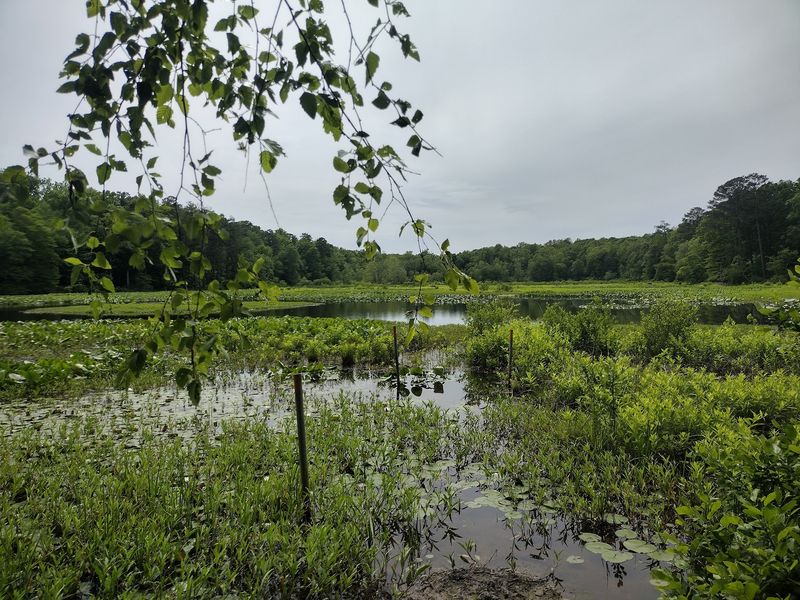
Just a short drive south of Richmond, Pocahontas State Park is the kind of place that makes you forget you are practically in a metropolitan area. Nearly 8,000 acres of forest, wetlands, and lake shoreline spread out in every direction, and the Beaver Lake Trail offers one of the most pleasant ways to take it all in.
This roughly 2.5-mile loop circles the lake with calm, easy terrain and a boardwalk crossing that puts you right over the wetland.
That wetland section is where things get interesting in September. Wetland edges and forested lake shores are prime copperhead real estate, offering the snakes everything they need: water access, dense vegetation for cover, and an abundance of small prey.
Central Virginia experiences some of the highest copperhead encounter rates in the state, and Pocahontas State Park sits squarely in that zone.
The boardwalk crossing is especially worth approaching carefully. Snakes sometimes rest on wooden planks that absorb heat during sunny September afternoons.
Brush piles and log stacks near the trail edge are other classic hiding spots that deserve a wide berth. Families with young children should be especially mindful, since kids tend to run ahead and pay less attention to the ground.
Pocahontas State Park is located at 10301 State Park Road in Chesterfield, Virginia. The park offers an impressive network of trails beyond Beaver Lake, plus paddling, fishing, and a pool.
It is a genuinely wonderful outdoor destination, and a few sensible precautions in September keep it that way for everyone who visits.
Washington Ditch Trail, Great Dismal Swamp National Wildlife Refuge
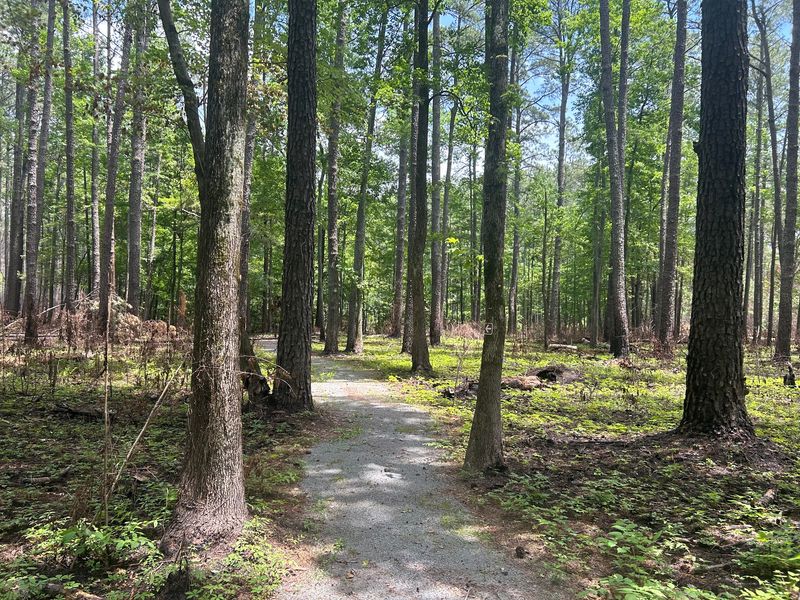
There is nothing quite like the Great Dismal Swamp for delivering genuine wilderness atmosphere. This sprawling refuge covers close to 113,000 acres of forested wetland straddling the Virginia-North Carolina border, and the Washington Ditch Trail follows one of the historic drainage canals that George Washington himself helped survey in the 18th century.
The trail is flat, straight, and deeply atmospheric, leading to the haunting beauty of Lake Drummond at the refuge’s center.
All of that atmospheric swampy goodness, however, comes with a significant September caveat. Copperheads are well adapted to wetland forest edges, and the Great Dismal Swamp provides an almost ideal combination of damp ground, dense vegetation, and abundant prey.
The snakes are active and visible along trail edges and near the canal banks during the warm weeks of early fall.
The flat terrain means hikers sometimes get comfortable and stop scanning the ground ahead, which is exactly the wrong approach in this environment. Staying on the maintained trail surface and resisting the urge to poke around in the vegetation beside the path is genuinely good advice here.
Wearing gaiters or high hiking boots adds a meaningful layer of protection.
The Refuge Headquarters are located at 3100 Desert Road in Suffolk, Virginia, with additional access points available around the refuge perimeter. The Washington Ditch entrance on White Marsh Road is the most commonly used starting point for reaching Lake Drummond.
This is a remarkable place to experience Virginia’s wild side, just make sure September snake awareness is firmly on your checklist before you set out.
Overall Run Trail, Shenandoah National Park
Overall Run Trail is the kind of hike that rewards the adventurous and punishes the unprepared. Leading to the highest waterfall in Shenandoah National Park, this trail passes through some of the most remote and rugged terrain the park has to offer.
The payoff, a dramatic overlook of the falls plunging into a rocky gorge, is absolutely worth the effort on the right day.
September is not necessarily that right day, at least not without some serious snake awareness. The trail passes through open rocky areas and dense forest sections that transition frequently, creating exactly the kind of varied habitat copperheads exploit during active season.
The remoteness of the trail also means that help is farther away if something goes wrong, which raises the stakes considerably for an unexpected encounter.
Unlike the more trafficked trails in the park, Overall Run sees fewer hikers, which means less human activity to naturally discourage snake presence near the path. That solitude is part of the appeal, but it also means you are more likely to encounter wildlife in an undisturbed state.
Trekking poles are especially useful here both for navigating the uneven terrain and for checking ahead on the trail.
The trailhead for Overall Run is accessed from Mathews Arm Campground, located off Skyline Drive near milepost 22.2 in the northern section of Shenandoah National Park, Virginia. The round trip runs roughly seven miles with significant elevation change.
Plan for a full day and bring plenty of water, good footwear, and your best September situational awareness.
Appalachian Trail Section, Grayson Highlands State Park
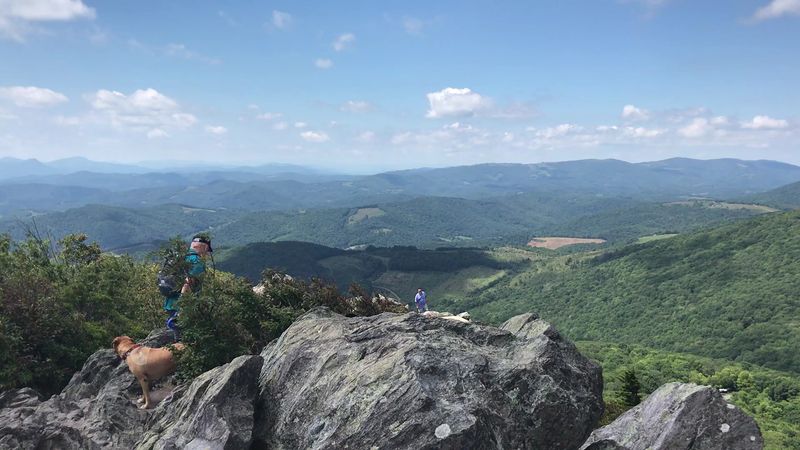
Grayson Highlands is one of those places that genuinely surprises people. The open grassy balds, the wild ponies wandering freely across the ridgeline, and the sweeping views into North Carolina create a landscape that feels completely unlike the rest of Virginia.
The Appalachian Trail cuts right through the heart of this high-elevation park, offering some of the most visually distinctive hiking in the entire state.
The rocky outcrops and transition zones between open meadow and dense forest, however, are textbook copperhead habitat during September. Even at higher elevations, these snakes remain active as long as temperatures stay mild, and Grayson Highlands delivers exactly those conditions in early fall.
The rocky ground around the park’s famous stone formations requires careful footing at the best of times.
Hikers focused on photographing the wild ponies sometimes lose track of what is happening at ground level, which is an understandable but risky distraction in September. Keep an eye on the trail surface, particularly near rock piles and the brushy edges where the open balds meet the tree line.
Those transitional zones are where copperheads tend to concentrate.
Grayson Highlands State Park is located at 829 Grayson Highland Lane in Mouth of Wilson, Virginia. The park sits at elevations exceeding 5,000 feet in places, making it one of the highest publicly accessible areas in the commonwealth.
Layering up is smart since temperatures can drop sharply even on sunny September afternoons, and sturdy boots are non-negotiable on the rocky Appalachian Trail sections through the park.
Cedar Run Trail, Shenandoah National Park
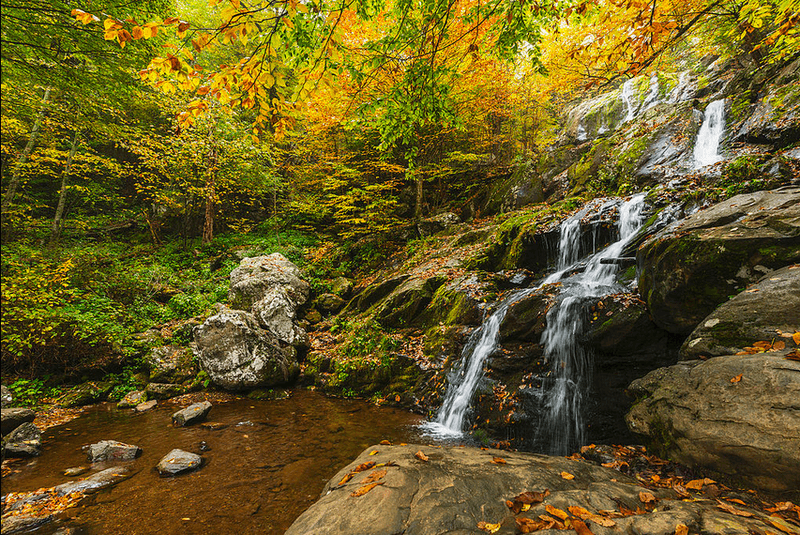
Cedar Run Trail has a reputation among serious Shenandoah hikers as one of the park’s most challenging and rewarding canyon hikes. The trail drops steeply alongside Cedar Run, passing a series of cascades and swimming holes that are genuinely spectacular.
Combined with the Whiteoak Canyon Trail as a loop, it creates one of the most memorable full-day hikes in the entire park.
The steep, rocky streamside terrain that makes this trail so exciting also makes it prime September copperhead territory. Moisture from the creek keeps the surrounding rocks and leaf litter damp, which maintains the mild temperatures snakes prefer for basking and hunting.
The narrow canyon walls concentrate both the beauty and the wildlife in a relatively tight corridor.
Navigating the steep descents on Cedar Run requires using your hands on rocks and roots, which means paying close attention to every surface you grab. September is precisely the month to slow down on technical terrain, check before you touch, and resist the urge to move quickly through the canyon sections.
Experienced park hikers treat this trail with extra respect during late summer and early fall for exactly these reasons.
The Cedar Run trailhead is accessible from the Hawksbill Gap parking area near milepost 45.6 on Skyline Drive in Shenandoah National Park, Virginia, or from the Whiteoak Canyon parking area for the loop option. Trekking poles, grippy footwear, and a genuinely attentive mindset are the three things every hiker should bring to Cedar Run in September.
The rewards are spectacular; the risks are manageable with the right preparation.
Park Trail System, Pocahontas State Park
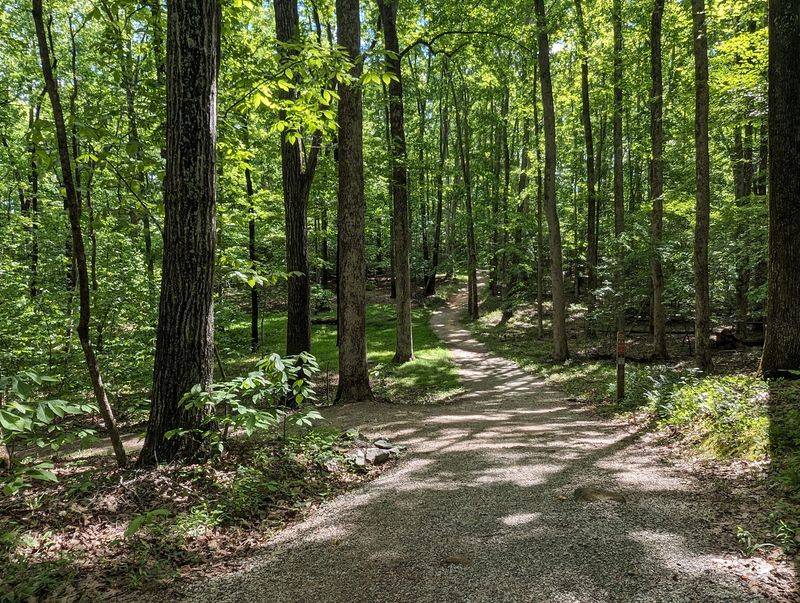
Beyond the Beaver Lake loop, Pocahontas State Park unfurls an extensive network of trails that wind through forest, across creek crossings, and along the edges of Swift Creek Lake. The sheer variety of terrain available across the park’s trail system makes it a genuine outdoor destination for hikers of all ability levels.
On a crisp fall day, the forest canopy here puts on an impressive early color show.
The flip side of all that varied terrain is that it creates multiple overlapping habitat types for copperheads. Creek crossings, rocky forest floors, brushy hillsides, and sun-exposed trail edges all show up repeatedly throughout the park’s trail network.
September brings these snakes into peak activity across central Virginia, and Pocahontas State Park’s diverse landscape means encounters can happen on virtually any section of trail.
Wider multi-use trails in the park see mountain bike traffic as well as foot traffic, which can complicate snake awareness since bikes move quickly and quietly. Hikers should stay alert particularly at trail junctions, near water crossings, and on south-facing slopes where the sun warms the ground most effectively.
Keeping children close and dogs leashed is especially important during active snake season.
Pocahontas State Park is located at 10301 State Park Road in Chesterfield, Virginia, with well-marked trailhead kiosks throughout the property providing maps and current trail conditions. The park’s trail system is one of the largest in any Virginia state park, making it easy to customize your route.
Pick your path thoughtfully in September, stay observant, and this remarkable park delivers a genuinely rewarding autumn outing.
