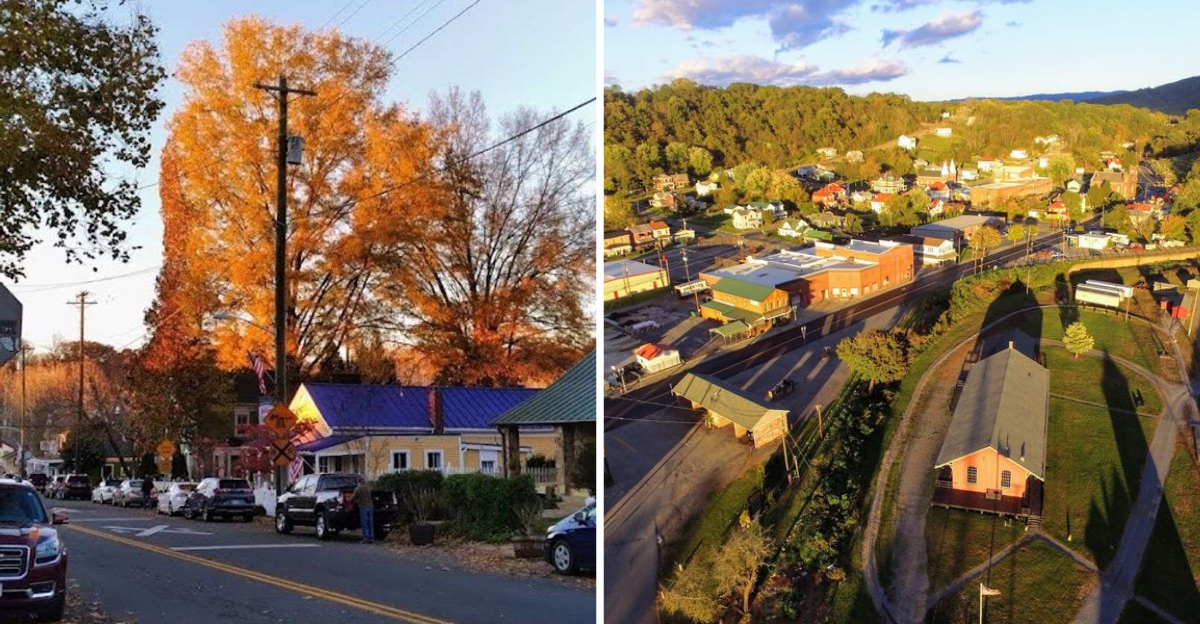
That winding road through the Blue Ridge made me slow down the moment a brick storefront and a hand-painted sign caught my eye.
Virginia’s mountain towns carry a warmth and stillness that feels borrowed from another era, one where neighbors knew each other by name and front porches were the best seats in the house.
I have spent years driving through these communities, and each one holds onto its character with quiet determination.
White frame houses from the 1800s, river-framed streets, and bluegrass music still drifting out of open doors on a Friday night.
These are not places trying to impress you; they are simply living their lives, and visitors are welcome to watch.
This journey through the heart of Appalachian Virginia is less about checking off landmarks and more about feeling the pull of a simpler, more grounded way of living.
1. Abingdon, VA
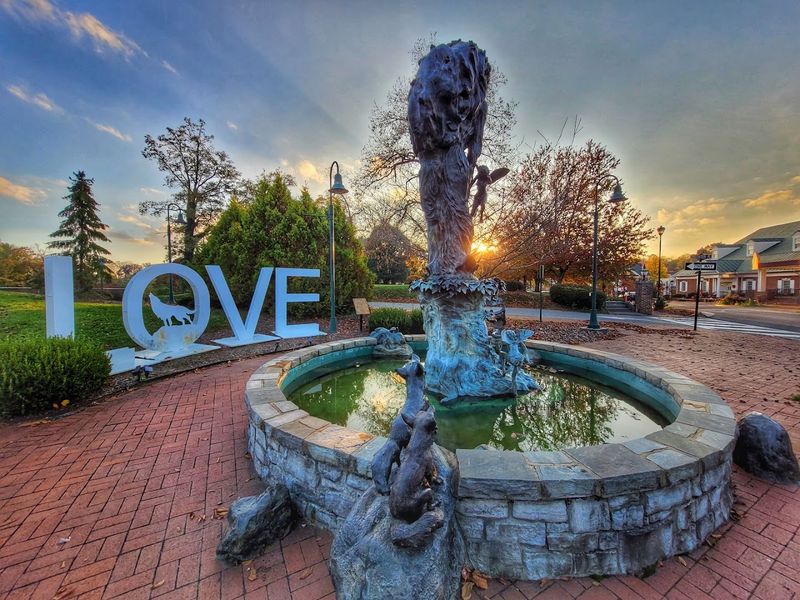
Abingdon has a way of catching you off guard, the moment you turn onto Main Street, the brick sidewalks and carefully preserved storefronts make it feel like the calendar stopped somewhere around 1955.
The 20-square-block historic district stretches out like a living museum, layered with Appalachian, Colonial, and Frontier roots that feel anything but artificial.
History here is not behind glass; it breathes.
The Barter Theatre, founded in 1933, still draws crowds with the same sense of community spirit it had when actors once traded performances for food from local farmers.
Just nearby, the Martha Washington Inn, originally built as a private residence in 1832, carries the quiet dignity of a building that has seen generations come and go.
I kept imagining what those early guests must have felt stepping through its doors.
The Abingdon Muster Grounds, where the Overmountain Men gathered in 1780 before their historic march, adds yet another layer to a town already rich with meaning.
Abingdon does not try to impress you with spectacle; it simply exists, fully and honestly, as a place where the past is woven into everyday life.
That quiet confidence is what makes it unforgettable.
2. Lexington, VA
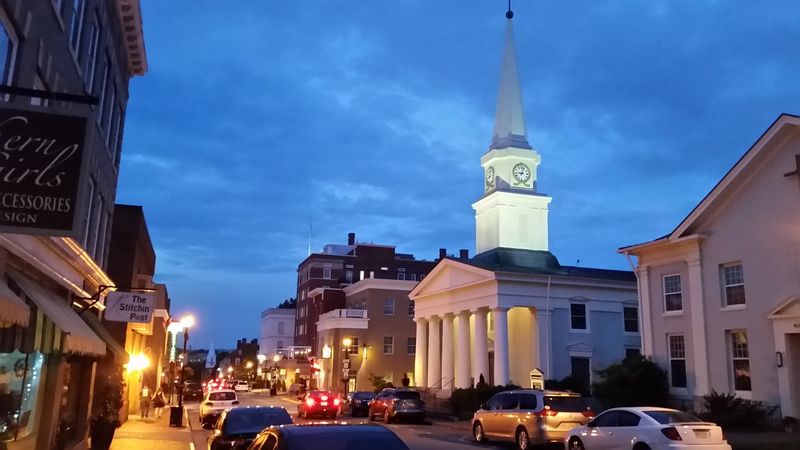
Lexington is one of those towns that makes you want to park the car and just wander. Its downtown has been so carefully maintained that it earned spots on both the Virginia and National Registers of Historic Places, and for good reason.
The mix of architectural styles, from practical Shenandoah Valley vernacular to grand Romantic Revivalist designs, gives every block its own personality.
It actually served as a filming location for the movie “Sommersby,” and a small remnant from that production can still be found at the corner of Washington and Main Streets.
I spotted it almost by accident, tucked between two storefronts, and it made the whole town feel even more cinematic.
Renowned architect Thomas U. Walter, who also designed the U.S.
Capitol dome, left his mark here on buildings like Lexington Presbyterian Church.
Authorized in 1778 and prospering as a county seat by the 1790s, Lexington grew steadily with institutions like Washington and Lee University and the Virginia Military Institute anchoring its identity.
The residential streets are lined with Federal and Gothic Revival structures that feel genuinely lived-in, not preserved for show.
Lexington rewards slow exploration more than almost any other town on this route.
3. Staunton, VA
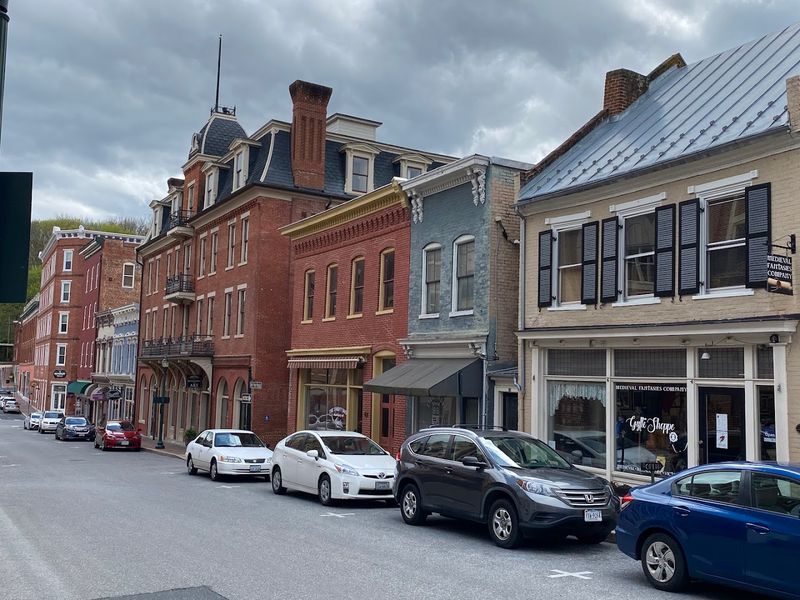
Staunton wraps around you like a familiar story you forgot you knew.
Because it was largely spared during the Civil War, the town kept its Victorian-era architecture almost entirely intact, and walking its hilly brick streets feels like flipping through a well-preserved photo album from another century.
It was the first town in Virginia to receive the Great American Main Street award, a distinction that feels completely earned.
Wright’s Dairy Rite, a local institution since 1952, is the kind of place that stops you in your tracks.
The retro neon sign glows with an easy confidence, and the old-fashioned Serv-Us Phones for placing orders feel less like a novelty and more like the most natural thing in the world.
I sat in the parking lot longer than I planned, just soaking in the atmosphere.
Beyond the classic eateries, Staunton offers the Frontier Culture Museum, where costumed interpreters bring early American life to vivid reality, and the American Shakespeare Center’s Blackfriars Playhouse, a rare recreation of Shakespeare’s original indoor theater.
The birthplace of President Woodrow Wilson, a Greek Revival manse, rounds out a town that layers culture, history, and everyday charm with remarkable ease.
4. Floyd, VA
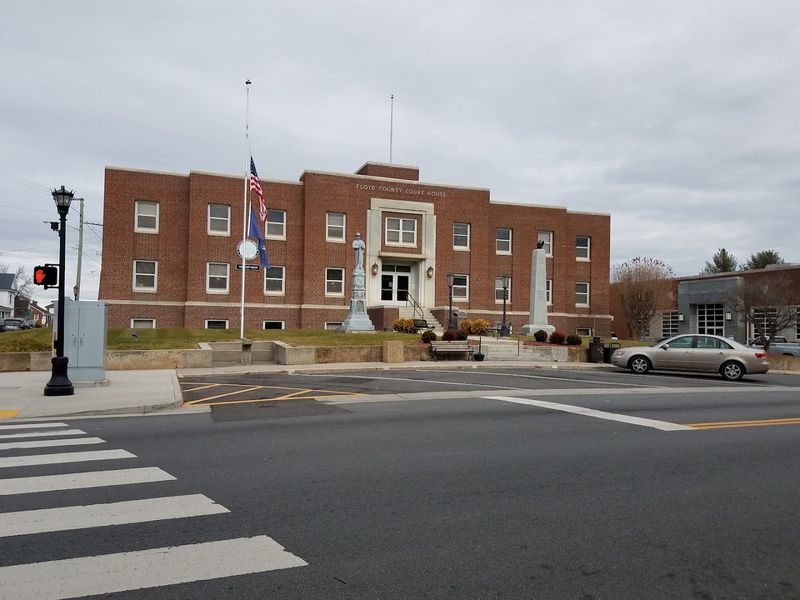
Floyd sits high on a plateau in the Blue Ridge Mountains, and from the moment you arrive, the air feels different, cleaner and quieter in a way that immediately slows your breathing.
The main street is lined with historic buildings and anchored by a quintessential country store that looks like it belongs in a different decade entirely.
Colorful murals brighten the facades, and the whole village hums with an artistic energy that feels organic rather than manufactured.
Music is the town’s heartbeat, and that is not a figure of speech.
The Floyd Country Store, which began as a general store in 1910, now serves as a community gathering place where the Friday Night Jamboree fills the room with bluegrass and flatfoot dancing every week.
Floyd is a celebrated stop on The Crooked Road, Virginia’s Heritage Music Trail, and that recognition only scratches the surface of what the town means to regional culture.
Floyd was largely bypassed by major infrastructure like four-lane highways and railroads, and that isolation turned out to be a gift.
Historic accommodations like The Pine Tavern Lodge from 1927 and the 1920s Georgian-style StoneHaven Bed and Breakfast give visitors a place to settle in and stay awhile.
This is a town worth lingering in.
5. Clifton, VA
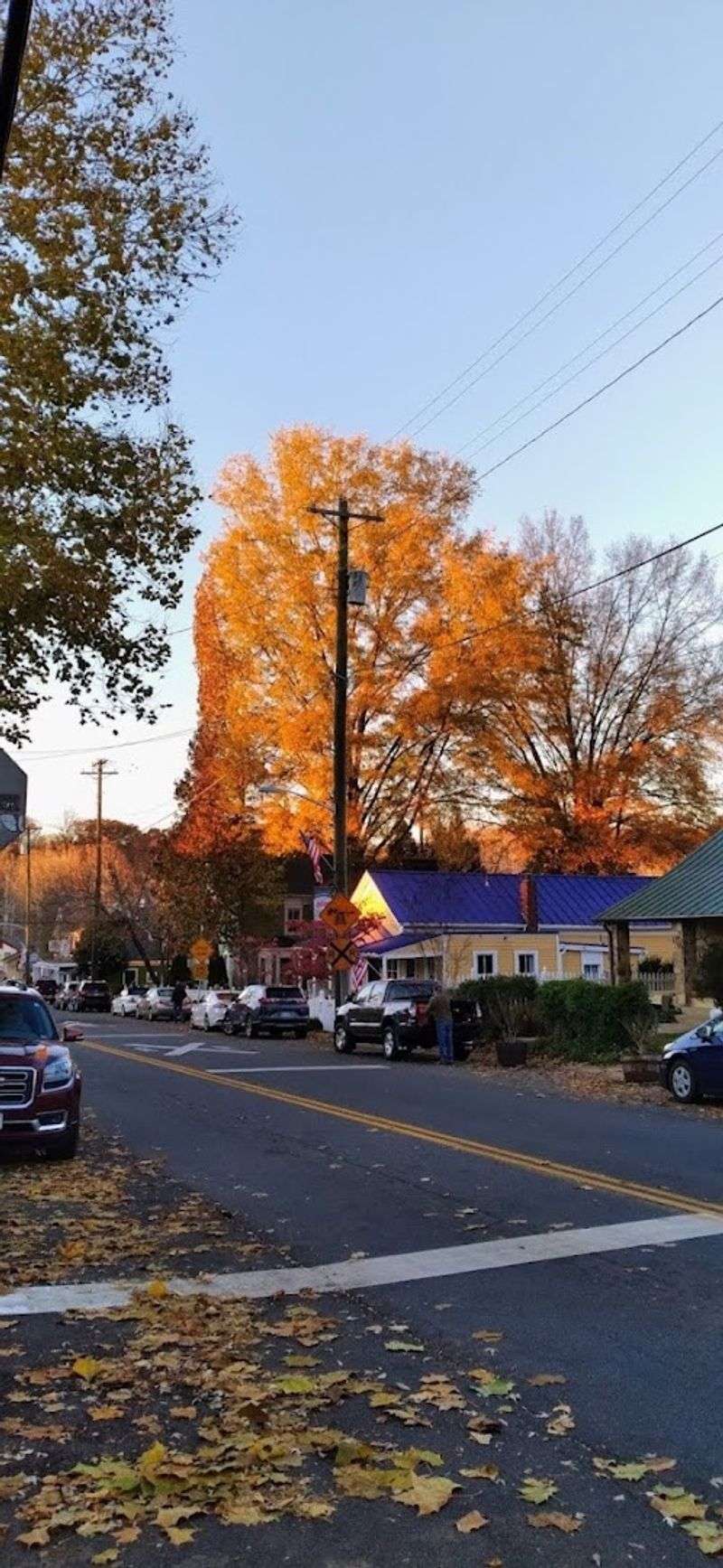
Clifton carries a nickname that suits it perfectly: the Brigadoon of Virginia. Declared a national historic district in 1984, this small village has managed to hold onto its original character in a way that feels almost miraculous given how much has changed around it.
No apartment buildings crowd the skyline here, and no chain stores have nudged out the original storefronts. What you see is genuinely what has always been there.
The Beckwith House, built in 1771, holds the title of Clifton’s oldest residence, while the Mayhugh Tavern dates to 1870.
The Clifton Baptist Church, with its spire steeple and gothic windows, originally built in 1876 and later replaced by the current 1910 structure, stands alongside the Clifton Presbyterian Church from 1871.
Each building adds another thread to the town’s remarkably intact fabric.
The Clifton Hotel, built in 1869, once served as a resort destination for United States presidents, which gives the whole place an unexpected air of quiet prestige.
The town’s mayor has described it as “like going back in time,” and I found that description to be completely accurate.
Clifton does not perform its history for visitors; it simply lives inside it, unhurried and unapologetic.
6. Covington, VA
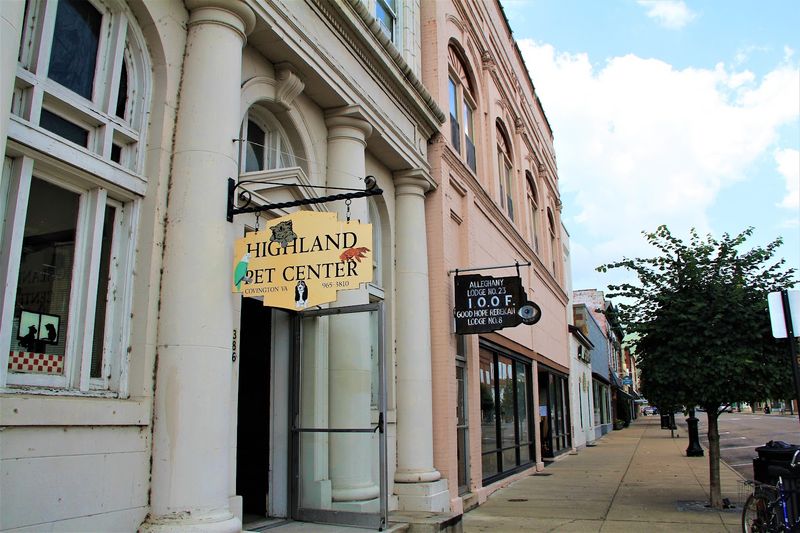
Covington has a particular kind of quiet that settles over you as you walk its downtown streets, the kind that only comes from a place that has not tried too hard to reinvent itself.
Century-old brick storefronts line the blocks, and the mix of Victorian-era architecture alongside Art Deco facades creates a visual timeline that is genuinely interesting to read.
Authentic, locally owned shops fill spaces that might elsewhere have been swallowed up by chain retailers.
The city was initially laid out along the Jackson River in 1818 and became the county seat of Alleghany County in 1822.
Most structures within the Covington Historic District date from the late 19th and early 20th centuries, roughly between 1890 and 1940, which gives the commercial heart a remarkably cohesive feel.
The residential neighborhoods tucked just beyond the commercial blocks carry that same unhurried character.
Just outside the city, the Humpback Bridge, dating to 1857, stands as a covered bridge unlike any other in the United States, its distinctive arched design making it a one-of-a-kind piece of American engineering history.
Covington is the kind of community where neighbors still look out for one another, and that spirit of mutual care feels as present as the architecture itself.
Old-fashioned principles run deep here.
7. Buena Vista, VA
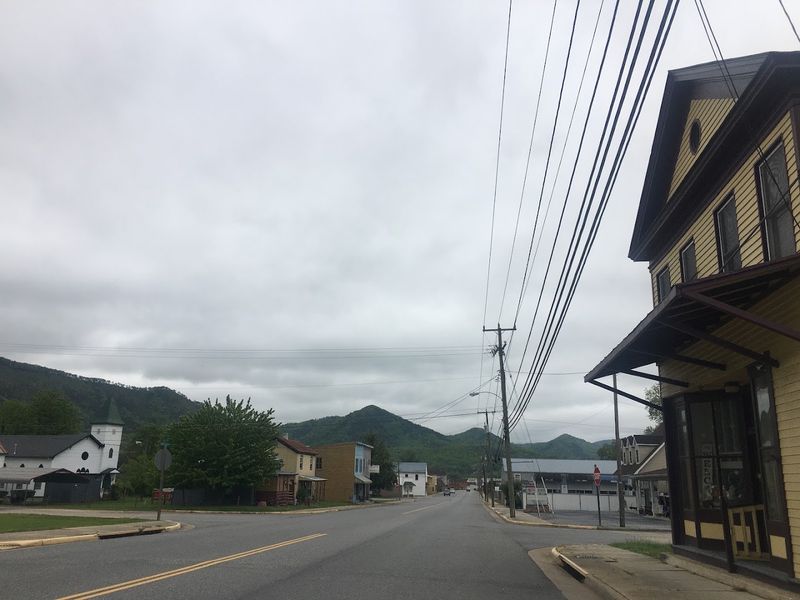
Buena Vista translates to beautiful view, and the name earns its meaning every single day. Nestled against the Blue Ridge Mountains in the heart of the Shenandoah Valley, the town carries a tranquil quality that feels like a deep exhale after a long drive.
The streets move at a pace that invites you to slow down and actually notice things, the architecture, the mountain air, the way light falls across older buildings in the late afternoon.
The town’s roots trace back to a late 19th-century industrial boom, and while those energetic years have long since passed, their imprint remains in the older structures that still anchor the downtown area.
There is something honest about a town that does not try to hide its history or dress it up for tourists.
Buena Vista simply offers what it has always had: a modest, community-centered way of life.
The surrounding natural scenery adds a layer of beauty that feels almost unfair in the best possible way. Clear mountain air, scenic ridge views, and a sense of genuine stillness make Buena Vista the kind of place where you find yourself thinking about staying longer than planned.
Community ties here feel real and unhurried, rooted in the kind of small-town warmth that is increasingly hard to find.
8. Clifton Forge, VA
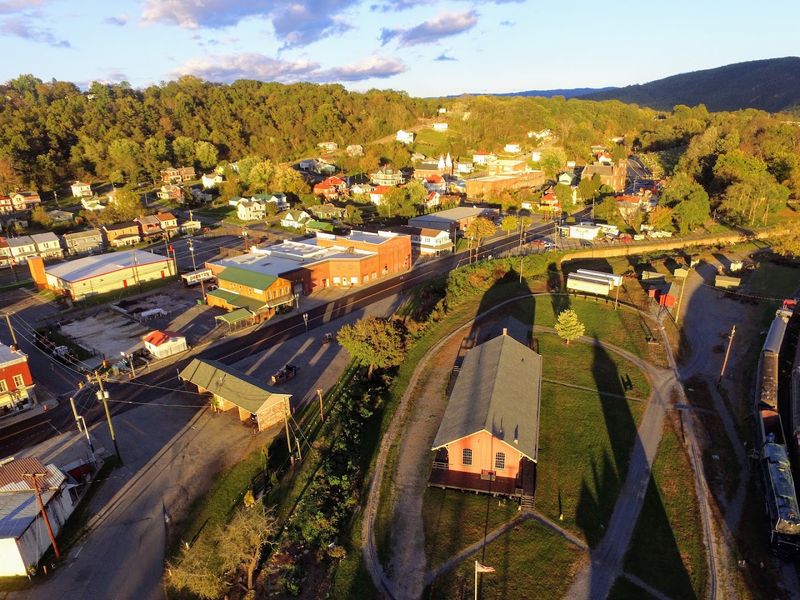
Clifton Forge announces its identity early. The first passenger train arrived here in 1857, and the town grew up around the rhythm of the rails, becoming a major maintenance hub for Chesapeake and Ohio steam locomotives at its peak.
At one point, the C&O employed nearly 2,000 people here, turning this mountain community into a genuine boomtown with a pulse that matched the engines rolling through it.
The shift to diesel locomotives in the early 1950s moved maintenance operations to West Virginia, and Clifton Forge felt that change deeply. Yet the town did not disappear; it adapted with the quiet resilience that seems to define so many Appalachian communities.
CSX facilities and Amtrak service still connect the town to the wider world, and the Chesapeake and Ohio Railway Historical Society keeps the railroad story alive with genuine dedication.
The historic districts of Clifton Forge are listed on the National Register of Historic Places, a recognition that reflects both the architectural quality and the cultural significance of what remains.
Affordable historic housing and a picturesque mountain setting make it an appealing stop for anyone drawn to places with real stories behind their streets.
Clifton Forge feels lived-in and layered, not polished for display.
9. Hillsboro, VA
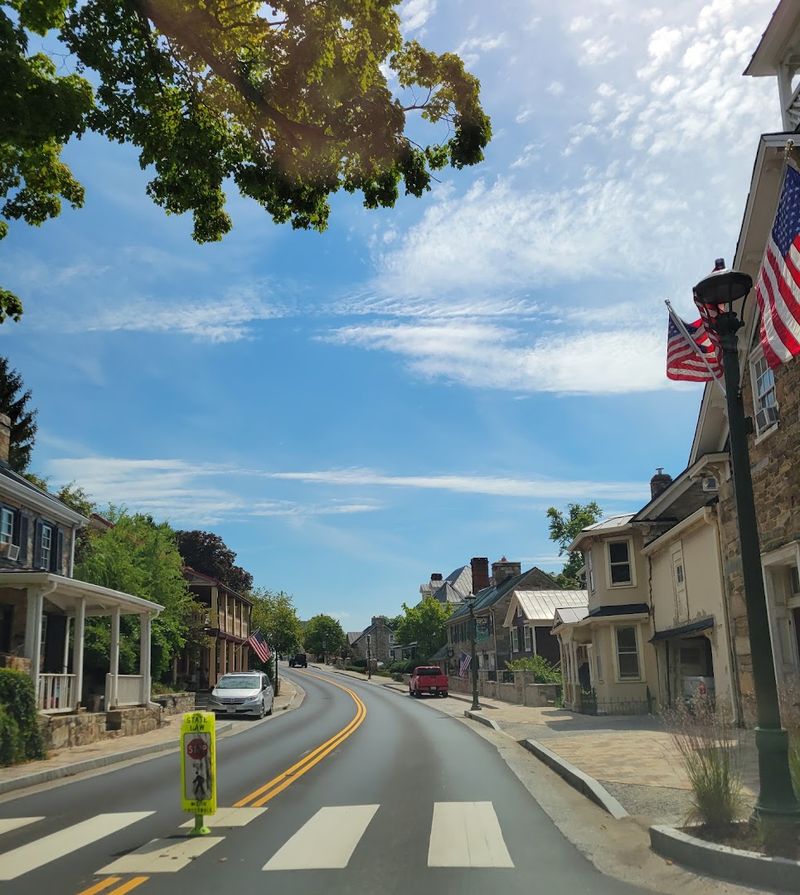
Hillsboro is easy to miss if you are moving too fast, which would be a genuine shame.
Extending along State Route 9 in the scenic countryside of western Loudoun County, this tiny community is considered a textbook example of a 19th-century linear settlement and rural mill town.
None of the buildings lining the main road are less than a century old, and many push well beyond that threshold.
The architecture here leans heavily on Pennsylvania vernacular building traditions, expressed through two-story, gable-roofed stone residences that feel solid and purposeful.
Victorian porch additions and bay windows suggest that residents kept pace with the fashions of their era, even while holding onto the bones of something much older.
The Hillsboro Historic District has been listed on the National Register of Historic Places since 1979, with some field stone dwellings dating as far back as the 18th century.
The town was once called “The Gap” before settling into its current name, a reference to its picturesque location within the Short Hill mountains.
One local once described it as “a museum of early American architecture,” and that phrase has stuck with me ever since I first heard it.
Hillsboro rewards the kind of traveler who is willing to stop, look closely, and listen for what the stones have to say.
10. Rocky Mount, VA
Rocky Mount, the county seat of Franklin County, draws you in with the easy confidence of a town that knows exactly what it is.
With a population hovering around 5,000, the streets are walkable and the pace is genuinely unhurried, the kind of environment where a conversation with a stranger feels completely natural.
The historic downtown is thoughtfully divided into commercial, governmental, and residential areas, each with its own distinct character and architectural personality.
The Hub Restaurant, Rocky Mount’s oldest eatery, still serves homemade pies and all-day breakfast with the kind of consistency that only comes from decades of doing something right.
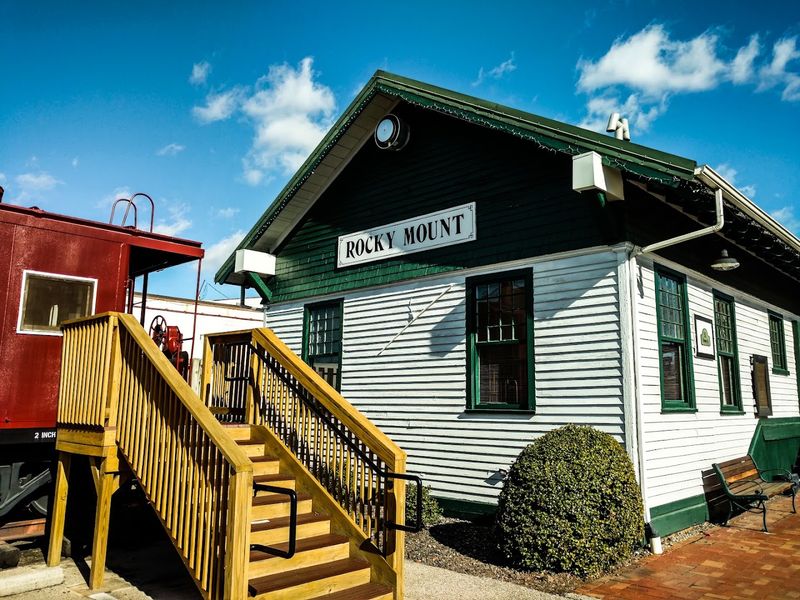
The Historic Rocky Mount Train Depot, originally the Norfolk and Western Freight Station built in 1907, now functions as a community center and stands as a beautiful artifact of the golden age of American rail travel.
I found myself lingering there longer than expected, tracing the details of the old structure with my eyes.
The town’s architectural variety is impressive, with Greek Revival, Queen Anne, Colonial Revival, and Bungalow styles all represented across its residential blocks.
Antique stores scattered throughout offer the particular pleasure of discovery, the sense that something unexpected is always just around the corner.
Rocky Mount feels timeless without being frozen, a distinction that matters more than it might seem.
11. Pearisburg, VA
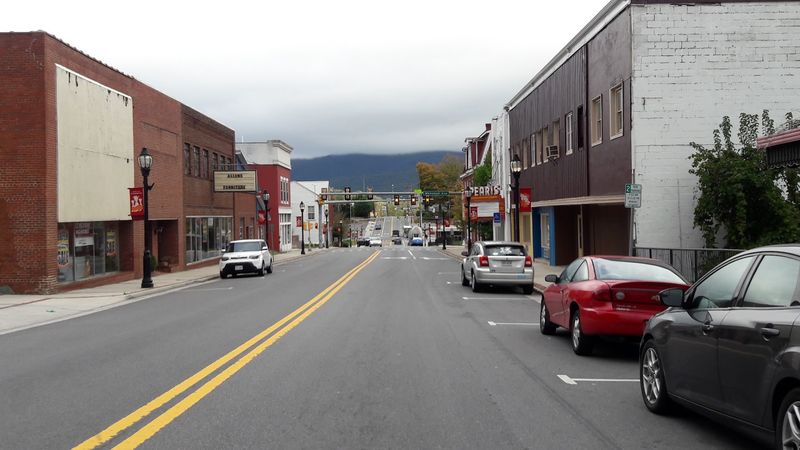
Pearisburg greets you with the kind of unhurried warmth that makes you wonder why you did not visit sooner. Perched on a plateau high above the New River and framed by Angels Rest and Pearis Mountain, the town occupies one of the more dramatic natural settings on this entire route.
The view alone earns the drive, but it is the community itself that keeps you there.
The historic district holds seventeen buildings listed on the National Register of Historic Places since 1992, preserving more than two centuries of architectural history within a compact and walkable area.
The Giles County Courthouse, dating to 1836, commands attention with the quiet authority of a building that has seen the full arc of American history unfold around it.
The 1829 Andrew Johnston House, now operating as a museum, offers a more personal window into the town’s past.
Local shops and family-owned restaurants carry a hospitality that feels instinctive rather than performed, the kind of welcome that suggests visitors are simply neighbors who have not arrived yet.
I heard someone describe Pearisburg as having “small town vibes with big character,” and that phrase is hard to improve upon.
It is a place where tradition and everyday life exist comfortably side by side, without any visible tension between the two.
