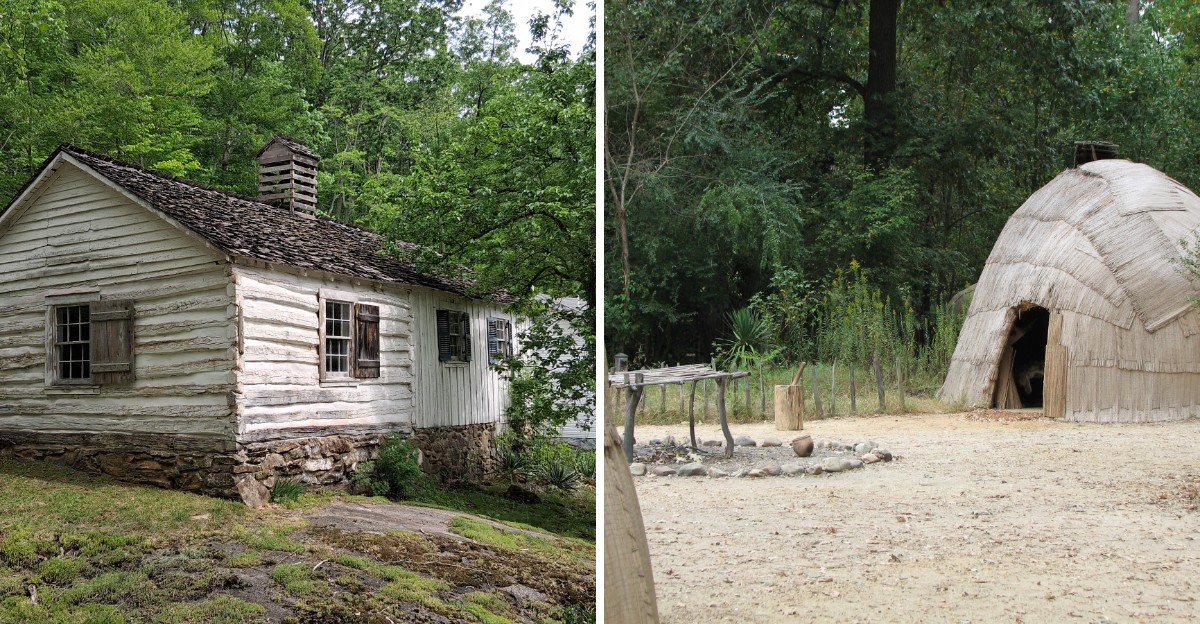
Long before the first English ships arrived, Virginia was already home to thriving communities with complex societies, trade networks, and deep connections to the land. That history is often reduced to a footnote, mentioned briefly before the story moves on to colonization.
But there are places across the state where the earlier chapters are still visible, preserved, and interpreted. This list has eight of them, from archaeological sites and museums to cultural centers run by the tribes themselves.
Some are well-known and easy to visit. Others are quieter, tucked away in rural corners where the history feels more personal.
A few include walking trails that pass through landscapes that have been cared for by Indigenous communities for generations. The common thread is perspective.
These places tell the story from the side that is usually left out, and they do it with care. Whether you are a history enthusiast or just curious, these spots are worth seeking out.
Bring questions and an open mind. The past is closer than it seems.
1. Werowocomoco Exhibit, Virginia
Picture the White House of the Powhatan world, and you are getting close to Werowocomoco. Long before English settlers showed up, this riverside town on the York River served as the capital of Chief Powhatan and his huge chiefdom.
Pocahontas grew up in this orbit. Leaders gathered here to talk politics, trade goods, and hold ceremonies.
Captain John Smith was even brought here early on, making it a key spot in those first tense meetings between two very different worlds.
Here is the catch. The actual archaeological site is part of the National Park Service and is still being carefully planned with input from Virginia Indian tribes, so it is not open for casual wandering yet.
Patience is part of the deal when history is this precious.
Good news, though. The Gloucester Visitor Center hosts a permanent exhibit that brings the place to life without a shovel in sight.
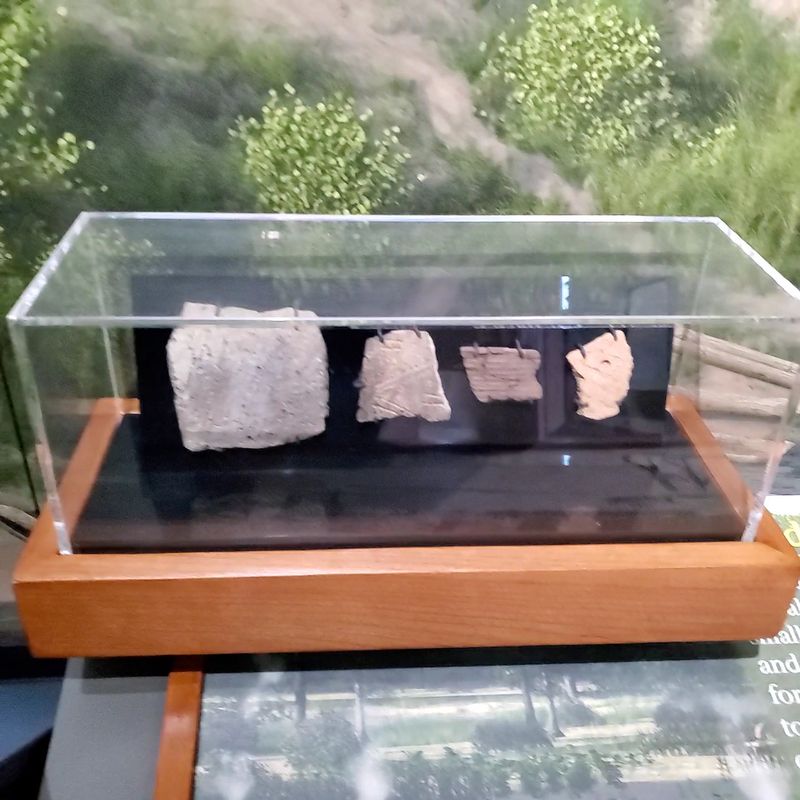
You get videos, timelines, and 3D images of artifacts dug up from the site.
Those digital artifacts are a clever touch. You can zoom in on objects that sat in the soil for centuries and see details that would be hard to spot through glass.
The exhibit also traces the wider story of tribes across the region, not just one town.
Pair your stop with a stroll around historic Gloucester Courthouse, which sits right nearby. It is a short visit that packs a big punch, like a movie trailer for the rest of this trip.
Address: 6504 Main Street, Gloucester, VA 23061
2. Machicomoco State Park, Virginia
Say it with me. Ma-chi-co-mo-co.
The name comes from an Algonquian word meaning a special meeting place, and honestly, it lives up to the label.
Machicomoco holds a big honor. It is the first state park in Virginia created to interpret and honor the Indigenous people of the region.
Even better, it sits right next door to the Werowocomoco site on the York River, inside the heart of the old Powhatan homeland called Tsenacomoco.
Archaeologists have found signs that people lived on this land for thousands and thousands of years. So when you step onto the grass, you are joining a very long line of folks who loved this riverfront view.
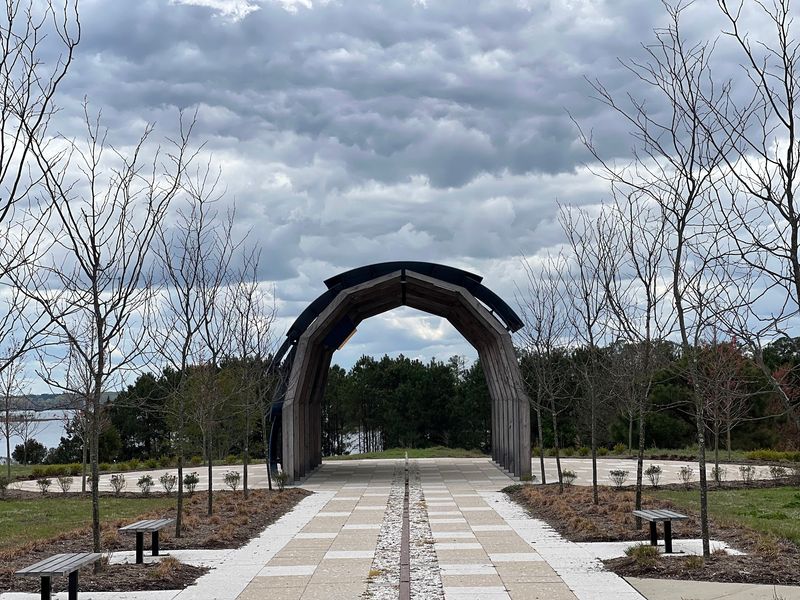
The star attraction is the open-air interpretive area shaped like a traditional longhouse. Signs and displays walk you through how Virginia Indian communities fished, farmed, traveled, and connected with the water and land around them.
It is outdoor learning with a breeze and a view.
Need to stretch your legs? Paved and wooded trails loop through forest and along the marsh, perfect for a walk or bike ride.
Bring binoculars, because ospreys and eagles love to show off over the river.
Campsites and a boat launch also make this a solid weekend base. Pack a picnic, find a bench near the shore, and let the slow lap of the tide set your pace.
Sunset here is the kind that makes you forget to check your phone.
Address: 3601 Timberneck Farm Road, Hayes, VA 23072
3. Natural Bridge State Park, Virginia
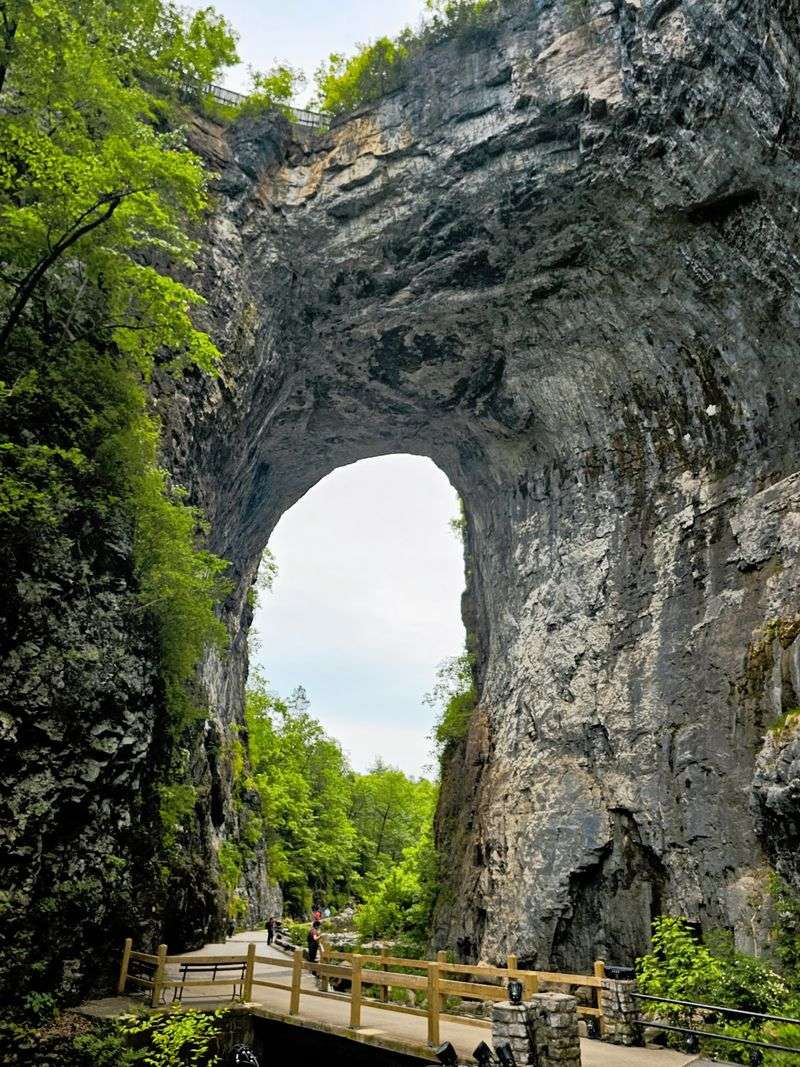
Some rocks are just rocks. The Natural Bridge is a giant stone arch that looks like the planet decided to flex, and the Monacan people have treated it as sacred for generations.
Cedar Creek carved this limestone wonder slowly, over a mind-boggling stretch of time. Monacan tradition tells of the bridge appearing to help their ancestors escape enemies, giving it deep spiritual meaning long before anyone sold postcards of it.
Start on the Cedar Creek Trail, which leads you right under the arch. Look up, and try not to say wow.
Good luck with that.
Keep walking and you reach the Monacan Indian Village, a recreated settlement that shows daily life in centuries past. You will see a dome-shaped house, gardens, and work areas for crafts like hide tanning, pottery, mat weaving, and tool making.
Demonstrations here make history feel hands-on instead of dusty. Watching how a tool was shaped from stone gives you serious respect for people who built whole communities without a hardware store.
The park also has longer trails winding through woods and up ridges, so active folks can turn the visit into a full workout. Fall color here is a showstopper, with orange and red leaves framing the gray stone.
Wear comfy shoes and bring water. The trail to the village is easy, but you will want time to linger, ask questions, and simply stare at that arch a little longer.
Address: 6477 S. Lee Highway, Natural Bridge, VA 24578
4. Monacan Indian Nation Ancestral Museum, Virginia
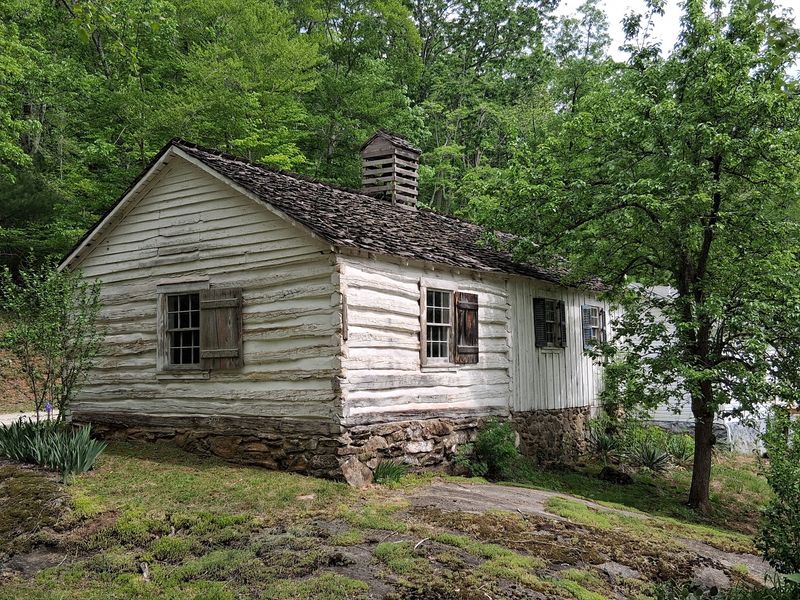
Bear Mountain feels peaceful, but its story is anything but quiet. Tucked into the foothills of Amherst County, this spot is the heart of the Monacan Indian Nation.
The Monacan people once had a homeland covering a huge part of central and western Virginia, mostly west of the fall line where rivers tumble out of the hills. Their roots here run thousands of years deep, and the tribe never stopped calling this region home.
The ancestral museum gives you a close look at that long story. Display cases hold pottery, tools, beads, and games, little clues to how families cooked, played, and created art.
Exhibits also trace key moments in tribal history, including hard times and big wins.
One of those big wins came when the Monacan Indian Nation earned federal recognition. Standing in this museum, you feel how much patience and persistence that took.
Step outside and you will find a historic log cabin schoolhouse and a mission church. These buildings tell a tougher chapter, from an era when Monacan children were shut out of public schools.
Seeing them in person hits harder than any textbook paragraph.
Plan ahead, since museum access can be limited, and checking the tribe website before you go is a smart move. Every year the tribe also hosts a powwow, a joyful celebration with dancing and drumming that welcomes the public.
Respect the space, take your time, and leave with a whole new view of the mountains.
Address: 2009 Kenmore Road, Amherst, VA 24521
5. Pamunkey Indian Museum and Cultural Center, King William, Virginia
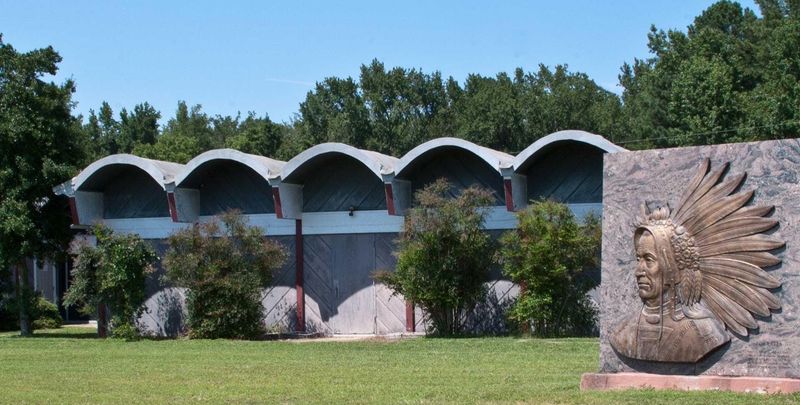
Talk about staying power. The Pamunkey Reservation sits along the Pamunkey River and ranks among the oldest reservations in the entire country.
The Pamunkey were one of the most powerful nations in the Powhatan paramount chiefdom. In fact, Chief Powhatan and his brother Opechancanough came from Pamunkey roots, so this tribe was right at the center of the action when the English arrived.
The museum and cultural center tells the tribe story from its earliest days to the present. Exhibits cover ancient tools, fishing gear, clothing, and everyday objects that show how people thrived along these marshy rivers.
Pottery is the real celebrity here. Pamunkey potters have shaped clay from the riverbanks using methods passed down through generations, and the tribe even ran a pottery school in the past to keep the craft alive.
Pieces are sometimes available to buy, which makes for a souvenir with genuine meaning.
Fun fact for the road. The Pamunkey Indian Tribe became the first tribe in Virginia to receive federal recognition, a milestone that paved the way for others.
Exhibits have been undergoing updates, so check the tribe’s social media pages before making the drive. Showing up to a locked door is nobody’s idea of fun.
The drive itself is gorgeous, with quiet roads, tall pines, and glimpses of tidal marsh. Slow down, roll the windows down, and soak in a landscape that has been home to the same people for an incredibly long time.
Address: 175 Lay Landing Road, King William, VA 23086
6. Mattaponi Indian Reservation, West Point, Virginia
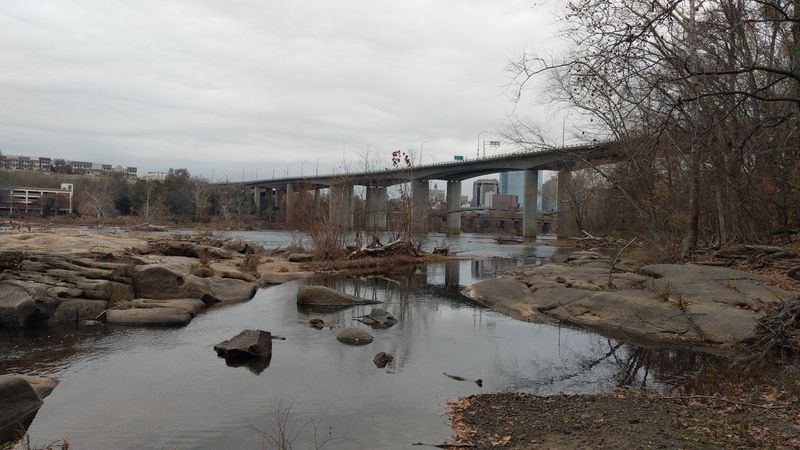
Quiet rivers keep the best secrets. On the banks of the Mattaponi River, the Mattaponi people have lived on one of the oldest reservations in the nation.
Like their Pamunkey neighbors, the Mattaponi were part of the Powhatan paramount chiefdom. Their reservation dates back to the colonial era, and they have protected this land and river ever since, through centuries of pressure and change.
A small cultural museum on the reservation shares their heritage. You can see stone projectile points found along the nearby riverbanks, plus baskets, pottery, and jewelry that show off generations of skill.
Some of those stone points are seriously old. Holding a modern pencil feels a little silly after seeing tools that were shaped by hand so long ago and still look sharp.
The river matters here in a big way. The tribe has long worked to protect shad, a fish that swims up the Mattaponi each spring, through its own hatchery and conservation efforts.
That mix of tradition and science is pretty inspiring.
Plan carefully before you go. The museum works by appointment, so reach out to the tribe first instead of just rolling up.
This is a living community, not a theme park, so polite manners go a long way.
Pair the visit with a walk along the waterfront in nearby West Point, where two rivers meet to form the York. Watching that merge gives you a feel for why these waterways shaped so many lives.
Address: 1314 Mattaponi Reservation Circle, West Point, VA 23181
7. York River State Park, Virginia
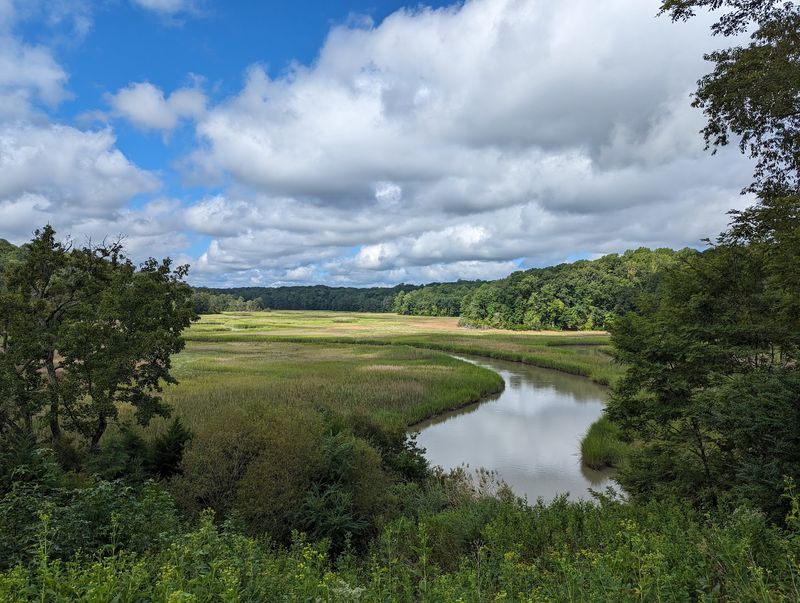
Salt meets fresh, marsh meets forest, and history hides under your hiking boots. York River State Park is one of those places where nature and the past share the same postcard.
The park protects a rare estuary, a spot where freshwater from the river mixes with salty tides from the Chesapeake Bay. That mix creates a buffet for crabs, fish, birds, and marsh plants, the same rich food sources that drew people here long ago.
Inside the park lies the Croaker Landing archaeological site. Digs there uncovered signs of Native American life across the Woodland period, including pottery that helped scientists understand early craft styles in the region.
So yes, that pretty shoreline was once someone’s neighborhood, fishing spot, and kitchen. Keep that in mind and the view gets even better.
Trails are everywhere. Hikers, mountain bikers, and horseback riders all get routes through woods, along ridges, and out to marsh overlooks.
The boardwalks are especially fun at sunrise when herons stalk the shallows like tiny dinosaurs.
The visitor center adds helpful context about the river, its marshes, and the efforts to protect them. Swing by first and the rest of the park makes more sense.
Kayaking is a great call in warm months, letting you glide through quiet creeks the way people traveled for centuries. Bring bug spray in summer, though.
The local mosquitoes take their history very seriously.
Address: 9801 York River Park Road, Williamsburg, VA 23188
8. Cattashowrock Town, Courtland, Virginia
Wooden walls rise from the fields of Southampton County, and behind them stands a village that feels like a time portal. Cattashowrock Town is a recreated palisade village built by the Cheroenhaka (Nottoway) Indian Tribe.
Here is a twist many folks miss. The Cheroenhaka speak from an Iroquoian heritage, not the Algonquian roots of the Powhatan nations to the east.
That makes this stop a refreshing reminder that Indigenous history in the region was wonderfully diverse.
The palisade design shows how villages once protected homes, gardens, and gathering spaces with sturdy log walls. Walking inside gives you a sense of scale that drawings in a book never quite capture.
Interpretive trails wind around the grounds, with signs in both the Cheroenhaka language and English. You learn the names of native plants and animals and how each one fed, healed, or supported the community.
Timing is everything at this spot. The tribe hosts seasonal gatherings like the Green Corn Dance Powwow in spring and the Corn Harvest Powwow and School Day in fall.
Drumming, singing, and dancing fill the air, and the energy is contagious.
Those events often include chances to see artifacts and hear the ancestral language spoken aloud. Hearing it in person is a goosebumps moment.
Check the tribe’s announcements before driving out, since the village is best experienced during events. Wear sneakers, bring a hat, and get ready to clap along.
Address: 27345 Aquia Path, Courtland, VA 23837
9. Powhatan Indian Village at Jamestown Settlement, Williamsburg, Virginia
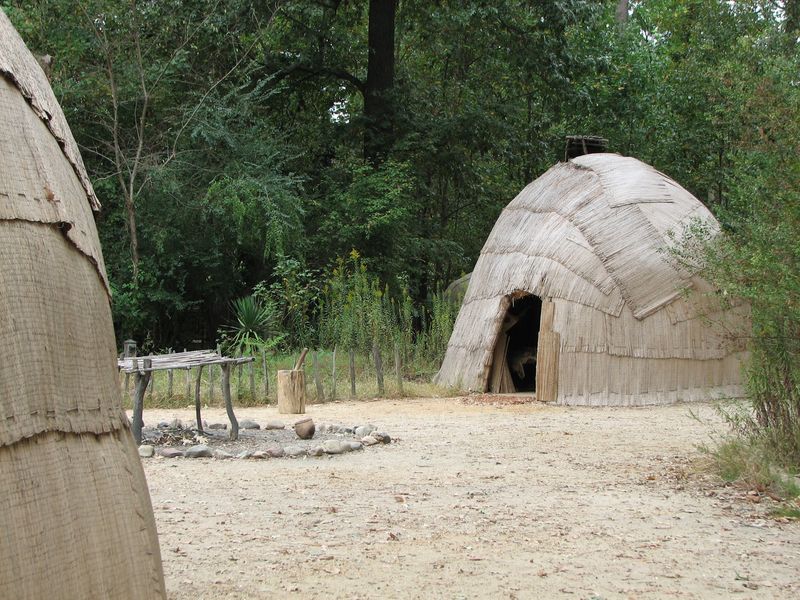
Plot twist time. The best place to understand life before Jamestown might actually be inside Jamestown Settlement.
This living history museum, run by the Jamestown-Yorktown Foundation, includes a recreated Powhatan Indian village based on archaeological findings and historic accounts. It sits just steps from the replica ships and fort, which makes the contrast between two worlds super clear.
Houses called yehakins are covered with woven reed mats and bark. Duck inside one and notice how cozy, practical, and smart the design is, with sleeping platforms and space for a fire.
Interpreters in period clothing show skills like processing deer hides, shaping tools from bone and stone, and making cordage from plant fibers. Gardens nearby grow crops such as corn, beans, and squash, the famous trio that kept families fed.
The indoor galleries deserve your attention too. Exhibits explore Powhatan society, leadership, and beliefs, giving real depth to names you may only know from cartoons.
Honestly, I think this is the perfect spot for families with kids who learn by doing. Touching a hide or grinding corn sticks in the brain way better than a worksheet.
Give yourself a few hours and wear walking shoes, since the outdoor areas cover a lot of ground. Summer gets steamy, so mornings are your friend.
Ending your day at the riverfront, with the village behind you and the ships ahead, sums up this whole trip in one view.
Address: 2110 Jamestown Road, Williamsburg, VA 23185
10. Historic Crab Orchard Museum, Tazewell, Virginia
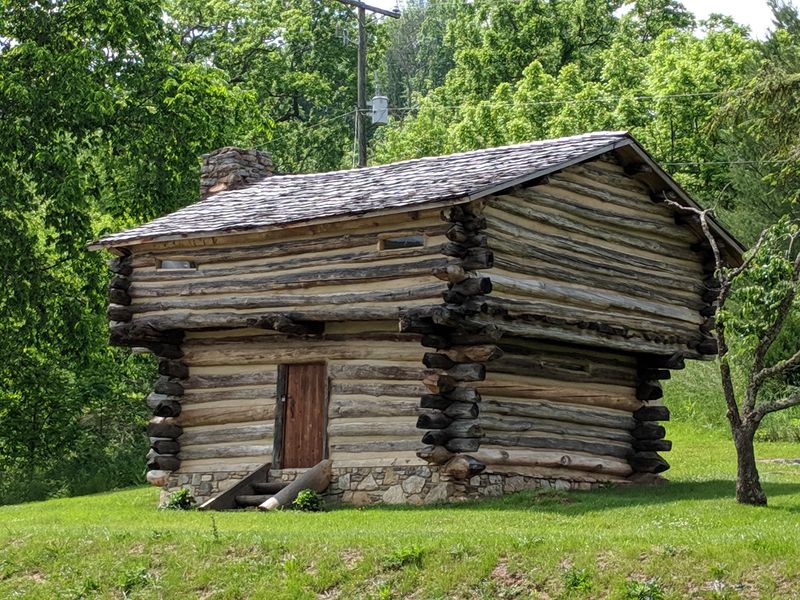
Mountains, valleys, and a mystery village under the grass. Out in far southwestern Virginia, the Historic Crab Orchard Museum sits on land where archaeologists uncovered an ancient Native American town.
That dig revealed signs of a palisaded village with homes, burials, and countless everyday objects. It ranks as an important site for understanding the people who lived in the Appalachian highlands centuries before any colonists crossed the Blue Ridge.
The museum puts many of those finds on display. Expect stone tools, pottery fragments, and other artifacts that show how families farmed, hunted, and traded in these rugged hills.
Exhibits continue the timeline forward with frontier life, coal mining, and local heritage. Walking through feels like flipping a giant history book from the very first page.
Outside, a collection of historic log and stone buildings stretches across the grounds. They tell a later chapter, yet standing among them with the hills all around helps you picture how this valley has drawn people for ages.
The setting is a big part of the charm. Rolling green pastures, misty ridges, and crisp mountain air make the drive worth every curve in the road.
My advice is simple. Plan this one as part of a wider mountain road trip and leave room for scenic overlooks along the way.
Pack a jacket even in summer, since mountain weather loves a surprise. Then go claim your spot in a story that started long before the history books caught up.
Address: 3663 Crab Orchard Road, Tazewell, VA 24651
