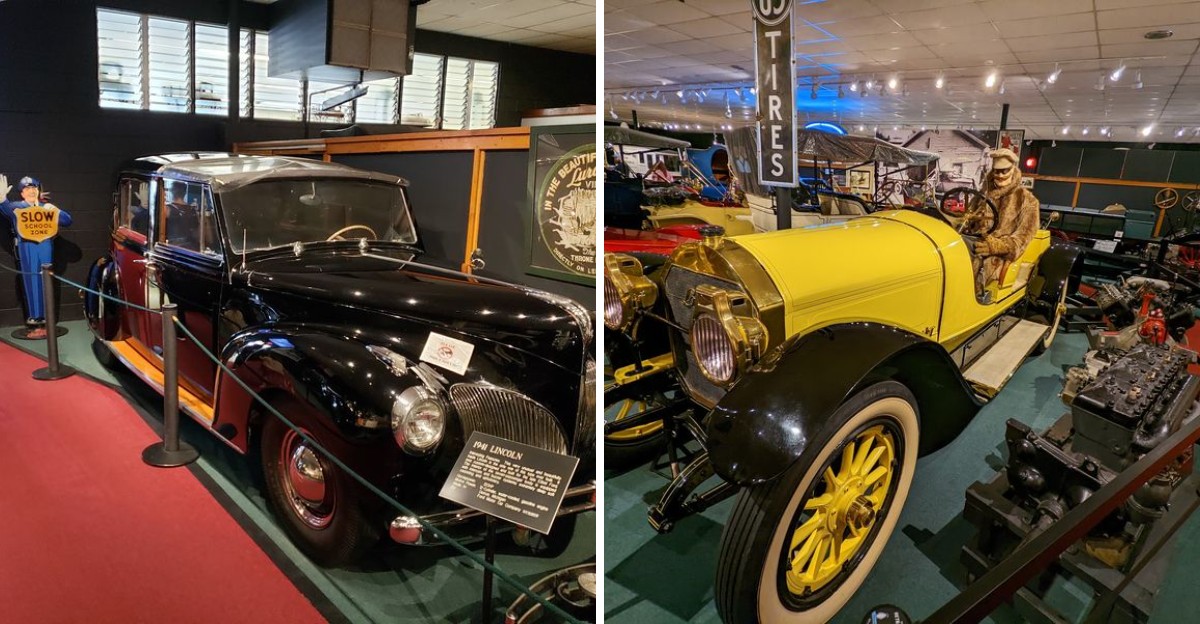
Car lovers know that Virginia has a serious classic car scene. And at the center of it is a museum that ranks among the best in the country.
The Car and Carriage Caravan Museum is home to an impressive collection of vintage vehicles, from early horseless carriages to classic cars that defined their eras. The exhibits are well-preserved and thoughtfully displayed, with informative plaques that tell the story behind each vehicle.
It is the kind of place where you can spend hours just looking and learning. The museum is a destination for enthusiasts and casual visitors alike, offering a glimpse into the history of transportation.
Virginia has plenty of museums, but this one is a must-see for anyone who loves cars. Bring your camera and your curiosity.
A Collection That Rolls Through Two Centuries
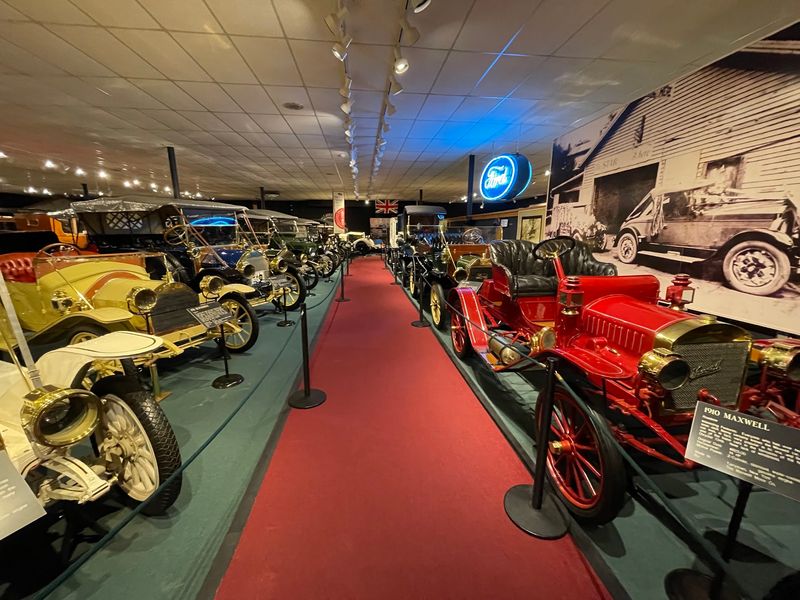
Picture a hallway where the story of getting from A to B unfolds in shiny, chronological order. That is the layout at the Car and Carriage Caravan Museum, and it works beautifully.
You start with horse-drawn carriages, the kind with spoked wheels and seats built for petticoats. A few steps later, brass headlamps and hand-crank engines take over.
Keep walking and the shapes soften, the chrome thickens, and suddenly you are standing in front of machines that look ready to cruise a boulevard.
The collection numbers well over a hundred pieces of transportation history, and the arrangement makes the progression feel almost cinematic. No guide is required.
No headset. Just you, your own pace, and plaques packed with detail.
Car people will linger over engineering quirks. Everyone else will simply enjoy watching design evolve, decade by decade, like a slow-motion makeover show.
Best part? Almost every vehicle here remains in working order, which turns the whole gallery into something closer to a sleeping fleet than a static display.
Give yourself at least an hour. Speed-walkers finish faster, but they miss the good stuff.
The 1892 Mercedes-Benz Steals The Spotlight
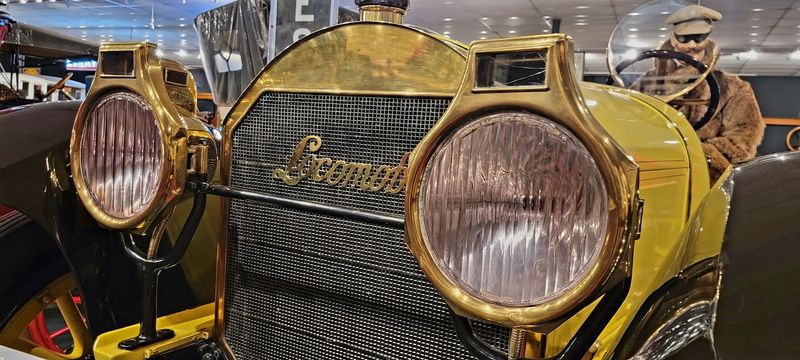
Rarity has a smell, and it is roughly equal parts leather, polish, and old metal. Walk far enough into this gallery and you reach the headliner, an 1892 Mercedes-Benz that predates traffic lights, seat belts, and basically every rule of the road.
Spindly wheels. A carriage-like body.
An engine that looks more like a curious science project than a power plant.
Staring at it, you realize how bold the whole automobile idea once seemed. Someone genuinely believed this contraption would replace horses, and everybody probably laughed.
Nobody is laughing now.
What makes the piece land so hard is the context around it. Carriages sit just behind, modern-looking classics wait just ahead, and this little machine bridges the two worlds like a hinge in history.
Photographers love the angles here, especially the wheel spokes catching gallery light. Take the shot from a low crouch and the thing looks twice as grand.
Vehicles this old rarely survive, let alone stay presentable. Seeing one in central Virginia, rather than a European capital, feels like a genuine plot twist.
Electric Cars Were Cool Before They Were Cool
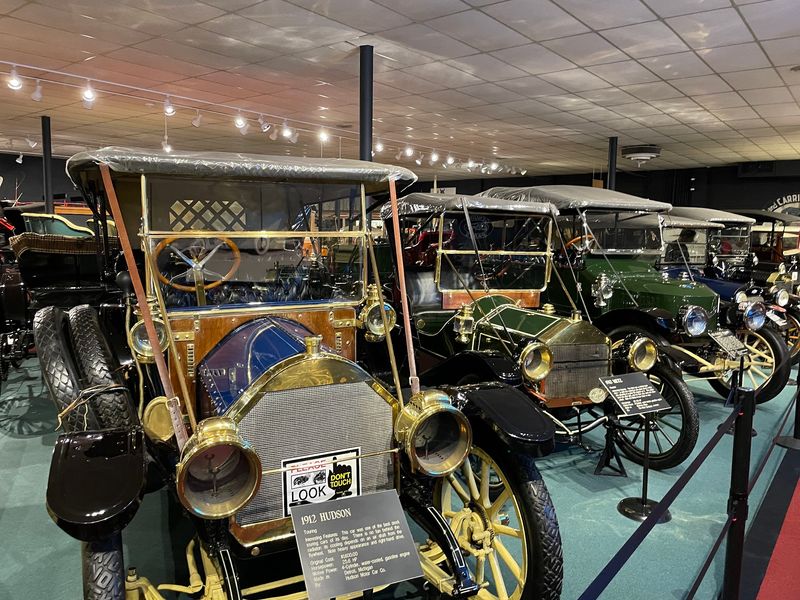
Think battery-powered driving started recently? The 1908 Baker Electric parked in this collection begs to differ.
Tall, boxy, and weirdly elegant, it looks like a phone booth that decided to become a vehicle. No engine roar.
No crank. Just quiet propulsion more than a century before anyone argued about charging stations.
Early electrics were marketed as clean, simple, and easy to operate, which made them popular in cities where fumes and hand-cranking were nobody’s idea of fun.
Then gasoline won the argument, and machines like this faded into museum lighting.
Standing beside it, the whole modern conversation about electric vehicles suddenly feels less like innovation and more like a comeback tour.
Details reward a close look. Etched glass, plush seating, and controls that resemble furniture hardware more than dashboard instruments.
Kids tend to gravitate here because the shape is so odd. Adults tend to linger because the backstory rewrites what they assumed about automotive history.
Among the many surprises tucked inside the Car and Carriage Caravan Museum, this quiet little runabout might be the most thought-provoking one in the building.
Carriages Fit For A Fairy Tale Ending
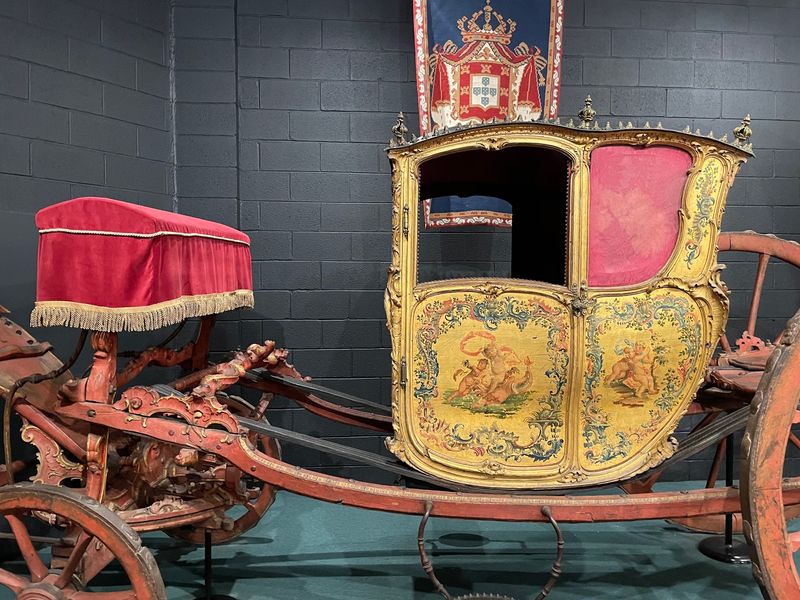
Long before horsepower involved actual horsepower ratings, it involved actual horses. The carriage section here leans hard into that era, and the craftsmanship is honestly staggering.
Curved wooden bodies. Hand-painted trim.
Lanterns mounted like jewelry.
Some pieces date back to the eighteenth century, which means they were rolling across muddy lanes while the country was still figuring out its own name.
You will spot everything from formal coaches built for grand entrances to smaller buggies designed for practical country errands. Each one reflects a different budget, a different purpose, a different social world.
Look closely at the suspension. Leather straps, iron springs, clever tricks meant to soften roads that were basically rutted disasters.
Comfort was a luxury item long before cupholders existed.
Mannequins dressed in period clothing appear throughout the galleries, which adds a theatrical touch and helps the scale click. Suddenly the seats look human-sized rather than doll-house cute.
Fans of storybook aesthetics will find plenty to photograph. Fans of woodworking will find plenty to envy.
Virginia has no shortage of colonial history, but seeing it on wheels hits differently.
Luxury Nameplates Under One Roof
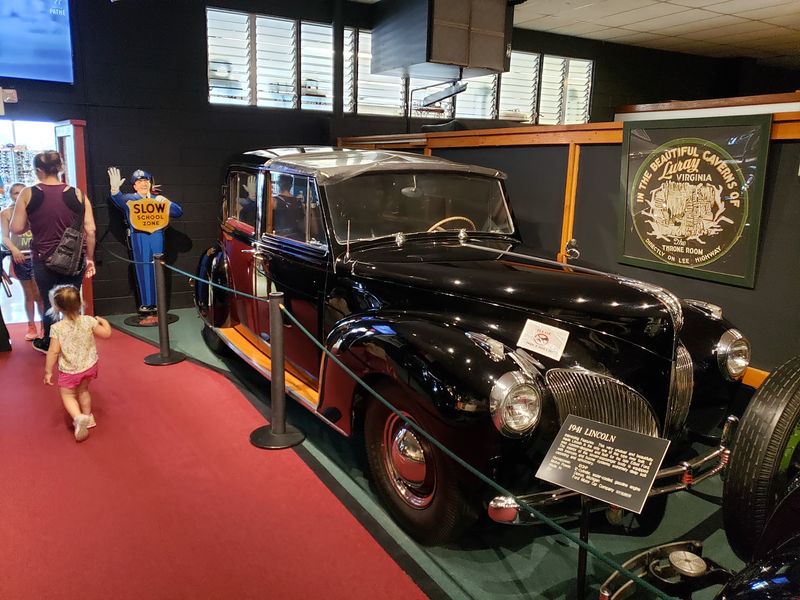
Chrome grilles. Whitewall tires.
Paint so deep you could fall in.
The luxury lineup inside this Luray gallery reads like a wish list from a very expensive dream. Rolls-Royce, Bugatti, and a supporting cast from Ford, Dodge, Chevrolet, Buick, and the wonderfully named Hupmobile.
Each nameplate tells its own story about ambition, engineering, and showing off.
What makes the grouping fun is the contrast. Park a stately English sedan near a scrappy American workhorse and the differences in philosophy jump out instantly.
One was built for gliding. The other was built for going.
Interiors deserve attention too. Hand-stitched upholstery, polished wood dashboards, gauges arranged with the care of a watchmaker.
Details like these explain why certain cars became legends while others became scrap.
Photography is easy since the vehicles sit close enough for clean shots without crowding. Touching, however, is firmly off the table, so admire with your eyes and your camera only.
Automotive royalty in the Shenandoah Valley sounds improbable. Turns out Virginia keeps a rather glamorous garage.
Old Garage Gear That Steals Quiet Attention
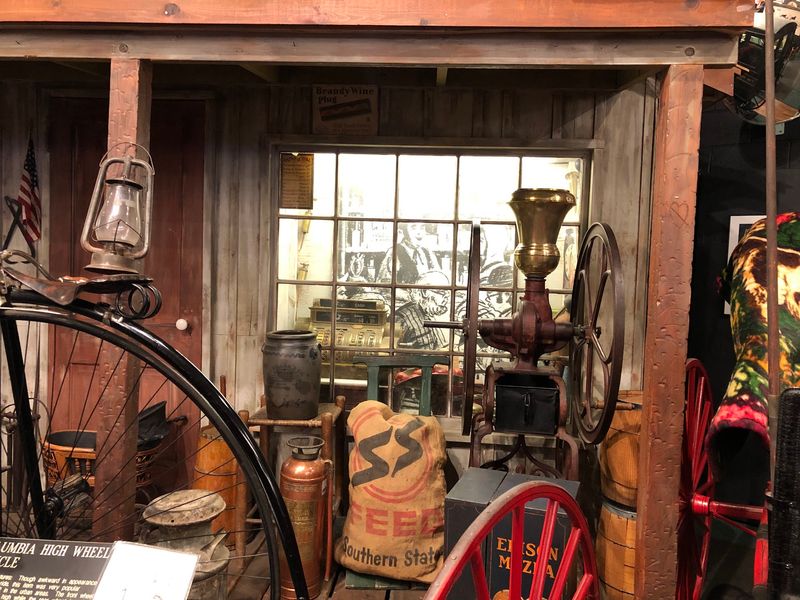
Cars get the glory, but the supporting props here are sneaky good.
Scattered among the vehicles you will find a vintage gas pump, a tire vulcanizer, and an old coil tester, gear that once lived in dusty roadside garages across the country.
Mechanical curiosities like these fill in the world around the automobiles.
Somebody had to patch those tires. Somebody had to pump that fuel by hand.
Somebody had to diagnose a stubborn engine without a single computer readout.
Seeing the tools makes the whole era feel lived-in rather than staged.
There are also vintage children’s items on display, pedal-powered toys and other relics that show how car culture seeped into playtime long before video games existed.
Parents often get a nostalgic jolt here. Kids just think the tiny vehicles look fun.
Plaques throughout explain what each piece did and why it mattered, so nothing feels like random clutter.
Slow down in these corners. The big shiny cars will still be there, and the small stuff adds texture most transportation collections skip entirely.
Your Cavern Ticket Does Double Duty
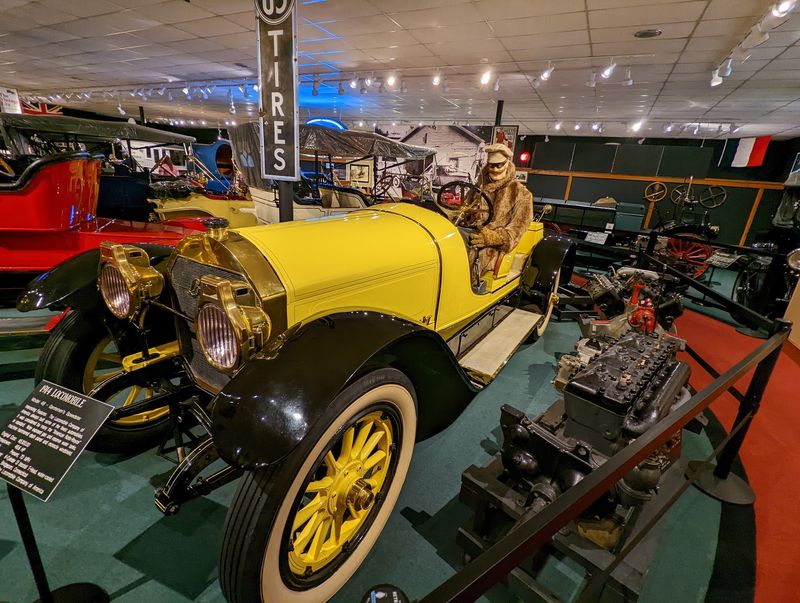
Two attractions, one ticket, zero arguments about value.
Admission to Luray Caverns includes entry to the museum next door, which turns a single stop into a genuinely full day out. Walk the underground chambers first, then surface into a gallery of gleaming machines.
Underground to overdrive. Not a bad itinerary.
Access happens through the gift shop area, so the transition is simple and nobody needs to hunt for a second entrance.
Timing works nicely too. Cavern tours run on a schedule, and the museum lets you explore freely afterward without rushing or waiting in another line.
Plan roughly an hour if you enjoy reading the plaques, less if you prefer a quick walkthrough.
Families tend to appreciate the pairing because the pace changes completely. Cool damp stone gives way to bright open galleries, which resets everyone’s energy.
Skipping the museum after paying for the caverns would be a genuine waste. Plenty of people almost do it, then end up spending far longer inside than expected.
Consider it the bonus track on an already strong album.
Self-Guided Means You Set The Speed
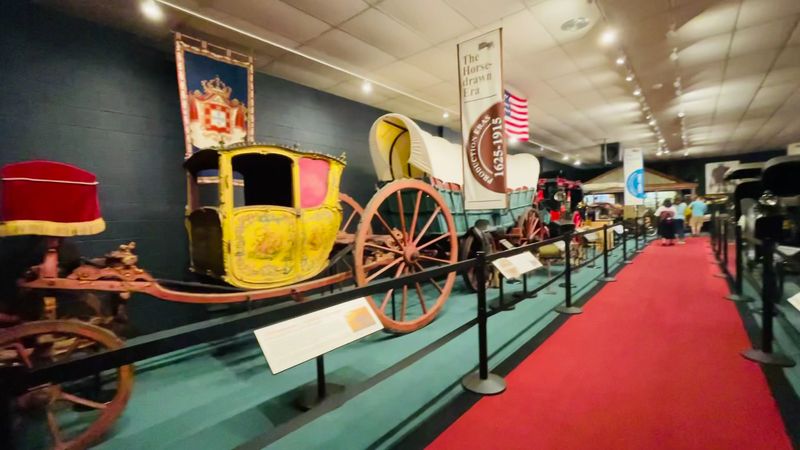
No group shuffling. No guide clapping for attention.
No awkward waiting while somebody asks a very long question.
Everything inside runs on a self-guided format, which means you decide whether to sprint or savor. Read every plaque and you will fill an hour comfortably.
Cruise through and ten minutes gets it done.
Freedom like that suits mixed groups perfectly.
Layout helps enormously. The path flows in a clear line, so nobody doubles back or wonders what they missed.
Information boards accompany each vehicle with production details, historical notes, and the quirks that make individual models interesting.
Lighting is arranged to catch chrome and curves, which explains why the photos come out so well even without fancy camera settings.
Floors are smooth and the space stays clean and well maintained, making navigation easy for strollers and anyone who prefers a level walk.
Quiet reigns most of the time, giving the place a relaxed, unhurried feel that suits the subject matter.
Museums sometimes feel like homework. The Car and Carriage Caravan Museum feels more like flipping through an extremely cool photo album.
A Gift Shop Worth Browsing Before You Go
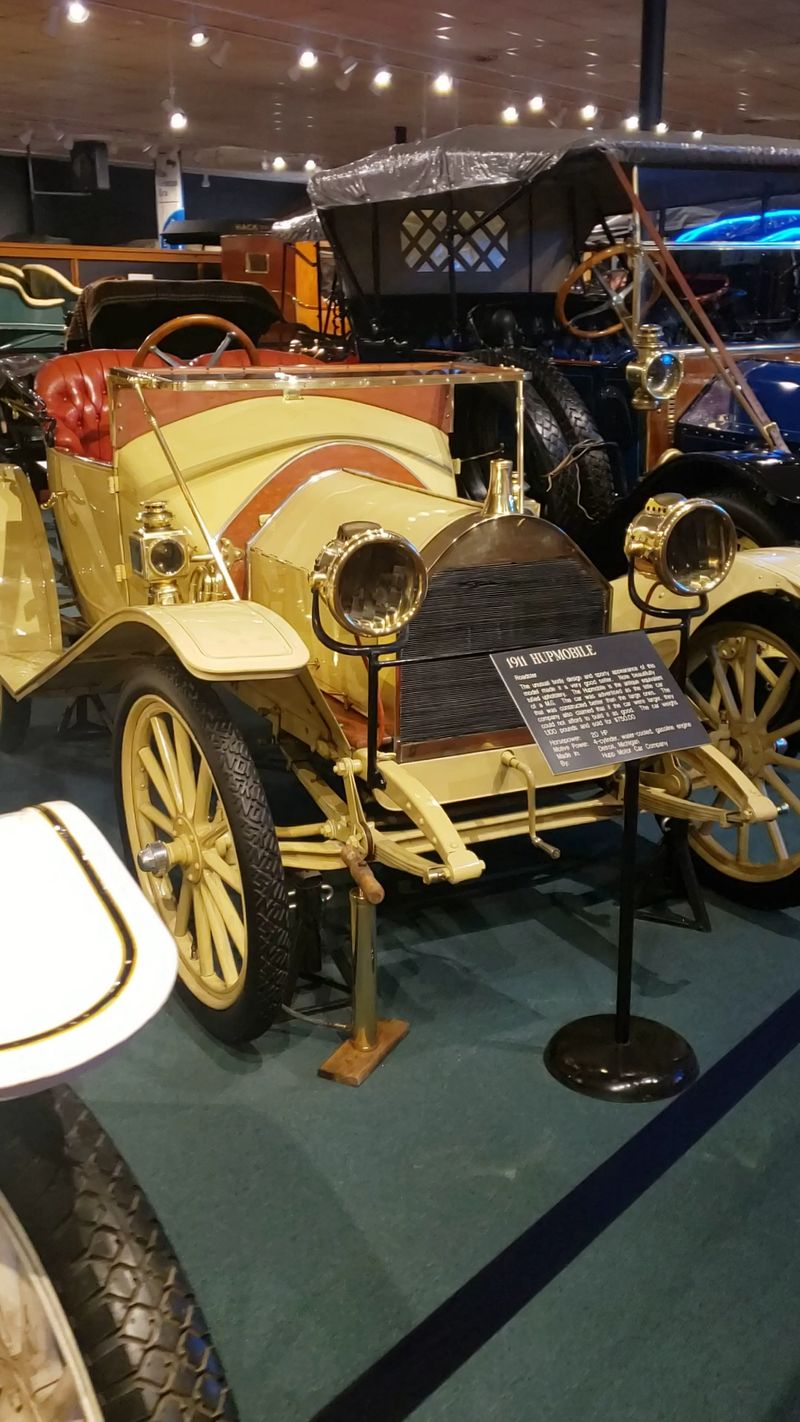
Souvenir shopping usually means keychains and regret. Not here.
The shop attached to the museum leans into the theme with miniature model cars, vintage-style posters, and books covering automotive history.
Collectors find things worth carrying home. Everyone else finds a decent postcard.
Positioning is smart since the shop sits right where the gallery path ends, so browsing feels natural rather than forced.
Model cars tend to be the crowd favorite, especially for kids who just spent an hour looking at vehicles they were not allowed to touch. A tiny version they can hold solves that problem instantly.
History buffs should check the book selection. Titles about early motoring and restoration pop up regularly.
Prices stay reasonable for an attraction gift shop, and the selection connects directly to what you just walked past, which is more than many museum stores manage.
Grab something small. Years later that little die-cast model on a shelf will remind you of a rainy Virginia afternoon spent admiring brass lamps and leather seats.
Consider it the souvenir with an actual story attached.
Planning Your Visit To Cave Hill Road
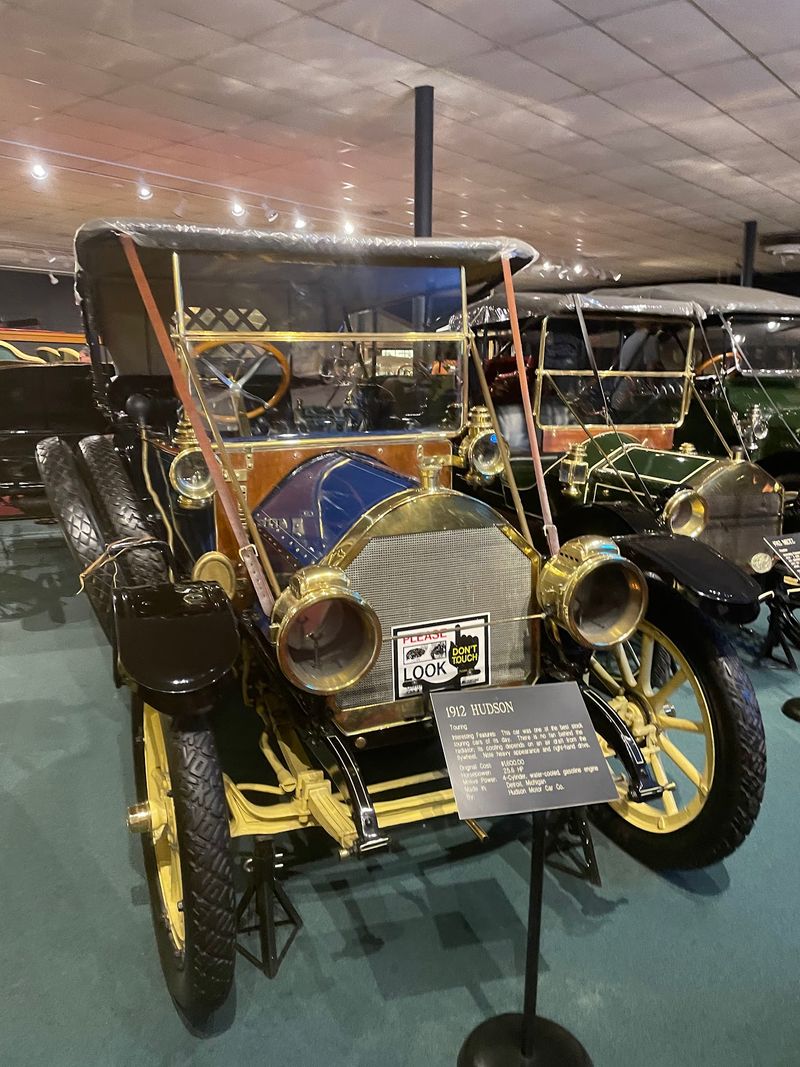
Ready to trade traffic for time travel? Point the GPS toward 101 Cave Hill Rd, Luray, VA 22835, and the rest sorts itself out.
Doors open daily, with the collection welcoming people every day of the week from morning until early evening. Arrive earlier if you want the cavern tour plus a relaxed museum walk.
Parking sits on site and the walk between attractions is short.
Season matters for the surrounding scenery. Autumn paints the Shenandoah Valley in outrageous color, while spring brings green hills and comfortable temperatures for wandering Luray’s small downtown afterward.
Indoor galleries mean weather never cancels the plan, which makes the stop a solid rainy-day backup.
Comfortable shoes help since the caverns involve plenty of walking before you even reach the vehicles.
Photography is welcome, though touching the exhibits is not, so keep curious hands in pockets.
Virginia hides plenty of worthwhile detours along Route 211, but few deliver quite this much variety in a single afternoon.
Pack the camera, clear the schedule, and go see why this valley garage keeps outshining expectations.
