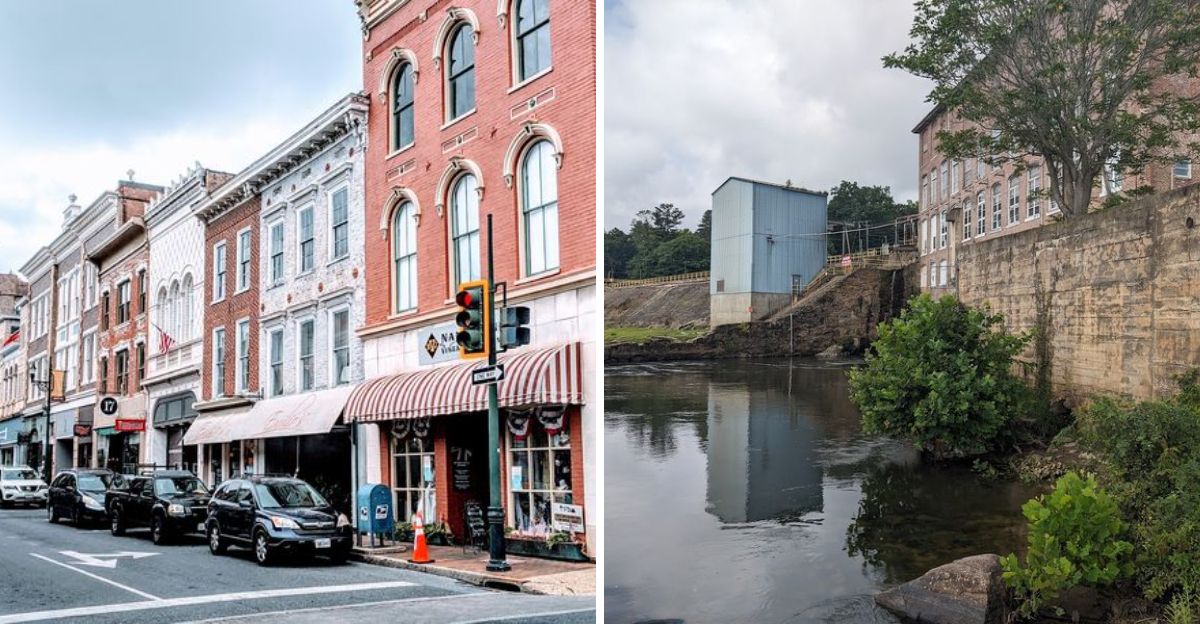
There is a certain kind of small town that has figured out what matters. The main street is still full of local shops, not chain stores.
The diner is still run by the same family that opened it decades ago. And the people who live there are not interested in turning their home into a tourist attraction.
These Virginia small towns refuse to sell their soul for tourist dollars, and that is exactly what makes them worth visiting. I have spent time in each one, and each time I have felt like I was getting a glimpse of something real.
Some are tucked in the mountains, others sit along quiet rivers, and a few are hiding in plain sight. They are not trying to impress you with their charm.
They just are charming, naturally, without the marketing budget. Virginia has plenty of famous destinations, but these towns are for people who want the real thing.
1. Floyd, Mountain Music Traditions
There’s something almost magnetic about Floyd, Virginia, the kind of place that pulls you in with a banjo note and keeps you with a cup of strong coffee and a conversation you didn’t plan to have. The Blue Ridge Mountains wrap around this tiny community like a warm flannel shirt, and the music here isn’t background noise.
It’s the whole point.
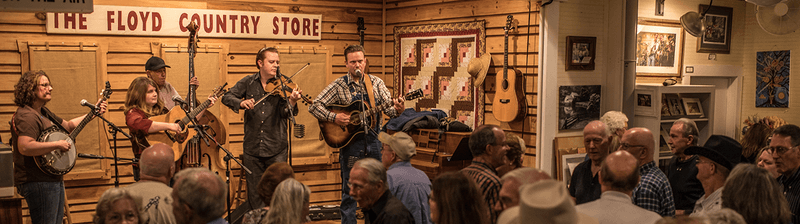
The legendary Floyd Country Store at 206 South Locust Street, Floyd, VA 24091 is the beating heart of it all. This isn’t a souvenir shop with fake antiques.
It’s a living cultural crossroads where musicians show up, set up, and play because they genuinely love it. The Friday Night Jamboree draws cloggers, fiddle players, and flat-footers who treat the wooden floor like a stage.
The Handmade Music School operates out of this same historic building, passing Appalachian traditions to younger generations who actually want to learn them. That continuity feels rare and precious.
The Epperly Mill adds another layer to the experience, sitting beside Dodd Creek with a natural outdoor amphitheater that makes any performance feel cinematic.
The June Bug Center rounds out Floyd’s creative ecosystem by offering community arts programs that go beyond music into visual arts and performance. Floyd doesn’t need a massive marketing budget because the town sells itself through its authenticity.
Every porch, every jam session, and every mountain view does the talking. Come with open ears and leave with something you genuinely can’t buy.
2. Damascus, Unpretentious Hiking Hub
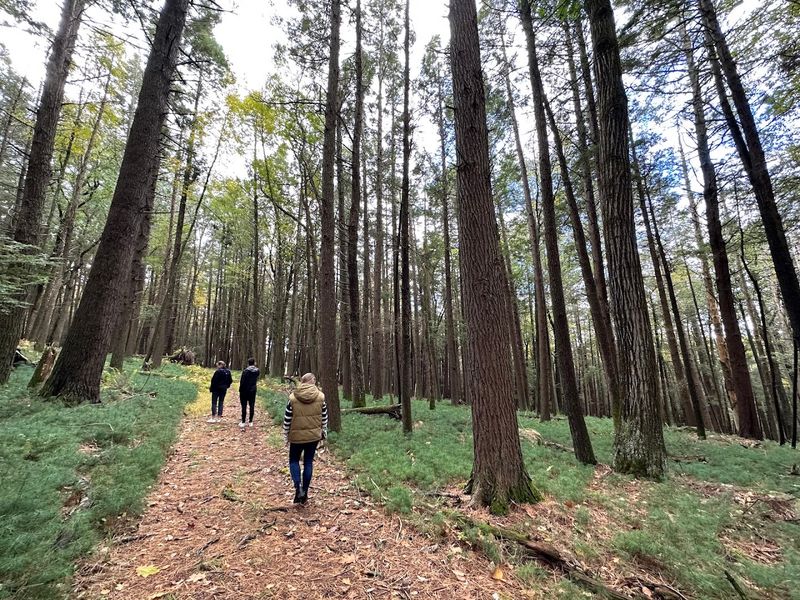
Damascus wears its nickname, Trail Town USA, with zero pretension and maximum pride. Seven nationally recognized trails converge right inside this compact Southwest Virginia community. The Appalachian Trail literally walks through the town park and down Main Street.
That’s not a tourist gimmick. That’s just geography doing its best work.
The Damascus Trail Center at 209 West Laurel Avenue, Damascus, VA 24236 is the ideal first stop. It’s stocked with exhibits about the region’s trail systems and natural resources, and it’s the kind of place where you can grab information without feeling like you’re being upsold anything.
The staff genuinely want you to enjoy the outdoors, full stop.
The Damascus Old Mill Restaurant is located at 215 West Imboden Street, Damascus, VA 24236. It delivers a seriously satisfying meal inside a beautifully restored grist mill overlooking a waterfall. The setting alone is worth the detour.
For something more casual, the Damascus Diner at 109 South Shady Avenue, Damascus, VA 24236 serves hearty classics in an atmosphere that feels like a local secret.
The Virginia Creeper Trail, from Whitetop Station to Damascus, is currently undergoing repairs and is expected to reopen by March 2027. However, the remaining portions still offer plenty of adventure. Damascus doesn’t need bells and whistles to impress.
The mountains, the trails, and the honest hospitality do everything necessary. Pack your boots, leave your expectations at the trailhead, and just go.
3. Wytheville, Appalachian Artisan Culture
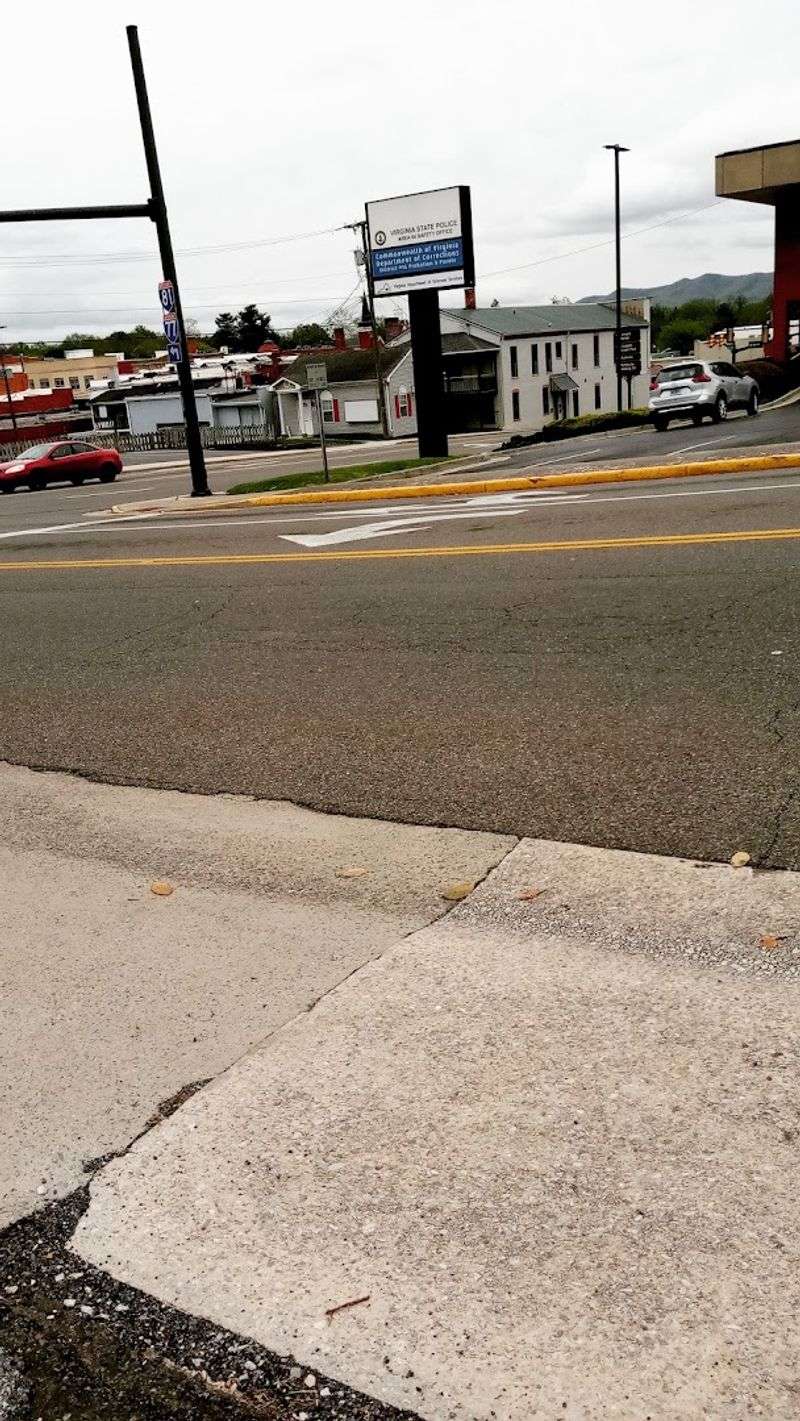
Wytheville is the kind of town that sneaks up on you. You might pass through expecting nothing remarkable and leave genuinely impressed by how much creative energy is packed into its streets and surrounding landscape.
Appalachian artisan culture isn’t a marketing tagline here. It’s the actual fabric of daily life.
The Big Walker Lookout at 8711 Stoney Fork Road, Wytheville, VA 24382 is an early highlight. Climbing the observation tower rewards you with sweeping Appalachian views that make every step worthwhile.
The Big Walker Country Store below stocks handmade crafts from more than two dozen regional creators, offering locally produced jams, fudge, and hand-dipped ice cream that reflect genuine heritage rather than manufactured nostalgia.
For hands-on creativity, the DIY Craft Studio at 165 Tazewell Street, Wytheville, VA 24382 runs workshops and classes that put artistic tools directly in your hands.
The Haller-Gibboney Rock House Museum is located at 205 East Tazewell Street, Wytheville, VA 24382. It provides historical grounding through its beautifully preserved limestone home built in the early 19th century.
Period furnishings and artifacts paint a vivid picture of early community life.
The Thomas J. Boyd Museum at 295 Tazewell Street, Wytheville, VA 24382 deepens that historical understanding with local artifacts and exhibits that feel thoughtfully curated rather than dusty and forgotten.
And yes, the smallest church in Virginia sits at 1090 Nye Road, Wytheville, VA 24382, a quirky roadside gem that perfectly captures the town’s unpretentious personality. Wytheville rewards the curious traveler every single time.
4. Fries, Historic Textile Town
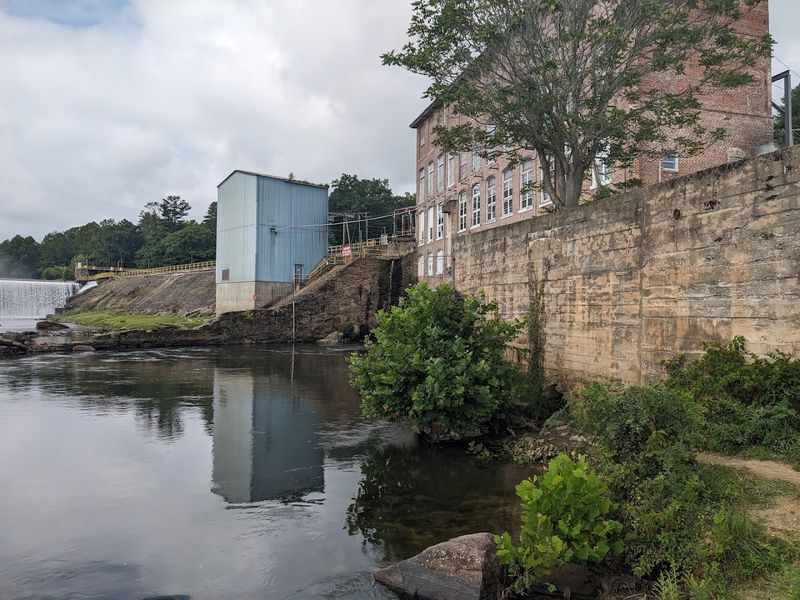
Fries sits quietly along the New River like a town that has made peace with its own history. The name rhymes with “freeze,” a detail locals will correct you on with a patient smile, and that gentle correction itself tells you something about the place.
This is a community that knows exactly who it is and doesn’t need your approval to feel good about it.
The town grew up around the textile industry, and that heritage is written into the architecture, the layout of the streets, and the rhythm of the place.
Walking through Fries feels like flipping through a well-worn history book, except the pages are brick buildings and old storefronts that haven’t been polished into boutique hotels or artisan coffee shops.
That restraint is genuinely refreshing.
The New River provides a beautiful natural backdrop that softens the industrial history with something green and moving and alive. Fishing, paddling, and simply sitting by the water are the main attractions here, and they cost nothing.
The Dollar General at 806 East Main Street, Fries, VA 24330 serves as a reminder that this is a working community, not a theme park version of one.
Fries isn’t trying to compete with anyone. It’s not chasing a Condé Nast mention or a spot on a trending travel list.
What it offers instead is something increasingly rare: an honest look at a chapter of American industrial and community life that shaped an entire region. Come here for the quiet, the river, and the realness.
5. Onancock, Unspoiled Historic Port
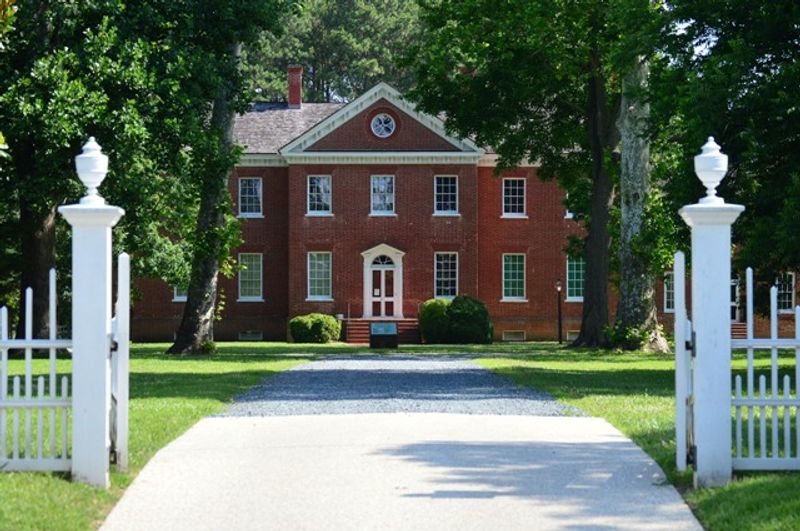
Onancock is one of those Eastern Shore towns that rewards patience. It doesn’t shout for attention.
It simply exists along its tidal creek with a confidence that comes from centuries of maritime life, and the longer you stay, the more it reveals. The wharf alone is worth the drive across the Chesapeake Bay Bridge-Tunnel.
The Onancock Wharf and Marina at 2 Market Street, Onancock, VA 23417 is the town’s social and commercial anchor. A public boat ramp, kayak and paddleboard launch, and a genuine working waterfront atmosphere make this spot endlessly appealing for anyone drawn to the water.
The Tangier Island Ferry also operates seasonally from this address, although service has been suspended for the time being.
Mallards at the Wharf, also at 2 Market Street, Onancock, VA 23417, offers waterfront dining that feels earned rather than engineered. Bizzotto’s Gallery Cafe is located at 41 Market Street, Onancock, VA 23417. It combines original artwork with a fine dining experience that turns a meal into something genuinely memorable.
Both spots feel like they belong to the town rather than being dropped in for tourist consumption.
The Dogwood Branch Consignment Shop is located at 61 Market Street, Onancock, VA 23417. It supports the Eastern Shore of Virginia Historical Society through sales of quality home goods, a clever and community-minded approach to retail. The Onancock Farmer’s Market at 22 North Street, Onancock, VA 23417 rounds out the local flavor.
This port town has all the ingredients for a perfect weekend without a single manufactured attraction in sight.
6. Wachapreague, Tiny Working Waterfront
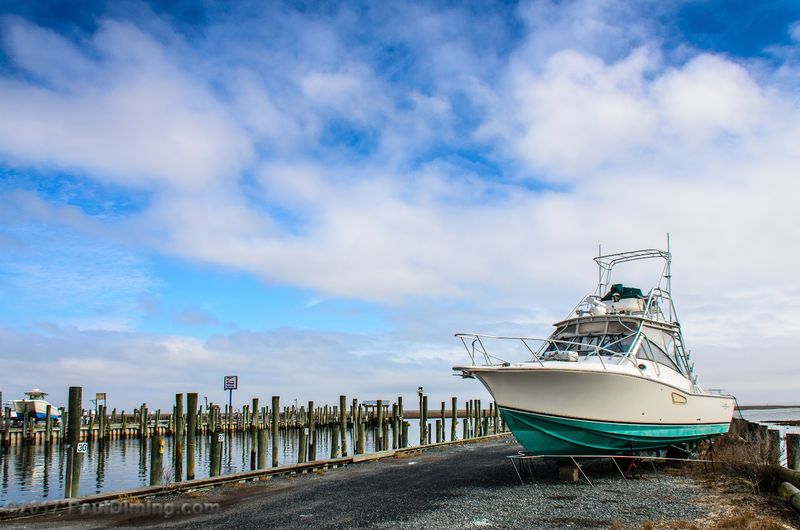
Wachapreague carries its title, the Flounder Capital of the World, with the kind of easy confidence that only comes from actually earning it. This tiny community on Virginia’s Eastern Shore isn’t performing a version of coastal life for outsiders.
It’s simply living it, loudly and without apology, one fishing boat departure at a time.
The Wachapreague Town Marina at 32 Atlantic Avenue, Wachapreague, VA 23380 is the operational heart of the village. A floating kayak launch makes it easy to slip out onto Bradford Bay, where the marshes and barrier islands create a landscape that feels genuinely wild.
The marina buzzes with watermen going about their actual work, which is far more interesting to watch than any staged attraction.
The rhythm here is set by tides and weather, not by peak tourist season or Instagram algorithms. Early mornings smell like salt air and diesel, afternoons stretch long and quiet, and evenings bring a stillness that city dwellers tend to forget exists.
Wachapreague is the antidote to overscheduled travel.
A historic property known as Bunting Placeis also called Mapp Farm and Nickawampus Farm. It sits about a mile north of the marina and adds a layer of agricultural and architectural history to the waterfront narrative. No street number is publicly listed, but it’s easy to spot near the water.
Wachapreague doesn’t need a gift shop or a craft brewery to justify a visit. Its authenticity is the attraction, and that’s more than enough.
7. Staunton, Victorian Architectural Districts
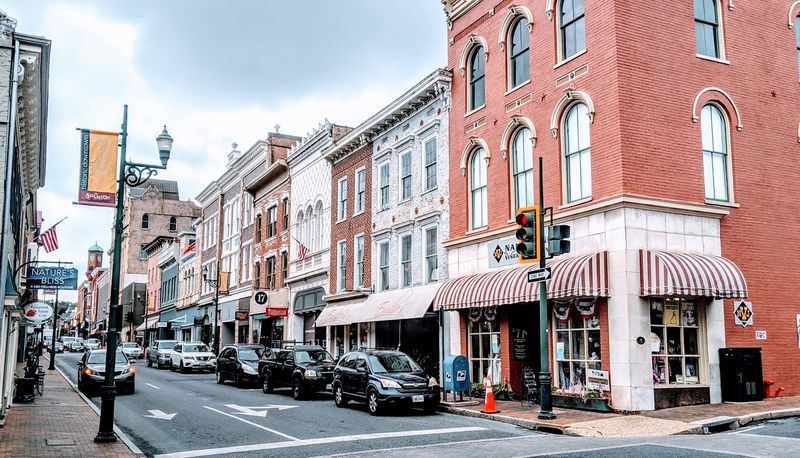
Staunton is architecturally intoxicating, and I mean that in the most sober and enthusiastic sense possible. Six historic districts spread across this Shenandoah Valley city, each offering a different chapter of the same beautiful story.
The sheer density of well-preserved 19th-century buildings here is staggering, and none of it feels like a museum piece. People actually live and work inside these gorgeous structures.
The Beverley Historic District anchors downtown with standout buildings at every turn. The National Valley Bank at 12-14 West Beverley Street dazzles with its Beaux-Arts facade and a stunning oval stained glass skylight inside.
The Gooch and Hoge Building at 15-23 West Beverley Street brings Italianate details that make you want to slow down and actually look at what’s above the storefronts.
The Newtown Historic District, Staunton’s earliest residential neighborhood, lines its tree-shaded streets with Federal, Greek Revival, and Victorian homes that feel lived-in and loved. Trinity Episcopal Church, an 1855 Gothic Revival structure, adds spiritual and architectural weight to the area.
Staunton also punches well above its weight in the performing arts.
The American Shakespeare Center’s Blackfriars Playhouse is located at 10 South Market Street, Staunton, VA 24401. It offers Shakespeare performed in a historically accurate recreation of his original indoor theatre.
The historic Dixie Theatre is located at 125 East Beverley Street, Staunton, VA 24401. It’s an Italian Renaissance Revival gem from 1913, being transformed by the Arcadia Project into a cultural center for cinema, events, and performing arts.
Staunton earns every bit of admiration it receives.
8. Buchanan, Scenic River Recreation
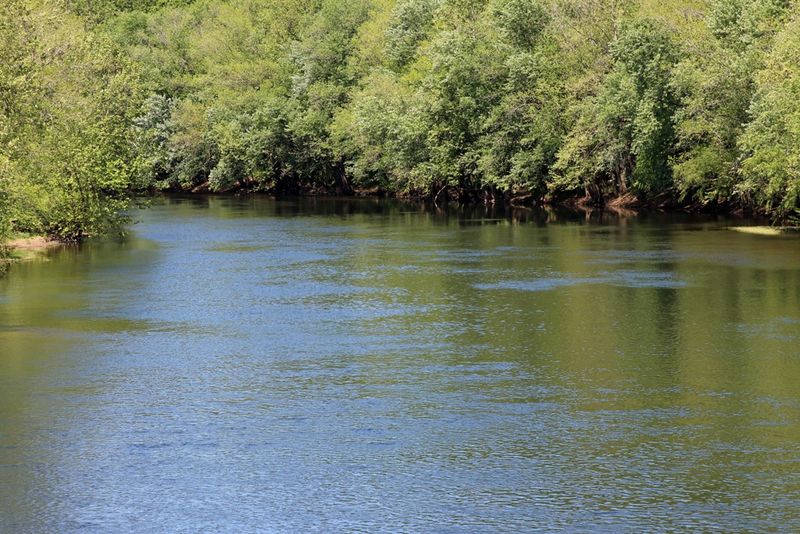
Buchanan has the kind of setting that makes you wonder why it isn’t more crowded, and then you immediately feel grateful that it isn’t. The James River carves through this small town with quiet authority.
It’s flanked by the Blue Ridge and Allegheny Mountains in a way that makes every view feel like a painting you’d actually want to hang in your living room.
The Upper James River Water Trail is the star attraction. It’s accessible from the Buchanan Town Park at 485 Lowe Street, Buchanan, VA. Launching a canoe or kayak here and paddling downstream is an experience that recalibrates your sense of time in the best possible way.
Tubing and fishing are equally popular, and the river’s Scenic River designation means the surrounding landscape has been protected from the kind of overdevelopment that ruins so many waterways.
The Appalachian Trail and the Blue Ridge Parkway are both within easy reach via Parkway Drive, offering hikers a range of options from casual strolls to genuinely challenging treks. Apple Orchard Falls, accessed via Route 614 on Arcadia Road, rewards those willing to tackle its 7.5-mile loop with one of the most spectacular waterfalls in the region.
The payoff is absolutely worth the effort.
Limestone Park along the James River provides family-friendly amenities including a playground alongside river access for paddling and swimming. No public street number is listed for the park, but it’s easy to find near the riverbank.
Buchanan doesn’t dress itself up, and that’s precisely what makes it so completely irresistible to anyone who loves the outdoors.
9. Woodstock, Shenandoah Agricultural Heritage
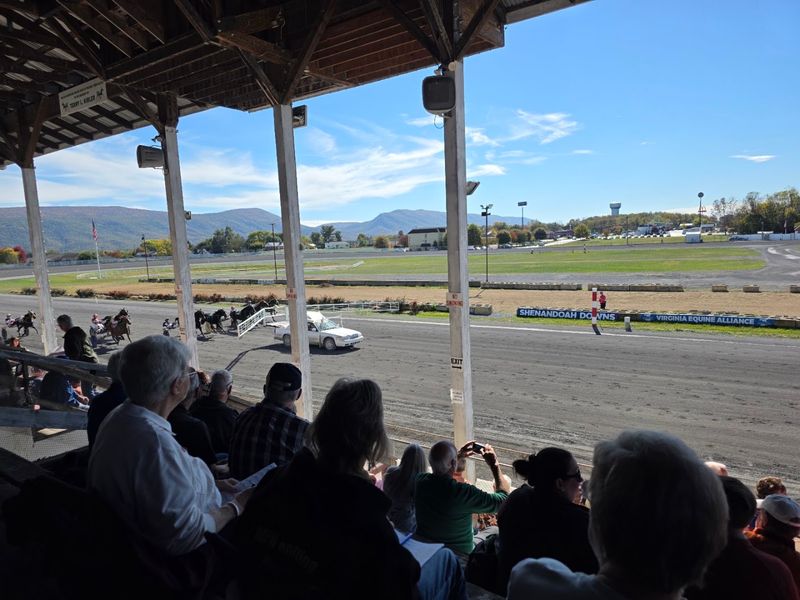
Woodstock grounds you instantly. There’s something about the Shenandoah Valley’s wide, flat farmland stretching toward the Massanutten Mountain ridge that makes the noise of everyday life drop away the moment you arrive.
This is a town built on soil and seasons, and it wears that agricultural identity with unforced pride that feels genuinely earned.
The downtown Farmers Market at Central Avenue and Court Street, Woodstock, VA 22664 runs every Saturday from May through October. It’s filling the town center with local growers, bakers, and producers who know their customers by name.
Massanutten Mountain honey shows up regularly, alongside fresh berries, farm eggs, pastries, and locally raised meats that taste like they’re supposed to taste.
A second market location at Fort Valley Nursery, 1175 South Hisey Avenue, Woodstock, VA 22664, extends the season from April through October, also on Saturdays. Having two active markets in a town this size signals a community that takes its relationship with local food seriously.
This isn’t a trendy pop-up. It’s a tradition.
Beyond the markets, Woodstock’s appeal lies in its refusal to reinvent itself for outside approval. The historic courthouse, the tree-lined streets, and the surrounding farmland create an atmosphere that feels genuinely rooted in place and time.
Virginia’s Shenandoah Valley has produced many beautiful towns, but Woodstock stands apart for its commitment to the agricultural rhythms that built it. Come on a Saturday morning, fill a bag with local produce, and let the valley do the rest of the work.
10. Farmville, Rich Civil Rights History
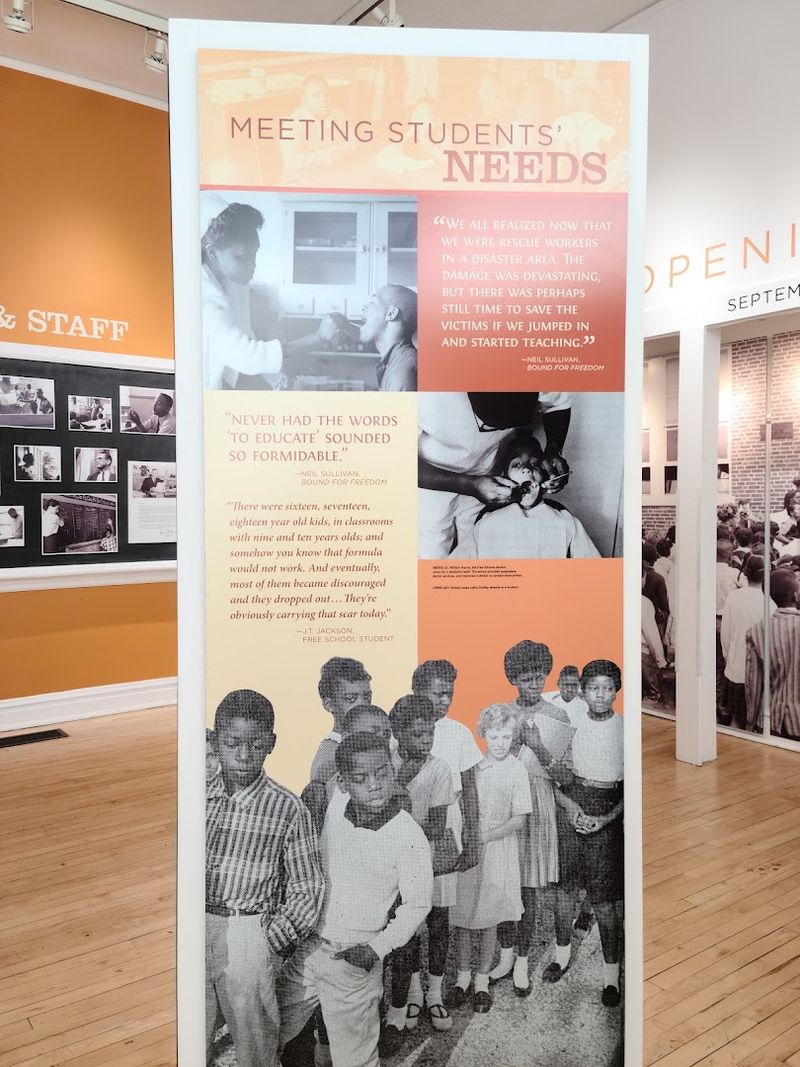
Farmville carries a weight that most small towns simply don’t have, and it carries it with remarkable dignity. This is the town where a sixteen-year-old named Barbara Johns walked out of school in 1951 and changed the course of American history.
Her courage, and the courage of her classmates at Moton High School, set off a chain of events that reached all the way to the Supreme Court.
The Robert Russa Moton Museum at 900 Griffin Boulevard, Farmville, VA is a National Historic Landmark and the most important stop in town. The student strike launched here became the only student-initiated case included in the landmark Brown v.
Board of Education decision. Walking through the museum feels like standing inside a moment that mattered enormously, and still does.
The self-guided Civil Rights Walking Tour through downtown Farmville connects seventeen stops that map out the full scope of the movement’s local history. The First Baptist Church at 100 South Main Street, Farmville, VA served as a crucial organizing center during the most intense years of the struggle.
The High Street Monuments at the intersection of Randolph and High Streets offer a place for quiet reflection and genuine tribute to those who fought for equal education.
Farmville also surprises with outdoor recreation. High Bridge Trail State Park stretches 31 miles and features the High Bridge, the longest pedestrian bridge in Virginia, soaring above the Appomattox River with views that are nothing short of spectacular.
The history and the scenery together make Farmville one of the most complete and compelling destinations in the entire state.
