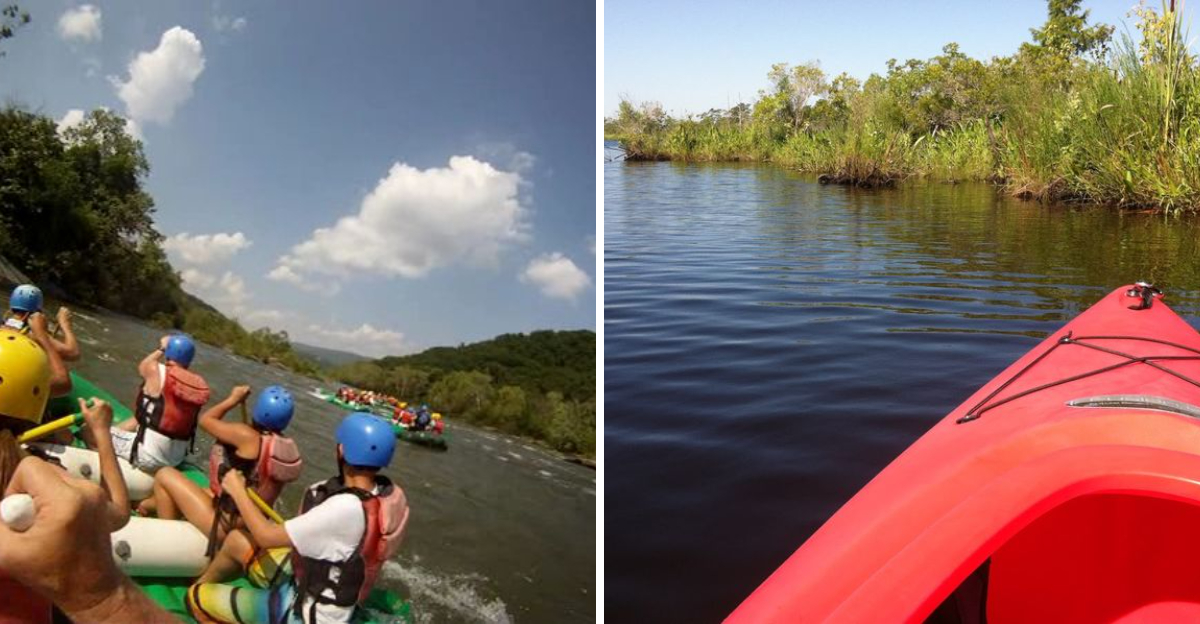
There is something about being on the water that makes everything else fade away. The sounds of the city are replaced by the splash of your paddle and the call of birds.
The heat is softened by the breeze. This list has nine Virginia water trails that are made for a perfect day of kayaking.
I have paddled each one, and each time I have come back feeling like I had been somewhere. Some are rivers that wind through forests, others are lakes with wide-open views, and a few wind through marshes with the kind of quiet that is hard to find.
The trails are suitable for different skill levels, so whether you are a beginner or an experienced paddler, there is something here for you. Virginia has plenty of water, but these trails are designed for kayakers who want to explore.
1. Mathews Blue Water Trails
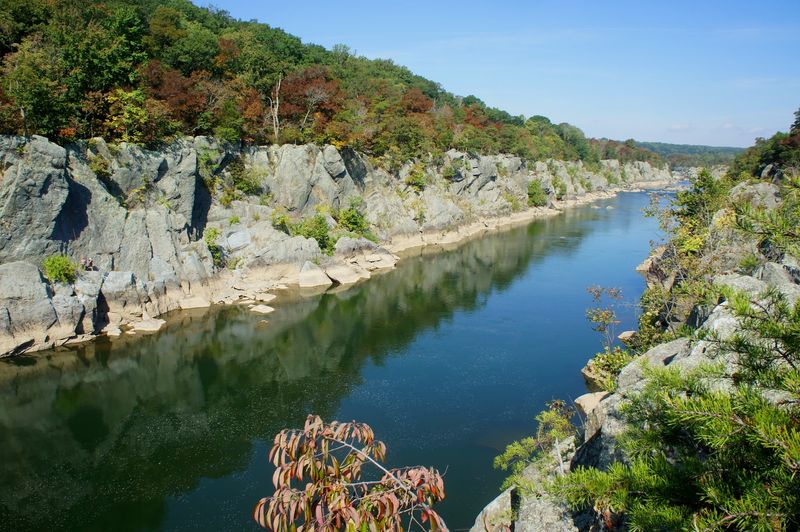
Tucked into a quiet corner of Chesapeake Bay country, the Mathews Blue Water Trails stretch across more than 100 miles of protected bays. It’s winding salt marshes, and open coastal waters that feel completely removed from the modern world.
I launched from Williams Wharf Landing on the East River, and within minutes the only sounds were the soft pull of my paddle and the distant cry of an osprey overhead.
The floating docks and shoreline walkways at Williams Wharf Road make it one of the easiest and most welcoming entry points on the entire trail system.
Paddling toward New Point Preserve as the afternoon light shifts is one of those experiences that stays with you. The observation walkway at New Point Comfort Lighthouse Observation Deck offers a completely different perspective on this historic coastal beacon, and approaching it by kayak makes it feel genuinely earned.
Mobjack Bay opens up beautifully from this direction, and the sunset views are nothing short of spectacular.
Mathews County has its own quirky rhythm on land, too. Donk’s Theater, famously known as Virginia’s Lil Ole Opry, delivers foot-stomping country music shows that feel wonderfully out of time.
The Bay School Community Arts Center on Main Street showcases regional talent, while the Mathews Museum brings the county’s coastal heritage to vivid life. On Saturday mornings between April and October, the Farmers Market at Historic Mathews Courthouse Square is the perfect place to grab something fresh before hitting the water again.
This whole corner of Virginia rewards the curious paddler generously.
2. Eastern Shore Water Trails
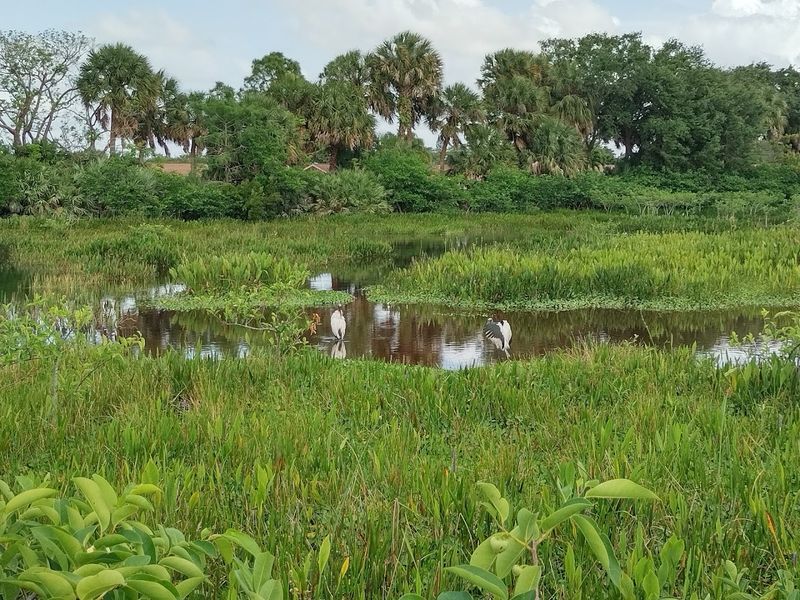
Virginia’s Eastern Shore is the kind of place that makes you question why you ever paddled anywhere else. Stretching along a narrow 70-mile peninsula, the Eastern Shore Water Trails split into two distinct personalities.
The Atlantic-facing Seaside Water Trail runs from Cape Charles all the way to Chincoteague Island. It’s connecting with the legendary Assateague National Seashore, while the Bayside Water Trail hugs the Chesapeake side from Kiptopeke State Park up to Pitts Wharf in New Church.
What makes this system genuinely extraordinary is the sheer wildness of it all. These barrier islands and tidal marshes are some of the most ecologically intact on the entire East Coast. The birdlife here between April and August is absolutely staggering.
Ground-nesting shorebirds pack the islands during those months, so keeping your kayak at a respectful distance and simply watching from the water is actually the best seat in the house.
Launching options are plentiful and well-maintained. Public kayak launches in Northampton County at Oyster Harbor, Willis Wharf, and Morley’s Wharf all offer solid access to the broader trail network.
The Saxis Park Kayak Launch on Dennis Lane just off Matthews Road provides another reliable starting point. After a full day of paddling through channels and across open bays, Cape Charles Beach offers a gorgeous place to decompress.
Chatham Vineyards in Machipongo and Holly Grove Vineyards in Franktown are both lovely spots to round out an already spectacular day on the Eastern Shore.
3. Captain John Smith Chesapeake National Historic Trail
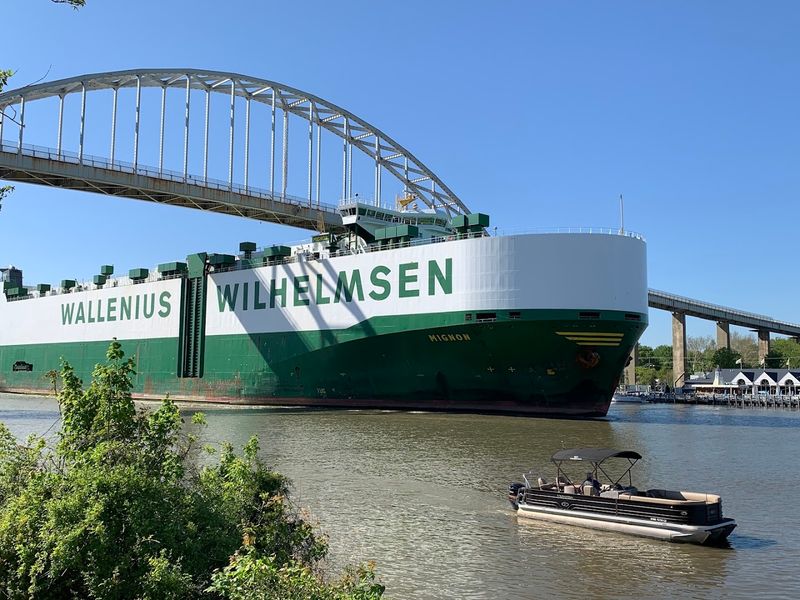
There is something undeniably powerful about paddling the same waters that Captain John Smith explored centuries ago. The James River Segment of the Captain John Smith Chesapeake National Historic Trail delivers broad, unhurried tidal waters and a sense of historical weight that no museum exhibit can quite replicate.
I always feel the pull of those early colonial stories most acutely when I am actually on the river, watching a bald eagle circle above the tree line.
Bald eagle sightings along this stretch are remarkably common, and spotting one perched on an ancient riverside oak adds a regal quality to the whole experience.
It’s launching from Powhatan Creek Park and Blueway at 1831. Jamestown Road in Williamsburg puts you right at the intersection of the tranquil creek and the wider James, with the silhouette of Historic Jamestown visible across the water.
The James City County Marina at 2054 Jamestown Road is another excellent option, offering rentals for those who prefer not to haul their own gear.
Jamestown Beach Event Park provides yet another paddlecraft launch, and floating near Jamestown Island feels genuinely cinematic. The waters here carry a story at every bend.
After drying off, the surrounding area is rich with things to explore on foot. Historic Jamestown and Colonial Williamsburg both bring that early American narrative to life with remarkable depth.
York River State Park at 9801 York River Park Road in Williamsburg also opens up paddling on Taskinas Creek, extending your adventure into the broader Chesapeake system that Smith himself charted.
4. North Landing River Blueway
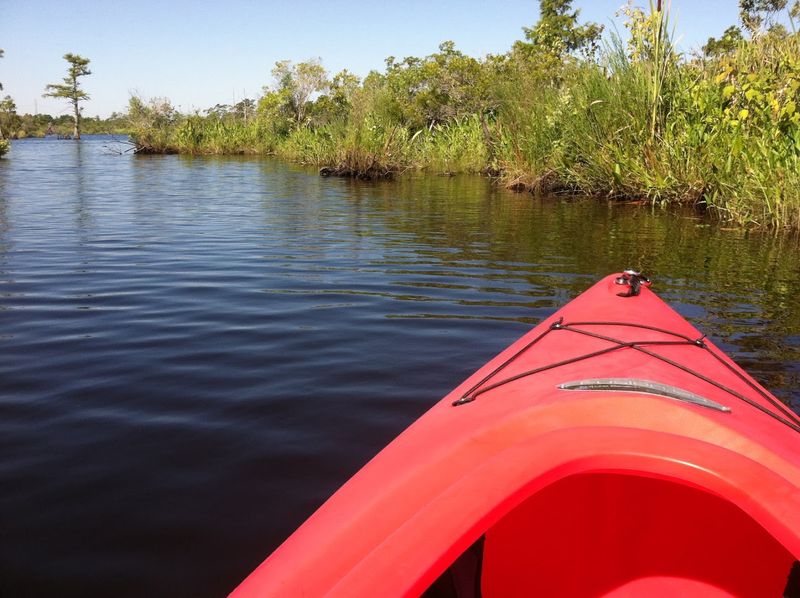
Not every great paddle requires a mountain backdrop or a rushing current. The North Landing River Blueway makes a compelling case for slow, atmospheric exploration through one of Virginia’s most hauntingly beautiful freshwater environments.
Dark, tannin-stained water winds through dense stands of ancient bald cypress, their gnarled knees jutting from the surface like something from a fever dream. I found the silence here almost physical, the kind that settles over you and makes the rest of the world feel very far away.
As Virginia Beach’s only State Scenic River, the North Landing River earns that designation with ease. Stumpy Lake Natural Area is at 4797 Indian River Road.
It offers an ADA-compliant launch that drops you directly into a lake ringed with bald cypress, and the otherworldly quality of that landscape hits immediately.
Munden Point Park at 2001 Pefley Lane provides a free soft launch for non-motorized crafts, and the paddle up Oakum Creek from that point is one of my personal favorites on this entire trail system.
Pungo Ferry Landing Park at 2272 Old Pungo Ferry Road adds another soft launch option for those who want flexibility in their route planning. First Landing State Park is at 2500 Shore Drive in Virginia Beach.
It rounds out the network beautifully, offering a network of lagoons, tidal marshes, and swamp channels that share this region’s signature cypress character.
Whether you spend an hour or a full day out here, the North Landing River Blueway consistently delivers a paddling experience that feels genuinely unlike anything else in the state.
5. Shenandoah River Water Trail
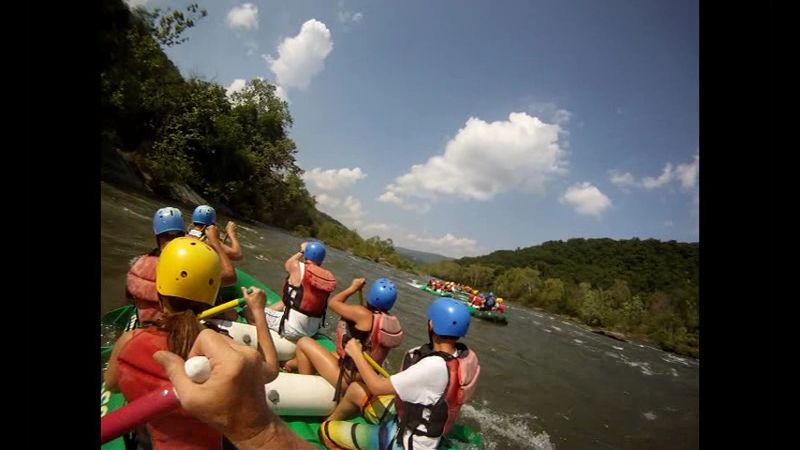
Few rivers in the eastern United States can match the visual drama of the Shenandoah. It’s floating the Shenandoah River Water Trail in Page Valley.
It means spending your day surrounded by the full, sweeping presence of the Blue Ridge Mountains, their ridgelines reflected in water so clear you can read the limestone riverbed below your kayak.
The North Fork carves through a karst landscape of ancient bedrock ledges and natural formations that make every bend feel like a small geological revelation.
The famous Seven Bends section between Woodstock and Edinburg is a particular highlight. This is where the river loops so tightly through the valley that you can almost see where you started from where you are heading.
There is mild whitewater scattered throughout, nothing intimidating, but enough to keep things lively and your paddle working.
Summer can bring lower water levels on some stretches, occasionally requiring a short portage, but that is a small price for a river this consistently beautiful.
Timberville Memorial Park at the corner of 5th Avenue and Memorial Park Drive in Timberville is a solid and convenient launch point. The Meems Bottom access where Route 730 crosses the North Fork near Mount Jackson offers a more hands-on, rustic entry onto the water.
After a day on the Shenandoah, the Page Valley rewards continued exploration. Luray Caverns sits just minutes away, a genuinely jaw-dropping underground world that provides the perfect contrast to a sun-soaked river day.
Shenandoah National Park and Skyline Drive add even more dimension to this already spectacular corner of Virginia.
6. Upper James River Water Trail
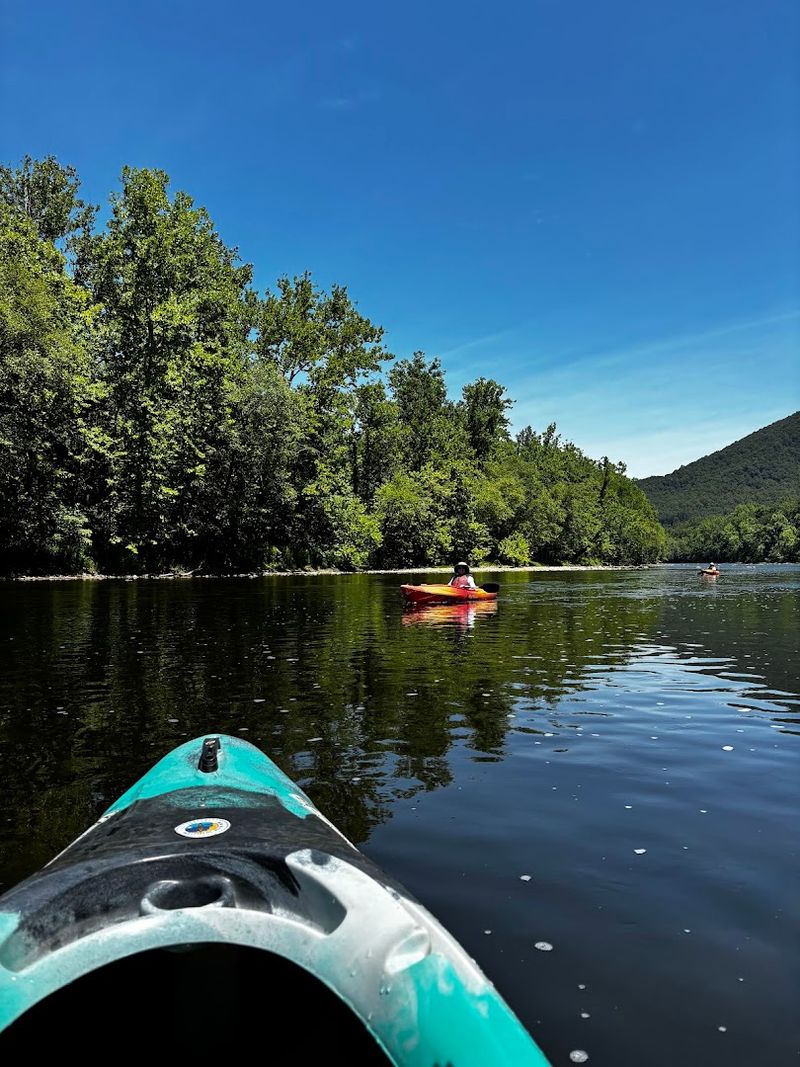
Rolling mountain scenery, easy riffles, and some of the best smallmouth bass fishing in the Mid-Atlantic region all converge on the Upper James River Water Trail in northern Botetourt County. This 64-mile stretch of the James, combined with 10 miles of the Maury River, offers a paddling experience that rewards both the angler and the pure scenery lover in equal measure.
A 14-mile segment between Eagle Rock and Springwood carries the designation of Virginia Scenic River, and one look at that corridor explains exactly why.
The river runs mostly Class I and II here, making it approachable for paddlers at a wide range of skill levels. A few Class III sections exist near Glasgow and Snowden for those who want a sharper edge to their adventure.
Nine of the twelve public access points sit within Botetourt County itself, so getting on and off the water is refreshingly straightforward no matter how long a route you plan.
Twin River Outfitters along Lowe Street in Buchanan is my go-to starting point, offering rentals and guided trips that take the logistics off your plate entirely. The town of Buchanan itself is worth lingering in after your paddle.
The historic Swinging Bridge is a 366-foot landmark first built in 1851. This is a genuinely impressive sight. Historic Fincastle, a nationally recognized Lewis and Clark Community with structures dating to the late 1770s, adds real historical depth to the area.
Twin Creeks Brewpub at Explore Park rounds out the day nicely, serving Virginia wine and food in a rustic riverside setting with live music on select evenings.
7. New River Water Trail
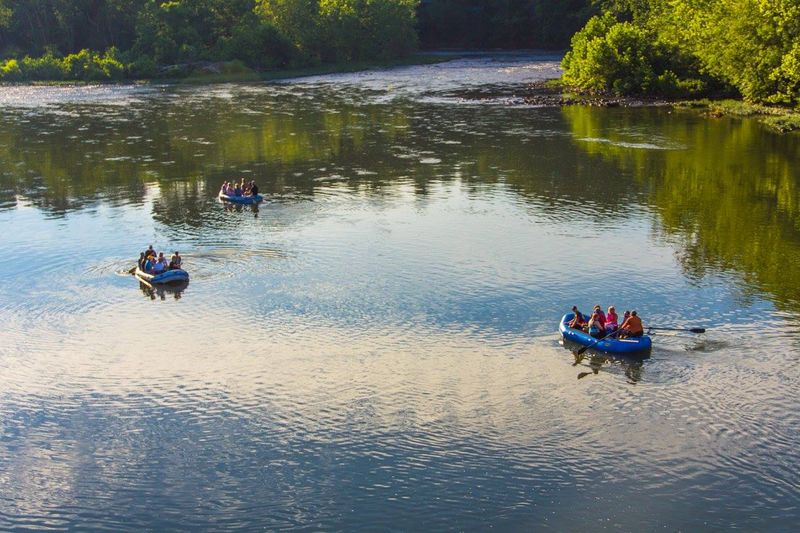
Paddling the New River is paddling one of the oldest rivers on the planet, a fact that adds a quietly staggering dimension to every stroke. The New River Water Trail in Giles County covers 37 miles of dramatic canyon scenery.
It’s alternating between long lazy pools perfect for drifting and rocky rapids that demand your full attention and deliver a genuine adrenaline reward.
The geological age of this place is visible in the canyon walls themselves, layered and ancient in ways that make you feel reassuringly small.
The trail accommodates kayakers, canoeists, rafters, and tubers. This is making it one of the most versatile water corridors in all of Virginia. Wildlife encounters are frequent and often spectacular, so keeping eyes open on the quieter stretches pays off consistently.
The Eggleston Access is a popular and reliable launch for longer river journeys. Glen Lyn Town Park provides another well-positioned public boat landing. Multiple access points along the route allow you to design a paddle that fits your ambition and your schedule.
Giles County offers plenty of worthy stops once you come off the water. Cascade Falls in Pembroke is reached via a beautiful 1.5-mile trail and rewards the short hike with a genuinely stunning waterfall.
The Giles County Historical Museum is housed in the Andrew Johnston House in Pearisburg. It does an excellent job of contextualizing the deep history of this corner of the state.
8. Roanoke River Blueway
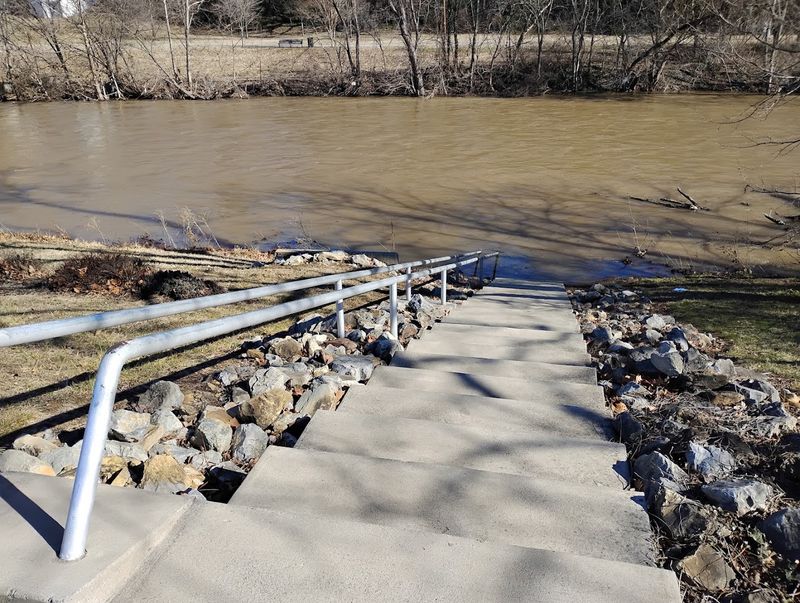
Urban paddling gets a bad reputation it does not deserve, and the Roanoke River Blueway is the proof. It’s spanning 45 miles from East Montgomery County Park all the way to Smith Mountain Lake
This corridor transitions effortlessly from city scenery to rural riverside wilderness without ever losing its charm.
Passing through Roanoke and Salem, the Blueway threads together two very different worlds, and the heavily shaded shorelines make even the hottest summer days feel manageable on the water.
Seventeen access points line this waterway, offering serious flexibility in how you approach your day. Salem Rotary Park provides a clean concrete canoe and kayak ramp that makes launching a breeze.
Wasena Park in the City of Roanoke offers easy shoreline access with a welcoming atmosphere, and The Launch at Reserve in Roanoke combines a proper ramp with stairs for straightforward entry. Canoeing, kayaking, fishing, tubing, and wildlife watching are all well-suited to different sections of this diverse river corridor.
The Roanoke Valley more broadly is a lively and rewarding place to spend time beyond the water. The city’s downtown market area and local museum scene give the region genuine cultural depth.
Green Hill Park in Roanoke County offers additional outdoor exploration for those who cannot quite call it a day after the paddle. The Roanoke River Overlook is on the Blue Ridge Parkway.
It frames the whole valley in a way that makes everything feel connected, mountain, river, city, and sky all visible from a single well-positioned viewpoint.
9. Clinch River State Park Water Trail
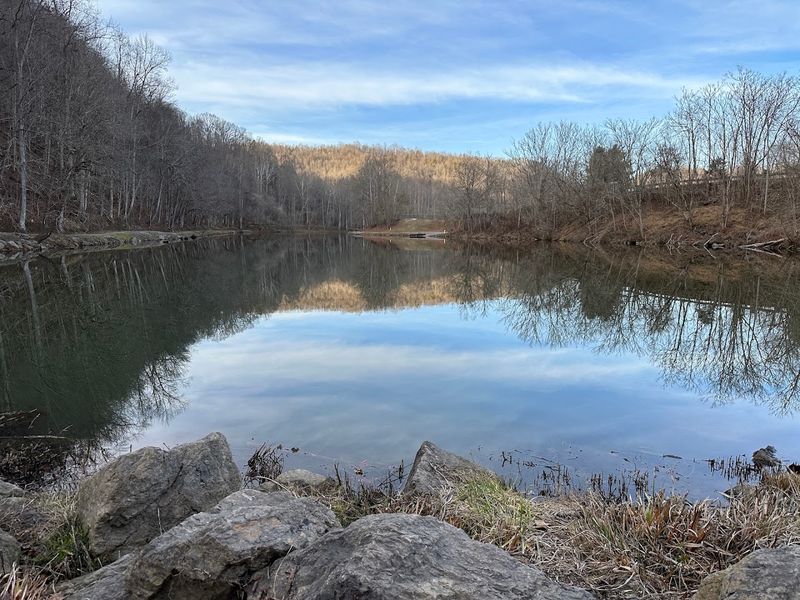
Virginia saved one of its most extraordinary secrets for the far southwestern corner of the state. The Clinch River State Park Water Trail is not just a beautiful place to paddle.
It is a globally significant biodiversity hotspot that the Nature Conservancy has called one of the last great places on Earth.
Carrying the highest concentration of imperiled freshwater species in the country, this remote mountain river earns every superlative thrown at it. Floating here feels less like recreation and more like a quiet privilege.
This is Virginia’s first blueway state park. The Clinch is designed as a string of pearls, linking smaller anchor properties along a remarkable 100-mile stretch with multiple canoe and kayak access points woven throughout.
This structure means you can choose a short, peaceful float or commit to a multi-day wilderness journey through some genuinely untouched river corridor.
Guided kayaking trips run during the warmer months for those who want expert company and local knowledge on their first visit.
Access points are spread thoughtfully across the region. Artrip at 3084 Artrip Road in Cleveland, Russell County, provides a convenient launch, as does Carbo at 92 Carbo Church Avenue nearby.
Old Castlewood at 206 Luttie Banner Drive in Castlewood and The Retch at 3115 Riverbluff Road in Fort Blackmore, Scott County, which opened in May 2026, both offer excellent river access.
The Sugar Hill Unit in St. Paul, Wise County, adds nine miles of hiking and biking trails, scenic river frontage, and fascinating remnants of an 18th-century French settlement to the experience.
Pack your sense of wonder alongside your paddle for this one.
