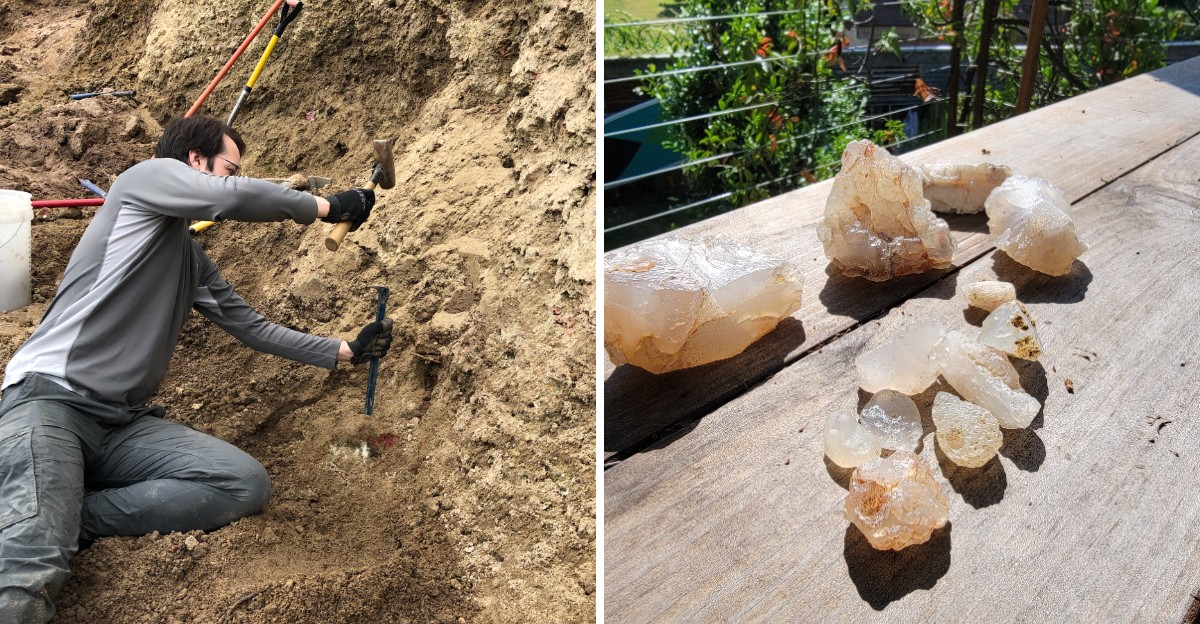
Some rocks look like plain brown lumps until you crack them open. Then a swirl of agate, crystal, or color appears that nobody has ever seen before.
That moment is the whole point of a family-run dig site high in the mountains of Oregon. You hunt for thunder eggs, the official state rock, and you pay by the pound for what you keep.
I like how simple the deal is. You bring the boots, the gloves, and the patience. The mountain supplies the treasure, though it never promises which egg hides the good stuff.
The trip takes some effort, with rough forest roads and plenty of distance from town. I believe that is part of the fun. After all, what kind of treasure hunt starts in a parking garage?
You Get To Crack Open Rocks That Have Waited Millions Of Years For You
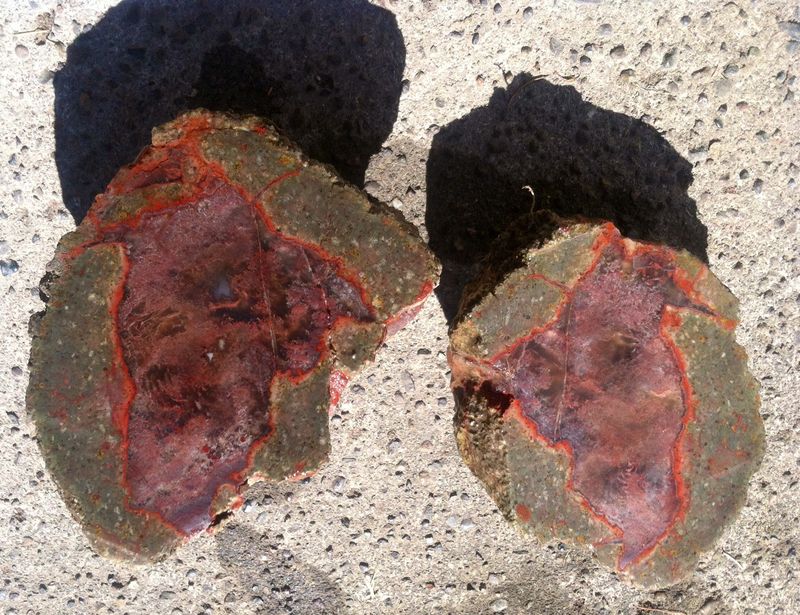
Thunder eggs are the stars at Lucky Strike Mine, and they are delightfully sneaky. From the outside, they look like knobby, dusty balls of volcanic rock.
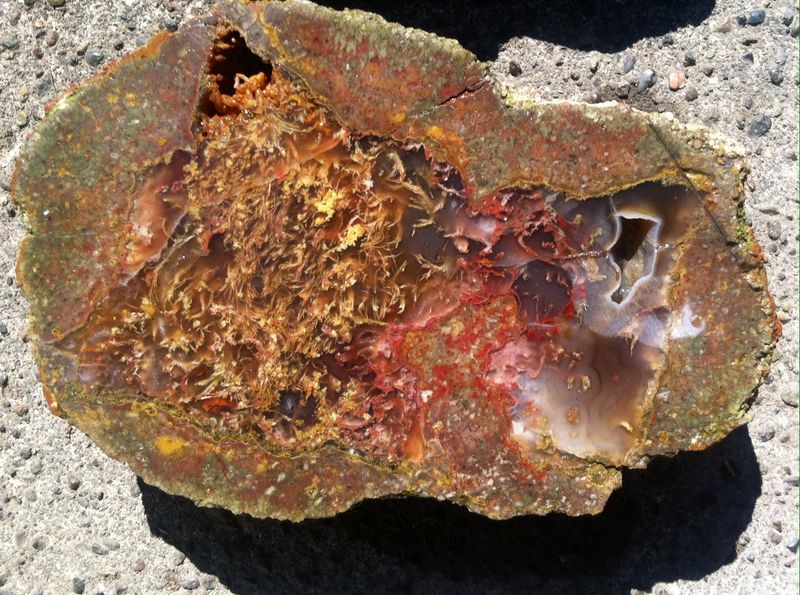
Inside is where the magic happens. Each one has a hollow center that filled with agate or other minerals over a very long time.
The patterns can vary wildly from egg to egg. You might find mossy shapes, feathery plumes, neat bands, bubbly agate, or sparkling quartz crystals.
Sizes vary too, which keeps the hunt interesting. Thunder eggs can be smaller than an inch or bigger than three feet across.
That means every dig feels a little like opening a surprise package. You simply can’t tell what’s inside until the rock gets cut or cracked.
I love that nobody has seen your egg’s insides before you. Not the owners, not other diggers, not anyone on the planet.
Some people slice their finds with a rock saw at home. Others take them to a rock shop for cutting and polishing.
Either way, plan ahead for what happens after the dig. A pile of mystery rocks in the trunk is fun, but cracking them open is the real payoff.
Oregon Picked A Rock With A Legendary Name As Its Official Symbol
March 29, 1965, was a big day for rock lovers. That’s when the thunder egg became the official state rock of Oregon.
Plenty of states choose granite or something equally serious. Oregon went with a rock that sounds like it hatched from a storm cloud.
The name comes with a fun story. According to an old legend, angry thunder spirits on the mountains hurled these round stones at each other.
Science tells a calmer tale about volcanic activity and slow mineral growth. Still, the legend is far more fun around a campfire.
Digging one up yourself at Lucky Strike Mine connects you to that history in a hands-on way. You aren’t just buying a souvenir off a shelf.
You’re pulling a piece of the state’s identity right out of the ground. That feels a lot cooler than a refrigerator magnet.
Kids especially tend to like knowing they found an official state symbol. It turns a rock into a bragging point at school.
Adults aren’t immune either. Few people can resist telling friends that the rock on their bookshelf came from the mountains with their own two hands.
Getting There Is Half The Adventure, So Prepare Your Vehicle
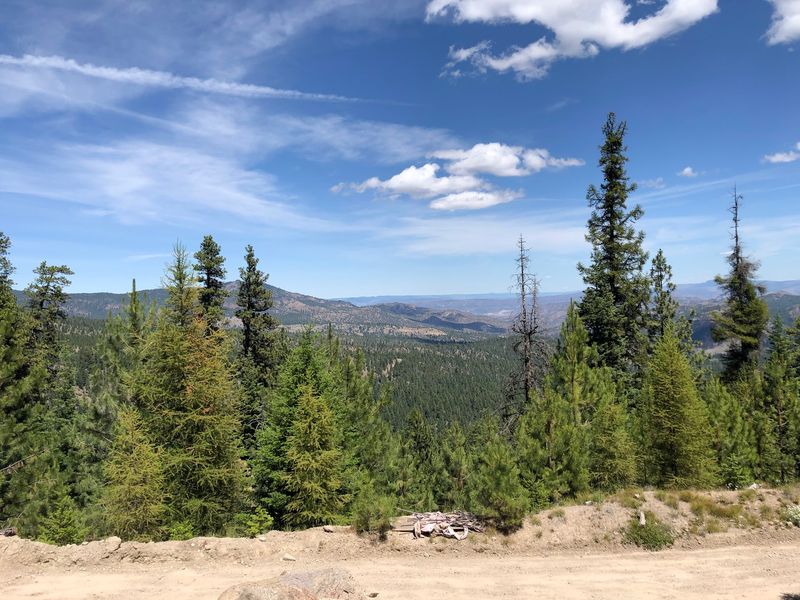
Rough roads are part of the deal. The mine sits in the Ochoco Mountains of the Ochoco National Forest, roughly 35 to 40 miles from Prineville.
The mailing area is Lucky Strike Mine, Oregon 97754, but don’t expect a street address at the gate. You’ll travel remote, unpaved Forest Service roads that get narrow and winding.
Sharp turns show up often. A high-clearance four-wheel-drive vehicle is the smart choice for this trip.
Trucks pulling long trailers should skip this route entirely. Those tight curves were not designed with a camper in tow.
Your phone may also let you down out here. GPS and smartphone directions can be wrong, so don’t trust them alone.
Get solid route information before you leave. The family’s museum and rock shop in Mitchell is a good place to ask about directions.
Fill your gas tank before heading up. Pack a paper map, too, because cell signal is not something to count on.
A little planning keeps the drive fun instead of stressful. The goal is to spend your day digging, not wandering lost on a dusty side road.
Your Pack List Matters More Than You Might Expect
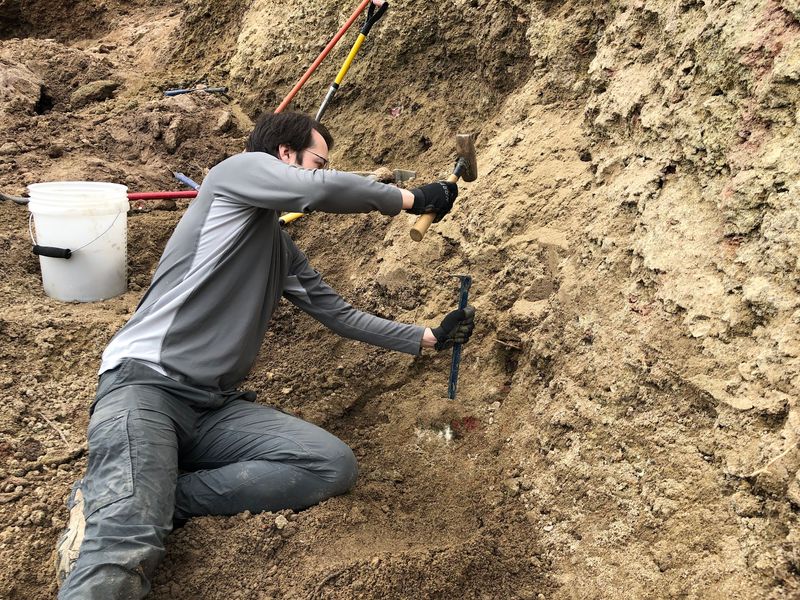
Sandals are not allowed, full stop. Sturdy boots are required, and your toes will thank you once rocks start rolling.
Next up is eye protection. Chips of stone can fly when you hammer, so safety glasses are a must.
Gloves come next on the list. Rough volcanic rock is not kind to bare hands after a few hours of work.
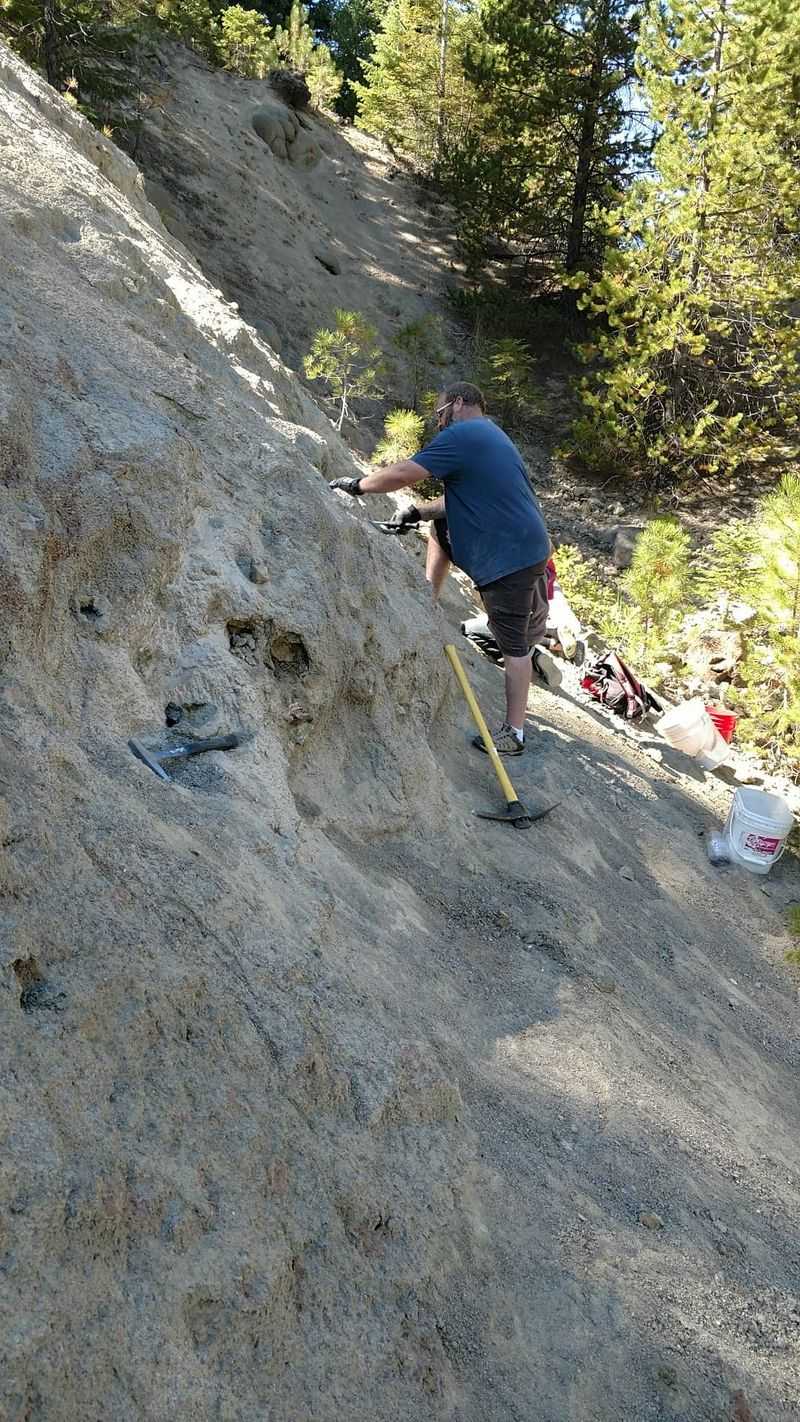
Tools make a huge difference at Lucky Strike Mine. A rock hammer, hand sledge, chisels, and pry bars all help you loosen stubborn eggs.
Some tools may be available to rent on site. Still, bringing your own is encouraged, and it saves you from guessing.
The mountain sun can be strong at this height. Pack sunblock and a hat so your face doesn’t turn the color of a ripe tomato.
Bring warm clothing too, even in summer. Mountain weather can shift, and mornings can feel chilly up high.
Finally, load up on water and food. There are no restaurants nearby, so a packed lunch is your best friend. Snacks also make great rewards after you wrestle a big egg out of the dirt.
The Pricing Works Like A Rocky Version Of The Deli Counter
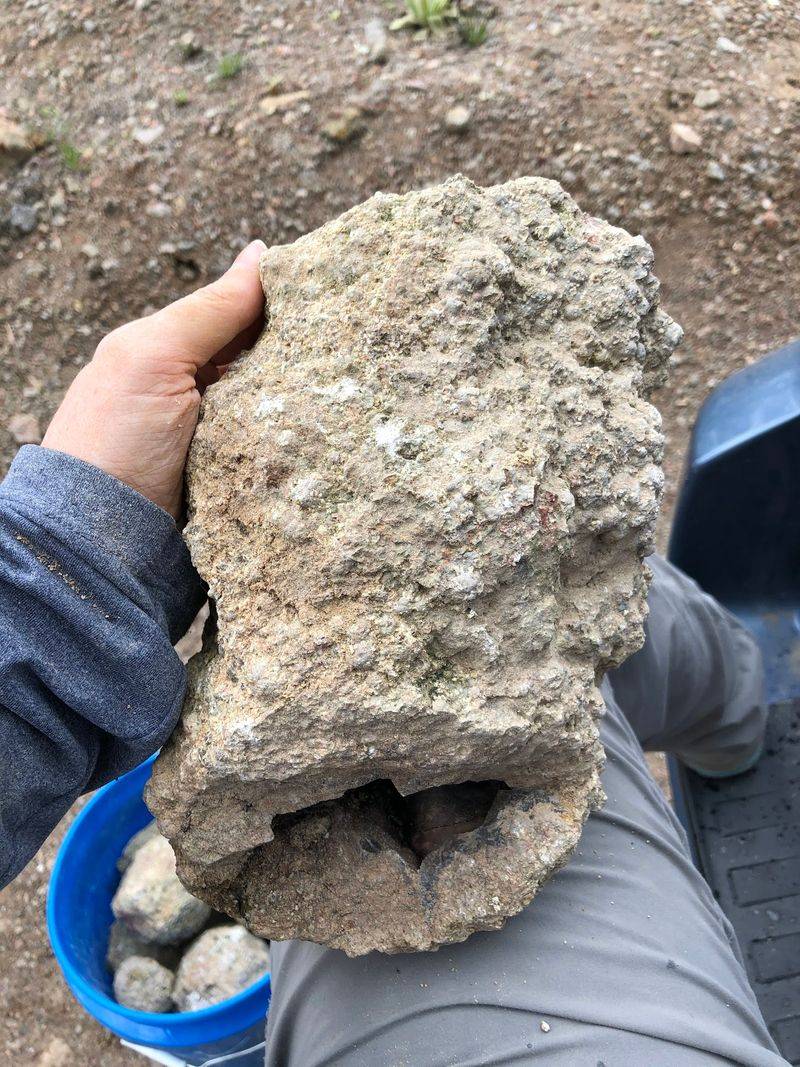
Paying by the pound makes this dig refreshingly simple. You collect your thunder eggs, then pay based on how much they weigh.
There’s a minimum weight you’ll need to cover. It’s 20 pounds, which sounds like a lot until you start filling a bucket.
Thunder eggs are dense little things. A handful of softball-sized rocks adds up faster than you’d think.
That minimum actually works in your favor. It gives you room to grab a mix of small, medium, and larger eggs.
Since you can’t see inside, variety is a smart strategy. More eggs mean more chances to find a gorgeous pattern.
Rates can change, so confirm current pricing before you go. A quick call keeps any surprises at checkout off the table.
Think about how you’ll haul everything home, too. Sturdy buckets or crates beat flimsy bags that might split on the ride down.
I like that the system rewards effort. The harder you dig, the more you take home, and every pound is something you earned yourself. Few souvenirs come with that kind of story attached.
Timing Your Trip Right Can Save You A Long Drive
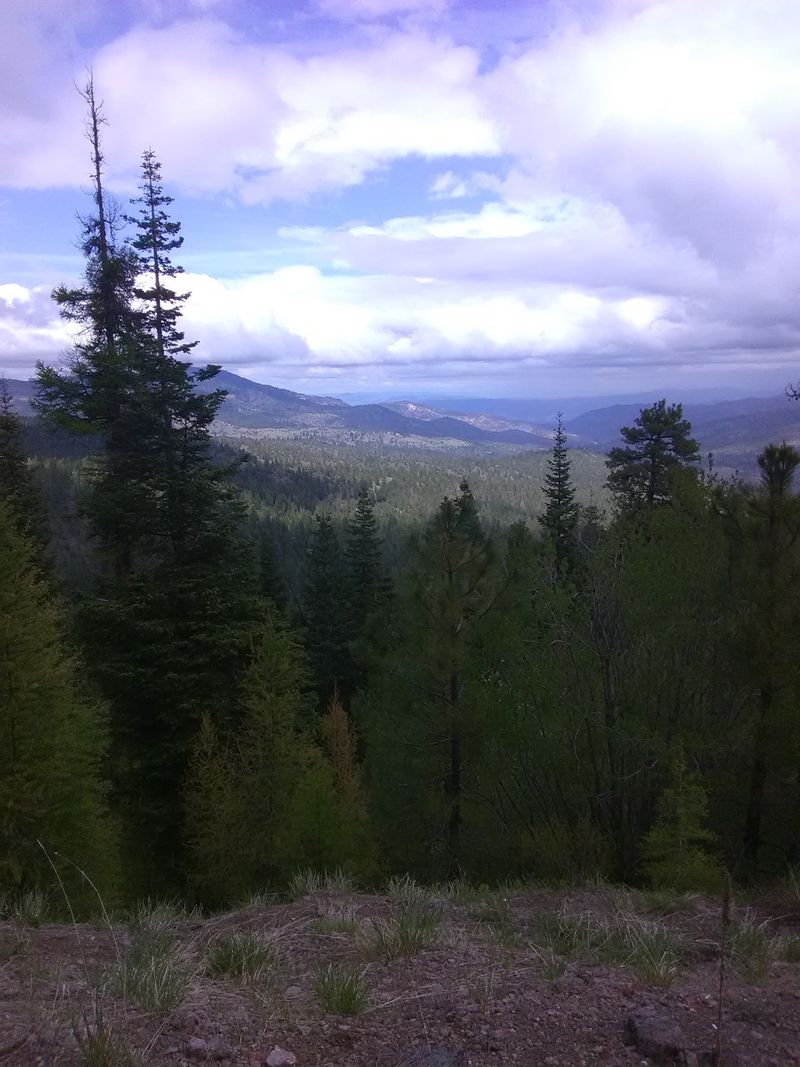
Snow decides the calendar here. The mine typically opens around Memorial Day weekend, depending on the weather.
It usually stays open until the first snowfall arrives, often around September. That gives you a summer window to plan around.
Weekends are the main digging days. Friday through Sunday, the mine generally runs from about 9 a.m. to 4 p.m.
Weekdays work a bit differently. Monday through Thursday visits require advance reservations, so don’t just show up midweek.
Schedules can shift with conditions, which is normal for a remote mountain spot. Calling ahead before you leave is strongly recommended.
Think about the drive time when you plan your day. Rough roads mean you’ll want to leave early to get the most digging hours.
Arriving near closing time would be a real bummer. You’d spend all that effort on the road with little time to swing a hammer.
Lucky Strike Mine rewards people who plan. Pick your date, confirm the hours, and head up with plenty of daylight to spare. Your future self, holding a bucket of eggs, will be very grateful.
A Family Story Runs Deep Beneath These Diggings
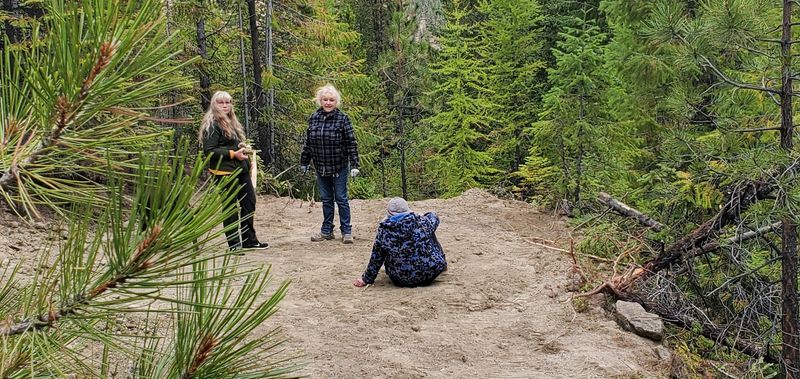
Back in the 1930s, a man named Leonard Kopcinski discovered and claimed this patch of mountain. His find turned into a lasting family legacy.
The mine has been open to public digging for more than 55 years. That’s decades of rockhounds hauling home thunder eggs from the same hillside.
Today, Leonard’s widow, Cindy Kopcinski, owns Lucky Strike Mine. She runs it with her daughter Janis and son-in-law Jeremy Smith.
Keeping a remote mine going for generations is no small feat. It takes grit, patience, and a real love for the rocks.
The family has even dealt with past government attempts to shut down the mining operation. Their museum shares that part of the story with visitors.
I like knowing a family is behind the place, not a big company. It gives the whole trip a personal, homegrown feel.
Every egg you pull up connects back to that 1930s discovery. That’s a pretty neat thought while you’re kneeling in the dirt.
History doesn’t always need a plaque. Sometimes it’s a family still showing up each summer so strangers can dig.
Make A Stop In Mitchell Before Heading Up The Mountain
A little detour can make your whole day better. The family runs a Museum and Rock Shop in Mitchell, Oregon, separate from the mine itself.
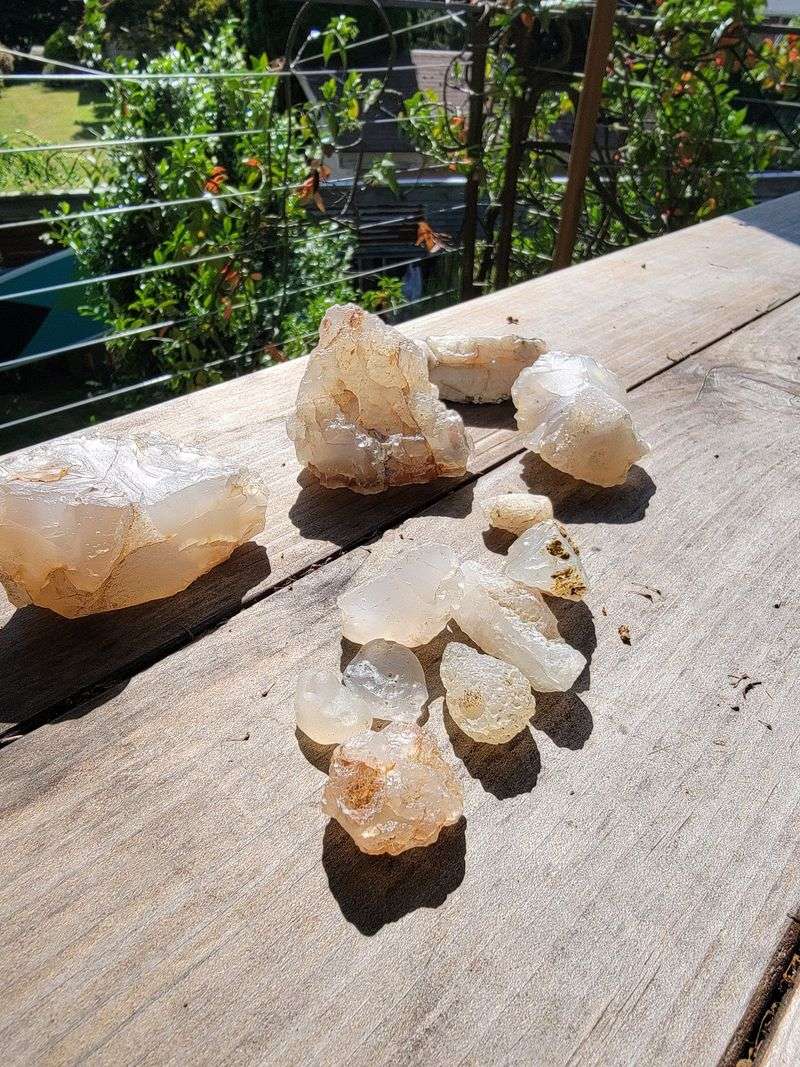
Inside, you’ll find thunder eggs on display. The museum also shares the history of the mine and the family that built it.
It’s a smart warm-up for your dig. Seeing cut and polished eggs shows you what might be hiding in your own rough finds.
That preview builds a lot of excitement. Suddenly every lumpy rock on the hillside looks like a possible prize.
The shop is also a handy place to ask about getting to the mine. With tricky roads ahead, good directions are worth their weight in agate.
Families with curious kids will get extra value here. A museum visit helps young diggers understand what thunder eggs are before they grab a hammer.
Mitchell is a small town, so plan your stop during open hours. Confirm ahead, just like you would for the mine.
Think of it as the opening act. You learn the story first, then head up to the mountains to write your own chapter.
Stretch The Fun Into A Weekend Under Oregon Pines
Nobody can camp right at the mine, so plan your overnight elsewhere. Thankfully, the surrounding forest offers solid options.
Primitive camping is allowed on public land in the Ochoco National Forest. That means you can pitch a tent close to the action.
White Rock Campground sits a few miles from Lucky Strike Mine. It makes a convenient base for anyone wanting more than one day of digging.
Primitive camping means bringing everything you need. Pack water, food, and supplies, because stores are far away.
Staying overnight takes the pressure off that long drive. You can dig, rest, and maybe head back for another round.
The elevation here sits around 5,500 feet. Nights can get cool, so a warm sleeping bag is a wise choice even in summer.
Follow forest rules and leave your site clean. Good habits help keep public land open and beautiful for everyone.
A weekend trip turns a rock hunt into a real mountain getaway in Oregon. You’ll head home with sore arms, a heavy bucket, and a story about the day you dug up the state rock yourself.
