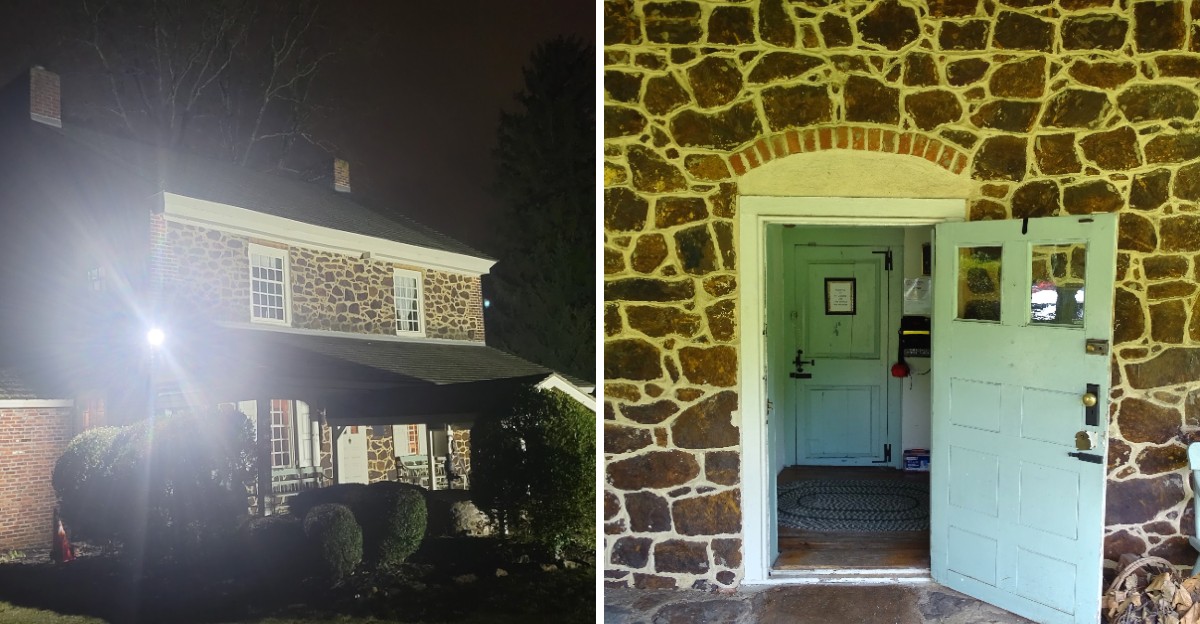
A man who loved an old brick tavern so much asked to be buried on its grounds. His wish came true, and some folks believe he never really left.
The building went up in 1756, and the builder baked that year right into the brick wall. Stories say its attic once held wounded soldiers during the Revolution.
Today, people describe footsteps, moans, and shadowy figures near the fireplace.
I like how this New Jersey landmark mixes real colonial history with spooky legends. You get patterned bricks, old furniture, and volunteers who know every corner.
You also get tales that make the hair on your arms stand up.
I can’t imagine a better place for history fans who also love a good ghost story.
A 1756 Tavern Where Travelers Once Swapped Stories
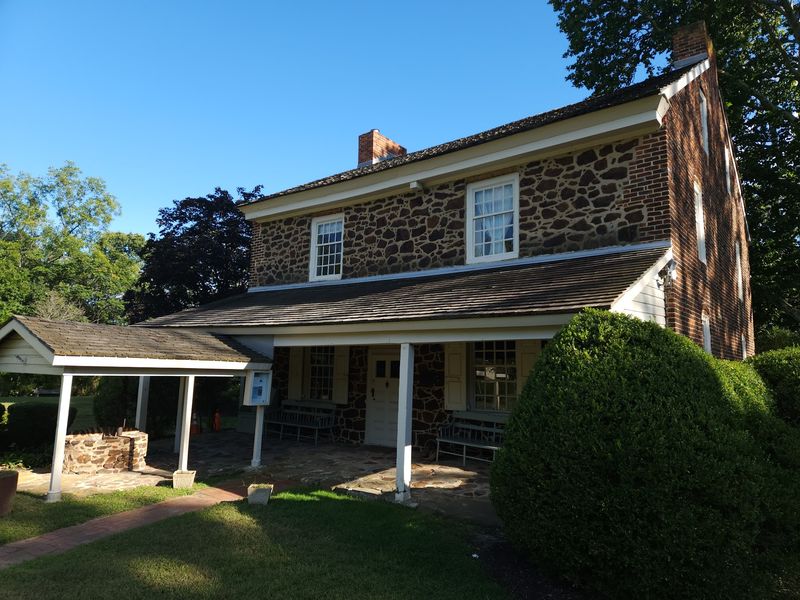
Long before highways and strip malls, travelers rested at the Gabreil Daveis Tavern Museum House. Gabreil Daveis built it in 1756 to serve folks on the Great Irish Roade.
Boatmen also stopped by while moving goods along nearby Timber Creek. That made the spot a busy crossroads for both land and water traffic.
The tavern did more than feed and shelter weary people. Early Gloucester Township held elections and town meetings here between 1757 and 1770.
Think about that for a second. Local voters once crowded these rooms to decide how their community would run.
Its days as a public inn ended in 1769. Sarah, the widow of Gabreil Daveis, chose not to renew the operating license.
After that, the building became a private home. Notable Revolutionary War figures lived here, including Benjamin Pittfield and Major George Payne.
So the house has worn many hats over the years. It was a rest stop, a meeting hall, and a family home.
Each chapter left its own layer of stories behind. Some of those stories are well documented, while others drift into ghostly territory.
That mix is exactly what makes this New Jersey landmark so fun to explore. History sets the stage, and legend handles the special effects.
Look Up At The Gable And Spot The Builder’s Signature
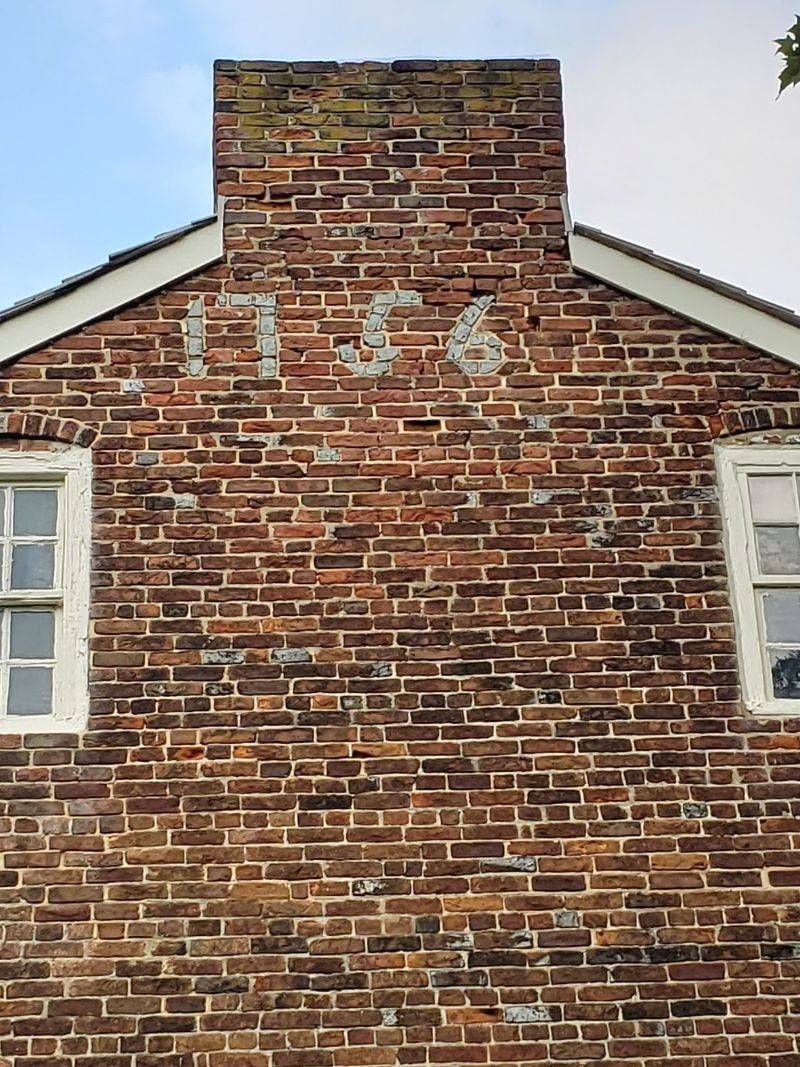
Some builders sign their work with a pen. The bricklayer here used fire and clay instead.
On the western gable end, the date 1756 appears in glazed bricks. Early West New Jersey settlers often marked their homes this way.
The wall also shows off distinctive patterned brickwork, including the date 1756. Similar historic gable-end houses sometimes feature diamonds, chevrons, zigzags, and even flower or coronet designs.
These shapes come from vitrified headers. Those are bricks whose ends were burned a deep blue-black in the kiln.
The result looks almost like stitching on a quilt. It’s practical brickwork that somehow turned into art.
This style is known as vernacular Georgian architecture. The house is also the only gable-end house in all of Gloucester Township.
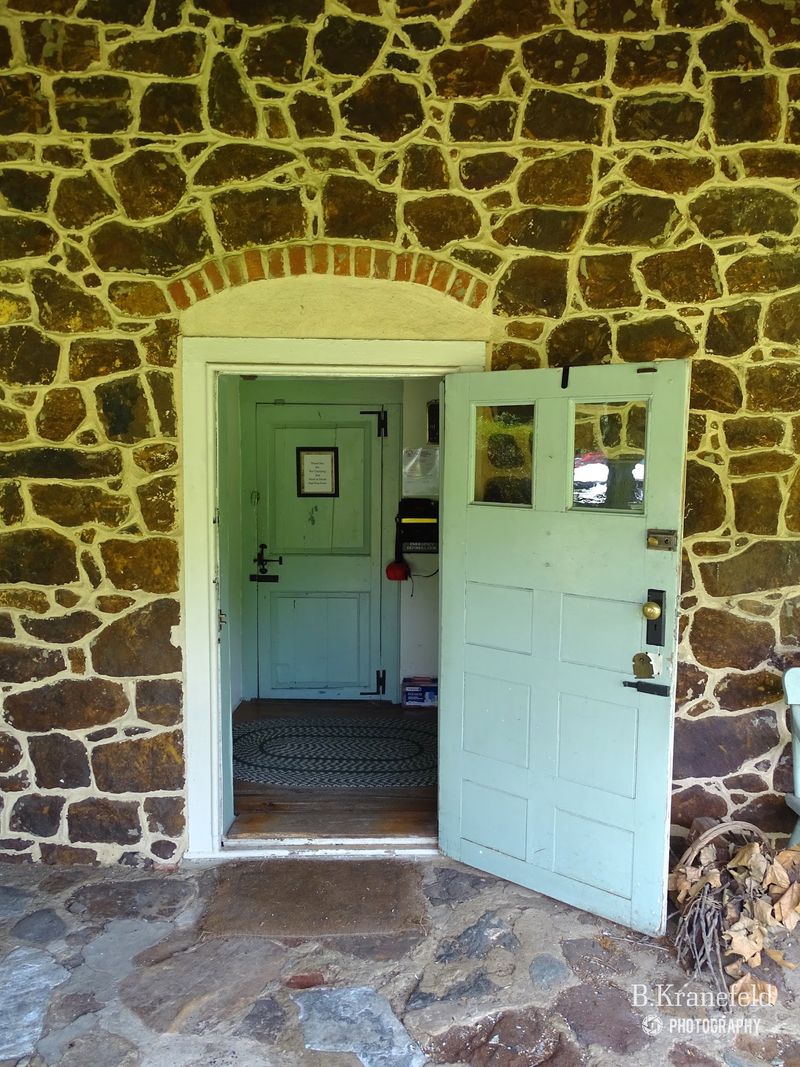
Here’s a fun detail for sharp eyes. The northern side is built from ironstone, a sedimentary rock common in parts of South Jersey.
So bring your phone and take your time outside. The exterior deserves as much attention as anything waiting indoors.
Try picking out each pattern before your tour starts. It’s like a colonial scavenger hunt, minus the prizes.
Honestly, the date alone is worth a photo. Not many buildings tell you their birthday without being asked.
Soldiers May Still Be Resting In The Attic
Here’s the legend that starts most ghost talk about this house. During the Revolutionary War, the building was reportedly used as a hospital.
Some accounts even say General George Washington named it one. That claim belongs firmly in the legend category, but it sure grabs attention.
The attic is said to have served as the infirmary. Stories claim bloodstains still mark its old floorboards.
Now add the sounds. Reports describe disembodied voices, low moans, and the shuffle of footsteps in empty rooms.
Many folks connect those noises to wounded soldiers from long ago. In their telling, those patients never quite checked out.
Of course, old houses creak and settle. Wood shifts, wind finds cracks, and imaginations love filling silence.
Still, the setting makes these tales hard to shake. Low ceilings and narrow spaces add plenty of mood on their own.
If you visit, listen closely during quiet moments. Even skeptics might catch themselves holding their breath a little.
Either way, the attic connects you to a tough time in American history. Real or not, the stories honor people who suffered during the fight for independence.
That’s a heavy thought for a Sunday afternoon. It’s also a memorable one.
Keep An Eye On Those Windows After Dark
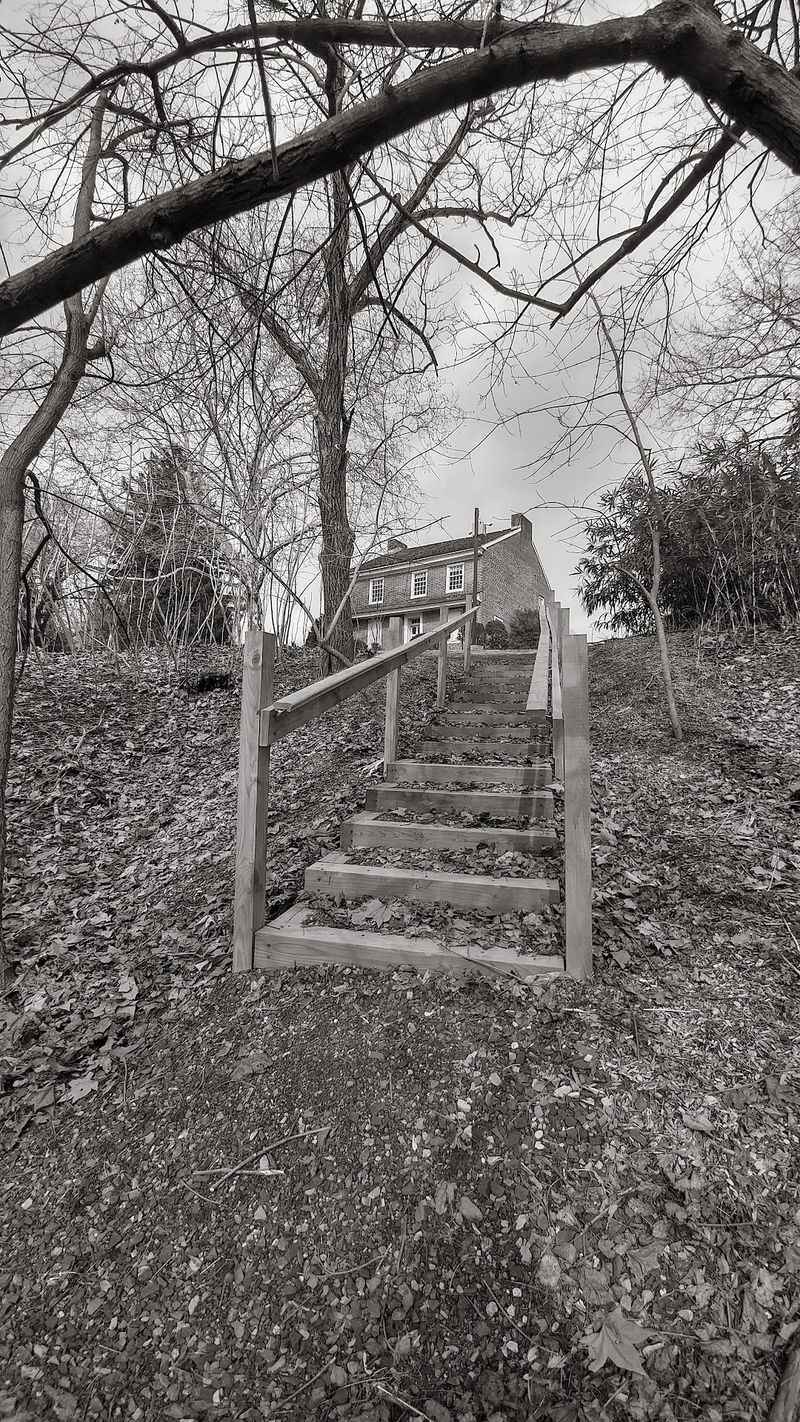
Ghostly faces in windows sound like a movie cliché. At this tavern, the reports keep coming anyway.
Apparitions have reportedly appeared in the windows. Passersby describe quick glimpses of figures that seem to belong to another century.
Phantom lanterns have also been described flickering after dark. Nobody’s supposed to be inside when that happens.
Indoors, doors have reportedly opened and closed on their own. That’s a fun thing to remember when you’re the last one in a room.
Staff closing up have described shadow figures near the fireplace. The figures seem to stand quietly, as if warming up from a long journey.
Honestly, that image is more cozy than scary. Who wouldn’t want a warm hearth after centuries of wandering?
The grounds stay quiet around dusk, and deer often wander nearby. That calm makes any odd flicker feel even more noticeable.
Drive slowly if you come by in the evening. The deer spook easily, and so might you.
Whether you spot anything or not, the house looks striking against fading light. Brick, trees, and shadows create the perfect setting for a ghost story.
Just don’t blame me if you glance back twice.
Friendly Spirits Might Be Running Maintenance
Not every ghost story needs a scream. Some paranormal investigators and volunteers believe the spirits here act as caretakers.
In that view, the presences aren’t angry at all. They simply care deeply about the house and its history.
Joseph Jaggard is often named as one of them. He descended from the Warwick family and helped Schuck restore the property.
Volunteers have described odd experiences in his former bedroom. The basement has its own share of strange tales too.
One story stands out. A volunteer said she asked the basement light to turn on, and it reportedly did right away.
Talk about great customer service. Most of us can’t get our smart speakers to listen that well.
This gentler angle makes the house feel welcoming rather than creepy. It’s less haunted mansion and more devoted housekeeping crew.
Kids who scare easily might like this version best. Helpful ghosts are much easier to sleep after.
It also fits the building’s real story. People have poured love into this place for generations.
If that care lingers somehow, it would make sense here. The tavern has always attracted folks who refuse to let it fade.
Volunteer Guides Bring Every Room To Life
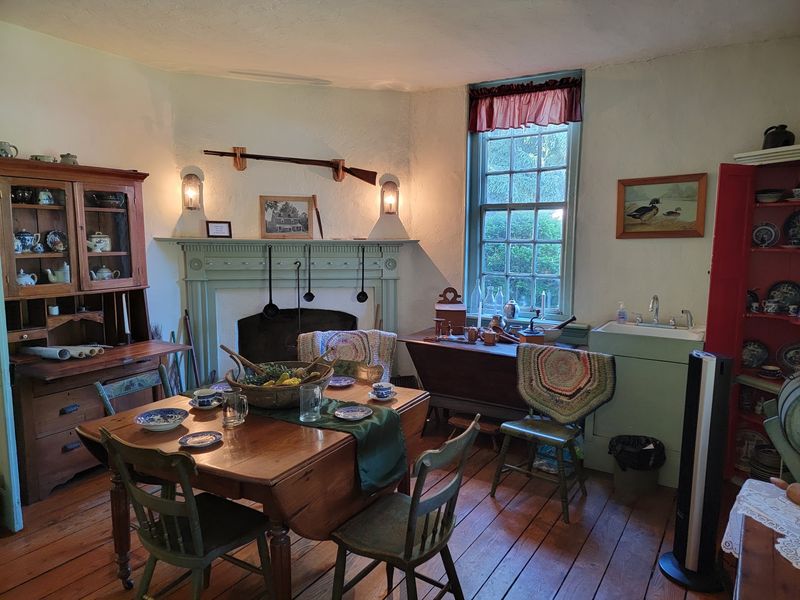
Ghosts get the headlines, but the tours carry the real magic. Guided visits aim to show what colonial life looked like in the 1700s.
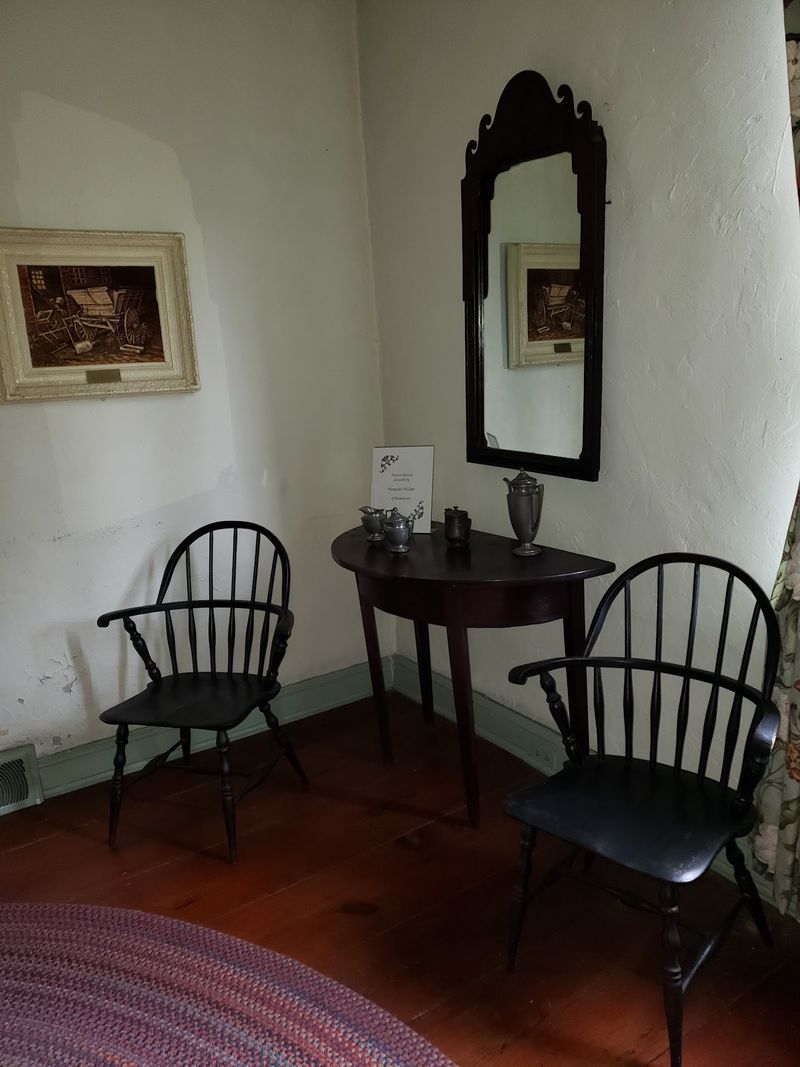
The house has two floors, an attic, and a basement, but regular public tours cover the first floor. Period furnishings help bring its colonial history to life.
Volunteers lead the tours. Each guide may share different facts, so repeat visits can teach you something new.
That’s a nice bonus for history lovers. You could come back a few times and still collect fresh tidbits.
Bring your questions about the antiques. The volunteers know the collection well and enjoy talking about it.
Ask about the old tavern days too. Knowing that elections happened here makes the rooms feel surprisingly important.
Remember, you’re standing where colonial neighbors argued, ate, and swapped news. The floors have heard a lot of opinions.
Young visitors can treat the tour like a time machine. Older ones might catch themselves picturing candlelight and muddy boots.
Plan on a relaxed pace. Rushing would only mean missing small details tucked into corners.
And yes, you can absolutely ask about the ghosts. Just maybe wait until you’re near the exit.
Cannon Blasts And Ghost Hunts Fill The Calendar
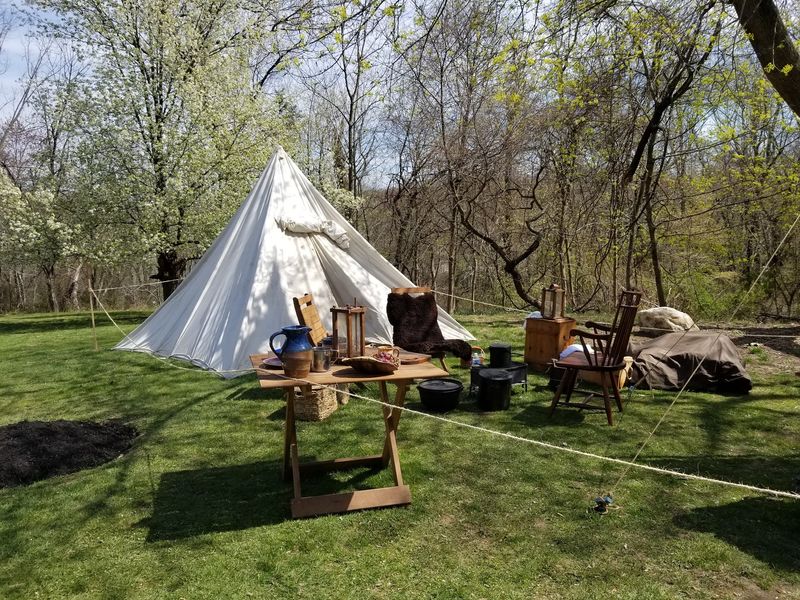
Boom. Cannon fire is part of the fun at some events held on these grounds.
The museum hosts special gatherings throughout the year. Past events have included colonial reenactments and history lectures.
Revolutionary War reenactments bring uniforms, drills, and plenty of noise. The black powder festival has offered archery, tomahawk throwing, and musket shooting activities.
That’s a far cry from a quiet museum stroll. Kids especially seem to love the hands-on side.
Paranormal fans have options too. The site has hosted ghost investigations with groups like NJROPE Paranormal.
Those nights explore the spooky stories in a more organized way. Bring an open mind and maybe a sweater.
Event schedules change, so check the township historic group’s social pages before heading out. Some special days also open the house for tours.
Picking the right event can shape your whole visit. Want noise and action, or whispers and flashlights?
Either choice gives this New Jersey landmark a different personality. Daytime feels lively, while night investigations lean mysterious.
Honestly, why not try both? The tavern has more than one side, and each deserves a look.
Plan A Sunday Afternoon With Woods And Wildlife
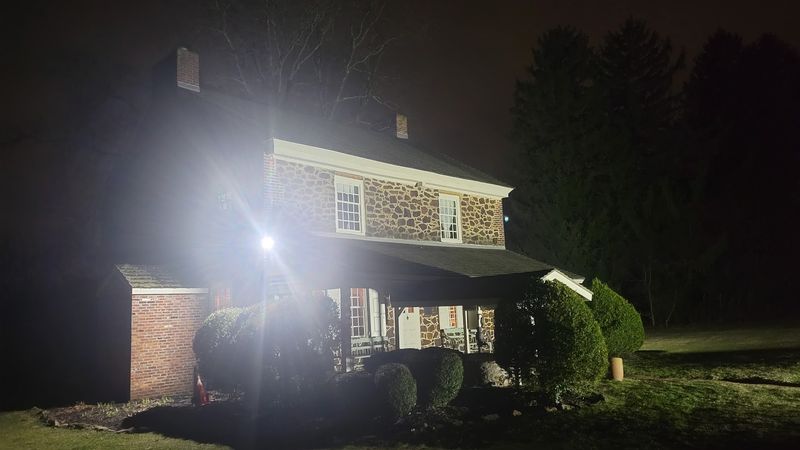
Sunday is the magic day here. You’ll find the Gabreil Daveis Tavern Museum House at 500 3rd Ave, Glendora, NJ 08029.
Tours generally run on the second and fourth Sundays, April through November. December visits happen on the first and second Sundays.
Hours run from 1 PM to 4 PM. Winter tours can be set up by appointment.
Admission is free, thanks to William Schuck’s wishes. Donations are welcome and help keep this old building in good shape.
The grounds deserve their own time slot. Shaded walking paths wind through the woods surrounding the house.
You’ll also find an amphitheater and a community garden. Portable restrooms are available on site.
Wildlife adds a sweet surprise. Deer often appear near dusk, so keep your voice low and your eyes open.
Leashed pets can enjoy a woodland walk here as well. It’s a peaceful break from busy South Jersey roads.
I like how history and nature share one property. You can learn, wander, and maybe catch a spooky chill in one trip.
So mark those Sundays on your calendar. The ghosts, apparently, will keep the place warm until you arrive.
