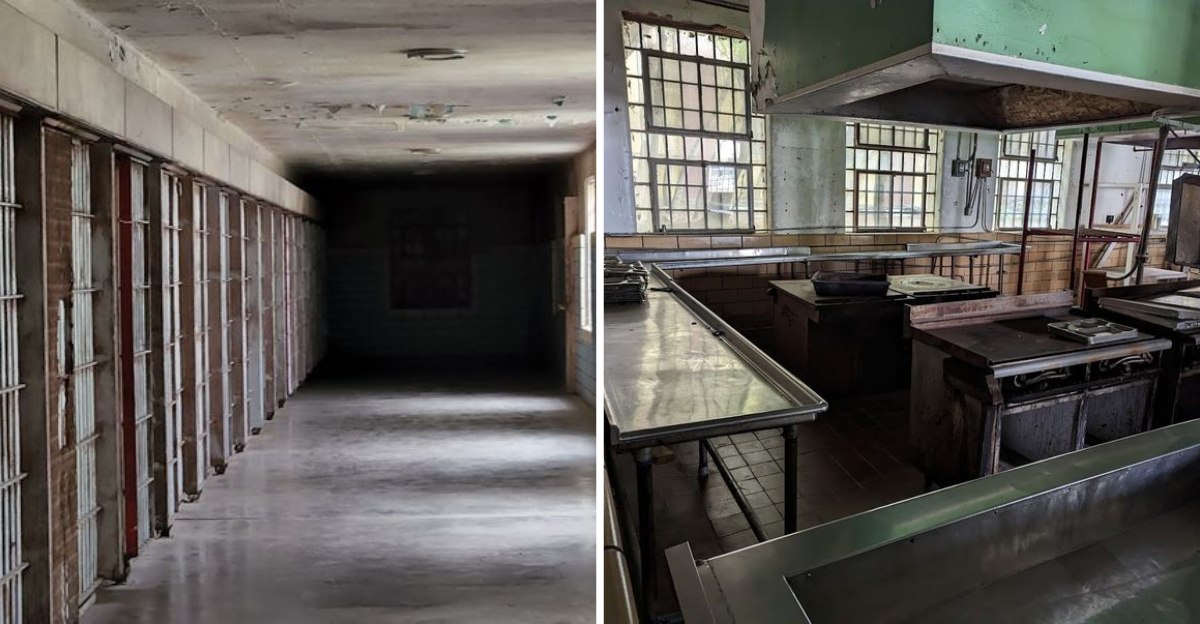
Wyoming has places where history feels so intense that walking through the doors can feel like stepping into another time. Old walls, empty corridors, and decades of stories create an atmosphere unlike a typical museum visit.
This former prison has gained attention for its dark past, unusual visitor experiences, and eerie reputation that continues to draw curious travelers.
Even those who do not usually seek out spooky locations may find the history behind this place fascinating.
It is the kind of destination where every hallway holds a story and every room leaves visitors wondering what happened there.
The Prison That Time Forgot to Abandon
Most old buildings feel empty when they close. This one never did.
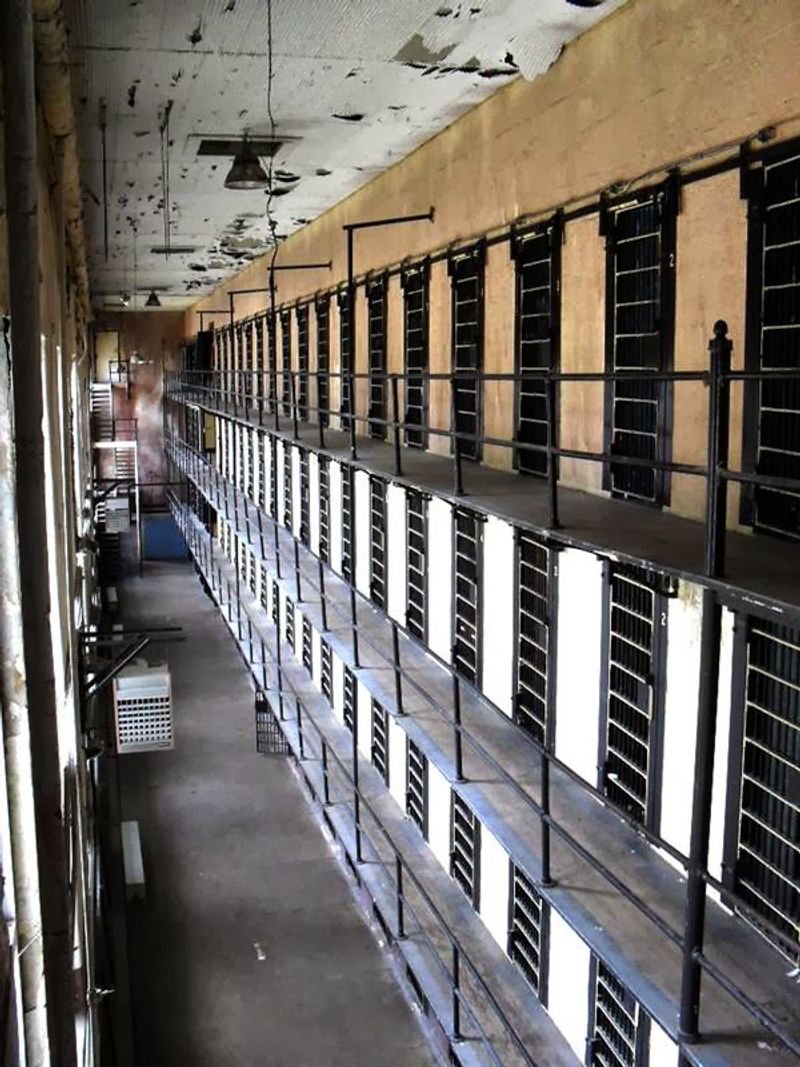
The Wyoming Frontier Prison opened in 1901 and did not shut its gates until 1981, giving it eight decades worth of stories soaked into every cracked wall and rusted cell door.
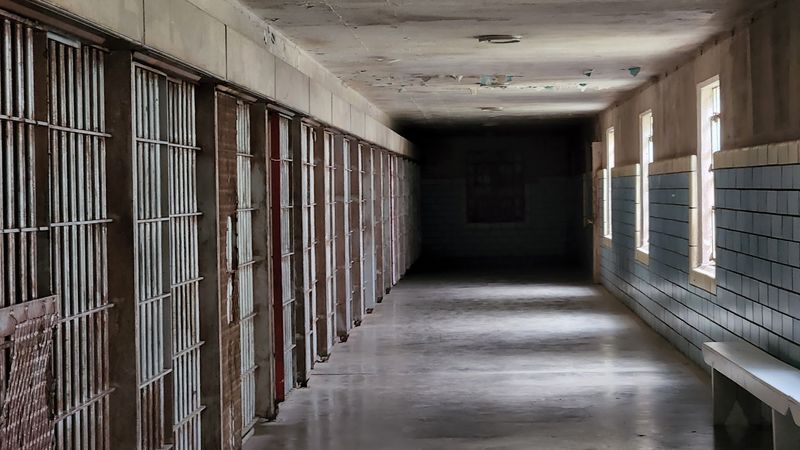
The structure itself is massive up close. Thick stone walls, narrow windows, and long corridors that seem to stretch further than they should all add up to a place that feels like it is still operating on some invisible schedule.
Even on a sunny afternoon, the air inside carries a chill that a jacket barely touches.
The prison housed around 13,500 inmates during its lifetime. Roughly 200 people passed inside, from executions, violence, harsh conditions, and despair.
That number is not just a statistic when you are standing in the cell blocks. It becomes something you feel in your chest, like a low hum that never quite fades.
The building is genuinely falling apart in certain sections, and tour guides are upfront about which areas are off-limits for safety reasons. That honesty somehow makes the place feel more real, not less.
It is not polished or staged. It just exists, stubborn and unfinished, the way certain memories refuse to fade.
Hands That Touch but Leave No Mark
The reports are surprisingly consistent across different visitors and different years. People feel a firm grip on the shoulder.
Others notice their hair being pulled from behind, just once, sharply enough to turn their head. A few have described pressure on their lower back, as if someone were gently steering them away from a particular spot.
What stands out is that none of these touches leave any physical evidence. No red marks, no bruising, no fingerprints on skin or clothing.
The contact feels deliberate, not accidental, like something is trying to get a specific person’s attention rather than just making noise in the dark.
The prison’s director has openly stated that every paranormal investigation conducted at the facility produces some kind of evidence. That is not a casual claim.
It suggests a pattern, not just isolated incidents from spooked tourists who talked themselves into feeling something.
Ghost Adventures filmed an episode here and reportedly captured footage of a camera moving on its own. Whether you find that compelling or coincidental, it adds another layer to a location that already has plenty.
The physical contact reports are the detail that lingers longest, because they are so specific and so hard to explain away with a shrug.
The End Row and the Gas Chamber
The End House sits at one end of the prison grounds, and most visitors feel the shift in atmosphere before they even reach the door. People consistently describe a heavy pressure on the chest the moment they enter, like the air itself has more weight in that particular building.
It is not subtle, and it hits people who are not even thinking about it.
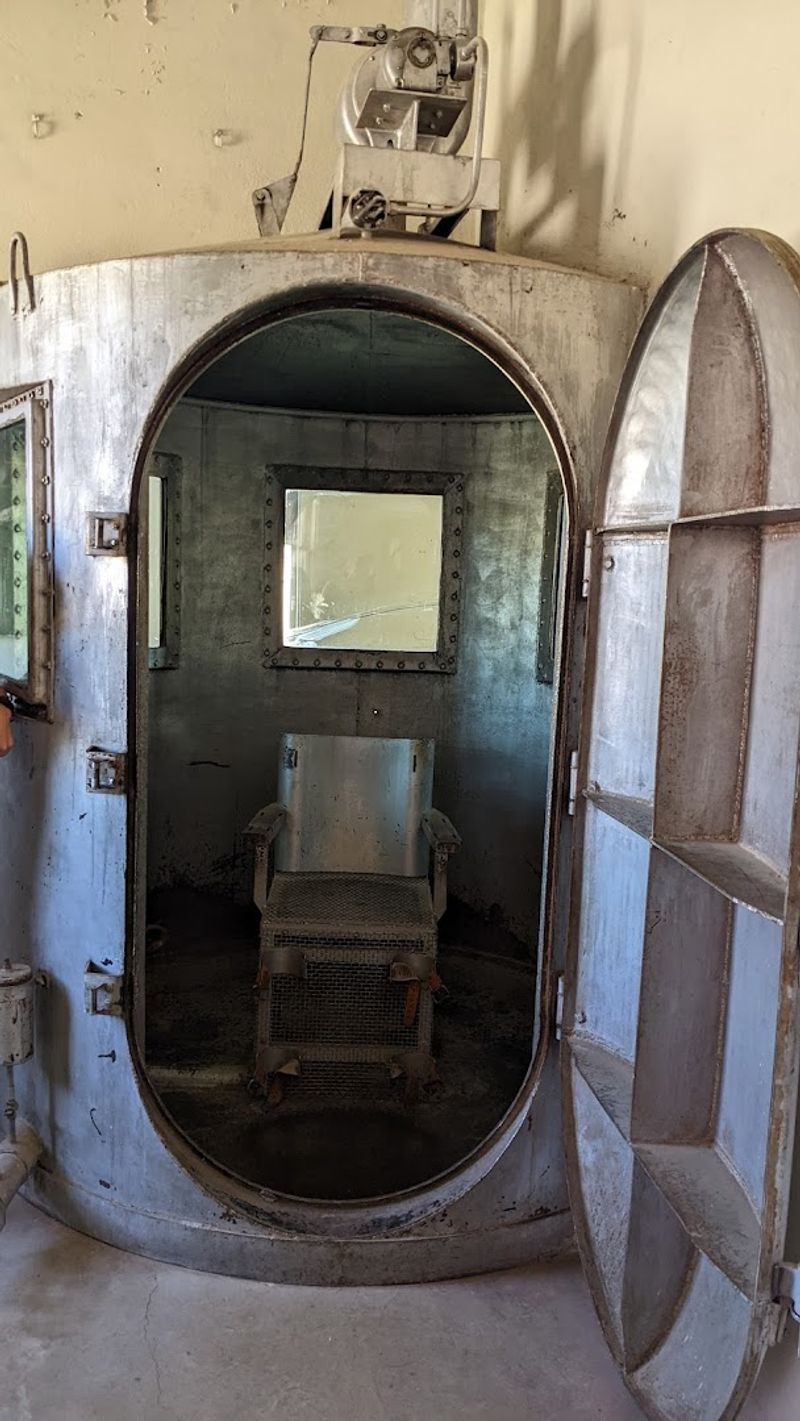
Wyoming used the gas chamber as its method of execution, and the chamber itself is still intact inside the End House. Seeing it in person is a different experience from reading about it.
The small, sealed room with its clinical design makes the reality of what happened there land in a way that no history book quite manages.
Executions were not frequent, but they were final. The inmates who waited on their end did so in close quarters, in cells that have barely changed since the prison closed.
The tour guides handle this section with care, keeping the information factual and respectful without softening the edges of what it actually was.
Families with younger children should know that this part of the tour includes detailed discussion of executions. The guides manage it thoughtfully, but it is worth preparing kids ahead of time rather than letting it catch everyone off guard mid-tour.
The Reflection Nobody Can Explain
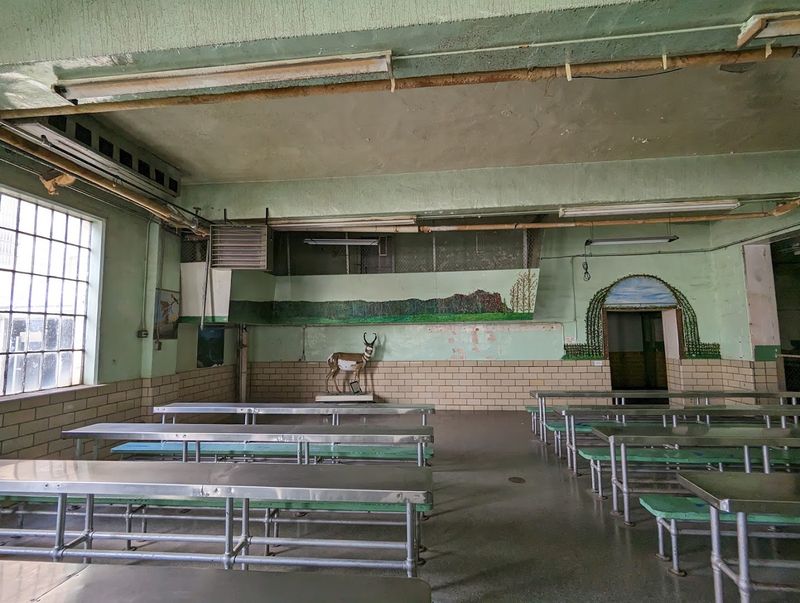
One of the most specific and repeated paranormal reports at the prison involves a room where the Julien Gallows once stood. Visitors and investigators have described seeing the reflection of a man wearing a wide-brimmed hat, visible in the surface of the room, despite there being no physical person in that space and no obvious source for the image.
Reflections require something to reflect. That is the part that keeps this particular account from being easy to dismiss.
It is not a shadow or a shape in the dark. Multiple people have described the same detail, the brimmed hat, independently of each other, which gives it a consistency that is hard to ignore.
The gallows themselves are gone now, but the room carries the weight of what happened there. It is one of those spots where the tour guide pauses naturally, not for dramatic effect, but because visitors tend to slow down on their own.
Something about the space pulls at attention in a way that is difficult to name.
I stood in that room for a few minutes longer than I planned. Nothing appeared in any reflection I could see.
But I kept looking, which is probably the most honest thing I can say about it. The story got into my head before my eyes had a chance to catch up.
Andrew Pixley’s Cell and the Candles That Refuse to Stay Out
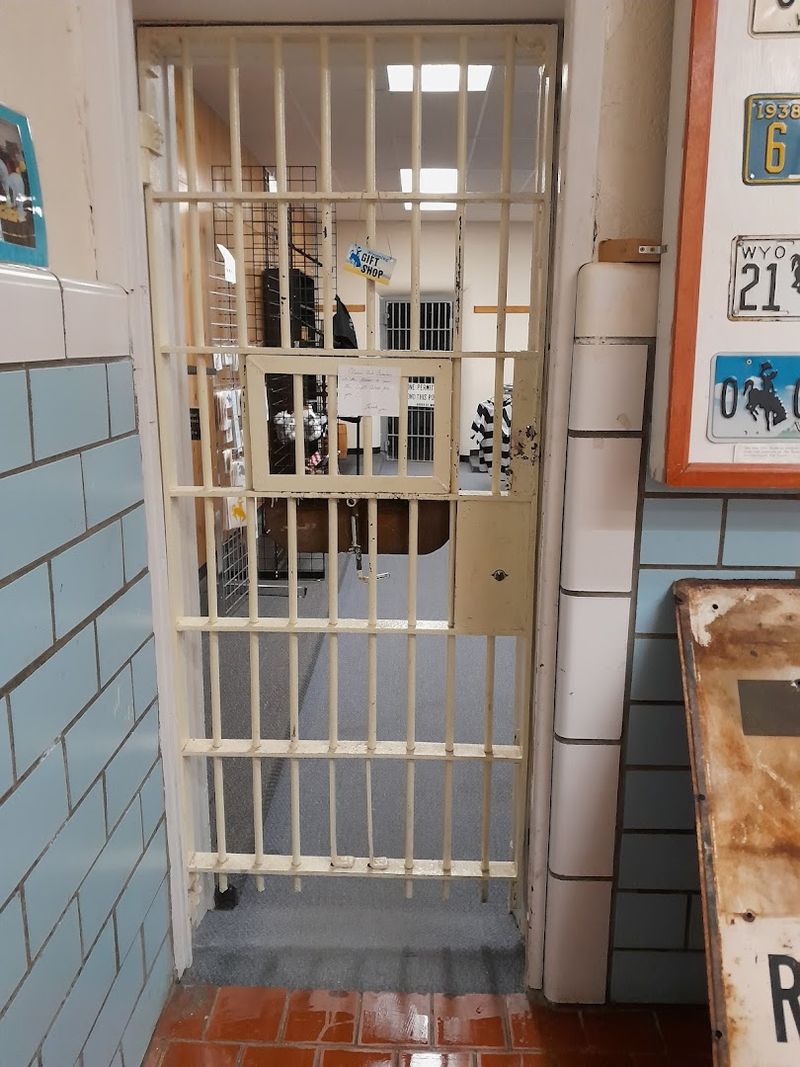
Andrew Pixley’s former cell has become one of the most watched spots during paranormal investigations at the prison. Investigators place candles inside the cell as part of their sessions, and what gets documented is genuinely strange.
The flames flicker violently without any air movement, extinguish completely, and then reignite on their own without anyone touching them.
Candles do not reignite by themselves under normal conditions. That is the detail that makes this particular report stand out from the usual bumps and shadows.
It is repeatable, observable, and specific to one cell, which rules out a lot of the standard explanations people reach for.
Nobody knows exactly what Pixley experienced during his time in that cell, but the prison’s history is full of men who endured conditions that were genuinely brutal. Cold showers were standard until the 1980s.
Overcrowding, violence, and isolation were facts of daily life, not occasional events.
Spending time near that cell during a tour, even in daylight, has an odd quality to it. The cell is small, as all of them are, but this one feels like it has more presence than the others around it.
Whether that is the power of the story or something else entirely, it is the kind of thing you notice and then find yourself thinking about later that night.
Wet Footprints in the Shower Room
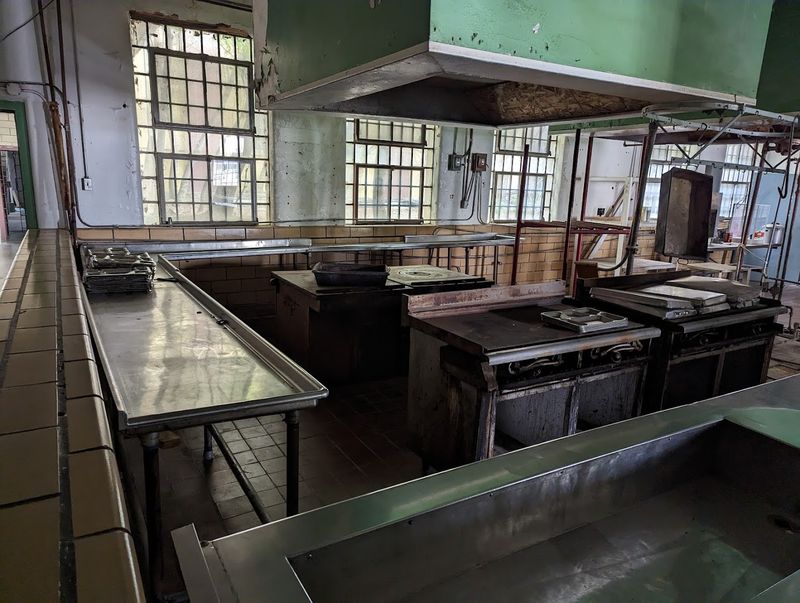
The main prison shower room has its own category of strange. Wet footprints have been spotted on the tile floor when no water has been running and no wet person has passed through.
The prints appear, then disappear, without any clear explanation for where the moisture came from or where it went.
Cold showers were the only option for inmates here until the 1980s. That detail is not just a historical footnote.
It means generations of men endured something that most people today would consider genuinely punishing, day after day, year after year. The shower room carries that history in a way that feels almost physical.
The tile and fixtures are largely original, which gives the space a preserved quality that makes the wet footprint reports feel more vivid than they might otherwise. Everything in that room looks like it could have been used yesterday.
The scale of the space, designed to process large numbers of inmates quickly, adds to the institutional coldness of it.
Tour guides mention the footprint reports matter-of-factly, the same way they mention the gas chamber or the cell block numbers. At the Wyoming Frontier Prison, strange things are just part of the record.
The shower room is one more entry in a very long list of things this building refuses to let go of.
Planning Your Visit to the Wyoming Frontier Prison
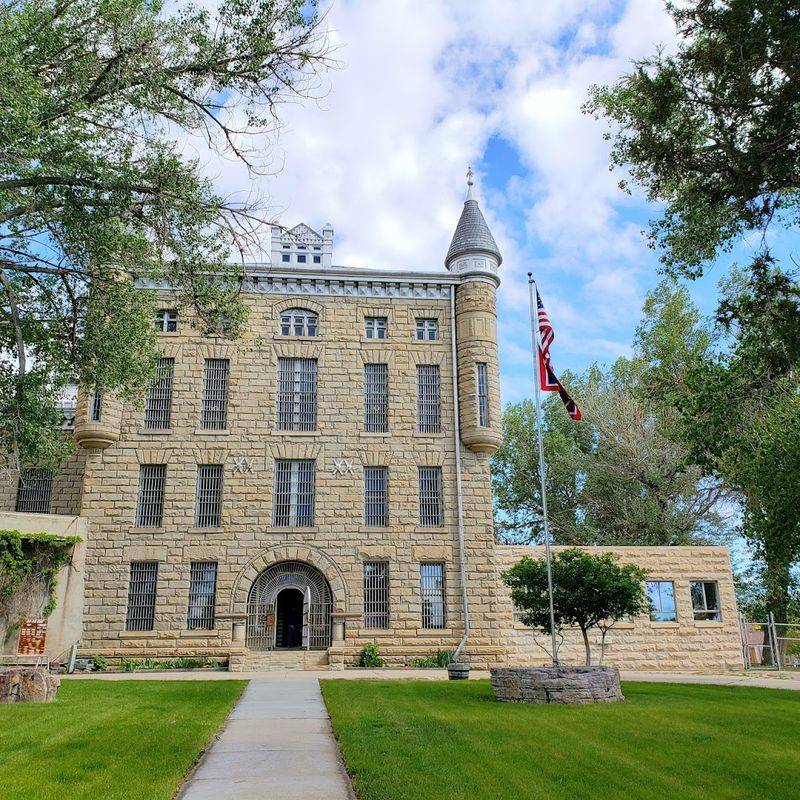
The Wyoming Frontier Prison Museum sits at 500 W Walnut St in Rawlins, Wyoming, and is open Monday through Sunday from 9 AM to 5 PM. Tours are the main event here, and they are the only way to actually see the prison itself.
The small museum area near the entrance is free and worth a look before your tour begins, especially since reading the plaques and exhibits ahead of time adds real depth to what the guides share.
Tour guides vary in experience and energy, which is worth knowing. Most visitors describe their guides as knowledgeable and genuinely enthusiastic about the history.
Arriving a few minutes early gives you time to settle in and ask questions before the group gets moving.
There is no heating or air conditioning inside the prison, so dressing in layers is genuinely useful advice, not just a polite suggestion. The building stays cold even in warmer months, and some sections feel noticeably colder than others.
Comfortable shoes matter too, since the floors are uneven in places and some areas require careful footing.
The candlelight tours offered on Friday the 13th are a completely different experience from the standard daytime visit. If your travel schedule has any flexibility, timing a visit around one of those dates would be worth the extra planning.
The prison at night, with candles and fewer guardrails between you and the atmosphere, is not something you forget easily.
