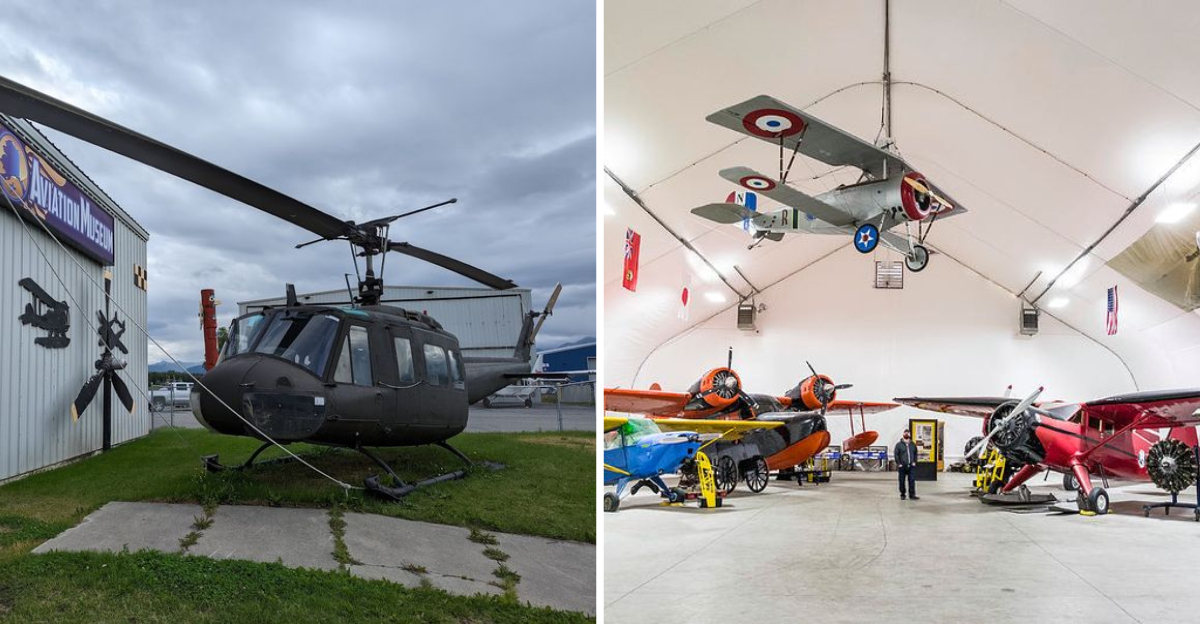
Most museums are quiet in a peaceful, contemplative way. This one is quiet in a way that makes you check over your shoulder.
The Alaska Aviation Museum sits on the shore of Lake Hood, surrounded by the roar of floatplanes and the bustle of one of the busiest seaplane bases in the world.
But step inside the hangars, and the atmosphere shifts. Staff and visitors have reported hearing disembodied voices and footsteps echoing through rooms that should be empty.
A tall shadowy figure has been spotted in the main exhibit hall, and some have even encountered a female aviator in grey lingering in the women’s restroom.
The museum tells the story of Alaska’s aviation pioneers, bush pilots, and WWII heroes, but there are clearly some stories that aren’t written on the placards.
The restoration hangar buzzes with activity, the observation tower offers stunning views, and the vintage aircraft are beautifully preserved. Just maybe stick with the other visitors if you’re touring the restrooms alone.
The Historic Aircraft Collection That Carries Alaska’s Story
Some museums feel like storage rooms. This one feels like a living archive.
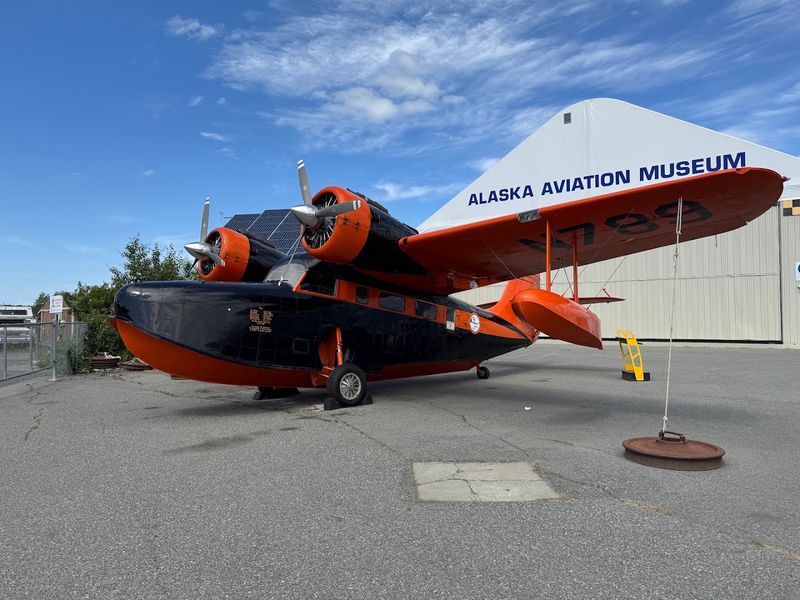
The Alaska Aviation Museum houses over 25 vintage aircraft, and each one carries a specific chapter of Alaska’s airborne past.
The 1928 Stearman C2B is one of the most remarkable pieces in the collection. It was the aircraft used for the first-ever landing and rescue on Mt.
McKinley back in 1932, which is the kind of fact that stops you mid-step.
The 1943 Grumman G-44 Super Widgeon and the 1955 Piper Super Cub PA-18-150 round out the bush flying highlights. These planes were not luxury items.
They were lifelines connecting remote Alaskan communities to the rest of the world.
Getting up close to these aircraft is genuinely surreal. You can study the rivets, peer into cockpits, and imagine the kind of nerve it took to fly through Alaskan mountain passes in machines like these.
There is also a Boeing 737 and an F-15 in the collection, which gives the museum a nice range from rugged bush planes to commercial and military aviation. The variety keeps every type of visitor engaged and curious.
Restoration Hangar Where Old Planes Get a Second Life
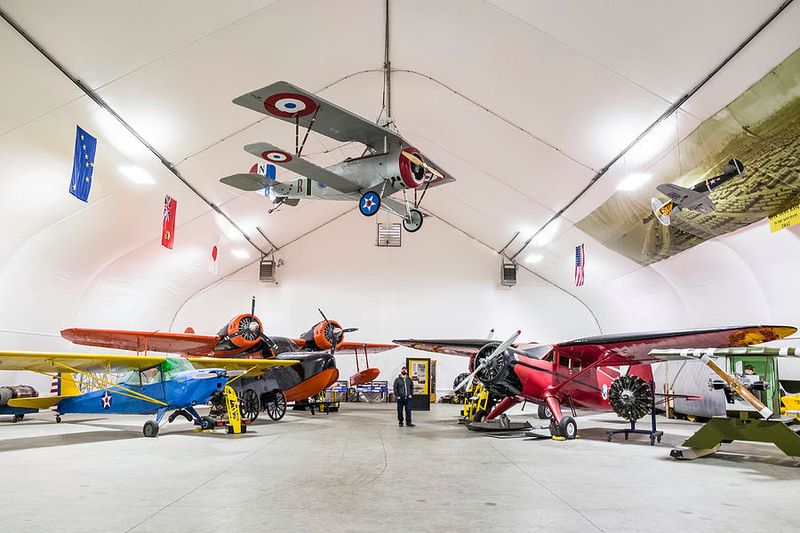
Not many museums let you watch history being rebuilt in real time. The Cecil Higgins Restoration Hangar at the Alaska Aviation Museum does exactly that, and it is one of the most unexpectedly fascinating parts of the whole visit.
Volunteers work here regularly, carefully bringing deteriorated aircraft back to airworthy or display condition using donations and dedicated craftsmanship. I watched one volunteer explain the restoration process to a group of visitors, and his enthusiasm was completely contagious.
The hangar smells like metal and oil and old fabric, which sounds odd but actually adds to the atmosphere. It makes the work feel real rather than staged.
What makes this space special is the transparency of it all. You are not separated from the work by thick glass or velvet ropes.
The people doing the restoring are right there, happy to talk about what they are working on.
Knowing that these planes are preserved through volunteer effort rather than corporate funding gives the whole thing a grassroots, community-driven energy. It is clear that the people behind this museum genuinely care about keeping Alaska’s aviation legacy alive, and that passion shows in every bolt they tighten.
Seybert Tower Views Over Lake Hood and the Seaplane Action
Climbing up to the Seybert Tower might be the most unexpectedly relaxing thing you do in Anchorage. From up there, Lake Hood stretches out in front of you, and floatplanes are constantly taxiing, taking off, and gliding back down onto the water.
A live radio feed from the control tower plays while you watch, which adds a layer of immersion that no exhibit panel can replicate. You hear the pilots communicating, the crackle of the radio, and then you see the actual plane respond to those instructions below you.
It is the kind of moment that makes aviation feel genuinely alive rather than historical. Kids especially seem to light up here.
The combination of real movement, real sound, and real aircraft is hard to beat.
Lake Hood holds the title of busiest seaplane base in the world, so there is almost always something happening on the water. Even on quieter days, the scenery alone is worth the climb up.
The tower gives you a perspective that is both peaceful and exciting at the same time. You get the vastness of the Alaskan landscape on one side and the mechanical ballet of floatplanes on the other, and somehow it all makes perfect sense together.
The Alaska Aviation Hall of Fame and Art Gallery
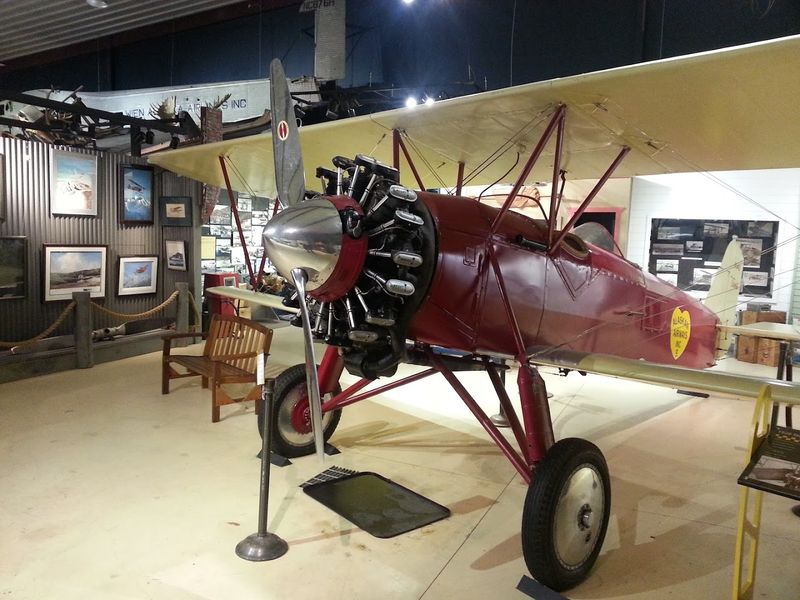
There is a quieter section of the museum that tends to slow people down. The Alaska Aviation Hall of Fame feels more personal than the hangars, more like reading someone’s diary than studying a textbook.
Inductees are honored with photos, plaques, and written histories that trace their contributions to Alaska’s development through flight. Many of these pilots and aviation figures are not household names outside of Alaska, but their impact on the state is enormous.
Bush pilots who flew mail and supplies into snowbound villages, early commercial aviation pioneers, and military figures all share space here. Reading through their stories, you start to understand that aviation in Alaska was never just a convenience.
It was survival infrastructure.
The art gallery adds a softer dimension to the experience. Paintings and prints capture the drama of Alaskan skies, mountain passes, and remote airstrips in ways that photography sometimes cannot.
Together, the Hall of Fame and the gallery create a kind of cultural pause in the middle of all the mechanical exhibits. It reminds you that behind every aircraft in those hangars, there was a human being with a story worth knowing.
That combination of art and history makes this corner of the museum quietly unforgettable.
Recreated Historical Structures That Transport You Back
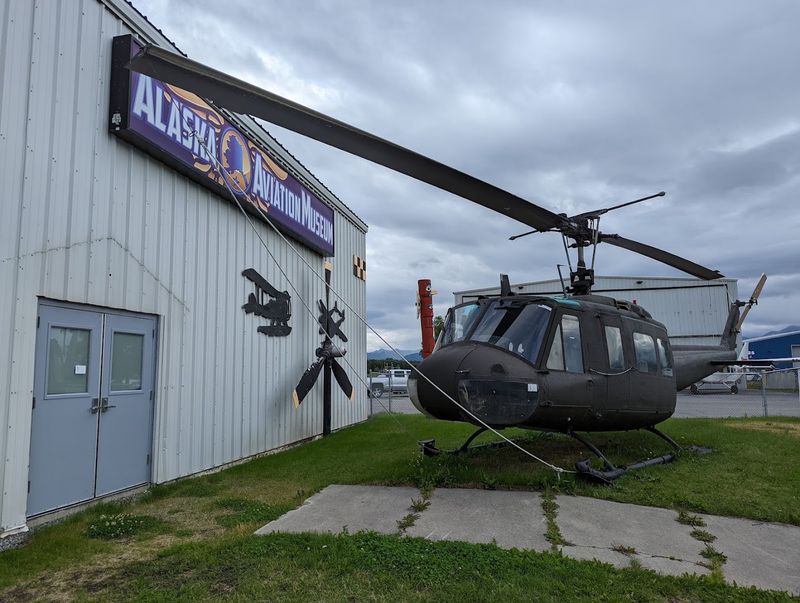
One of the more surprising design choices at this museum is how it uses full-scale recreations to set the scene. Inside the hangars, you will find a Reeve Aleutian Airways tool shed, a Quonset hut, and recreations of 4th Avenue storefronts from a different era of Anchorage.
These are not small props tucked into corners. They are substantial, detailed structures that pull you into a specific time and place.
The tool shed in particular has an almost eerie authenticity to it, with period equipment arranged as if someone just stepped away for a moment.
The Quonset hut nods to the military aviation history that shaped so much of Alaska’s development during and after World War II. That wartime chapter is something the museum takes seriously throughout its exhibits.
I appreciated how these recreations give context to the aircraft on display. A plane sitting alone on a floor tells one story.
A plane next to a tool shed, a radio, and a logbook tells a much richer one.
It is a smart curatorial decision that makes the museum feel less like a collection and more like a world. The attention to detail in these spaces rewards slow, careful visitors who take the time to look at everything around them.
Virtual Reality Flight Simulator and Interactive Experiences
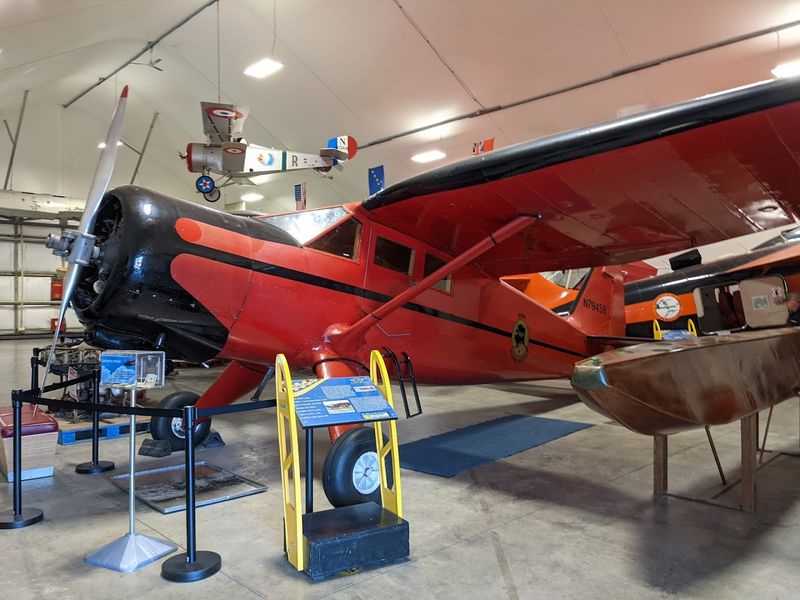
Not everything at the Alaska Aviation Museum is about looking at things from a distance. The Virtual Reality Flight Simulator puts you in the cockpit, letting you experience what it feels like to fly over Alaskan terrain without ever leaving the building.
The Alaskan landscape in VR is genuinely striking. Mountain ranges, glaciers, and vast open tundra scroll beneath you, and for a few minutes, you get a small taste of why bush pilots describe flying in Alaska as unlike anywhere else on earth.
This element of the museum is especially popular with younger visitors, though adults tend to linger just as long. There is something about the combination of physical sensation and visual immersion that makes the history feel suddenly relevant and personal.
Beyond the simulator, the museum offers hands-on areas and kid-friendly interactive zones. Families with young children will find that the museum balances education and entertainment well, keeping different age groups engaged at the same time.
The interactive components feel thoughtfully placed rather than tacked on as afterthoughts. They complement the static exhibits instead of competing with them, which keeps the overall experience coherent and satisfying.
It is the kind of place where you realize you have been there much longer than planned, and you are completely fine with that.
World War II Exhibits and the Aleutian Campaign Story
Alaska’s role in World War II is something most people outside the state know very little about. The museum’s WWII section fills that gap with a depth and care that genuinely surprised me during my visit.
The Aleutian Campaign, which included the Japanese occupation of Attu Island, is covered in detail here. It was the only battle of World War II fought on North American soil, and yet it rarely gets the attention it deserves in mainstream history education.
Artifacts, photographs, maps, and aircraft from that period work together to tell a story that is both geopolitically fascinating and deeply human. You come away with a completely different understanding of Alaska’s strategic importance during the war.
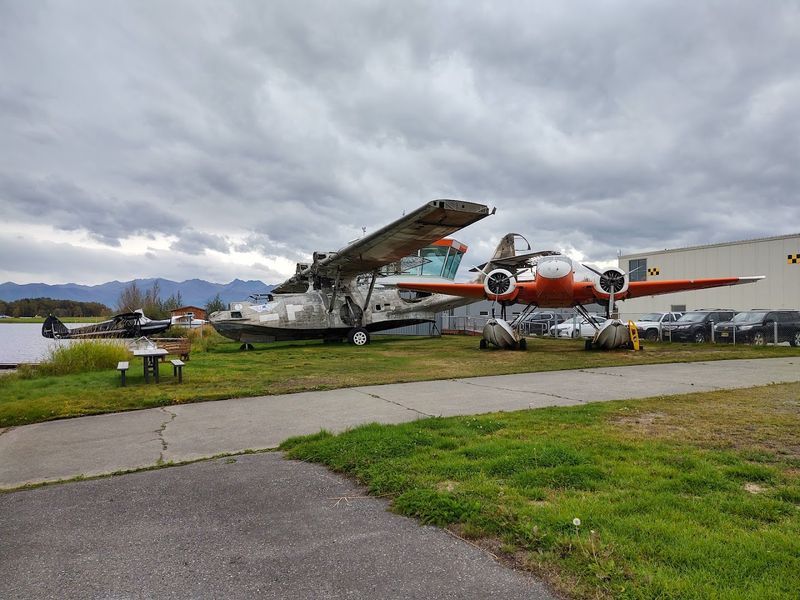
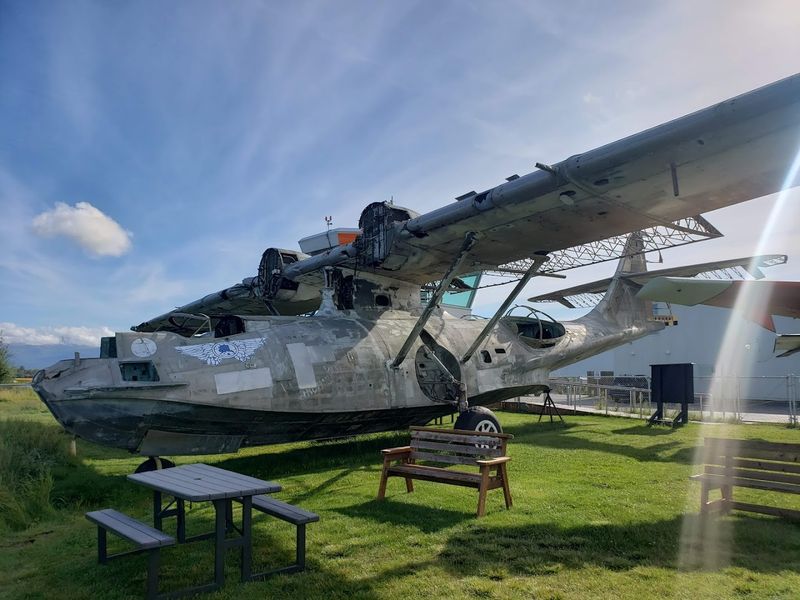
Military aircraft on display, including a PBY patrol bomber, connect the exhibit to the physical reality of what those missions looked like. Seeing the actual type of plane used in those cold, brutal Pacific theater operations adds weight to the written history surrounding it.
The WWII section is the kind of exhibit that keeps you reading long after your feet want to move on. Multiple visitors have noted that they learned things here they simply never encountered in school, and that is exactly what a great museum should do.
Address: 4721 Aircraft Dr, Anchorage, AK 99502
