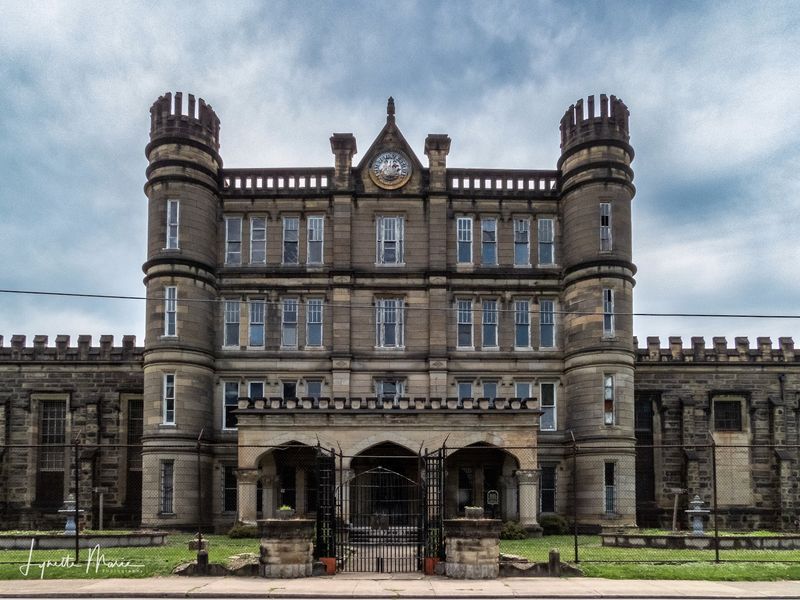
I nearly drove right past it the first time, thinking it was some odd old church tucked along a quiet street in West Virginia. Then the stone towers and jagged rooftops came fully into view, and my curiosity kicked in hard.
What looked like a forgotten fortress turned out to be one of the most fascinating history lessons in the Mountain State, packed with stories that stick with you. If you have a soft spot for the good old days and the places that shaped them, this one belongs on your list.
A Gothic Castle Hiding in the Northern Panhandle
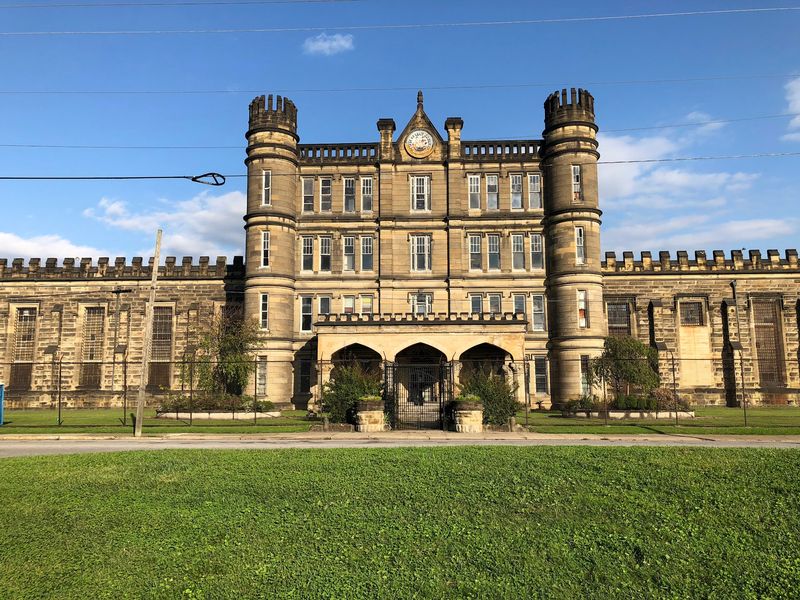
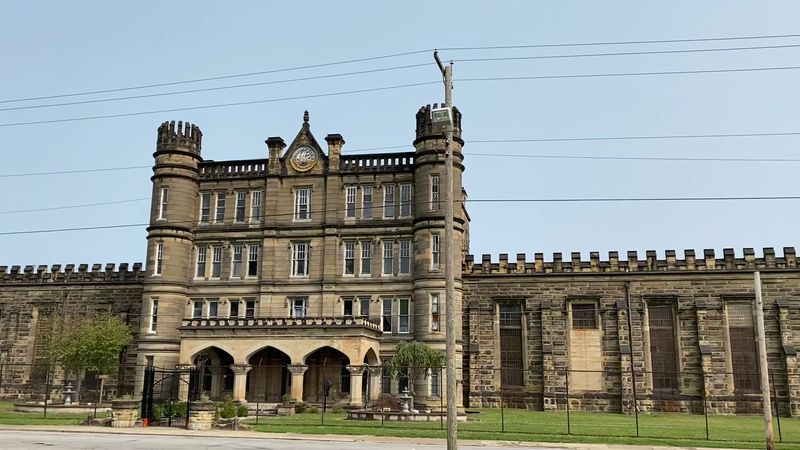
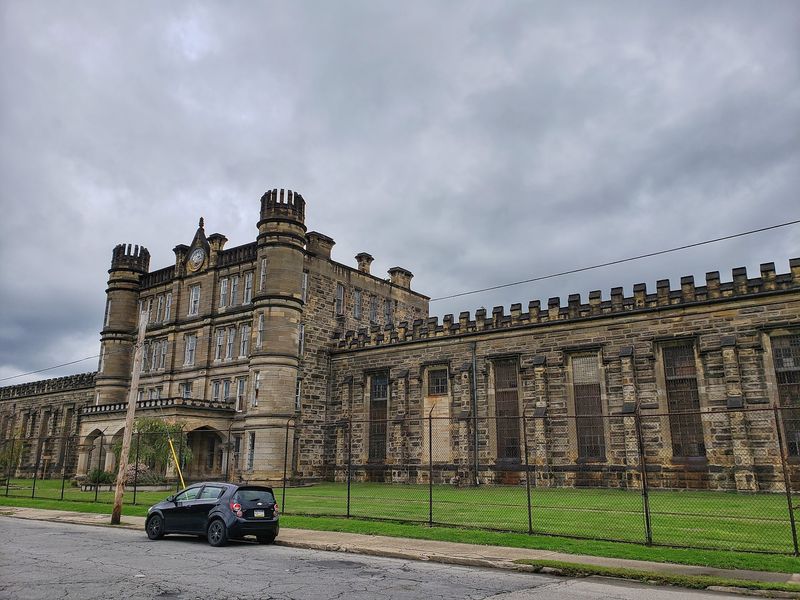
Picture driving down a regular street in the Northern Panhandle and suddenly spotting a castle. Not a pretend one, either, but a real stone fortress with towers, battlements, and walls that seem to go on forever.
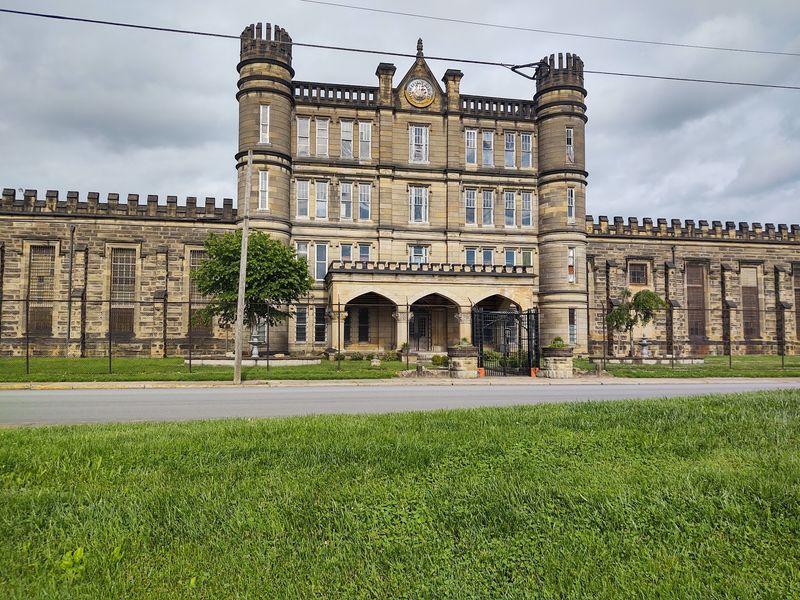
That is the first impression most folks get of the West Virginia Penitentiary in Moundsville.
Sitting at 818 Jefferson Avenue, the old prison now works as a historic site, tour stop, and event space instead of a lockup. Visitors come from across the Mountain State and beyond to walk its cell blocks, hear its stories, and snap photos of that unforgettable facade.
Some even plan road trips around it, while others simply notice the Gothic towers on the map and pull over on a whim.
What makes the place special is how little it feels like a museum. Paint peels, iron bars still stand, and the rooms look much as they did when the last men walked out in the 1990s.
You are not viewing history behind glass here. You are standing right inside it, breathing the same cool air that drifted through these halls for well over a century, and that feeling sticks with you long after the drive home.
Born Just Three Years After Statehood
Here is a fun bit of trivia to share at the next family reunion. West Virginia had only been a state for about three years when work began on its first penitentiary in 1866.
Back then, the young state had no proper place to hold people convicted of crimes, so building one quickly became a top priority.
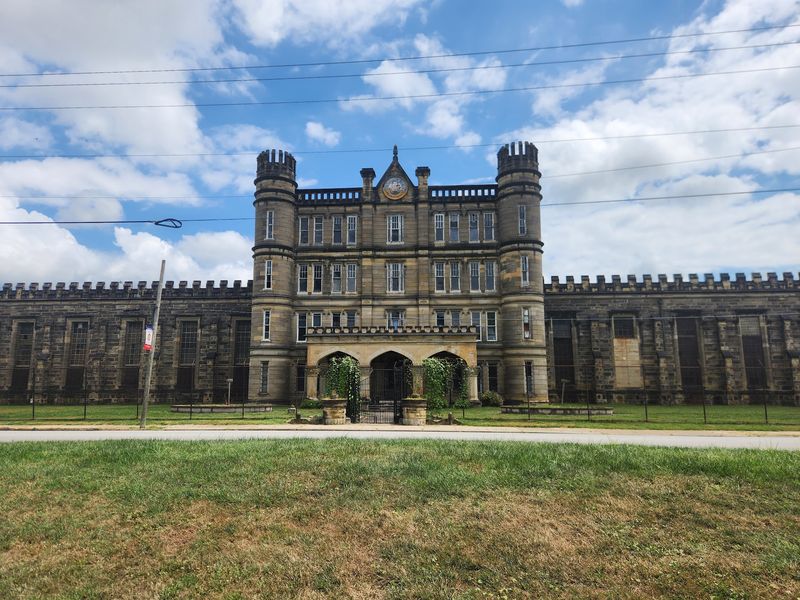
Planners reportedly looked to the state prison in Joliet, Illinois, for inspiration. The result was a castellated Gothic design, the kind of look you might expect from a medieval stronghold rather than a small river town.
Crenellated rooflines and battlements gave it a grand, almost royal presence that still turns heads today.
Much of the early labor came from the very men who would later live inside. They helped quarry stone and raise the walls, piece by heavy piece, over a period of years.
That detail changes how you see the building, since nearly every block carries the story of hands that shaped it.
The prison went on to serve the state for 129 years. Generations of Moundsville residents knew it as a neighbor, an employer, and a landmark, and plenty of local families likely had a relative or friend connected to it in some way.
Hometown Stone and Storybook Battlements
Twenty-four feet. That is how tall the stone walls rise around the complex, roughly the height of a two-story house.
Stand at the base and look up, and you quickly understand why the building became such a symbol of the upper Ohio Valley.
The stone itself is a local story. Builders quarried it from nearby spots in Marshall and Wetzel counties, so the prison is quite literally made of West Virginia.
On a sunny afternoon the blocks look warmer and softer, while gray skies make them look stern and serious, almost like the building changes moods with the weather.
The whole property covers about 19 acres, which gives you a sense of how much ground there is to explore. Battlements line the rooftops, giving the skyline that saw-tooth edge you see in storybook castles.
Even the later additions kept the look consistent. Buildings put up between 1945 and 1950, including the Control and Administration Building and the Warden’s House, were designed to match the original Gothic Revival style.
Thanks to that careful planning, the complex feels unified instead of patched together, and photographers love how every angle seems to belong to the same era.
Tiers of Iron and Five-by-Seven Cells
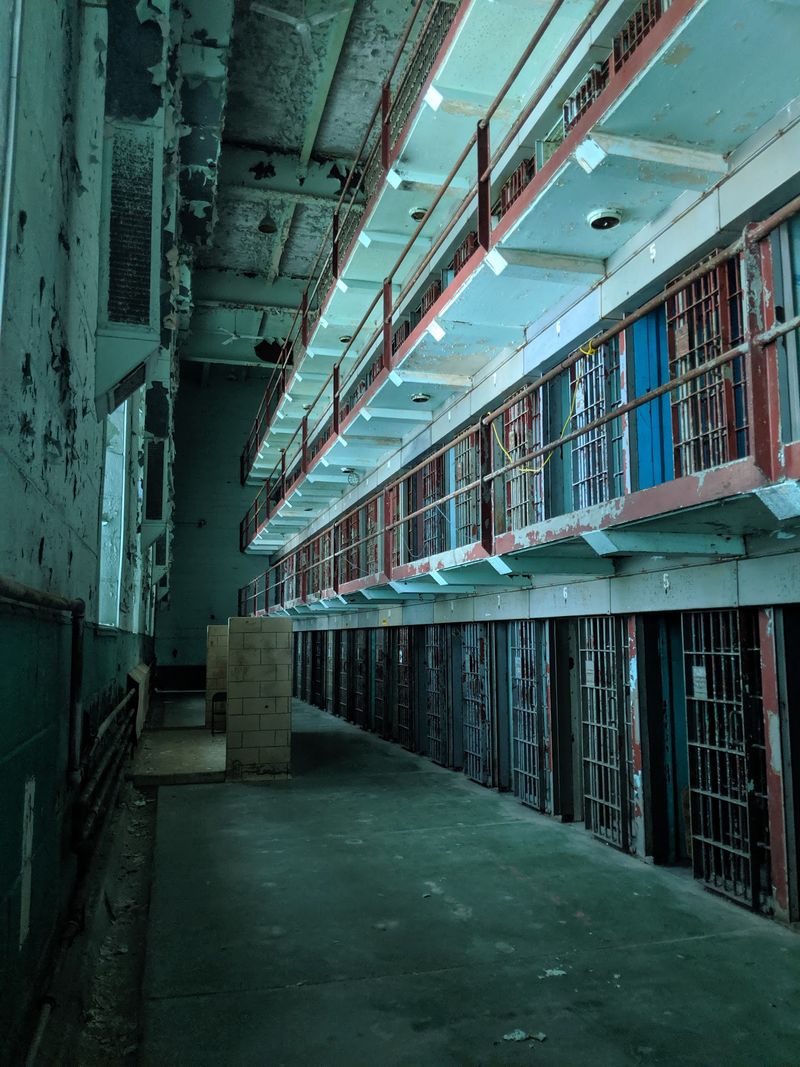
Grab a tape measure at home and mark out a space five feet wide and seven feet long. Now imagine living there, maybe with two other grown men, under a ceiling only seven feet high.
That exercise gives you a small taste of what cell life looked like inside these walls.
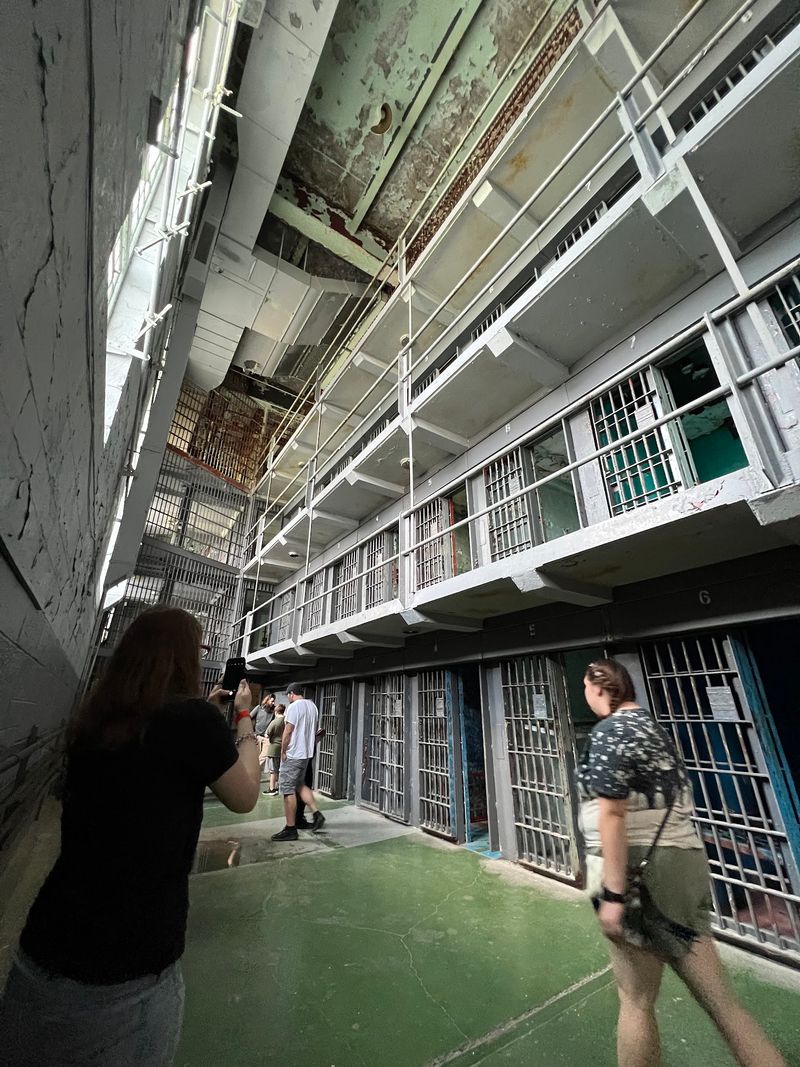
The prison followed what is called the Auburn Plan. Under that approach, barred cells were stacked in several tiers, one row on top of another, all tucked inside the big outer stone shell.
Walking along the ground floor and gazing up at those layers of iron is one of the most striking moments of any visit.
Crowding became a constant headache. At its peak, the population reportedly climbed past 2,000 people, and during the tightest stretches a single tiny cell could hold as many as three.
Visitors often say that stepping inside one of those cramped spaces makes the history feel suddenly real.
Tour guides typically let groups step into cells, which is not something every historic prison allows. Take a moment, rest a hand on the cold bars, and look out at the tiers across the way.
It is humbling, a little eerie, and very hard to forget.
A Prison That Nearly Ran Itself
Salt and sugar. According to historical accounts, those were about the only things the penitentiary needed to bring in from the outside world.
Nearly everything else was made, built, or mined by the people living inside.
The list of trades is impressive. Inmates produced brooms, soap, and clothing, and in later years they stamped out license plates and made street signs in a warehouse on the grounds.
Some West Virginia drivers may have had plates that started life right here, which makes for a neat conversation starter on the tour.
There was even a coal mine nearby where inmates worked. In a state built on coal, that detail fits right in with the bigger story of West Virginia labor, grit, and resourcefulness.
The prison ran almost like a small industrial town with its own schedule, jobs, and chain of responsibility.
Kitchen work was reportedly one of the most sought-after assignments, handed out to men on good behavior. Guides explain that the meals they cooked fed both inmates and guards, and each cell block had its own set time to eat.
Hearing about daily routines like these helps the whole place feel less like a monument and more like a community with its own rules.
Ballfields, Books, and a Women’s Wing
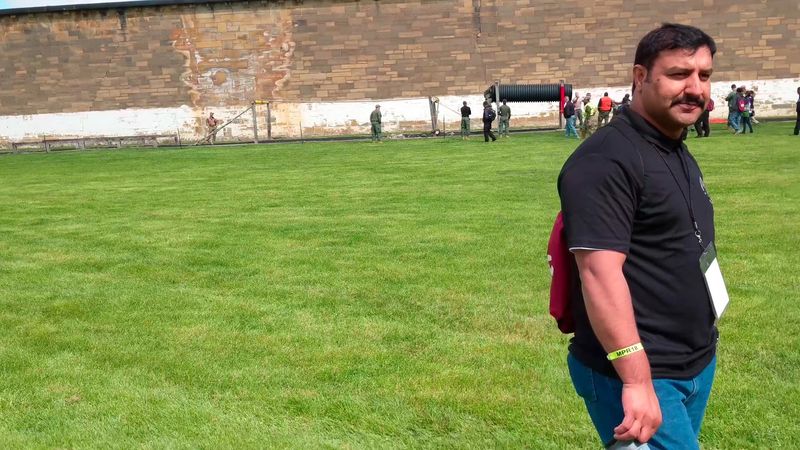
Most people expect cold iron and gray stone. Fewer expect basketball hoops, softball games, and a library.
Yet by 1900, the penitentiary had already set up a school and library, a sign that reform and education were part of the plan from fairly early on.
The yard saw plenty of action over the years. Inmates played basketball, softball, and even boxed, and guides mention areas used for football and baseball too.
Some tour groups also hear about a basement recreation space where men once played pool and traded goods from the commissary.
The prison housed women as well as men for many decades. That changed in 1947, when a separate institution for women opened elsewhere in West Virginia.
Today, visitors can see the section of the grounds where the women’s cell block was located, a smaller area near one end of the courtyard.
These details add warmth and humanity to what could otherwise feel like a grim story. Walking past the old ball court, it is easy to picture a summer afternoon decades ago, with cheers echoing off the stone.
Moments like that remind you that ordinary daily life went on here, too, in all its complicated shades.
The Court Rulings That Closed the Gates
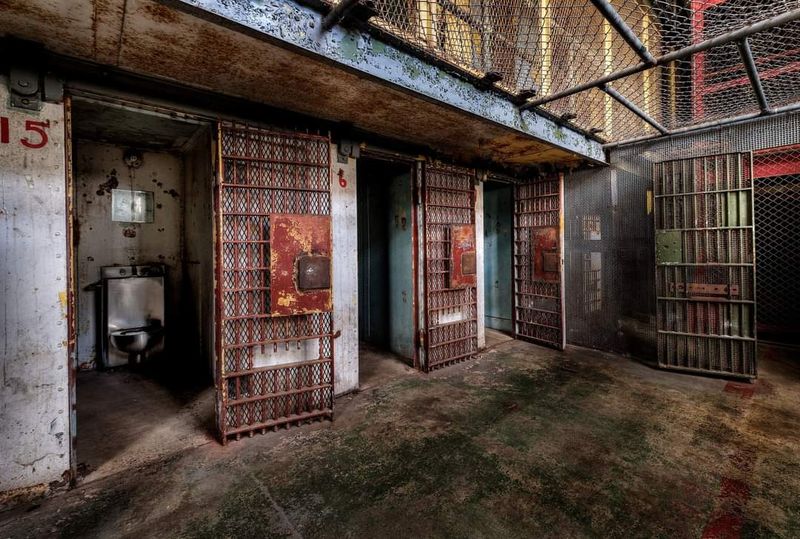
Every long story needs a turning point, and for this prison it came through the courts. Overcrowding had been a problem for generations, and it grew worse as the twentieth century rolled on.
Eventually, the state’s highest court issued rulings finding that the small cells were no longer acceptable living conditions.
Those decisions played a big role in shutting the doors. In 1995, after 129 years of service, the West Virginia Penitentiary officially closed.
Most of the men held there were moved to a newer correctional complex in Mount Olive, down in Fayette County.
Many old buildings fade away after a closing like that, but this one found a second life surprisingly fast. According to guides, tours started within about a year, which explains why parts of the interior still look half-stripped, as though workers set down their tools mid-project.
That unpolished look is actually part of the charm.
In 1996, the site was added to the National Register of Historic Places. The listing recognizes both its Gothic Revival architecture and its important place in the state’s history.
For a community that takes real pride in its landmark, that honor helped secure the building’s future and kept its stories open to new generations.
Guides Who Make the History Personal
Ask anyone who has taken the tour what stood out, and the answer usually starts with the guide. Visitors rave about how knowledgeable, funny, and genuinely passionate the staff are, and many leave remembering their guide by name.
It is the kind of place where the people bring the stone to life.
The standard guided walk lasts about 90 minutes. Groups can run fairly large, sometimes around 30 people, yet guests often mention that they never felt rushed and had time to poke around each area before moving on.
Several folks who expected a stiff, stuffy history lesson say the tour felt relaxed and moved surprisingly quickly.
Some tours have been led by people who once worked as correctional officers inside these walls. Hearing a firsthand account from someone who walked those tiers on the job adds a layer no plaque could ever match.
Like any tour, experiences can vary a bit from guide to guide. One helpful tip from past visitors is to read up or watch a documentary about the prison before you come, so you arrive with some background and a few good questions.
Parents report that even teens stay hooked, which is high praise for any history outing.
Mess Hall Memories, Inmate Art, and the Alamo
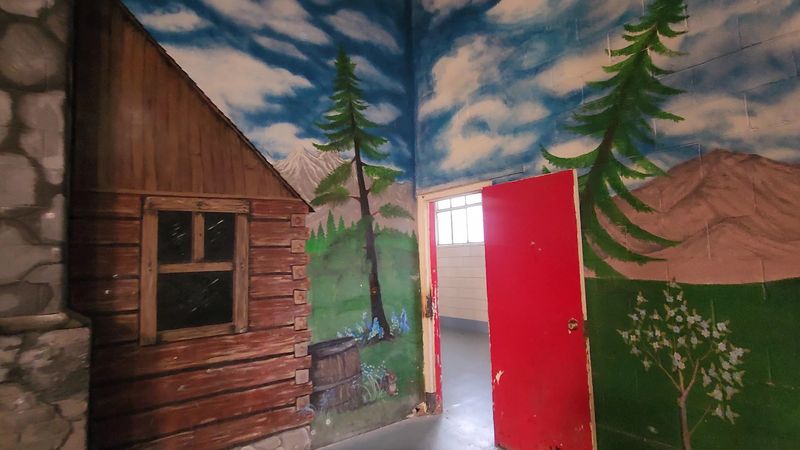
Before the tour even begins, the waiting area deserves your attention. Display cases hold inmate-made art, homemade contraband items confiscated over the years, old guard uniforms and badges, and profiles of some of the prison’s most notorious residents.
Nobody minds waiting when there is this much to study.
Once the walk starts, the route winds past spots like the old visiting room with its telephones and booths, and a day room brightened by inmate artwork. The mess hall is a favorite for many, a big echoing space where each cell block once had its own mealtime.
Guides also point out the medication window and the posts where officers stood watch.
Then come the cell blocks, and the mood shifts. One area housed men with lighter charges who could move around more freely, while another, nicknamed the Alamo, held those considered the most troublesome.
Visitors often describe a heavy feeling in the air there.
The dungeon, as it is commonly called, is among the spots visitors mention most after their tour. Out in the central courtyard, you can also see the basketball court, the warden’s residence, and the warehouse where plates and signs were made.
Each stop peels back another layer of the story.
After Dark With Flashlights and Folklore
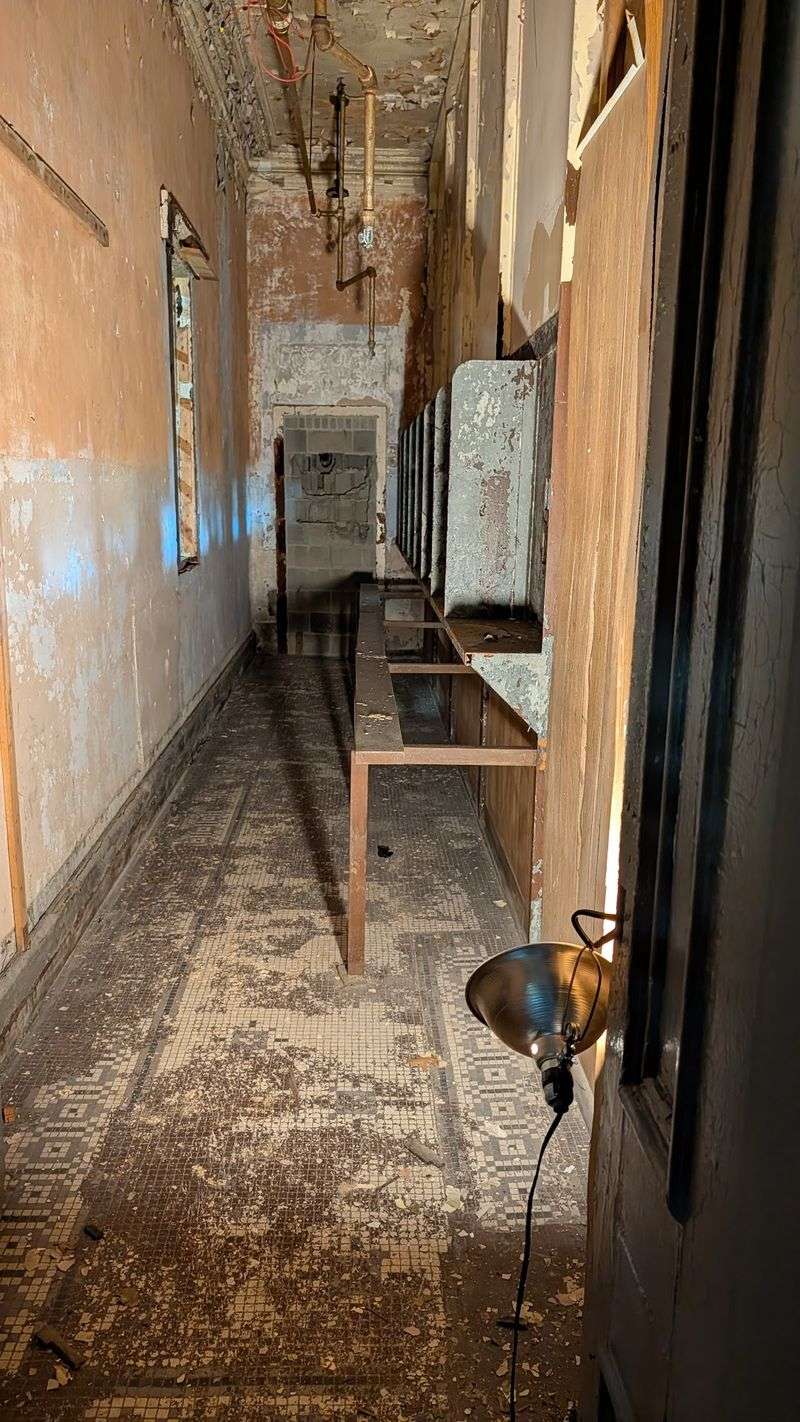
Flashlights click on, voices drop to a whisper, and every creak of old metal sounds a little louder. After the sun goes down, the penitentiary takes on a completely different personality, and plenty of guests come specifically for that thrill.
The site offers overnight paranormal visits and public ghost hunts, where groups get a guided tour and then some time to explore on their own. People who have tried it describe the freedom to wander as both exciting and a bit spooky.
Some return again and again, promising to bring better equipment next time.
Evening tours also run on certain nights, such as a 7 to 10 p.m. slot that one group enjoyed on a rainy Friday. Guests have shared stories of strange photos, mysterious orbs, doors that seemed to swing open on their own, and odd sensations in quiet corners.
Whether you believe any of it or not, the stories certainly add to the fun.
For shutterbugs, there is a photography tour as well, giving extra time to capture peeling paint, long corridors, and dramatic light slipping through old windows. Special events round out the calendar, so check the official website at wvpentours.com to see what is scheduled during your trip.
Hours, Ticket Prices, and Smart Timing
Timing matters here, so a little planning goes a long way. The penitentiary is listed as open Tuesday through Sunday from 10:45 a.m. to 3 p.m., and closed on Mondays for regular daytime visits.
Guided tours generally start at the top of the hour, with the last one kicking off at 3 p.m.
Prices are refreshingly friendly for a retirement budget or a family outing. Recent visitors reported paying around $15 to $16 for an adult ticket, with discounted admission of about $13 for veterans and seniors 55 and older.
Military discounts are available, and rates can change, so it is smart to double-check before you go.
A handy tip comes from folks who arrived late in the day. The gift shop may close before the final tour wraps up, so grab souvenirs first if you are catching that last walk.
One shopper swore by the comfy sweatpants, of all things.
Wear sturdy shoes, since you will be on your feet for roughly an hour and a half on old floors and in the outdoor yard. Bring a jacket on cooler days, too.
Stone buildings tend to hold a chill, even when the sun is shining outside.
A Soft Verdict From the Upper Ohio Valley
So, is it worth the trip? For anyone who loves West Virginia history, old architecture, or a good spooky story, the answer leans strongly toward yes.
The penitentiary offers a rare chance to stand inside a genuine 19th-century fortress and hear how everyday life unfolded behind its walls.
It suits a wide range of visitors. History buffs will enjoy the details, photographers will find endless angles, and thrill seekers can book an after-dark adventure.
Families with older kids and teens tend to have a great time, while those wanting something gentler can simply admire the Gothic exterior and browse the gift shop.
Getting there is easy, too. Many travelers stop in on road trips through the upper Ohio Valley, and some folks pair it with the historic mound sitting right across the road for an affordable day of sightseeing.
Plenty of guests say they spotted the castle on a map, made a last-minute detour, and were thrilled they did.
You will find the West Virginia Penitentiary at 818 Jefferson Ave, Moundsville, WV 26041. Pack sensible shoes and a curious mind.
And if you have ever walked these halls before, or had family connected to the old prison, those memories are worth sharing.
