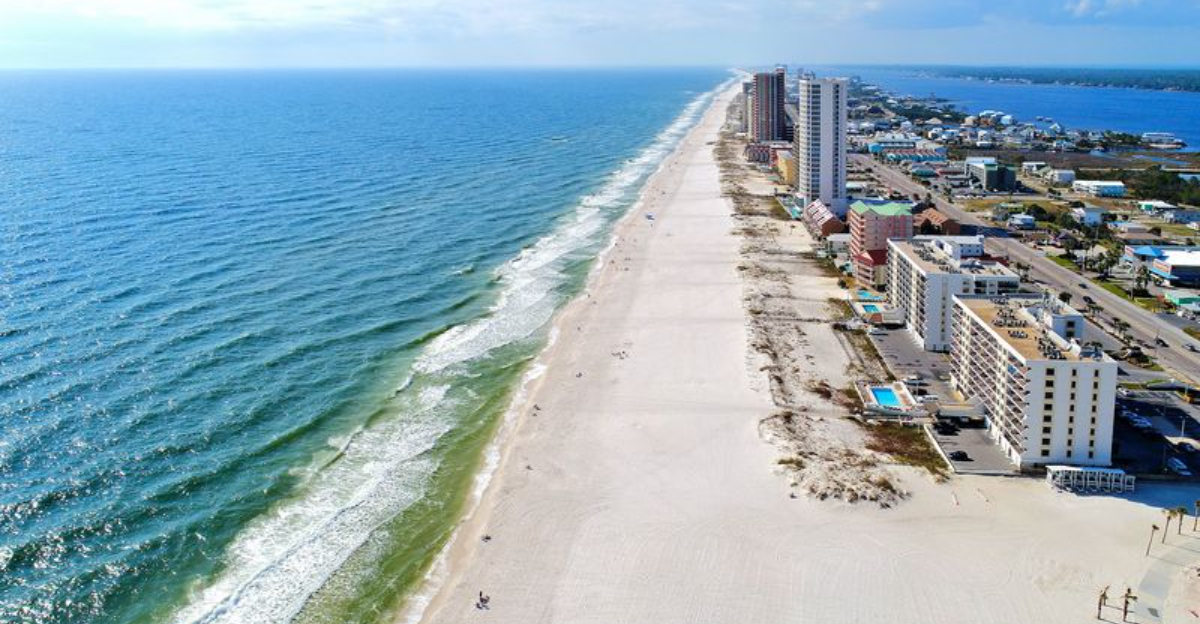
The first time I hit summer traffic along the coast, I started wondering if everyone had the exact same vacation plan. Cars barely moved, parking lots were packed, and the beach road seemed to stretch forever.
Then I learned the trick locals already knew. A few turns away, the crowds can thin out fast, with quiet boardwalks, shaded paths, and stretches of sand that feel completely removed from the traffic jam.
Alabama’s coast has plenty more going on than the busiest beach strip suggests, from dolphins cruising offshore to alligators lounging in nearby freshwater marshes. The trick is knowing when to leave the obvious route behind.
Some access points stay surprisingly peaceful, while certain trails seem to make the crowds disappear altogether. If the goal is a beach day without spending half of it staring at brake lights, these quieter corners are worth knowing.
Gulf State Park, 6,150 Acres of Breathing Room
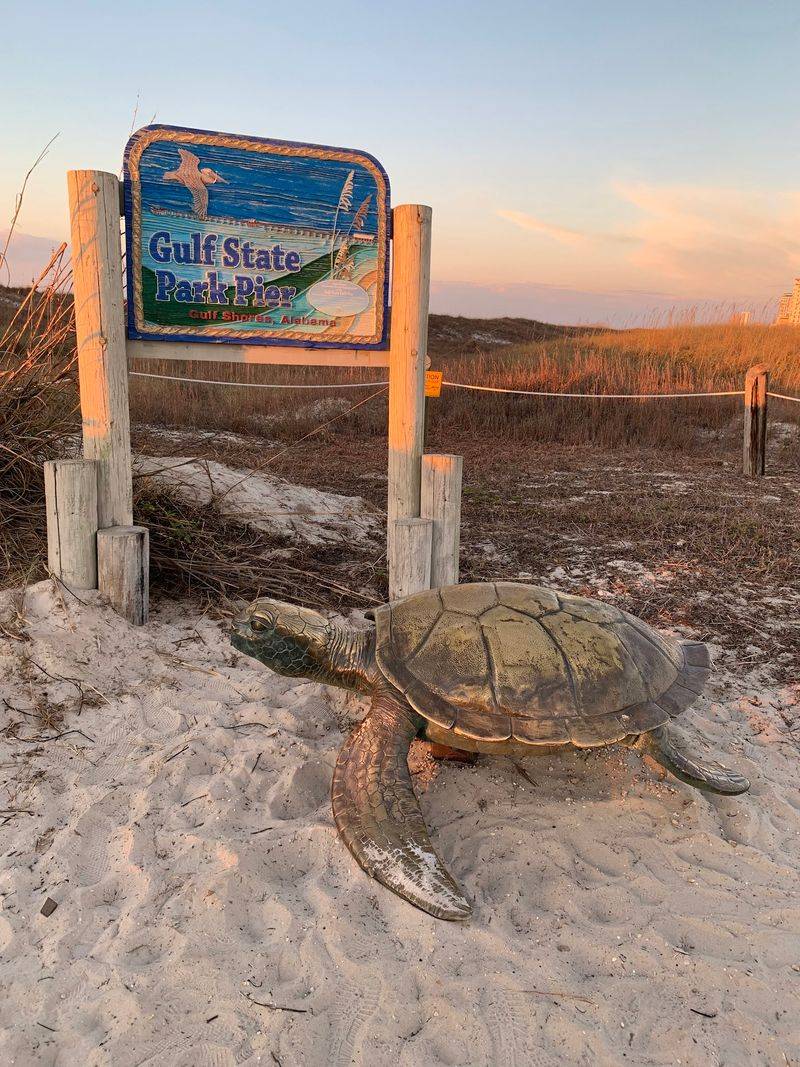
Few state parks in the South can match the sheer scale of this one. Gulf State Park covers 6,150 acres and holds more than two miles of powder-white beachfront, which means the crowd thins out the farther a visitor is willing to walk.
The beach pavilion anchors the main stretch, offering covered picnic tables and outdoor showers for rinsing off sand before heading back to the car. Sunbathing, swimming, and shell hunting fill most afternoons here.
Away from the shoreline, the park spreads inland into pine flatwoods, freshwater lakes, and marshes stitched together by walking, hiking, and biking trails. A nature center highlights native plants and animals, with regular programs that explain what lives in the dunes and the water.
Guests booked into the campground or cabins get access to a swimming pool and splash pad, which tends to save a rainy afternoon.
Practical tip for skipping the worst of the parking crunch, arrive before mid-morning or roll in after four when day visitors start packing up. Picnic areas and group pavilions scattered through the park make it easy to spend a whole day without ever returning to a restaurant.
Golf, zip lining over the dunes, and quiet lakeside benches round out the options. It is a beach vacation and a nature retreat sharing the same address.
Address: 22250 East Beach Blvd, Gulf Shores, AL 36542
Twenty-Eight Miles of Backcountry Trail Hiding in Plain Sight
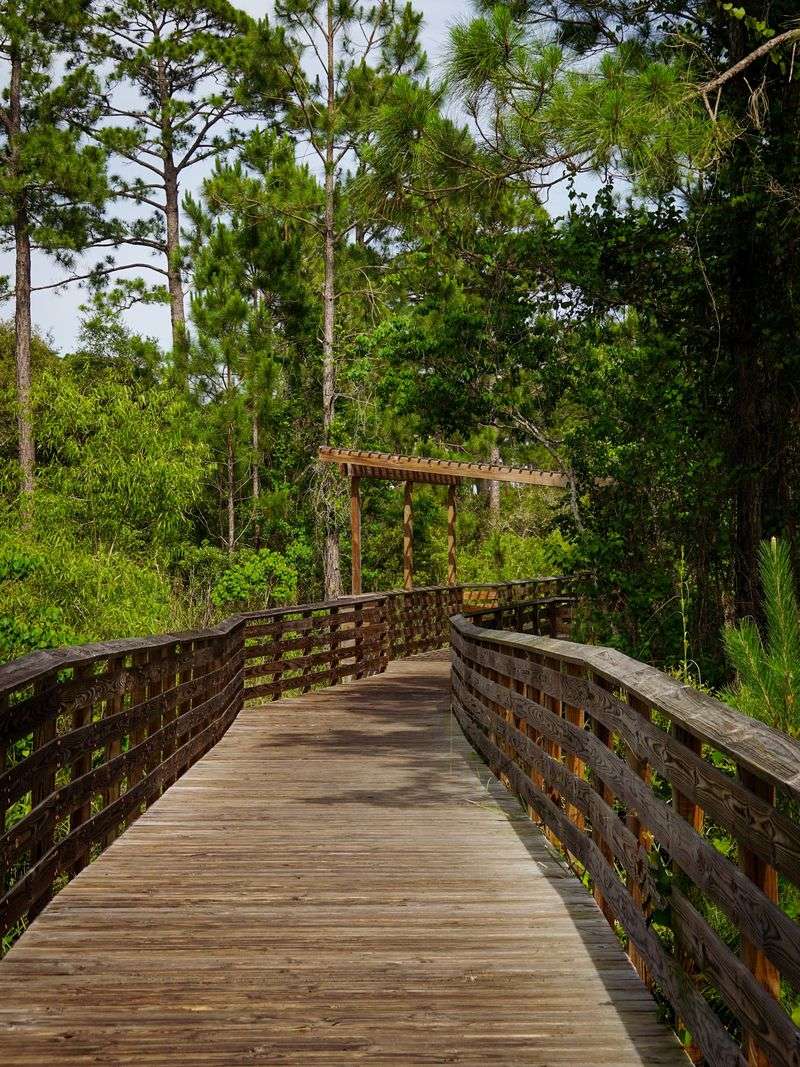
Traffic can back up on the beach road while, a few hundred yards away, a paved trail sits nearly empty. That contrast is the best-kept secret of the Hugh S.
Branyon Backcountry Trail.
The system runs roughly 28 miles through paved paths and raised boardwalks, weaving across seven separate ecosystems. Pine forest gives way to marsh, then to dune scrub, sometimes within a single mile.
Flat terrain makes the whole network approachable for casual cyclists, families with strollers, and anyone who would rather stroll than sweat. Shade covers long stretches, which matters plenty in July.
Bikes can be borrowed at no cost through the Bloom Bike Share program, with stations spread around the park and checkout periods running up to three hours. Segway eco tours offer a guided option for covering more distance while learning the landscape.
Wildlife watching is the real draw. Alligators sun themselves along the freshwater edges, turtles line up on logs, and songbirds flit through the underbrush during migration season.
A quick word of caution, stay on the boardwalks and give the alligators a wide, respectful distance.
Mornings are cooler and quieter, with better odds of spotting animals before the day heats up. Bring water, wear something breathable, and expect the beach crowds to feel a world away.
The Longest Pier on the Gulf, and the Dolphins Below It
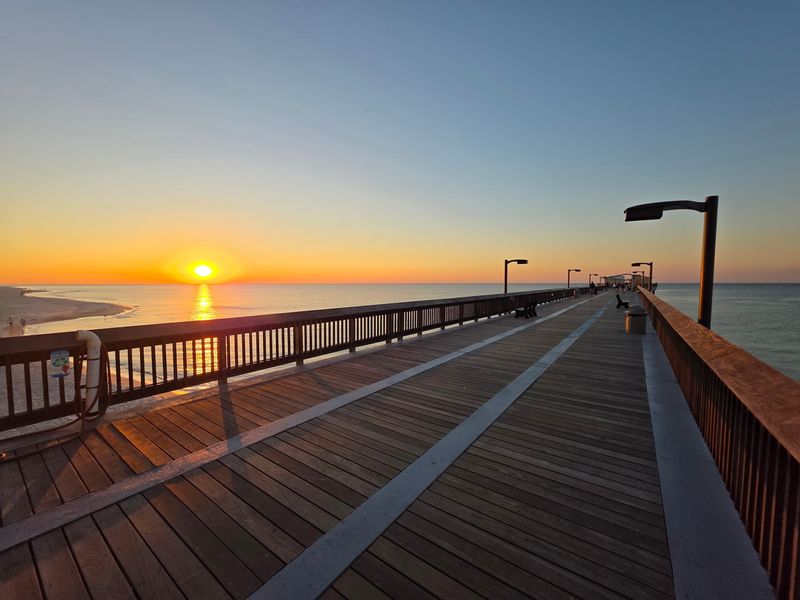
Reaching 1,540 feet into the water, the Gulf State Park Pier holds the title of longest pier in the Gulf of Mexico. That number sounds abstract until the walk begins and the shoreline shrinks behind.
Anglers claim the far end, casting for whatever is running that season. A valid fishing license and a daily fee apply for anyone dropping a line.
Sightseers pay a modest walk-on fee instead, which buys a slow stroll above open water and a horizon view in every direction. Guests of The Lodge enter without charge.
Dolphins show up often, arcing through the swells below while pelicans dive nearby. Interpretive signs posted along the railing explain the marine life circling underneath, turning a walk into a low-key lesson.
Sunrise and sunset both work beautifully here, though sunrise brings fewer people and softer light on the water.
The walkway is wide and level, so strollers and wheelchairs roll easily from end to end. Benches appear at intervals for anyone wanting to sit and watch the fishing lines twitch.
Wind picks up out past the halfway point, which feels wonderful in August and bracing in February. A hat that will not blow off is a sensible choice.
Address: 20800 East Beach Blvd, Gulf Shores, AL 36542
Bon Secour National Wildlife Refuge Means Safe Harbor, and It Shows
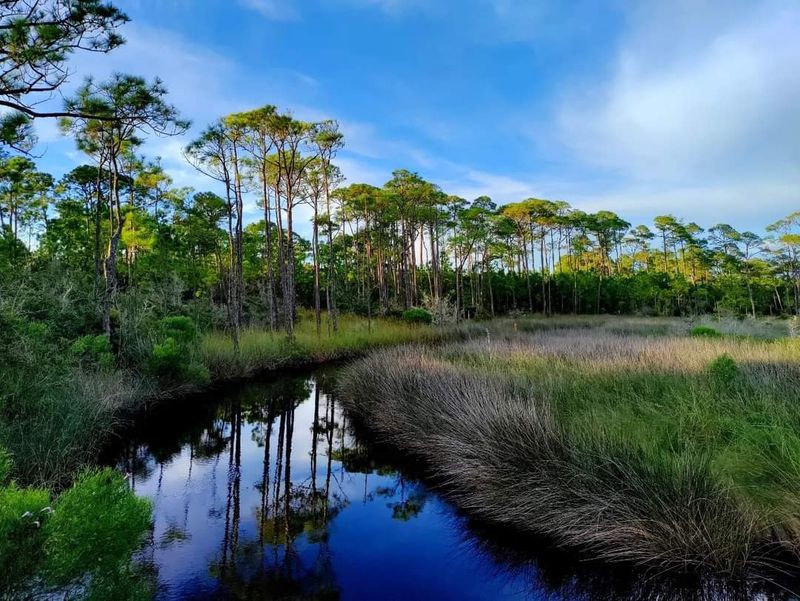
The name translates from French as safe harbor, and the refuge lives up to it. Roughly five miles inland from the busiest beach parking lots, Bon Secour National Wildlife Refuge protects one of the largest undeveloped stretches on the Alabama coast.
Migratory birds pause here on long journeys, sea turtles nest on the quiet sand, and native plants hold the ancient dunes in place. Salt marshes and scrub forest fill the spaces between.
Hiking trails cut through several of those habitats, offering a landscape that looks almost nothing like the condo-lined shoreline a short drive east. Kayaking opens up the water side, where herons stalk the shallows.
Birding is the standout activity, especially during spring and fall migration when species stack up in the coastal scrub.
Nothing here is flashy. That is precisely the appeal for visitors who want a couple of hours without traffic noise or beach music.
Bring insect repellent, sturdy shoes, and enough water, since services are minimal and shade comes and goes. Sun protection matters on the open dune sections.
Trail signage explains nesting seasons and closures, so reading it before setting off keeps both wildlife and hikers comfortable. Leave the sand as found, take photographs instead of shells, and let the sea turtles keep their quiet stretch of coast.
Lemurs, Sloths, and a Break From the Sunburn
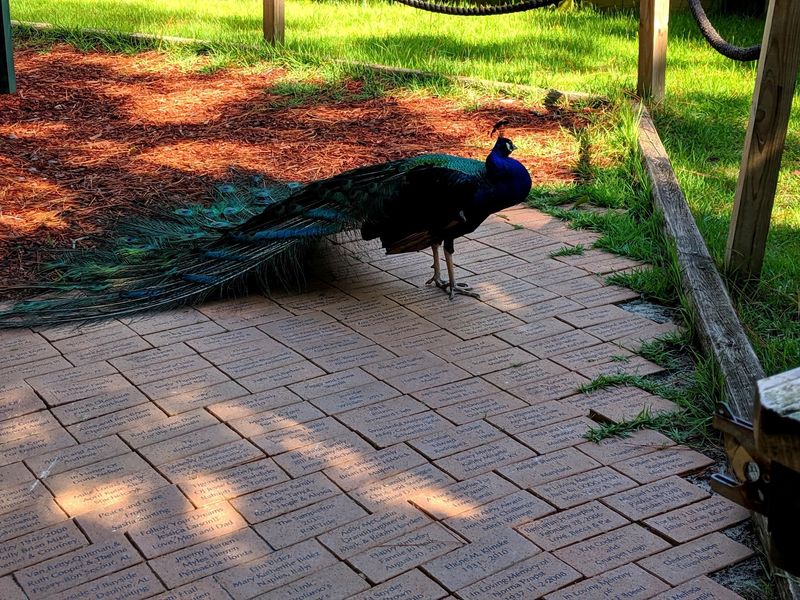
Sooner or later somebody in the group gets tired of sand in their shoes. That is when the Alabama Gulf Coast Zoo earns its keep.
Nearly 200 species live here, ranging from chattering lemurs and strutting peacocks to a Eurasian lynx that prefers the shady corners. Kangaroos and sloths draw steady crowds of delighted kids.
Many residents arrived through rescue situations, and the zoo builds its programming around animal welfare and conservation. Keeper talks explain where each animal came from and what it needs.
Seasonal animal encounters allow closer, supervised interactions with select residents, which tends to become the story children retell for weeks.
Set roughly five miles inland from the beach, the zoo makes a natural pairing with a morning on the sand and an afternoon under the trees. Paths are walkable and manageable for younger legs.
Timing advice, go earlier in the day when temperatures are lower and the animals are more active. Midday heat sends plenty of them into the shade for a nap.
Strollers roll fine on the main paths, and shaded seating shows up often enough for rest breaks.
The place carries a friendly, unpretentious feel rather than a polished big-city zoo atmosphere. That smaller scale is exactly why families keep returning year after year.
Lagoon Pass Park, Where Two Waters Trade Places
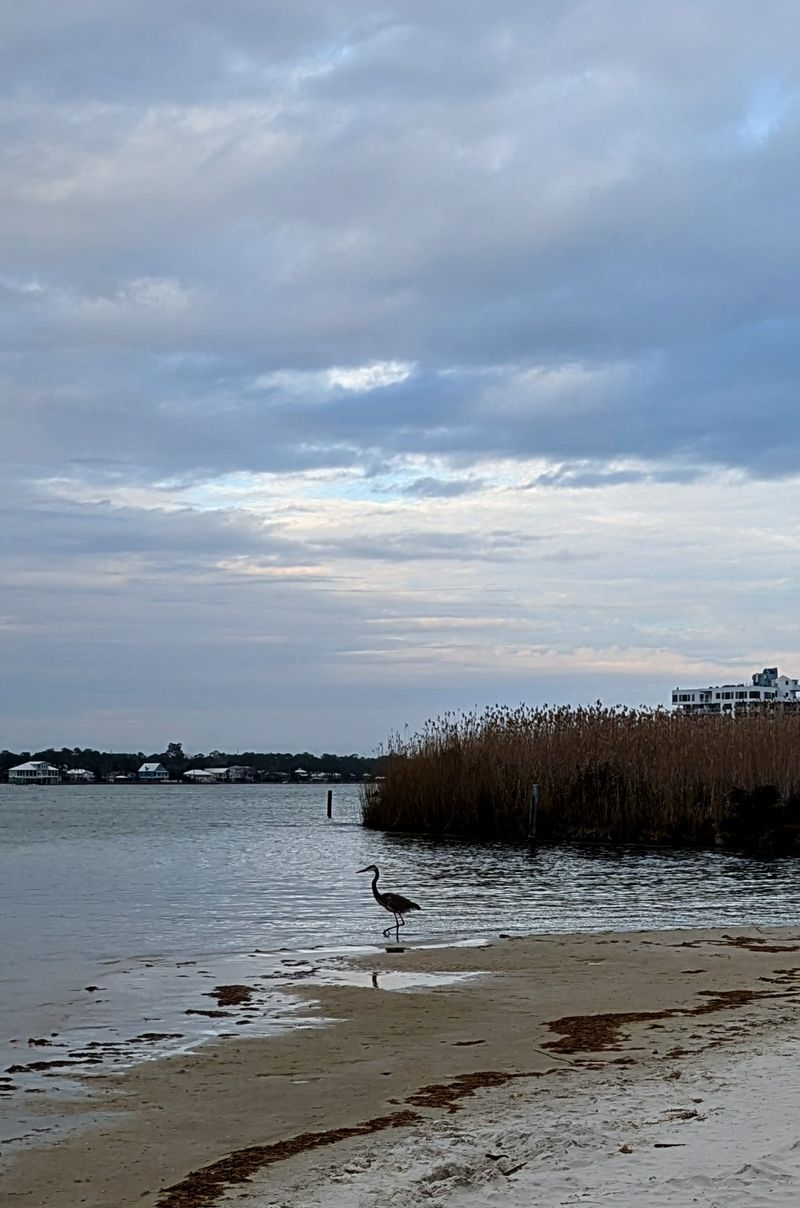
Something interesting happens where Little Lagoon meets the Gulf of Mexico. Water shifts direction with the tide, fresh mixing with salt, and Lagoon Pass Park sits right at that junction.
The blend creates a productive little ecosystem. Fishing and crabbing both do well here, pulling species that behave differently than those out in the open surf.
On the lagoon side, water tends to run shallow and calm, which suits families with small children who want to splash without fighting waves. Small fish dart around ankles and crustaceans scuttle along the bottom.
Wading birds patrol the edges with patient, comic seriousness. Watching them work is entertainment enough for an hour.
The bridge spanning the pass gives an elevated view, and it turns particularly photogenic at sunrise and again as the light drops in the evening.
Crowds stay lighter than at the central beach accesses, making this a solid choice for anyone tired of hunting for a parking space.
Current can move quickly through a narrow pass, so keep an eye on children and stay clear of boat traffic. Water shoes help on the mixed bottom.
Pack a snack, a chair, and low expectations for amenities. The reward is a quieter, stranger, more interesting slice of the Alabama coast.
Beat the Beach Traffic With Numbered Access Points
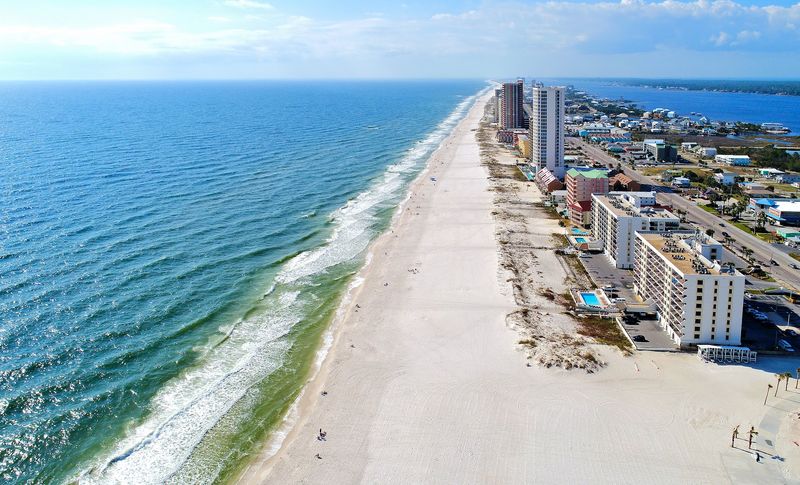
Ask around and the same advice surfaces, skip the main lot and head for a numbered street. Gulf Shores keeps a string of public beach accesses along the west side, including West 13th, West 12th, West 10th, West 6th, West 5th, and West 4th Street.
Each one opens onto the same sugar-white sand as the crowded central entry, minus the shuttle-bus energy. Parking is limited, so early arrival still helps.
Inside Gulf State Park, Romar Beach and Cotton Bayou offer more elbow room than the pavilion area while keeping the same water views.
Shell collectors do best in the first hour after sunrise or just after a storm churns the shallows. Small access points often produce the better finds.
Paddling a kayak on Little Lagoon works nicely in cooler months, opening up quiet coves that never see a beach umbrella. Cooler weather also thins the trail crowds considerably.
Camping inside Gulf State Park puts sleep right in the middle of the pine woods, with the beach a bike ride away rather than a traffic jam away.
Off-season travel remains the simplest fix of all. Spring and late fall bring warm water, open parking, and a coastline that feels almost private.
