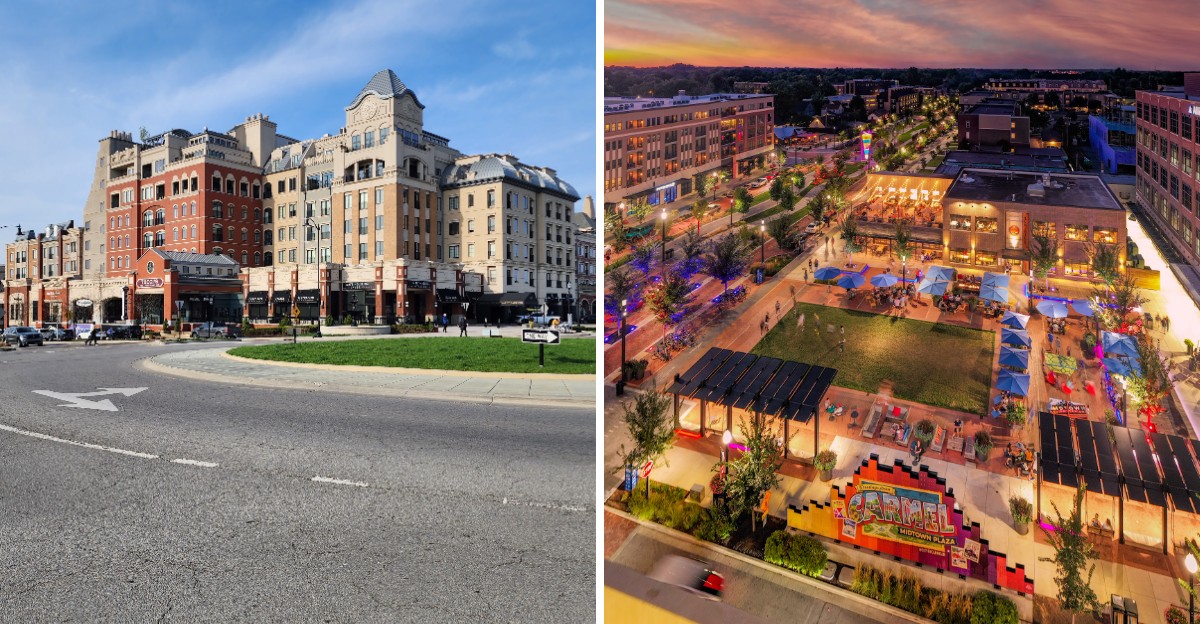
More than 150 roundabouts. That’s how many traffic circles one suburb has built, more than any other city in America.
I have to admit, that’s quite a way to make a town stand out. The swirl of curbs and fountains reportedly cut injury crashes dramatically, too.
So the fancy idea actually works, which makes the bragging rights even sweeter.
The polish doesn’t stop at the pavement. Life-size bronze statues stand on sidewalks like they’re waiting for a latte.
A domed concert hall wears Indiana limestone and Italian marble like it’s heading to a gala.
Between the carefully designed streets, public art, and grand architecture, this suburb certainly knows how to make an impression. Some folks call it snobby.
Others call it well dressed. Either way, it has a personality all its own.
Stoplights Are So Last Century Around Here
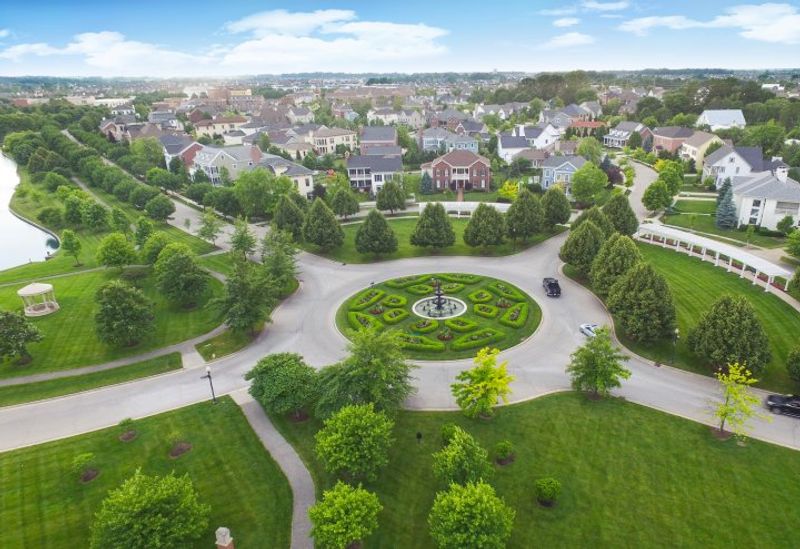
Carmel, Indiana, treats traffic circles like a signature accessory. The city has built more than 150 roundabouts, more than any other city in the United States.
That number sounds like a dare. Yet the idea came from a practical place, since roundabouts keep cars moving instead of idling at red lights.
Safety is the real headline here. City leaders credit the circles with a big drop in crashes, often cited at around 40 percent.
Many of these circles also look dressed for a party. Some feature landscaping, artwork, and sculptures right in the middle, so even your commute gets a little gallery moment.
Newcomers should know a few simple rules. Yield to traffic already in the circle, pick your lane before you enter, and never stop inside the loop.
Big trucks and wide loads may use the raised center apron. Pedestrians cross at marked spots a short distance back from the circle.
Drivers from other parts of Indiana sometimes grumble at first. After a few laps, most figure out the rhythm and start wondering why their hometown still has so many stoplights.
Honestly, it might be the classiest way to get lost.
Bronze Neighbors Who Never Leave The Sidewalk
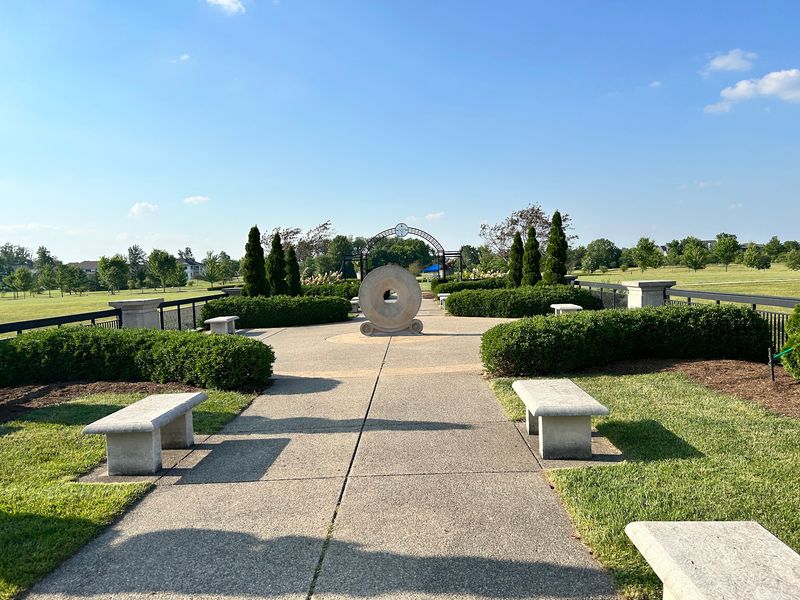
Some of the friendliest faces in the Carmel Arts and Design District are made of bronze. Life-size sculptures by J.
Seward Johnson Jr. pop up along the sidewalks, posed like ordinary people going about their day.
Spotting them becomes a game fast. Kids love hunting for the next one, and grown-ups secretly do too.
The district itself sits in Old Town Carmel, centered around Main Street. It bills itself as a home for art galleries, design studios, and showrooms, all packed into a walkable stretch.
The Indiana Design Center anchors the design side of things. It holds showrooms and studios focused on home interiors, which fits a city that clearly cares how its living rooms look.
Specialty shops and restaurants fill in the gaps between galleries. That mix makes it easy to spend an afternoon wandering without a plan.
Events add extra sparkle throughout the year. Artomobilia brings collector cars to the district, and other gatherings fill the streets with music and outdoor dining.
Wear comfortable shoes and bring your phone camera. Taking a selfie with a bronze businessman reading his paper is practically a local tradition, and he never blinks.
A Concert Hall That Dresses Like A European Palace
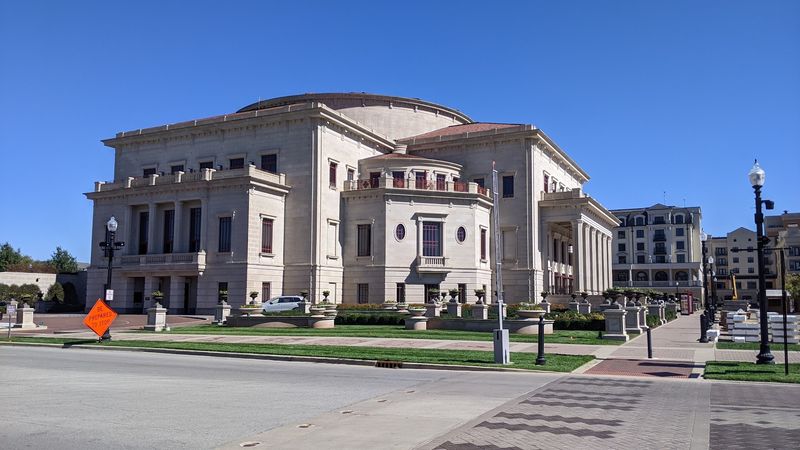
Italian marble in a suburban Indiana lobby? That’s exactly what you’ll find at The Palladium, the showpiece of the Allied Solutions Center for the Performing Arts.
The building takes its look from grand European halls. Its domed, neoclassical exterior is wrapped in Indiana limestone, a proud nod to home.
Inside, the main hall seats about 1,600 people. It was designed with acoustics in mind, so symphonies, jazz, and big voices can shine.
The center doesn’t stop at one stage. The Booth Tarkington Civic Theatre and The Studio Theater offer smaller spaces for plays and more intimate shows.
Programming covers a wide range. Orchestras, touring performers, theater, and local productions all share the calendar, so there’s usually something worth dressing up for.
And yes, people do dress up. In a city famous for its polish, a night at The Palladium feels like a reason to iron your best shirt.
Arrive early to stroll the grounds. The building looks especially dramatic when lit up at night, and it makes a fine backdrop for photos.
Not bad for a concert venue a short drive north of Indianapolis.
Your Bike Has Never Felt So Fancy
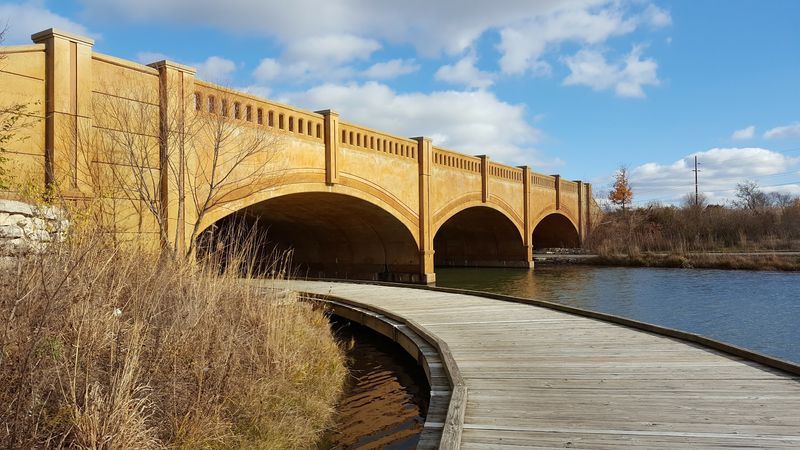
Over 200 miles of paths and trails crisscross this city. For a suburb, that’s a remarkable amount of pavement set aside for bikes, joggers, and strollers.
The Monon Greenway is the star of the network. This paved trail follows an old rail line and connects neighborhoods, parks, and shopping areas.
Riding it feels like a tour of everything Carmel loves. You can roll past green spaces, cross near the Arts and Design District, and reach Midtown without fighting traffic.
Families appreciate how smooth and wide the path is. Little riders on training wheels can share space with serious cyclists in matching gear.
A few tips help everyone enjoy it. Stay right, pass on the left, and give a friendly call before zooming by walkers.
Bring water on hot summer days. Shade comes and goes along some stretches, and the Indiana humidity doesn’t play around.
The trail also links into a bigger regional system. Heading south, the Monon continues toward Indianapolis, so ambitious riders can turn a short spin into a full-day adventure.
Lycra optional. Good manners required.
Central Park Takes Playtime Very Seriously
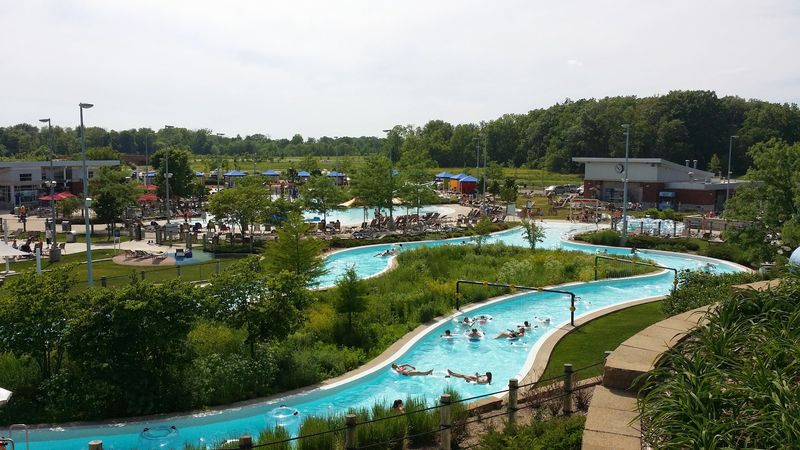
Most parks offer swings and a slide. Carmel’s Central Park covers about 161 acres and comes with its own community center packed with fitness studios and indoor pools.
The Monon Community Center is the heart of it. Inside, you’ll find workout spaces, classes, and aquatic areas for year-round swimming.
Summer brings out the real crowd-pleaser. The Waterpark at the Monon Community Center features waterslides and a lazy river, perfect for those sticky Indiana afternoons.
Outside, the park keeps going with trails, open fields, and a skatepark. Teens get their space, and toddlers get theirs.
Because Central Park sits right along the Monon Greenway, getting there by bike is easy. Pedal in, swim, then pedal home pleasantly tired.
Planning helps on busy days. Check the parks department schedule for hours and passes before you go, since seasonal details can change.
Pack sunscreen, towels, and snacks. A lazy river float tends to stretch on longer than anyone plans.
Even the playtime here looks well organized. That’s very on brand for a city that likes everything just so.
Neighborhoods That Look Straight Out Of A Magazine

Million-dollar homes don’t raise many eyebrows here. Plenty of luxury listings in Carmel, Indiana, start around that mark, and some climb well past it.
Even average homes cost more than in most of the state. Median property values sit well above both Indiana and national figures.
The Village of WestClay shows off the city’s taste for planned charm. It’s designed as a walkable community with front porches, sidewalks, shops, and a classic small-town layout.
Bridgewater Club leans into the country club lifestyle. Golf, a clubhouse, and pools give residents plenty of ways to stay busy without leaving the neighborhood.
Driving through these areas feels a bit like flipping through a home design magazine. Lawns look trimmed, porches look staged, and the mailboxes seem to have opinions.
Curious visitors should be respectful, of course. These are private homes, so admire from the street and skip the driveway photo shoots.
The high price tags do help explain the snobby reputation. Still, many families pay for the parks, trails, and schools as much as the fancy kitchens.
Window shopping for houses is free, thankfully.
Report Cards Are A Status Symbol Too
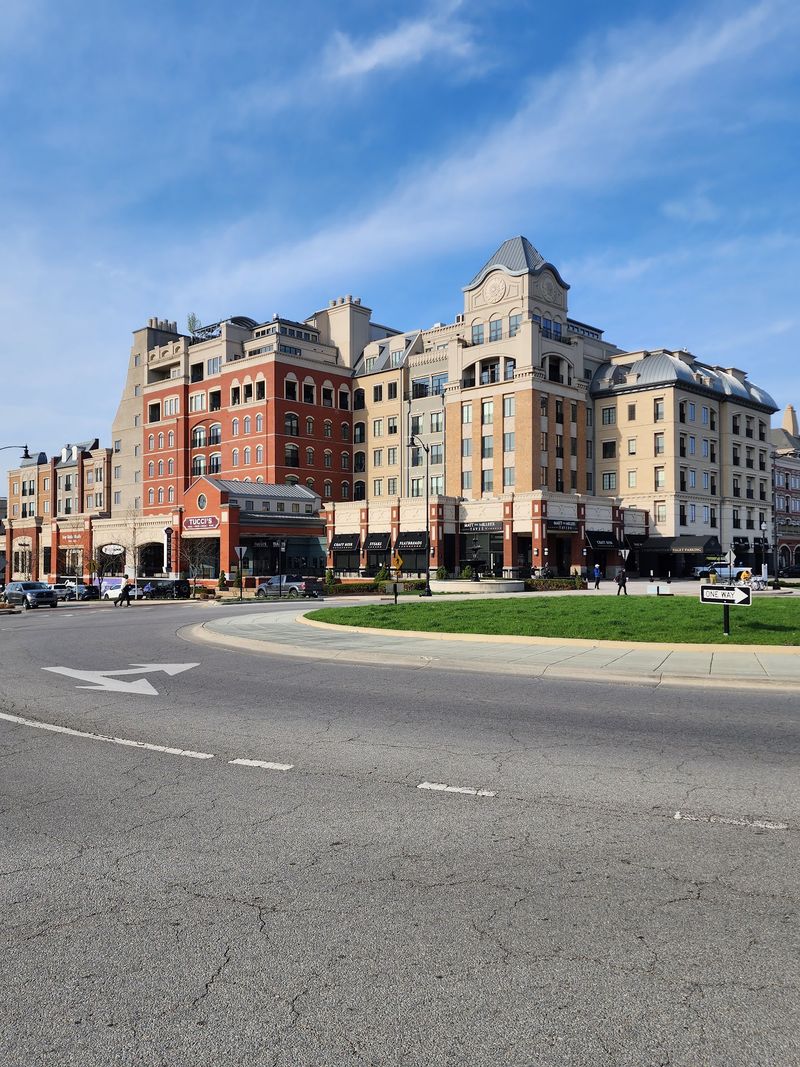
Ask families why they moved to Carmel, and schools often top the list. Carmel Clay Schools regularly rank among the best districts in Indiana.
That reputation shapes the whole city. Strong schools tend to pull in families, and those families help fuel demand for homes nearby.
Jobs play a big role, too. Carmel holds one of the largest concentrations of office workers in the state, with major industries in healthcare, technology, and finance.
Unemployment here has run well below the national average. Put good jobs and good schools together, and you get a community that feels confident about itself.
Some might call that confidence a little showy. Others would say it’s just pride in doing things well.
Visitors can sense it in small ways. Tidy streets, well-kept parks, and busy business districts all suggest a city that plans ahead.
For anyone considering a move, research specific schools and commutes carefully. Carmel is large, and neighborhoods can feel quite different from one another.
One thing’s clear, though. In this town, a gold-star report card might impress the neighbors as much as a shiny new car.
Where People Dress Up Just To Go Out
Peterson’s Restaurant describes itself as the place where the area dresses up and goes out. That line sums up the local dining mood pretty perfectly.
The restaurant is known for its steaks and polished setting. It’s the kind of spot people pick for anniversaries, promotions, and nights when sweatpants simply won’t do.
Shopping follows the same stylish script. Clay Terrace, an open-air lifestyle center, gathers retailers and eateries along walkable outdoor streets.
For something more personal, head to the Arts and Design District. Its boutiques and specialty shops lean toward unique finds rather than mall standards.
Home decor fans should budget extra time there. Between showrooms and design studios, you might leave with ideas for an entire living room.
Carmel also offers casual cafes and family-friendly spots, so not every meal requires a blazer. Still, it’s hard not to stand a little taller here.
A smart move is mixing both worlds in one day. Browse the shops, grab a relaxed lunch, then save the fancy outfit for dinner.
Your credit card may feel the snobbery more than you do.
Old Town Gets A Shiny Grown-Up Glow
Built For Big Dreams is the city’s official slogan. Judging by how fast Carmel keeps reinventing itself, nobody here is dreaming small.
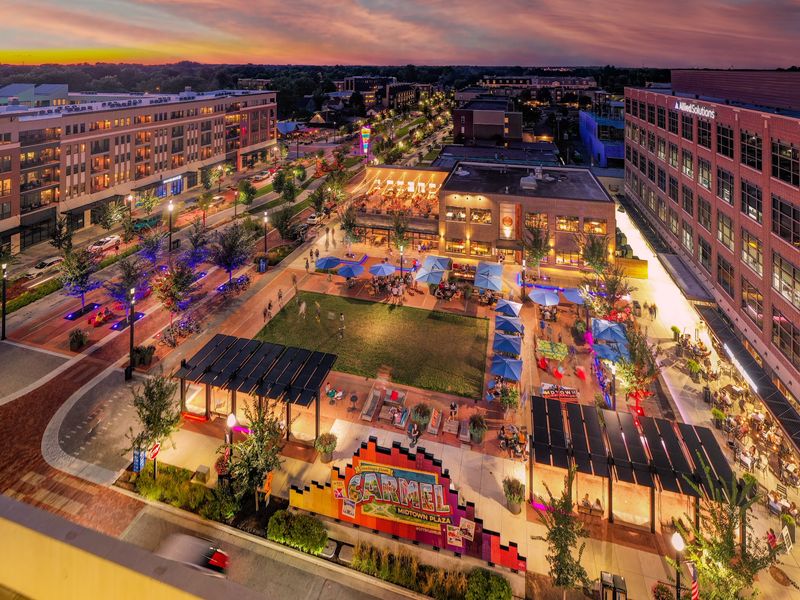
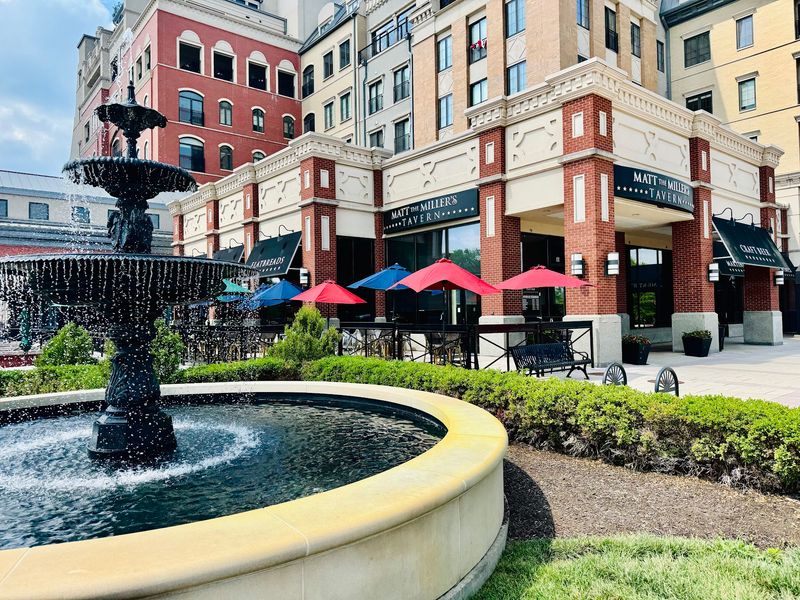
Midtown Plaza shows that ambition clearly. Once an older industrial area, it now serves as a lively public space with shops, offices, and places to eat.
Head to the heart of Old Town to see how the pieces connect. The district centers around 111 W Main Street, Carmel, IN 46032, and the Monon Greenway runs close by.
Walkability is the big goal. Carmel has spent years turning car-focused areas into neighborhoods where people can stroll, sit outside, and linger.
Fun fact for history buffs: Carmel is often credited with an early automated traffic signal. So the city’s fascination with traffic didn’t start with roundabouts.
The location helps, too. Carmel sits immediately north of Indianapolis, making it an easy day trip for anyone exploring central Indiana.
Plan an evening visit if you can. Lights, open plazas, and outdoor seating give the area a warm, social energy.
Snobby or simply well prepared? After a stroll here, the answer might not matter much.
