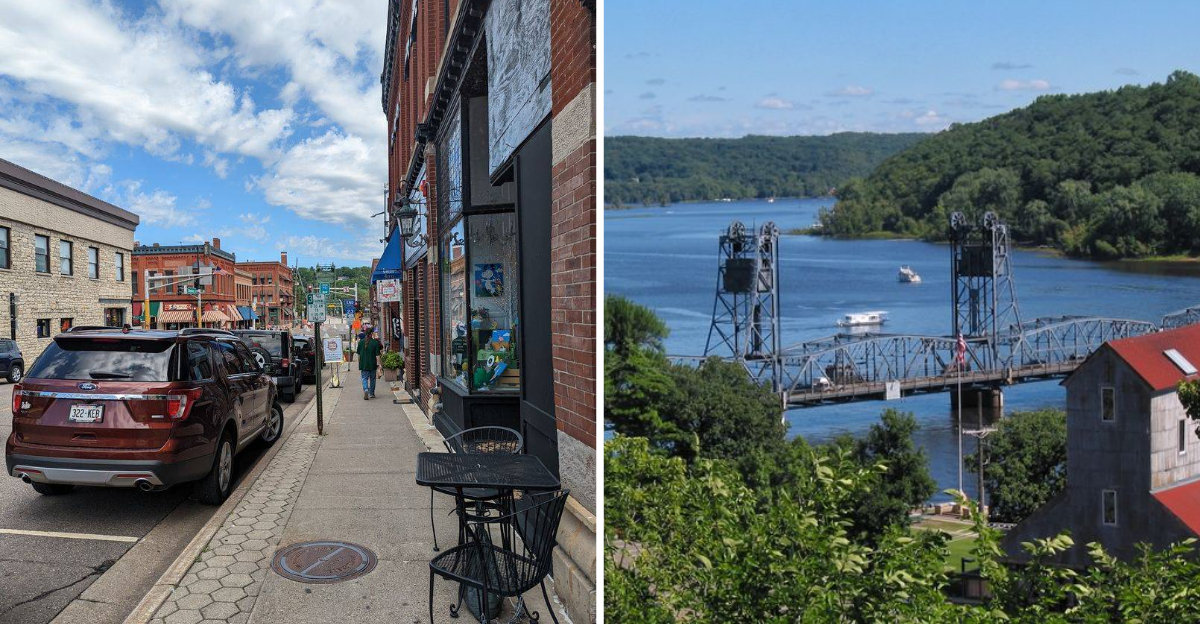
There’s something sad about watching a beautiful place lose its soul to popularity. This once-quiet Minnesota river town used to be the definition of small-town peace – locals knew each other by name, parking was easy, and Main Street never had a traffic jam. Then the secret got out.
Summer weekends now transform downtown into a wall-to-wall parade of visitors. Sidewalks are packed, traffic backs up for blocks, and finding parking feels like winning a lottery. Locals who once popped downtown for errands now avoid the area entirely.
Even the river has become a floating traffic jam of kayaks and tour boats. The old family-owned hardware stores have been replaced by souvenir shops aimed squarely at tourists.
Come early on a Tuesday in spring, and you might still catch the quiet charm. Minnesota’s most tourist-ruined town is still there – it’s just hiding behind the selfie sticks.
The Lift Bridge That Stops Everything
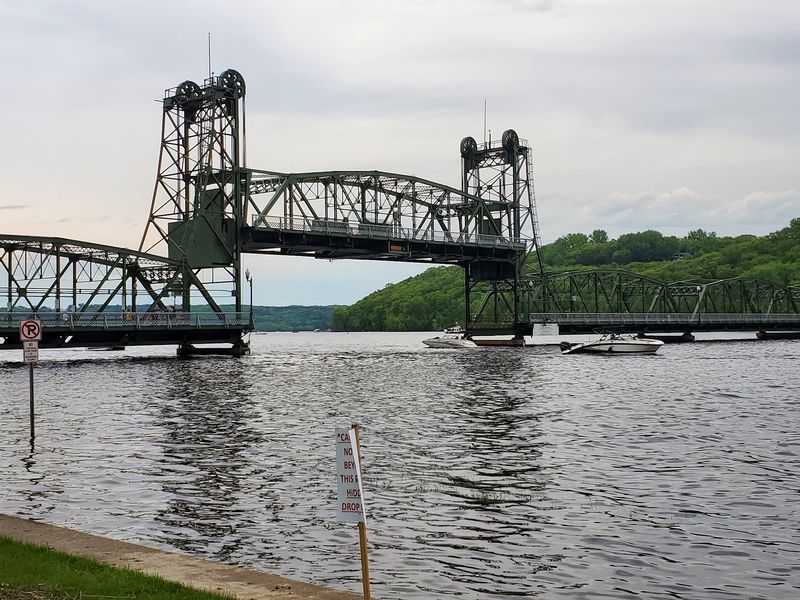
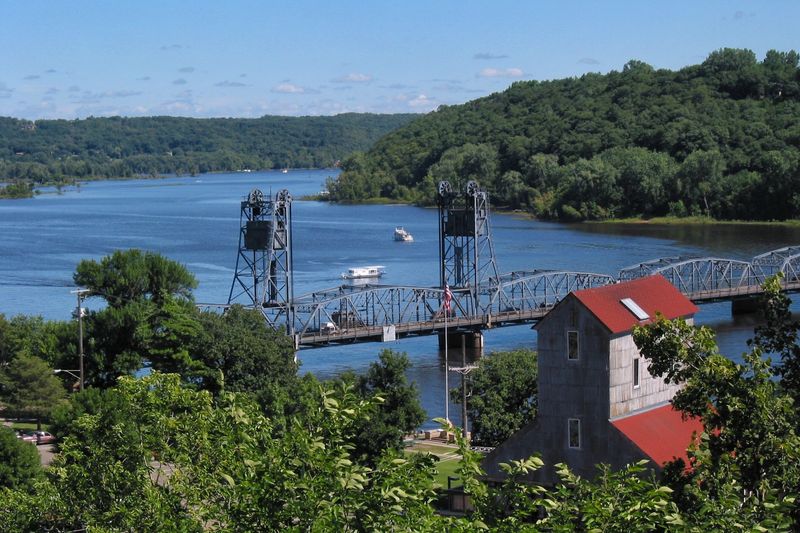
Few things stop a town like the Stillwater Lift Bridge going up. The center span rises, traffic halts, and everyone within sight pulls out a phone.
Built in 1931, the vertical lift bridge no longer carries highway traffic. It was converted into a walking and biking crossing after the newer St. Croix Crossing opened downstream.
That change turned a bottleneck into one of the best strolls in the state. The bridge now anchors the Loop Trail, a paved 4.7 mile route that crosses both bridges and dips into Wisconsin before circling back. Walking it takes about two hours at a relaxed pace, less on a bike.
Mornings are quiet and golden, with mist sitting low on the river. Evenings bring the crowds, but the sunset colors over the bluffs make the shoulder-to-shoulder part easier to forgive. Locals who avoid downtown still show up here, usually on two wheels, usually before breakfast.
Lowell Park and the Riverfront Everyone Claims
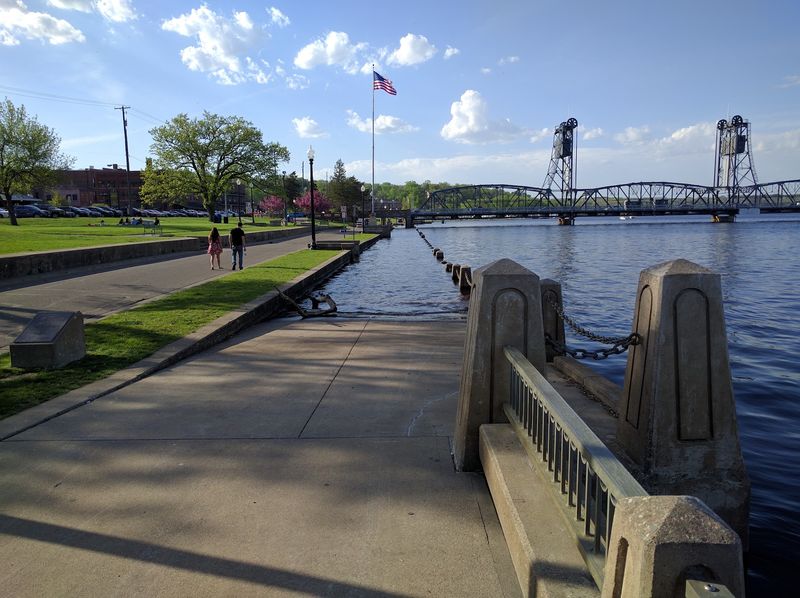
Lowell Park is the green ribbon that separates downtown from the water, and on a warm afternoon it holds half the town. Blankets, strollers, dogs, and folding chairs claim every patch of shade.
The park runs along the St. Croix with a wide paved promenade, a gazebo, and steps that lead right down to the water’s edge.
Flooding used to swallow it regularly until a levee project reshaped the whole waterfront. Now the park handles high water far better and doubles as the stage for most big town events. Come during Lumberjack Days or the summer concert series and there is barely room to walk.
My favorite version of this place is early autumn. Fewer people, the bluffs across the river turning gold, and paddleboats gliding past without much noise. Benches face east, which makes sunrise here quietly spectacular.
Limestone Buildings With Real Lumber History
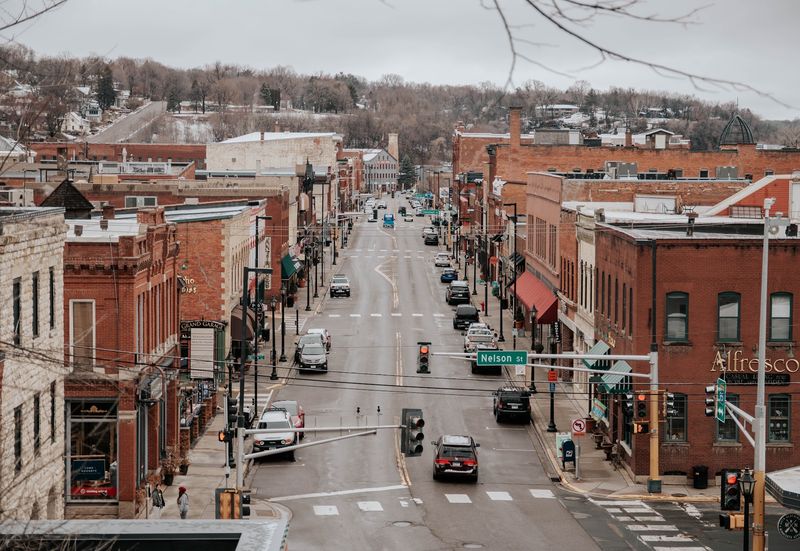
Look up while walking downtown and the architecture tells the whole story. Carved dates, iron cornices, and thick limestone walls all date back to the lumber boom of the 1800s.
Stillwater grew rich on white pine floated down the St. Croix. Sawmills lined the river, and the money built the sturdy commercial blocks still standing today.
The Washington County Historic Courthouse, finished in 1870, sits on a hill above town and is the oldest standing courthouse in Minnesota. Its rotunda and courtroom are open to visitors, and the grounds give a wide view over rooftops toward the river.
Many downtown buildings appear on the National Register of Historic Places, which is why storefronts look old rather than remodeled.
Take the stairways. Stillwater has several public stairways climbing the bluff, and the Chilkoot Trail steps are the steepest of the bunch. Climb slowly and the town rearranges itself below you.
Bookstores, Antiques, and Shops Worth the Elbow Room
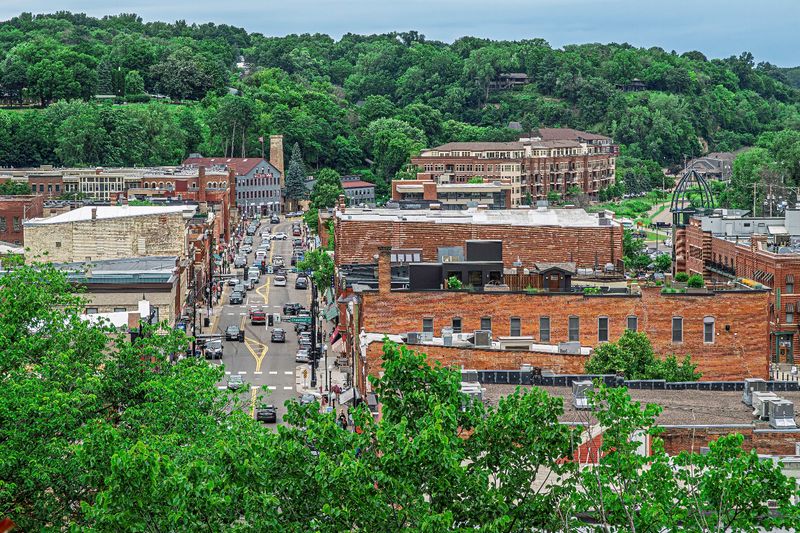
Stillwater earned a reputation as a book town decades ago, and traces of it still line Main Street. Used bookshops, antique dealers, and small galleries fill the old storefronts.
Browsing here rewards patience. Shelves run floor to ceiling, aisles are narrow, and the good finds hide behind the obvious ones.
Antique shops tend to be multi-level, with basements packed full of furniture, glassware, and old maps of the river valley. Some occupy former warehouses, so the floors creak in ways that feel appropriate.
Weekends make browsing tough since everyone wants the same aisle. Weekday afternoons are calmer, and shop owners actually have time to point out what just came in.
Small galleries scattered between the shops feature regional artists, plenty of them painting the same bluffs and bridge you just walked across. Bring a tote bag. Whatever plan existed about not buying anything usually falls apart around the third store.
Main Street Traffic That Turns Ten Minutes Into Forty
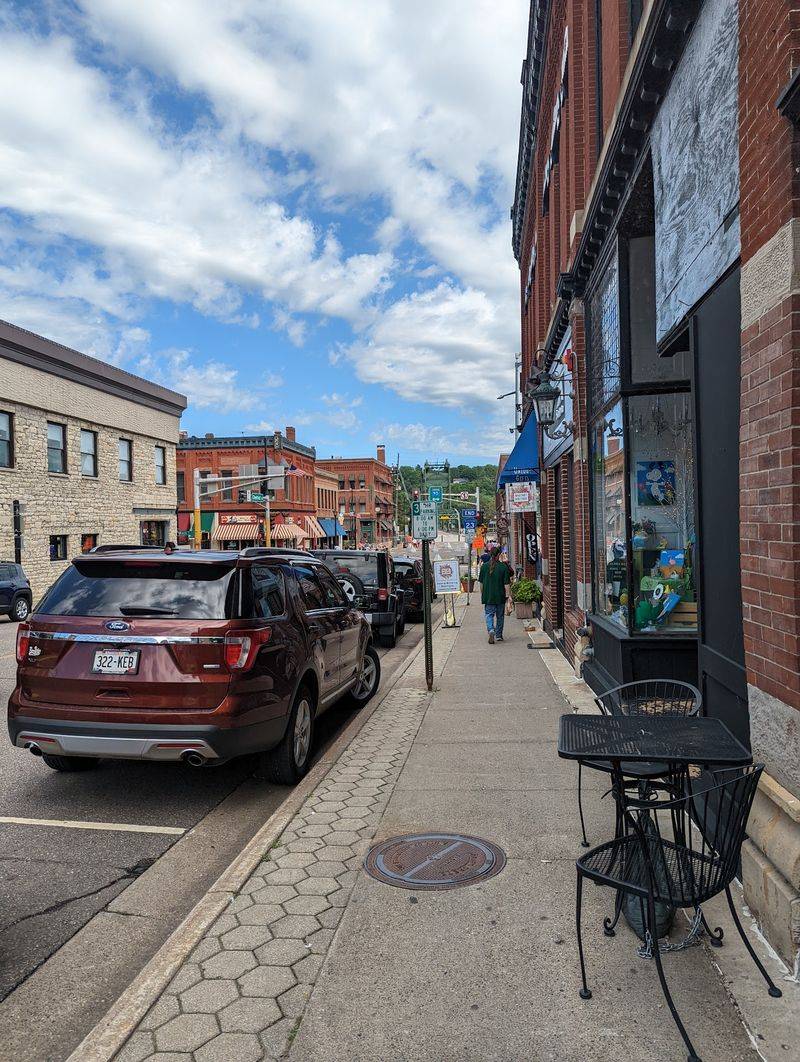
Summer weekends turn the four blocks of Main Street into a very slow parade. Cars inch along, drivers crane their necks looking for a spot, and pedestrians cross wherever they please.
Locals learn the trick fast. Skip the main drag entirely and park up on Second or Third Street, then take the stairs down.
Those stairways are steep but they cut the walk in half, and they hand out river views for free. The city has public lots on the north and south ends of downtown, and both fill by late morning on Saturdays.
What surprises visitors is how quickly the mood changes. Come back on a weekday morning and the same street feels almost sleepy, with shopkeepers sweeping sidewalks and delivery trucks double parked.
Fun bit of history worth knowing. Stillwater calls itself the birthplace of Minnesota, since a convention held here in 1848 pushed for territorial status.
Go early, go midweek, and Main Street becomes charming again instead of a bottleneck.
Boat Traffic and the River Life Below
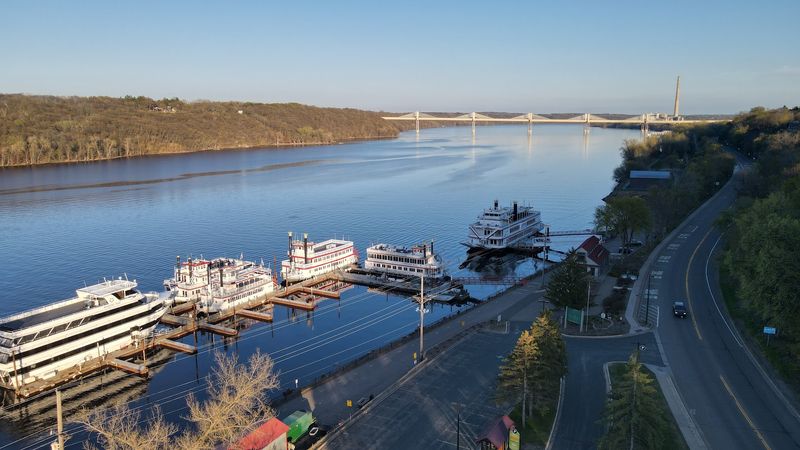
From the promenade the river looks less like scenery and more like a highway. Pontoons, kayaks, and paddlewheel boats all share the same stretch of water.
The St. Croix is a National Scenic Riverway, protected since 1968, which explains why the bluffs stay green instead of turning into rooftops.
Paddlewheel riverboats depart from downtown docks for sightseeing cruises, and they pass close enough to the bluffs to make the geology obvious. Kayak and paddleboard rentals operate along the waterfront during the warm months.
Water levels shift a lot through the season. Spring runs high and fast, late summer runs calm and clear, which is the better time for beginners.
Watching from land is honestly half the fun. Sit near the docks and observe boats attempt tricky landings while onlookers pretend not to notice.
Wildlife shows up too. Bald eagles nest along this stretch and turn up more often than most visitors expect.
Where Locals Actually Eat Instead
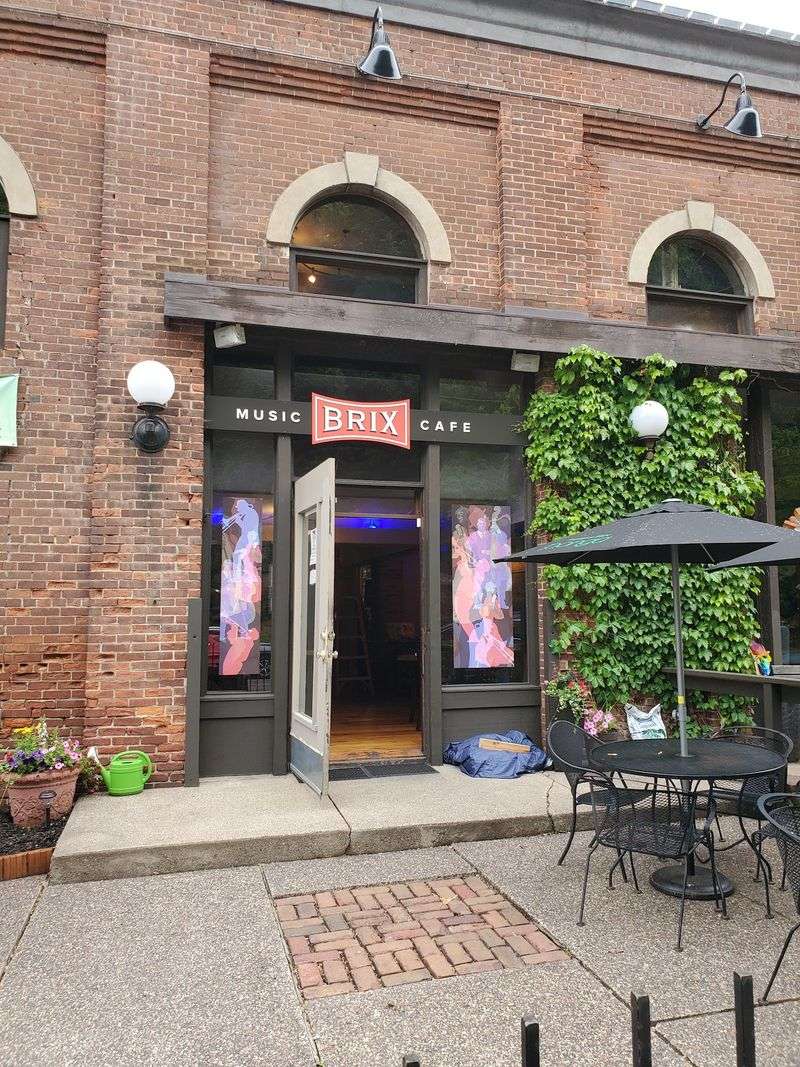
Ask around and you hear the same thing. Downtown restaurants are lovely, but residents drift toward the edges of town when they want a table without a wait.
Cafes and bakeries along Greeley Street and up on the hill serve the neighborhood crowd. Parking is easy, the pace is slower, and regulars get greeted by name.
Downtown still wins on atmosphere. Old brick walls, river views, and patios that catch the evening breeze are hard to argue with.
The strategy that works best is timing. Eat downtown early, around four or five, then head up the hill for dessert once the dinner rush arrives.
Breakfast is the sweet spot for anyone who dislikes crowds. Most weekend visitors do not arrive until late morning, leaving the first hours peaceful.
Coffee near the water at seven in the morning, with mist on the river and almost no one around, might be the best version of Stillwater there is.
Bluff Neighborhoods and Their Painted Ladies
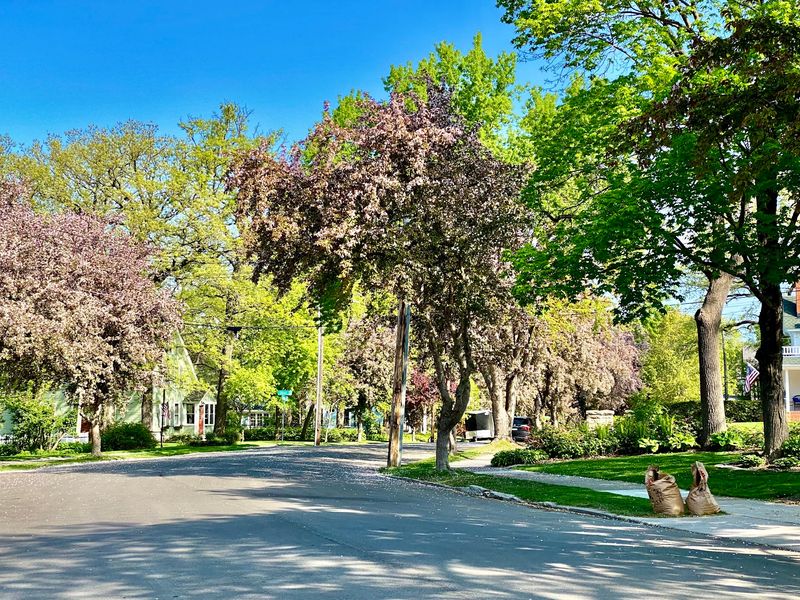
Climb any street heading west from downtown and the scenery changes completely. Victorian homes with wraparound porches, turrets, and detailed trim sit shoulder to shoulder on steep hillside lots.
Lumber barons built many of these houses in the late 1800s, and a good number now operate as inns.
The neighborhoods reward slow wandering. Sidewalks tilt, mature trees form tunnels over the pavement, and gaps between houses frame surprise views of the river below.
Fall is the standout season. Maples along these streets turn hard red, and the contrast against pale limestone foundations is worth the uphill effort.
Be respectful, since these are private homes and residents deal with plenty of curious visitors already. Stick to sidewalks and skip the driveway photos.
A loop up Chestnut Street, over toward Third, and back down one of the public stairways covers the best of it in under an hour. Wear real shoes. The hills are steeper than they look from below.
Trails, Parks, and the Quiet Side of Town
Beyond the busy blocks, Stillwater hides a whole network of trails that most day-trippers never touch. Brown’s Creek State Trail starts near the north end of downtown and runs roughly six miles toward Duluth Junction.
Paved and mostly flat, it follows an old rail corridor past a trout stream and through shaded woods.
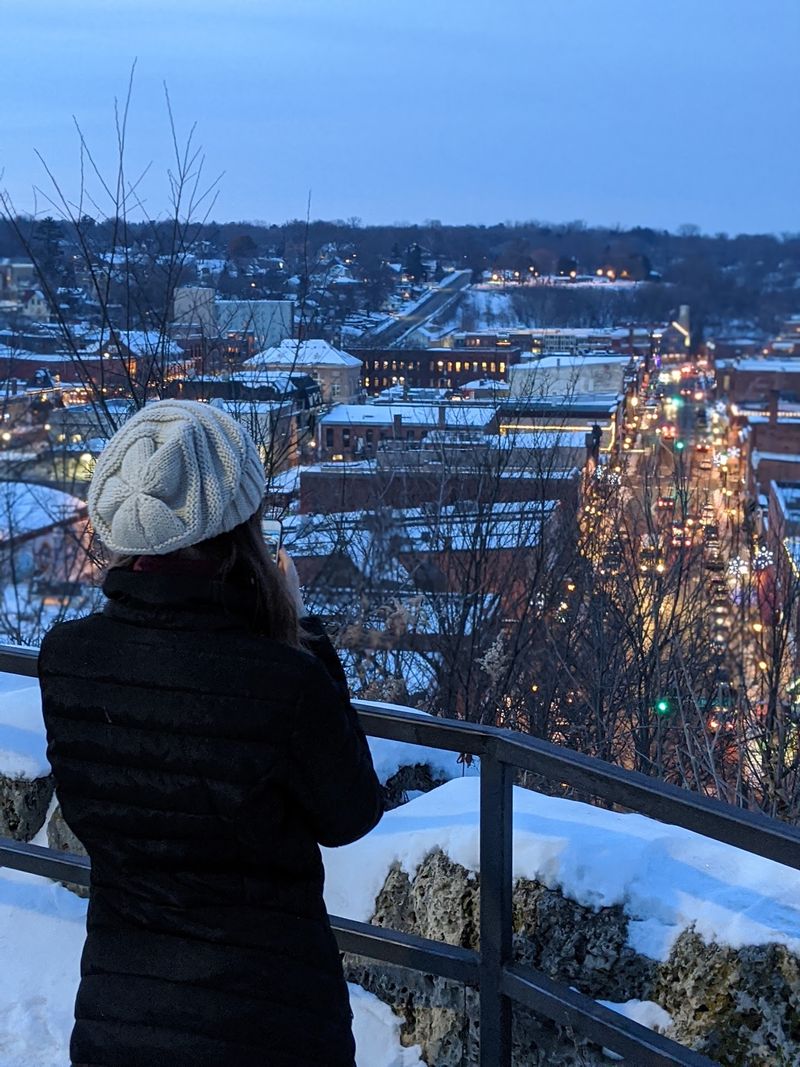
Pioneer Park sits on the bluff above downtown and offers what might be the best free view in town. A stone wall, a bandshell, and a wide lawn look straight down onto the lift bridge. Sunset there beats fighting for a riverside bench.
Winter turns these spaces into something else entirely. Snow quiets everything, the trail fills with cross-country skiers, and downtown finally belongs to the people who live here.
Locals who claim to avoid Stillwater usually mean they avoid Main Street in July. They are still out on these trails all year.
Timing Your Visit So the Town Feels Like Itself
Everything about a Stillwater visit hinges on when you show up. July weekends bring the full crush, while October weekdays deliver the same views with a fraction of the people.
Spring is underrated. The river runs high, the bluffs green up fast, and shops stay open without the summer chaos.
Winter visitors get the biggest reward for the smallest crowd. Snow on limestone, frozen edges along the river, and holiday lights strung down Main Street make the town look like an illustration.
Weekday mornings work in every season. Arrive by eight, park easily, walk the bridge, then browse shops as they open.
Big events like Lumberjack Days and the fall art fair are genuinely fun, just plan for shuttle parking and patience.
Stillwater has not been ruined so much as discovered, repeatedly. Show up at the right hour and the river town underneath all those visitors is still very much there.
