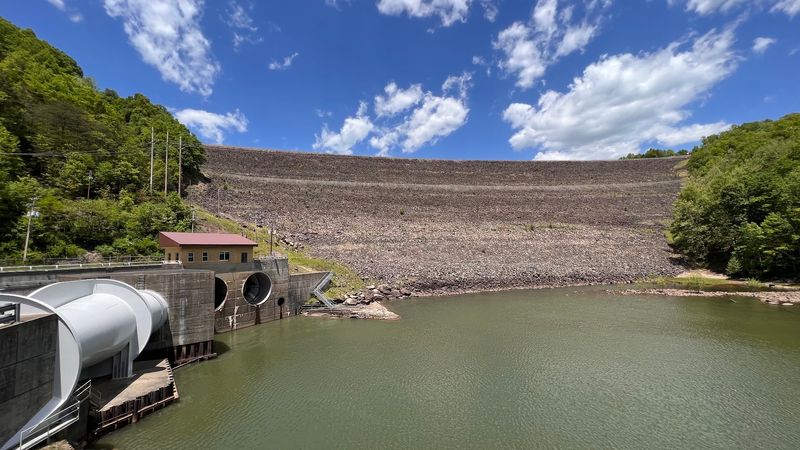
The U.S. Army Corps of Engineers once had a naming habit that nearly backfired in the funniest way possible.
The rule was simple: name a new dam after the closest town.
In one West Virginia valley, the closest town had a short, three-letter name. Put the word dam right after it, and you get a phrase that might earn a scolding at Sunday dinner.
I can only guess how many engineers tried to keep a straight face in that meeting.
I love that a huge flood-control project almost became a permanent punchline. Even better, the little farming community behind the name was real, with a store, a post office, a church, and a school.
Today that village sits under one of the clearest lakes in the state. So how did the officials dodge the joke, and what is left of the place that almost made history?
1. The Village Of Gad
Long before boats and kayaks filled this valley, a small farming village called Gad sat quietly along the Gauley River. Its name reportedly came from the Gadd family, who lived in the area.
Gad was a classic rural Appalachian community. It had a general store, a post office, a church, and a school, the basics that held a country town together.
People farmed the bottomland, sent their kids to class, and picked up mail at the local post office. Nothing about daily life suggested the town would one day become a punchline.
Then flood control came calling. The U.S.
Army Corps of Engineers needed this valley for a massive dam project around 1960.
The Corps bought up the land, and families had to relocate. Homes were torn down or moved, and the community faded into memory as the water rose.
For many West Virginia families, stories like this one carry real weight. Whole hometowns vanished under reservoirs across the state, and Gad is one of the most memorable.
If your people came from Nicholas County, you may have heard older relatives mention it. Those memories are worth writing down while they’re still around.
Address: Summersville Lake, Summersville, WV 26651
2. The Name That Almost Was
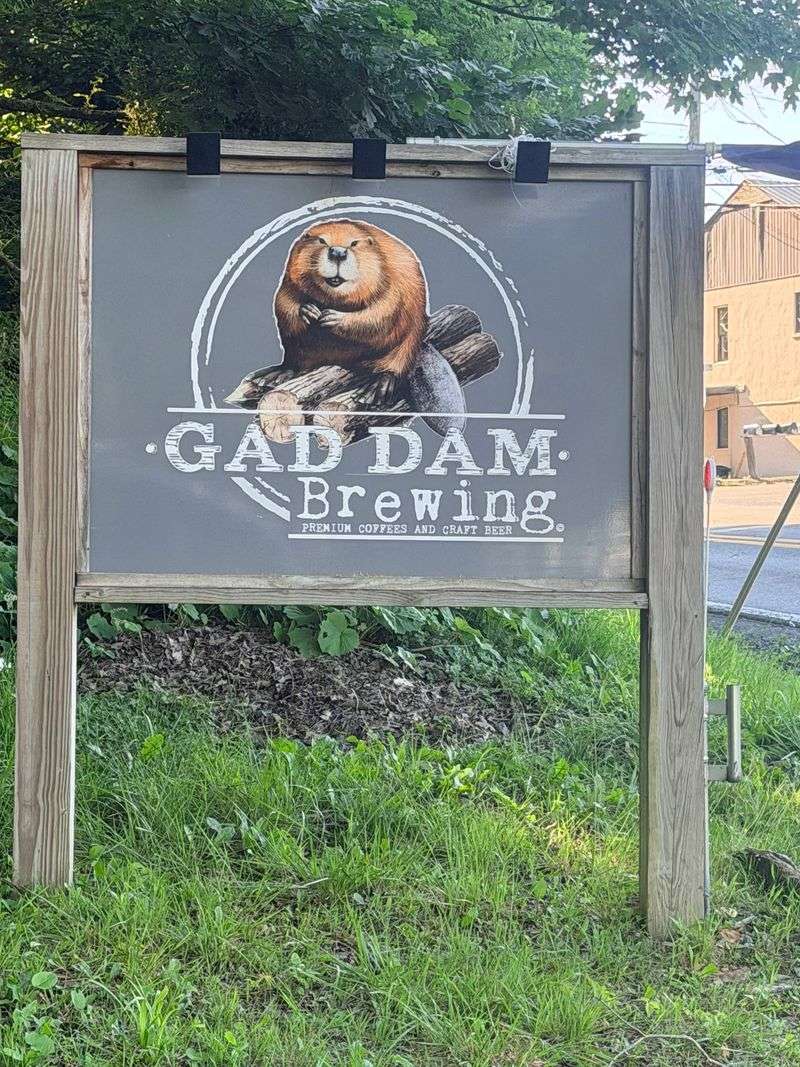
Say it out loud once, and you’ll understand the problem immediately. Gad Dam sounds a lot like a phrase your mother didn’t allow in the house.
Officials apparently understood that right away. A dam carries its name for generations, on signs, maps, reports, and dedication plaques.
You can probably guess how that would have gone over. Picnic invitations, school field trips, and church outings would all have featured a name that sounds like grumbling.
Newspapers would have had a field day too. Headlines about water levels or flood warnings could have read like somebody stubbed a toe.
So the officials balked. Instead of following tradition, they chose a cleaner option that nobody would have to apologize for.
Honestly, it’s hard to blame them. A federal project dedicated by the President of the United States probably needed a name you could say from a podium.
Still, part of me wishes we could see the faces in that planning room. Someone had to be the first to point out the issue, and that person deserves a little credit.
The story has lived on as a favorite piece of West Virginia trivia ever since.
Address: Summersville Lake, Summersville, WV 26651
3. The Corps Naming Tradition
Engineers love rules, and the Army Corps of Engineers had a handy one for naming dams. Projects usually took the name of the nearest town.
Most of the time, that system works just fine. It tells you roughly where a dam sits without needing a map.
Gad simply broke the system. The closest community happened to have a name that turned a routine label into a pun.
So the Corps looked down the road instead. The next nearby town was Summersville, the county seat of Nicholas County.
That swap gave the project a name that sounds pleasant, almost like a vacation postcard. Summersville Dam rolls off the tongue a lot easier in polite company.
Here’s a fun way to think about it. If Gad had been called anything else, you’d likely know the lake by that name today.
Instead, Summersville got the credit and the tourism boost that came with it. The town’s name now appears on maps, rafting brochures, and road signs across the region.
Not a bad trade for a nearby county seat. Sometimes being second-closest pays off.
Address: Summersville, WV 26651
4. Summersville Dam
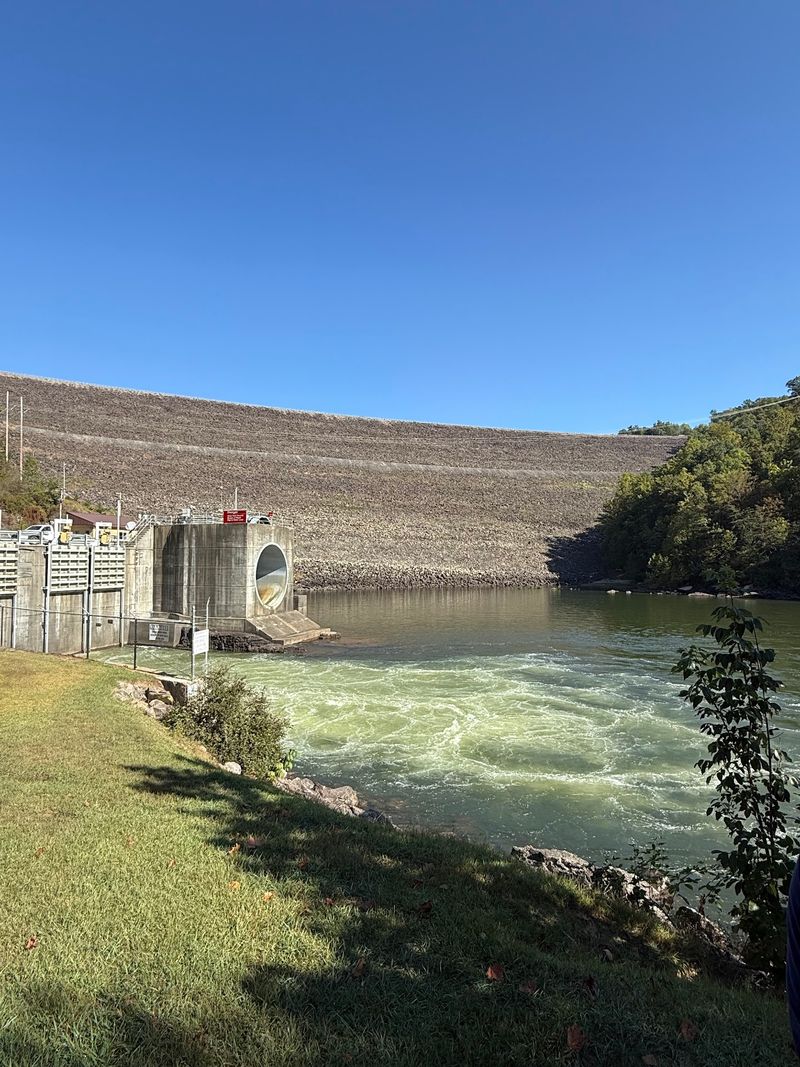
Forget the name for a second, because the structure itself is huge. Summersville Dam rises about 390 feet high and stretches roughly 2,280 feet long.
It’s often described as the second-largest rock-fill dam in the eastern United States. Instead of a solid concrete wall, it’s built mostly from layers of rock and earth.
Construction ran from 1960 to 1966. The Corps of Engineers built it mainly for flood control on the Gauley and Kanawha Rivers.
That job matters more than many visitors realize. The dam helps manage water from a watershed of about 803 square miles, protecting communities downstream.
You can drive across the top on the road that runs along the crest. The view on one side shows the lake, while the other drops toward the river gorge.
It’s one of those places where the scale sneaks up on you. Photos rarely capture just how steep that downstream face really is.
For a structure nearly named after a mild curse word, it turned out to be pretty dignified. West Virginia ended up with a landmark that’s both useful and impressive.
Address: Summersville Lake Road, Summersville, WV 26651
5. The 1966 Dedication
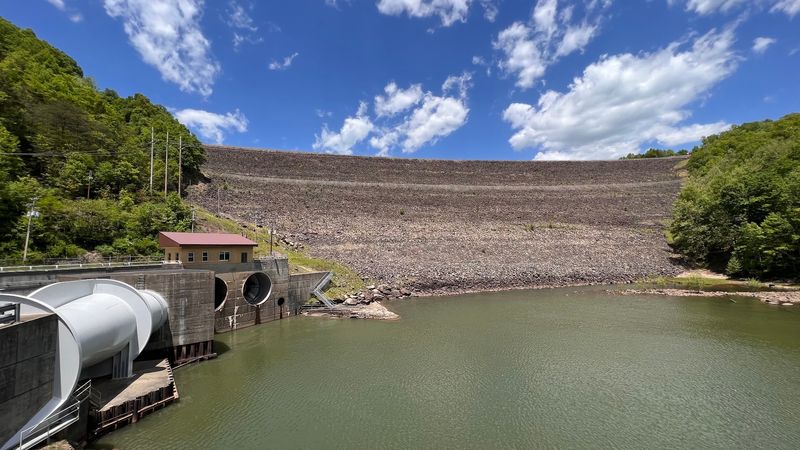
Some ribbon cuttings bring out the mayor, but this one brought out the President. Lyndon B.
Johnson dedicated Summersville Dam on September 3, 1966.
That same visit also included the dedication of a new Summersville Post Office. For a small county seat, it was a very big day.
Think about the timing here. Just a few years earlier, the community of Gad still had its own post office down in the valley.
Now a new post office was opening up the road while the old village sat underwater. It’s a quiet, slightly bittersweet twist in the story.
The First Lady, Lady Bird Johnson, also traveled with the President during that era of public appearances. Some retellings claim she found the Gad Dam name amusing, though that detail is hard to confirm.
Either way, you have to appreciate the stakes. A presidential speech at something called Gad Dam would have been unforgettable for all the wrong reasons.
If your grandparents remember the crowds or the motorcade, ask them about it. Hometown stories like this one get richer with every person who was there.
Address: Summersville Lake Road, Summersville, WV 26651
6. The Hydroelectric Plant
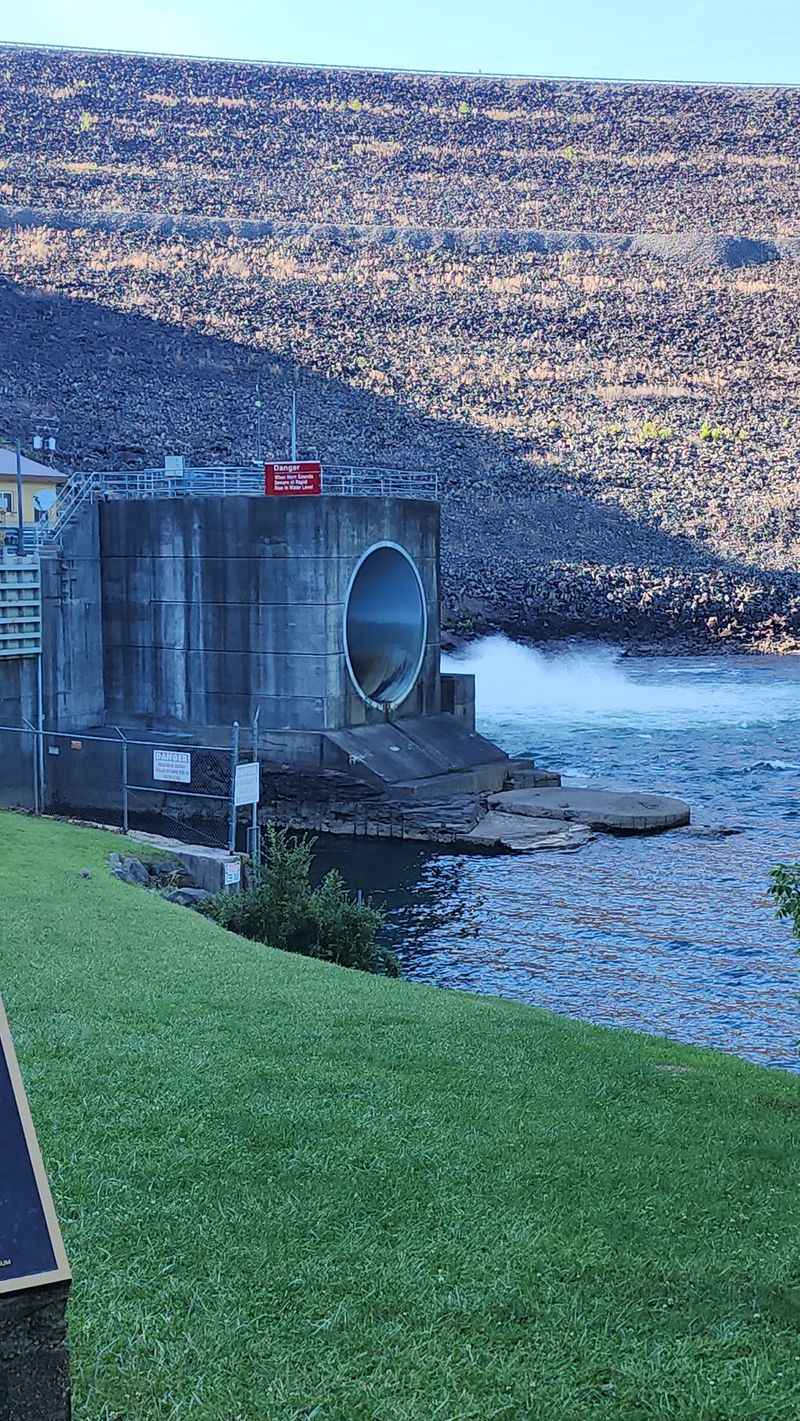
Decades after the ceremony, the dam picked up a second job. In 2001, a hydroelectric plant was added to Summersville Dam.
At peak flow, the plant can reportedly generate about 80 megawatts of electricity. That’s a lot of power coming from water that was already being managed for flood control.
Hydropower works by sending water through turbines as it moves downstream. The dam’s height gives that water plenty of push.
It’s a neat example of making an old project pull double duty. The same structure built in the 1960s now helps keep lights on.
For West Virginia, a state long tied to energy production, this fits right in. Coal built many local towns, and here the rivers add their own contribution.
You don’t need to be an engineer to find that satisfying. A dam once worried about its embarrassing name now quietly produces electricity.
Next time you drive across the crest, think about what’s happening below your tires. Water from the lake is doing real work on its way back to the Gauley River.
Address: Summersville Lake Road, Summersville, WV 26651
7. Summersville Lake
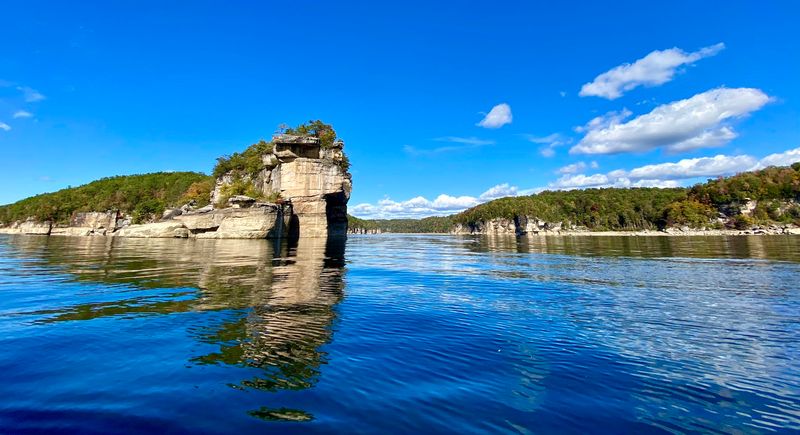
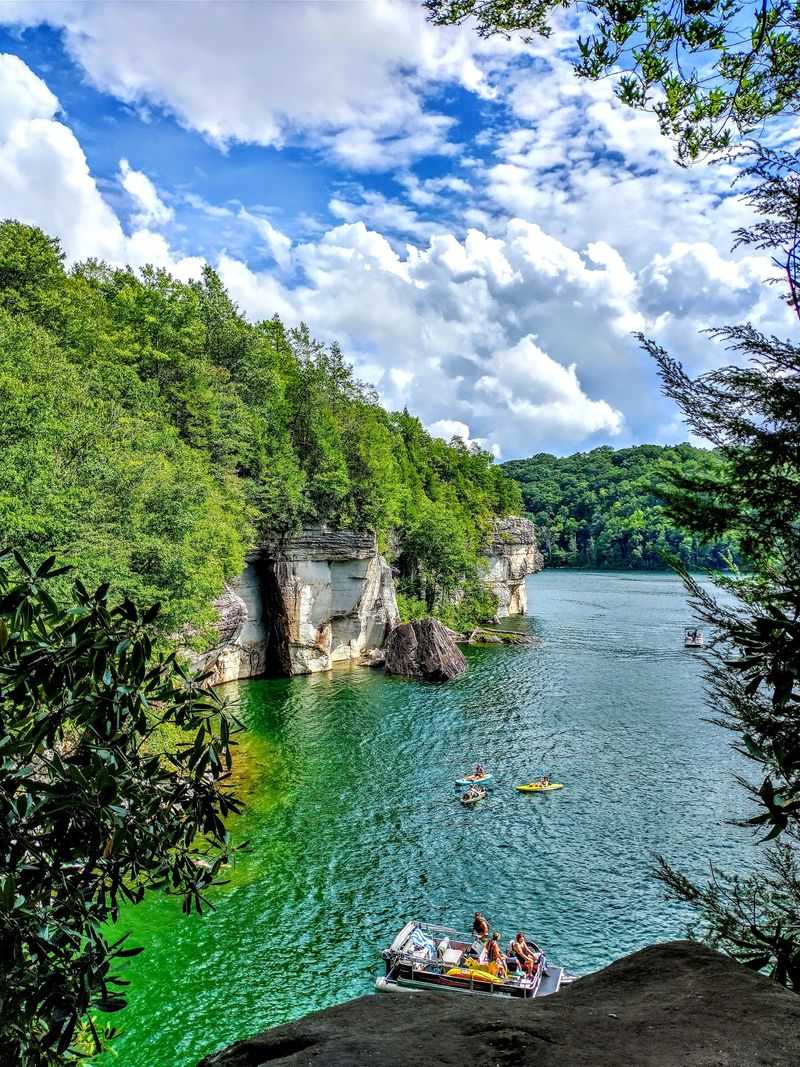
Clear blue water and sandstone cliffs in central Appalachia? Summersville Lake surprises plenty of first-time visitors.
It’s West Virginia’s largest lake, with about 2,790 surface acres at summer pool. The shoreline stretches more than 60 miles around coves and rocky points.
The water is known for its clarity, which makes it popular with scuba divers. Boaters, anglers, and paddlers also spend long summer days out here.
Those tall cliffs draw rock climbers too. Some routes rise right above the water, giving climbers a view few gyms could ever match.
Here’s the part that makes the whole story land. All that fun happens above the valley where Gad once stood.
For parents, this is an easy win for a weekend trip without leaving the state. You can swim, fish, rent a boat, or simply relax on the shore and enjoy the scenery.
The lake runs on a seasonal schedule set by the Corps of Engineers. Water levels are higher in summer and lower after the fall drawdown, so plan your activities around that calendar.
Address: Summersville Lake Road, Summersville, WV 26651
8. The Fall Drawdown
Every fall, the lake gives up a few of its secrets. The Corps lowers the water level after summer, and parts of the old valley start to peek through.
When the level drops, people have reported spotting old roadbeds and stone foundations. Some even mention carvings left behind by former residents.
It’s a strange feeling to think about. A place that disappeared in the 1960s still leaves small traces when the water pulls back.
The drawdown isn’t just for show, of course. It helps the reservoir handle winter and spring runoff, which is the whole reason the dam exists.
If you go looking, be respectful and cautious. Exposed lake bottoms can be muddy and uneven, and these remnants belonged to real families.
For anyone with roots in Nicholas County, the drawdown can feel like a visit with ancestors. It’s a reminder that the lake covers a living history, not just empty ground.
Fall color in the surrounding hills makes the trip even better. You get autumn leaves and a little piece of West Virginia history in the same afternoon.
Address: Summersville Lake, Summersville, WV 26651
9. Gauley Season
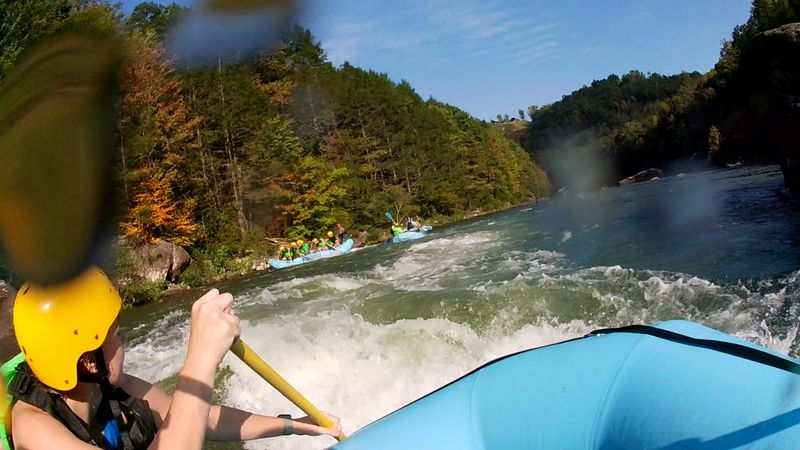
Here’s a twist nobody in Gad could have predicted. The dam that flooded their valley now fuels one of the most famous whitewater seasons in the country.
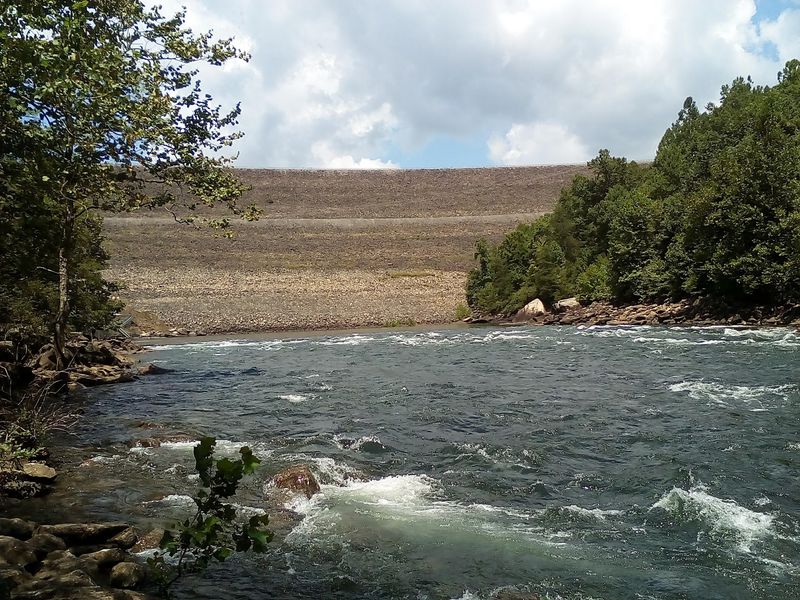
Each fall, scheduled releases from Summersville Dam send big water down the Gauley River. Paddlers call it Gauley Season.
Those releases create rapids rated Class IV and V. That puts the Gauley among the toughest commercially rafted rivers in the East.
Rafters travel from around the world for these fall weekends. Local outfitters guide trips through the canyon below the dam.
If you’re not ready for that level of chaos, the scenery alone is worth a look. The Gauley River National Recreation Area protects a long stretch of this rugged gorge.
Parents with older teens might consider it a bucket-list adventure. Younger kids usually aren’t eligible for the hardest sections, so check outfitter age limits first.
It’s funny when you step back and think about it. A dam nearly named for a grumble now makes thousands of people scream with joy every September and October.
Address: Gauley River National Recreation Area, Summersville, WV 26651
10. The Town Of Summersville
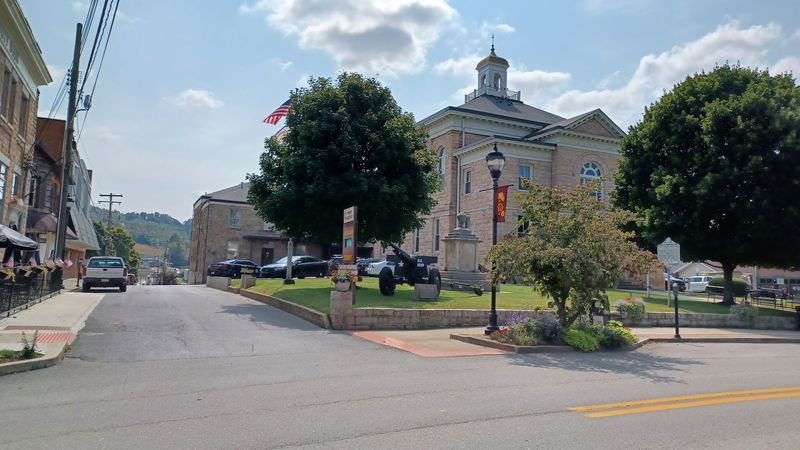
Lucky Summersville, right? The county seat of Nicholas County ended up with its name on one of the biggest landmarks in the state.
The town sits just a short drive from the dam and lake. That makes it a handy home base for anglers, climbers, rafters, and families on a lake weekend.
You’ll find restaurants, gas stations, and lodging options around town. U.S.
Route 19 runs through the area, so it’s easy to reach from much of central West Virginia.
Summersville’s history goes back long before the dam arrived. The town has served as the seat of Nicholas County since the 1800s.
Still, the dam put Summersville on far more maps than it would have been otherwise. All because the closest town had a name that didn’t play nicely with the word dam.
Take a moment to remember Gad while you’re in the area. Its families helped make this lake possible, even if they never asked for that role.
So next time someone grumbles a mild curse over a lost tackle box, smile a little. In West Virginia, that phrase almost became official.
Address: Summersville, WV 26651
