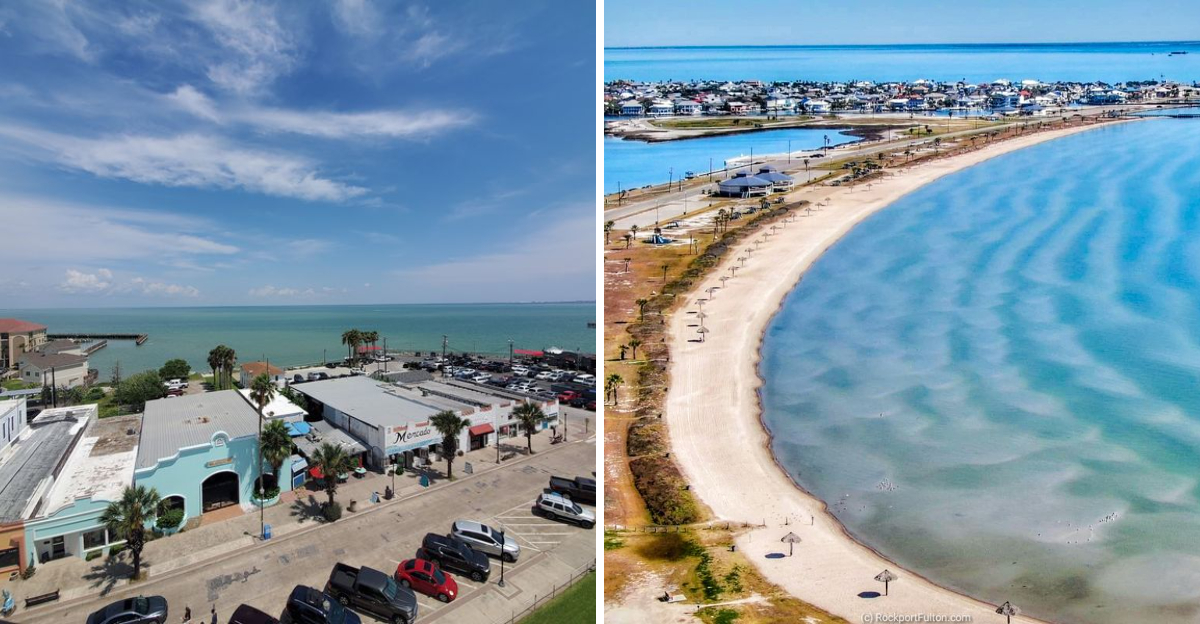
A hundred dollars used to sound like a comfortable beach-day budget. In 2026, it sounds more like a challenge with sunscreen.
Between parking or beach-access costs, lunch, cold drinks, snacks, activities, and the very predictable moment someone decides a souvenir is suddenly essential, that crisp $100 can disappear faster than expected in a popular Texas beach town.
Current coastal fees also vary considerably depending on the beach and how you access it, which makes the starting point matter more than people might expect.
The interesting part is seeing what actually fits once the obvious expenses start taking their share, and where a few smarter choices can stretch the day without turning the trip into an exercise in saying no to everything.
This breakdown follows the money and shows what a realistic $100 Texas coast day can actually cover.
1. South Padre Island
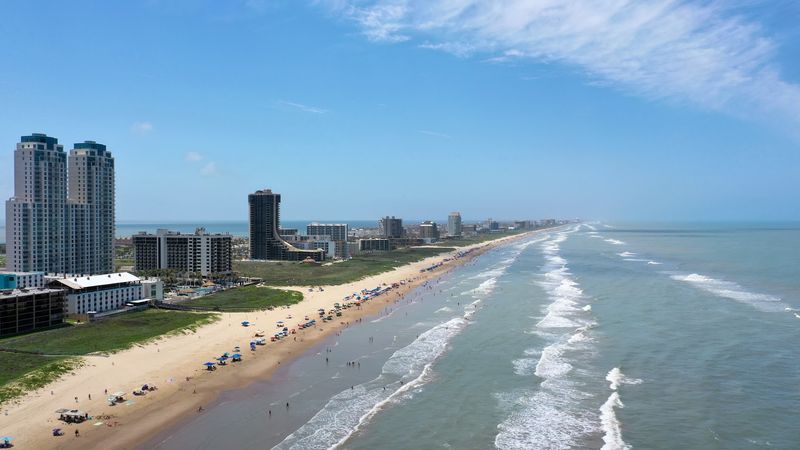
Few places in Texas make a hundred dollars work harder than this barrier island near the Mexico border. Walking onto the sand costs nothing at all, so swimming, shell hunting, sandcastle building, and sunset watching stay free from start to finish.
Drivers who want their car right on the beach can use Access #5 or #6 for about $12, which includes a $10 day pass and a refundable $2 trash deposit. County spots like Andy Bowie Park and Edwin King Atwood Park also charge roughly $12 per vehicle for day parking.
Budget-friendly attractions pile up quickly. The Laguna Madre Nature Trail is free and includes a 1,500-foot boardwalk over marshland full of birds.
Wyland’s Whaling Wall, a giant ocean conservation mural, costs nothing to admire.
Admission to the Birding and Nature Center and Alligator Sanctuary runs about $8 for adults, with a five-story tower and butterfly garden included. Sea Turtle, Inc. charges around $6 for adults to see rescued turtles up close.
Out on the water, the Original Dolphin Watch offers a two-hour boat tour for roughly $13 per person, while other dolphin trips range from $15 to $25. Mini-golf at Gravity Park is about $10.
Meals stay reasonable at spots like Dirty Al’s Seafood Market and Cajun Kitchen, Island Deli, Meatball Cafe, or Joe’s Oyster Bar. A t-shirt souvenir runs near $21 and a hat close to $10.
The free Wave shuttle rolls by every 30 minutes, saving gas money too.
2. Port Aransas
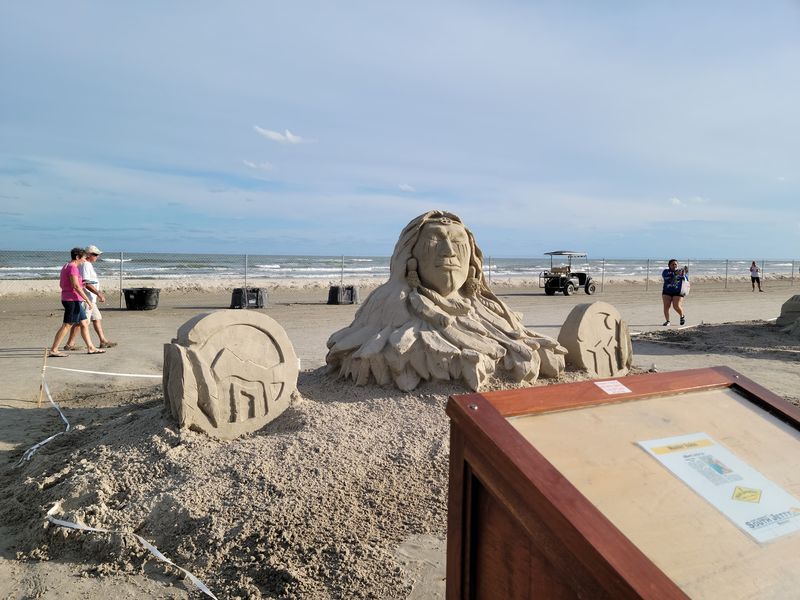
Golf carts outnumber sports cars on the streets here, and that laid-back rhythm sets the tone for a cheap day out. Beach parking on Mustang Island requires an annual permit sticker that costs about $12, and it stays valid for the rest of the calendar year.
That leaves plenty of the hundred for everything else. The Port Aransas Beach itself asks nothing beyond the permit, so hours of wading, kite flying, and shark tooth hunting come free.
Birders flock to the Leonabelle Turnbull Birding Center, where a free boardwalk stretches over a wetland pond that often hides alligators among the reeds. The nearby Port Aransas Nature Preserve at Charlie’s Pasture adds miles of free trails and observation decks over tidal flats.
Fishing fans can walk out on Horace Caldwell Pier for a small entry fee, usually under $10, and rod rentals are available for a few dollars more. No license is required when fishing from a public pier in Texas.
The ferry ride from Aransas Pass is completely free and often comes with dolphin sightings alongside the boat, which counts as one of the best no-cost thrills on the coast.
Food money goes far at casual seafood shacks and taco counters near Alister Street, where shrimp baskets and fish tacos often land between $12 and $18. Add a scoop of ice cream, a cheap souvenir tumbler, and a bag of beach snacks, and the hundred still has room left over.
3. Rockport
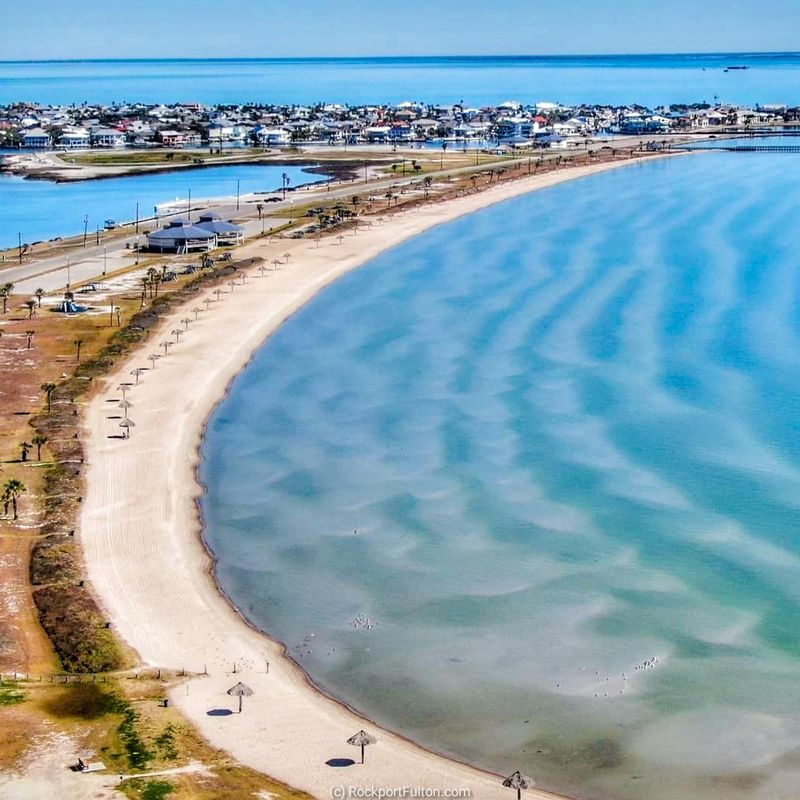
Wind-bent live oaks and a quiet harbor give Rockport a slower, artsier feel than the party islands.
Rockport Beach, which was the first Texas beach to earn Blue Wave certification, charges a modest per-vehicle fee of around $12, and that single payment covers a whole day of shaded picnic tables, calm shallow water, and a protected swimming basin.
Families with small children appreciate how gentle the surf is here, since the beach faces a bay instead of open Gulf waves.
Fishing from the jetty and the bay pier costs nothing extra, and crabbing with a chicken neck and a piece of string is a classic low-budget activity.
Birdwatchers can drive a short distance to Goose Island State Park for about $5 per adult and stand beneath the Big Tree, a coastal live oak believed to be over a thousand years old.
Art lovers get free browsing at the galleries and studios clustered around the Rockport Center for the Arts district, where window shopping alone fills an hour.
Lunch tends to be affordable at family-run seafood joints along Fulton Beach Road, with fried shrimp plates and gumbo bowls often in the $14 to $20 range.
What remains of the hundred easily covers a kayak rental for a couple of hours, a bag of kettle corn, and a small hand-painted souvenir. Sunset over Aransas Bay, of course, comes at no charge whatsoever.
4. Galveston
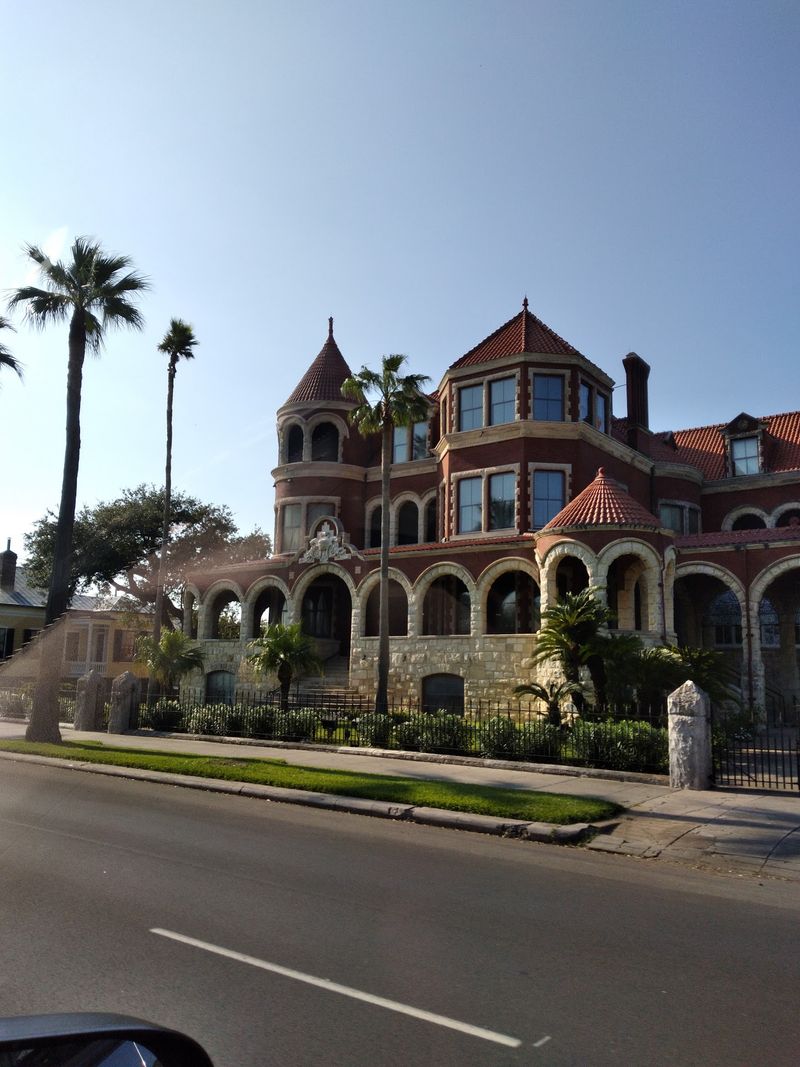
Galveston packs history, Victorian architecture, and 32 miles of shoreline onto one island, which makes stretching a hundred dollars surprisingly easy.
Seawall Boulevard beaches are free to walk onto, and paid pocket parks like Stewart Beach or East Beach usually charge somewhere around $15 per vehicle for the day.
The ten-mile Seawall sidewalk is the longest continuous sidewalk in the country, and strolling or jogging it costs nothing.
Free attractions do a lot of heavy lifting here. Wandering the Strand Historic District, admiring the painted murals, and looking at the tall ship Elissa from the dock all come without a ticket.
The Galveston-Bolivar ferry is free and gives passengers a chance to spot dolphins and pelicans.
Bishop’s Palace and the Galveston Railroad Museum charge admission in the $10 to $18 range, so one paid attraction still fits comfortably inside the budget.
Seafood can get pricey along the water, but taquerias, po-boy shops, and pizza counters a few blocks inland keep meals near $12 to $16. A dozen fresh gulf shrimp from a seafood market costs less than a sit-down entree.
Bike rentals typically run about $20 for a few hours, a fun way to cover the Seawall without paying for parking twice.
Finish with saltwater taffy or a Galveston-branded souvenir from a Strand gift shop, and the hundred will have covered a full, varied day on the island.
5. Port Isabel
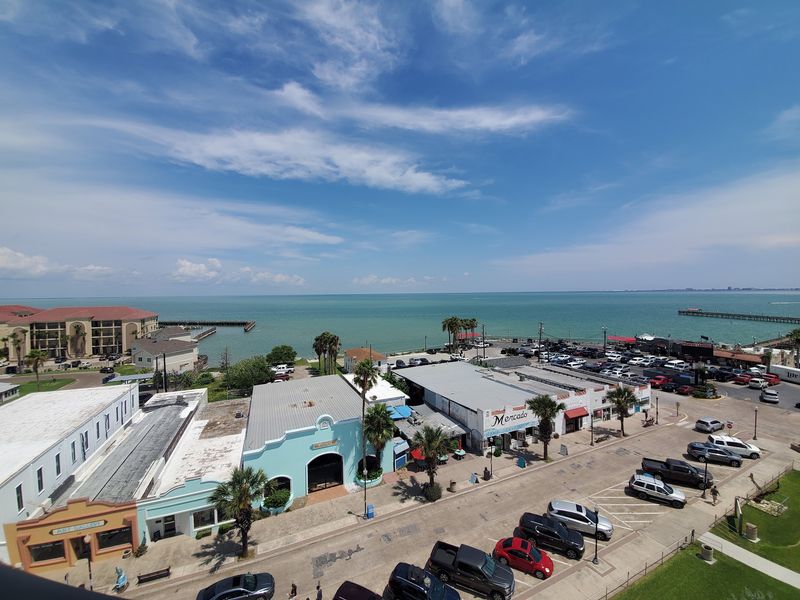
Just across the causeway from South Padre sits a working shrimping town where prices drop noticeably. The star landmark is the Port Isabel Lighthouse, the only Texas lighthouse open to the public, and climbing its spiral staircase costs only a few dollars for adults, with discounts for children.
From the top, the view sweeps across the Laguna Madre and out toward the Gulf.
A combination ticket often bundles the lighthouse with the Port Isabel Historical Museum and the Treasures of the Gulf Museum, which explores Spanish shipwrecks found off the coast. All three together generally stay under $10 per person, an unusually good deal.
Free activities include walking the waterfront, watching shrimp boats unload at the docks, and browsing the colorful shops along Tarnava and Queen Isabella Boulevard.
Fishing from the public jetties or the bay shoreline costs nothing but bait money. Dolphin and bay tours leave from the marina here at prices similar to island rates, often $15 to $25 per person.
Seafood is the smart order in a shrimping town, and family kitchens serve shrimp plates, ceviche, and fish tacos in the $12 to $18 range, often with generous portions.
Because lodging and dining here run cheaper than on the island, a hundred dollars can cover museum tickets, a boat trip, a full meal, and a lighthouse-themed souvenir with change to spare for ice cream on the walk back to the car.
6. Port Lavaca
Ask most Texans to name a beach town and Port Lavaca rarely comes up, which is exactly why a hundred dollars feels generous here.
Lighthouse Beach and Bird Sanctuary sits right in town with free access to a sandy bay shoreline, picnic pavilions, a playground, and a boardwalk trail through the marsh.
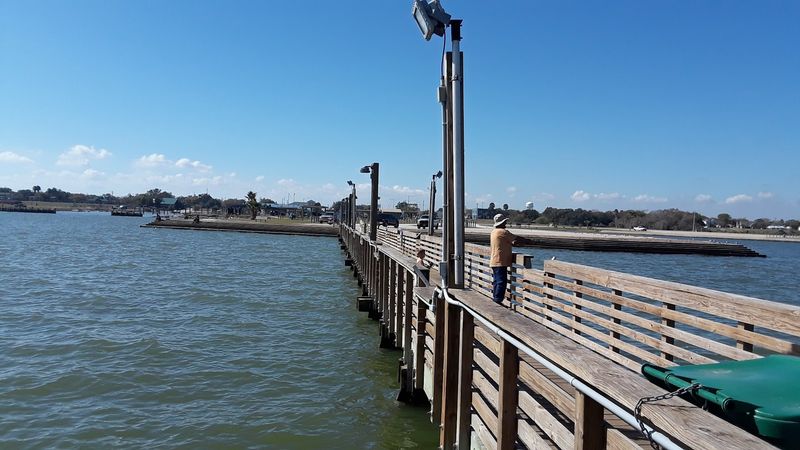
The Port Lavaca Fishing Pier stretches more than 3,000 feet into Lavaca Bay and charges a small daily fee, usually just a few dollars per angler.
Since it is a public pier, no fishing license is needed, and a bucket of bait plus a cheap rod still leaves most of the budget untouched. Flounder, drum, and speckled trout are common catches.
Nature lovers can drive out toward Magnolia Beach and Indianola, where camping on the shell shoreline is free and the water stays calm enough for wading. A historical marker at Indianola tells the story of a once-busy port destroyed by hurricanes in the 1880s.
Meals in town lean toward Tex-Mex plates, burgers, and fried seafood baskets, most priced between $10 and $16, and portions tend to be filling.
Groceries from a local store make packing a cooler easy, which is how many visitors stretch the day even further.
With no parking fees, low pier costs, and inexpensive food, a hundred dollars in Port Lavaca can cover a full day of fishing, a picnic, gas for a short coastal drive, and souvenirs.
7. Port Arthur
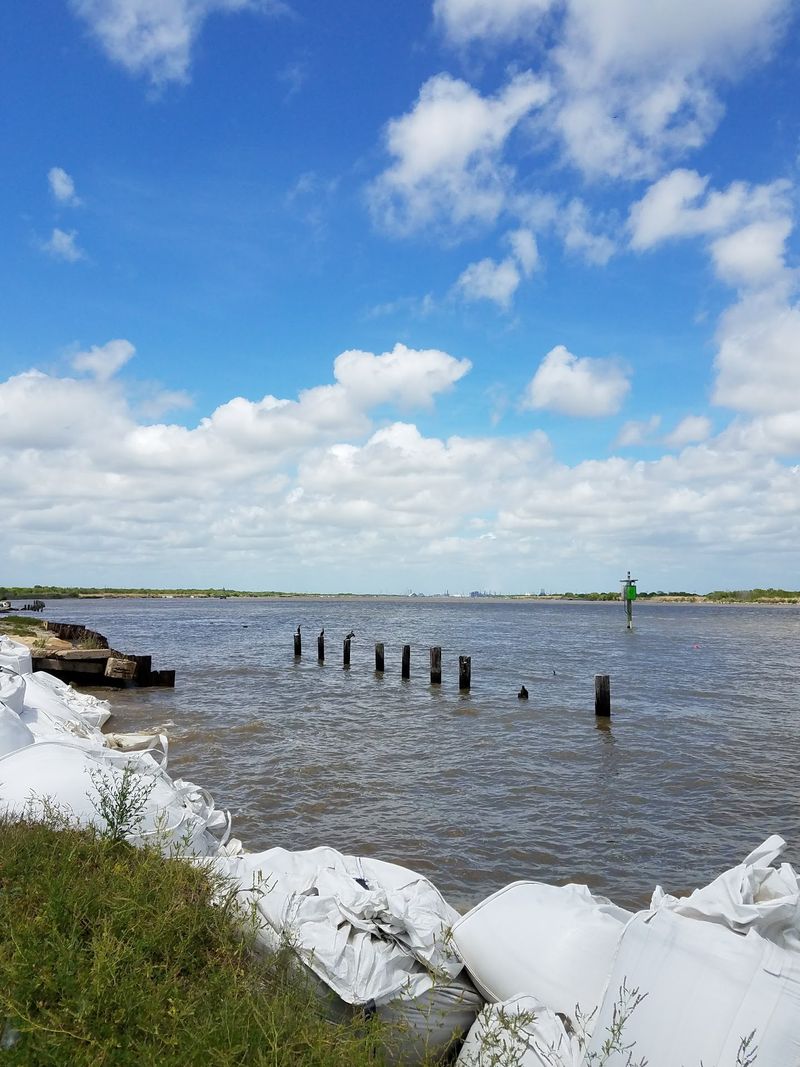
Industry and marshland share the landscape in this southeast Texas city, and the payoff for budget travelers is uncrowded shoreline. Sea Rim State Park, a short drive from downtown, charges about $5 per adult and offers something rare: 5.2 miles of Gulf beach connected directly to salt marsh.
The Gambusia Nature Trail there is a boardwalk that floats over the wetlands, with alligators, herons, and roseate spoonbills often in view.
Kayak rentals inside the park are affordable, and paddling the marsh trails feels more like exploring a swamp than a beach. Children under 12 enter the park free, which keeps family costs low.
Back in town, the Museum of the Gulf Coast charges a small admission and covers regional music history, Native American artifacts, and oil boom exhibits under one roof. The Pleasure Island causeway and its walking paths cost nothing.
Food is where Port Arthur really shines for the price. Cajun and Vietnamese influences run deep, so bowls of gumbo, boudin links, banh mi sandwiches, and crawfish plates frequently land between $8 and $15.
Two people can eat very well here for under $35 total.
Add park entry, a museum ticket, a kayak hour, and a couple of hearty meals, and a hundred dollars still leaves money for gas and a bag of Cajun seasoning to take home. Sunrise over the marsh remains free every single morning.
8. Surfside Beach
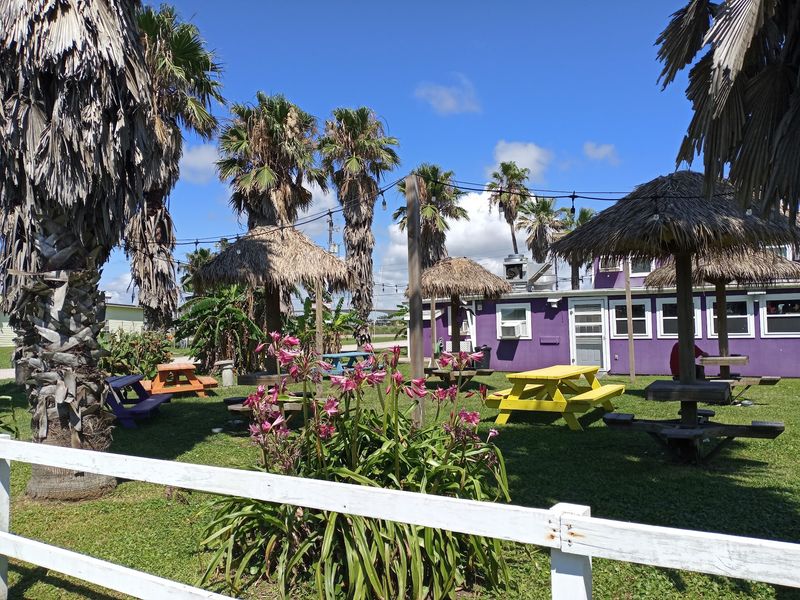
Small, unfussy, and refreshingly cheap, Surfside Beach sits about an hour south of Houston and keeps things simple.
Driving and parking on the sand requires an annual beach permit that costs around $12 and stays good through the end of the year, which is one of the better bargains on the coast.
Once parked, the day belongs to the visitor. Swimming, surfing, kite flying, and shell collecting cost nothing, and the waves here are often big enough for beginner surfers to practice.
The Surfside Jetty Park has free public access with restrooms and a rock jetty popular with anglers. Fishing from the jetty needs no pier fee, and shrimp for bait runs only a few dollars.
Beachcombers do well after storms, when sand dollars and whelk shells wash up along the tide line. Just up the road, the Sea Center Texas in Lake Jackson offers free admission to aquariums filled with Gulf species and a touch tank with rays.
Casual restaurants near the beach serve shrimp baskets, burgers, and fish sandwiches mostly in the $12 to $18 range, often with sandy floors and open-air seating.
Board rentals run roughly $20 to $30 for a day depending on the shop.
Tally it up: permit, board rental, lunch for two, and a bag of boiled shrimp from a market on the way home all fit neatly inside one hundred dollars.
9. Matagorda
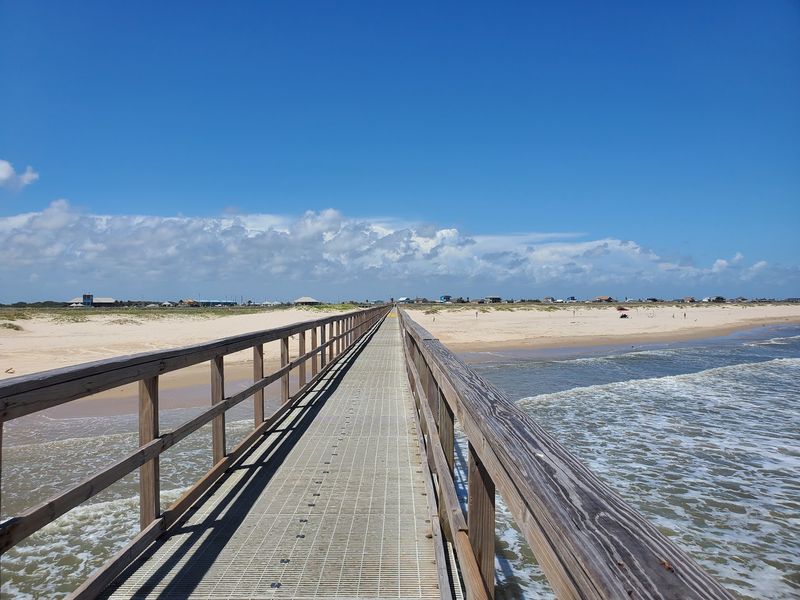
Quiet is the main product in Matagorda, a tiny community where the Colorado River spills into the Gulf. Matagorda Bay Nature Park charges a modest day-use fee, typically around $10 per vehicle, and grants access to a wide beach that often feels nearly empty even on weekends.
Birders treat this place seriously, since more than 300 species have been recorded in the area, and the park has viewing platforms and a nature center with free exhibits.
The jetty at the river mouth attracts anglers chasing redfish and trout, and shore fishing requires no pier ticket. Beach driving is allowed in designated areas, so a cooler and chairs can ride right up to the water.
Kayak and paddleboard rentals from local outfitters generally cost $25 to $40 for a half day, and the river channel offers calmer paddling than the open Gulf.
Dining choices are limited, which honestly helps the budget. A couple of small cafes and seafood counters serve shrimp, burgers, and breakfast plates for roughly $10 to $16, and many visitors simply pack sandwiches.
Camping at the nature park runs under $30 a night for a tent site, meaning a hundred dollars could cover an entire overnight trip including entry, food, and a paddle rental.
Stargazing here is unusually good because there is so little light pollution, and that particular attraction has never charged admission to anyone.
