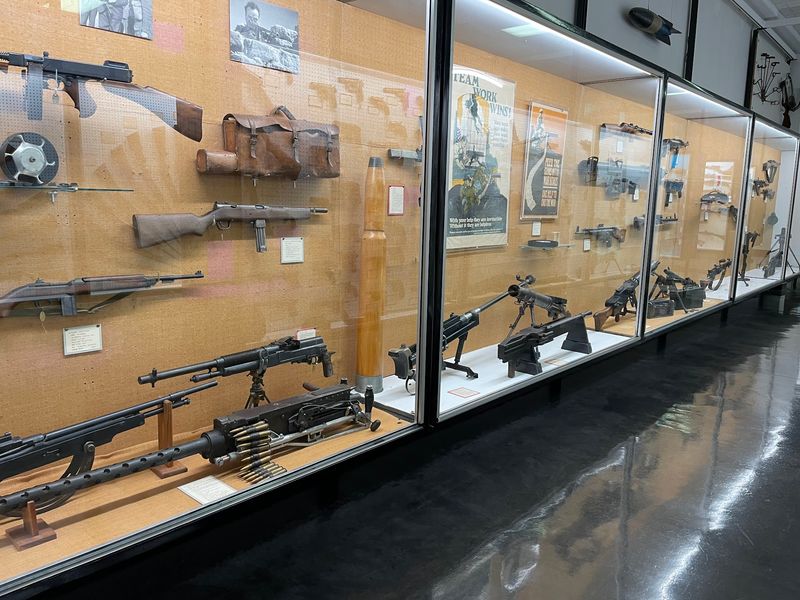
I only pulled over because I needed to stretch my legs and the sign said the door was free to walk through. Two hours later, I was still wandering rows of glass cases, staring at outlaw relics and old frontier gear like a kid on a field trip.
Oklahoma has plenty of quiet roadside stops, but very few hold a lifetime of one man’s collecting under a single roof. If you like history you can almost touch, this is the kind of place that sneaks up on you in the best way.
A Collector’s Lifetime Under One Roof
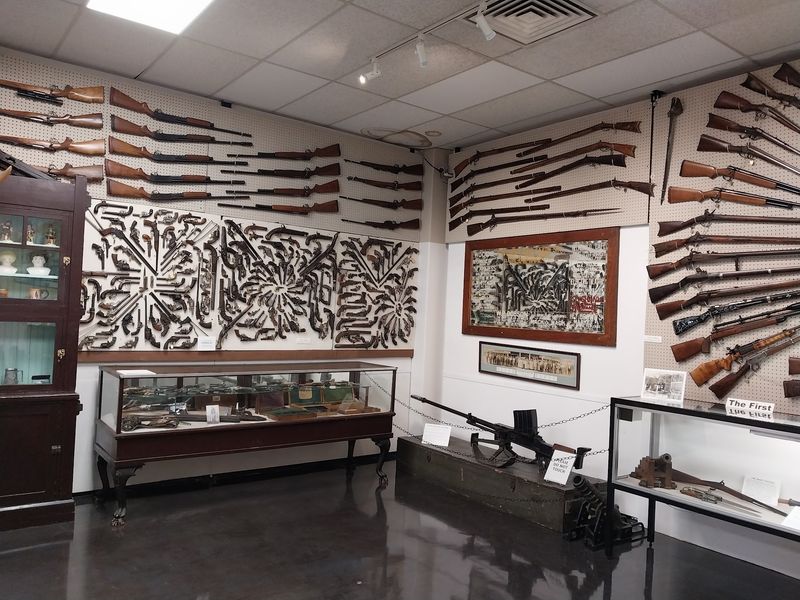
Picture a museum built around one person’s curiosity, then multiply that curiosity by roughly 50,000 objects. That is the scale waiting inside the J.M.
Davis Arms and Historical Museum, a state-owned building in northeastern Oklahoma that feels part history hall, part attic of the frontier.
Most folks know it for its firearms collection, often described as the largest privately held assortment in the world. Yet the name only tells half the story, because the halls also hold saddles, spurs, Native American artifacts, music boxes, sculptures, posters, and more than a thousand steins gathered from across the globe.
Visitors regularly say they expected a quick look and ended up staying far longer. One common theme pops up again and again: you do not need to be an enthusiast to enjoy it.
Families, retirees, road-trippers, and history buffs all seem to find a case that grabs them.
Best of all for budget-minded travelers, walking in costs nothing up front. A suggested donation keeps the lights on, and that modest, no-frills approach fits the building perfectly.
Nothing here feels flashy or trendy. It simply feels preserved, carefully kept, and genuinely proud of the stories it holds for anyone who wanders through its doors.
How a Seven-Year-Old Started It All
Every great collection starts with a single object, and for J.M. Davis that first item arrived when he was just seven years old.
Most kids trade baseball cards. He kept going for decades, and his hobby grew into something almost nobody could have predicted.
By the early 1930s, the collection had expanded in a big way. Davis gathered items connected to frontier life, local history, music, art, and everyday tools of the past, building an archive that eventually needed its own home.
That home opened to the public on June 27, 1969, which happened to be his 82nd birthday. Talk about a memorable way to celebrate turning another year older.
Inside, a short video introduces Davis and his story, along with photos and newspaper articles that help put the collection in context. Many guests say watching it first makes the rest of the visit click, since you start seeing each case as a chapter in one long life.
Here is a quirky detail visitors love to mention: Davis and his wife are interred inside the museum itself. Guests often describe it as a surprise, a quiet moment where you can, in a sense, meet the man behind every shelf and display.
Route 66 Roots in Claremore
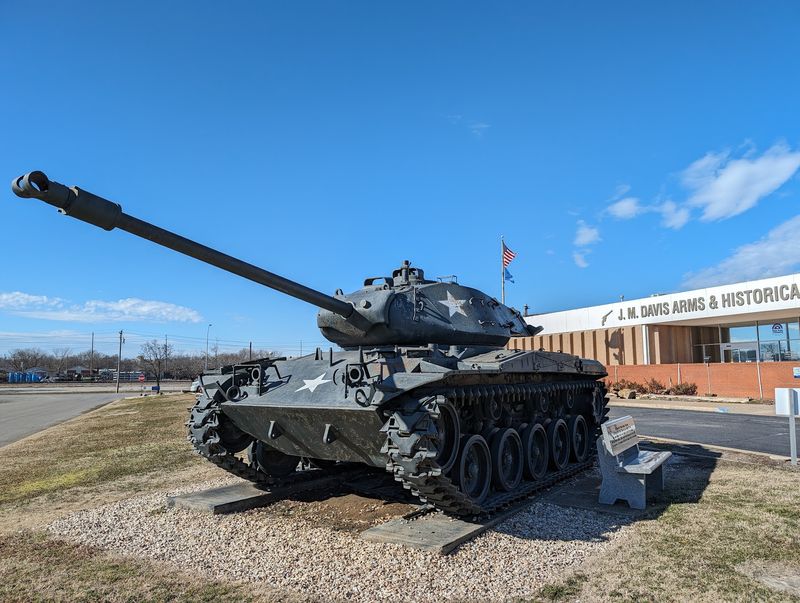
Now for the big reveal of where all this treasure sits. The museum stands at 330 N J M Davis Blvd in Claremore, a friendly Rogers County town right on historic Route 66.
That Mother Road location makes it an easy add-on for anyone tracing the old highway across Oklahoma. It also shows up in the gift shop, which leans more toward Route 66 souvenirs than anything else, so you can grab a road-trip keepsake on your way out.
For drivers coming from Tulsa, Claremore is a short hop northeast, making this an easy half-day outing. Folks rolling in from Oklahoma City will spend a bit longer on the road, but plenty of guests say the drive pays off, and one even booked an overnight stay just to see the collection properly.
Locals seem to take real pride in the place, and word of mouth brings in a steady stream of first-timers. One regular calls it the best-kept secret in northeastern Oklahoma.
Pair your stop with a meal in town. A longtime visitor mentions heading down the road to the Hammett House for lunch afterward, which sounds like a fine way to round out a small-town Route 66 afternoon.
Outlaws, Lawmen and Those Famous Nooses
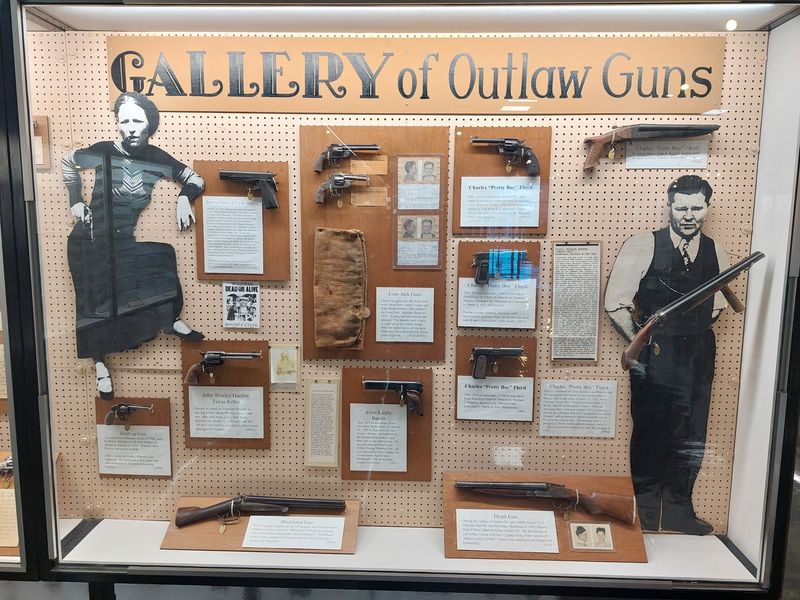
Ask repeat visitors which corner they head to first, and many point straight toward the outlaw and lawman gallery. It is the section that gives the museum its most talked-about bragging rights.
Much of it comes from the Merle Gill collection, which famously included old hangman’s nooses and handcuffs. Seeing real frontier justice artifacts up close carries a strange, chilly weight, and it reminds you that the Old West was not all cowboy movies and sunsets.
Alongside the Old West pieces, you will find items tied to notorious figures of the 1920s and 1930s, that wild era when bank robbers made newspaper headlines across the region. Visitors describe the section as one of the most interesting in the building, mostly because every object comes with a story attached.
Badges, restraints, and relics from lawmen balance out the outlaw side, so the gallery feels less like a celebration of troublemakers and more like a snapshot of how order was kept on the frontier.
Parents with younger kids may want to walk through first and decide how much to explain. Older kids and teens, though, often find this the part of the trip they keep talking about on the drive home.
Row After Row of Firearms History
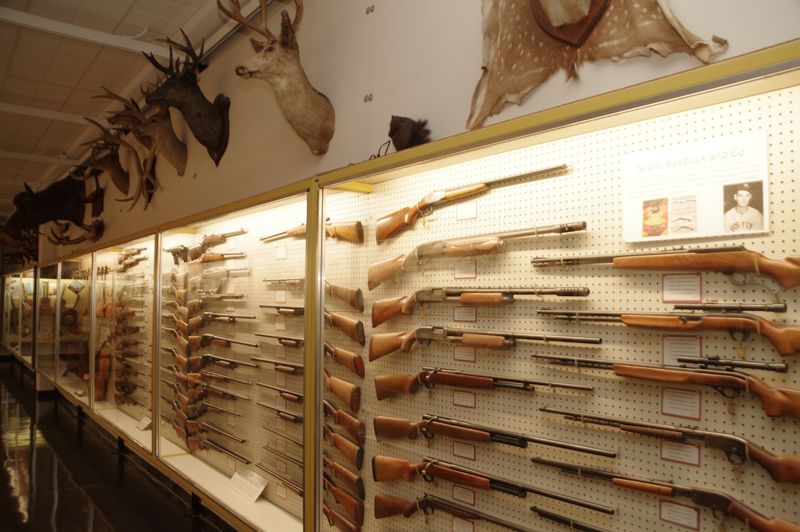
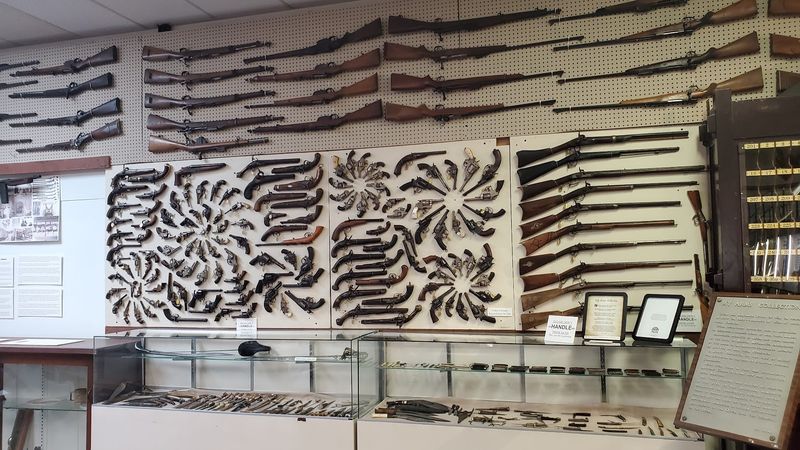
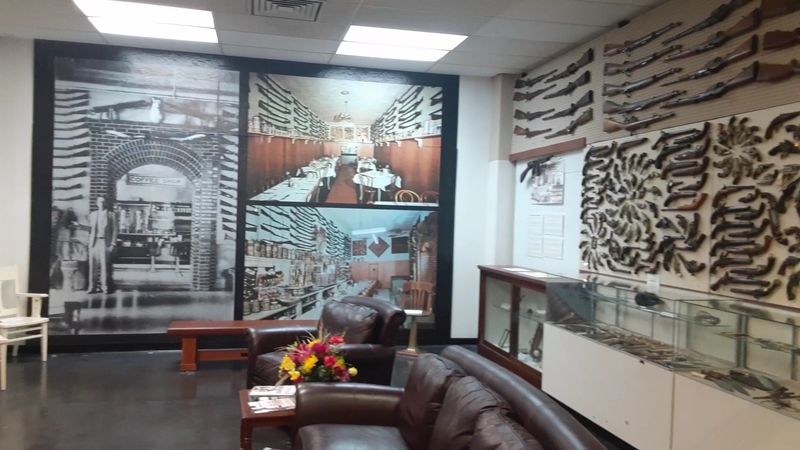
Walk in, turn a corner, and the cases seem to stretch forever. The firearms collection is the headline act, and guests consistently say it is bigger than anything they have seen in one place.
What surprises many people is the focus on civilian pieces. One knowledgeable visitor noted that military models make up only a small slice, while the bulk covers hunting and target arms from flintlocks of the 1700s up through modern repeaters.
Laid out in sequence, the displays let you trace several centuries of sporting history just by strolling. Examples from all the major manufacturers appear, along with rare and one-of-a-kind pieces, and one guest spotted only a single replica among the originals.
A fair heads-up: the information cards tend to be simple, often listing maker, model, type, and year. Seasoned enthusiasts love it, while newcomers may wish for a bit more background.
Even so, several visitors who arrived with zero interest admit they got hooked. A mom who came along for her son said the thoughtful displays won her over too.
When a collection can charm the skeptic in the group, you know the curators have done something right.
Saddles, Spurs and Native American Artifacts
Leather tells stories too, and the saddle room proves it. Rows of worn saddles and spurs sit on display, each one hinting at long miles across open Oklahoma country.
Horse lovers and ranch families tend to linger here, pointing out tooling details and stirrup styles. You will also find knives, swords, and period attire scattered through the museum, giving the frontier section a well-rounded feel beyond any single category.
Nearby, displays of Native American artifacts add an important layer to the story. Oklahoma is home to 39 federally recognized tribal nations, and these pieces serve as a reminder that the region’s history was shaped by living cultures long before the land runs and railroads.
Visitors mention an extensive collection of these artifacts, paired with local Claremore and Rogers County history exhibits. Together, they help ground the whole museum in the real place right outside its doors.
A pleasant surprise for many guests is a railroad history section too. Between trains, tack, and tribal heritage, this part of the building feels like a crash course in how northeastern Oklahoma came together, told through objects people actually used and carried every single day.
Steins, Music Boxes and Unexpected Art
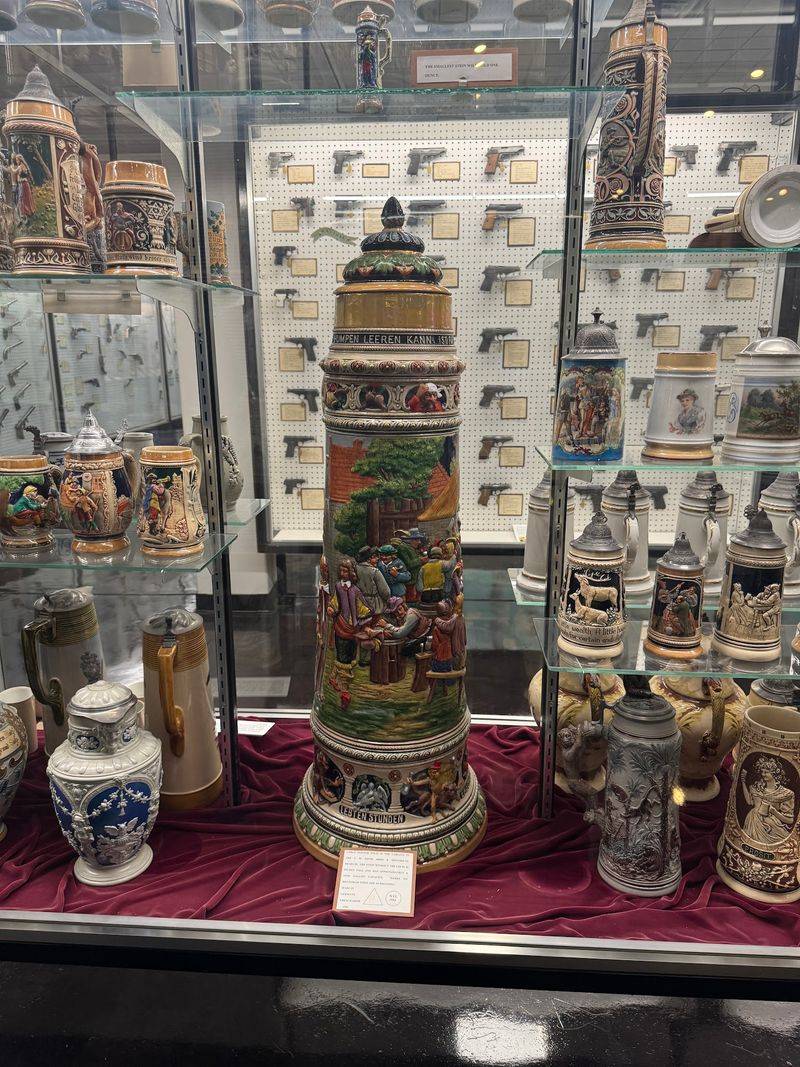
Nobody walks into an arms museum expecting 1,200 steins, yet here they are. Colorful, carved, painted, and gathered from around the world, they fill shelves with a cheerful kind of clutter that feels wonderfully old-fashioned.
Guests frequently name the stein collection as a favorite detour. The craftsmanship is the real draw, with ornate lids, tiny painted scenes, and shapes you would never guess.
Then come the antique music boxes and musical instruments. Something about these delicate mechanical treasures softens the whole visit, and background music drifting through the halls adds to the relaxed mood.
Art fans get a treat too. Sculptures by John Rogers, a popular American artist of the 1800s, capture everyday scenes in plaster, and one visitor mentioned enjoying a fun Norman Rockwell exhibit as well.
A compelling set of World War I posters rounds things out, showing the bold graphic style used to rally folks at home. Country music fans should look for the display honoring Roy Clark, the beloved entertainer with deep Oklahoma ties.
It is this oddball variety that makes the museum work for mixed groups, since everyone seems to find their own favorite corner.
Hands-On Fun for Families
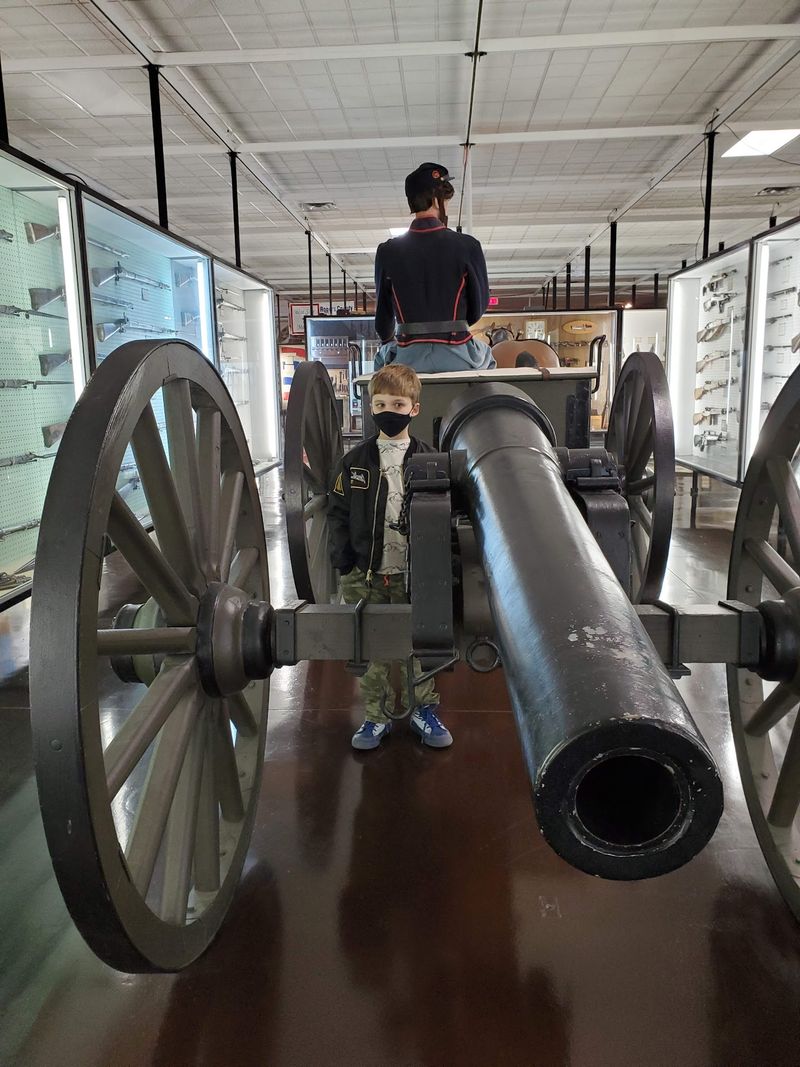
Kids get restless in quiet museums, so it helps that this one sprinkles in interactive touches. Family-friendly multimedia exhibits break up the long rows of cases and give younger visitors something to do with their hands.
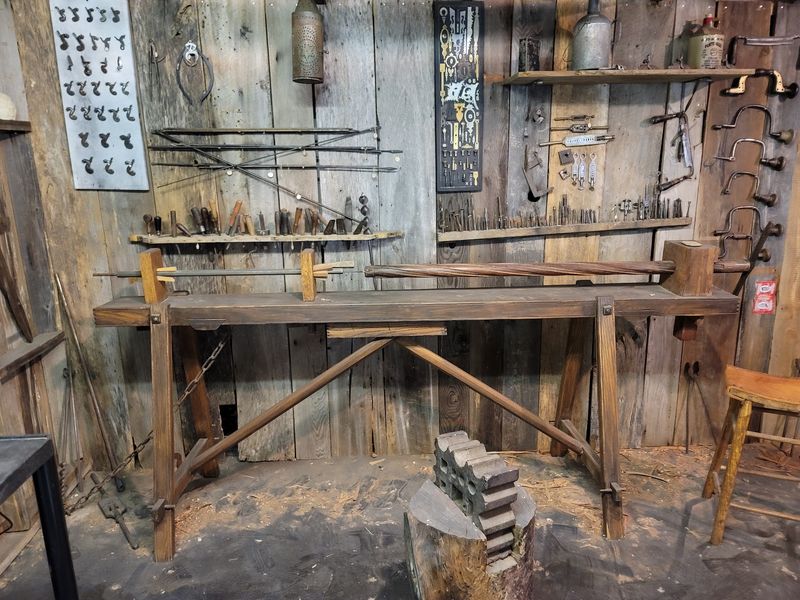
A replica 1840s gunsmith shop is a standout. Wooden benches, hand tools, and period details give children a peek at how craftsmen worked long before factories took over.
One mom shared that her teenage son loved the virtual range experience, and his excitement made her day too. Moments like that turn a history stop into a family memory.
Comfort matters on a long visit, and guests appreciate the benches placed throughout for tired feet. The building is all on one level, which visitors describe as very wheelchair friendly, so grandparents and strollers can roll along without fuss.
Staff earn warm praise as well. Visitors often mention a friendly face at the front desk who sets a welcoming tone, plus knowledgeable employees happy to answer questions.
One couple said they plan to return once their kids are older, which sounds wise. Elementary schoolers will enjoy the highlights, while teens and adults can truly soak in the details.
Hours, Donations and Visiting Tips
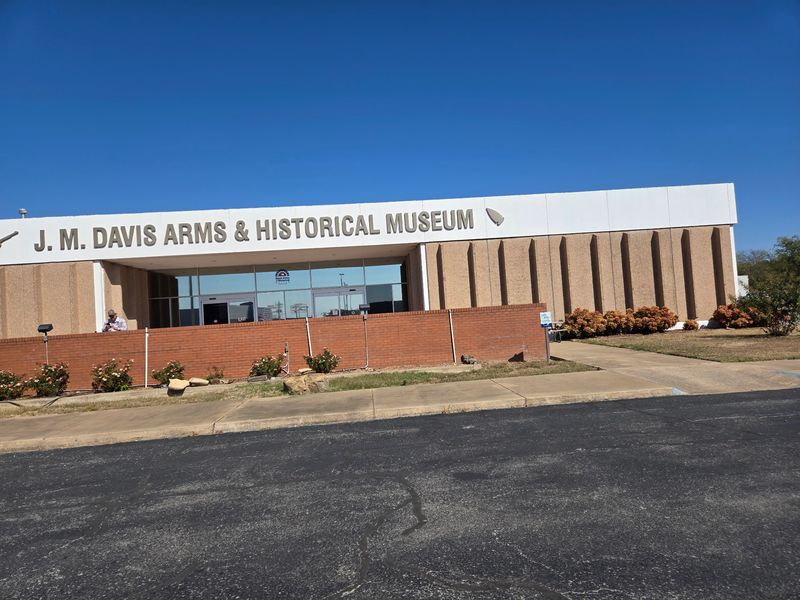
Planning ahead makes a big difference here. The museum is open Tuesday through Saturday from 10 a.m. to 5 p.m., and closed Sundays and Mondays, so double-check your calendar before heading out.
Holiday schedules shift a bit. It closes on Thanksgiving and Christmas, but opens from 1 to 5 p.m. on New Year’s Day, the day after Thanksgiving, and the day after Christmas.
Calling 918-341-5707 before you go may help, since schedules can change.
Admission is free, with a suggested donation of $5 per person or $10 per family. Bring cash, because at least one guest could not spot a card machine, and staff do make the donation known at the desk.
Time is the other big factor. Most visitors spend two to four hours, and several say they still did not see everything, so avoid squeezing it in right before closing.
Recent visitors noted some remodeling, with the main entry under construction and the west entrance in use, so a few exhibits may be temporarily closed. Also, since this is a state-owned building, personal firearms are not allowed inside.
Summer heat can be fierce in Oklahoma, making this a great air-conditioned escape.
Worth the Drive, Worth a Return Trip
Some places you visit once and check off a list. Others quietly call you back, and judging by how many guests mention planning a second trip, this museum firmly belongs in the second group.
Its charm comes from contrast. Behind a humble exterior and a donation box sits an astonishing collection, spanning outlaw relics, frontier saddles, tribal artifacts, dainty music boxes, and centuries of firearms craftsmanship.
History buffs will be in heaven. Casual travelers, grandparents, and curious kids tend to leave pleasantly surprised, since so many side collections offer something beyond the headline exhibits.
Honest expectations help. A few cases could use more explanation, and ongoing remodeling may close certain areas for a while, but most visitors seem happy to trade polish for authenticity.
For about the price of a fast-food lunch, you get hours of wandering through Oklahoma’s past, plus a Route 66 souvenir if you want one. That is a deal hard to find anywhere.
So next time you are cruising the Mother Road near Tulsa, carve out an afternoon. Bring cash, comfortable shoes, and a little patience, and let one man’s lifelong hobby show you how much history can fit inside a single building.
