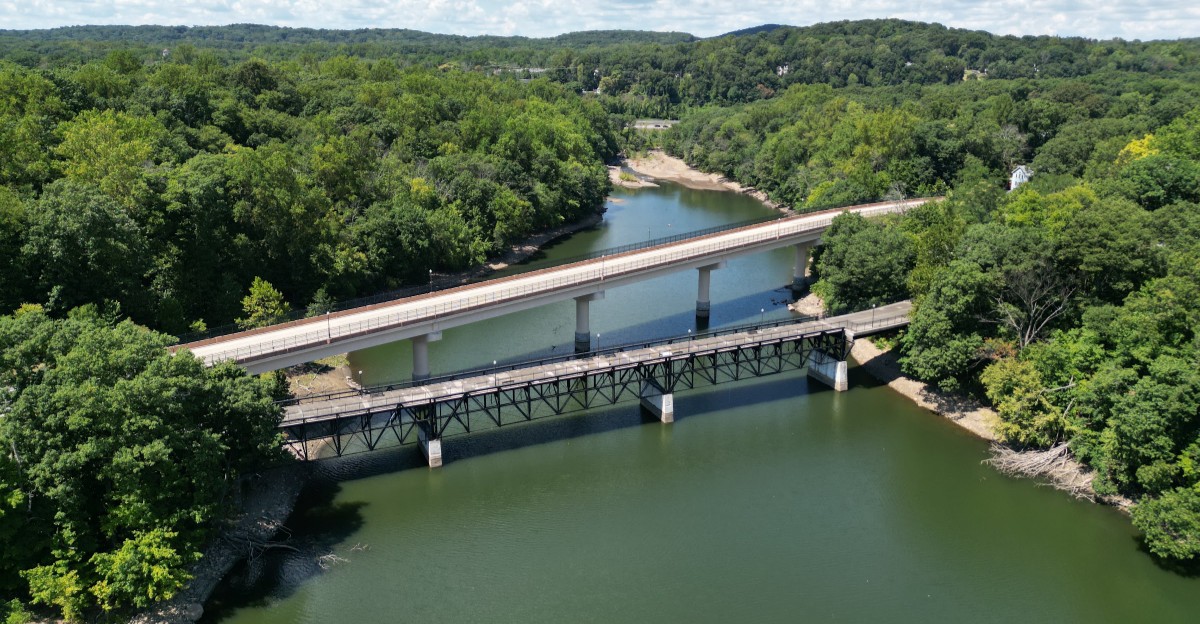
A whole colonial iron village once stood where a giant reservoir now shimmers. When droughts drop the water low, old stone foundations and walls peek back out.
That village dated to the 1700s and was making iron before the American Revolution. It had homes, mills, farms, a church, a school, and even a county poorhouse.
Then a thirsty city needed clean water, and the whole valley went under. I can’t imagine packing up a hometown so strangers miles away could drink safely.
Still, I like how the story never fully sank.
Now a brand-new trail in New Jersey promises to open these shores to the public for the first time in generations. Rare drought sightings may soon get some serious company.
So what exactly is waiting down there, and how close can you get?
A Village Older Than The Country Sits Under The Water
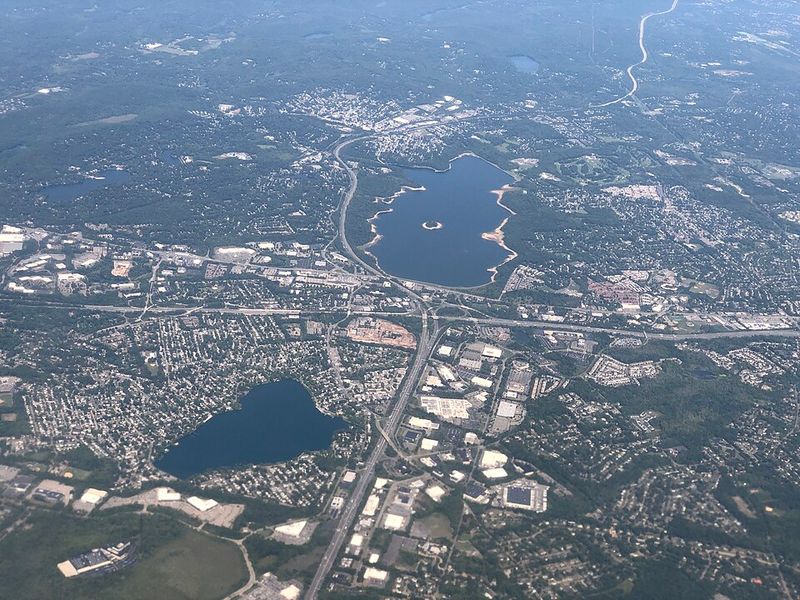
Long before anyone flipped a faucet, ironworkers were busy in a valley along the Rockaway River. That settlement was Old Boonton, the first version of Boonton, NJ.
Folks also called it Boonetown or Booneton Falls.
Its roots stretch back to the 1700s. The ironmaking village was humming before the American Revolution even started.
That makes it older than the United States itself, which is a pretty wild thing for a lakebed to claim.
The community was not tiny, either. It had homes, farms, mills, a church, a school, and a county poorhouse.
Picture a full small town with chores, gossip, and kids late for class.
Today, all of that sits under the Boonton Reservoir. The water spreads between Boonton and Parsippany-Troy Hills in Morris County, New Jersey.
From the shore, it simply looks like a peaceful, pretty lake.
That calm surface hides a lot of stories. Knowing a village rests below changes how you see every ripple.
Once you learn the history, a quiet afternoon view suddenly feels like a page from an old book. Good luck looking at it the same way again.
Sorry, The Spooky Underwater Town Story Needs A Small Correction
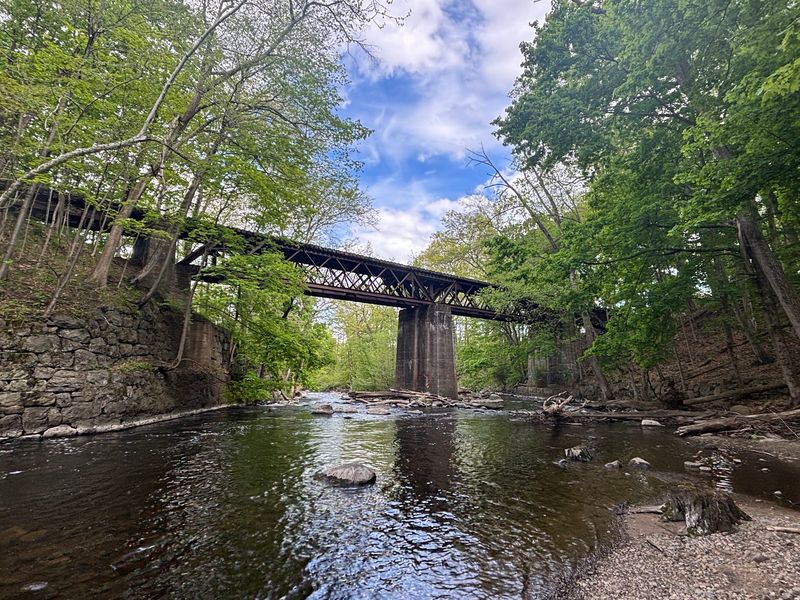
Urban legends love a perfectly preserved ghost town. Rumors claim Old Boonton waits below with houses standing and streets intact.
It makes a great campfire tale, honestly.
The truth is a little different, but still fascinating. Most buildings were taken apart, moved, or torn down before the valley flooded.
Workers cleared the land as part of building the reservoir.
So what stayed behind? Foundations, stone walls, and old tree stumps remained in place.
Those sturdy leftovers outlasted everything built from wood.
I actually like the real version better. It feels more human than a movie set frozen in time.
You can imagine families carefully packing belongings and leaving their stone basics behind.
That small correction also explains why sightings happen at all. Stone holds up underwater far better than roofs or porches would.
When the water drops, those outlines are what reappear.
So when someone in New Jersey swears a whole town sits down there, you can smile and share the facts. It’s a fun way to sound wise at a picnic.
Just don’t promise anyone a church steeple poking through the waves.
Jersey City Was Desperate For A Clean Glass Of Water
Turn back the clock to the late 1800s, and Jersey City had a serious problem. Its water came from the Passaic River.
Factories and sewage had made that river badly polluted.
A typhoid outbreak in 1891 made the crisis impossible to ignore. Clean water was no longer a nice extra.
It was urgent for public health.
So the Jersey City Water Supply Company bought land in the Lower Boonton valley in the late 1890s. Crews started building a dam on the Rockaway River.
By 1904, the Boonton Reservoir was finished.
That project delivered safe water to hundreds of thousands of Jersey City residents. It also reshaped this corner of Morris County for good.
One valley changed so a whole city could stay healthier.
It’s a big trade when you think about it. A village gave up its home for people it would likely never meet.
That mix of sacrifice and progress is why the place still sparks such strong feelings.
Next time you fill a glass, give a quiet nod to Boonton. Its old valley helped solve one of the biggest water problems of its day.
Here’s A Bragging Right Most Lakes Can’t Claim
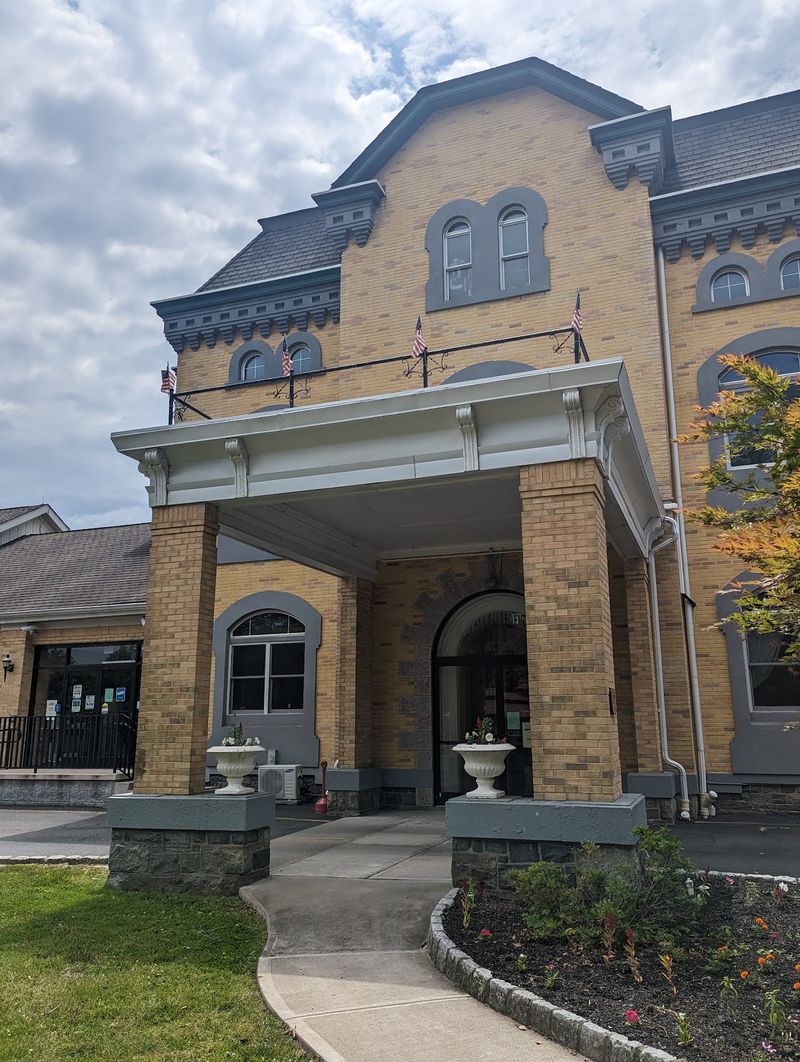
Chlorine in drinking water seems ordinary now. Back in 1908, it was a bold new idea.
And the Boonton Reservoir led the way.
Its water became the first municipal supply in the United States to be continuously chlorinated. That started in 1908, just a few years after the reservoir opened.
It’s a quiet milestone with a huge reach.
Think about what that meant. Treating water every single day helped protect people from disease.
Cities across the country later followed similar ideas.
That gives Boonton, NJ a surprising spot in American history. Most people link the town with iron or rivers, not public health.
Yet this reservoir helped change how the nation thinks about safe water.
I love facts like this because they hide in plain sight. You could drive past the water a hundred times and never know.
Now you can share it at dinner and watch eyebrows go up.
Here’s a tip for families. Bring this story up with kids learning about science or history.
A real local example makes classroom lessons feel much more alive and a lot less dusty.
Droughts Turn The Reservoir Into A Peek Into The Past
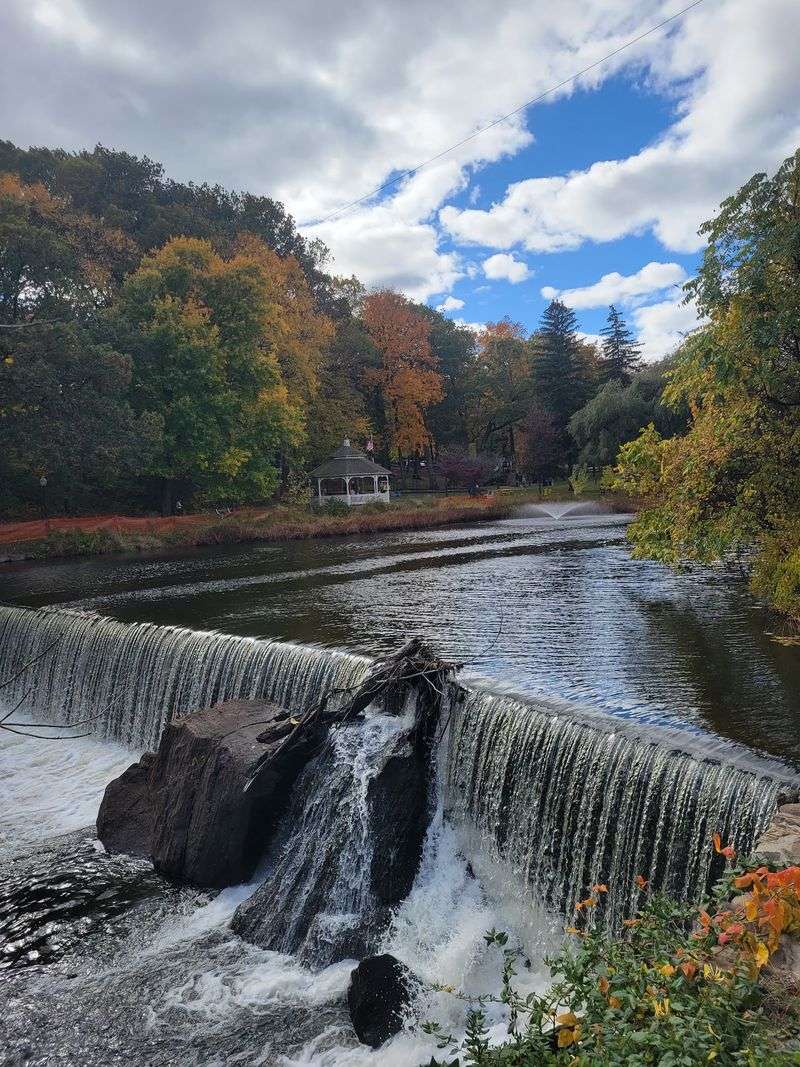
Dry summers usually bring bad news. At the Boonton Reservoir, they also bring rare glimpses of history.
When water levels drop far enough, old foundations and stone walls can surface.
A drought in 1980 is a famous example. Photos from that year show clear outlines of buildings sitting in the exposed lakebed.
They look like ghostly floor plans sketched across the mud.
These moments don’t happen often. That rarity is part of the magic.
Each reveal feels like a short window opening into a vanished town.
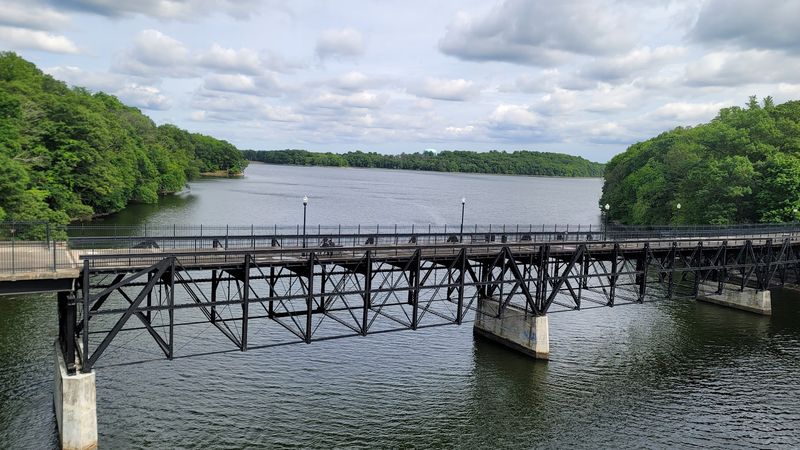
Even in normal years, there’s something to spot. An island believed to mark the former county poorhouse site stays visible all year.
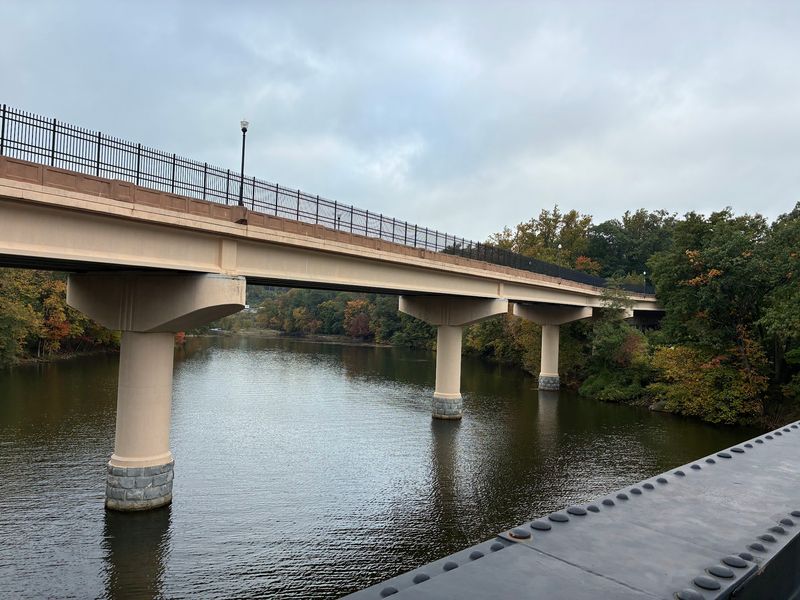
You can see it from the reservoir footbridge.
That little island is a handy starting point for curious visitors. It reminds you that real people once lived, worked, and struggled right here.
A tiny patch of land carries a big story.
So keep an eye on New Jersey drought news. Low water elsewhere is a worry.
Here, it also signals that Old Boonton might briefly wave hello again.
Horseshoes And Old Scissors Have A Home On Main Street
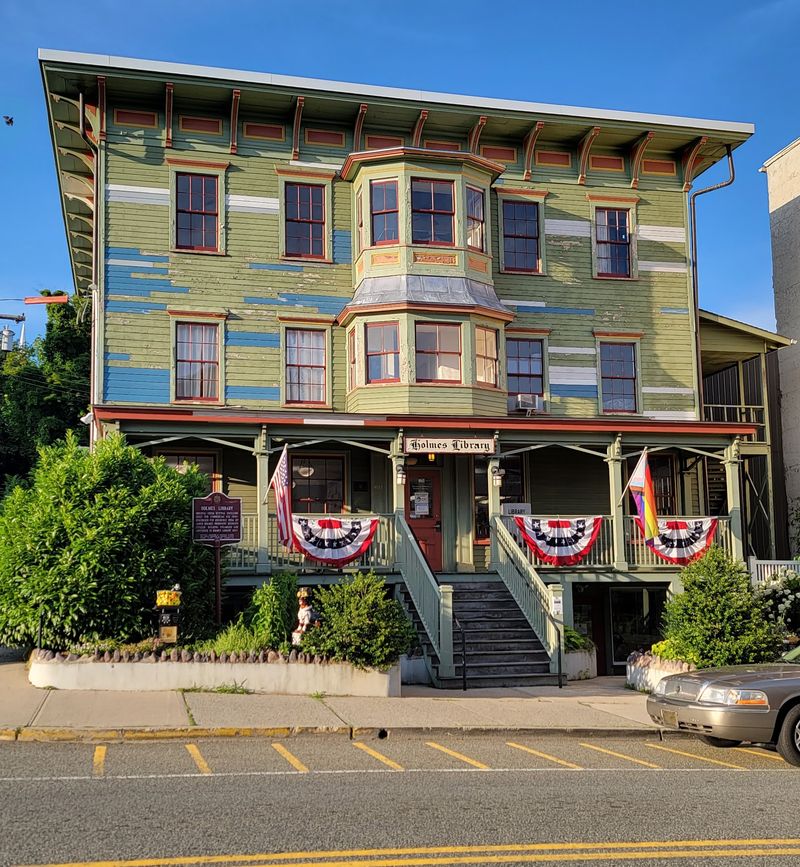
Some history is huge, like dams and valleys. Some is small enough to hold in your hand.
The Boonton Historical Society keeps plenty of the second kind.
You’ll find the society at 210 Main Street, Boonton, NJ 07005. Its collection includes artifacts recovered from the reservoir.
Horseshoes, pottery fragments, and old scissors are among them.
Those everyday objects tell personal stories. A horseshoe hints at a working horse and a busy road.
A pair of scissors suggests someone mending clothes by a window.
That’s what makes these items so moving. They connect you to ordinary folks, not just big events.
Daily life suddenly feels close and real.
The society helps keep Old Boonton’s story accessible, even while the village sits underwater. Without that work, many details might slip away.
Instead, they stay ready for new visitors to discover.
Pair a visit with a stroll along Main Street. Boonton’s downtown sits on a hill, so wear comfy shoes.
Seeing the artifacts first makes any reservoir view later feel twice as meaningful.
A Long-Locked Shoreline Is Finally Opening Up
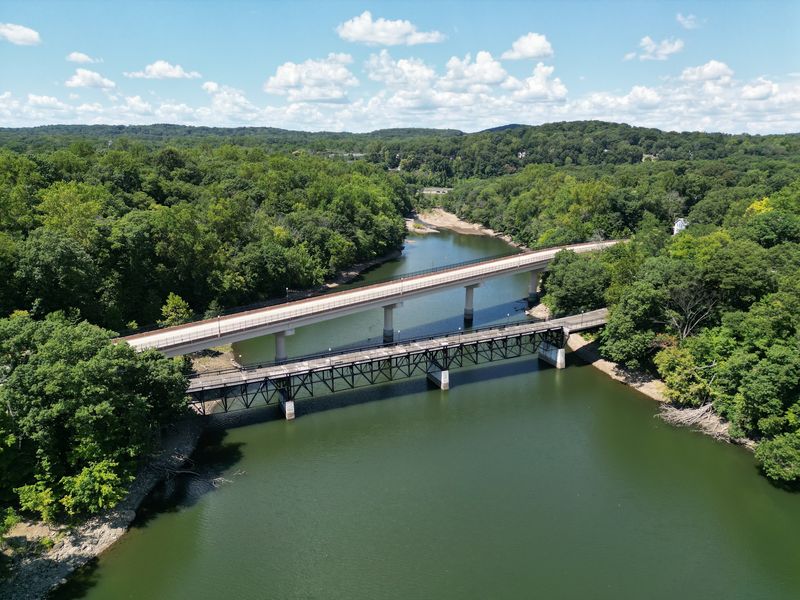
For decades, most of the reservoir property was off-limits. People could admire the water from afar, but not wander its shores.
That’s finally changing.
The Boonton Reservoir Trail Project is bringing public access to this historic land. Jersey City and the Morris County Park Commission are working together on it.
A 40-year lease, with an option to renew, makes the plan possible.
The goal is a 7.7-mile loop trail around the property. That’s the first widespread public access the reservoir has seen.
It’s a genuine new chapter for this corner of New Jersey.
This is where the title truly comes alive. What’s been hidden for over a century is stepping back into view.
Not through drought, but through a planned path anyone can enjoy.
I believe this is the best part of the whole story. History is no longer reserved for rare dry summers or old photos.
It’s becoming a place for weekend walks.
Keep an eye on Morris County Park Commission updates. Opening details can shift as work moves along.
Being early to a brand-new trail is a fun bragging right.
Boardwalks, Bridges, And Benches Are On The Way
Big trails rarely appear all at once. The Boonton Reservoir Trail is rolling out in phases, which makes sense for a 7.7-mile loop.
Phase 1 covers about 2.5 miles, mostly in the Parsippany section of the property. Some parts have a natural surface.
Most of it is a stone trailway that improves existing roads.
Phase 2 sounds even more exciting. The Morris County Park Commission is seeking grant funding for it.
Plans include elevated boardwalks through wet areas.
Several pedestrian bridges would cross creeks and stormwater paths. Benches would give walkers spots to rest and gaze at the water.
Tired legs everywhere will cheer.
Parking is part of the plan, too. New lots are slated along Greenbank Road for eastern access.
Parsippany Boulevard would handle western access.
Here’s a practical tip. Check which phase is open before you head out.
Starting from the right side saves a lot of wandering. Patience pays off, since each new phase reveals more shoreline that’s been closed for generations.
Bring Binoculars, Because The Eagles Get Here First
Bald eagles, herons, and migratory songbirds already call this watershed home. Hikers are the newcomers here.
That’s why the trail focuses on gentle, low-impact fun.
Think hiking and wildlife watching, not noisy adventure. The quiet approach protects a critical water supply.
It also keeps the birds comfortable in their own backyard.
Learning comes built in. Interpretive signs along the trail will share the story of the dam’s construction.
They’ll also explain the reservoir’s role in Jersey City’s drinking water system.
The design looks after the water, too. New drainage solutions and native plants will help reduce stormwater runoff.
That improves water quality while people enjoy the views.
I like how this balance works. Recreation and protection share the same path instead of fighting over it.
Boonton, NJ gets a trail that respects both its past and its present.
So pack binoculars and a curious mind. Read the signs, scan the treetops, and look toward that poorhouse island.
Somewhere under the shimmer, Old Boonton is still part of New Jersey’s story, and now you’re finally invited in.
