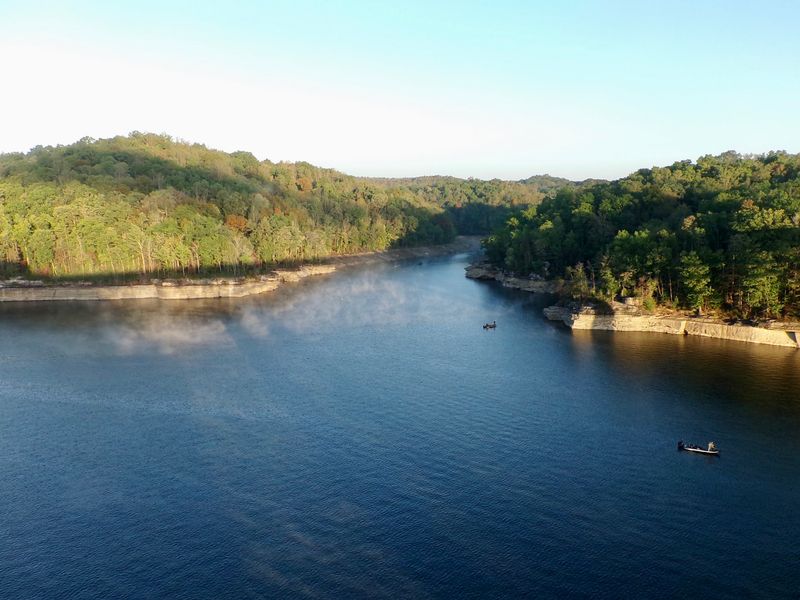
Every winter, the water level at one famous West Virginia lake drops by dozens of feet. When it does, old foundations, steps, and roadbeds from a lost mountain town start peeking back into the daylight.
That town once had homes, farms, a church, a school, and a post office. Then a massive dam went up in the 1960s, and the valley slowly filled with water.
Families moved away, and their community vanished under the surface.
I love that the lake above it is now famous for water so clear people compare it to the Caribbean. Boaters, swimmers, and divers glide right over a place where kids once walked to class.
So what’s actually still down there? And when can you see it for yourself?
I went digging through the history, the dam records, and the lake’s quirks, and the story got better with every layer.
1. The Town of Gad
Long before anyone called this spot a lake, it was home. The little community of Gad sat in the Gauley River valley in Nicholas County, West Virginia.
Gad had the basics that held rural life together. Historical accounts describe homes, farms, a church, a school, and a post office serving folks in the valley.
Life there reportedly moved at a mountain pace. Families farmed, neighbors knew each other, and the river shaped daily routines.
Then federal flood-control plans changed the map. The U.S.
Army Corps of Engineers chose the valley for a major dam on the Gauley River.
Residents were relocated before the water rose. Some buildings were moved or torn down, while foundations and other pieces stayed put.
You can understand why the story still stings for some families. A hometown that vanishes doesn’t come with a forwarding address.
Yet Gad didn’t disappear from memory. Former residents and their descendants have shared photos and stories for decades, keeping the town alive in conversation.
If you grew up hearing about a place that’s gone, this one may feel familiar. It’s a reminder that progress in West Virginia often came with a price paid by ordinary people.
Address: 2981 Summersville Lake Rd, Summersville, WV 26651
2. Summersville Dam
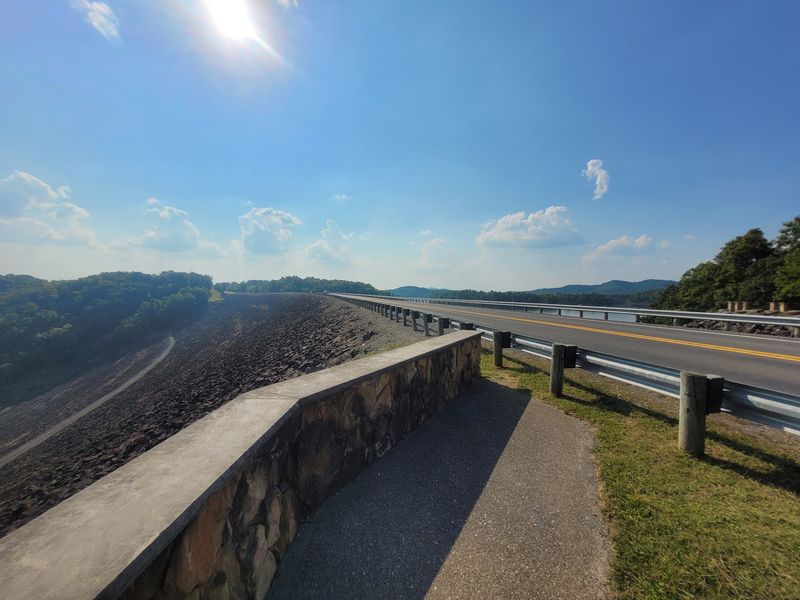
Here’s the giant responsible for the whole mystery. Summersville Dam rises about 390 feet above the Gauley River, built from rock and earth rather than poured concrete.
The Army Corps of Engineers began construction in the early 1960s. The project wrapped up in 1966, and the dam was reportedly dedicated by President Lyndon B.
Johnson that year.
Its main job is flood control. Downstream communities along the Gauley and Kanawha rivers benefit when the dam holds back heavy rainfall.
The Corps describes it as one of the largest rock-fill dams in the eastern United States. Standing near it, you’ll feel pretty small, which is honestly part of the fun.
You can drive across the top for sweeping views. One side shows the lake stretching into the hills, and the other drops toward the river gorge.
The dam also produces hydroelectric power today. So the same structure that swallowed Gad now helps light homes in the region.
That’s quite a twist for a town’s final chapter. It’s hard to look at the dam without thinking about what sits behind it.
Address: 2981 Summersville Lake Rd, Summersville, WV 26651
3. The Winter Drawdown
Nature doesn’t reveal Gad’s secrets on its own schedule. The Army Corps of Engineers does, every fall.
Summersville Lake sits at a high summer pool for boating season. After Labor Day, crews gradually lower the water to make room for winter and spring runoff.
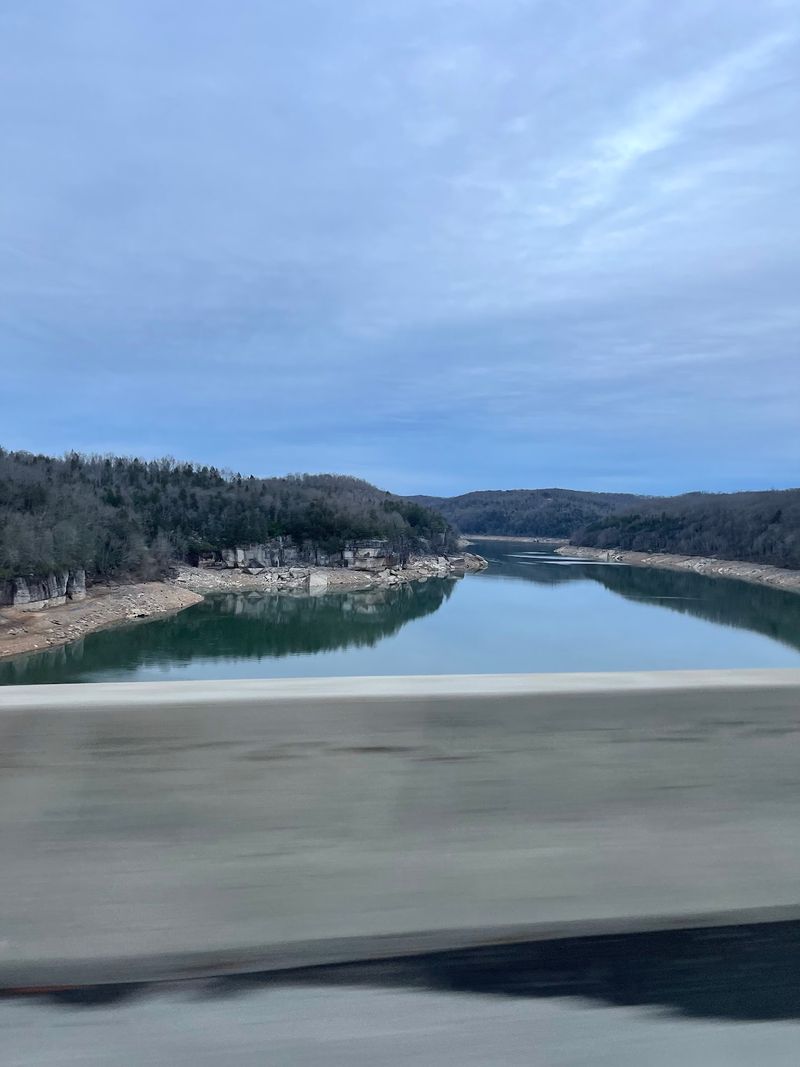
The difference is dramatic. Summer pool is around 1,652 feet in elevation, while winter pool drops to about 1,575 feet.
That’s roughly a 77-foot plunge. Shorelines that looked like steep cliffs in July suddenly show wide ledges and muddy flats.
As the water retreats, hints of the old valley may surface. People have reported spotting foundations, old road traces, and other leftovers from the community.
Timing matters if you’re curious. The lowest levels generally arrive in late fall and winter, before refilling begins in spring.
Visibility depends on weather, rain, and where you look. Some years show more than others, so treat any trip like a treasure hunt rather than a guaranteed tour.
For history lovers, the off-season becomes the best season. Fewer crowds, crisp air, and a lake quietly showing its past make a pretty great combination.
Address: 2981 Summersville Lake Rd, Summersville, WV 26651
4. What Remains Beneath the Surface
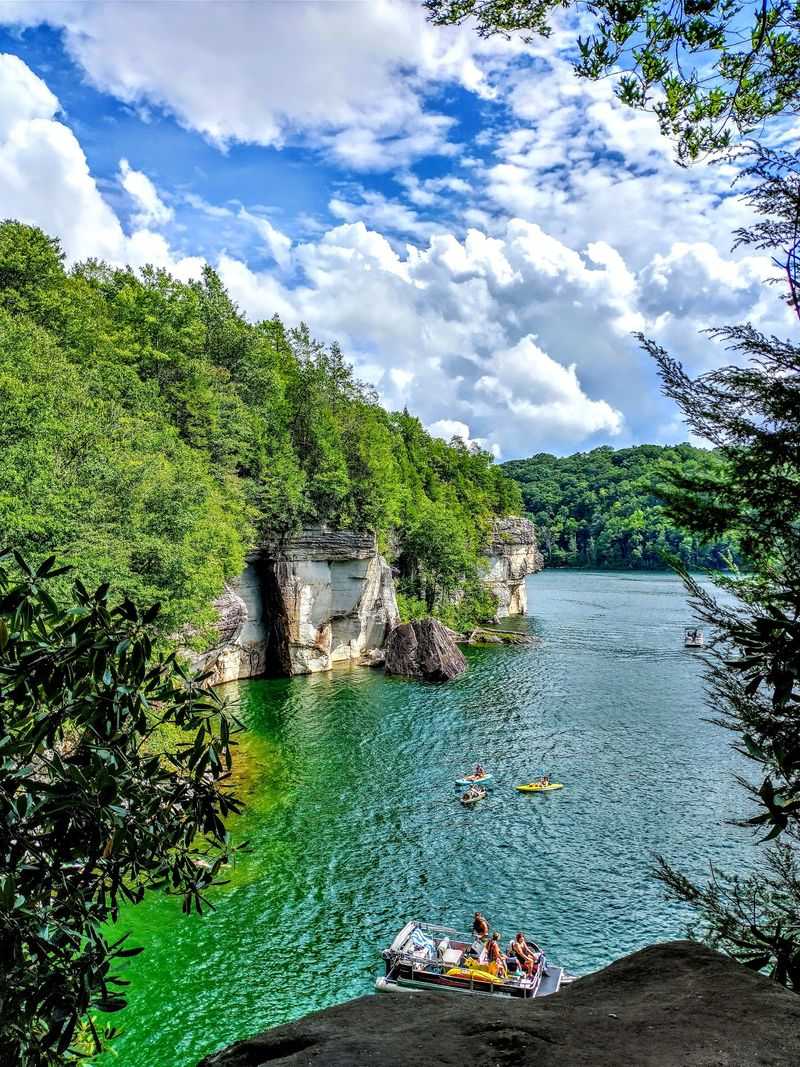
Forget sunken cathedrals and spooky intact streets. What survives of Gad is quieter, and somehow more moving.
Most buildings were removed before flooding, which was standard practice for reservoir projects. That means you won’t find a ghost town frozen in time.
Instead, reports point to stone foundations, steps, old roadbeds, and scattered remnants. Bits of everyday life may still rest in the silt.
Picture-perfect? Not exactly.
But a set of steps leading to nowhere tells a story no museum sign can match.
Some of the old area sits in very deep water. The lake reaches depths over 300 feet in places, so plenty stays hidden even at winter pool.
Please remember the rules if you explore exposed areas. Federal property protections apply, so look, photograph, and leave artifacts exactly where they are.
That respect matters to families with roots there. These are remnants of real lives, not souvenirs.
Honestly, the restraint makes the experience richer. Standing where a front porch once stood, you get to imagine the rest yourself.
Address: 2981 Summersville Lake Rd, Summersville, WV 26651
5. The Little Bahamas of the East
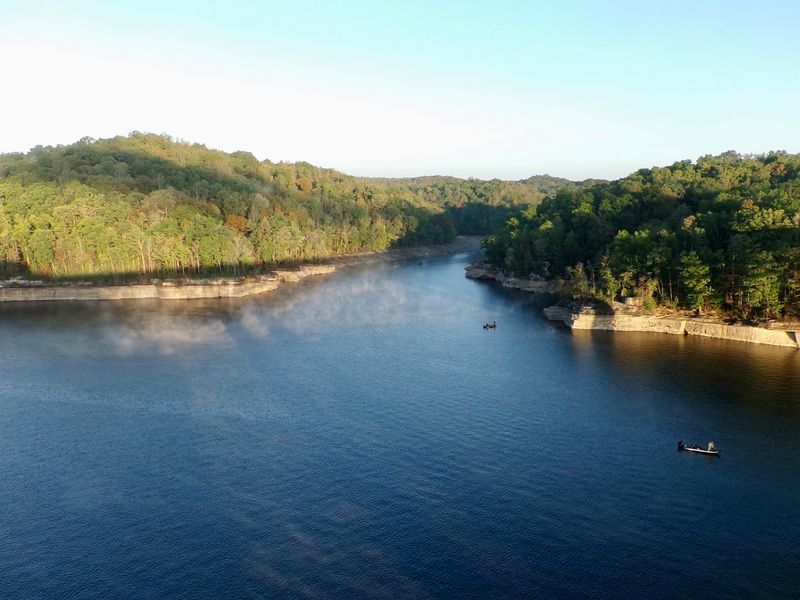
A nickname this bold needs backup, and the water delivers. Summersville Lake is widely called the Little Bahamas of the East.
The reason is clarity. On good days, you can see far down into blue-green water framed by tall sandstone cliffs.
At around 2,700 acres in summer, it’s the largest lake in West Virginia. It also offers about 60 miles of shoreline to explore.
Boaters love tucking into coves beneath the cliffs. Swimmers and paddleboarders often gather where the rock walls drop straight into the water.
Here’s the delicious irony. Some of the same water you’re floating on covers the valley where Gad’s residents lived.
That thought adds an extra layer to an ordinary lake day. You’re not just cooling off, you’re drifting over a page of local history.
Summer brings the biggest crowds, especially on holiday weekends. Arriving early can help you claim a better spot.
Families can enjoy the beach and boat ramps, but grown-ups get plenty too. A quiet paddle under those cliffs might be the best reset you’ll find all year.
Address: 2981 Summersville Lake Rd, Summersville, WV 26651
6. Scuba Diving at Summersville Lake
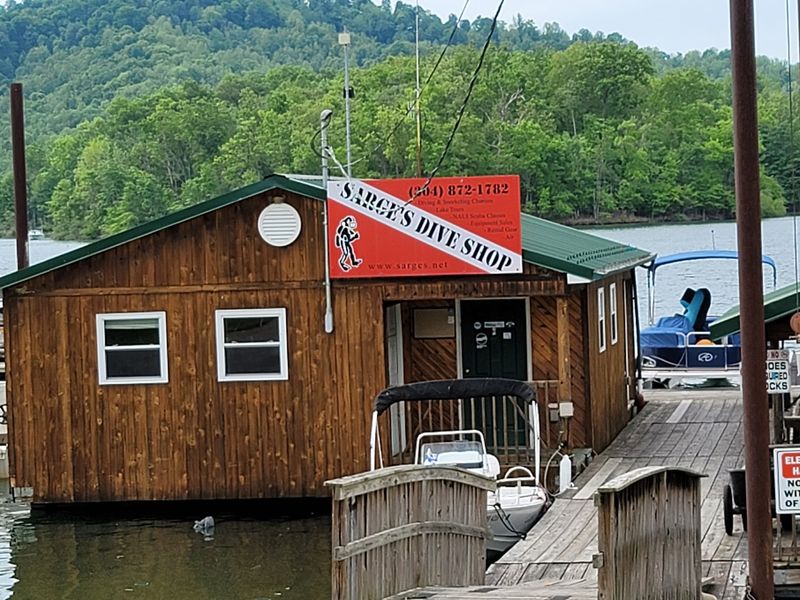
Saltwater isn’t required for a scuba adventure. Summersville Lake ranks among the best-known freshwater dive spots in the region.
That famous clarity makes it popular for training and recreational dives. Divers come to explore rock formations, ledges, and cliff walls below the surface.
Naturally, people wonder about Gad. Much of the old town area lies deep, and safety plus visibility limit how much divers can reach.
So keep expectations realistic. The lake’s dive appeal mostly comes from its geology and clear water, not a tour of sunken houses.
Still, knowing a lost community lies somewhere below adds real mystery. Even a shallow dive feels different when you understand the valley’s backstory.
Local dive operators offer gear, fills, and instruction around the lake. If you’re certified, you can plan a weekend dive without heading to the coast.
New to diving? Summer and early fall usually bring the most comfortable water temperatures for beginners.
It’s a fun idea for adults who want something bolder than a pool day. Who knew a West Virginia lake could double as an underwater classroom?
Address: 2981 Summersville Lake Rd, Summersville, WV 26651
7. Long Point Trail
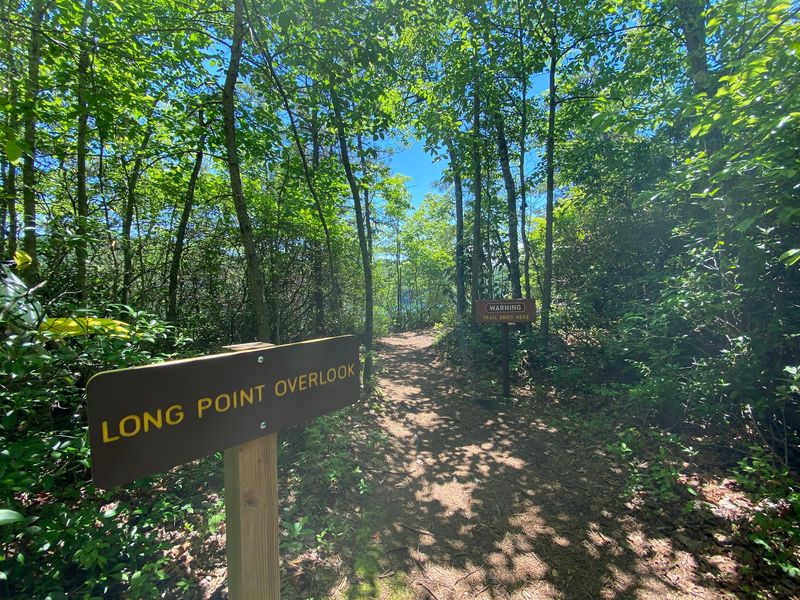
Want the big picture without getting wet? Long Point Trail hands you one of the most photographed views of Summersville Lake.
The hike runs a little over a mile each way through woods. It ends at a rocky overlook jutting out above the water.
From the point, you’ll see cliffs, coves, and long stretches of blue. It’s the kind of view that makes phones come out instantly.
The trail sits within the Gauley River National Recreation Area area managed partly by the National Park Service. Climbers also use nearby cliffs, so you may spot ropes along the rock.
Try visiting during drawdown season for a different perspective. Lower water changes the shoreline and shows how deep the old valley really runs.
That’s when the lake’s history feels most visible. You can almost trace where the river once wound through Gad’s farmland.
Wear sturdy shoes, since the final stretch gets rocky. Bring water, too, especially on hot summer afternoons.
For parents craving a short adventure with a big payoff, this one fits nicely. Kids can tag along, but the view alone makes it worth your own time.
Address: Long Point Trailhead, Airport Rd, Summersville, WV 26651
8. Gauley Season
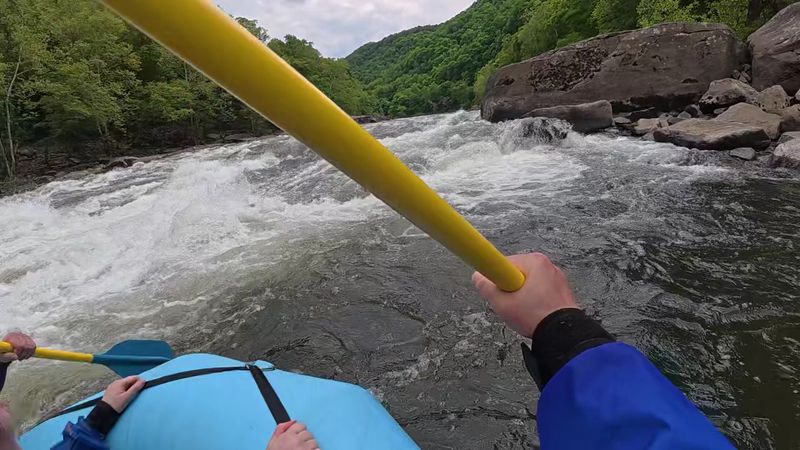
Remember that fall drawdown? Some of that water roars out of the dam as one of the most famous whitewater events in the country.
Gauley Season happens each September and October. Scheduled releases from Summersville Dam send powerful flows down the Gauley River.
Rafters travel from all over to tackle the rapids. The Upper Gauley is known for intense, expert-level whitewater, while the Lower section offers its own thrills.
Congress made these recreational releases part of the river’s management. That’s a big deal, since the season boosts the local economy every year.
So the same project that flooded Gad also created a legendary adventure. History and adrenaline share the same water here.
Licensed outfitters run guided trips during release dates. Age and experience limits often apply, especially on the tougher upper stretch.
Not a rafter? Watching from overlooks near the dam can still be exciting.
The spray and sound make a pretty memorable fall outing.
For thrill-seeking adults, this might top the bucket list. It’s proof that West Virginia knows how to turn a dam into a party.
Address: 2981 Summersville Lake Rd, Summersville, WV 26651
9. Carnifex Ferry Battlefield State Park
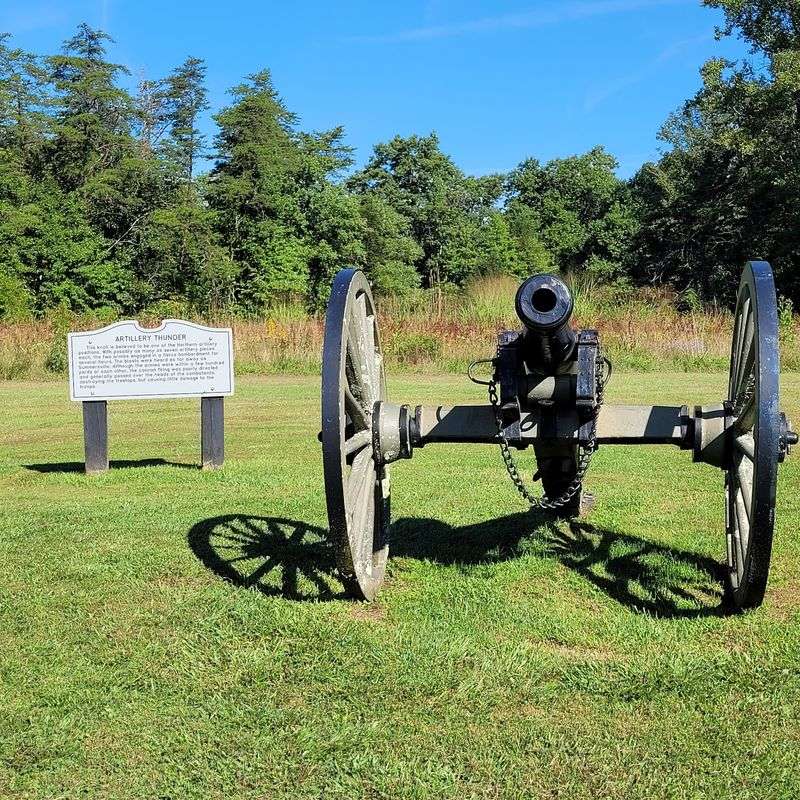
Gad isn’t the only chapter of history near the lake. Just a short drive away, Carnifex Ferry Battlefield State Park marks a Civil War clash from 1861.
The Battle of Carnifex Ferry took place on September 10, 1861. Union troops pushed Confederate forces to retreat across the Gauley River.
The outcome helped secure Union control in the region. Historians often link it to the path toward West Virginia statehood in 1863.
Today, the park features the restored Patterson House, which stood during the battle. Walking paths and markers help explain troop movements.
Scenic overlooks give you views of the Gauley River gorge. It’s a peaceful spot now, with picnic areas and room to stretch.
The park also hosts reenactments on some years. Check the state park schedule before planning around one.
Pairing this stop with a lake visit makes a great history day. You can move from Civil War ground to the site of a vanished town in one afternoon.
For curious grown-ups, that combination is hard to beat. Nicholas County packs a surprising amount of story into a small area.
Address: 1194 Carnifex Ferry Rd, Summersville, WV 26651
10. Planning Your Own Visit
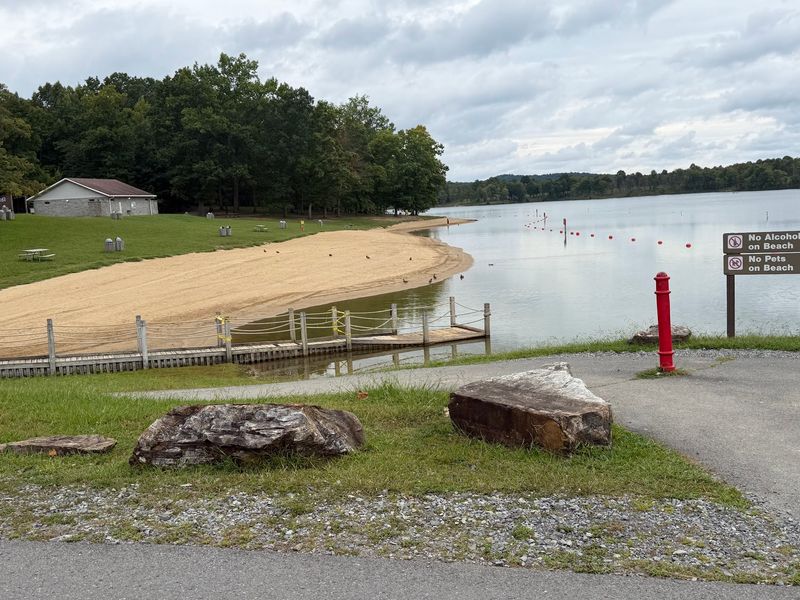
Ready to see the lake’s two personalities for yourself? Timing your trip decides which version you’ll meet.
Summer brings full pool, clear water, swimming, and boating. Battle Run Recreation Area offers a beach, campground, and boat launch run by the Corps.
Late fall and winter bring the drawdown. That’s your best shot at spotting traces of the old valley along exposed shorelines.
Summersville makes an easy base, sitting along U.S. Route 19.
Restaurants, lodging, and supplies are close by.
Fishing stays popular year-round too. Anglers chase smallmouth bass, walleye, and other species in the deep, clear water.
Keep safety in mind during low water. Mud flats can be slippery, and steep banks shift as the lake changes.
Bring binoculars and a camera with good zoom. Respect closed areas and any posted Corps rules.
Above all, slow down and remember the people of Gad. Their valley became a place where thousands now make memories, and that’s a story worth carrying home with you.
Address: 2981 Summersville Lake Rd, Summersville, WV 26651
