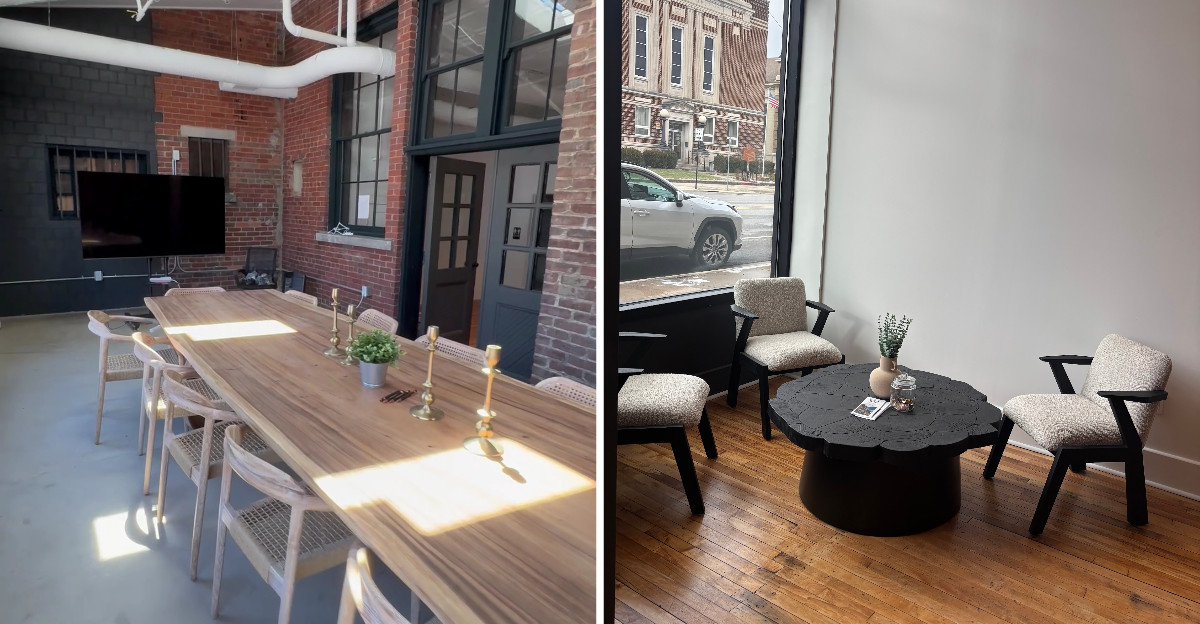
A downtown building that once helped families furnish their homes now furnishes something else entirely: big ideas. The old furniture store has become a coworking space for small business owners, remote workers, and dreamers with laptops.
I love that twist. The rooms that once held couches and tables now hold private offices, sharp desks, and a back room with a long wooden table built for serious planning.
It sits in a small Ohio town, right on the main street. That matters, because it keeps local talent working close to home instead of driving an hour to a city office.
I believe a building’s second act can say a lot about a community. So what happens when a family store’s floor space turns into a launchpad for local entrepreneurs?
A Furniture Store Turned Idea Factory Is Worth A Closer Look
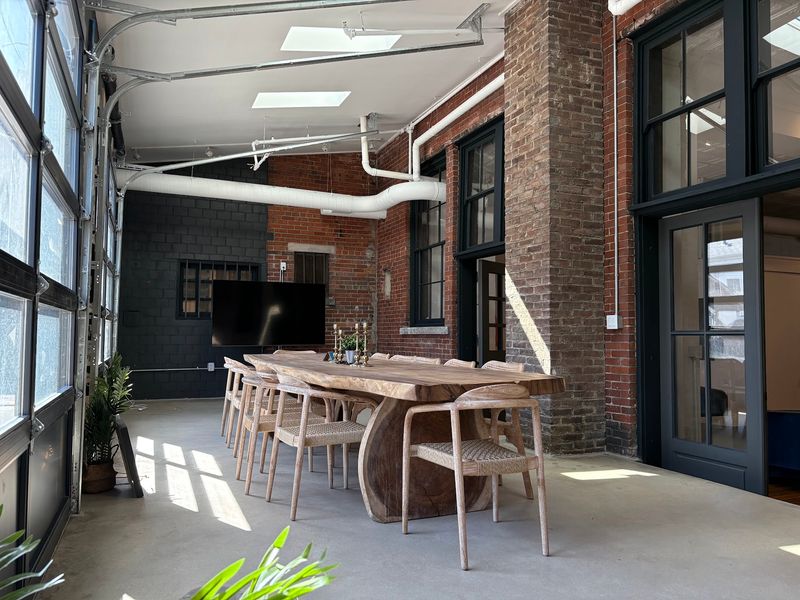
Old buildings rarely get a better comeback story than this one. The 211 Coworking took over a downtown space where a family furniture store once served the community.
That history gives the place real character from the start. Instead of sitting empty, the building now supports people who are building something new.
Empty storefronts can drag down a main street fast. A dark window tells passersby that nothing is happening inside, and nobody wants that message on their downtown.
A busy coworking space sends the opposite signal. Lights are on, people show up, and work gets done right in the heart of town.
I like how the reuse feels fitting rather than random. A furniture store helped people build homes, and now the same address helps people build businesses.
That connection makes the place feel rooted. It honors what came before while giving the building a fresh purpose for a new generation.
For entrepreneurs, this kind of setting carries a quiet advantage. Working in a building with local history can make a young business feel part of the town’s story.
It’s a reminder that new ideas don’t always need brand-new buildings. Sometimes the best launchpad is a familiar storefront with a little imagination added.
Private Offices Here Give Your Business Room To Breathe
Working from the kitchen table gets old quickly. Crumbs, dishes, and a barking dog are not great coworkers.
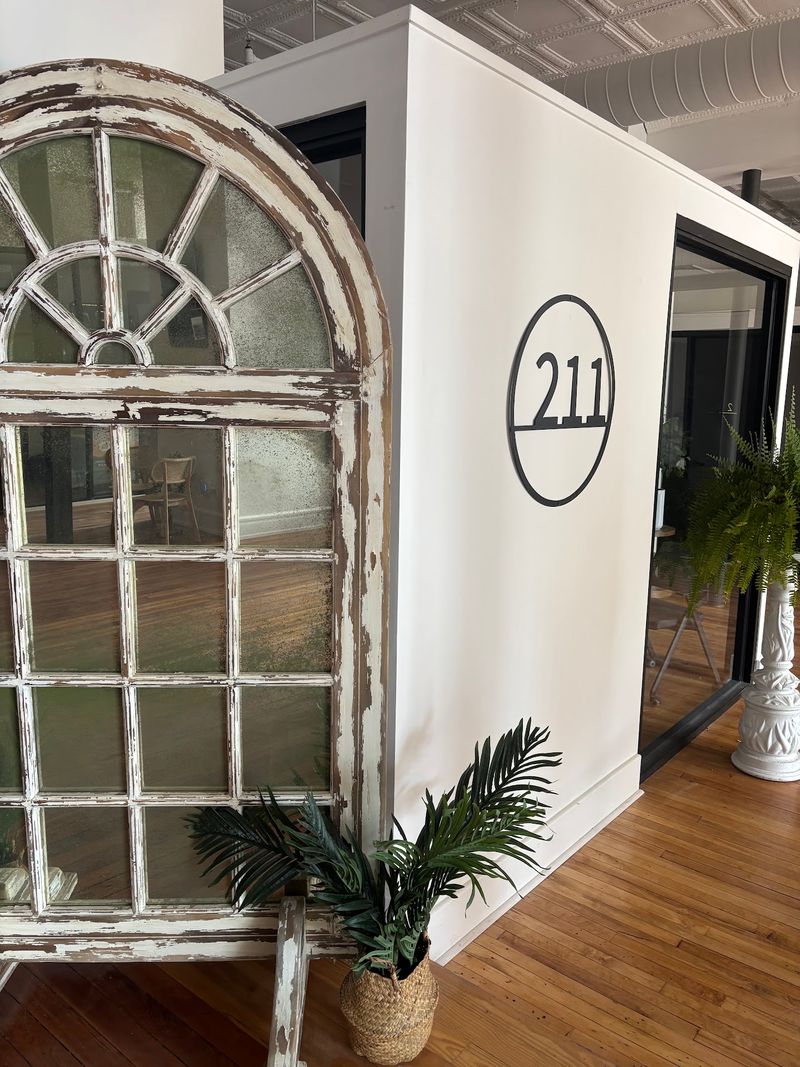
The 211 Coworking offers private offices described as spacious, with desks that stand out as genuinely nice. That’s a big step up from a wobbly card table in the spare room.
A real office changes how you approach your day. You walk in, close the door, and your brain knows it’s time to focus.
That separation helps many small business owners stay sharp. Home stays home, and work stays at work.
Spacious matters more than people think. Room to spread out papers, sketch plans, or meet a client makes the workday smoother.
Cramped spaces tend to make people feel rushed. Open elbow room lets you think a little bigger.
Quality desks also send a message to anyone who visits. Clients notice when you work somewhere that looks professional and cared for.
That first impression can help a new business look established. It’s hard to put a price on looking like you’ve got it together.
Grab A Seat At The Long Wooden Table In The Back Room
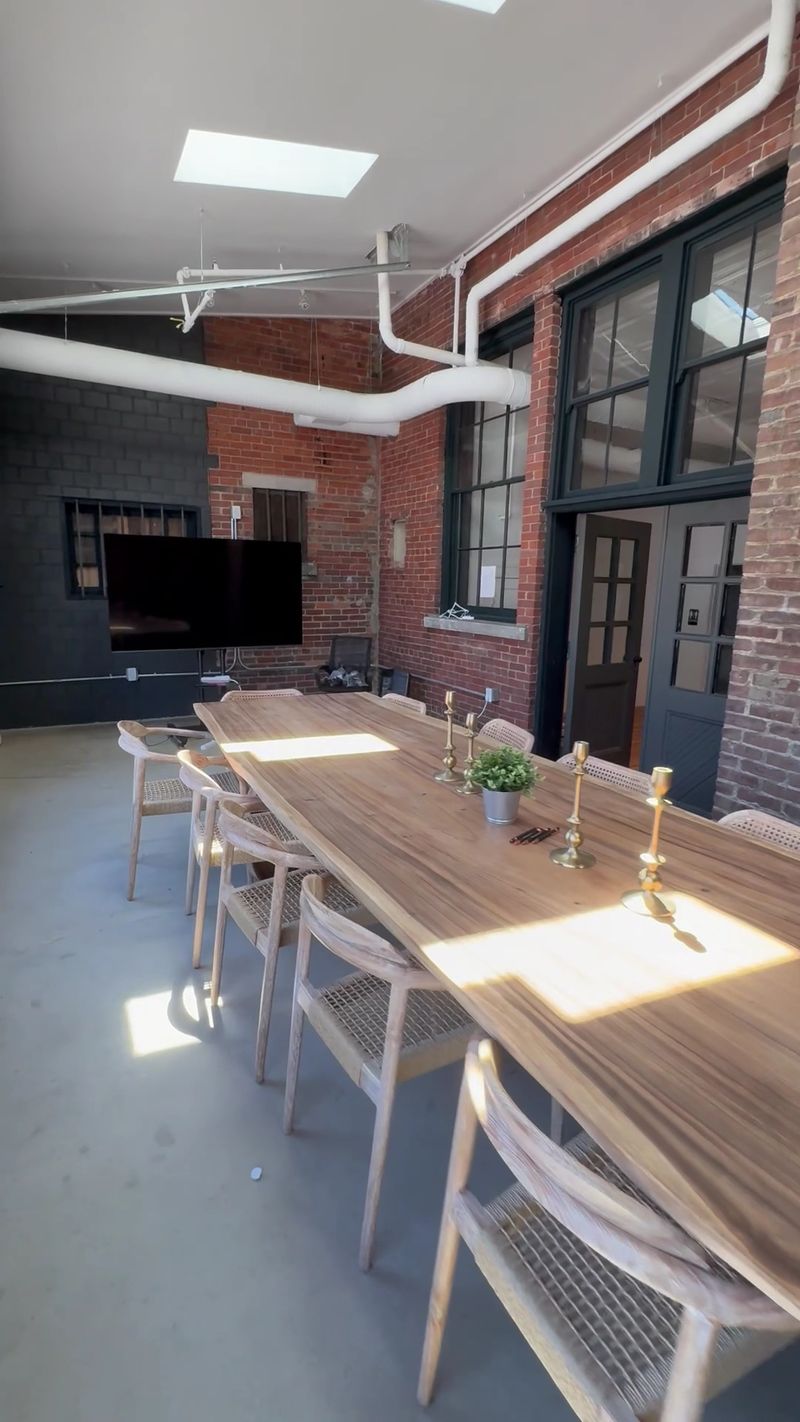
Every good planning session needs a big table. The back room at The 211 Coworking has exactly that, a long wooden table made for groups.
Long tables have a funny effect on meetings. Everyone can see each other, so nobody gets stuck hiding behind a laptop in the corner.
Group work feels different around a shared surface. Notes get passed, ideas bounce around, and decisions happen faster.
That setup works for board meetings, team planning days, or brainstorming sessions. It also handles workshops where people need space for papers and coffee cups.
Wood brings warmth into a room that could otherwise feel stiff. A sterile conference room with plastic chairs rarely inspires anyone’s best thinking.
A sturdy wooden table feels more welcoming. It suits a building that once sold furniture to local families, which is a pleasing little echo.
Groups have used this room for organizational retreats. That says a lot about how well the space handles a full day of work.
Planning a meeting here? Bring a clear agenda and a few markers, because a good table deserves a productive session.
Just try not to let the meeting run long enough for anyone to start carving initials into it.
Your Next Retreat Or Event Might Belong Here
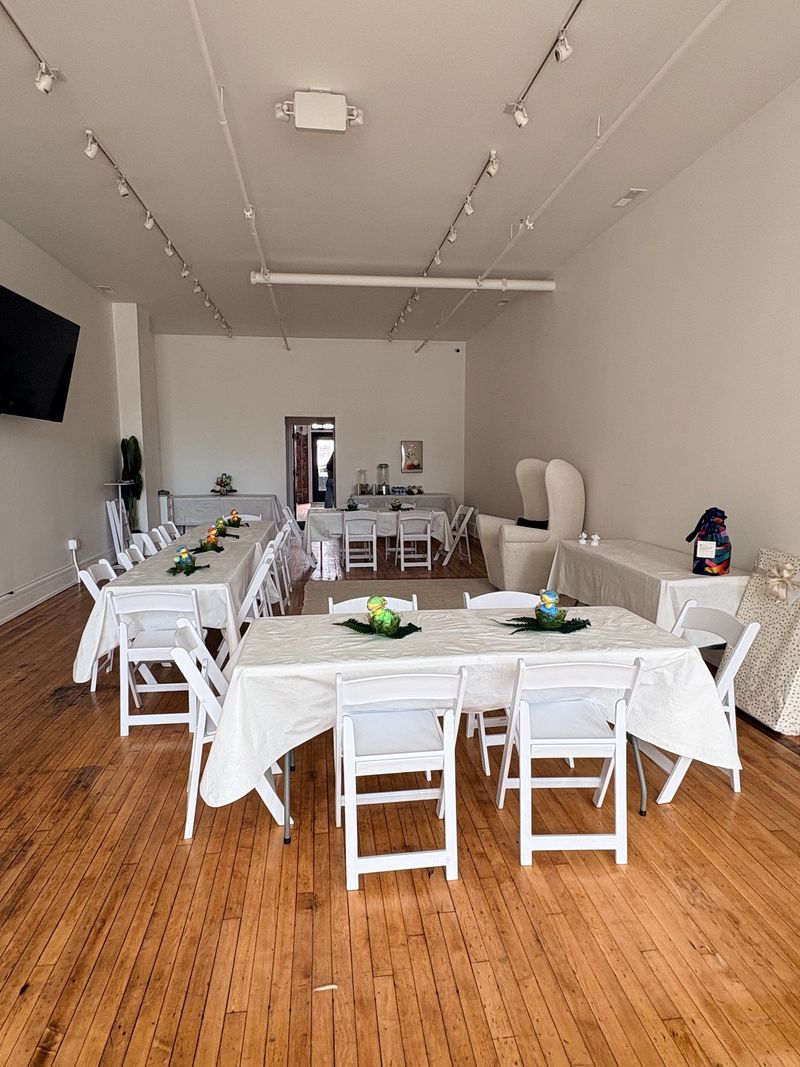
Hosting an event in a small town can feel tricky. Hotel ballrooms are scarce, and church basements only go so far.
The 211 Coworking fills that gap nicely. Beyond desks and offices, it works as a venue for meetings, retreats, and community events.
Food is often the hardest part of any gathering. The space includes a separate area that groups have used to set up breakfast and lunch catering.
A full-day retreat needs that kind of flow. People can step away to eat, chat, and recharge before heading back to work.
Small details like that make an event feel organized. Guests notice when things run smoothly, even if they can’t say exactly why.
Here’s practical advice for planners. Line up your caterer early and confirm how food will be delivered and set up.
Also ask how the rooms can be arranged for your group size. A quick conversation beforehand prevents scrambling the morning of the event.
A building that once sold dining tables now hosts groups sharing meals. I can’t imagine a more fitting second chapter for a former furniture store.
It turns an old shopping spot into a gathering place again, just with laptops instead of sofas.
Modern Style Meets Small-Town History In The Best Way
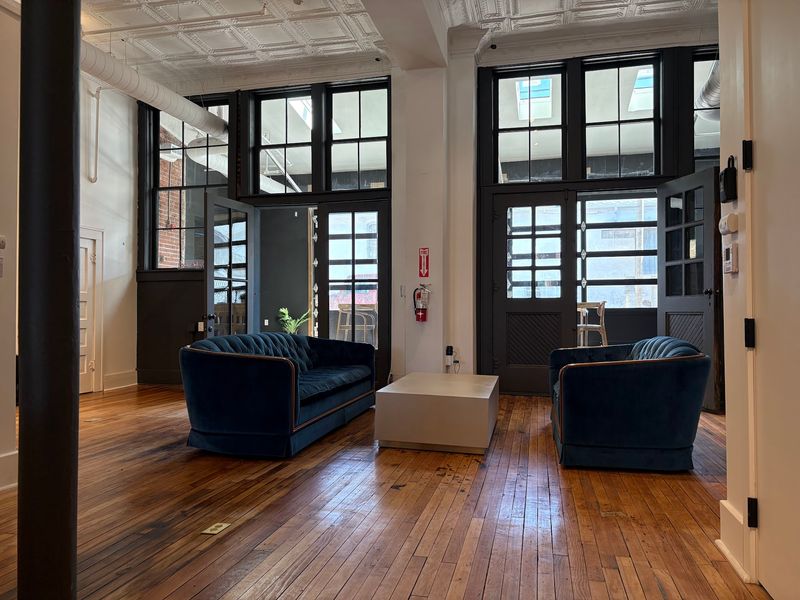
Renovations can go wrong in two directions. Some wipe out every trace of history, while others feel stuck in a dusty museum.
The 211 Coworking aims for a balance between the two. Its design mixes modern and urban styles while preserving the building’s charm and highlighting its small-town past.
That blend gives the space personality. You get clean, current work areas without losing the sense that this building has stories.
Honestly, that’s harder to pull off than it sounds. Plenty of offices look like they were ordered from the same catalog.
History inside a workspace can be motivating in a quiet way. Knowing a local business once thrived here makes your own plans feel a bit more possible.
It also sparks conversation with clients. A building with a backstory gives visitors something to talk about besides the weather.
Urban touches keep the space from feeling old-fashioned. That modern edge suits freelancers, startups, and remote workers who want somewhere fresh.
Meanwhile, the preserved character keeps it grounded in Ohio small-town life. The building still feels like it belongs on Main Street.
If you’re fixing up your own office, borrow this idea. Keep one or two features with history, then add modern pieces around them.
The result can feel both personal and professional. That’s a solid combo for any business trying to stand out.
Community Events Keep The Energy Buzzing
Desks are nice, but people make a coworking space work. The 211 Coworking leans hard into community, with regular events that bring local folks together.
Owner Tiffiene is known for hosting these gatherings and helping connect members with business leads. That’s a big deal for anyone trying to grow a client list.
Leads are gold for small businesses. One good introduction can turn into a steady customer or a helpful partnership.
Working alone at home rarely creates those chances. A shared space with events puts you in the same room as people who might need your skills.
Events give you that circle of support. Someone nearby understands the stress of invoices, deadlines, and figuring things out as you go.
My advice? Show up to at least one event, even if you’re shy.
Bring a short way to explain what you do, then spend more time listening than talking. People remember the person who asked good questions.
I like how this approach treats the space as more than rentable square footage. It feels like a hub where Urbana’s working community can grow together.
For a former family store, that neighborly spirit feels right at home.
Seven Days A Week Means Your Schedule Wins
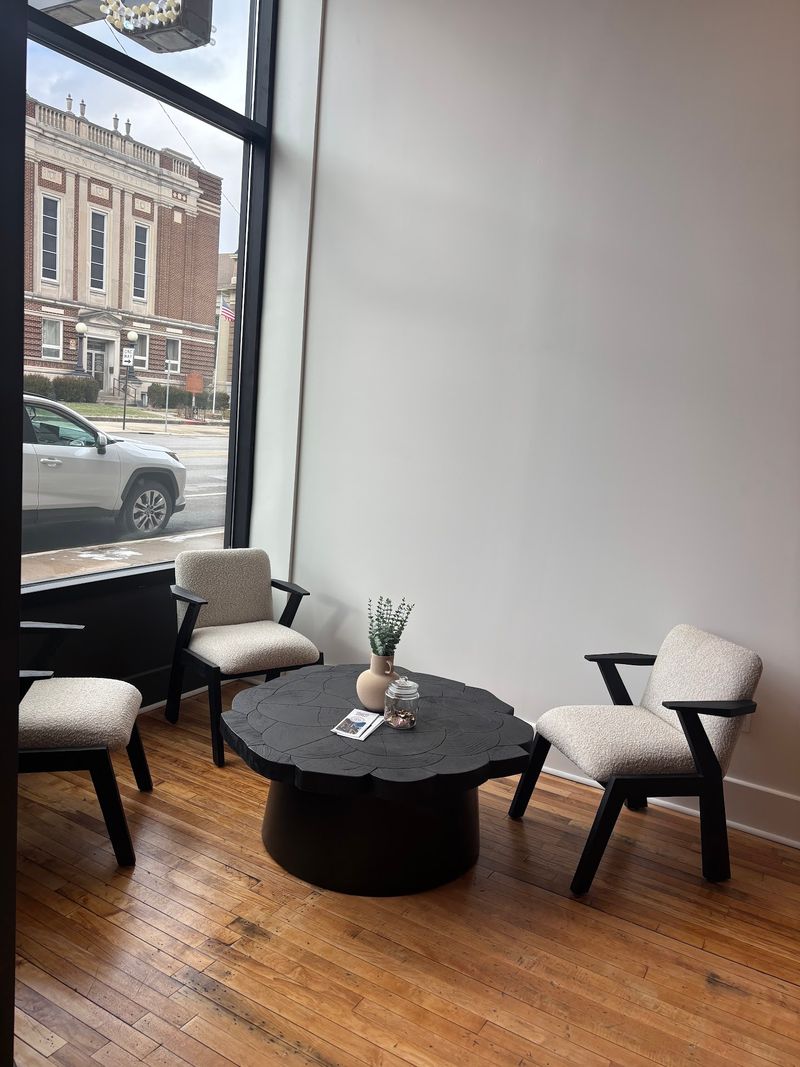
Saturday deadlines happen to everyone. Thankfully, The 211 offers members 24/7 building access, making it easier to work around a busy schedule.
That’s unusual for a small-town workspace. Many offices shut down on weekends, leaving side-hustlers scrambling for a quiet corner.
Weekend access is a quiet superpower for part-time entrepreneurs. Lots of people build a business while still working a regular job Monday through Friday.
Those folks need somewhere to focus on Saturday and Sunday. Open weekend hours give them that chance without working at a noisy kitchen table.
An 8 AM start also suits early birds. You can knock out emails before most people finish their first cup of coffee.
Wrapping up at 5 PM brings a nice structure too. Having a clear end time can help you avoid the trap of working all evening.
Try building a routine around these hours. Pick a few set days, show up at the same time, and treat it like a real job.
Consistency often matters more than raw hours for growing a business. Small steady progress adds up over months.
Hours can change, so confirm before planning a big day. A quick check saves you from standing outside a locked door with your laptop and good intentions.
Main Street Is Right Outside The Front Door
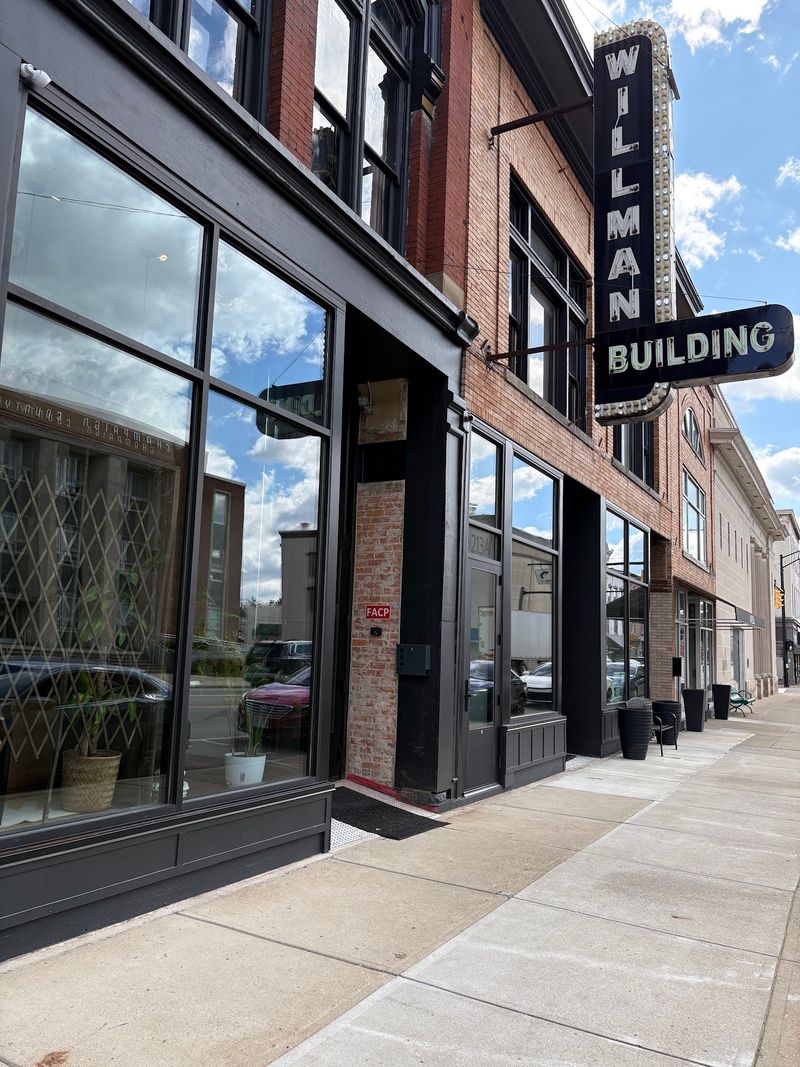
Location can make or break a workspace. The 211 Coworking is located in the historic Willman Building at 211 N Main St, Urbana, OH 43078, right in the downtown business district.
Being on Main Street keeps you close to the action. Banks, shops, and local services are typically a short walk away in a compact downtown.
Urbana is the county seat of Champaign County in west-central Ohio. That gives the town a steady flow of people coming in for business and errands.
For entrepreneurs, that means visibility. Clients can find you easily, and a downtown address sounds sharp on a business card.
Working downtown also supports the town itself. Every person heading to an office here might grab lunch nearby or pick up something at a local shop.
Those small purchases help keep neighboring businesses healthy. A busy downtown tends to stay a busy downtown.
Here’s a handy tip for new members. Spend a lunch break exploring the blocks around the building to learn what’s close.
Knowing where to grab a quick meal or print something in a pinch makes workdays easier. It also helps you meet neighbors who might become future clients.
Small Towns Need Spaces Like This More Than Ever
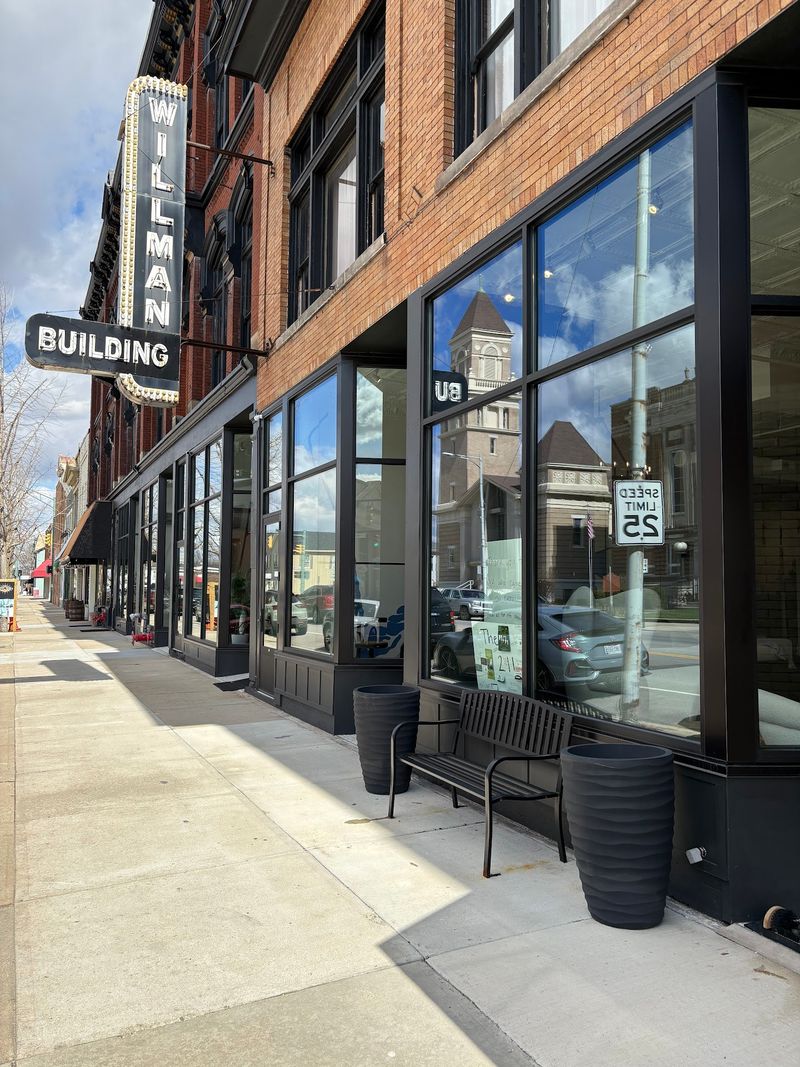
Remote work changed the rules for a lot of people. Suddenly, you don’t need a big-city office to run a serious business.
The 211 Coworking gives Urbana workers a professional home base without a long commute. That keeps talent, money, and energy right here in Ohio’s small-town heartland.
Many rural areas lose bright people to bigger cities. Part of the reason is simple: there was nowhere local to build a career.
Spaces like this help change that pattern. A freelancer or startup founder can now stay put and still have a polished place to work.
It also lowers the barrier for first-time business owners. Signing a long lease on an entire storefront can feel scary when you’re just starting.
A desk or office in a shared space is a gentler first step. You can test your idea before betting everything on it.
Surrounding yourself with other builders makes the hard days easier. Their momentum can rub off on you in the best way.
I believe this building’s story is a hopeful one. A family business closed, but its doors opened again for dozens of new dreams.
Honestly, that’s a pretty great piece of furniture to leave behind.
