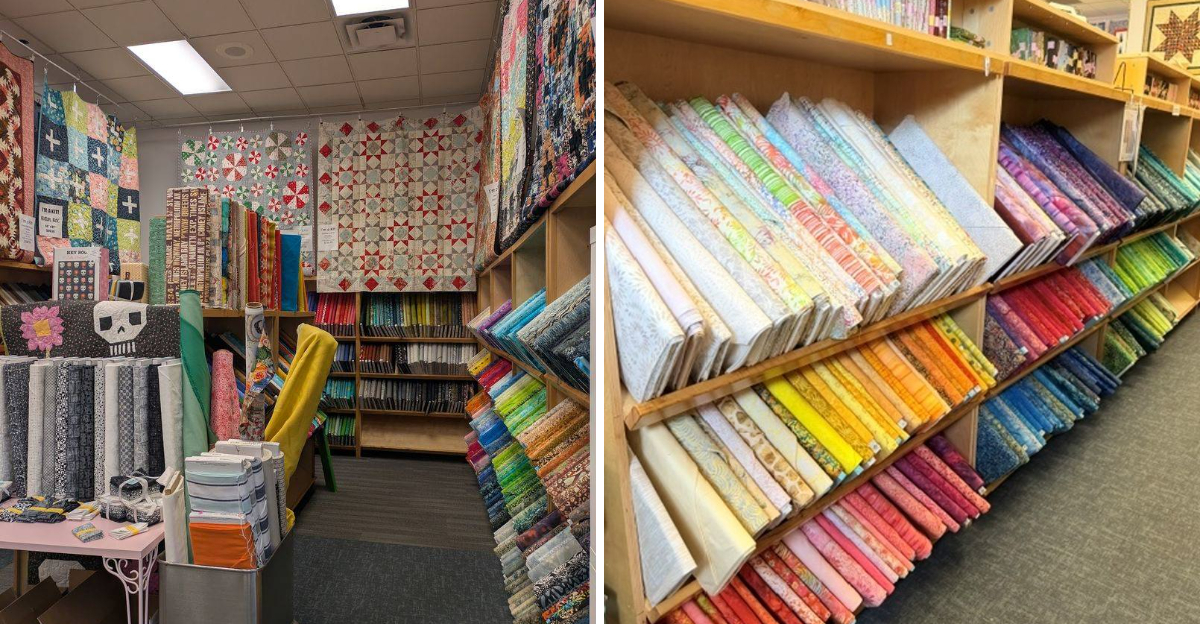
Fabric stores are dangerous places for anyone who has ever said, “I’m only buying what I need for this one project.”
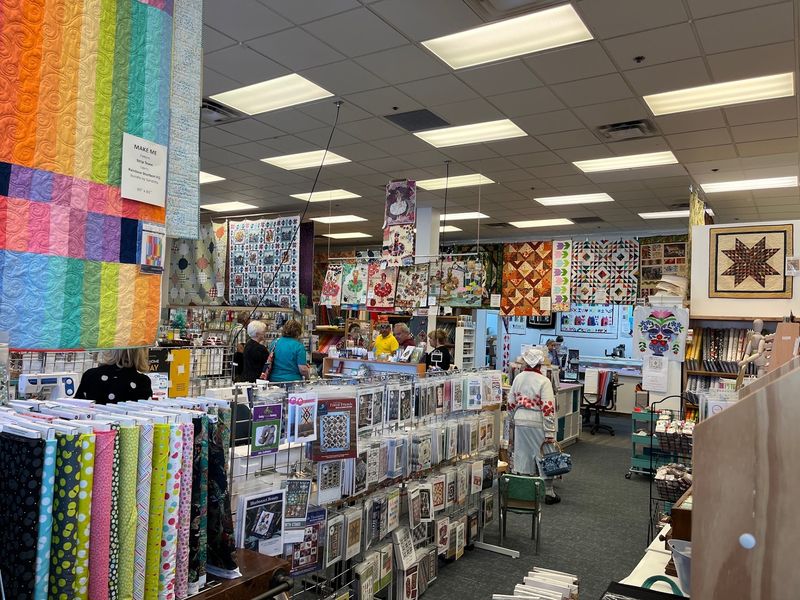
This Texas quilt shop carries a broad mix of high-quality fabrics, from reproduction prints to bright modern designs, along with patterns, kits, notions, books, sewing machines, and a dedicated selection of sale products for shoppers trying to stretch the craft budget.
Classes and workshops add another reason to linger, especially when one bolt of fabric has somehow turned into six and the original shopping list is no longer being respected.
Texas crafters do not need another excuse to start a quilt, but a shop packed with color, ideas, supplies, and discounted finds makes resisting a new project considerably harder than it sounded in the parking lot.
Start With The Sale Products Section Online
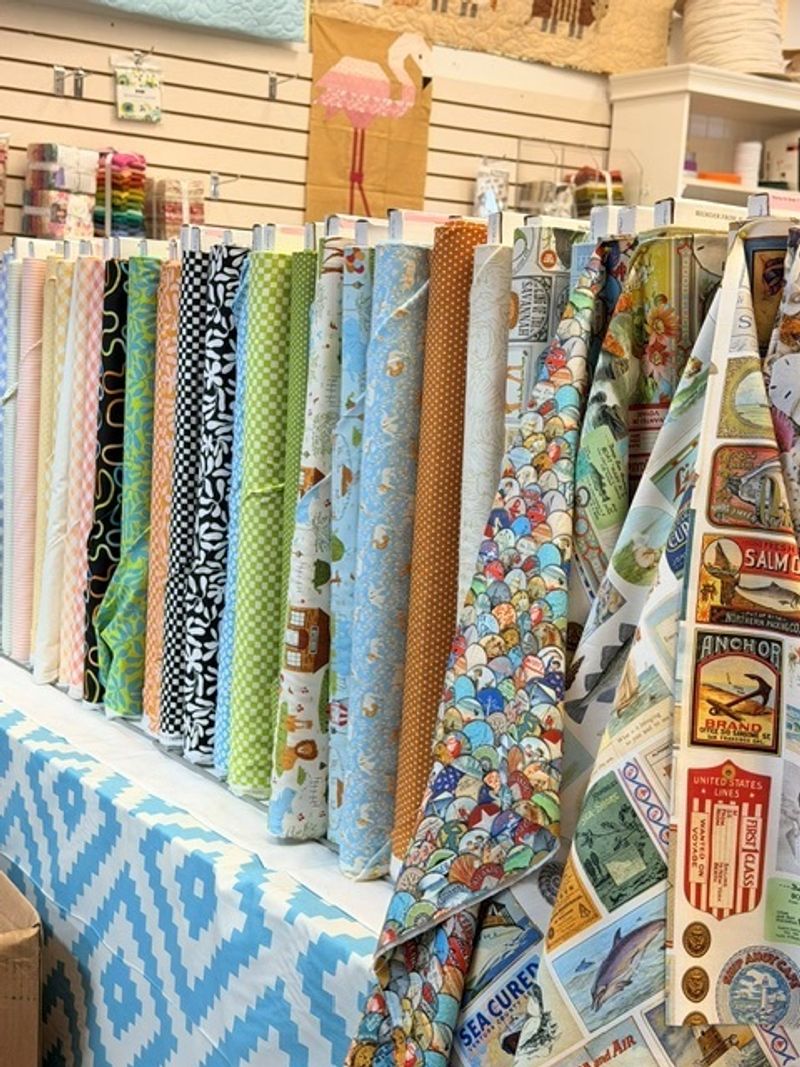
Smart shoppers check the website before driving over. The shop keeps a dedicated Sale Products section, which gathers discounted fabrics and supplies in one place instead of making customers hunt through the entire catalog.
Scanning that page first turns a shopping trip into a plan. A quilter can note which sale prints work for backgrounds, borders, or backing, then confirm availability and yardage in person.
Backing fabric is where sale hunting saves the most money, since a queen-size quilt back can eat up five or more yards. Choosing a discounted print for the side that faces the mattress leaves more of the budget for the showpiece fabrics on the front.
Sale sections also tend to include the tail ends of collections. Those cuts are ideal for scrappy quilts, tote bags, zipper pouches, table runners, and doll clothes, where small pieces are the whole point.
Check the page more than once a month if possible. Inventory rotates as new collections arrive and older lines need shelf space, so timing often matters more than luck.
Another practical tip: write down the fabric line name and the price per yard before visiting. Staff can locate bolts faster with that information, and having numbers on paper makes it easier to stop before the cart gets out of hand.
Budget quilting works best when the shopping list comes first and the browsing comes second.
Over 4,000 Bolts Means More Chances To Find A Deal
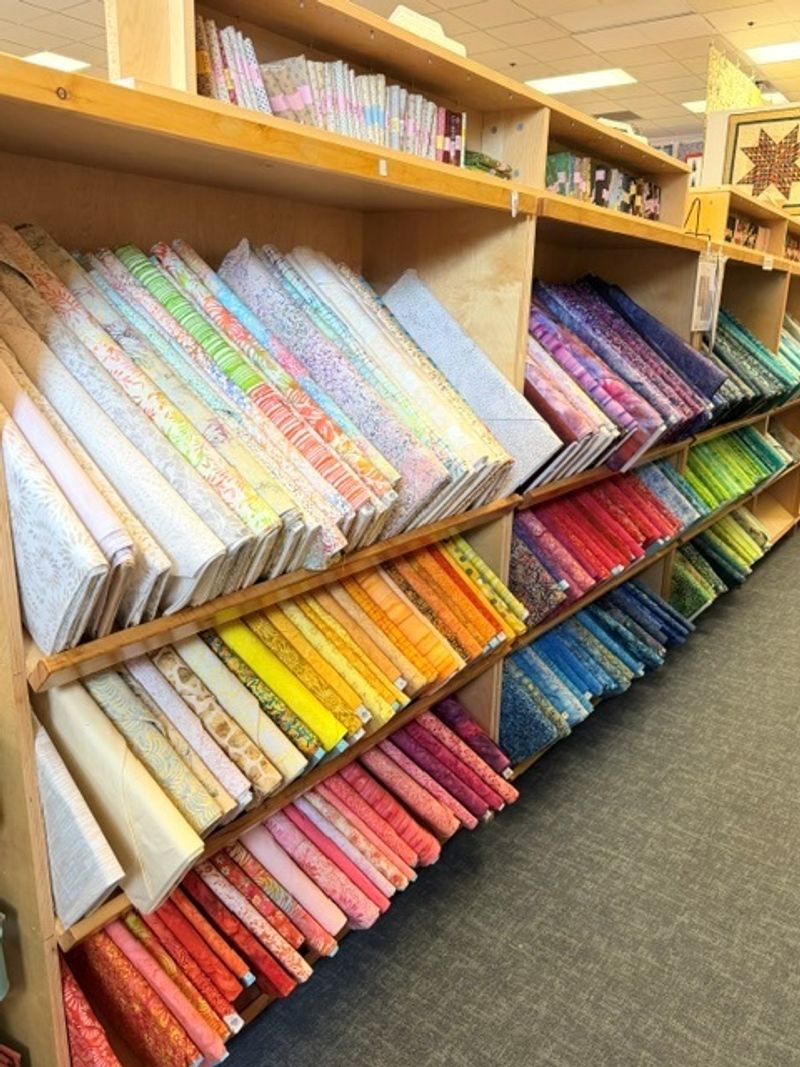
Four thousand bolts is a lot of fabric. That number matters for budget shoppers because a bigger selection means a better chance of finding exactly the print needed without settling for a pricier substitute or ordering online and paying shipping.
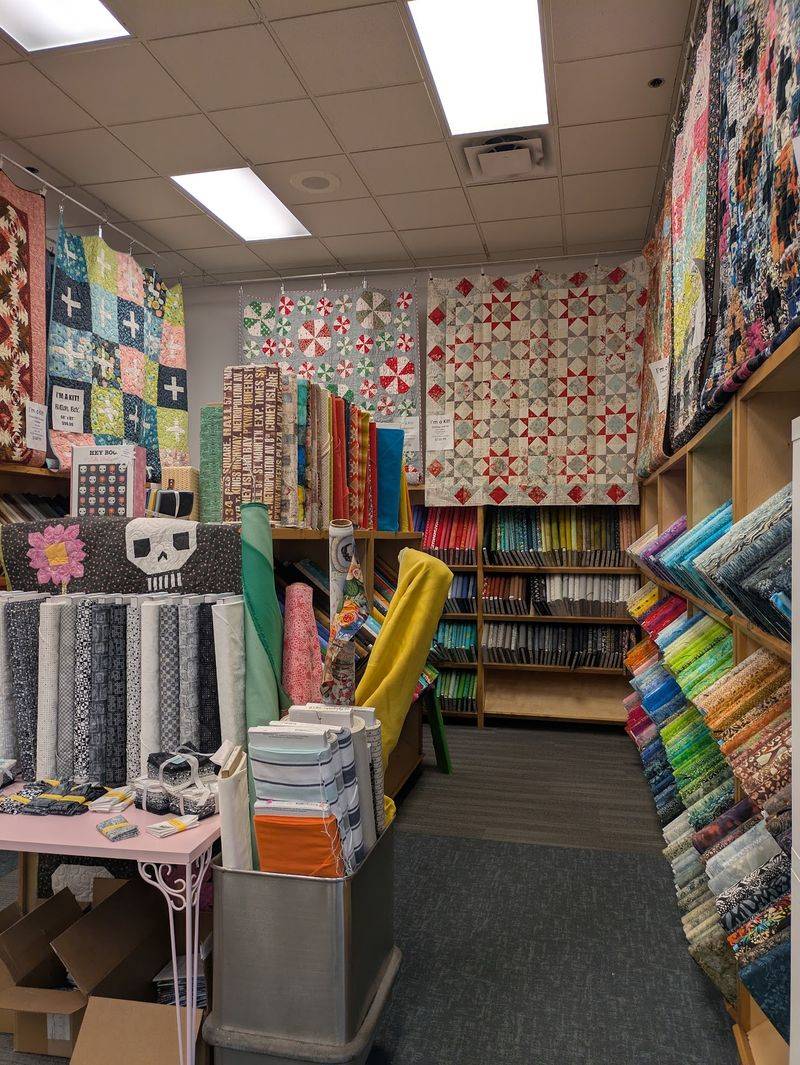
The shelves at Mesquite Bean Fabrics hold traditional reproduction prints alongside bold modern designs, so a 1930s-style quilt and a bright contemporary throw can both be sourced in one trip.
Shoppers looking for well-known names will spot collections from the Kaffe Fassett Collective, Tim Holtz, Ruby Star Society, French General, Kansas Troubles, and Betsy Chutchian. Batiks fill their own section, and Sue Spargo wools sit nearby for anyone doing hand stitching or applique.
Depth of stock also helps with fabric matching. When a project runs short mid-quilt, a store with thousands of bolts is far more likely to still carry the same line, which saves the cost of buying replacement yardage for an entire block.
Walking the aisles slowly pays off. Bolts near the ends of rows are often the last of a collection, and those are the pieces most likely to be marked down or set aside for clearance later.
Bring a small swatch or a photo of the project on a phone. Comparing under the store lighting prevents the classic mistake of buying two yards of a print that clashes once it gets home, which is one of the most common ways crafters waste money.
Bulk And Larger Online Orders Bring Discounts
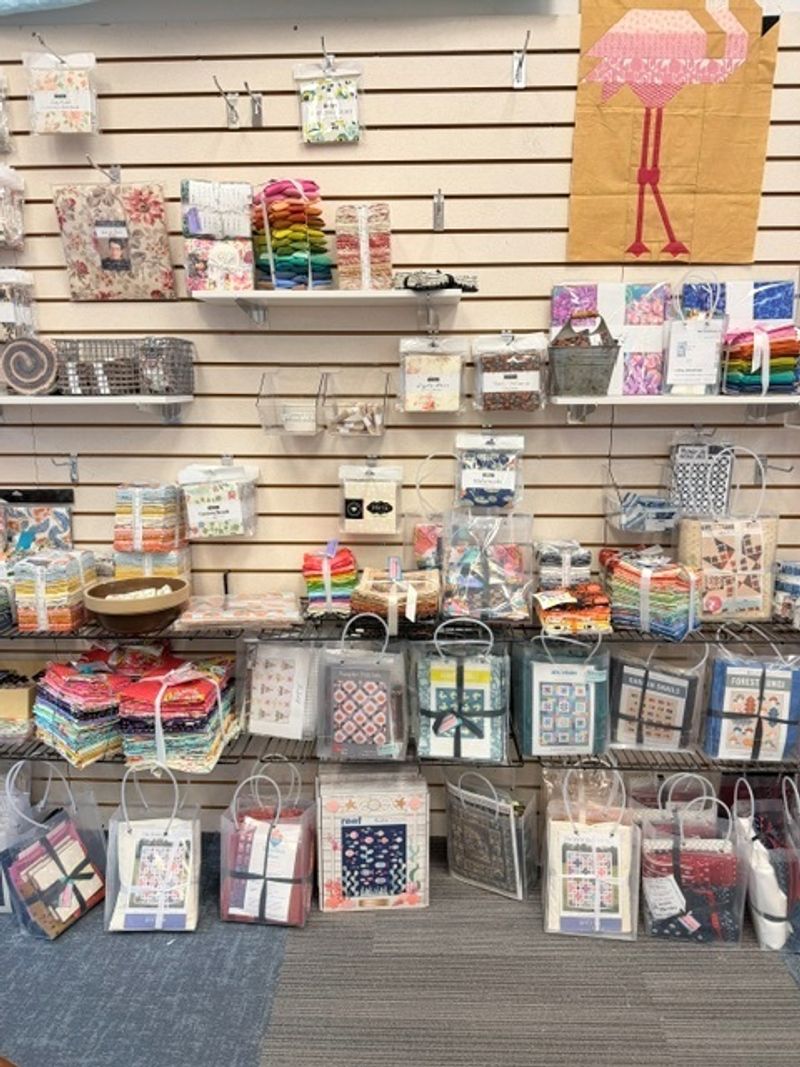
Group projects change the math entirely. Discounts are available on larger online orders, which rewards anyone buying yardage for a big quilt, a guild charity project, or a class where several people need the same fabric.
Splitting an order among friends is a classic trick. Three sewists who each need two yards can order together, hit the larger order threshold, and share the savings instead of paying full price on three small purchases.
Quilt guilds and church sewing circles benefit even more. Charity quilts, hospital blankets, and pillowcase drives usually call for repeat yardage in neutral colors, and buying those in one large order keeps the per-yard cost down.
Planning ahead is the key ingredient. Fabric collections have production runs, and once a line sells out it may not return, so ordering the full amount at once avoids the frustration of dye lot differences later.
Bulk buying also cuts down on repeat shipping fees, which quietly add up across a year of small purchases. One consolidated order beats five tiny ones.
Keep a running list of staples that never go to waste: white or cream background cotton, a good gray, a low-volume print, and neutral thread. Those items get used in nearly every project, so stocking up during a discount window rarely leads to regret.
Storage matters too. Fold yardage over comic boards or shelf dividers so bulk purchases stay usable rather than wrinkled and forgotten.
Shop Hops Turn Into Serious Savings
Texas quilters mark their calendars for shop hops, and Mesquite Bean Fabrics takes part in several. The Bluebonnet Shop Hop, the Sizzlin’ Summer Shop Hop, and the All Texas Shop Hop all bring special promotions, exclusive fabrics, and price cuts.
Discounts during these events can be substantial. A 2025 shop hop stop included 30 percent off more than 250 bolts of batiks, which is the kind of markdown that makes a whole quilt affordable in a single visit.
Exclusive shop hop fabrics are another draw. Those prints are usually available only during the event, so collectors and pattern designers plan projects around them well in advance.
Shop hops also work as road trips. Participants travel between stores, collect stamps or passport marks, and often become eligible for prizes, which adds value beyond the fabric itself.
A little strategy helps. Decide before the event which colors are missing from the stash, then shop the discounted racks for those gaps instead of grabbing whatever looks pretty.
Bring a tote bag, a water bottle, and comfortable shoes. Shop hop days get busy, and cutting tables can have lines, so patience is part of the experience.
Because dates shift from year to year, checking the shop’s website or social pages ahead of time prevents a wasted drive. Arriving early on the first day usually means the best selection of limited bolts.
The Bean Club Rewards Finished Blocks With Free Fabric
Few loyalty programs actually hand out free fabric, but the Bean Club does. Set up as a sampler Block of the Month program, it gives participants their next fabric kit at no cost when they bring the completed block from the previous month to the designated meeting.
Motivation and savings arrive in the same package. Finishing one block a month keeps a project moving instead of stalling in a closet, and the reward is the material for the following step.
Life happens, of course. Miss a meeting or show up without the finished block, and the next kit is still available at a reduced price of 7 dollars, which remains cheaper than buying coordinating fabrics separately.
Sampler quilts are a smart choice for beginners because each block teaches a different skill. One month might cover half-square triangles, another flying geese, and by the end the quilt doubles as a skill record.
Meetings add a second layer of value. Seeing how other participants used the same kit sparks ideas about color placement and fabric pairing that no pattern instruction can teach.
Keep blocks labeled and stored flat between meetings so nothing gets lost or stretched out of shape. A simple folder or pizza box works well.
Anyone who has abandoned a half-finished quilt understands the appeal here. A monthly deadline plus a free kit is a strong nudge toward actually finishing something.
Notions, Patterns, And Kits Under One Roof
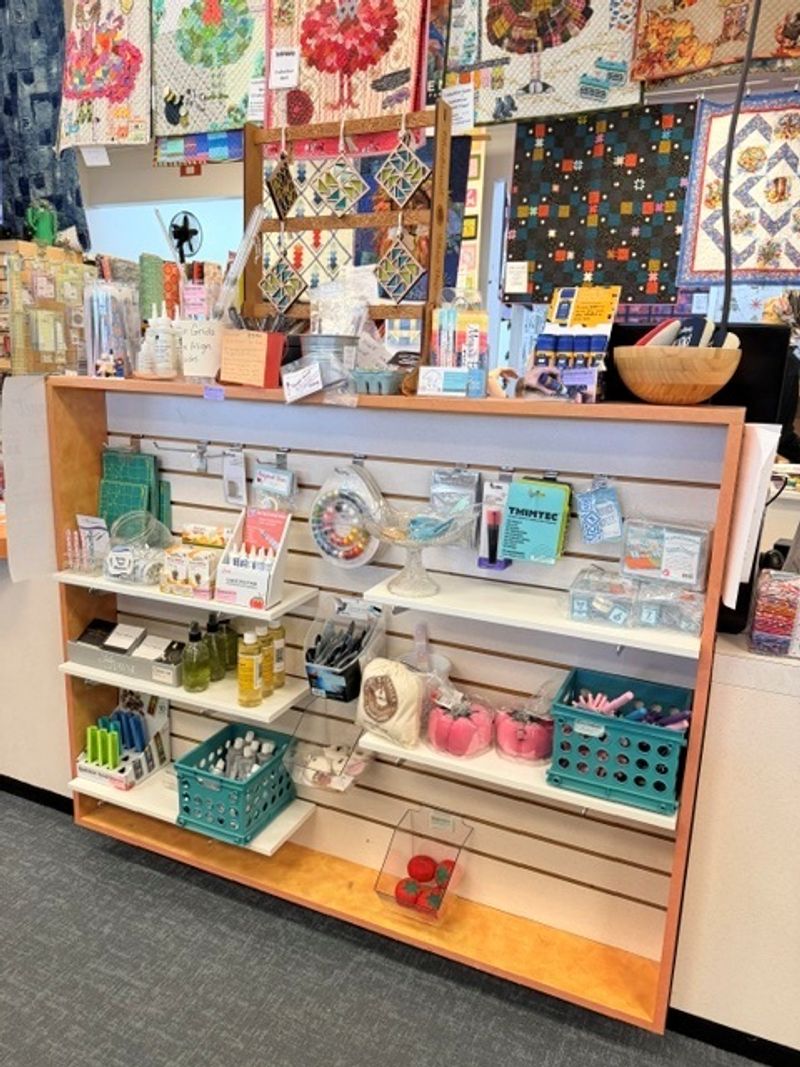
Fabric alone does not finish a quilt. Rotary blades dull, thread runs out, and a pattern goes missing right before a class, which is why the shop stocks a full lineup of sewing notions, books, patterns, and kits.
Buying tools locally prevents costly guessing. A ruler that turns out to be the wrong size or a walking foot that does not fit the machine becomes wasted money once shipping and returns enter the picture.
Kits deserve special attention from budget-minded crafters. Everything needed for a project comes cut and coordinated, which eliminates leftover yardage that never gets used and removes the risk of buying too little.
Pattern books also stretch a dollar further than single patterns. One book with a dozen designs often costs less than three individual patterns and keeps providing projects for years.
Elna sewing machines are carried in store as well, giving shoppers a place to see machines in person rather than relying on photos and specification lists.
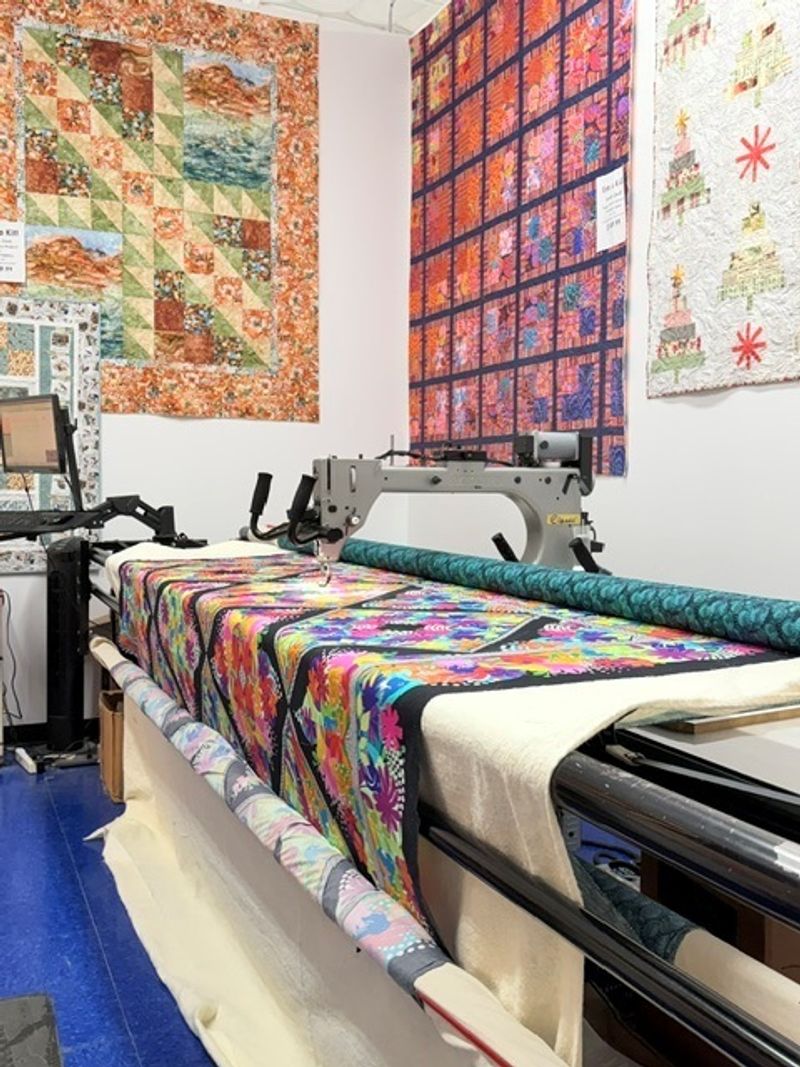
For anyone who quilts often, long arm quilting and binding services are available. Sending a large quilt out for machine quilting can cost less than the time, thread, and frustration of wrestling a king-size top through a domestic machine.
A practical habit: keep a small notepad in the sewing room and jot down supplies as they run low. One combined trip beats four separate ones, and gas money counts as part of the craft budget.
Classes And Open Sew Sessions Stretch Every Dollar
Skills save money, plain and simple. Classes at the shop cover all levels, from beginner quilting courses to more advanced techniques, and learning the right way to cut and press means less fabric ends up in the scrap bin.
Open Sew sessions run regularly and give people a place to work on personal projects. Sharing a room with other stitchers means questions get answered on the spot instead of turning into unpicked seams later.
Beginners often benefit most. Accurate quarter-inch seams, proper rotary cutting, and understanding grain direction are the difference between a quilt that lies flat and one that ripples at the borders.
Social value comes along with the practical part. Quilters swap tips, compare fabric choices, and trade leftover pieces, which sometimes means going home with usable scraps at no cost.
The shop’s stated philosophy centers on fabric, fun, and friendship, and the classroom side is where that shows most clearly. Staff bring experience and offer guidance through projects rather than just ringing up purchases.
Anyone nervous about starting should know that beginner courses exist for exactly that reason. No one arrives knowing how to bind a quilt.
Signing up early is wise since class sizes are limited by table space. Bringing a working machine, basic supplies, and the required fabric list makes the session smoother and prevents last minute purchases at full price.
Easy To Reach, Easy To Park, Named After A Tough Texas Tree
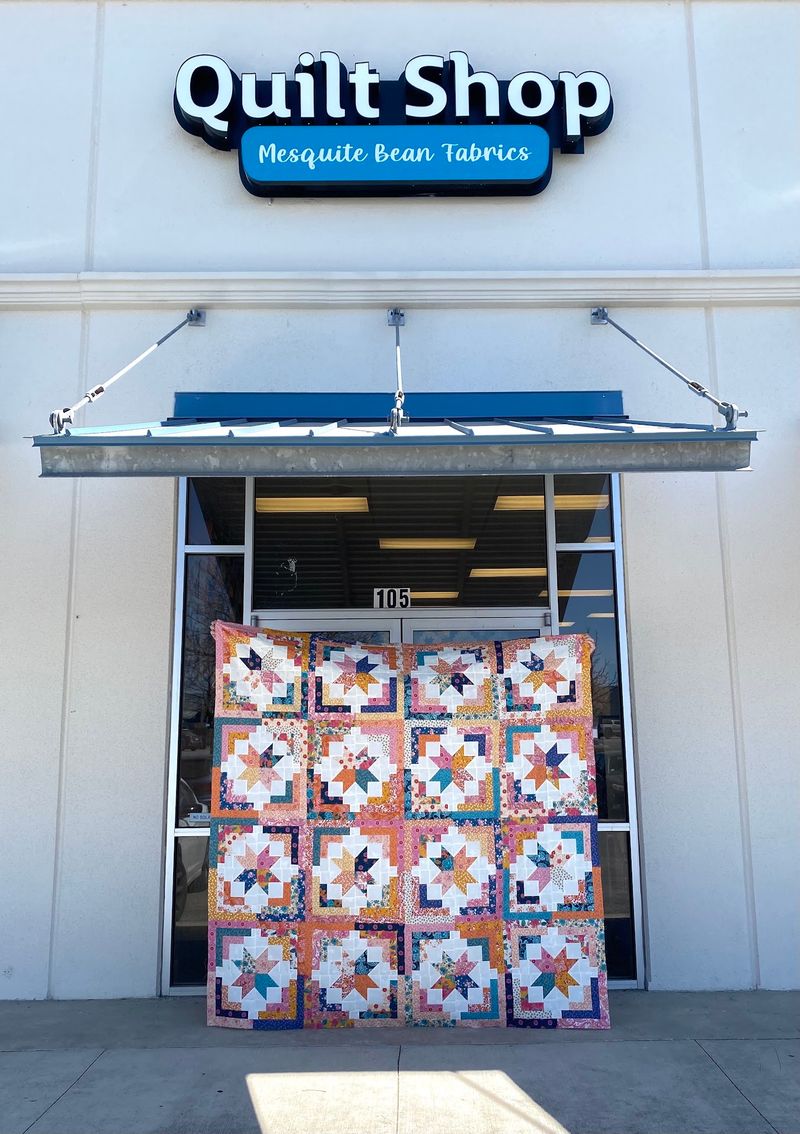
Location plays a bigger role in budget shopping than most people expect. Sitting roughly two miles off Loop 410 via Harry Wurzbach and about five miles from the airport, the shop is easy to reach without a long drive across town.
The storefront sits in a shopping center between a Lowe’s and a Walmart, which means plenty of parking and the chance to combine errands into one trip.
Hours are straightforward: Monday through Friday from 10:00 AM to 5:00 PM, and Saturday from 10:00 AM to 3:00 PM. Appointments outside those hours are available, which helps anyone with a weekday work schedule.
Here is a fun bit of background. Sisters Cindy Wheeler and Paula Watts founded the store, and the name is a nod to the Texas mesquite tree, known for surviving heat, drought, and rocky ground.
That toughness fits the quilting spirit fairly well. Projects get set aside, picked back up, and finished years later, much like a mesquite pushing through a dry summer.
The store aims to be a creative home for all things quilting in the San Antonio area, with a welcoming atmosphere and staff who help customers work through projects step by step.
Visiting shortly after opening usually means shorter waits at the cutting table and more one-on-one help choosing fabrics.
Address: 1432 Austin Hwy Ste 105, San Antonio, TX 78209
