A bank janitor once pushed bags of money down a brick street in a wheelbarrow, with an armed guard walking beside him. He was headed for the train depot.
That detail alone tells you how much cash once moved through one tiny mountain town.
The money came from coal. Not just any coal, either, but a prized smokeless kind that fed the boom years of the early 1900s.
Fortunes piled up fast, and mansions followed.
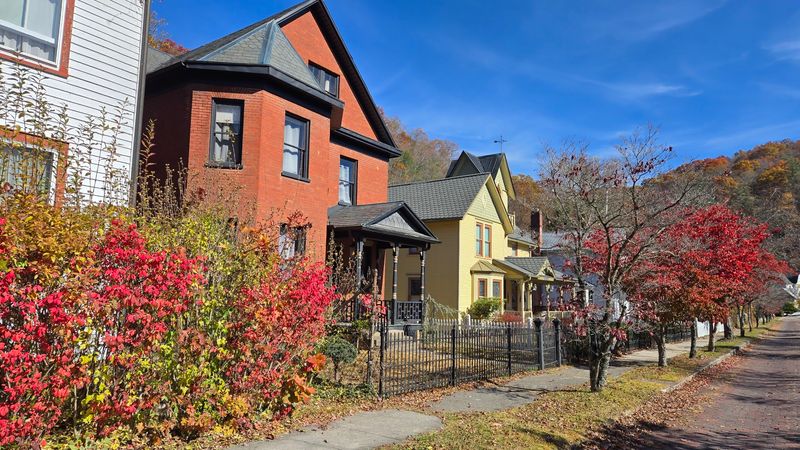
I love that this story happened in southern West Virginia, a region people rarely link with Gilded Age luxury. The grand homes still stand along quiet streets.
The bank building is still there too.
So how did a town small enough to walk end to end in minutes become a magnet for millionaires? And what’s left to see today?
The Little Town on the River Bend That Hit the Jackpot
Meet Historic Bramwell, a small town in Mercer County, West Virginia, sitting on a horseshoe bend of the Bluestone River. It was incorporated in 1888, right as the coal rush in the area picked up speed.
Within a few decades, the town picked up a nickname that still turns heads. People called it the Town of Millionaires, and the label was earned.
Accounts often say Bramwell had more millionaires per capita than almost anywhere in the country.
That’s a big claim for a place you can explore on foot in an afternoon. The streets are short, the hills are steep, and the river curls right around the edges.
You won’t find skyscrapers or busy avenues.
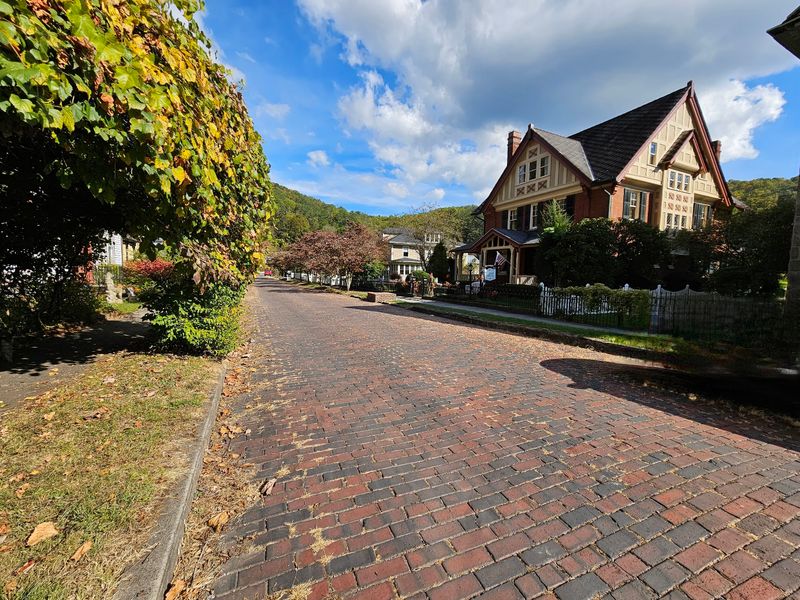
What you will find is a town that kept much of its old look. Brick streets, stone walls, and grand houses still line the core of the community.
It feels less like a museum and more like a neighborhood that remembers.
For West Virginia families who grew up near coal camps, the contrast hits hard. Bramwell shows the other side of the boom, where the owners and operators lived.
Their story is the one this whole article follows, one street at a time.
Smokeless Coal Made Fortunes Pile Up Fast
Coal built Bramwell, but a very particular kind of coal built its bank accounts. The nearby Pocahontas coalfield produced high-quality smokeless coal, and buyers paid premium prices for it.
Smokeless coal burned hotter and cleaner than many other types. That made it a favorite for steamships, railroads, and industry.
Demand meant money, and money drew ambitious investors into these mountains.
Many of the men who ran the mines chose to live close by in Bramwell. They wanted to stay near their operations and near each other.
Over time, that created an unusual cluster of wealth in a very small space.
Sources differ on the exact count. Most accounts place somewhere between 13 and 19 millionaires in town around the turn of the 20th century.
Either number is remarkable for a community this size.
Think about what a million dollars meant back then. It wasn’t comfortable money.
It was mansion, imported materials, and private-railcar money. Now picture over a dozen households like that within a few blocks.
That concentration is the real hook. Plenty of towns had one rich family on the hill.
Bramwell reportedly had a whole street of them, all chasing the same black seam underground.
A Wheelbarrow Full of Cash and a Very Busy Bank
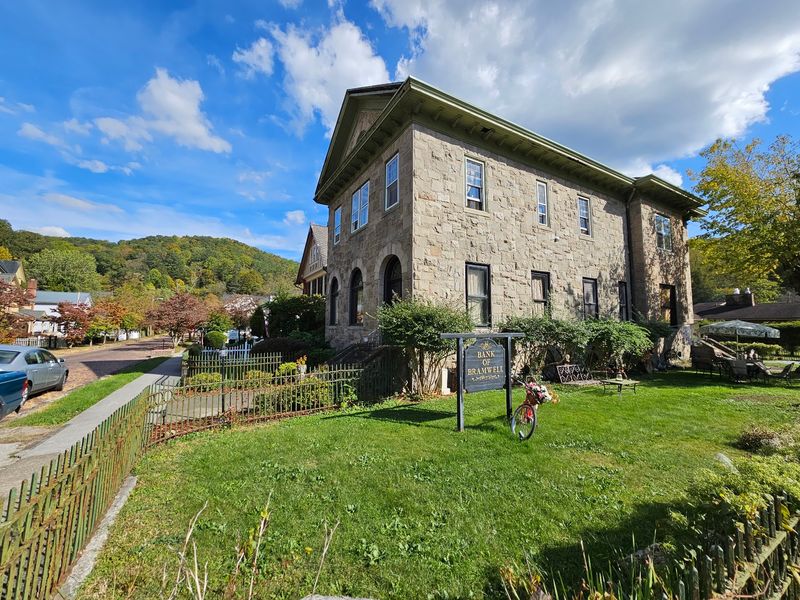
Few small-town banks get legends, but the Bank of Bramwell has a good one. It was often described as the wealthiest bank of its size in America.
Local lore says the janitor regularly hauled bags of money to the train depot in a wheelbarrow. An armed guard walked along with him over the brick-paved streets.
It sounds like a movie scene, yet the story has been told for generations.
Why move money by wheelbarrow? The volume simply called for it.
Coal profits flowed in steadily, and the railroad carried both coal and currency in and out of town.
The bank sat at the financial center of everything. Operators did business there, deals were made there, and the town’s reputation grew from there.
It was the beating heart of the boom.
Of course, the good times didn’t last forever. The Bank of Bramwell collapsed in 1933 during the Great Depression, a hard blow for the whole community.
Still, the building itself remains a key stop. Standing in front of it, you can almost hear the creak of that wheelbarrow wheel.
Just keep your hands off any stray sacks. The guard might still be on duty.
Fourteen Trains a Day Kept the Money Moving
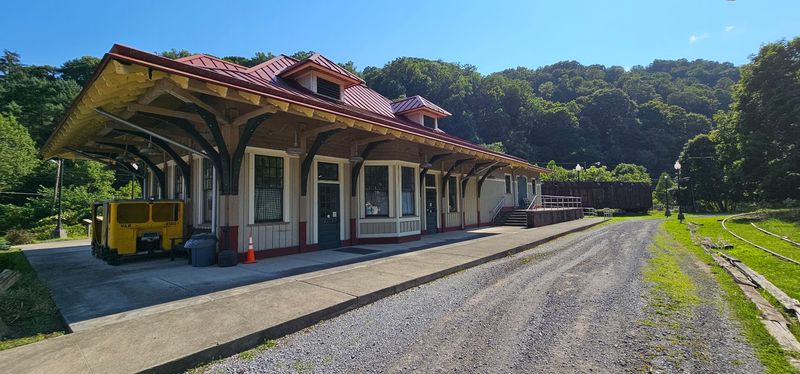
Fourteen. That’s how many times a day Norfolk and Western trains could stop in Bramwell during its busiest years, according to local accounts.
For a town this small, that’s a staggering rhythm. Trains hauled coal out to markets and brought supplies, visitors, and business back in.
The railroad was the town’s lifeline to the wider world.
It also explains why the bank cared so much about the depot. Money had to travel, and rail was the fastest way to move it.
The wheelbarrow route between bank and depot became part of daily life.
Wealthy residents benefited too. Fine furnishings, building materials, and fashionable goods could arrive by rail.
That helped turn simple mountain lots into homes with surprising polish.
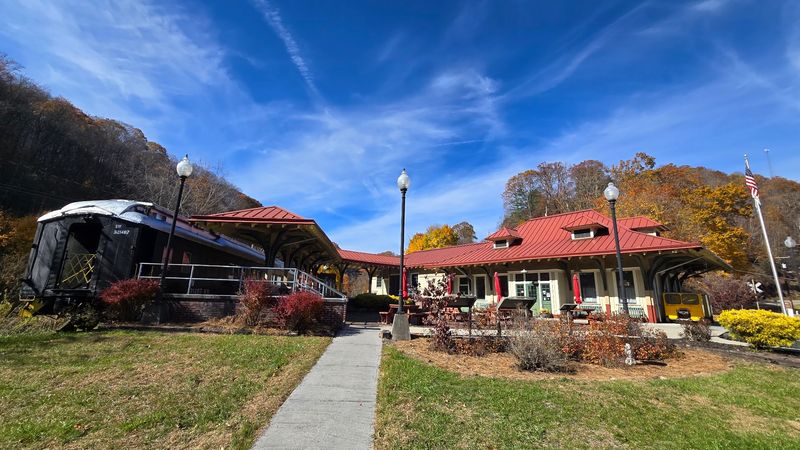
Today, the depot story lives on in a replica building that holds local history exhibits. It sits where travelers once stepped off the train into a town buzzing with coal money.
If you’re a rail fan, this part of the story will grab you. If you’re not, it still helps everything click.
Without those trains, Bramwell’s mansions likely would have stayed modest farmhouses on a quiet river bend.
Mansions With Indoor Pools Long Before Anyone Expected Them
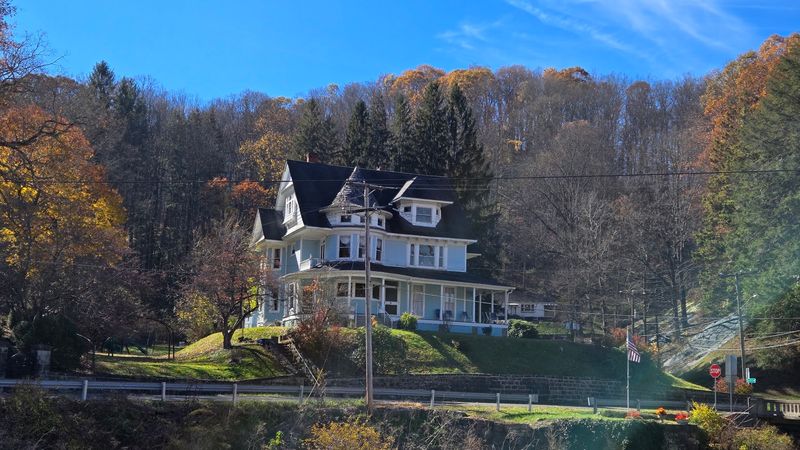
Indoor swimming pools in a West Virginia coal town around 1900? Yes, really.
Some Bramwell mansions reportedly had pools, ballrooms, dumbwaiters, and even central vacuum systems.
Those features were cutting-edge for the era. Most American homes back then had none of them.
In Bramwell, they quietly signaled who had money and how much.
The homes mix Victorian and Tudor styles, often with ornate woodwork. Leaded and stained-glass windows show up again and again.
Each house seems to have its own personality.
Walking past them today, you’ll notice how close together many sit. Rich neighbors lived practically elbow to elbow.
You can only guess how much friendly competition went on over porches and parlors.
Many of these houses are private homes now. That matters, because it means you should admire them from the sidewalk unless a tour opens the doors.
The best part is how intact the scene feels. These aren’t scattered survivors among strip malls.
They line the streets together, giving you a real sense of the neighborhood as it once was. It’s the kind of view that makes you slow down and look up.
Brick Streets That Earned a National Spotlight
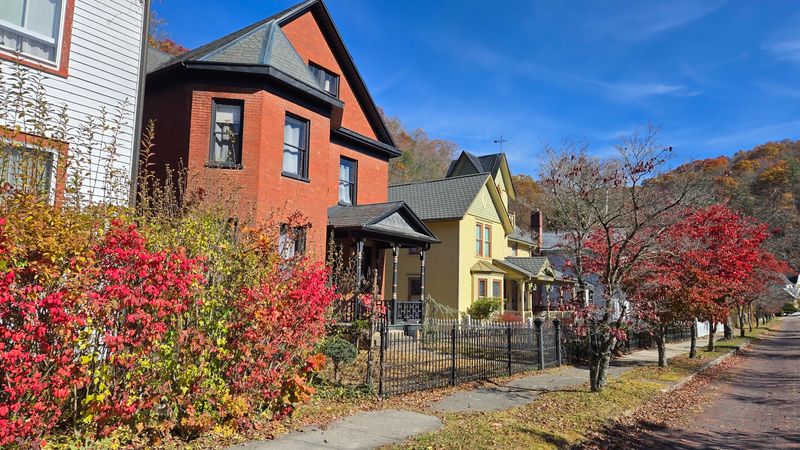
Plenty of towns talk about their history. Bramwell has paperwork to back it up, since the town was placed on the National Register of Historic Places in 1983.
That listing recognized the architectural importance of the whole community. It wasn’t one building getting a plaque.
It was the town’s overall character being honored.
The original brick paving on Main Street is a big part of that character. Those bricks carried horses, money carts, and generations of residents.
Now they carry curious visitors looking for a glimpse of the past.
Historic Bramwell is also listed as a historical landmark that’s open 24 hours. That makes sense, since the main attraction is the town itself.
You can stroll the streets any time you like.
Early morning or golden evening light can make the brick and stone look especially warm. Just remember people live here, so keep voices and car doors friendly after dark.
For parents planning a trip, this is a nice low-key option. There’s no gate and no ticket to walk the streets.
You set the pace, linger where you want, and soak in a slice of West Virginia history at no cost.
Your Self-Guided Walk Starts at the Information Center
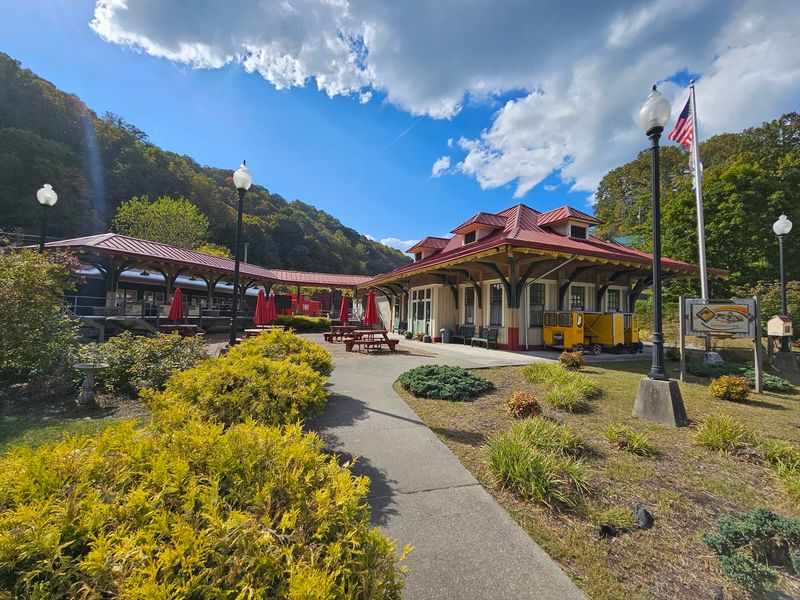
Good news for anyone who likes exploring on their own schedule. Self-guided walking tour maps are available, and they help you track down the most notable homes and buildings.
The information center is the place to start. Grab a map, get your bearings, and head out on foot.
The town is compact, so most of the walk feels easy and relaxed.
Comfortable shoes are smart, though. Brick streets and sloped sidewalks can be uneven in spots.
Nobody wants a twisted ankle in front of a millionaire’s porch.
The map turns a pretty stroll into a story. Instead of just seeing a big house, you learn who built it and why.
That context makes each stop feel personal.
A walking tour also works well for mixed groups. Grandparents can take it slow, kids can count stained-glass windows, and history buffs can read every detail.
Everyone gets something.
Plan for a leisurely visit rather than a rushed one. You’ll want time to pause, snap photos, and maybe circle back to a favorite house.
Bramwell rewards people who wander a little and let the town reveal itself.
Spring and Christmas Tours Finally Open Those Front Doors
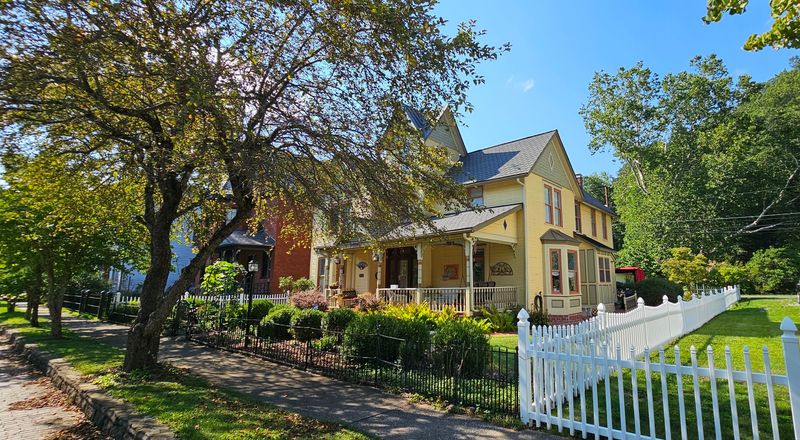
Peeking through windows only goes so far. Twice a year, Bramwell lets visitors step inside some of those grand coal baron homes.
The Bramwell Historic Spring Tour of Homes and the Historic Christmas Tour of Homes are the town’s signature events. They give you a rare look at interiors usually closed to the public.
Costumed interpreters help bring the stories to life. They share tales of early pioneers and the families who built this place.
It adds warmth and personality to rooms that might otherwise feel like still photos.
The Christmas tour has extra appeal for anyone who loves holiday decorating. Historic homes and seasonal touches are a natural match.
It feels like a snapshot from another century.
The spring tour, meanwhile, pairs nicely with blooming yards and mild weather. Strolling between houses becomes part of the fun.
Dates change from year to year, so check with Mercer County tourism before making plans. These events are the one time the mansions trade sidewalk views for front-door welcomes.
If you’ve ever wondered what an indoor-pool kind of house looked like up close, this is your chance.
Coal Baron Faces and Keepsakes Inside the Museum
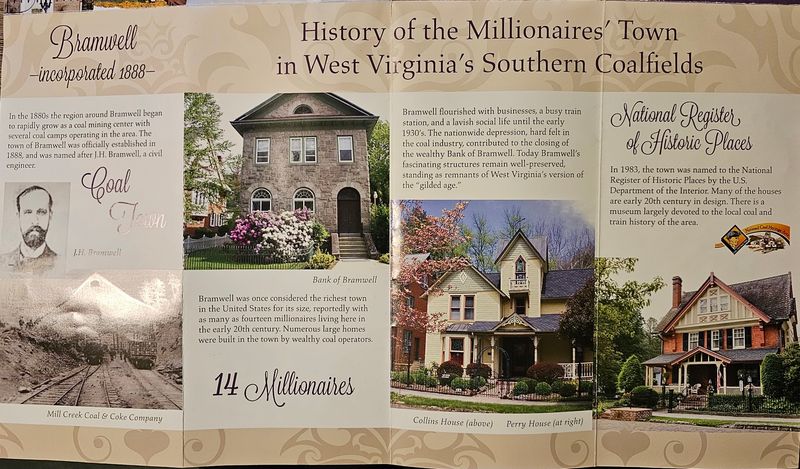
Sometimes the best way to understand a fortune is to look its owners in the eye. Old photographs of Bramwell’s coal barons and their wives help do exactly that.
The Coal Heritage Trail Interpretive Center sits in a replica of the original Bramwell train depot. Inside, exhibits cover the region’s coal mining history and the town’s millionaire era.
Memorabilia and artifacts fill in the details. You’ll get a sense of what daily life looked like during the boom.
It’s a helpful companion to the walking tour outside.
The museum also connects Bramwell to the bigger picture. Coal shaped much of southern West Virginia, not just this one wealthy town.
Seeing that wider story adds depth.
For parents, it’s a solid stop for curious kids with questions. Why was coal worth so much?
Where did the trains go? The exhibits give you answers to work with.
Stopping here first, or right after your walk, works either way. Some people like context before they explore.
Others like to see the houses, then come in and match faces to front porches. Pick whichever order suits your crew.
Soda Fountain Treats and Small-Batch Coffee on Main Street
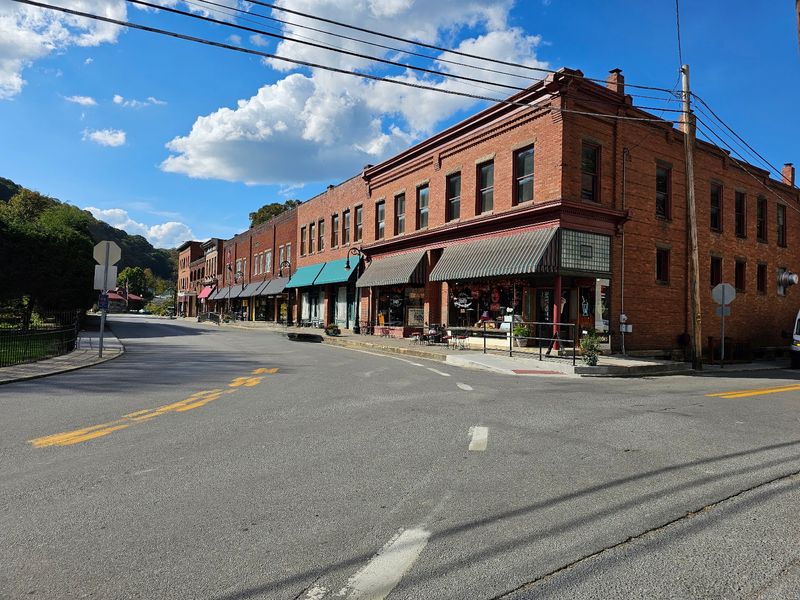
All that history can work up an appetite. Thankfully, Main Street has a couple of spots ready to help.
The Bramwell Soda Fountain and Corner Shop features an old-fashioned gooseneck soda fountain. Its menu has included hand-patted millionaire burgers, homemade milkshakes, banana splits, and homemade pepperoni rolls.
It sits at 171 Main Street.
Pepperoni rolls in a millionaire town feel just right. The snack is a true West Virginia favorite, born from the coal-country need for something sturdy and portable.
Down the street, the Honeycomb Cafe offers coffee, espresso, specialty drinks, and a small-batch bakery. Its menu has listed made-to-order breakfast, pastries, brownies, soups, salads, and sandwiches.
You’ll find it at 151 Main Street.
Hours at small-town spots can shift, especially by season. The Honeycomb Cafe has been open Friday through Sunday, so check ahead before counting on a weekday latte.
A sweet treat and a slow stroll make a lovely pairing here. Grab something to enjoy, then wander toward the next mansion.
It’s a budget-friendly way to make the day feel special without blowing your own family fortune.
ATV Trails and a Sandstone Summit Just Beyond Town
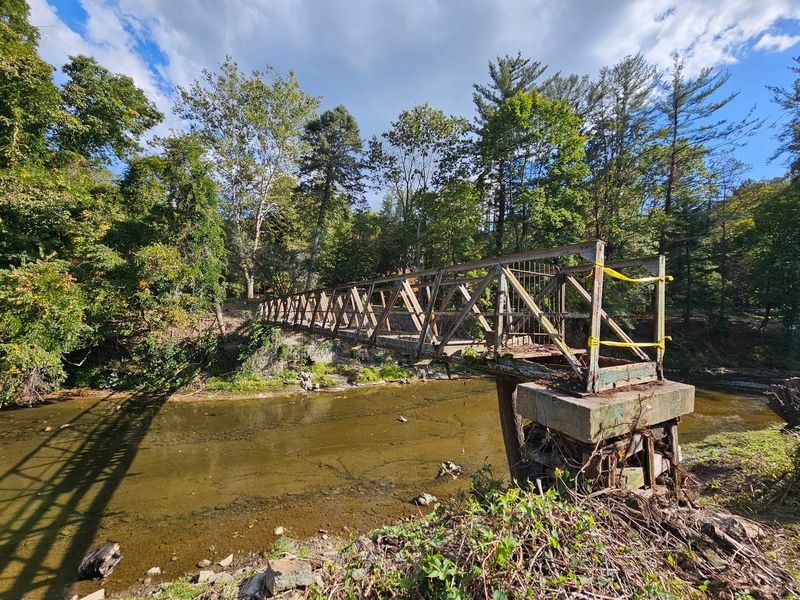
Bramwell has a surprising second personality. The town is ATV-friendly and serves as home to the Pocahontas trailhead of the Hatfield-McCoy Trail System.
That network ranks among the largest off-highway vehicle trail systems anywhere. Riders can explore hundreds of miles of mountain trails through wooded backcountry.
It’s a fun contrast. One minute you’re admiring stained glass, and the next you’re hearing engines rumble toward the hills.
Somehow both fit this town.
Prefer hiking boots to handlebars? Pinnacle Rock State Park sits a short drive away.
Its trails lead to a striking sandstone formation that reaches about 3,100 feet in elevation, with wide mountain views.
These outdoor options can stretch a quick history stop into a full weekend. Parents who crave a little adventure for themselves will appreciate that.
Trail permits and rules apply on the Hatfield-McCoy system, so look into requirements before you go. Safety gear matters too.
A smart plan keeps the fun going, and it means everyone heads home with good stories instead of sore regrets.
Sleeping Under a Coal Baron’s Roof
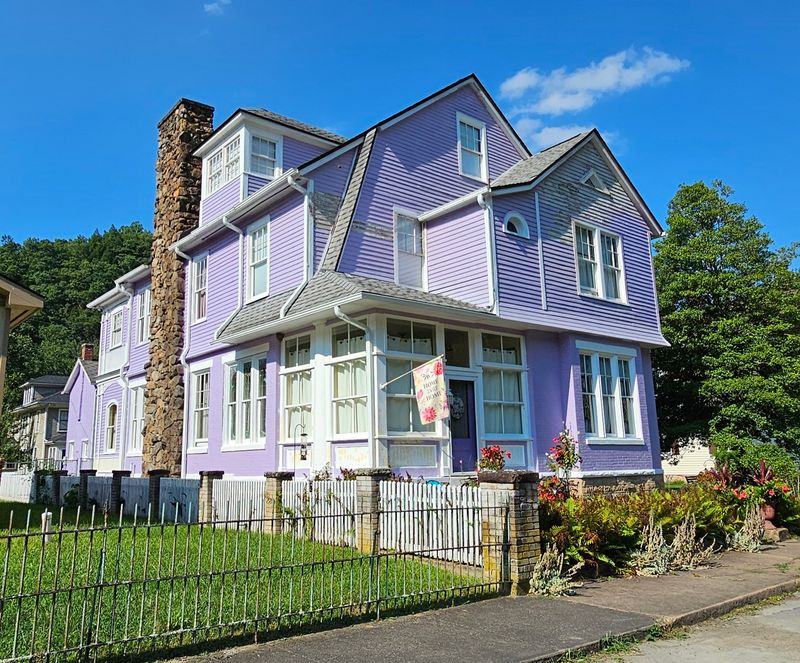
Want to live like a millionaire for a night? A few of Bramwell’s historic homes have welcomed overnight guests.
The Rivers Bend Bed and Breakfast, once known as the Hewitt House, has offered stays in a former coal-era residence. Waking up in one of those grand homes adds a fun twist to the trip.
Other choices have included vacation rentals near downtown. Names like Bramwell Corner Suites, River View Inn, and Main Street Suites have appeared among local options.
ATV riders have their own picks too. ATV TrailCamp, Buffalo Trail Cabins, and Bramwell Adventures have catered to trail fans, often close to the riding routes.
Small lodging spots can change hands or shift schedules, so confirm availability before you book. Mercer County tourism is a good place to start your search.
Staying overnight lets you see the town in quieter hours. Evening walks on brick streets feel different once day-trippers head home.
You’ll also have time to enjoy the trails, the museum, and a slow breakfast without watching the clock.
Plan Your Visit to the Town That Refused to Fade
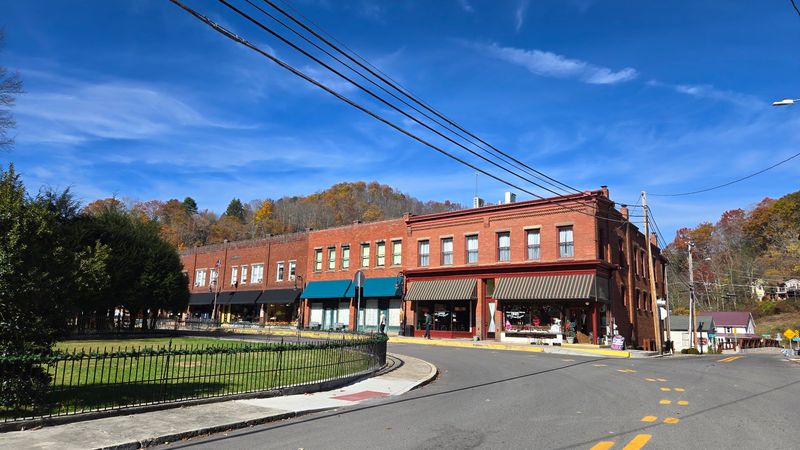
Boom towns usually tell sad endings, yet Bramwell chose a prouder one. After coal slowed and the bank fell during the Depression, residents worked hard to protect what remained.
That effort shows everywhere. The brick streets, restored homes, and small businesses keep the town feeling alive rather than frozen.
It’s a community with deep roots and real pride.
Historic Bramwell is listed at 209 Main St, Bramwell, WV 24715. As a historical landmark, it’s open 24 hours, and strolling the streets doesn’t require a ticket.
Pick up a walking tour map at the information center to get started. Then add the museum, a Main Street treat, and maybe a trail adventure if you have extra time.
Timing your trip around the spring or Christmas home tours gives you the full experience. Check event dates with Mercer County tourism first.
For West Virginia travelers, this is a day trip packed with story and value. You get mansions, legends, and mountain scenery without a big price tag.
I think that’s a pretty rich return for one small town on a river bend.
