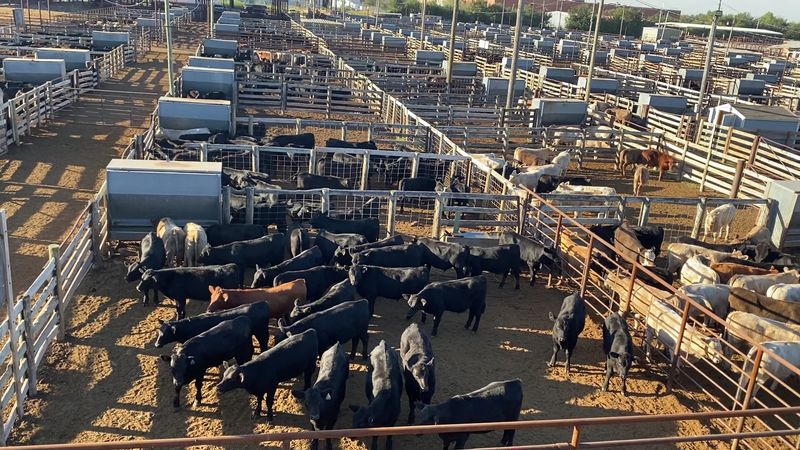
I went looking for a quick breakfast and a little Western flavor, and I ended up standing above a sale ring watching cattle sell faster than I could finish my coffee. Nobody warned me that a working cattle market still hums along in the middle of a big city in Oklahoma.
The dust, the auctioneer chant, and the men in pressed hats felt like a page from a history book that never closed. If you like real places with real stories, this one is worth the drive.
A Working Cattle Market at 2501 Exchange Avenue
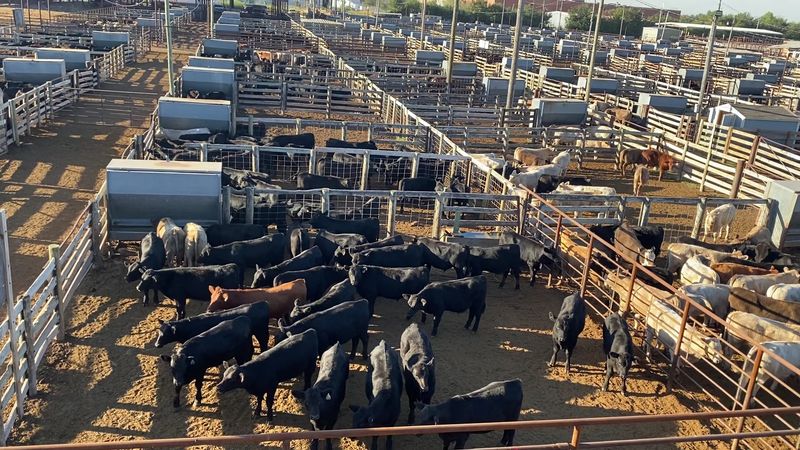
Picture a brick district a few minutes from downtown Oklahoma City where trucks hauling livestock trailers roll past boot shops and cafes. That spot is Stockyards City, and its beating heart is the Oklahoma National Stockyards at 2501 Exchange Ave, Oklahoma City, OK 73108.
Plenty of places dress up in cowboy costume for tourists. Here, the cowboy part is the actual job.
The stockyards operate as a live-auction cattle market, and it is generally recognized as the last of the original great terminal cattle markets in the United States still running.
Ranchers from Oklahoma and neighboring states bring stocker and feeder cattle here to sell. Buyers show up from across the country to bid.
Visitors who wander in often find themselves surprised that something so old-fashioned still works so smoothly in a modern city.
For road-tripping families, it is an easy add-on to any OKC visit. The drive from Tulsa runs about an hour and a half, and from Lawton or Ardmore it is roughly the same.
If you can, call ahead at 405-235-8675 or check the company website before you go. Schedules for auctions and tours can shift, so a quick check saves a wasted trip.
From Packingtown to the Nation’s Largest Market
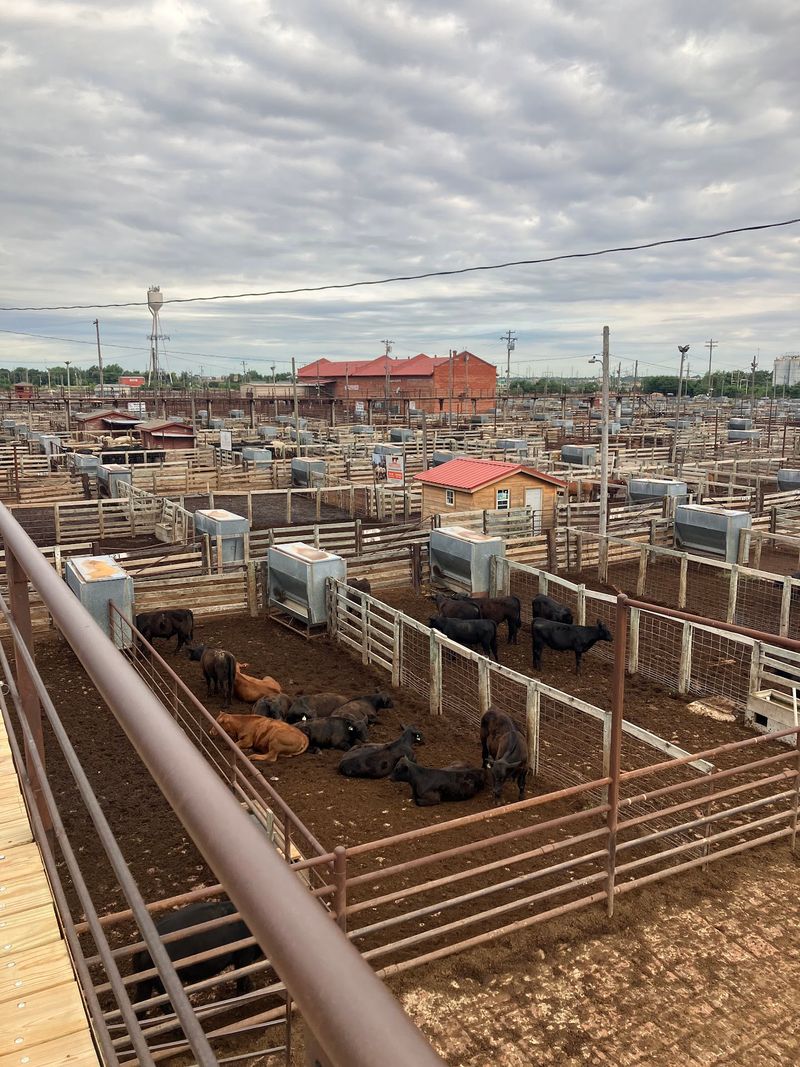
October 1910 is the date to remember. That month, the Oklahoma National Stockyards Company opened its gates, and the neighborhood around it earned a gritty nickname: Packingtown.
City leaders back then wanted big industry badly. They offered major meat packing companies money and infrastructure to set up shop, and the plan worked.
The stockyards became one of Oklahoma City’s first major industrial operations and a huge source of jobs for local families.
Growth kept coming for decades. By 1973, the market proudly claimed the title of the largest in the nation, a point of pride that longtime Oklahomans still bring up today.
Here is the twist. The packing plants closed in the 1960s, which could have ended the whole story.
Instead, cattle trading stayed profitable on its own, and the auctions kept rolling.
Smart location, steady management, and hardworking commission firms all played a role in that survival. Those firms handle the selling for ranchers, and their loyalty helped carry the market through tough years.
So when you walk the pens today, you are standing on more than a century of history. Not many working businesses in the state can say that with a straight face.
Monday and Tuesday Sale Days
Timing is everything at a stockyard. Show up on a Thursday afternoon and you may find quiet pens and a lot of empty fence rails.
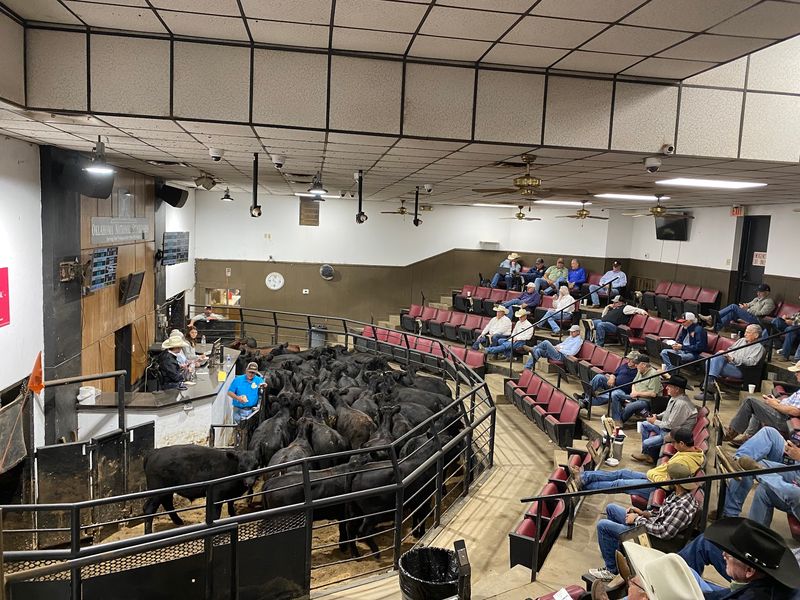
Monday and Tuesday are the main sale days. Auctions typically start around 8:00 a.m., and the public is welcome to watch from seating above the sale ring at no charge.
Free entertainment that teaches you something? Hard to beat.
Visitors repeat the same advice again and again: come on a Monday or Tuesday, or the place may feel empty. One guest who only got to stroll around said it was still fun, but wished an auction had been underway.
The pace catches people off guard. Cattle move through the ring and deals are often sealed in under a minute.
The auctioneer’s rolling chant mixes with quick nods and finger flicks from buyers, and if you blink, a lot has already sold.
Arrive early to grab a good seat and settle in. A morning here pairs nicely with breakfast nearby and a stroll through the shops afterward.
Keep in mind that holidays and market conditions may change sale schedules. Checking ahead keeps the plan on track.
Numbers Behind the Bidding
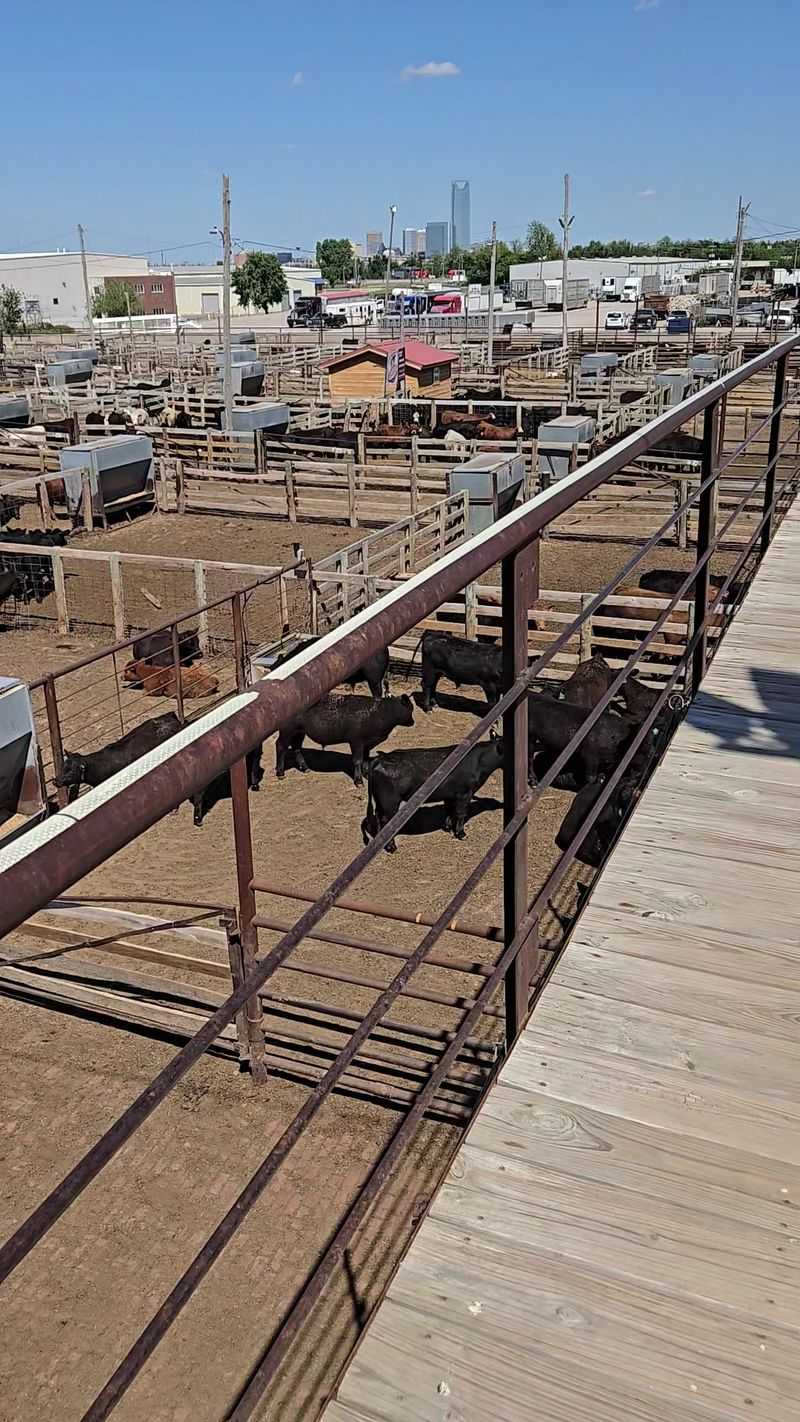
Seven thousand to eight thousand head of cattle. That is roughly how many animals pass through this market in a typical week.
Stretch that across a year and the total lands near 350,000 head. Standing on a catwalk above the pens, you start to feel how big that number really is, with rows and rows of cattle stretching out in every direction.
The money matters too. The stockyards contribute more than $1 billion to the economy each year.
They directly support over 130 jobs, plus a whole web of related work like trucking, feed, and veterinary services.
Most of the animals sold here are stocker and feeder cattle. In plain terms, those are younger cattle headed off to graze or be fed for a while longer before they reach the next stage of the beef business.
Ranchers who sell here seem pleased with the results. One seller mentioned their cattle brought a good price, and truck drivers say they appreciate the friendly folks who help them drop and load.
For anyone curious about where the beef on a dinner plate begins its journey, this is a real-world lesson that no textbook can match.
Guided Tours and Catwalk Stories
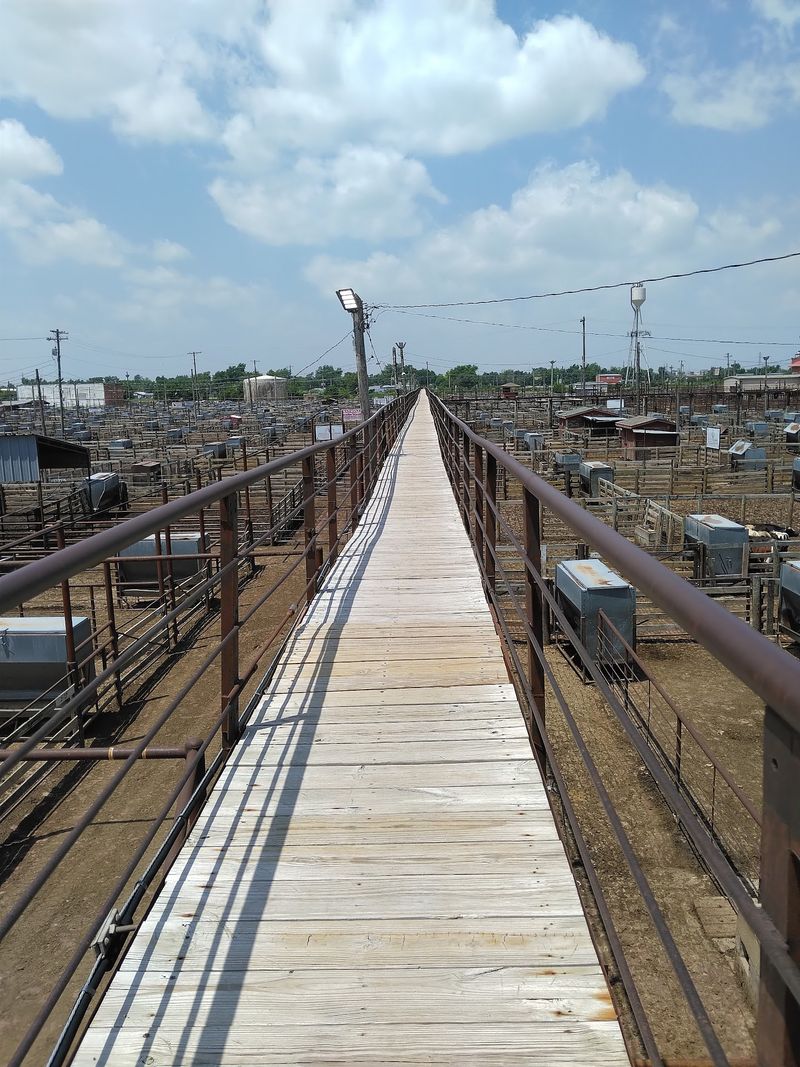
Ask almost anyone who has taken the tour and one name pops up: Bo. Visitors describe him as a longtime employee with more than four decades at the stockyards, and his stories seem to be the highlight.
Tours can be booked online, according to guests who have done it. One traveler finishing a three-year van trip across the country called the roughly 90-minute tour one of the most interesting stops of the entire journey.
Walking the catwalk is a big part of the fun. From up there, you look down on the pens and see how cattle are sorted, moved, and readied for sale.
Guests praise the clean, well-kept pens and the feeling of seeing the real thing up close.
History buffs tend to leave happiest. Several visitors said that if you care about history and cattle, the tour is worth your time.
Families with older kids may enjoy it too, especially kids who like animals and big machines of commerce. Younger children might get restless during long stretches of talk.
Tour availability and details can change, so book ahead through the official website or call before making the drive.
Dust, Boots, and an Honest Atmosphere
Leave the white sneakers at home. A stockyard is a working place, and working places come with dust, mud, and a certain earthy smell.
Honest visitors will tell you it is not polished. One guest noted the morning felt a little slow and dusty, and mentioned not finding bathrooms.
Planning a restroom stop before you arrive is a smart move.
Another visitor put it well, saying you need a certain mindset to enjoy it. It is not built like a theme park, and nobody here is performing for you.
The people in the stands are buying and selling for their livelihood.
That realness is exactly why many people love it. Folks describe it as a true slice of Oklahoma tradition and a source of state pride.
The good people working the pens get plenty of kind words too.
Wear closed-toe shoes or boots and clothes you do not mind getting dusty. In summer, Oklahoma heat can be intense, so bring water and a hat.
Spring brings storm season, so keep an eye on the forecast.
Come with curiosity rather than expectations of a show, and the morning will likely reward you.
Western Wear Shops Along the Brick Streets
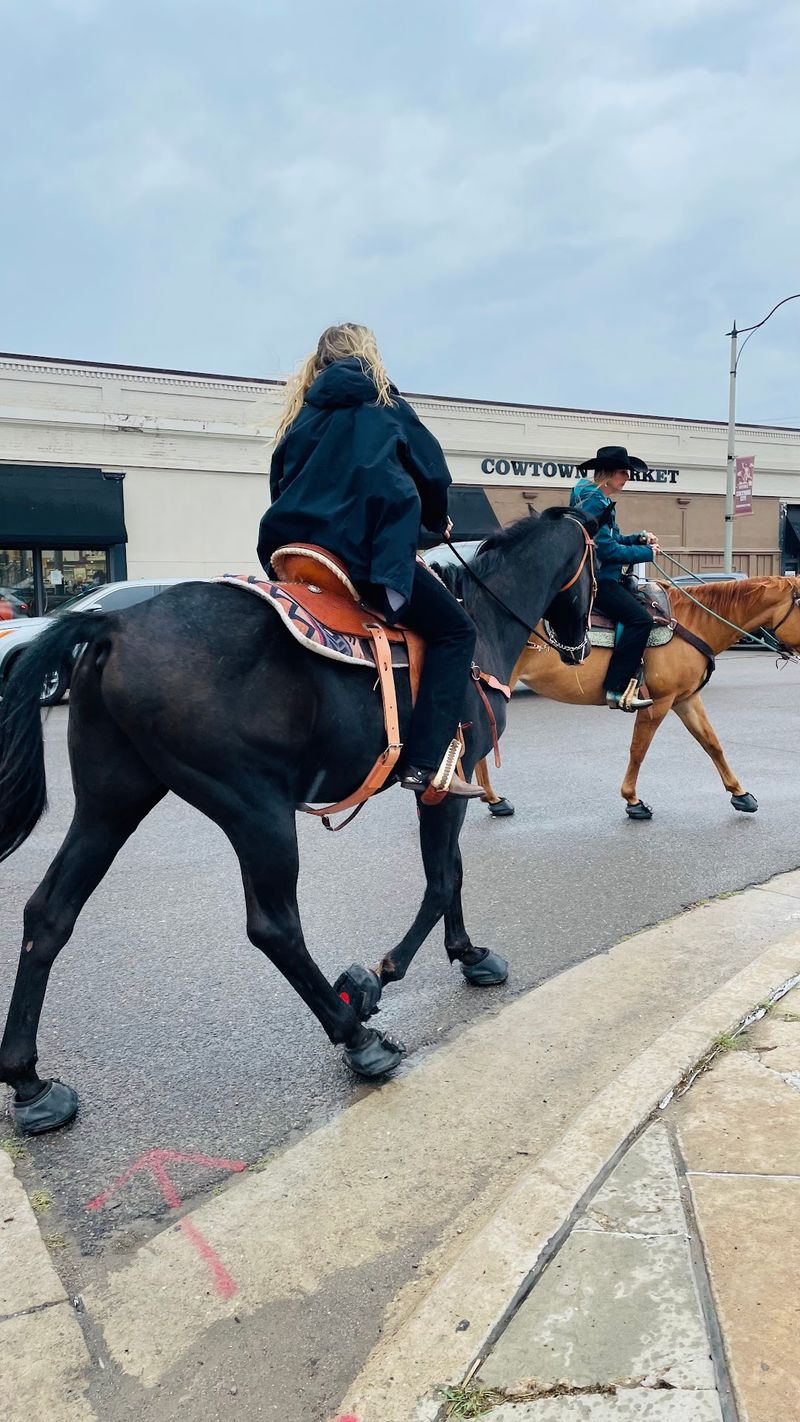
Once the auction wraps up, the rest of Stockyards City is waiting just outside. Original brick buildings line the streets, and many of them house shops that have served real cowboys for years.
Shorty’s Caboy Hattery is a standout, known for custom cowboy hats. Watching a hat get shaped by hand is a small thrill, even if you are just browsing.
Langston’s Western Wear is the place to look for boots and denim. Working ranchers and city folks alike shop there, which says a lot about how practical the goods are.
Oklahoma Native Art and Jewelry offers authentic handmade pieces. It is a respectful way to support Native artists and bring home something meaningful rather than a mass-produced trinket.
Shopping here does not have to break the bank. Window-shopping is free, and you can pick up smaller items if a custom hat is outside the budget.
Parents might enjoy this stretch as much as the kids. Trying on boots, comparing hat brims, and chatting with shopkeepers makes for a relaxed afternoon after an early morning at the sale ring.
Store hours may vary, so check before planning around a specific shop.
Sodas, Candy, and a Silent-Era Cinema
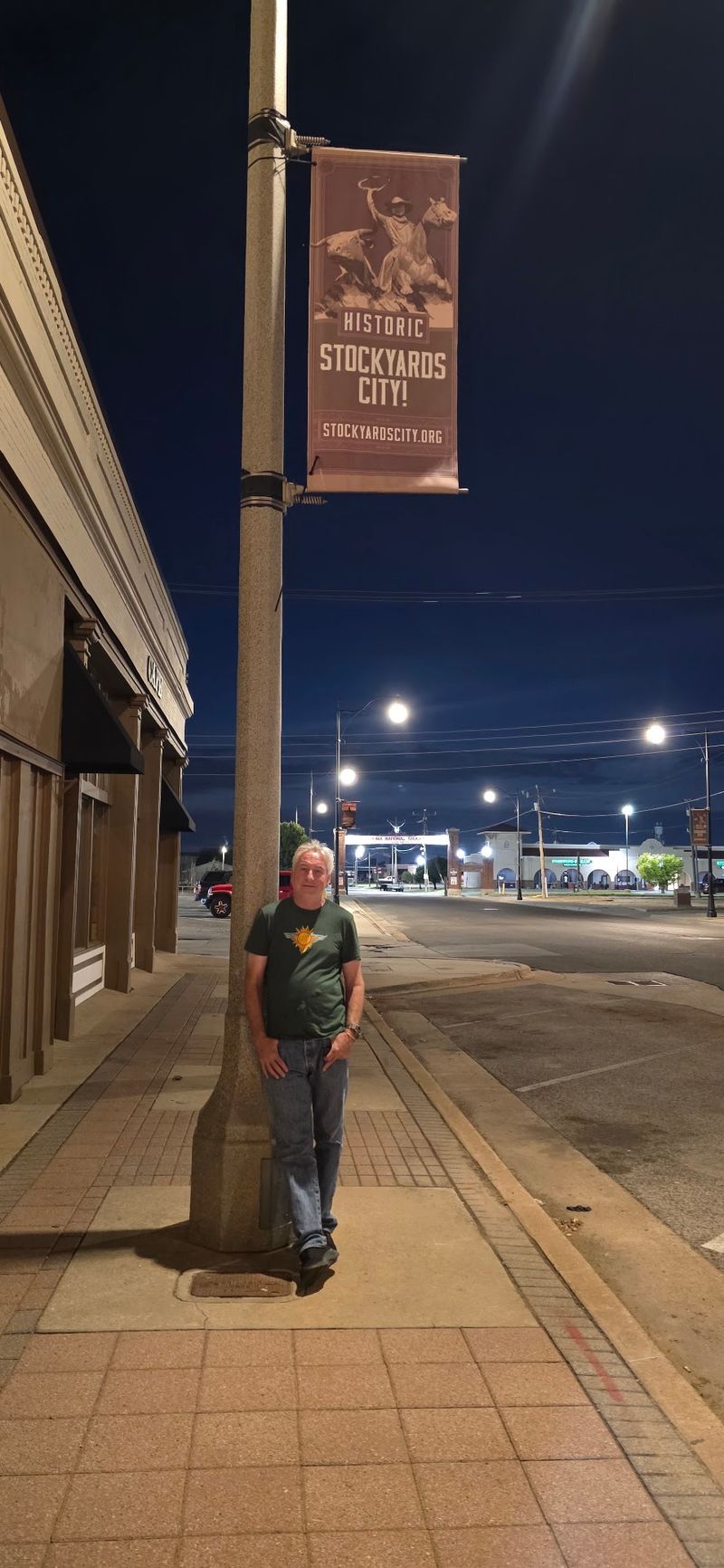
Sweet tooth calling? Stockyards Sarsaparilla stocks unusual bottled sodas and old-fashioned candies that feel straight out of a grandparent’s childhood.
Kids usually head straight for the candy, while adults tend to linger over the soda labels. Picking a few flavors to try back at the car is a cheap and cheerful way to end a visit.
Just down the way sits the Rodeo Cinema. It opened as a silent movie house in 1924, and today it shows independent films.
Few neighborhoods can claim a theater with roots that deep.
That mix is part of what makes the district so charming. You can watch modern cattle trading in the morning, sip a vintage-style soda at lunch, and catch a film in a century-old theater later.
Grandparents visiting with grandkids may find plenty to talk about here. Stories about old movie houses and penny candy tend to come out naturally.
Showtimes and shop hours may change by season, so a quick look online helps. Either way, this sweet little corner gives Stockyards City a lighter side to balance all that dust and bidding.
Cowboy Stampede and Rodeo Roots
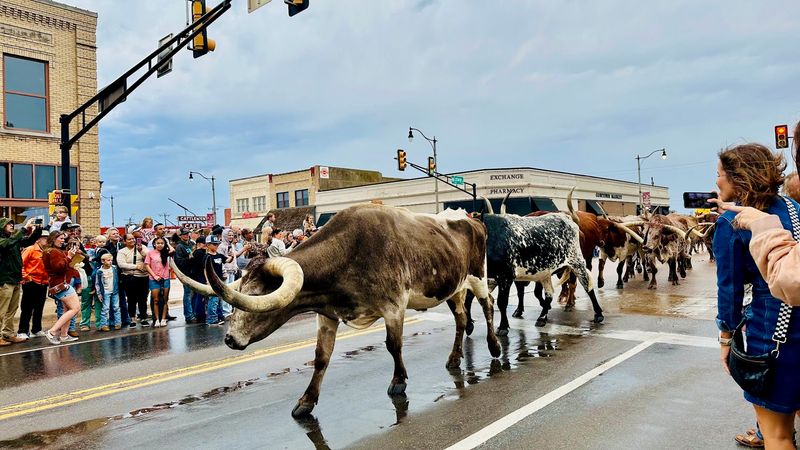
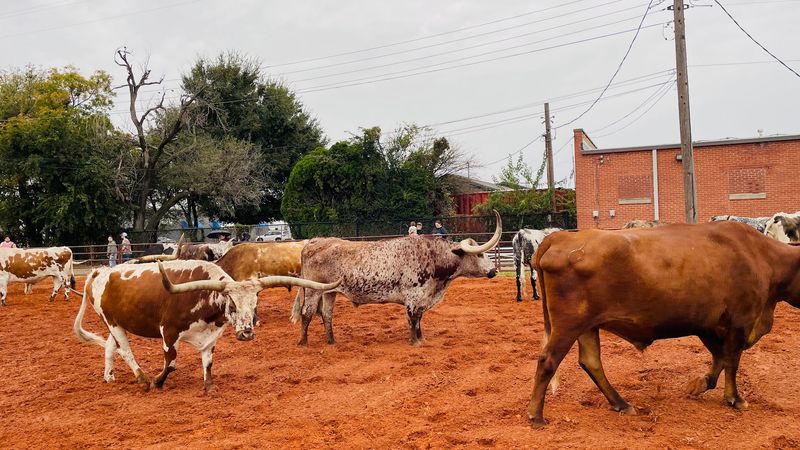
Longhorns parading down the street is not something you see every day. During the Cowboy Stampede event, that is exactly what happens in Stockyards City.
One visitor described the event as an amazing Western experience. They mentioned a longhorn parade, rodeo-style activities, a cowboy cooking demonstration, and tasty food, all wrapped in a lively, welcoming crowd.
Families seem to love it. Guests say it is a great chance to take photos, learn about cowboy life, and soak up true Oklahoma traditions without needing any ranch experience.
Rodeo runs deep in this district. Stockyards City serves as headquarters for the International Professional Rodeo Association, which tells you how closely the area is tied to cowboy culture beyond the auction ring.
Event dates change from year to year, so watch the district’s official channels for announcements. Festivals like this often draw bigger crowds, which means parking may fill quickly.
If your schedule allows, pairing a regular Monday auction visit with a later trip for a special event gives you two very different views of the same neighborhood. One shows the daily work, and the other shows the celebration.
Planning Your Morning in Stockyards City
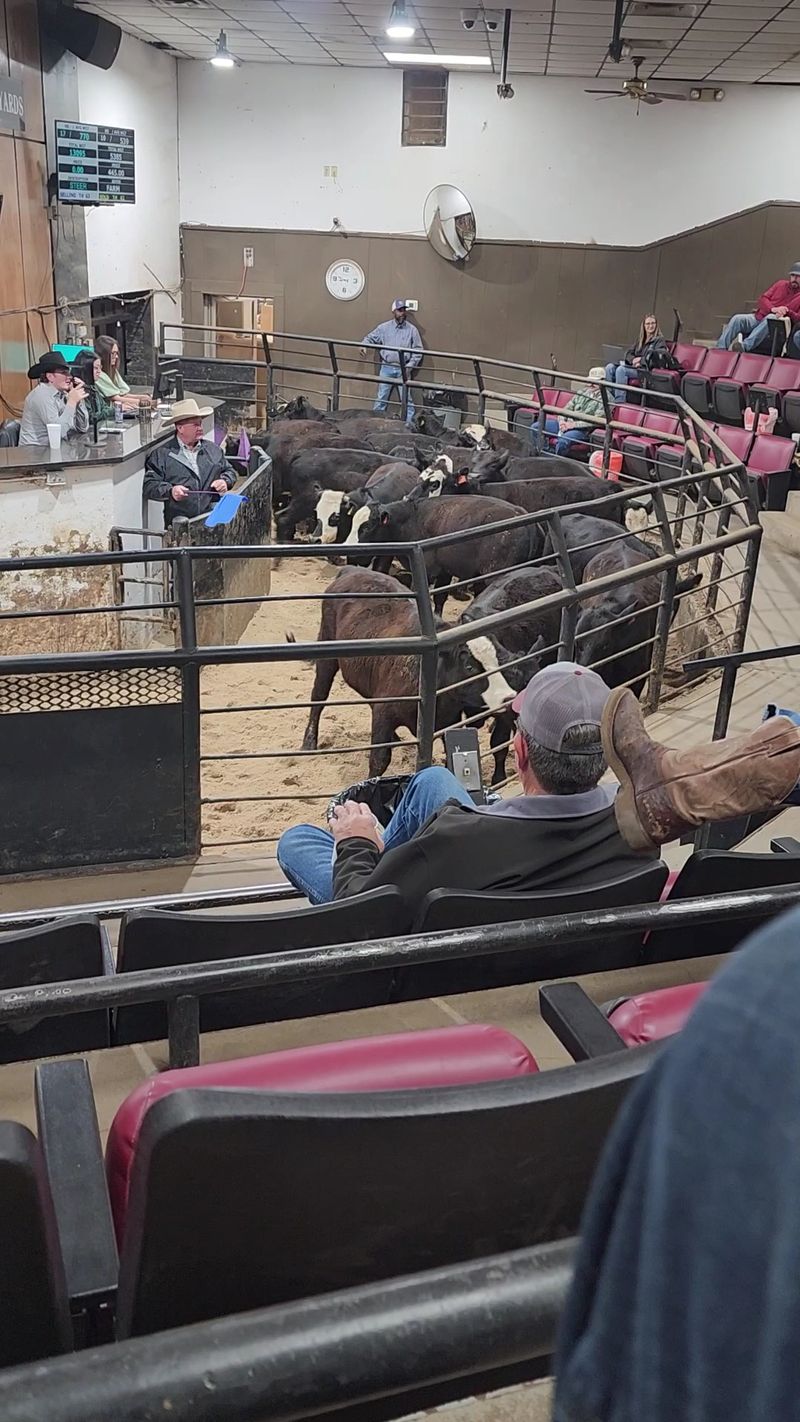
Here is a simple game plan. Aim to arrive a little before 8:00 a.m. on a Monday or Tuesday, when auctions typically get going.
Watching the sale from the seating above the ring is usually free. Tours are a separate experience that guests say can be booked online, so reserve ahead if you want the catwalk and the stories.
The address is 2501 Exchange Ave, Oklahoma City, OK 73108. It sits just southwest of downtown, so most OKC hotels are a short drive away.
Folks coming from Tulsa, Norman, or Edmond can easily make it a day trip.
Bring a few essentials:
Comfortable boots or sturdy shoes, water, sunscreen in warm months, and a light jacket in winter. Since one visitor mentioned no bathrooms, plan a stop before you arrive or use businesses in the district.
Budget-wise, this can be one of the cheapest outings in the city. Free auction viewing, browsing the shops, and a bottle of old-time soda add up to very little.
Phone ahead at 405-235-8675 to confirm sale days and tour times, since schedules may shift around holidays.
Worth the Drive for Curious Travelers
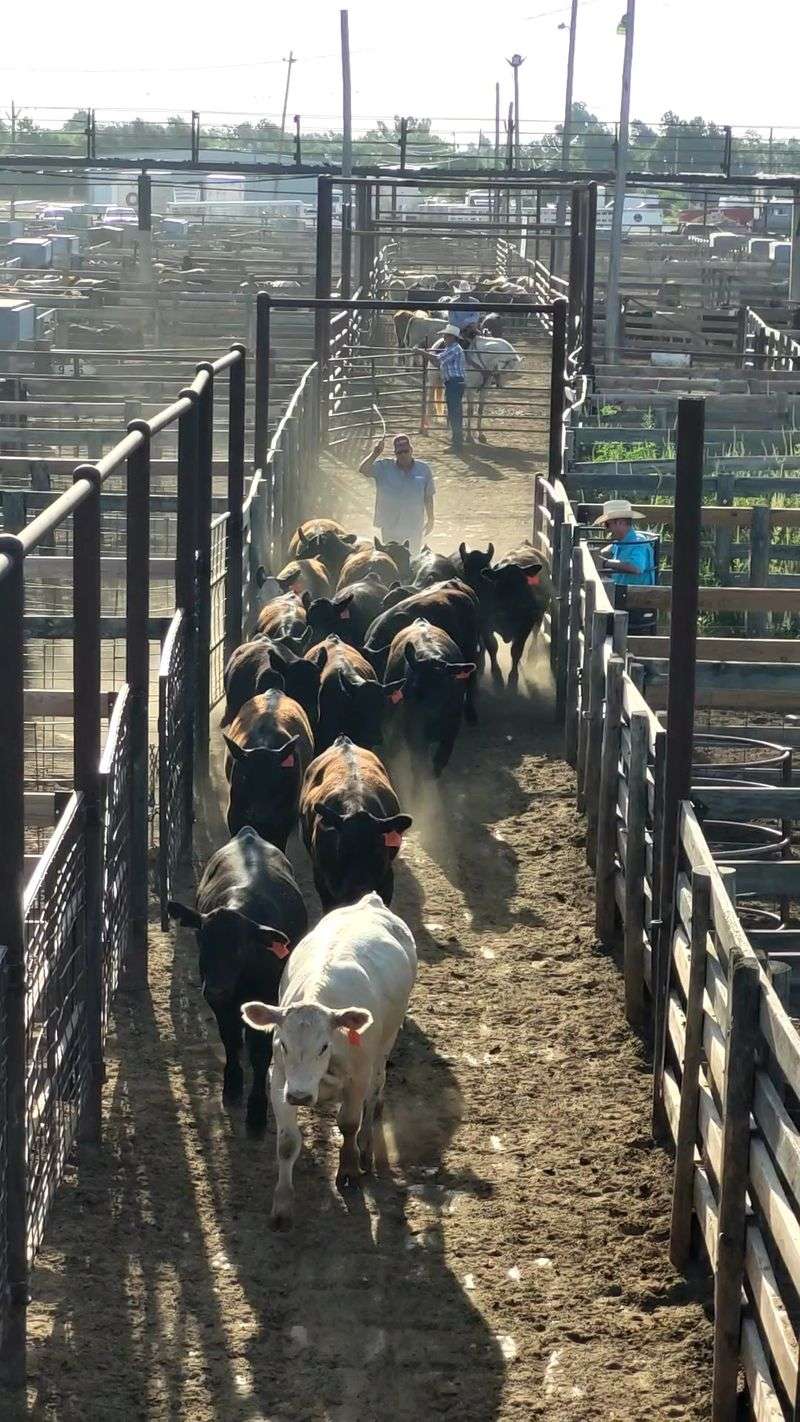
Some places try too hard. The Oklahoma National Stockyards never tries at all, and that is the magic.
Not everyone will fall in love with it. One longtime visitor admitted that if you have no connection to cattle, you might not care much.
Fair enough. But plenty of others with zero ranch background walked away calling it fascinating and unforgettable.
History lovers, animal fans, photographers, and families with curious older kids tend to get the most out of a visit. Road-trippers who want to see the real Oklahoma, not a polished copy, will feel right at home.
The price is right too. Free auction viewing and an affordable district full of character make this an easy yes for budget-minded travelers.
What stays with you is the feeling of watching something old still working. Cattle trading began here in 1910, and the bidding still rings out every week.
So why do cowboys still gather downtown? Because the market never stopped needing them.
Come see it for yourself on a Monday or Tuesday morning, grab a soda afterward, and you might just leave with a new hat and a new appreciation for Oklahoma.
