A steamboat chugged up the Potomac here in 1787. That was two decades before Robert Fulton got famous for the same idea.
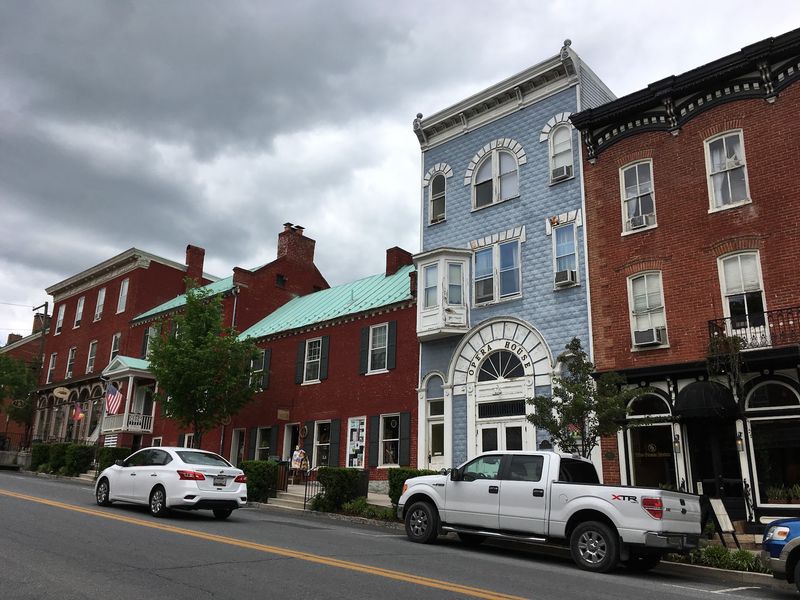
The street where people now stroll for coffee and books has older bones than most of the country. Buildings from the 1700s still line the sidewalks.
A hotel built in 1786 now holds a museum full of local history.
I like how a short walk here covers centuries without any effort. You can browse a record shop and stand near a Civil War story in the same block.
West Virginia has plenty of pretty towns, but few pack this much into one stretch of pavement.
I believe it’s the kind of street that rewards slow feet. So what keeps travelers pulling over just to walk it?
The Oldest Town In The Mountain State Starts Right Here
Shepherdstown, WV, carries a big title for a small place. It’s widely known as the oldest town in West Virginia, and German Street is its main thoroughfare.
The town sits right along the Potomac River in the state’s Eastern Panhandle. Cross the river and you’re in Maryland, which makes it an easy stop for travelers from several directions.
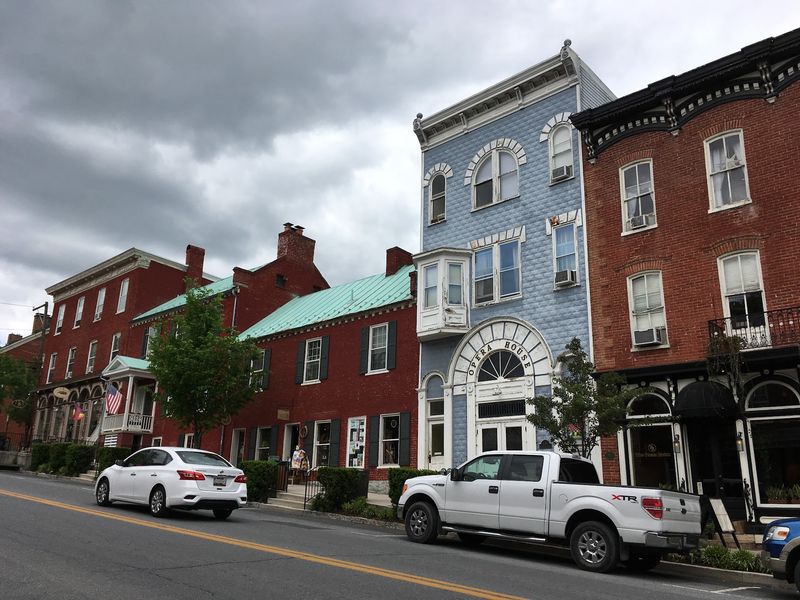
German Street is where the action lives. Shops, restaurants, and historic buildings stand shoulder to shoulder along a walkable stretch of downtown.
Much of the architecture dates to the 18th and 19th centuries. The historic district remains remarkably intact, so the street still looks and feels like an old town rather than a theme park version of one.
That’s a big part of the appeal. Nobody needs a ticket or a tour guide to enjoy it.
You park, you walk, and the history simply surrounds you. Grab a snack, peek into windows, and let the old storefronts set the pace.
I can’t imagine a lower-pressure way to spend an afternoon in West Virginia. It’s a walk, sure, but it’s a walk with a few hundred years of company.
German Roots Gave The Street Its Name
Ever wonder why a West Virginia street carries the name German? The answer goes back to the early 1700s.
Colonial settlers moved into the Shenandoah Valley region during that era. Many of them brought German heritage, and that influence shaped the area in lasting ways.
Local history notes that a German School was established here as early as 1762. That’s a pretty serious commitment to culture for a frontier community.
The street name stands as a simple reminder of those families. Every time someone gives directions to a shop on German Street, they’re nodding to those early settlers without even thinking about it.
The town itself takes its name from Thomas Shepherd, its founder. His name shows up around town today, including on the local university and a historic inn.
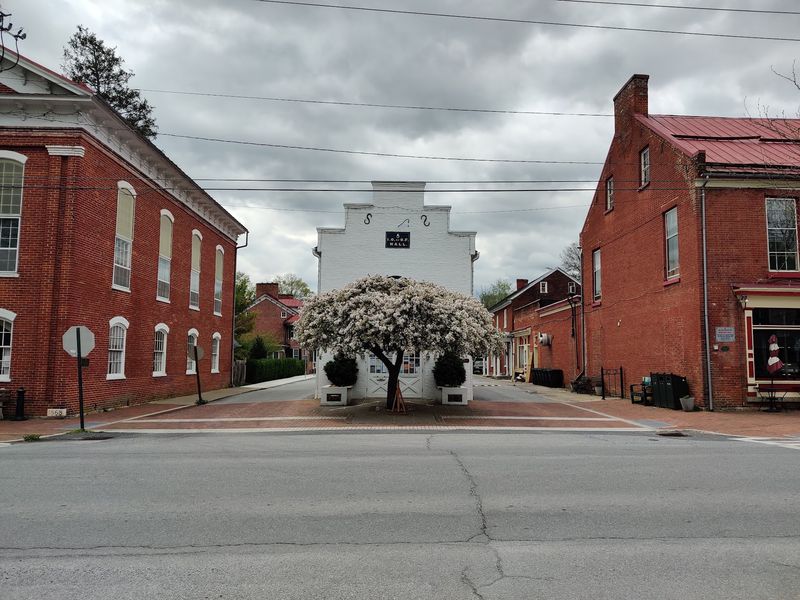
Walking the street, you can see how the old grid still guides the day. Cross streets like King and Princess add a colonial flavor to the map.
History buffs will enjoy connecting these dots. Everyone else will simply enjoy the scenery while the history quietly does its job in the background.
Nearly Every Building Has A Civil War Chapter
Here’s a fact that makes the old brick walls feel different. After the Battle of Antietam in 1862, Shepherdstown reportedly cared for thousands of wounded soldiers.
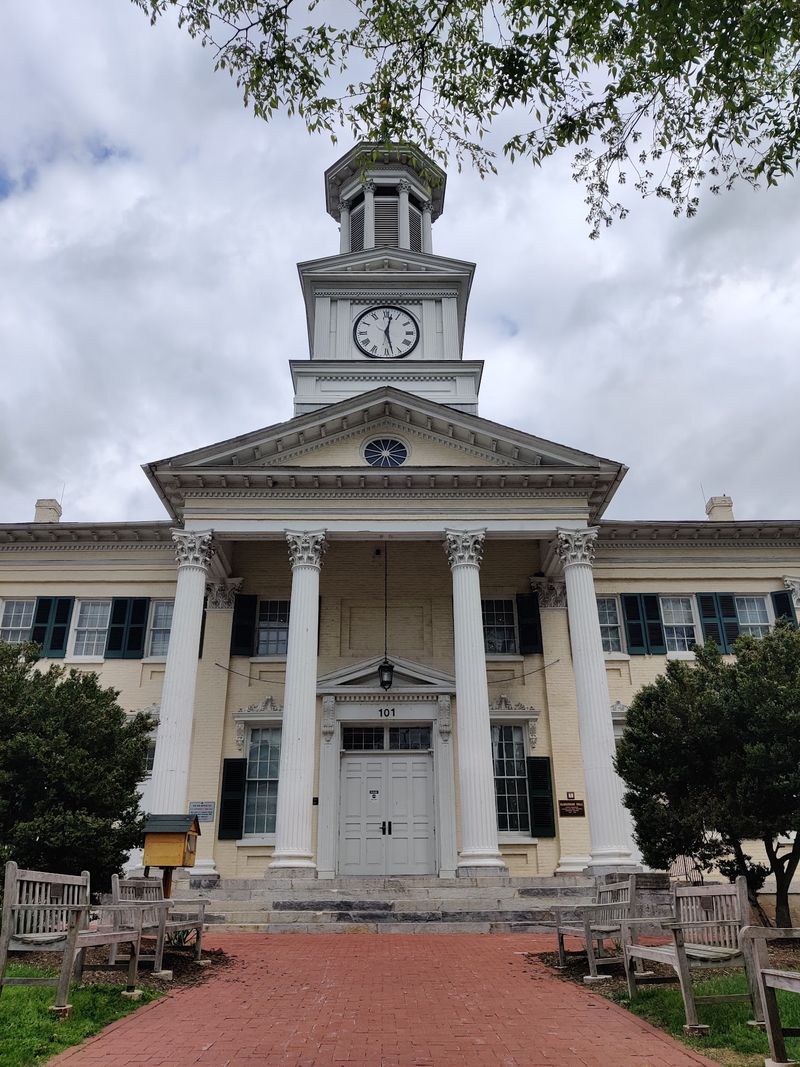
Many buildings in town served as makeshift hospitals during that time. Homes, churches, and public spaces all pitched in to help.
Antietam National Battlefield sits just across the river in nearby Sharpsburg, Maryland. That closeness put the town right in the middle of events in September 1862.
The town also changed hands between Union and Confederate forces more than once. You can imagine how that shaped daily life for the families living here.
Today, German Street wears that history with quiet dignity. There’s no need for loud signs on every corner, because the buildings themselves carry the weight.
I like how the street honors this past without letting it overwhelm the present. People shop, eat, and chat in spaces that once offered care and comfort to strangers.
For anyone who loves Civil War history, a trip to Antietam pairs naturally with a German Street stroll. The two experiences fit together like chapters in the same book.
A 1786 Hotel Now Guards Three Centuries Of Stories
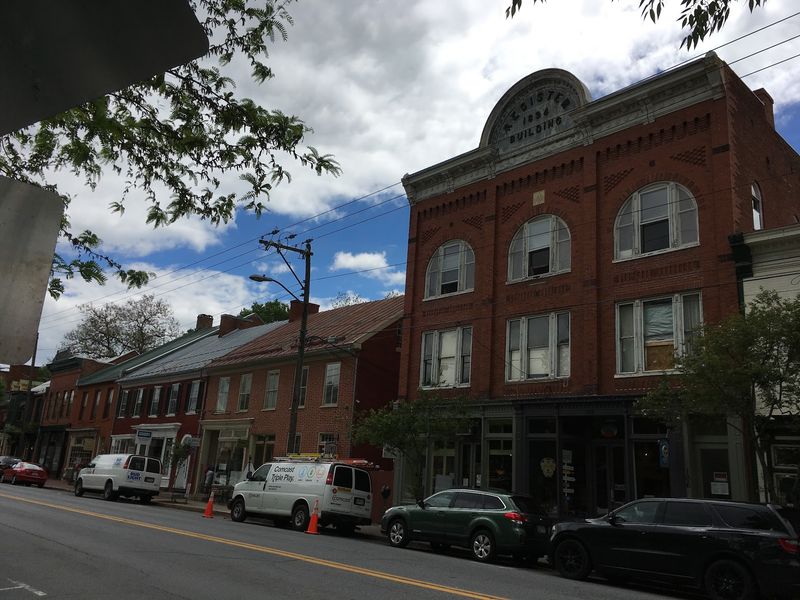
Some museums live in modern boxes. The Historic Shepherdstown Museum lives in the 1786 Entler Hotel, which is a much better story.
You’ll find it at the corner of Princess Street and East German Street. The building alone is worth a pause before you even head inside.
The museum outlines the town’s origins and its Civil War history. Exhibits include artifacts, furniture, and documents tied to roughly 300 years of local life.
Displays rotate, so returning visitors may spot something new. Pieces range from colonial-era furniture to Civil War weapons.
This is the place to fill in the gaps your walk creates. After passing all those old buildings, you’ll want names, dates, and faces to go with them.
Like many small museums, it may keep seasonal or limited hours. A quick check before your trip saves a disappointed stare at a locked door.
Families with curious kids can make it a quick, manageable stop. It’s the right size for real learning without tired legs taking over.
Consider it German Street’s memory bank. Everything outside makes more sense after a visit inside.
Breakfast, Tacos, And Crab Cakes All Within A Few Steps
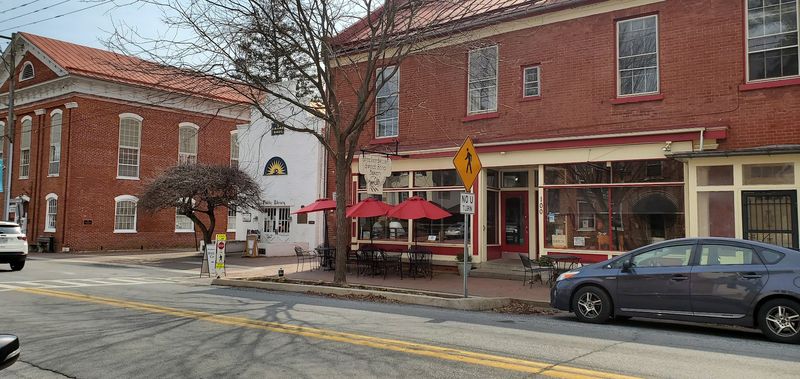
Walking builds an appetite, and German Street plans for that. Eateries line the sidewalks, so food is never far away.
Betty’s Restaurant at 112 East German Street is a longtime Shepherdstown landmark. It’s known for breakfast, sandwiches, hot lunch specials, and crab cakes that carry quite a reputation.
That’s the kind of hometown diner West Virginia does so well. Comfortable, familiar, and ready to feed you before more wandering.
Craving something different? Maria’s Taqueria at 108 East German Street serves Mexican favorites like tacos, burritos, and nachos.
Just around the corner on East Washington Street, Alma Bea focuses on Appalachian-inspired dishes. Its menu leans on seasonal local ingredients and often changes.
I like how the options cover a whole day. You could start with an early breakfast and finish with a relaxed dinner without moving your car.
The mix suits couples, families, and solo travelers alike. Nobody has to argue too long about where to eat.
Hours can vary at small local spots. Checking ahead keeps your stomach happy and your plans on track.
Enamelware, Paperbacks, And Vinyl Make Browsing Dangerous
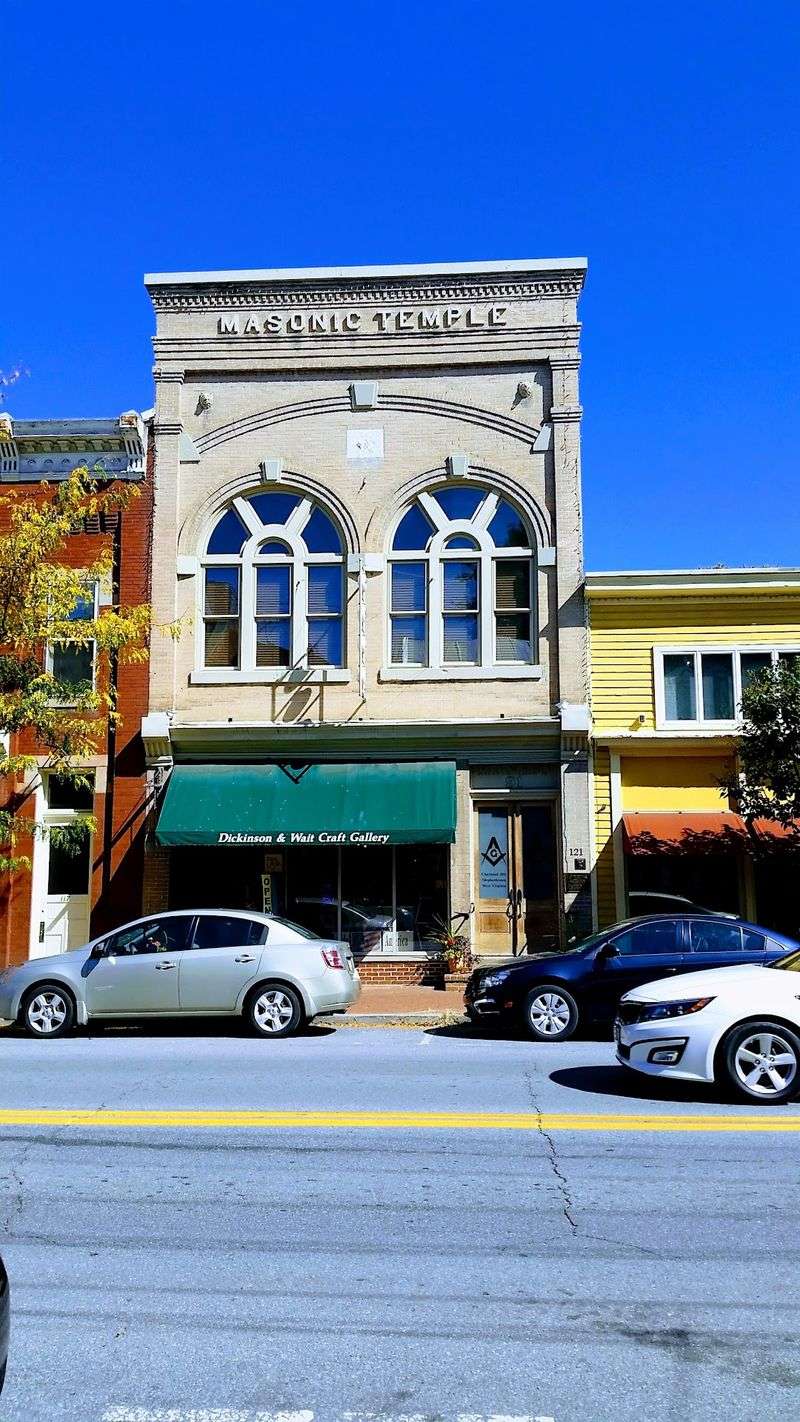
Fair warning for your wallet. German Street’s shops are small, independent, and very good at catching your eye.
O’Hurley’s General Store feels like a trip back in time. Shelves hold enamelware, cutlery, dry goods, and books, the kind of mix old general stores were famous for.
Book lovers can head to Four Seasons Books. The independent shop carries new titles alongside classic novels.
Music fans have a stop too. Admiral Analog’s Record Store sells new and used vinyl, which is perfect for anyone who still owns a turntable.
Beyond those, the street holds boutiques, galleries, and specialty stores. Antiques and artisan goods turn up often, so souvenir shopping gets much more interesting.
These are locally owned businesses, and that shows in the variety. You won’t find the same chain-store shelves you see at every highway exit.
I believe the best plan is to walk with no shopping list at all. Let the windows decide where you go next.
Just remember you’ll be carrying everything back to the car. Choose your cast-iron souvenirs wisely.
The Steamboat Story That Beat Robert Fulton By Two Decades
History books love Robert Fulton. Shepherdstown would politely like a word about James Rumsey.
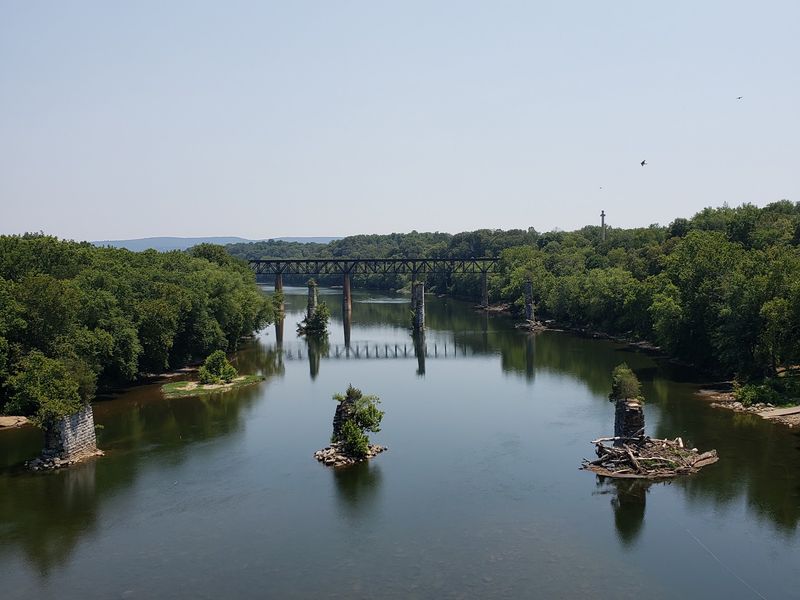
In 1787, Rumsey publicly demonstrated a steam-powered boat on the Potomac River right here. That happened about twenty years before Fulton’s better-known commercial success.
The Rumsey Monument honors this 18th-century steamboat pioneer. It stands on a hilltop overlooking the Potomac, so the view comes as a bonus.
The monument is a short trip from German Street. It makes a fine add-on for anyone who wants a breath of fresh air after shopping.
I like how this story adds an inventor’s spark to a town known for history. Shepherdstown wasn’t only watching events unfold, it was trying to build the future.
Kids especially tend to enjoy a good underdog tale. Rumsey’s story fits that bill nicely and makes for easy conversation on the walk back.
Bring a camera for the river view. The Potomac looks especially pretty from up high, and it helps you picture that little boat pushing upstream.
It’s a proud bit of West Virginia history worth telling more often.
College Energy Keeps An Old Town Feeling Young
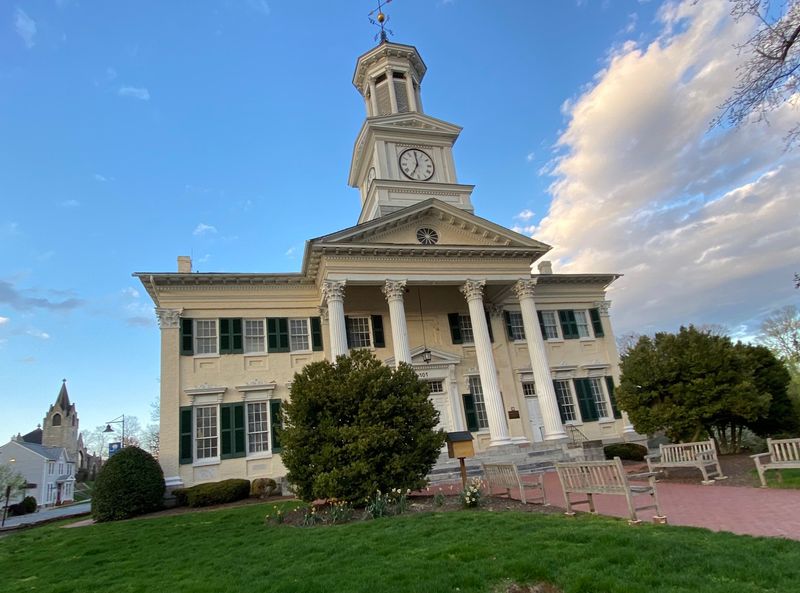
Old buildings, young crowd. Shepherd University sits right beside downtown, and its presence keeps the town lively.
The university adds arts, music, and cultural events throughout the year. Many local artistic and theatrical groups have ties to the school.
Summer brings the Contemporary American Theater Festival, often called CATF. The festival showcases new American plays and has earned wide recognition in the theater world.
That’s a pretty impressive offering for a small West Virginia town. Theater fans can pair an evening show with a German Street dinner for a full day out.
The university also hosts public art and sports events. Checking its calendar before a trip may turn a simple stroll into something more.
I believe this mix is part of the town’s secret sauce. History brings people in, and the campus gives them fresh reasons to come back.
Nearby, the Little House and Barn offer another quirky stop. The miniature farm buildings were built in the 1920s and add a charming touch to the area.
Between plays, galleries, and campus events, the calendar rarely sits empty. Old town, new ideas.
River Paths And Ghost Tales Wait Beyond The Storefronts
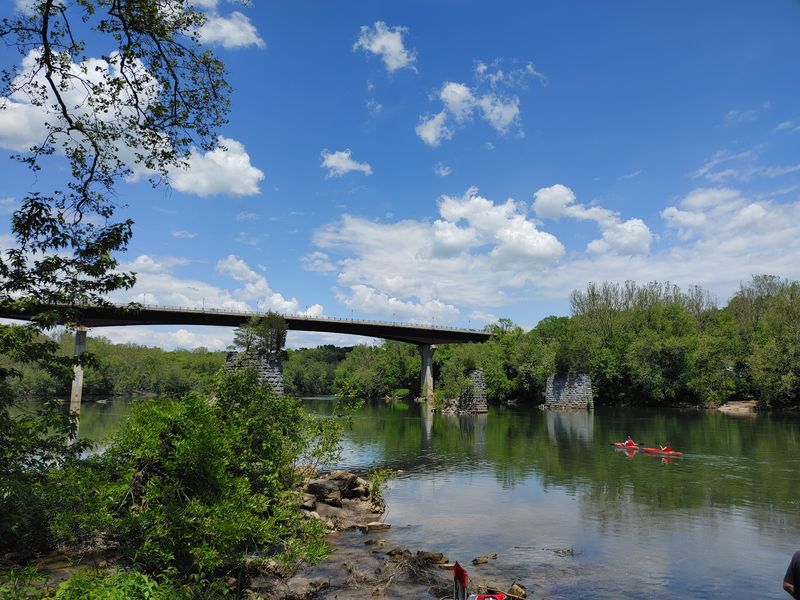
German Street is the main event, but the edges of town hold plenty too. The Potomac River sits just steps away.
Its banks offer room for boating, tubing, fishing, and simple scenery. The river has served as a natural crossing point here for centuries.
Across the water, the C&O Canal towpath welcomes hikers and bikers. The trail runs toward Washington, D.C., and connects with routes leading to Pittsburgh.
Birdwatchers enjoy the area as well. It sits along migratory routes, and the Potomac Valley Audubon Society often offers guided trips.
Prefer something spookier? Shepherdstown has a reputation as one of the more haunted small towns around.
All that history has produced plenty of ghost stories and local legends. The Shepherdstown Mysteries Walk offers an organized way to hear them.
Self-guided walking options exist too, letting you explore at your own pace. Night or day, those old buildings tell good stories.
So your stroll can stretch in any direction. Choose river breezes, trail miles, or goosebumps, and German Street will still be waiting when you return.
Start At The Market House And Let Your Feet Do The Rest
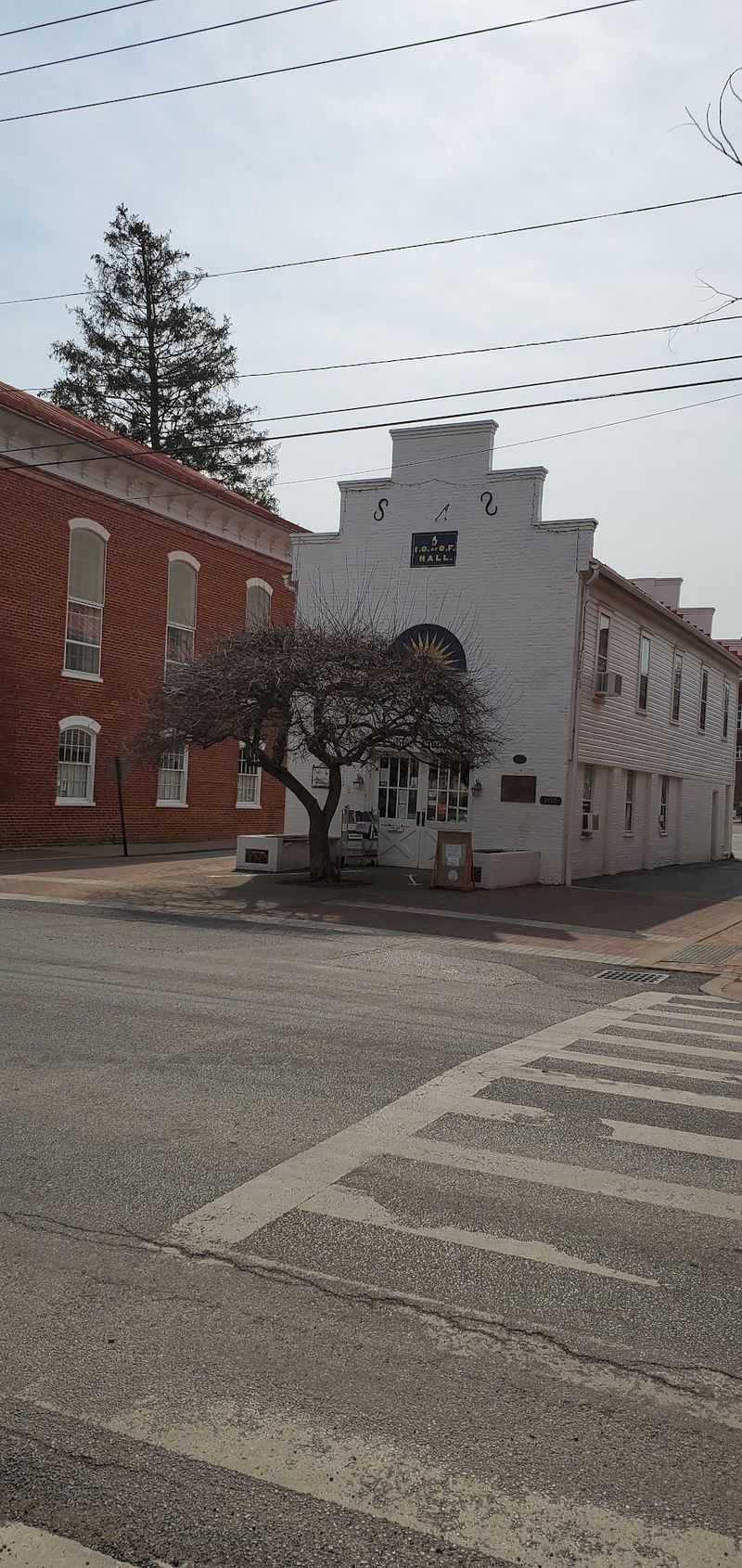
Planning a visit couldn’t be much simpler. Begin at the Shepherdstown Welcome Center inside the historic Market House.
It sits at the corner of German and King Streets. The address is 100 East German Street, Shepherdstown, West Virginia 25443.
Inside, you can pick up maps and brochures. Those make a self-guided tour of the historic district easy, even for first-timers.
The downtown area is compact and very walkable. You won’t need a detailed itinerary to enjoy yourself.
Some museums and small businesses keep seasonal or limited hours. A quick check ahead helps you catch the places you care about most.
Comfortable shoes are smart. Sidewalks in older towns can be uneven, and you’ll likely walk more than you planned.
A couple of hours covers the basics nicely. A full weekend lets you add Antietam, the river, a play, and a second round of shopping.
Shepherdstown, WV, earns its steady stream of visitors honestly. History, good food, independent shops, and a river view all share one friendly street.
I can’t think of a better reason to pull over. Bring curiosity and an appetite, then go walk German Street.
