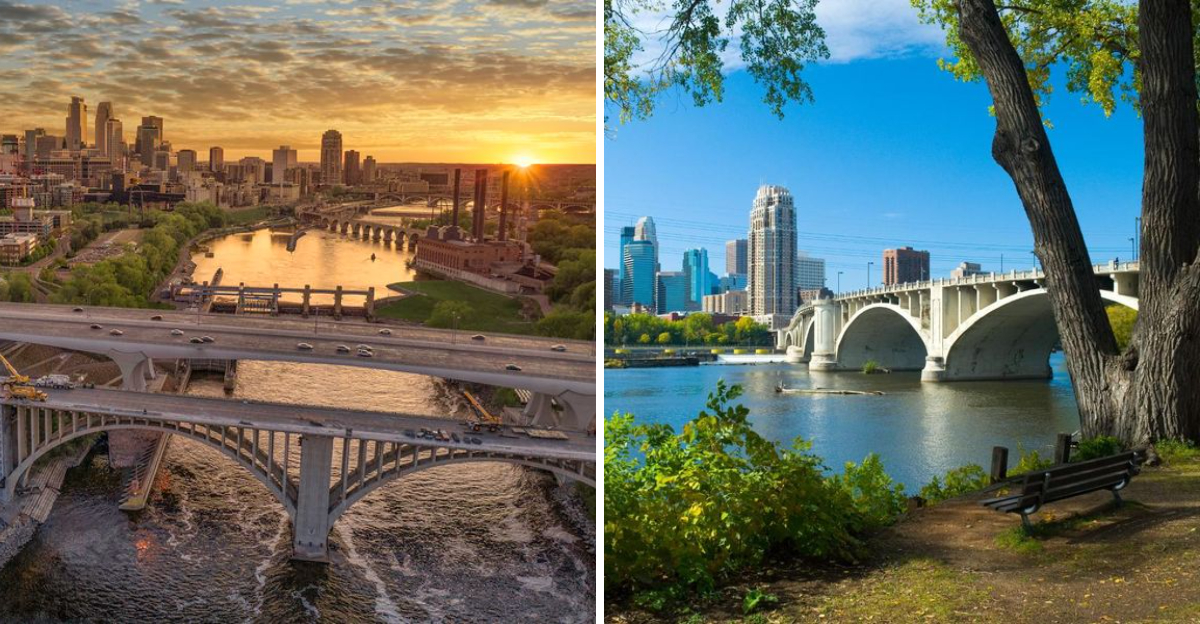
A city with four seasons and a lake near every neighborhood feels like a retirement dream. I watched seniors paddleboarding and biking at their own happy pace along the water.
Minnesota has a top ranked retirement spot where culture and nature live side by side. The parks are plentiful and the medical care is excellent and the airport makes travel easy.
I sat at a cozy cafe and heard retirees planning their next theater trip and lakeside hike. Minnesota offers an active lifestyle without the extreme heat or hurricane worries of southern states.
Winters are cold but the community embraces indoor gatherings and warm friendships that chase away isolation. Housing ranges from downtown condos to quiet bungalows with gardens for summer tomatoes.
You leave understanding why so many people choose to spend their golden years right here.
Healthcare Facilities That Rank Among the Nation’s Best
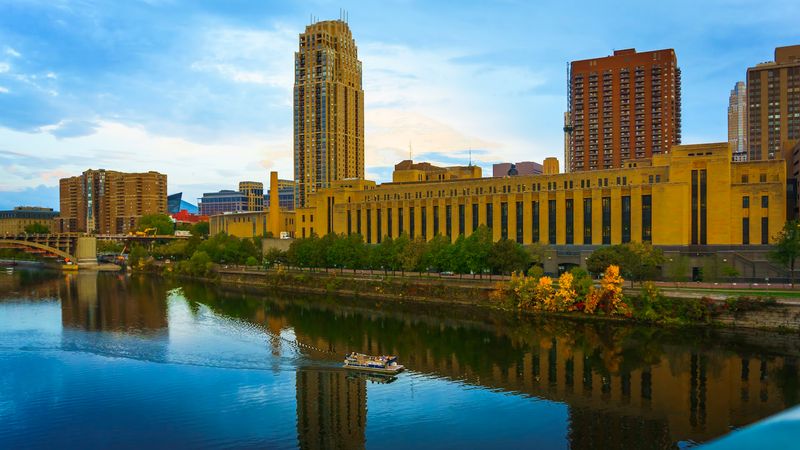
Good healthcare is one of the first things retirees think about. Minneapolis takes that concern seriously.
The city is home to world-class medical institutions that draw patients from across the country.
Allina Health, Fairview Health Services, and the University of Minnesota Medical Center all operate major facilities here. These are not small regional clinics.
They are full-service research hospitals with deep specialist networks.
Getting an appointment with a specialist in Minneapolis tends to be faster than in many other large cities. That matters a lot when health needs become more complex with age.
Proximity to top-tier care is genuinely reassuring.
The density of clinics, urgent care centers, and specialty practices across the metro area means most residents are never far from help. Preventive care programs, senior wellness centers, and community health initiatives are widely available.
Minneapolis consistently earns high marks in national health system rankings. For retirees, that kind of infrastructure is not just convenient.
It is genuinely life-changing.
A Park System That Makes Every Walk Feel Like an Adventure
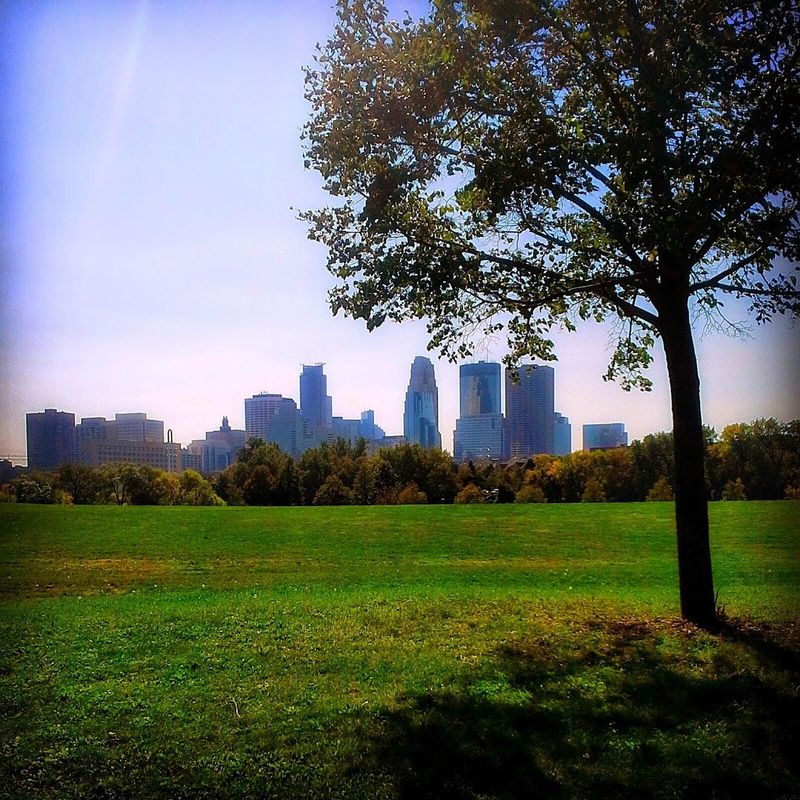
Walking through the Minneapolis park system for the first time felt like stumbling onto a secret. The city has over 180 parks spread across its neighborhoods.
That is a remarkable number for any major American city.
Lakes like Bde Maka Ska and Lake Harriet sit right inside the city limits. You can walk or bike their full loops without ever leaving town.
Retirees are out there every single morning, moving at their own pace.
The Chain of Lakes connects several of these beautiful spots. Paved and natural paths wind through each one.
It never feels crowded, even on a sunny Saturday.
Minneapolis has consistently ranked among the most park-rich cities in the country. Green space is not an afterthought here.
It is genuinely woven into daily life. For anyone who wants to stay active without a gym membership, this city delivers in a way that is hard to match anywhere else in America.
A Cultural Scene That Keeps the Mind Engaged and Curious

The Walker Art Center stopped me in my tracks. It sits on a hill overlooking the city with a bold, angular presence.
Inside, the contemporary art collection feels genuinely thought-provoking rather than stuffy.
Right next door, the Minneapolis Sculpture Garden stretches across eleven acres. Claes Oldenburg’s famous Spoonbridge and Cherry sculpture sits at its center.
It is one of those landmarks that makes you smile every single time you see it.
The Guthrie Theater is just a short drive away on the riverfront. It produces serious, high-quality stage productions year-round.
Retirees with a love of live performance are genuinely spoiled here.
The Minneapolis Institute of Art offers free general admission. The collection spans five thousand years of human creativity.
That kind of access to world-class art, without a recurring cost, is remarkable. Add the Weisman Art Museum and dozens of smaller galleries, and you have a city that keeps curious minds fully engaged.
Culture here is not seasonal. It is constant.
Affordable Cost of Living Compared to Other Major Cities

Compared to cities like San Francisco, New York, or Boston, Minneapolis feels like a financial breath of fresh air. Housing costs are significantly lower.
Your retirement savings simply stretch further here.
The median home price in Minneapolis is far more accessible than in many coastal metros. Renters also benefit from a competitive market with solid options across multiple neighborhoods.
You can find comfortable, well-located housing without spending everything you saved.
Groceries, utilities, and everyday expenses sit near the national average. That balance matters enormously on a fixed retirement income.
Small savings across daily life add up fast over the months and years.
Property taxes in Minnesota do come with some complexity, but the state offers meaningful exemptions and credits for older residents. Financial advisors who specialize in retirement planning are easy to find throughout the metro.
Minneapolis gives retirees genuine purchasing power. That quiet financial stability, the kind where you are not constantly watching every dollar, makes a real difference in how relaxed daily life actually feels.
Walkable Neighborhoods Full of Character and Community
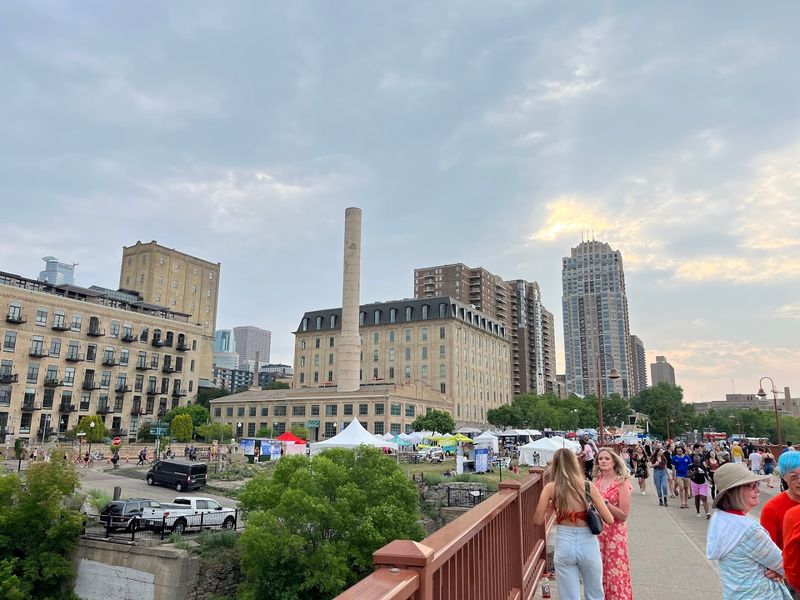
Uptown caught my attention immediately. The sidewalks were busy with people of all ages.
Small shops, coffee spots, and bookstores lined the street in a way that felt genuinely lived-in.
Minneapolis has several distinct neighborhoods, each with its own personality. Linden Hills feels quiet and residential.
Northeast Minneapolis has an artsy, creative energy that surprises first-time visitors.
Walkability scores in many Minneapolis neighborhoods rank well above average for a Midwestern city. Running errands on foot is genuinely possible.
That kind of independence matters deeply for retirees who want to stay mobile without relying entirely on a car.
Community bulletin boards, neighborhood associations, and local events create a strong sense of belonging. Farmers markets pop up regularly across the city during warmer months.
The Mill City Farmers Market near the riverfront is a particularly beloved gathering spot. Neighbors actually know each other here.
That social fabric, built slowly through shared spaces and regular interaction, is exactly the kind of thing that makes retirement feel rich rather than lonely.
A Strong Public Transportation Network Worth Trusting
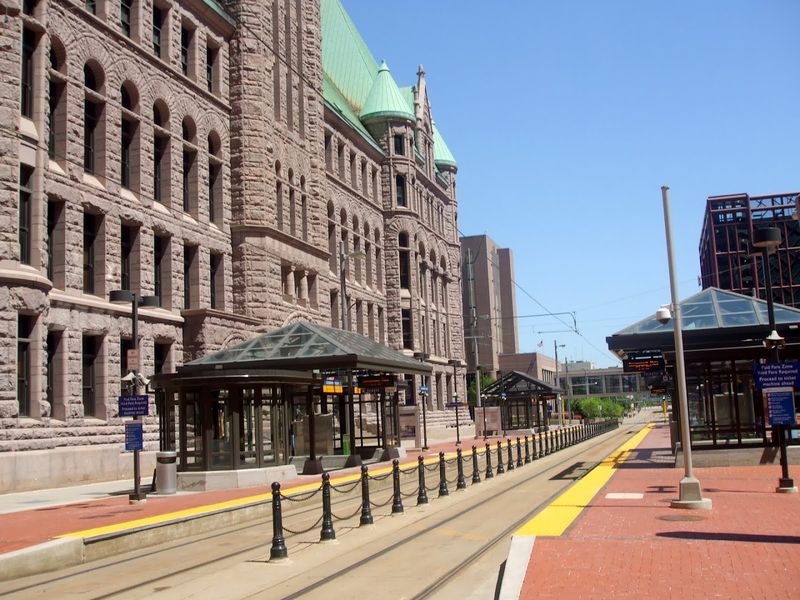
Not everyone wants to drive in retirement, and Minneapolis gets that. The Metro Transit system covers the city and surrounding suburbs with buses and light rail lines.
It is more reliable than you might expect from a cold-weather city.
The Blue Line and Green Line light rail connect downtown Minneapolis to the airport, the Mall of America, and St. Paul. Trips that once required a car can now happen comfortably by rail.
That independence is quietly liberating for older adults.
Bus routes cover neighborhoods that light rail does not reach. The network is fairly comprehensive for a city this size.
Senior fare discounts make regular transit use even more budget-friendly.
The city has also invested in protected bike lanes and pedestrian infrastructure. Even in winter, Minneapolis maintains many of its paths better than expected.
Skyway systems in downtown connect buildings above street level. Staying warm while getting around is actually possible here.
For retirees who want freedom without car dependency, Minneapolis offers real, practical options.
Four Seasons That Each Bring Something Worth Experiencing
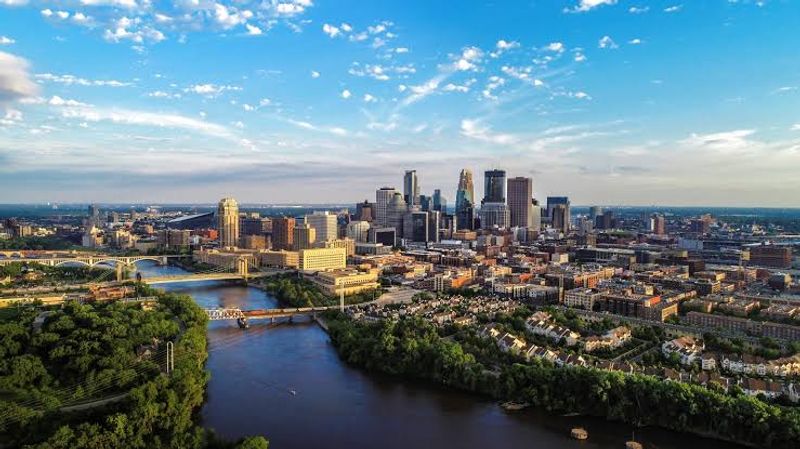
Yes, Minneapolis winters are cold. That is simply true, and worth acknowledging honestly.
But the city leans into winter rather than hiding from it. Ice skating, snowshoeing, and cross-country skiing are all popular and accessible.
Spring in Minneapolis arrives with real enthusiasm. Trees bloom quickly.
The parks fill up with people who have been waiting patiently for warmer air.
Summer here is genuinely beautiful. Long daylight hours, outdoor concerts, lake swimming, and neighborhood festivals make June through August feel almost magical.
The city transforms in a way that rewards those who stayed through February.
Fall brings brilliant color to the tree-lined streets and lakeshores. Temperatures cool gently before the first frost arrives.
Each season has a distinct rhythm. Retirees who enjoy variety and who do not mind layering up in January will find that Minneapolis rewards seasonal living in deeply satisfying ways.
The city has built a culture around embracing the weather rather than simply enduring it. That mindset is genuinely contagious.
World-Class Dining That Goes Far Beyond Comfort Food
Minneapolis has a food scene that genuinely surprised me. I expected hearty Midwestern staples, and those exist.
What I did not expect was the depth and creativity across so many different cuisines.
The city has a large and vibrant Somali community, one of the largest in the United States. Somali restaurants on Nicollet Avenue offer deeply flavorful dishes that are unlike anything you find in most American cities.
That cultural richness shows up beautifully on the plate.
Hmong, Mexican, Ethiopian, and Vietnamese restaurants are all well-represented across the metro. James Beard Award nominees and winners have called Minneapolis home.
The local dining scene punches well above its weight nationally.
Farmers markets supply many restaurants with fresh, local ingredients throughout the growing season. The farm-to-table ethos here feels genuine rather than performative.
For retirees who love food as a way of exploring culture and community, Minneapolis offers endless discovery. Meals here rarely feel routine.
There is always something new and genuinely delicious waiting just around the corner.
A Thriving Senior Community With Real Social Connection

Retirement can feel isolating in the wrong city. Minneapolis works hard to make sure that does not happen.
Senior centers, community organizations, and lifelong learning programs are genuinely abundant here.
The University of Minnesota offers continuing education options specifically designed for older adults. Classes in history, art, science, and technology keep minds sharp and social calendars full.
Learning alongside others creates friendships that last.
The Minneapolis Park and Recreation Board runs programming specifically for seniors throughout the year. Fitness classes, art workshops, and group outings are all part of the regular schedule.
None of it feels like an afterthought.
Volunteer opportunities are plentiful for retirees who want to stay involved and contribute. Nonprofits, schools, libraries, and community gardens all actively welcome older volunteers.
That sense of purpose, the feeling that you still matter and still give something back, is enormously important for wellbeing. Minneapolis builds that into its civic fabric naturally.
The result is a retirement community that feels connected, active, and genuinely alive.
The Mississippi River Corridor Adds a Layer of Natural Magic

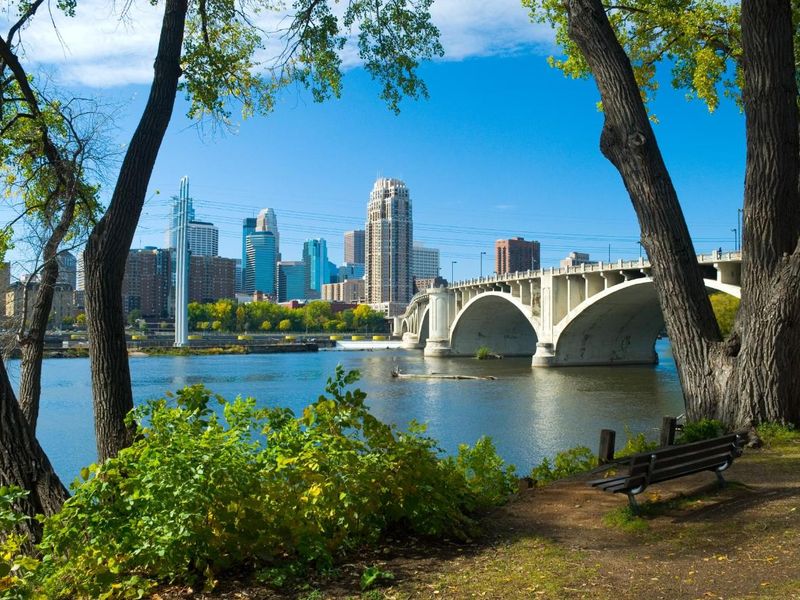
The Mississippi River runs right through Minneapolis, and it shapes the city in ways that are easy to love. The riverfront has been thoughtfully developed over the past few decades.
What was once industrial land is now parkland, trails, and gathering spaces.
The Mississippi National River and Recreation Area protects a stretch of the river that passes through the heart of the city. Bald eagles nest in the gorge.
Great blue herons wade in the shallows with patient, unhurried grace.
Stone Arch Bridge offers one of the best walks in the entire city. The views of St. Anthony Falls and the downtown skyline from that bridge are simply stunning.
It feels historic and alive at the same time.
Father Hennepin Bluffs Park sits just below the bridge and offers shaded benches and river views. It is the kind of spot where you can sit quietly for an hour and feel completely restored.
For retirees who crave nature woven into urban life, the river corridor delivers something genuinely rare and deeply peaceful.
