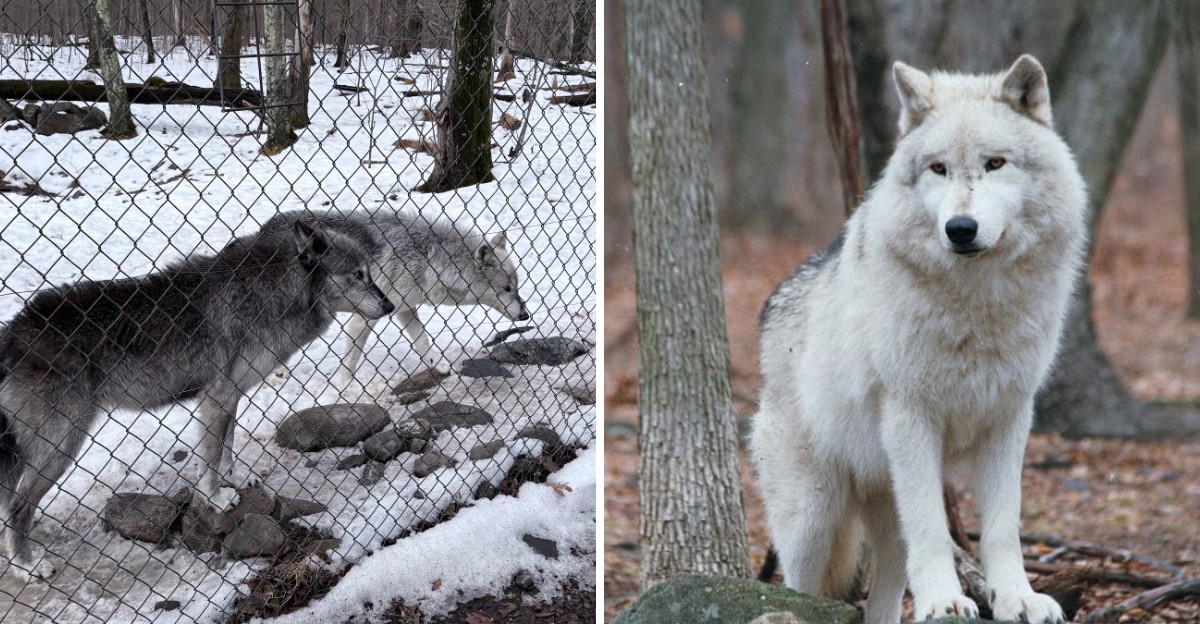
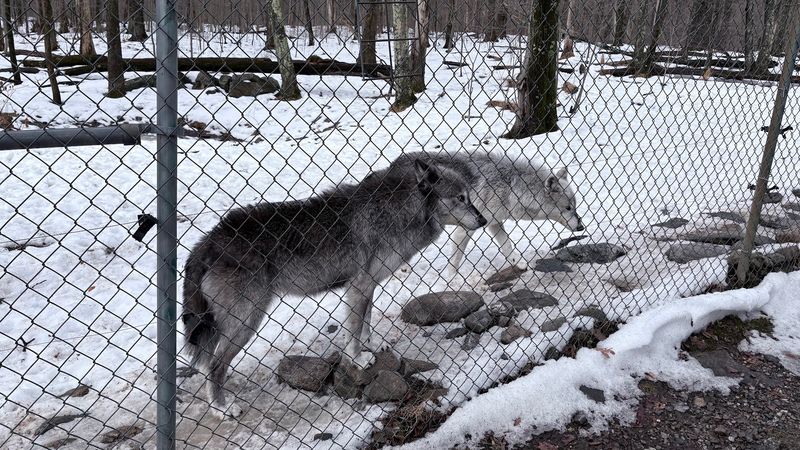
Four packs of wolves live in separate wooded enclosures at the preserve, giving visitors a chance to observe them in spacious natural habitats. In winter, their coats grow thick and fluffy.
They also tend to get extra playful when the air turns cold.
I like how this place feels more like a forest than a zoo. Each wolf compound is about the size of a football field.
Bobcats and foxes live here too, just to keep things interesting.
The whole visit happens outdoors in the mountains of northwest New Jersey. You either hop on a shuttle or hike a half-mile trail to reach the animals.
When snow covers the ground, the hike may be your only ride.
I can’t imagine a better soundtrack for a frosty morning than a pack howling through bare trees. Would you bundle up for that?
Thick Winter Coats Turn Every Wolf Into A Furry Superstar
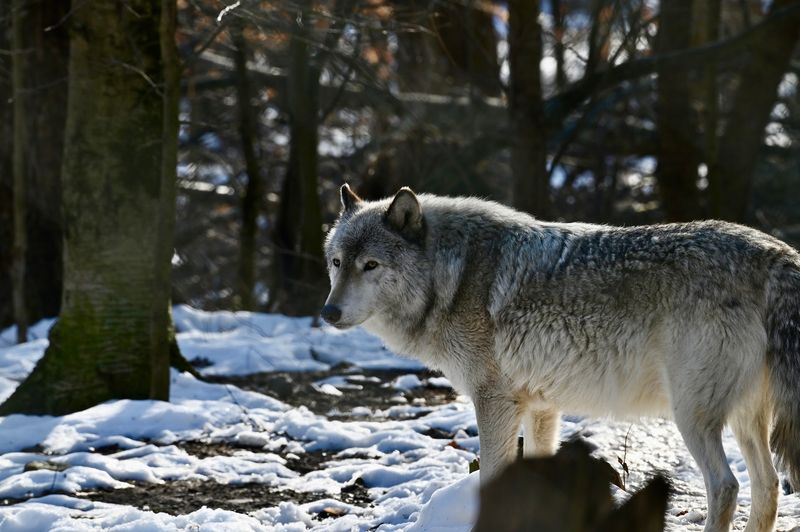
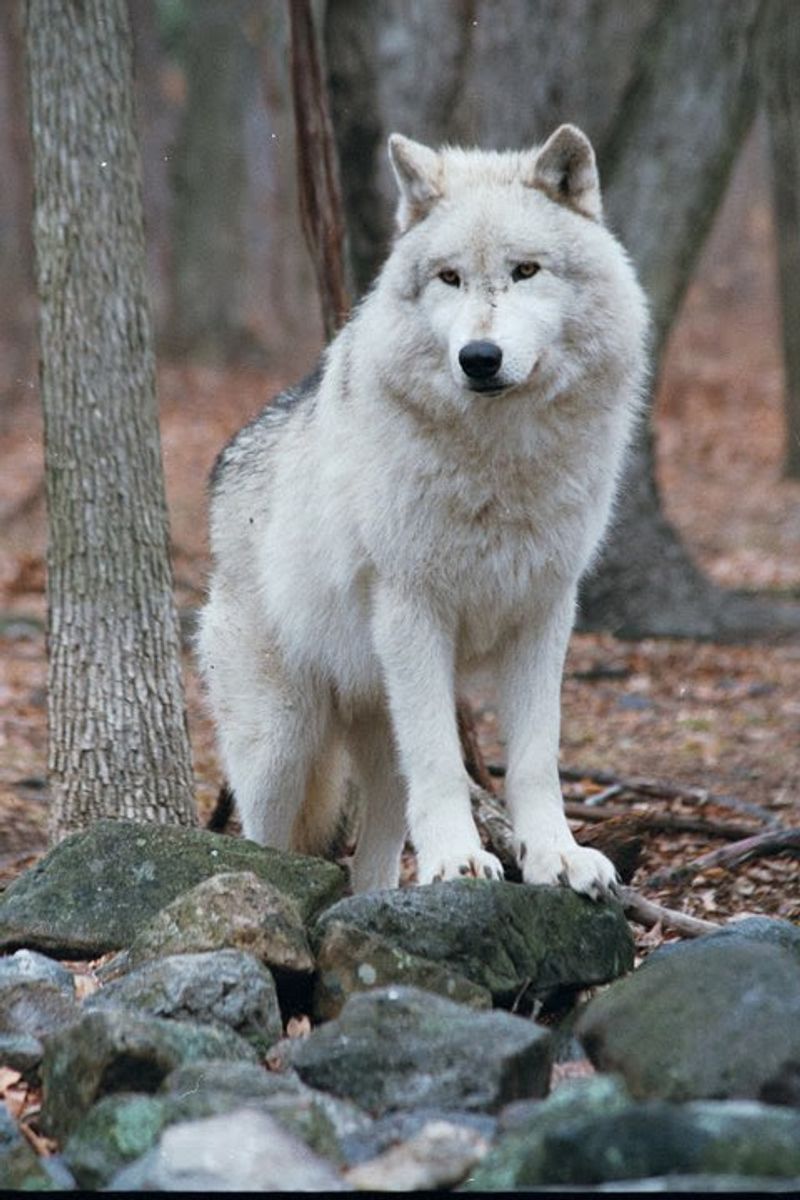
Cold weather gives the wolves at Lakota Wolf Preserve a serious wardrobe upgrade. Their coats grow thick, full, and gorgeous once winter arrives.
That extra fluff isn’t just for looks. It keeps the wolves warm while they roam their wooded homes in the chilly mountain air.
Here’s the fun part for visitors. Wolves often get more energetic and active when temperatures drop.
So while you’re stomping your boots to stay warm, they might be chasing each other through the trees. Honestly, they seem to enjoy winter far more than most of us do.
The preserve cares for several kinds of wolves. Timber, Arctic, Tundra, and British Columbian packs each live here.
Arctic wolves stand out beautifully with their pale coats. Against dark tree trunks, they look almost glowing on a gray day.
Timber wolves bring richer shades of gray and brown. Seeing the different packs side by side helps you notice how unique each type looks.
A little snow on their backs only adds to the show. If you’ve only seen wolves in summer photos, winter will feel like meeting them for the first time.
Football-Field Sized Homes Give These Packs Room To Roam
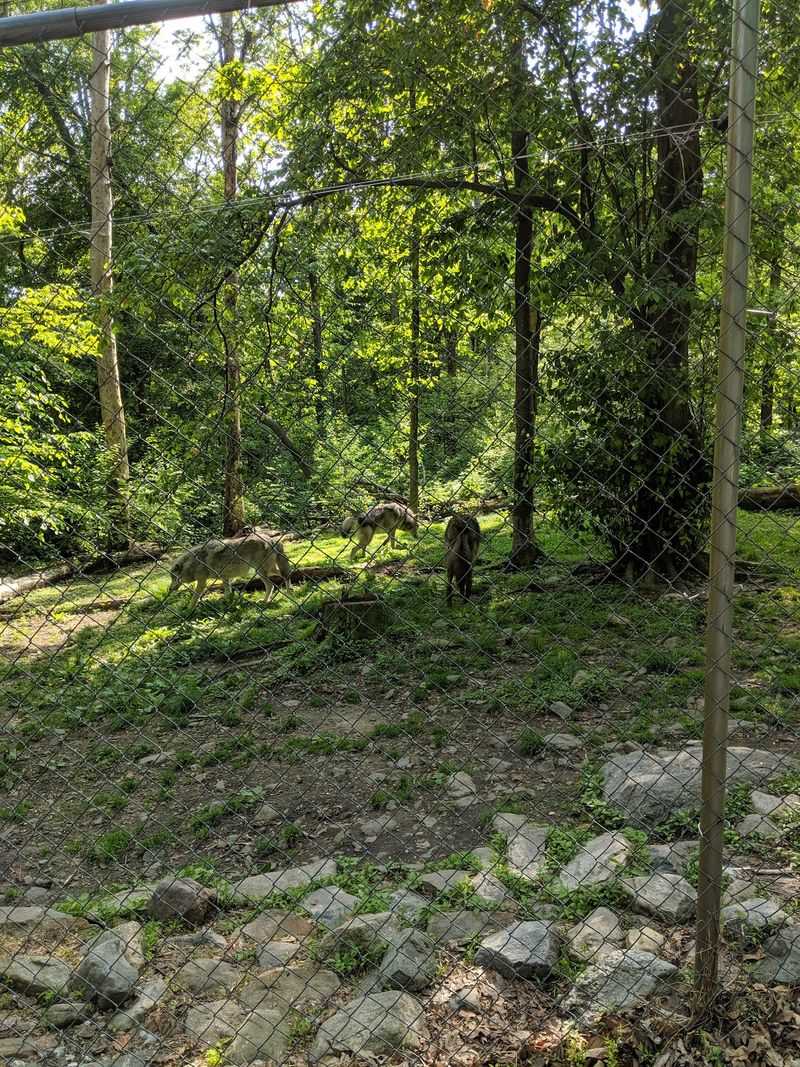
Big spaces make a big difference. Each of the four main wolf compounds here is roughly the size of a football field.
That means plenty of trees, rocks, and room to explore. The wolves can run, rest, and play in a setting that looks like real forest.
The whole preserve covers ten acres in the Kittatinny Mountains. It sits within the grounds of Camp Taylor Campground, though it operates as its own separate place.
An extra compound holds the bobcats and foxes. Wolf pups also use it during their socialization period.
Safety gets serious attention too. Two rows of fencing surround the areas, buried six inches deep.
Three rows of barbless wire cantilever top the fences. That setup keeps the animals secure while giving them a natural feel.
From a central observation area, you can watch the packs move through their woods. They play, interact, and sometimes wander right up toward the fence line.
In winter, bare branches open up the view even more. Fewer leaves means better chances to spot a wolf trotting between the trees.
Your Guides Are The Same People Who Raised These Animals
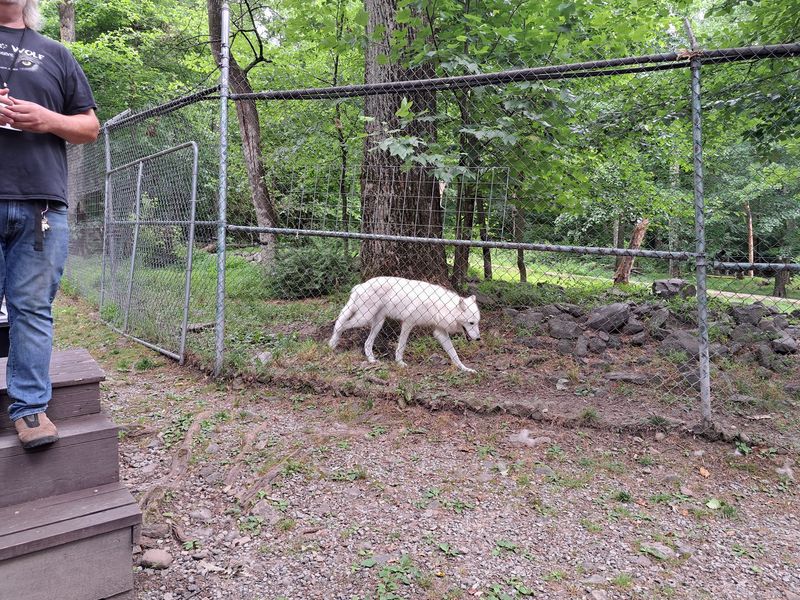
Few tours come with this kind of inside knowledge. The owners, Jim Stein and Becky Mace, lead the Wolf Watch Tours themselves.
They also raise and care for every animal at the preserve. So when they talk about a wolf, they’re talking about someone they know well.
Jim Stein co-founded the preserve in 1998 with Dan Bacon. After Dan passed in 2015, Jim and Becky kept the mission going.
That long history shows up in the stories they share. Each wolf has a background, and you’ll likely hear some of it.
The talks cover pack social life and what wolves eat. You’ll also learn how wolves interact with people and how they behave in general.
It’s a lot of info, but it never feels like a boring lecture. Watching the animals while you listen makes everything click faster.
Bring your questions, too. A guided tour is the perfect chance to finally ask why wolves howl or who’s really in charge of a pack.
You’ll head home knowing far more than you expected. Your friends may get tired of hearing wolf facts for a week.
Chase The Paw Prints Up A Snowy Half-Mile Trail
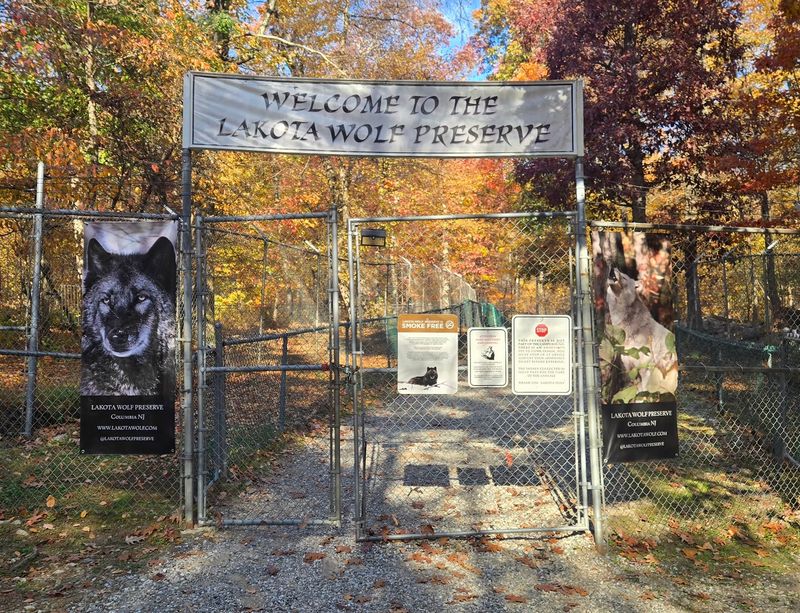
Getting to the wolves is part of the adventure. The animals aren’t right next to the parking area, so you’ve got two choices.
You can take a shuttle bus up to the preserve. Or you can follow a half-mile nature walk through the woods.
The trail is short, but expect some rocky ground. Good shoes matter, and in winter, sturdy boots matter even more.
Here’s the big winter tip. Snow and ice can make access unsafe, and the preserve may cancel tours when winter conditions become too hazardous.
Checking ahead before you leave home is a smart move. It saves surprises if the roads up the hill are slippery that day.
Walking does have its perks. Frosty trees, crunchy snow, and quiet woods make the trip feel like a mini expedition.
You might even hear howls drifting through the forest before you arrive. That’s one way to build excitement without a single sign.
Give yourself extra time if you plan to hike. Arriving rushed and sweaty in your parka is nobody’s idea of fun.
Listen Closely, Because A Pack Howl Might Steal The Show
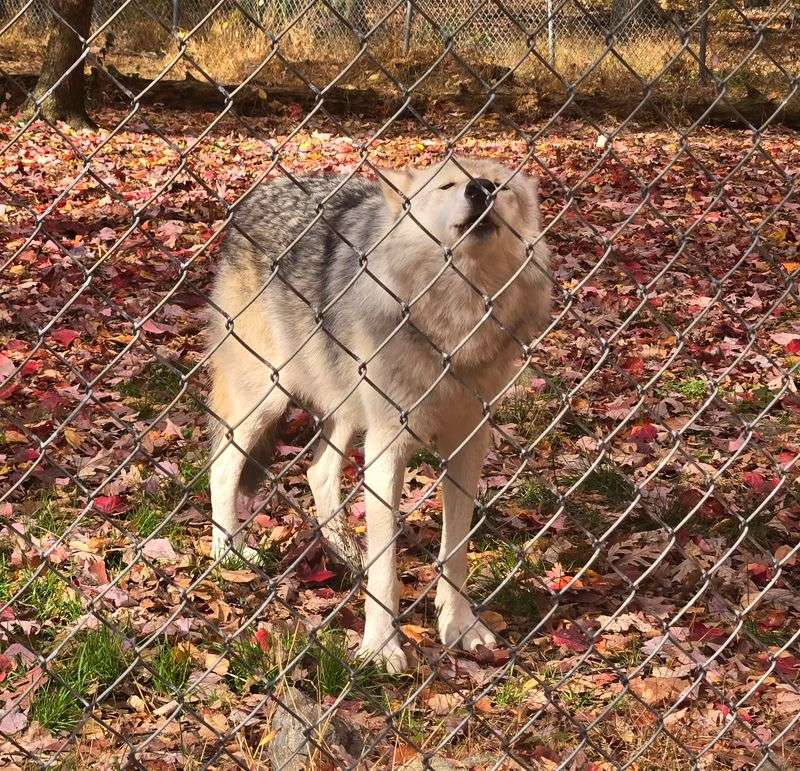
Some moments can’t be scheduled. A wolf howl is one of them, and it’s the moment many visitors hope for most.
Wolves at the preserve occasionally howl while groups watch. When one starts, others often join in.
The sound carries through the trees in a way that’s hard to describe. Eerie and beautiful at the same time is about as close as words get.
Winter may make it feel even more dramatic. Bare woods and still, cold air create a perfect stage for that haunting chorus.
Wolves howl for many reasons in the wild. They use it to communicate with pack members and keep track of one another.
Your guide may explain more about why it happens. Learning the reasons makes hearing it even cooler.
One helpful note for your visit. Loud noises and yelling can stress the animals, so keep voices calm.
That’s especially worth remembering with excited kids. A quiet crowd gives the wolves a relaxed space, and that’s when the magic tends to happen.
Fingers crossed for a full-pack performance.
Bobcats, Foxes, And Lynx Bring Bonus Charm
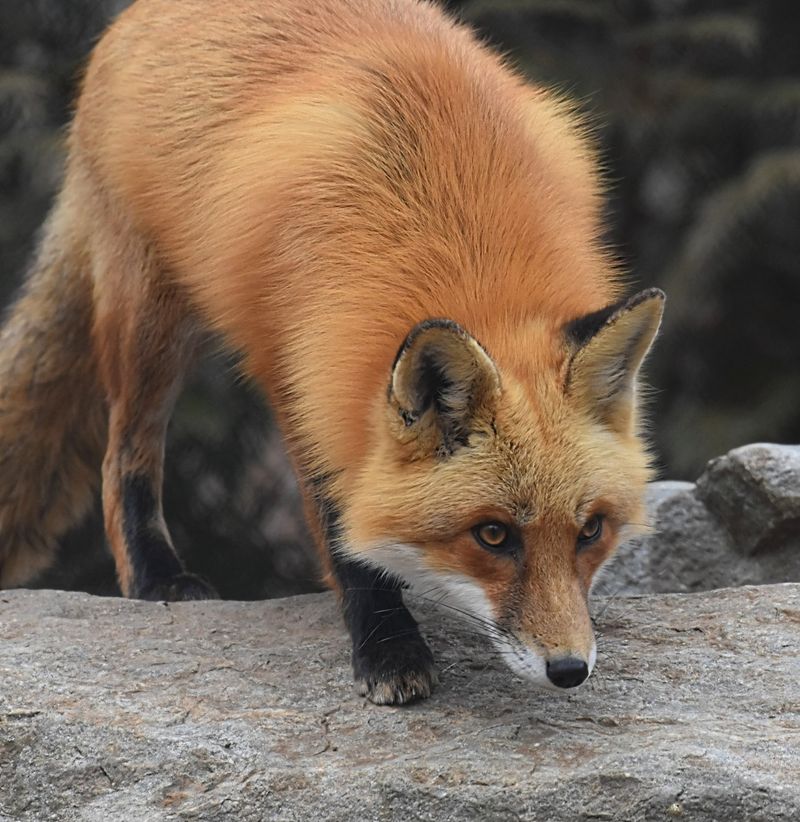
Wolves get top billing, but the supporting cast is pretty great. Lakota Wolf Preserve also cares for bobcats and foxes.
The preserve also houses foxes, a bobcat, and a lynx, which visitors can see and learn about after the wolf portion of the guided tour.
After the wolf portion, tours usually move along to see these smaller residents. It’s a fun change of pace after watching big packs.
Bobcats are sleek, spotted, and famously secretive in the wild. Getting a good look at one is a real treat.
Foxes add a playful, curious energy. Of course, they might also be curled up napping, because foxes keep their own schedule.
Winter suits these animals nicely too. Their coats thicken up, and a fox against white snow is downright photogenic.
Lynx are known for their tufted ears and big, padded feet. Those feet work like snowshoes, which feels very on theme for a winter trip.
Seeing several species in one visit makes the day feel fuller. It’s also a great way to keep younger visitors interested from start to finish.
Photographers Get Their Own Special Window Into The Pack
Fences and cameras don’t usually get along. Lakota Wolf Preserve solves that problem with private photography sessions.
These guided sessions use special portal openings. That gives photographers unobstructed views of the animals.
No wire lines across your shot. No awkward angles trying to squeeze a lens between fence gaps.
Winter is a dream season for wildlife photos here. Thick coats, snowy ground, and frosty trees create a stunning backdrop.
Active wolves make for exciting action shots too. Cold weather tends to bring out their playful side, so be ready.
Bring extra batteries if you go in winter. Cold air drains them faster than you’d expect.
Gloves that let you work camera buttons are also handy. Frozen fingers and tiny dials are not a winning combo.
Even if you’re not a pro, a session can be a memorable gift. It’s a chance to capture images that look like they came from a nature magazine.
Just remember the wolves set the pace. Patience usually earns the best frame.
Plan Ahead, Bundle Up, And Book Before You Go
Walk-ins won’t work here. Wolf Watch Tours must be booked online in advance.
The preserve runs tours Tuesday through Sunday and closes on Mondays. It isn’t open to the public all day, so timing matters.
You’ll find it at 89 Mt Pleasant Rd, Columbia, NJ 07832. It sits in Warren County, near the Delaware Water Gap region.
Arriving early is a good idea. You’ll sign in and get parking sorted before heading up to the animals.
Everything happens outdoors, with no shelter from the weather. In a New Jersey winter, that means dressing like you mean it.
Think layers, a warm hat, gloves, and waterproof boots. Hand warmers in your pockets wouldn’t hurt either.
Restrooms are available at the entrance area. Use them before you go, since the walk and tour take some time.
Check road and trail conditions before leaving home. Snowy days can change how you reach the preserve.
A little planning goes a long way. Show up prepared, and you can focus on the wolves instead of your frozen toes.
A Mission That Makes Every Visit Matter More
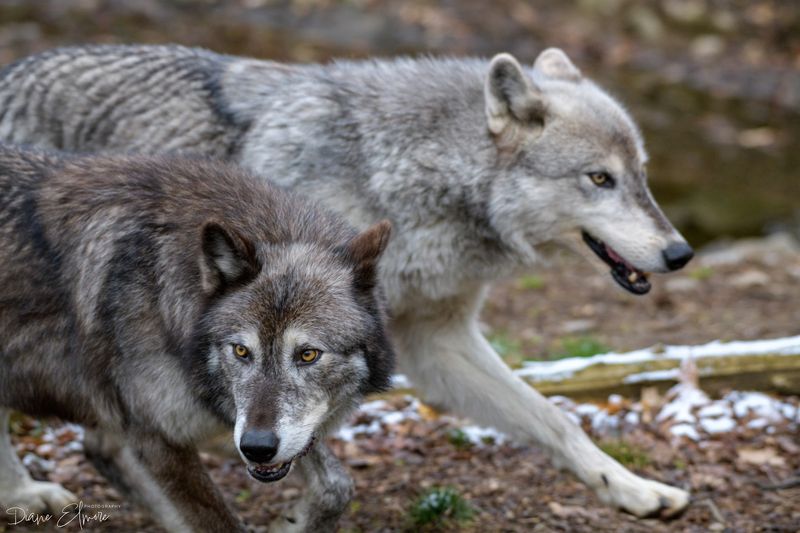
Behind all the fluffy coats and howls sits a meaningful purpose. Lakota Wolf Preserve gives a natural home to animals born in captivity.
These animals can’t be released into the wild. The preserve offers them space, care, and woods to call their own.
Education is the other half of the mission. The preserve teaches people about wolves and why protecting wildlife matters.
It runs as a non-profit organization. That’s been part of the story since Jim Stein and Dan Bacon founded it in 1998.
Many people grow up with scary wolf stories. Fairy tales haven’t exactly done these animals any favors.
Seeing real wolves up close can change that picture fast. You notice their family bonds, their personalities, and how much they communicate.
A winter visit wraps all of this in a little extra wonder. Snow, quiet woods, and a howling pack make the lessons stick.
New Jersey might not be the first place you’d expect to meet wolves. After one trip here, it may be the first place you recommend.
