Goosebumps arrived on a quiet patch of grass beside a creek in Pennsylvania, which is not what anyone expects from a history lesson. Back in 1859, a small crew drilled just 69 and a half feet into the ground here and struck oil.
That one well kicked off the modern petroleum industry and changed how the whole planet lights homes, moves goods, and travels. Today the site is a green, peaceful museum and park full of hissing machines, old tools, and big stories.
The machines still hiss and clank, and the tools look like they were set down yesterday. Walking the grounds, the story of how one hole in the ground changed everything feels close enough to touch.
A whole afternoon disappeared there, and more time was still wanted. History you can touch, hear, and smell fills this corner of the state, and it deserves a spot on any road trip list.
The Replica Engine House Over the Original Well
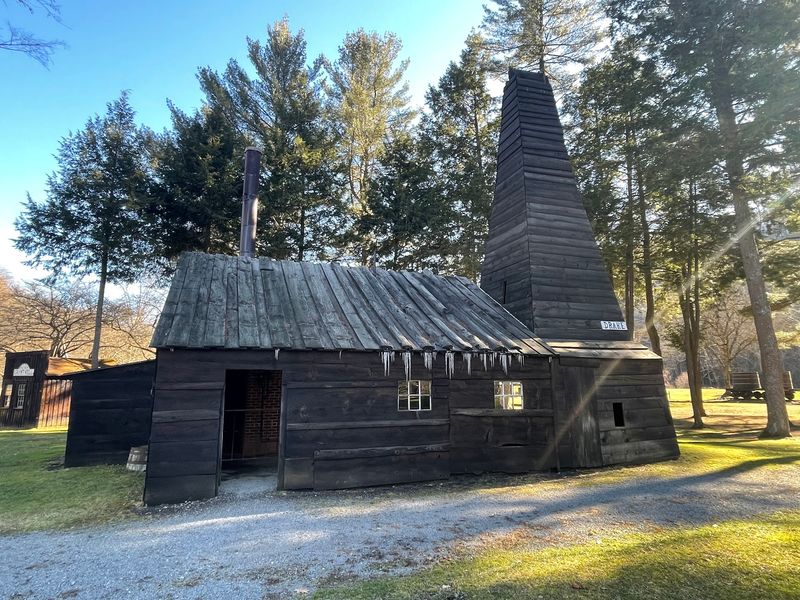
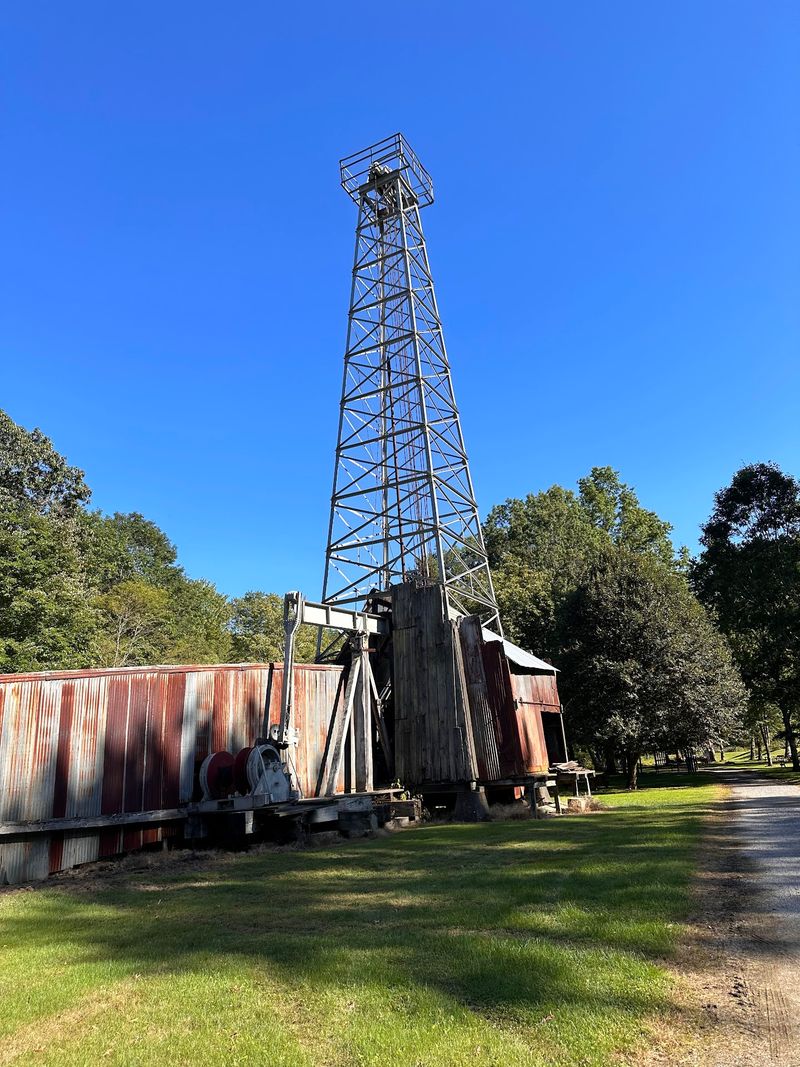
My first stop was the little wooden engine house, and I honestly grinned when the steam engine started chugging. The building is a board-for-board replica of Drake’s original, and it sits right over the actual well from 1859.
Edwin Drake came to Titusville working for the Seneca Oil Company. His job sounded simple but was really hard: find enough crude oil to sell and refine into kerosene.
Locals thought the plan was silly and called it Drake’s Folly. On August 27, 1859, the joke was over, because the well hit oil at 69.5 feet.
The replica shows how the whole setup worked, from the tall derrick to the steam power that drove the drill. Staff can turn the equipment on, and hearing it run makes the past feel very close.
The rhythm of the pump is oddly calming, almost like a heartbeat for the valley.
Take a moment to look at the ground beneath the structure. It is easy to forget that a single hole here led to cars, planes, and plastics.
The site was named a National Historic Landmark in 1966, and it earns that title. Bring a camera, because the wooden beams look wonderful against the green hills.
Uncle Billy Smith and the Clever Iron Pipe
Here’s a fun twist I loved learning about: the real hands-on hero of the drilling was a salt well driller and blacksmith named William Smith. People called him Uncle Billy, and his skills turned Drake’s idea into a working well.
Back then, folks already drilled for salt water, so Smith borrowed those methods. The trouble was the soft, wet ground near Oil Creek, which kept caving in and filling the hole with water.
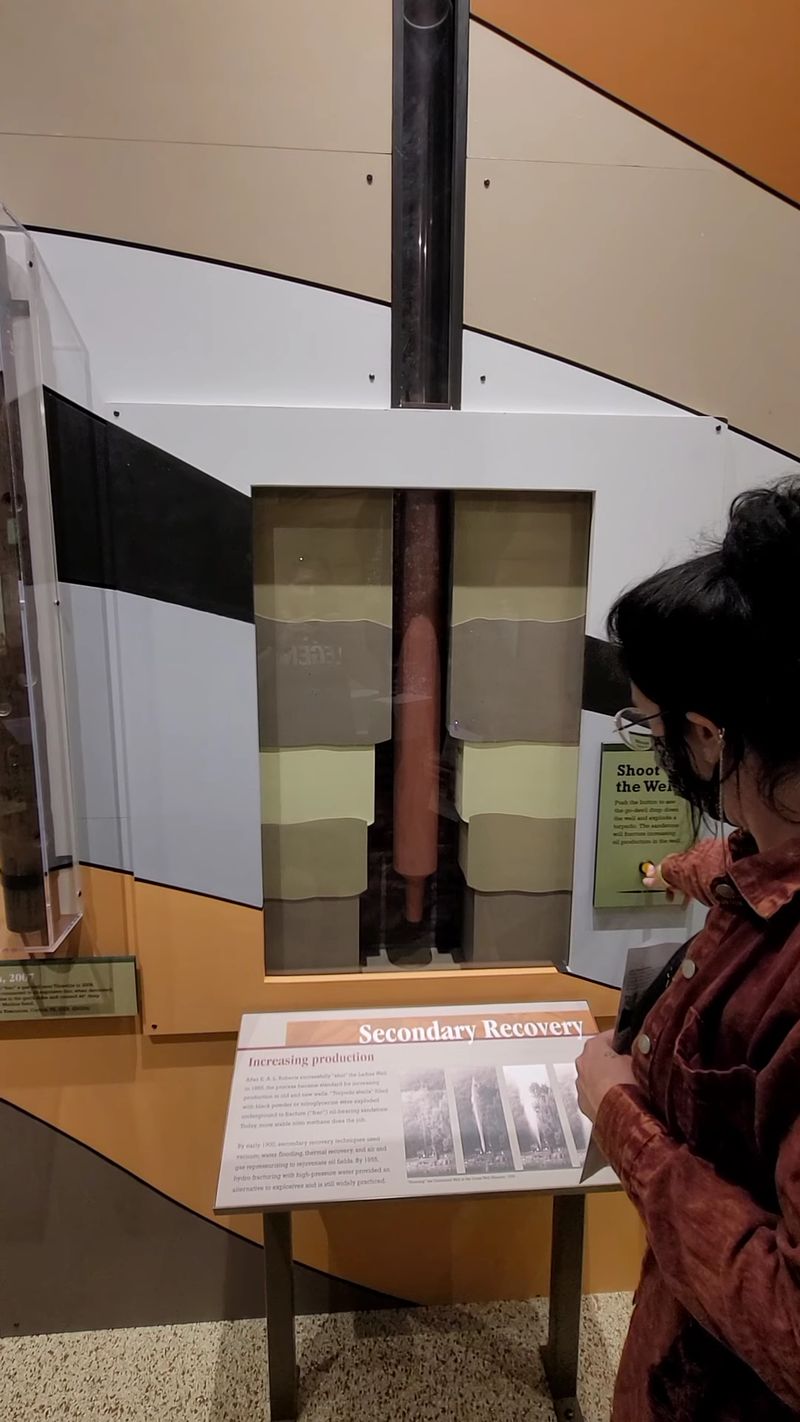
Their fix was smart and simple. They drove an iron pipe down into the earth to hold the walls in place, then drilled inside it.
That pipe trick, called casing, is still used in wells around the world today. Think about that next time you fill up a car.
A blacksmith’s practical thinking in the 1850s still shapes huge modern machines.
The exhibits explain this idea in a way that even younger kids can follow. I found myself reading every sign, picturing muddy boots and clanging metal.
The site was named a Historic Mechanical Engineering Landmark in 1979, mostly because of this kind of problem solving. If you have a budding engineer in your family, this part of the visit might be their favorite, so give them plenty of time to explore.
Twelve Thousand Square Feet of Indoor Wonders
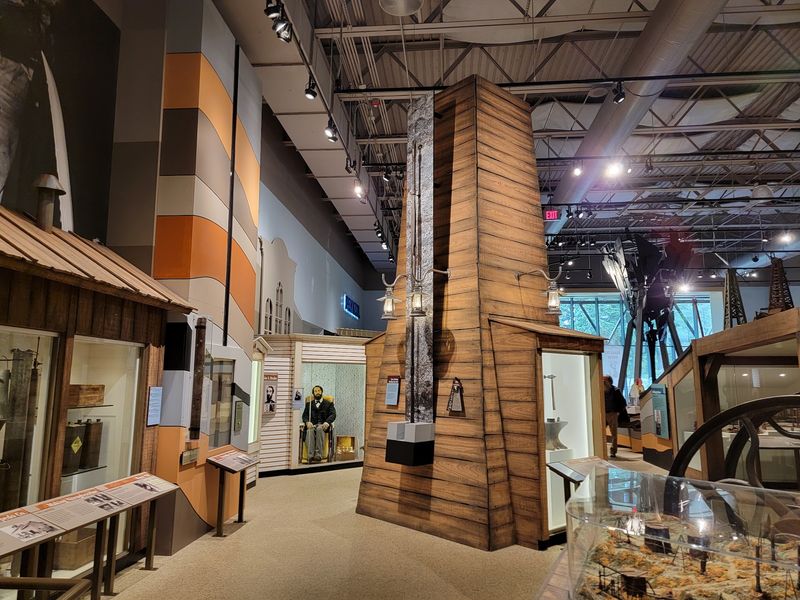
Inside the museum, I slowed way down. The building holds about 12,000 square feet of exhibits, and it houses the largest collection of artifacts and archives about the modern petroleum industry anywhere on Earth.
The layout walks you through time in a clear path. You start before the first well was drilled, then move all the way to the present.
Along the way, you learn how petroleum forms deep underground over millions of years and how people figured out ways to pull it up. There are vintage gas pumps that look like shiny old robots, plus plenty of hands-on displays.
My tip is to begin with the orientation film. It gives you the big picture of the valley’s story, which makes every case and object afterward more meaningful.
Kids will enjoy the interactive stations, and some school groups even get scavenger hunts.
One surprise for me was the section on money and business. The oil rush shaped banking and investing in ways I never thought about.
The rooms feel bright, clean, and modern, so it never gets stuffy. Plan for at least an hour or two in here alone, because the details add up fast and you won’t want to rush.
Rusty Giants on the Outdoor Grounds
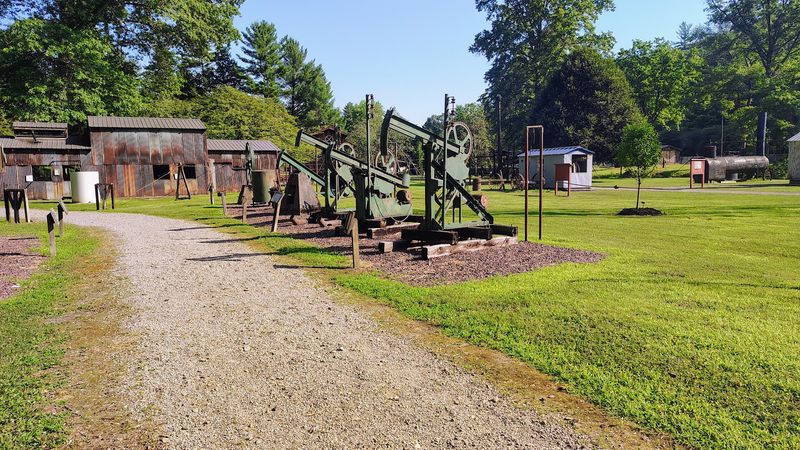
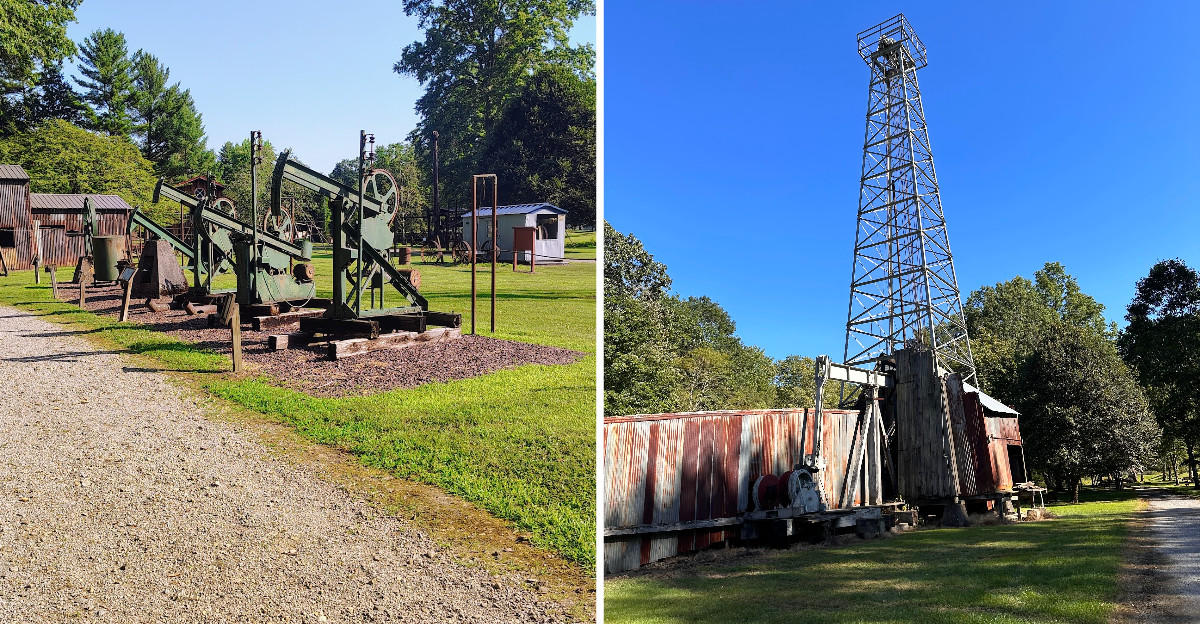
Outside, the grounds look like a giant’s toolbox spilled across a lawn, and I mean that in the best way. Old oil field machines sit along tidy paths, some working and some resting quietly in the sun.
You’ll see pumps, engines, and gear that once kept wells running across the region. A few pieces are operating machinery, so you might catch the slow up-and-down nod of a pump.
The sound and motion help you understand how much muscle and steam it took to produce oil in the early days.
The signs are easy to read and help you find your way. Wear comfy shoes, since you’ll rack up plenty of steps while wandering between exhibits.
On a warm afternoon, the grass smells fresh and the metal glints in the light.
I liked how the outdoor space lets you get close to the equipment. Seeing the bolts, gears, and worn wood up close made the history feel real, not like a picture in a book.
Little ones tend to love the big shapes and noises. Photographers will find great angles too, especially with the trees and hills behind each machine.
Take your time out here, because every corner seems to hide another odd contraption.
Barrels, Coopers, and the Messy Job of Moving Oil
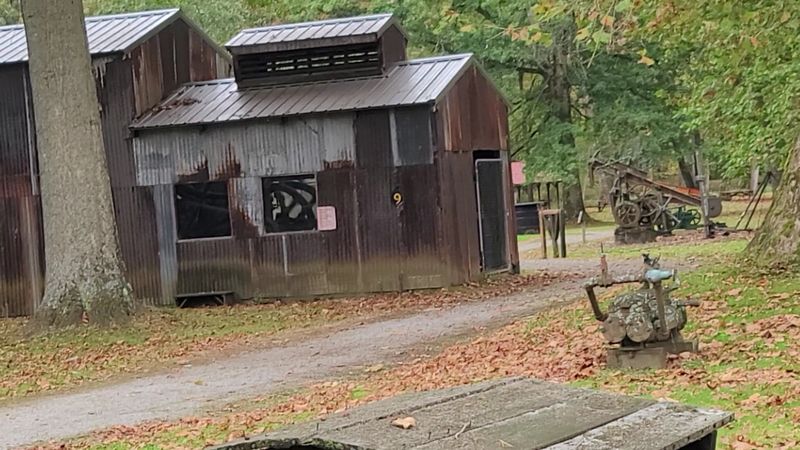
Getting oil out of the ground was only half the battle. Moving it was a whole other headache, and the museum tells this part of the story really well.
In the early days, oil traveled in wooden barrels. That meant coopers, the skilled workers who made barrels by hand, suddenly became very important.
I never thought I’d find barrel making so interesting, but the exhibits made me appreciate the craft. Each barrel had to be tight and strong enough to hold slippery crude without leaking.
As the boom grew, people needed better ways to ship oil. New railroads popped up, and the first oil tank cars rolled onto the tracks.
Pipelines came next, carrying oil over long distances. These inventions laid the groundwork for the energy systems we still rely on.
Railroad tracks run near the park today, and spotting a passing train adds a fun bonus to the trip. It is a neat reminder of how trains and oil grew up together in this valley.
The displays connect small daily jobs to massive changes in the world. For me, that was one of the most eye-opening lessons of the whole visit, and it gave me new respect for the workers behind it all.
How a Small Town Lit Up the Planet
Picture a world lit by candles and whale oil lamps. Before 1859, that was normal life, and good light was pricey and hard to get.
Drake’s success changed everything. Oil from this valley was refined into kerosene, a safe and affordable fuel for lamps.
Families everywhere began using it, and the demand for whale oil dropped. I loved imagining homes across the world glowing a little brighter because of a hole in Pennsylvania mud.
The boom moved fast. Titusville grew quickly, and brand new towns like Pithole City sprang up almost overnight.
Within six years, Pennsylvania was producing more than 80 percent of the world’s oil supply. That number made my jaw drop.
Here’s a twist: Drake’s own well dried up fairly soon, and falling oil prices meant it never made him rich. Still, the idea had already spread like wildfire.
Petroleum went on to power vehicles, aircraft, and ships, and it became the base for countless everyday products.
The museum handles this big picture with care. It honors the 2009 title of National Historic Chemical Landmark by showing how one discovery touched science, business, and daily life all at once.
Trails, Fly Fishing, and Picnics by Oil Creek
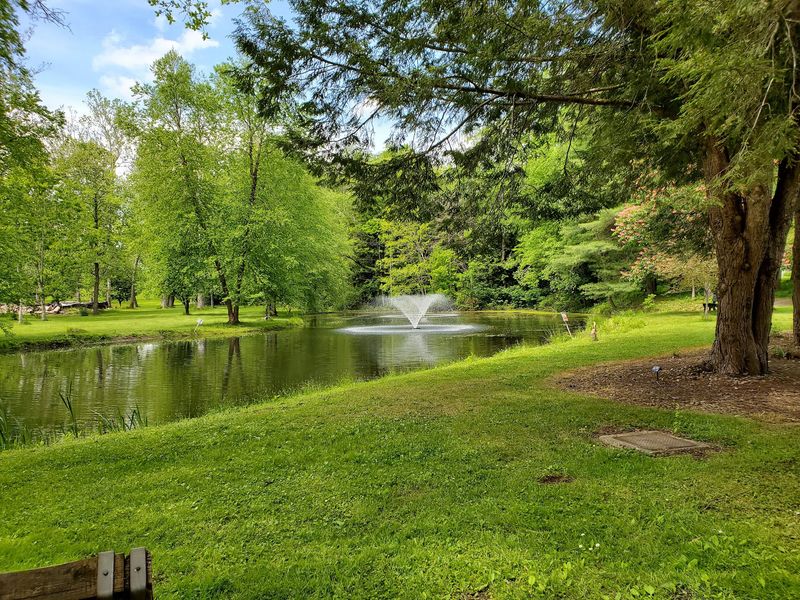
After all that history, my brain needed fresh air, and the park delivered. The full site covers 240 acres, so there is lots of room to stretch your legs.
Paved bike trails wind through the valley, and hiking paths lead into the woods. Oil Creek flows right past, clear and peaceful, with trees leaning over the water.
Anglers can try delayed harvest fly fishing here, which is a fun way to spend a quiet morning. Picnic areas make it easy to pack lunch and relax between exhibits.
I sat by the creek for a while and just listened to the water. It was hard to believe this calm spot once buzzed with drills and wagons.
Birds chirped, and the breeze carried that earthy summer smell.
The museum is open Wednesday through Sunday from 10 am to 4 pm, so plan your outdoor time around those hours. Many visitors say three to four hours is perfect for the whole place.
If you have extra time, the museum also oversees Historic Pithole City and McClintock Well #1 nearby, which are worth a look.
Address: 202 Museum Lane, Titusville, PA 16354
