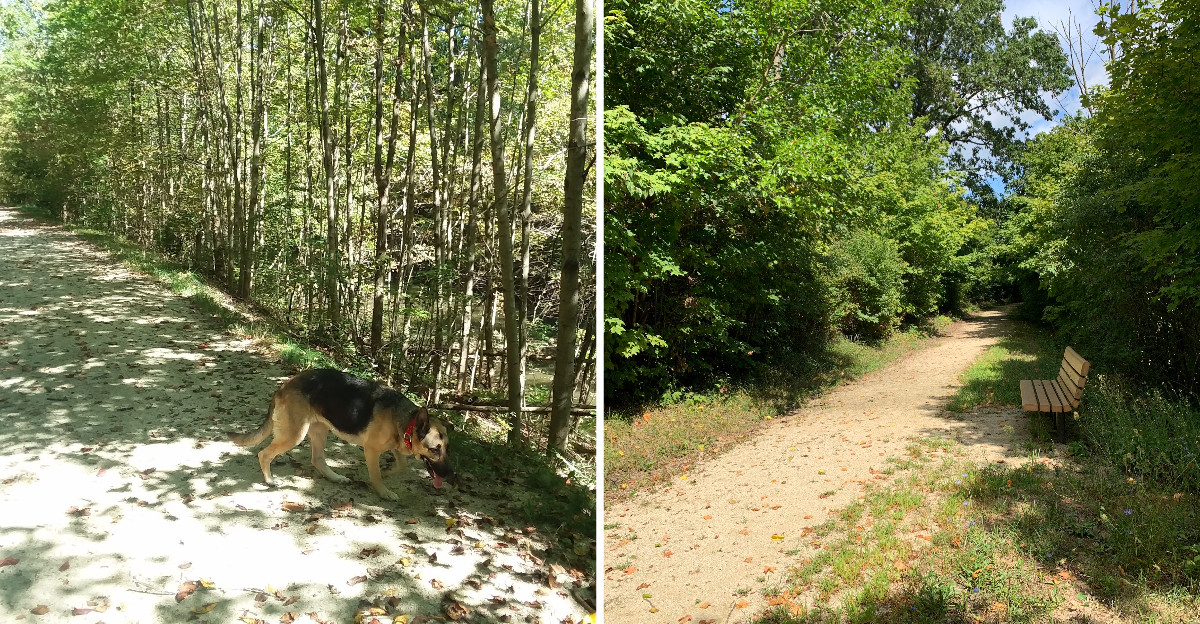
Blue clay yields to nothing, not to rain, not to frost, not to the stubborn roots of old trees. Yet a groove runs through an Ohio ridge like a wound that never healed, fifty-two feet deep at its lowest point, carved by men who swung picks until their hands blistered and their backs ached.
Wheelbarrows hauled the clay away one load at a time, because digging through the ridge made more sense than stacking locks like stairs. Walking the towpath now, the canal is gone but the cut remains, a long scar of ambition in the middle of quiet farmland.
Birds flit between the banks, and picnic tables sit where mules once pulled boats through the deepest channel in the state. The silence here carries weight.
Every foot of that trench holds the memory of labor that machines would have finished in weeks. Standing at the edge, it is impossible not to feel small against the effort.
This Ohio landmark rewards anyone who looks closer.
A Ridge That Refused to Move Aside
My first look at the Deep Cut made me laugh a little, because it is basically a very old, very ambitious ditch. Of course, calling it a ditch undersells it.
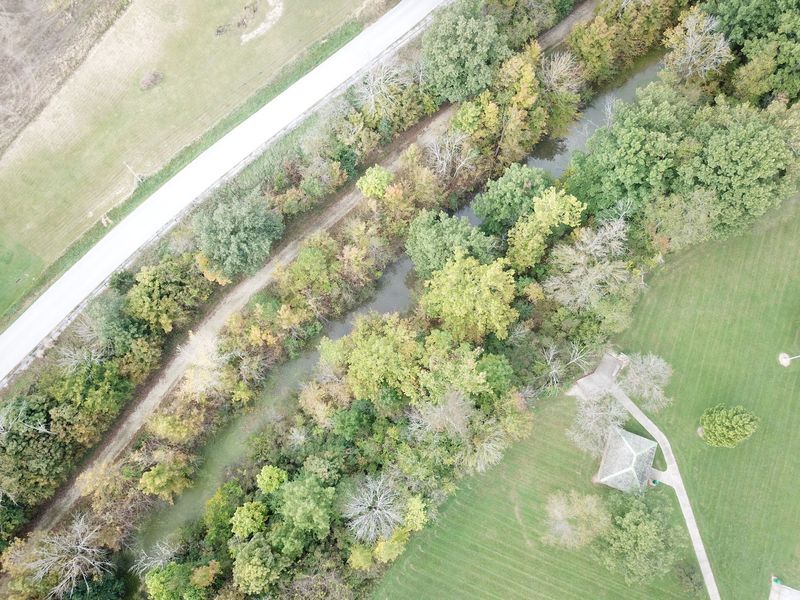
The trench runs about 6,600 feet and drops as deep as 52 feet in places.
Here is why it exists. A natural ridge of dense blue clay sat between the St. Marys River and Auglaize River watersheds, right in the path of the Miami and Erie Canal.
Engineers could have climbed over it with extra locks, which were expensive and slowed boats down.
Instead, they chose to slice straight through the hill. A regular stretch of canal only needed water about four to five feet deep, so this cut was far beyond normal.
The result let boats glide along a level path while water kept flowing north toward lower ground.
Standing above it, I tried to imagine that ridge whole. Honestly, it was hard.
The land now looks like it was always shaped this way, softened by trees and grass after almost two centuries.
Bring curiosity and a little imagination. The landscape tells the story quietly, so you have to listen with your eyes.
Picks, Shovels, and Thirty Cents a Day
Thirty cents. That was roughly the daily pay for many men who dug this canal, and the thought stuck with me the entire visit.
Wages often came with food and a spot in a rough camp, which sounds kinder than it was.
Thousands of workers built the Miami and Erie Canal, including Irish, German, and French immigrants, local farmhands, and even convicts. They worked from sunrise to sunset with picks, shovels, and wheelbarrows.
Sometimes horses and oxen pulled slip-scoops or wagons, but human muscle did most of the job.
Camps were crowded and dirty, and diseases like malaria spread easily. Canal work was dangerous, plain and simple.
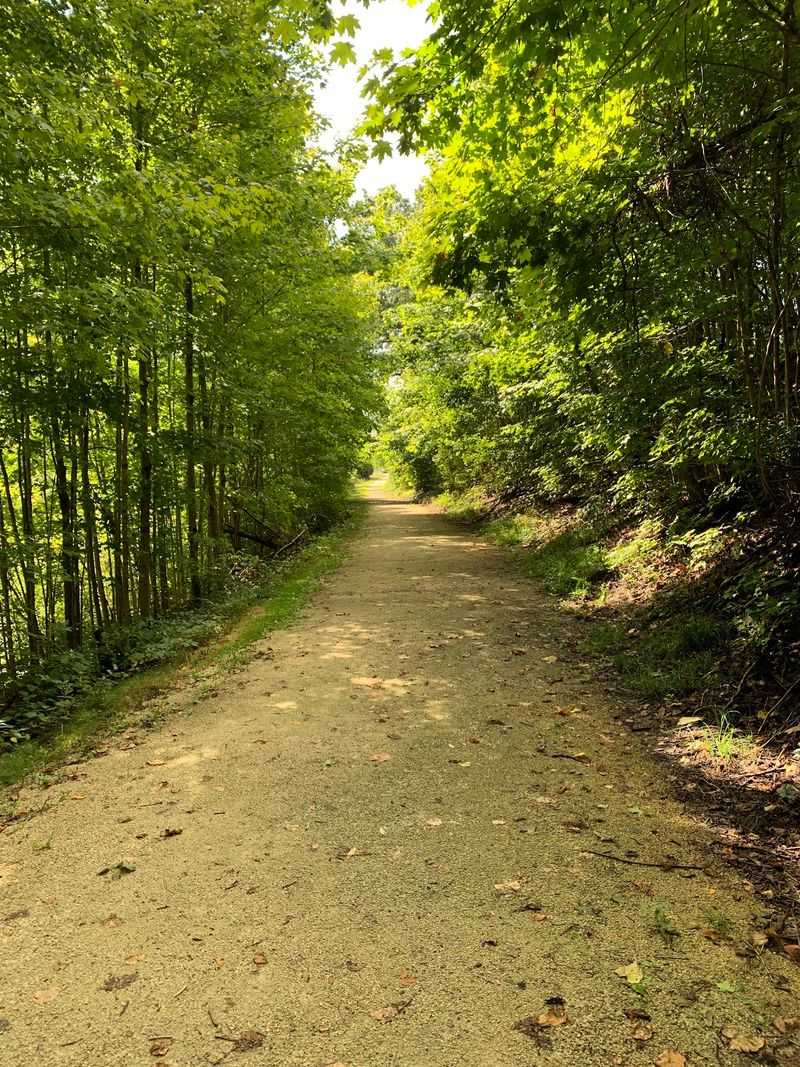
Knowing that changed how I walked the towpath. Every curve of the bank started to look like a record of tired arms and blistered hands.
Clay is heavy, sticky stuff, and moving it by the wheelbarrow load must have felt endless.
If you visit with kids, try a small experiment. Have them scoop a few handfuls of soil and imagine filling 52 feet of hillside that way.
It turns a history lesson into something they can feel, and it builds real respect for the people behind this landmark.
The Bigger Canal Story Behind One Small Park
Zoom out on a map and the Deep Cut becomes one piece of a huge puzzle. The Miami and Erie Canal stretched about 274 miles, linking Cincinnati on the Ohio River to Toledo on Lake Erie.
Construction ran from 1825 to 1845, which is a long time to wait for a waterway.
Farmers in western Ohio needed cheaper ways to ship crops and goods. The canal made that possible, opening new markets and helping towns grow along its banks.
Between 105 and 108 lift locks, plus aqueducts and guard locks, handled the ups and downs of the land.
That number of locks explains the Deep Cut perfectly. Each one cost money and time, so skipping a few by digging made practical sense.
Then trains arrived in the 1850s, faster and more reliable than mule-drawn boats. Business on the canal slowly faded.
The Great Dayton Flood of 1913 badly damaged the system and ended commercial use for good.
I found it oddly comforting that this stretch survived at all. It is now a National Historic Landmark, and walking it gave me a sense of how one ridge fit into a statewide dream.
Gravel Underfoot on the Old Towpath
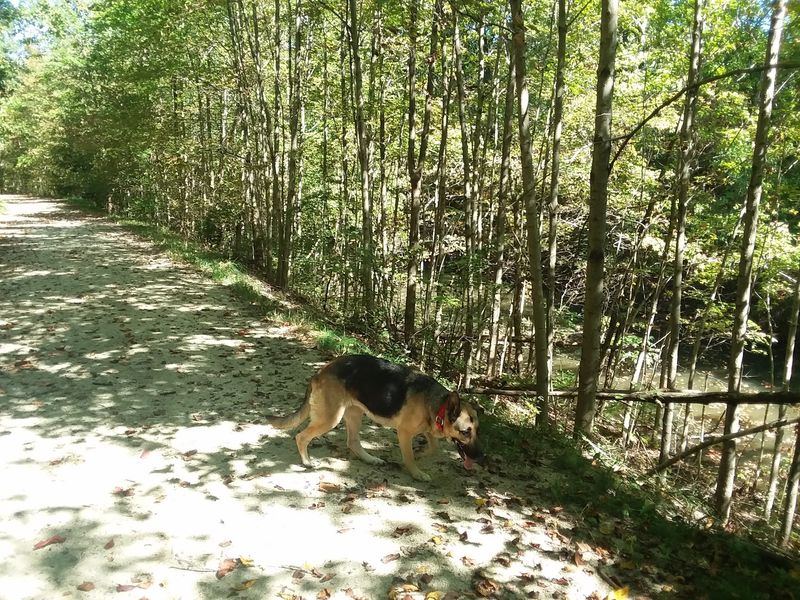
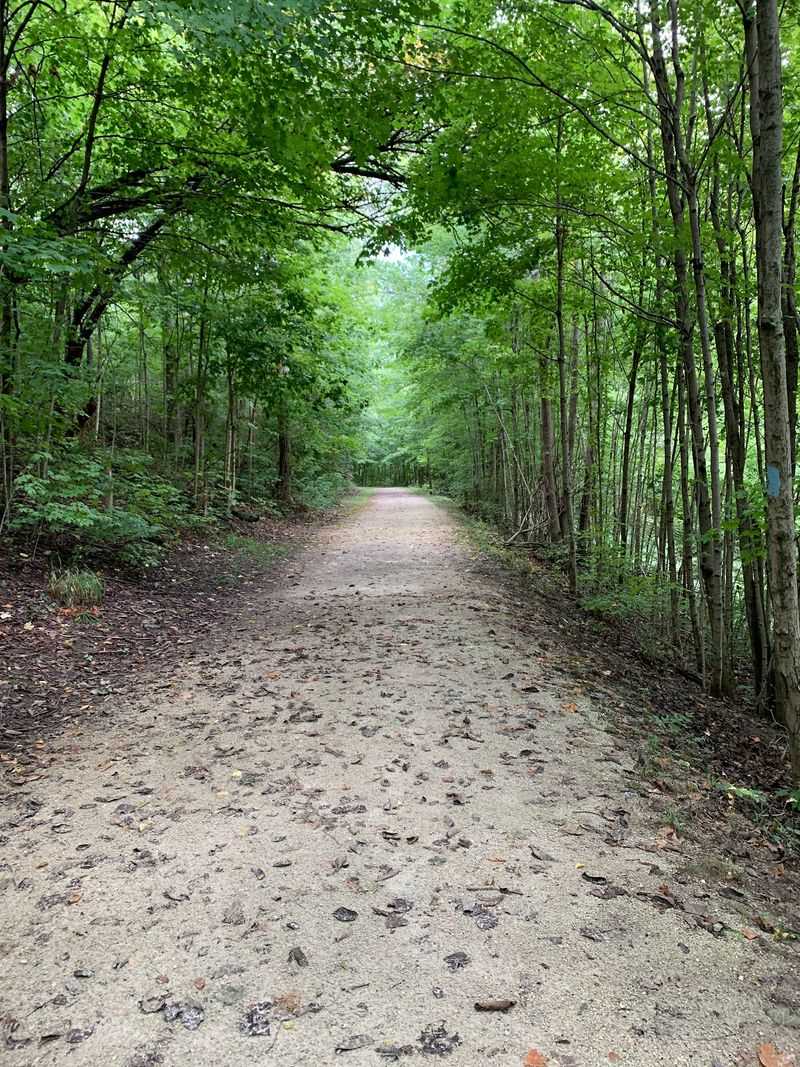
Gravel crunched under my sneakers in a steady rhythm, and that sound became my soundtrack for the afternoon. The trail follows the historic towpath, where mules once pulled canal boats along the water.
The path is mostly flat, which makes it friendly for casual walkers, families, and anyone who prefers views over steep climbs. Trees lean over the canal, and the water below often looks green and still.
I spotted plenty of birds flitting through the branches.
A practical tip saved me some confusion. The towpath trailhead sits across the canal from the main picnic area, near the bridge on State Route 66.
Look for the small pull-off on the other side of the bridge if you want to start the walk right away.
Wet weather can turn sections soggy. Wear shoes that can handle mud after rain, and you will enjoy it far more.
These trails are part of bigger networks too, including the Buckeye Trail and the North Country Trail. That made me feel connected to something much larger than one park.
One short stroll here technically links you to paths stretching across several states, which is a fun thing to tell friends.
Lunch Breaks and a Shelter with Real Comfort
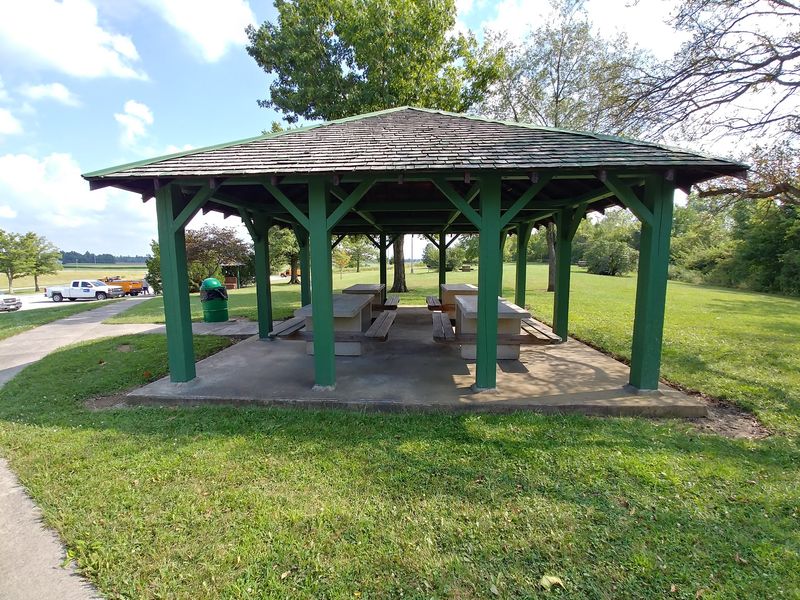
Sandwiches taste better outdoors, and I am convinced of it after eating mine at Deep Cut. The picnic area sits on a wide stretch of grass with tables spread out under the trees.
Grills are available for cookouts, so you can make a whole meal of it. There is also a play area where kids can climb and burn off energy while adults relax.
Open lawns give plenty of room for tossing a ball or simply stretching out on a blanket.
The Lee and Ruby Roebuck Shelter is a pleasant surprise. It is a modern shelter house that is heated and cooled, which feels like luxury on a sticky Ohio summer day.
Groups can use it for gatherings, family reunions, or club meetings.
Planning ahead helps a lot here. Pack your food, water, and trash bags, since this is a rural spot without shops right next door.
A cooler and a few camp chairs turn a short stop into a lazy afternoon.
I liked how the picnic grounds felt calm and roomy rather than crowded. Road trippers on Route 66 can pull in, eat, and get back on the highway feeling refreshed.
Wildflowers, Birdsong, and Green Walls
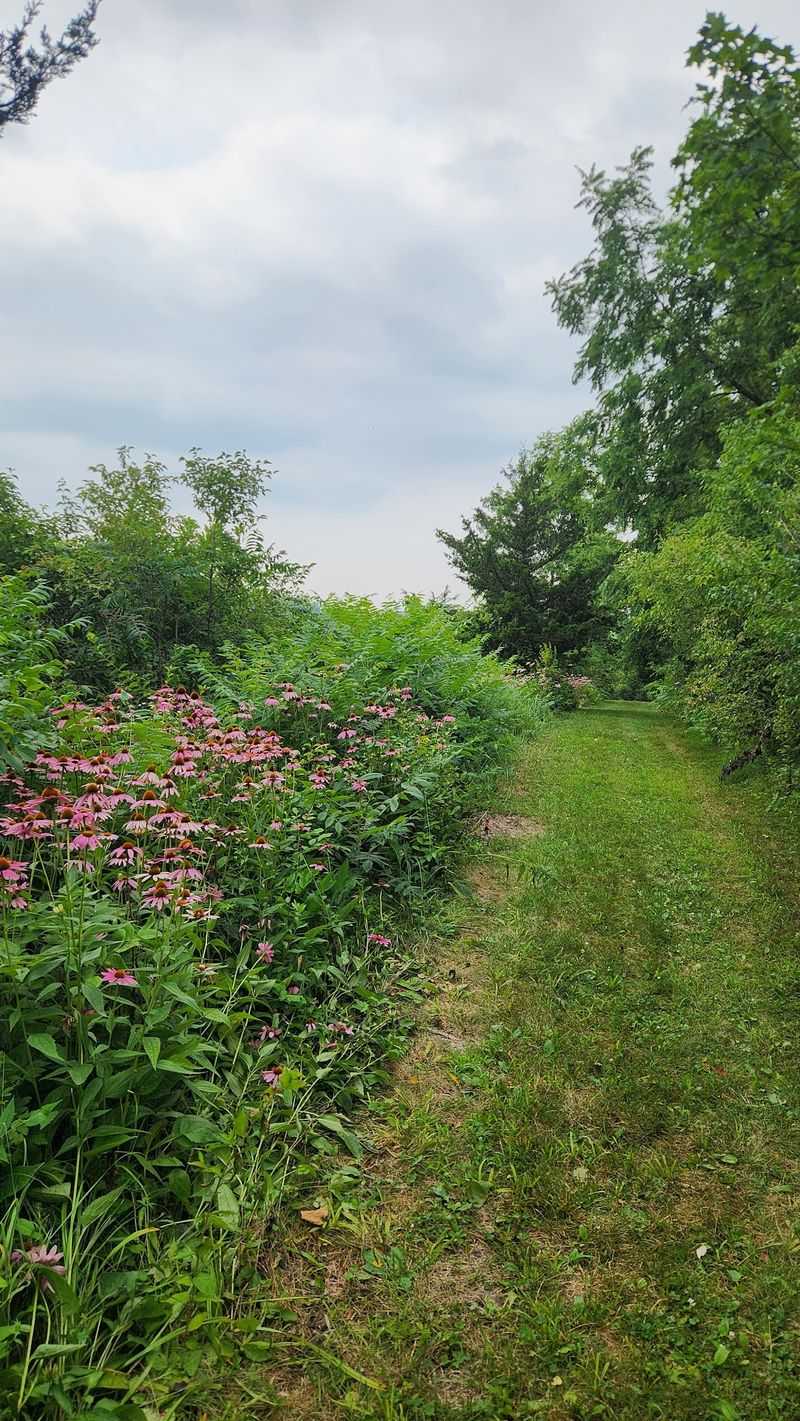
Nature has had nearly two centuries to reclaim the Deep Cut, and it has not wasted a minute. Wildflowers dot the grassy edges of the park in warmer months, adding splashes of yellow, purple, and white.
Trees and shrubs crowd the steep banks so thickly that the canal can feel tucked inside a green tunnel. During summer, the growth sometimes hides parts of the cut from the overlook.
I actually enjoyed that a little, because it made spotting the water feel like a small discovery.
Visit in late fall or winter if you want a clearer look at the depth. Bare branches reveal much more of the shape of the trench, and the scale becomes easier to understand.
Wildlife fans should keep their eyes moving. Birds are easy to hear, and the quiet setting makes it a nice place to sit and watch.
A small pair of binoculars would be a smart thing to bring along.
The mix of human history and wild growth gives this place its charm. Workers shaped the land, and then the land quietly softened their work.
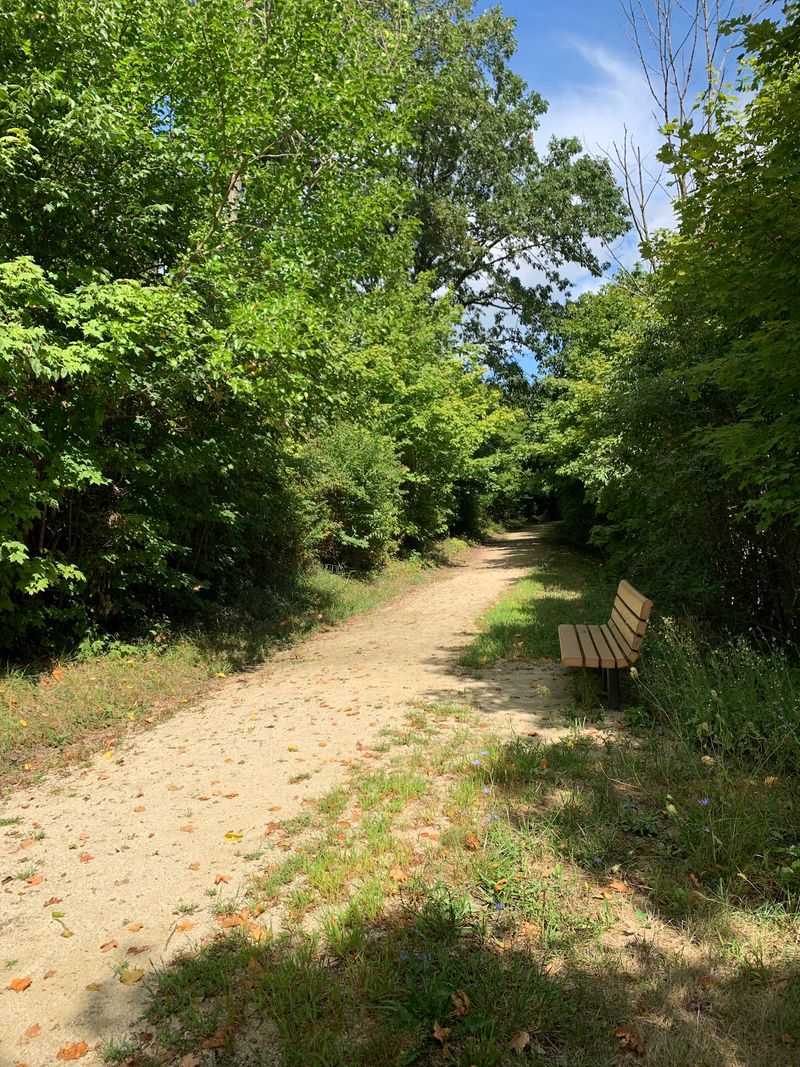
Sitting on a bench there, I felt that balance in a peaceful way.
Planning a Stop at This Canal Heritage Hub
Road trips across western Ohio get a lot more interesting with a stop like this on the list. Deep Cut Historical Park sits along State Route 66 near Spencerville and is open 24 hours, so timing is flexible.
Johnny Appleseed Metro Parks and the Heritage Trails Park District manage the park together. It is known as a Canal Heritage Hub, a place meant to help visitors connect with the canal story.
Historical markers explain the basics, which makes a quick visit meaningful.
A few tips made my visit smoother. Use the main lot for picnics and the play area, then cross the bridge for the towpath trail.
The setting is quiet and a bit secluded, so bring a buddy if you can and let someone know your plans.
Morning and late afternoon light look lovely on the water and trees. Cooler seasons also bring fewer bugs, which is always a win.
I left thinking about all the hands that moved that clay. A short walk here offers history, fresh air, and plenty of room to think.
Address: 22900 State Route 66, Spencerville, Ohio
