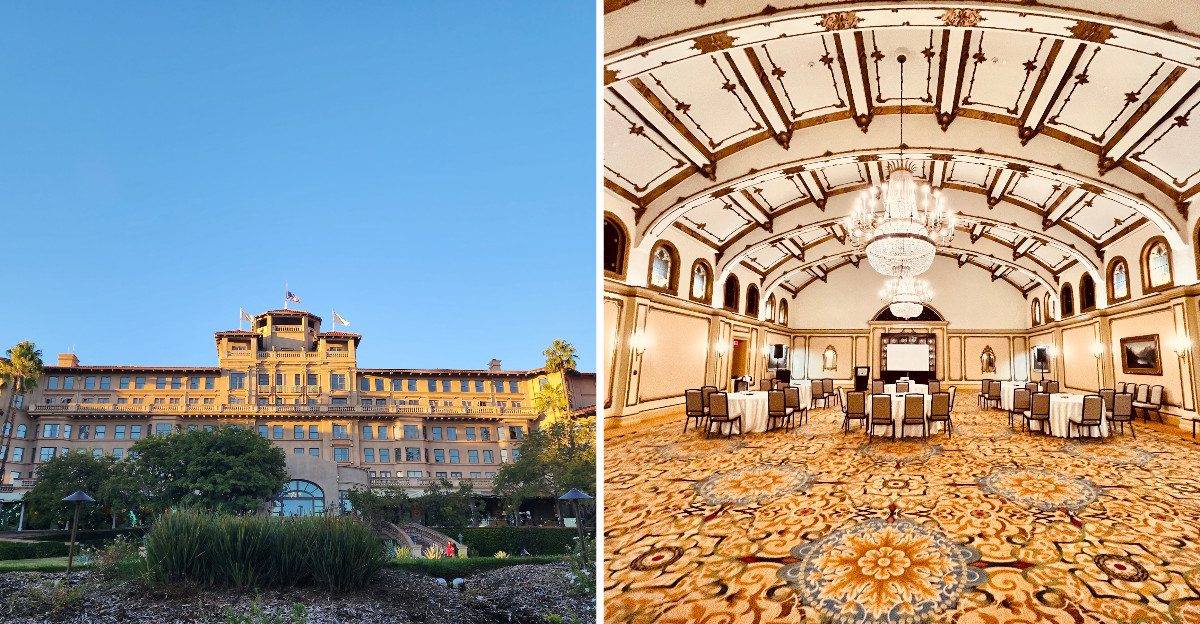
Construction crews pulling back old plaster usually find wires and dust. In California, one crew found ten glowing stained-glass windows hidden for decades.
The discovery sounded like the start of a mystery novel, so a visit became necessary. The windows live in a grand hotel that first opened in 1907, their opalescent glass catching the sunlight and scattering colors across the room.
Grinning like a kid who just found a secret door is unavoidable. The story behind them mixes railroad money, wartime changes, earthquakes, and a whole lot of patience.
Walking through the space, the details add up slowly, each window telling a piece of a larger tale. The hotel has more surprises in its walls than most people expect, and the windows are only the beginning.
Sunlight shifts through the glass and paints the floor in soft, changing hues. History here feels close enough to touch, and the quiet carries weight.
A Hotel With a Long Memory
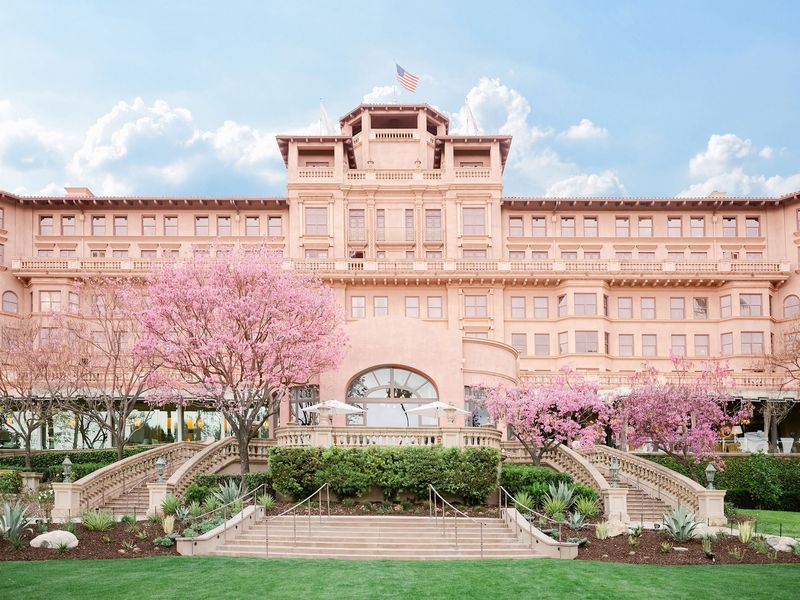
My first glimpse of the hotel came through a row of tall palms, and the white building looked almost too tidy to be over a century old in spirit. Its story began in 1907, when it opened as the Hotel Wentworth.
Things did not go smoothly at first, and the place struggled to stay busy.
Everything changed in 1911. Railroad tycoon Henry E.
Huntington bought the property and poured money into big redesigns. When it reopened in 1914 as The Huntington Hotel, it quickly became a favorite winter escape for travelers who wanted sunshine, mountain views, and a little bit of sparkle.
Over the years, the hotel wore several name tags. It was known as The Ritz-Carlton Huntington Hotel for a while, and on January 8, 2008, it became The Langham Huntington, Pasadena.
Each owner added a chapter, and some chapters accidentally covered up treasures.
Here is a tip I learned on my visit. Before you explore, take a slow lap around the outside.
The rooflines, arches, and courtyards give you a feel for the early 1900s, which makes the hidden window story land even harder once you step indoors and see what was saved.
Why the Windows Disappeared
Honestly, the idea of hiding beautiful art on purpose puzzled me at first. Then I learned how often old buildings get makeovers to match the style of the time.
In 1954, the Sheraton Corporation turned the Georgian Ballroom into a dining room and covered the stained-glass windows.
Some sources say the windows were actually covered even earlier, during World War II. That makes sense when you think about it.
Many buildings dimmed or blocked windows in those years, and a glowing ballroom might not have fit the mood.
Either way, the result was the same. Ten opalescent glass windows sat quietly behind walls while guests ate dinner just a few feet away, completely unaware.
Generations of diners probably admired the chandeliers and never guessed what was hiding behind the plaster.
I find this part strangely comforting. Covering the windows, instead of smashing them, kept them protected from sun damage, bumps, and decades of wear.
Sometimes being forgotten is the safest thing that can happen to fragile art.
If you love history, ask yourself next time you visit an old building what might be behind its walls. Plenty of places across the country have surprises like this still waiting for someone curious.
Earthquakes Forced a Fresh Start
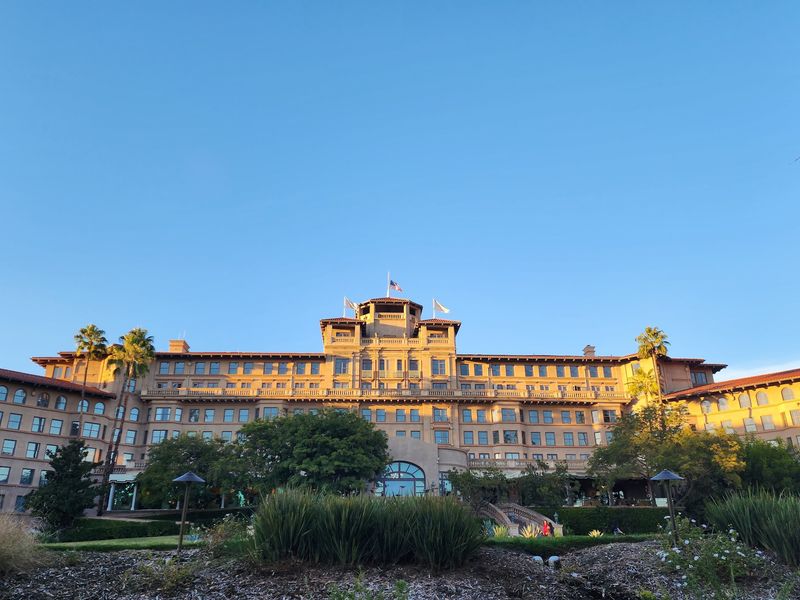
California and earthquakes go together like tacos and salsa, so it was no shock to me that the ground played a role here. By 1985, the main building no longer met earthquake safety standards.
The hotel closed its main wing, and people wondered if the grand old place had reached its final day.
Thankfully, the answer was no. Demolition of the main building began on March 27, 1989, as part of a reconstruction project that cost around 100 million dollars. The plan was bold, since builders wanted to copy the original look of the outside while making the inside strong enough for modern safety rules.
The historic Viennese and Georgian Ballrooms were kept and woven into the new structure. That decision mattered a lot.
Without it, the hidden windows might have been lost forever in a pile of rubble.
The hotel reopened in 1991, looking much like its younger self but with a much sturdier backbone. I like thinking of it as a hotel that got a brand new skeleton while keeping its favorite outfit.
Quick insight for visitors: the building you see today is mostly a careful rebuild, while the two ballrooms carry the oldest heartbeat.
The Day the Plaster Cracked Open
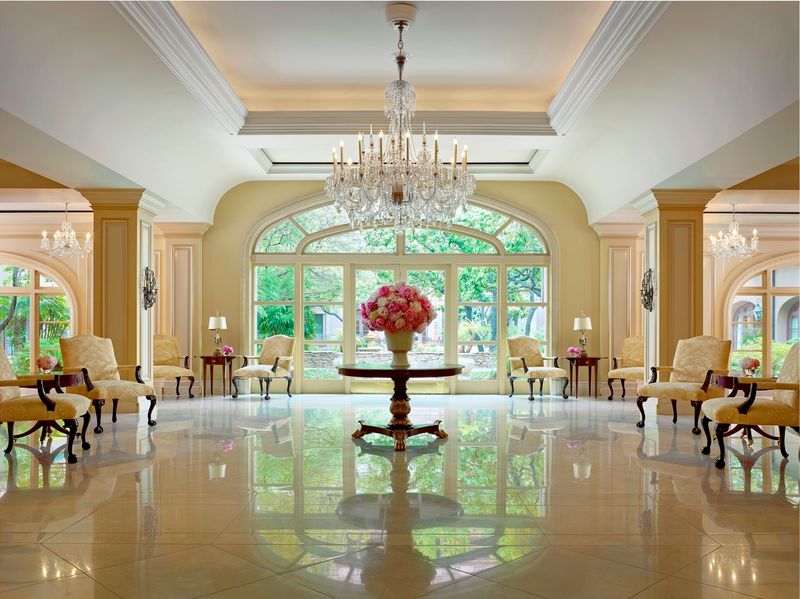
Picture a dusty work site, hard hats everywhere, and a crew chipping away at old plaster in a ballroom. One article pins the date as October 7, 1989.
That is when workers broke through and found the first hints of glass glowing underneath.
Ten stained-glass windows came to light. They were made of opalescent glass, a type that looks milky and swirled instead of perfectly clear.
When light hits it, colors seem to shimmer and shift, almost like the inside of a seashell.
I can only imagine how that moment felt for the crew. One minute it is a normal day of hard, messy work, and the next you are uncovering art that nobody alive had paid attention to in decades.
That kind of surprise turns a job into a story people retell for years.
Fun fact for curious readers: opalescent glass became popular in American decorative windows around the late 1800s and early 1900s, which fits nicely with the hotel’s early history.
If you ever work on an old house, slow down when removing walls or paneling. You never know what an earlier owner tucked away, and gentle hands can save something wonderful.
Glass That Glows Again
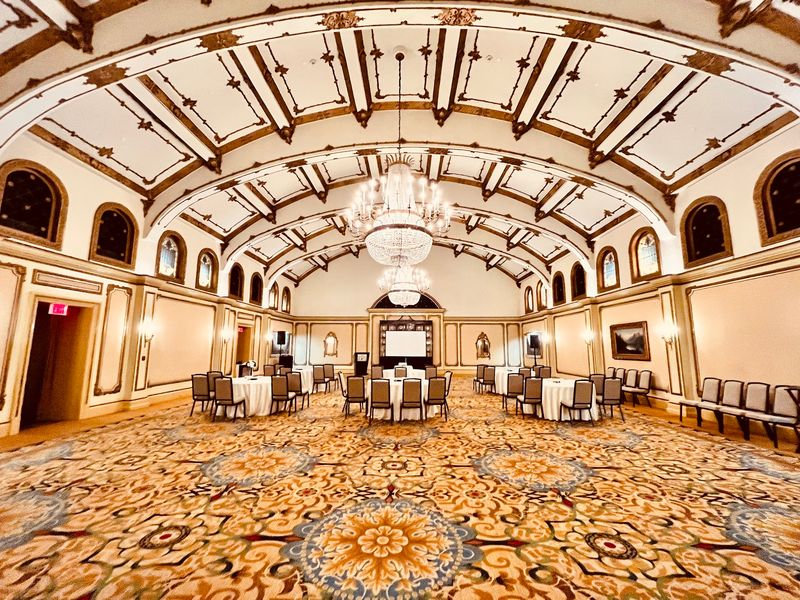
Soft light. That was the first thing I noticed when I peeked into the Georgian Ballroom, and it was not coming from the chandeliers.
The restored windows were doing the work, casting gentle color across the room.
After their discovery, the ten windows were restored and put back on display right where they belong. Restoring old glass is slow, careful work, since cracked pieces need cleaning, repairs, and sometimes new lead lines to hold everything together.
What impressed me most is how natural they look in the space. They do not feel like museum pieces stuck on a wall.
Instead, they seem like they never left, quietly glowing as if the last few decades were just a long nap.
Here is some practical advice. The ballroom is a popular spot for weddings and big events, so it is not always open to wander through.
Ask the front desk politely if there is a good time to take a look, and you may get lucky between bookings.
Bring patience and maybe a camera, but put the phone down for a minute too. Watching how the colors change as clouds pass outside is half the fun, and photos never quite catch it.
Grounds Worth a Long Wander
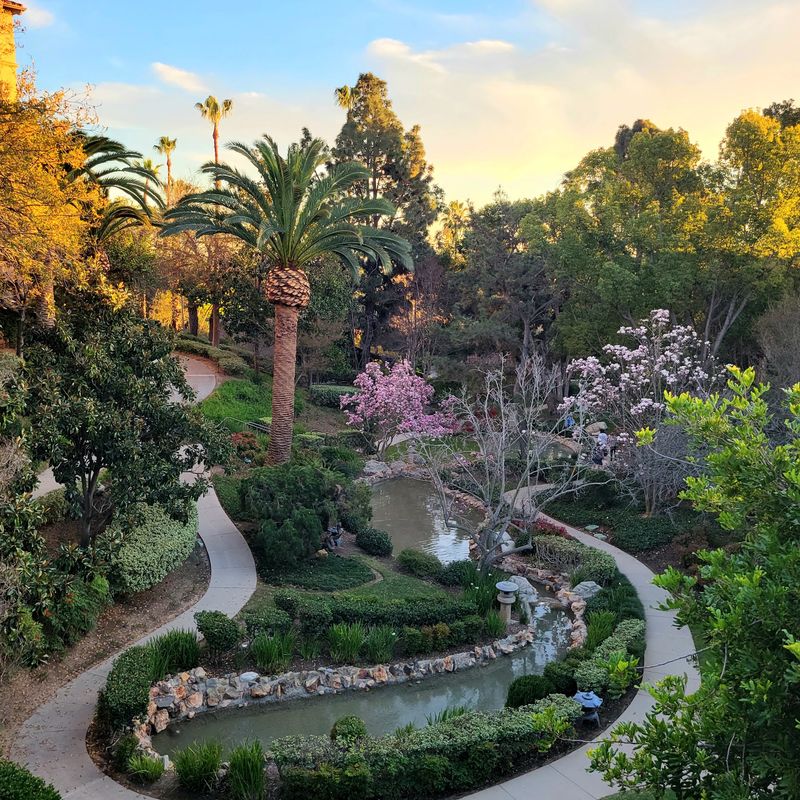
After all that glass gazing, I needed fresh air, and the hotel’s 23 acres delivered plenty of it. Paths curve past old trees, flower beds, and quiet benches.
It felt like the property was nudging me to slow down.
A Japanese-style garden tucked on the grounds is a favorite with many guests. Little bridges and water features make it a calm place to sit and reset.
Kids seem to love it too, especially if they are hunting for clues on a hotel scavenger hunt, which the front desk can tell you about.
Views stretch toward the San Gabriel Mountains on clear days. Mornings are especially nice, with cool air and soft light that makes the white buildings almost glow.
My honest tip is to wear comfy shoes. The grounds are big, and some walks between buildings are longer than you might expect, which is great for exploring but tough in fancy sandals.
Bring a book or a sketchpad if you enjoy quiet hobbies. Plenty of shaded corners invite you to linger, and after hearing the story of hidden windows, you might start noticing tiny details everywhere, like carved trim, old lamps, and patterned tiles.
Afternoon Tea and Pasadena Beyond
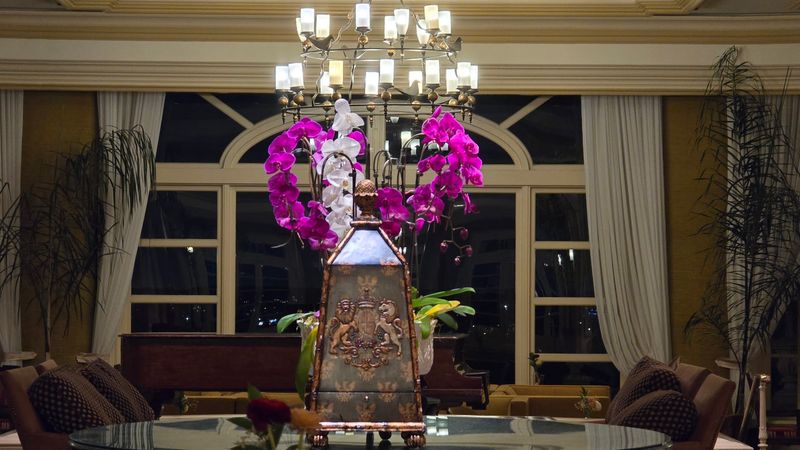
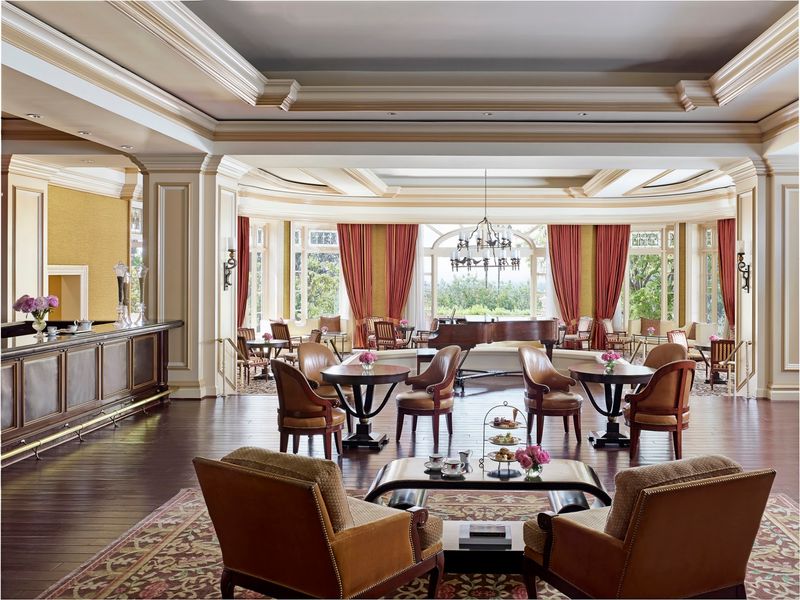
Tea time might be my favorite way to soak up a historic hotel, and this one takes it seriously. Afternoon tea in the lobby lounge is one of the most talked-about experiences here.
Tiered trays of little sandwiches and sweets arrive alongside a long list of teas.
Sitting there, sipping something warm, I kept thinking about the guests who came over a hundred years ago. They probably enjoyed a similar slow afternoon, minus the smartphones.
Reservations are smart, since popular times fill up quickly on weekends and holidays.
Once you are refreshed, Pasadena is easy to explore. The Huntington Library, Art Museum, and Botanical Gardens sit only about 2.2 miles away, and they connect nicely to the same Huntington family story.
Old Pasadena is a short drive too, packed with shops and walkable streets.
Ending my day back at the hotel, I passed the ballroom one more time. Knowing those ten windows spent decades in darkness made their glow feel even more special, like a reward for everyone who chose to save instead of replace.
Address: 1401 South Oak Knoll Avenue, Pasadena, California 91106
