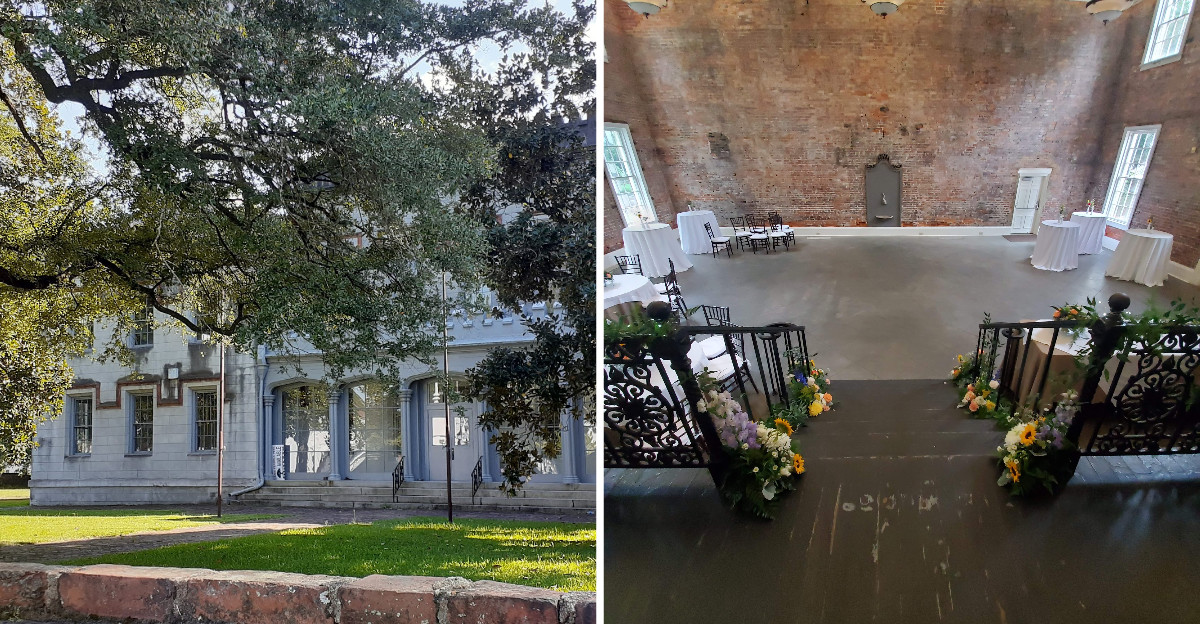
Tall white columns on a quiet Georgia street look calm, proud, and almost too pretty to hold a dark secret. That is the first impression of this building, and it is a lie.
In 1989, workers fixing the basement dug into the dirt and found nearly 10,000 human bones. Reading that number on a plaque made my jaw drop.
The story behind those bones links this graceful structure to grave robbing, slavery, and the early days of American medicine. Walking past, you would never guess what lies beneath.
Visitors stroll by every day without a clue, and the building keeps its secrets close. The columns still stand, the street still hums with everyday life, and the past stays buried in plain sight.
This is one Georgia landmark you will never look at the same way again.
A Greek Revival Beauty on Telfair Street
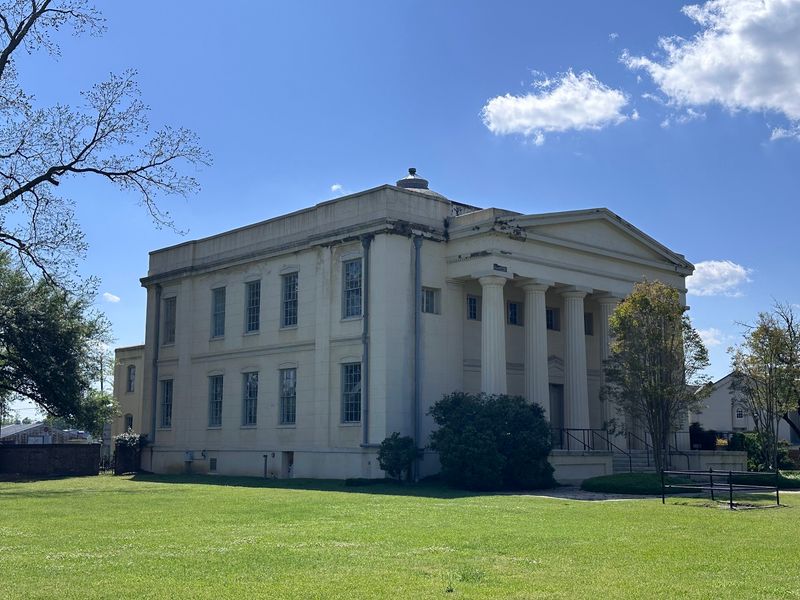
My first thought was that someone had dropped a tiny Greek temple into downtown Augusta. The building went up in 1835, and it was designed by an architect named Charles Blaney Cluskey.
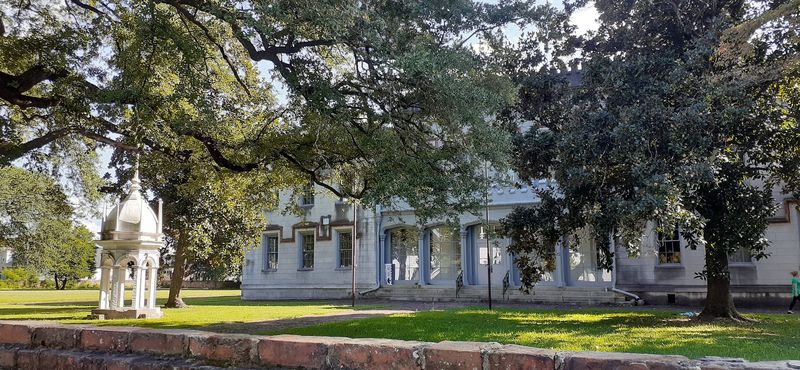
He gave it tall columns, clean lines, and a round dome on top that catches the afternoon light beautifully.
The style is called Greek Revival, and it was very popular in the 1800s. People back then wanted public buildings to look serious, smart, and a little bit grand.
Cluskey nailed that feeling, and the place still looks sharp almost two hundred years later.
Inside, the building once held lecture halls, lab spaces, and rooms where students cut open bodies to learn anatomy. It served as the main home of the Medical College of Georgia until around 1912 or 1913.
That is a long run for one building, and you can almost picture students rushing up the front steps with heavy books.
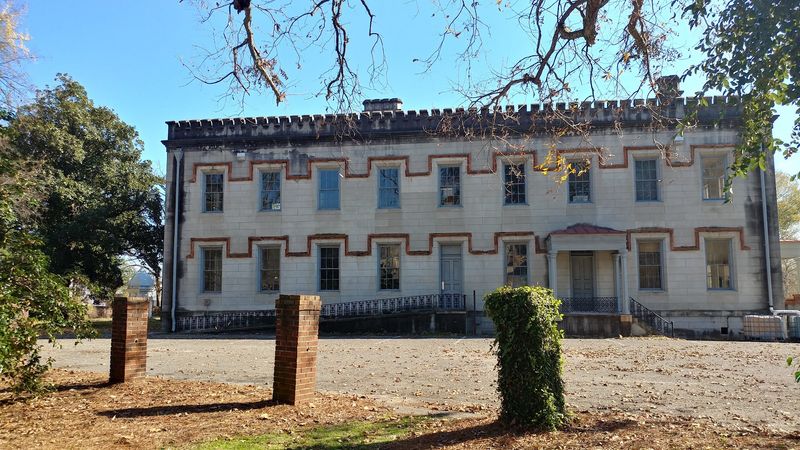
If you visit, take a slow lap around the outside first. Look up at the columns, then notice the details around the windows and doors.
A sunny day makes the white paint glow, and late afternoon gives your photos a soft, golden look that feels just right for such an old landmark.
The Basement Surprise of 1989
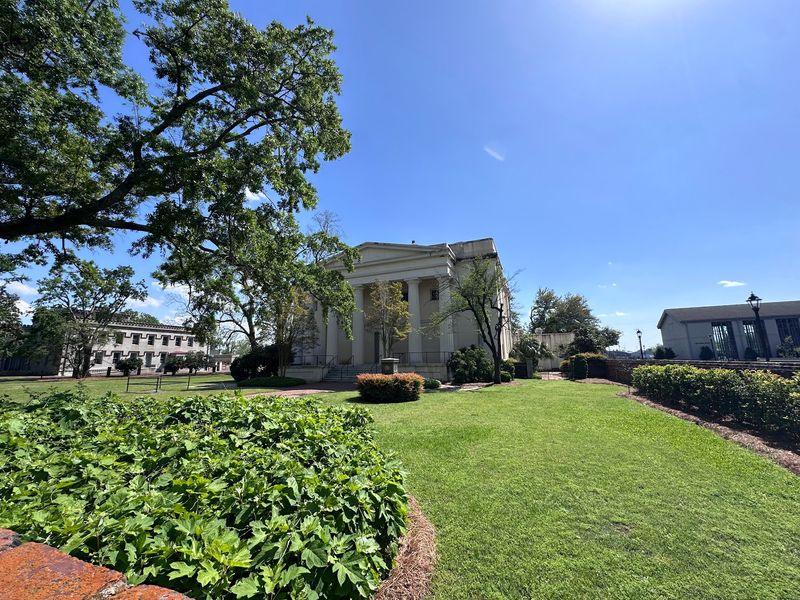
Imagine showing up for a normal day of construction work and hitting bones instead of rocks. That is exactly what happened to a crew in the late summer of 1989.
They were renovating the basement of the Old Medical College when the dirt started giving up some very strange finds.
At first it was just a few pieces. Then the count kept climbing, and archaeologists were called in to take over.
By the time they finished, close to 10,000 human bones and bone fragments had been pulled from the ground beneath this elegant building.
I tried to picture that moment while standing near the side of the building, and it gave me chills on a hot Georgia day. The basement is not some creepy dungeon in a horror movie.
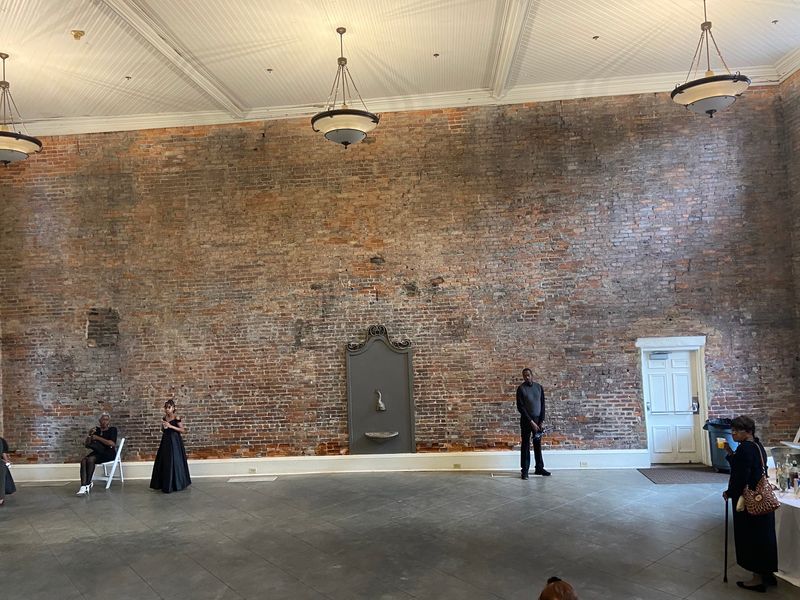
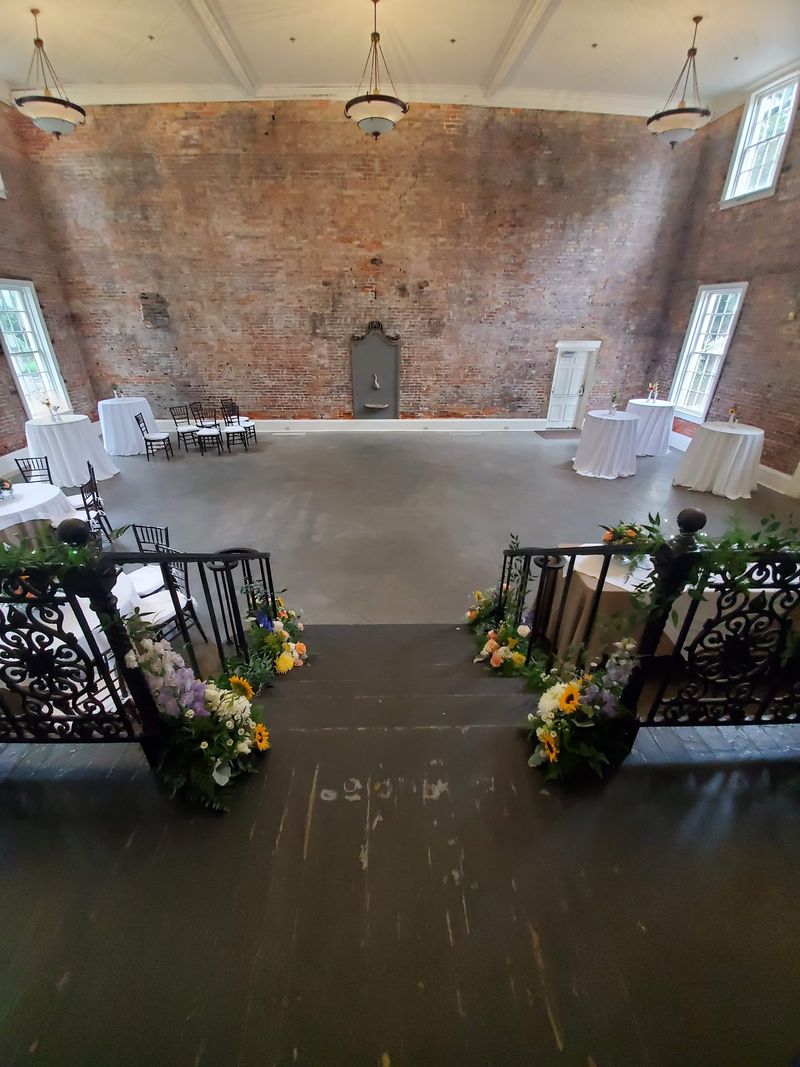
It sits right below rooms where people now dance at weddings and snap happy family photos.
The discovery turned a pretty event space into one of the most talked about history sites in the state. News of it spread far beyond Augusta, and researchers wanted answers fast.
Who were these people, and why were they buried under a medical school? The answers turned out to be far more serious than anyone expected.
What Archaeologists Pulled From the Dirt
Numbers can feel cold, but these ones hit hard. Experts estimated the bones came from about 350 to 450 different people.
That is more than the number of students in many middle schools, all resting under one building.
Many of the bones showed marks from dissection, which means medical students had studied them. Some pieces even still had old specimen labels attached.
Picture a tiny tag that has survived more than a century underground, still trying to tell its story.
Archaeologists also found an old wooden vat. It had once held body parts kept in a preserving liquid.
They found quicklime mixed into the soil too, a white powder used back then to cover up the smell of decay.
Science helped reveal even more. Study of the remains showed that most belonged to African Americans, and around 77 percent were male.
That detail matters a lot, and it points straight toward a painful chapter in Augusta’s past.
When I read all of this on the plaques near the building, I slowed way down. A visit here works best when you give yourself time to think, not just snap a picture and move on.
Grave Robbing and the Law
Here is a fact that surprised me. In Georgia, cutting open human bodies for study was against the law until 1887.
Yet medical schools still needed bodies so future doctors could learn how the human body works.
So how did they get them? Like many schools of that time, the Medical College of Georgia turned to people called resurrection men.
That fancy name hides a grim job, because these men dug up freshly buried bodies from graves at night.
The bodies were often taken from cemeteries where poor people were buried. Families with little money or power had almost no way to protect their loved ones.
In Augusta, that meant the Black community suffered the most, which explains why so many of the basement bones belonged to African Americans.
Learning this changed how I saw the whole building. The beautiful columns out front tell one story, while the basement tells another that is much harder to hear.
Both are true, and both belong to the place.
A good tip for visitors is to read up a little before you go. Knowing this history turns a quick stop into something meaningful, and it helps you honor the people whose stories were nearly lost forever.
Grandison Harris, the Resurrection Man
One name keeps coming up in this story, and it belongs to Grandison Harris. In 1852, the faculty of the Medical College of Georgia bought him as an enslaved man.
His life from then on was tied tightly to this building.
Harris worked as a porter, a janitor, and even a teaching assistant. His most secret task, though, was serving as the school’s resurrection man.
He dug up bodies so students had something to study.
Records say he was taught to read and write for a very specific reason. Reading the obituaries in the newspaper helped him find fresh graves.
Most of the bodies came from Cedar Grove Cemetery, where Augusta’s poor Black families buried their beloved ones.
His story is complicated, and I found it hard to stop thinking about. He was an enslaved man forced into a terrible role, while the people he dug up were often from his own community.
Nobody comes out of this tale as a simple hero or villain.
Harris passed away in 1911 and was buried in Cedar Grove Cemetery himself. Sadly, the exact spot of his grave was lost during a flood in 1929.
Even now, his story keeps people talking and learning.
Known but to God at Cedar Grove
Some places ask you to be quiet without saying a word, and Cedar Grove Cemetery is one of them. In 1998, the bones from the Old Medical College basement were finally laid back to rest here.
They were placed together in one shared grave.
A simple stone marks the spot. Its message is short and powerful: Known but to God.
Those few words carry a lot of weight, since the names of these hundreds of people will likely never be found.
I loved that the bones came back to this cemetery in particular. Many of them were probably taken from here in the first place.
In a way, the people finally made it home after more than a hundred years away.
If you plan to visit, go with a calm and respectful attitude. Walk slowly, read the old headstones, and give yourself a moment beside the monument.
Morning visits tend to feel peaceful, with soft light and fewer distractions.
Pairing a stop here with the Old Medical College makes the full story click. One site shows where the bodies were studied, and the other shows where they now rest with dignity and care.
A Landmark With a Busy Second Life
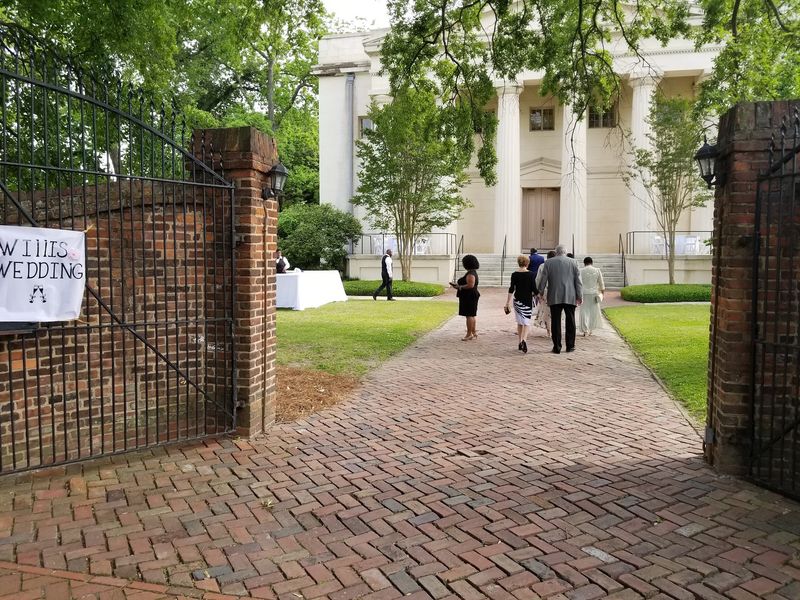
Funny enough, the same building with the bone-filled basement is now a favorite spot for weddings. After the medical school moved out, the place kept finding new jobs.
It became a vocational training center for Richmond Academy and later served as a USO during World War II.
A big renovation in 1988 turned it into an event space. Today, couples say their vows under those famous columns, and guests mingle in the brick courtyard out back.
The old bricks make a lovely background for photos, especially near sunset.
In 1996, the building was named a National Historic Landmark. That honor came from its striking design and from the Medical College of Georgia’s role in helping start the American Medical Association.
That group helped set clear rules for how doctors practice medicine.
Visitors should know the inside is not always open. It is often reserved for private events, so plan ahead and call before you go.
Even from outside the gates, the plaques share plenty of helpful history.
Some local trolley tours also stop by and mix history with a few spooky tales. Either way, you will leave with a story worth sharing.
Address: 598 Telfair St, Augusta, GA 30901
