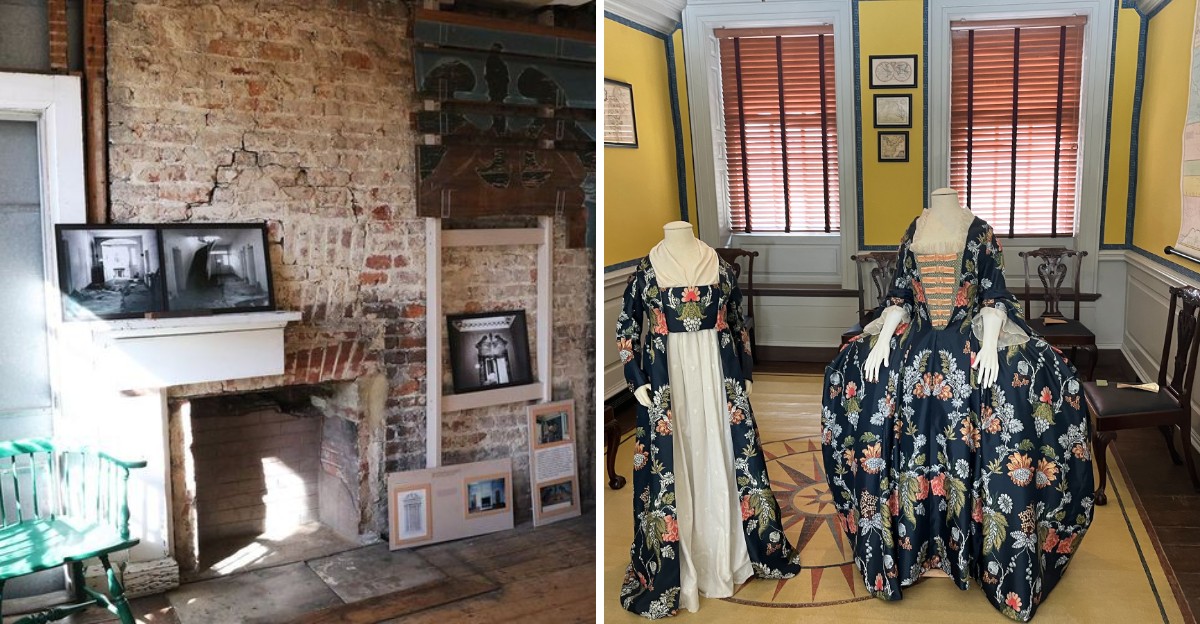
Renovations often uncover surprises. A hidden layer of wallpaper, an old newspaper stuffed in a wall, a coin that slipped through the floorboards a century ago.
But some discoveries are bigger than that. Workers renovating this Virginia historic home found a hidden brick well shaft beneath the floor, a piece of infrastructure that had been sealed off and forgotten for generations.
The shaft is lined with brick and drops deep into the ground, a reminder that older buildings often have layers that are not visible on the surface. The discovery raised questions about the home’s history and how the well was used before indoor plumbing became standard.
The find has been preserved, and visitors can now see it as part of the home’s story. It is the kind of discovery that makes history feel immediate, a reminder that the past is often just beneath our feet.
If you enjoy stories about hidden history, this one is worth following. The house has more secrets than anyone realized.
A Secret Waiting Under the Boards
Floors usually keep their mouths shut. At Carlyle House in Alexandria, though, the ground had a story to tell, and it was a good one.
During restoration work on the historic home, a circular brick shaft turned up beneath the floor. Brick-lined wells were a common way for colonial households to reach fresh water, so a find like this gives a real clue about daily routines.
Somebody hauled buckets up from that hole, over and over, long before taps existed.
Think about that for a second. A whole chapter of household life had been quietly sealed away, invisible to anyone strolling the rooms above.
Archaeology at Carlyle House has a long track record, since the property went through major digs and careful study before opening as a museum. Each discovery helps the team figure out what was original, what changed, and how the place actually worked.
For you, the takeaway is simple and fun. When you walk through these rooms, you are standing on layers of history that are still being peeled back.
So look down once in a while. The floor might be the most interesting exhibit in the building, even when it plays it cool.
Meet the Merchant Who Built It
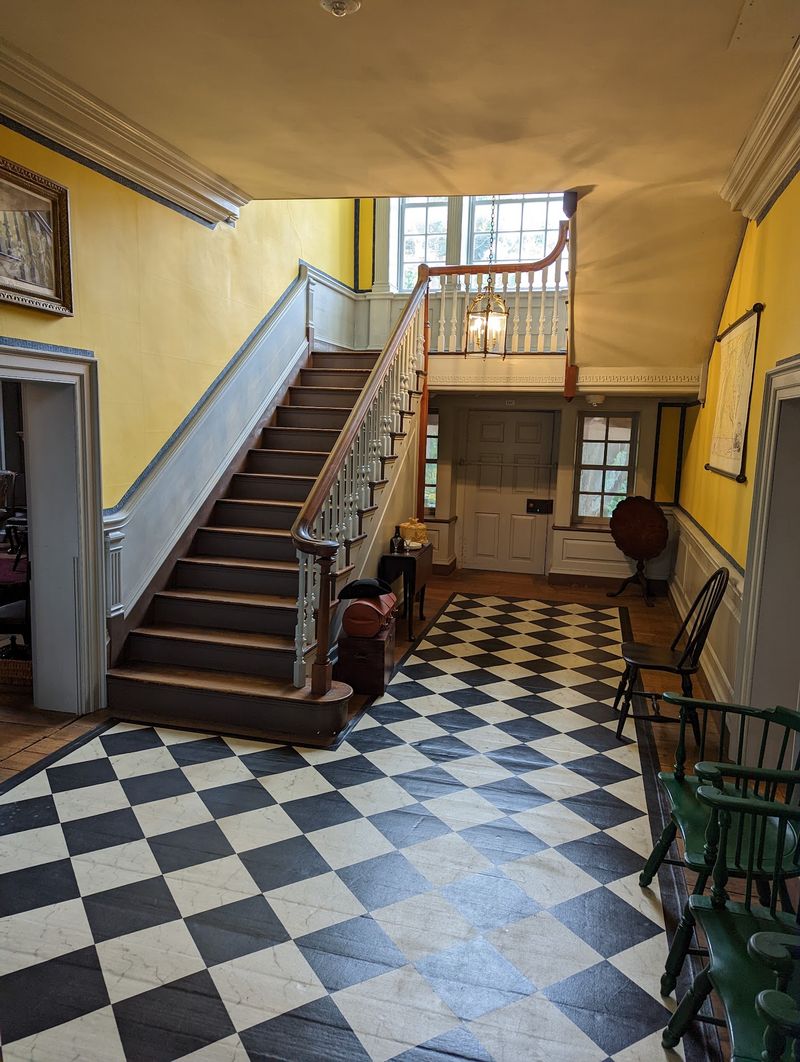
John Carlyle had big plans and deep pockets. A Scottish merchant who settled along the Potomac, he was one of the founding trustees of Alexandria and wanted a home that matched his ambitions.
The result is a striking stone mansion in the Georgian Palladian style, modeled after grand country houses back in Britain. Picture a merchant flexing on the neighbors, colonial style.
The symmetry, the stone, the formal layout, every detail whispered wealth and status.
Carlyle House is now the oldest surviving stone house in Alexandria, and it predates the famous mansion at Mount Vernon in its current form. Not bad for a guy who started with ships and trade goods.
Here is the twist many folks miss. Carlyle was married to Sarah Fairfax, linking him to one of the most powerful families in colonial Virginia.
Connections like that opened doors, quite literally, to the biggest names of the era.
As you approach the front, take a beat to admire the facade. Pay attention to how balanced everything looks.
Every window has a twin. Every line leads the eye somewhere deliberate, and that was entirely the point.
The Dining Room Where History Got Loud
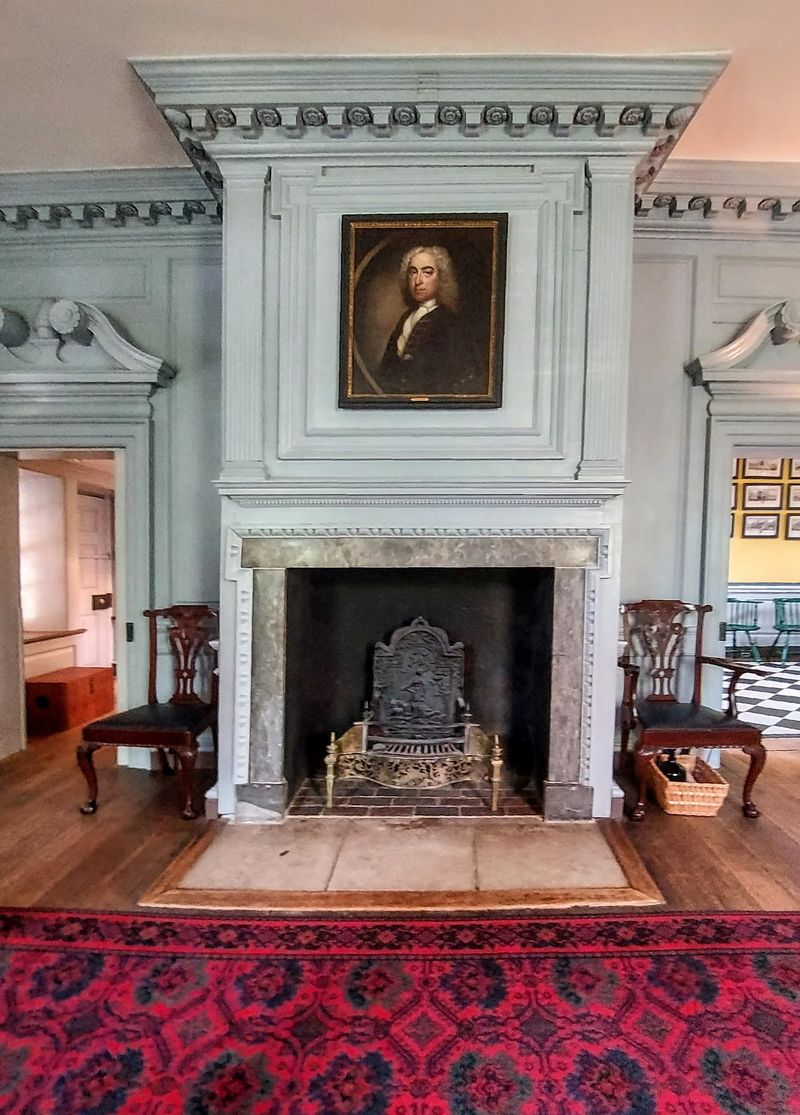
Big decisions often happen around a table. In the spring of the French and Indian War era, General Edward Braddock made Carlyle House his headquarters and met with five colonial governors right here.
That gathering, often called the Governors Council, discussed how the colonies should help fund the war. Some historians point to those talks as an early spark in the long tension over taxes between the colonies and Britain.
Heavy stuff for a room with such pretty woodwork.
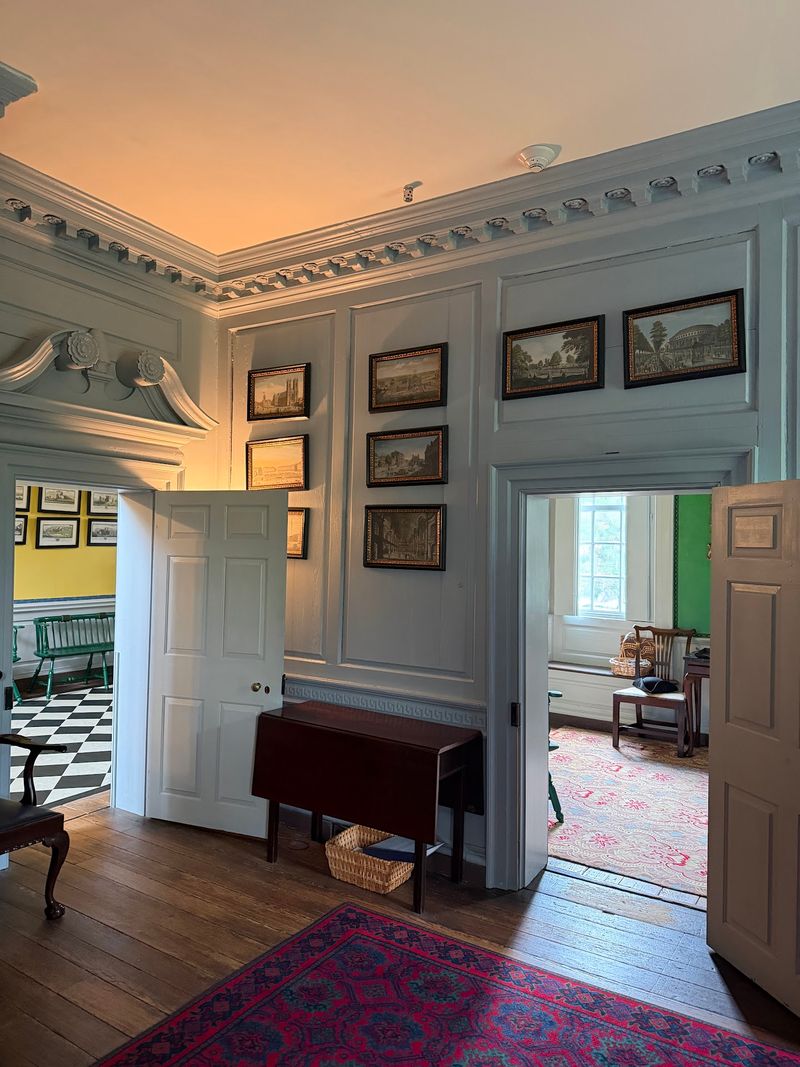
Speaking of woodwork, look closely at the paneling. Much of it has been carefully preserved or restored, and the craftsmanship is the kind that makes modern flat-pack furniture blush.
Guides love to set the scene in this space. Expect vivid details about who sat where, what was at stake, and why the meeting still matters to American history.
A smart move is to ask questions. Docents at Carlyle House are known for being sharp and enthusiastic, and they rarely run out of stories.
Stand quietly for a moment before moving on. Imagine candles flickering, boots on the floor, and a room full of men arguing about money and power.
Saved From the Wrecking Ball
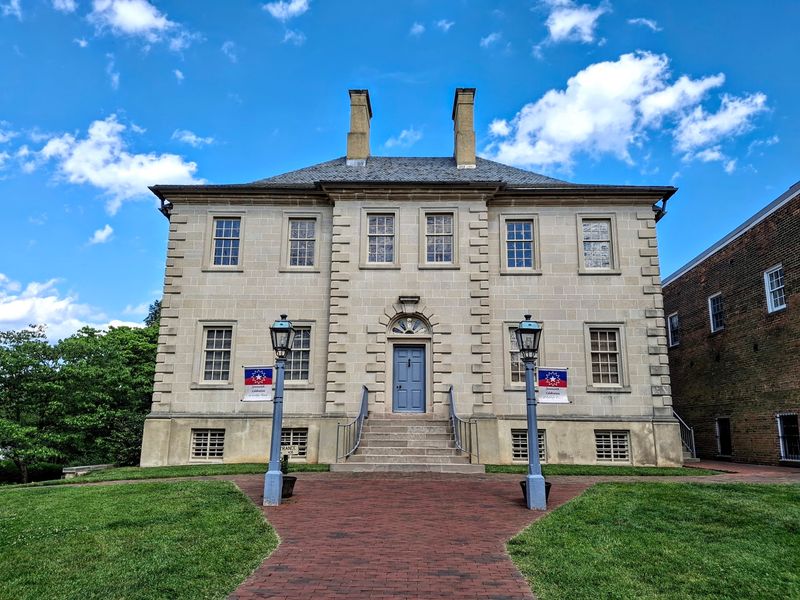
Plot twist time. For years, the grand old mansion was partly hidden behind a hotel built in front of it, like a celebrity wearing a giant hat.
The Mansion House Hotel stood on the property for a long stretch, and the stone house survived largely tucked behind it. Later, the site faced the real threat of being lost entirely.
Preservation efforts stepped in, and NOVA Parks, then known as the Northern Virginia Regional Park Authority, acquired the property.
What followed was an enormous restoration project. Researchers studied paint layers, old documents, and archaeological finds to bring the home back to how it looked in Carlyle’s day.
Discoveries like the hidden brick well shaft fit right into that detective work. Every buried feature helps confirm or correct the picture of the original household.
Tour guides often share the rescue story, and it is genuinely gripping. You learn which parts are original and which were carefully rebuilt using solid evidence.
Keep an eye out for spots where restorers left clues visible. Seeing old materials next to restored ones turns the whole building into a giant before-and-after puzzle that you get to solve as you walk.
Down in the Basement Exhibits
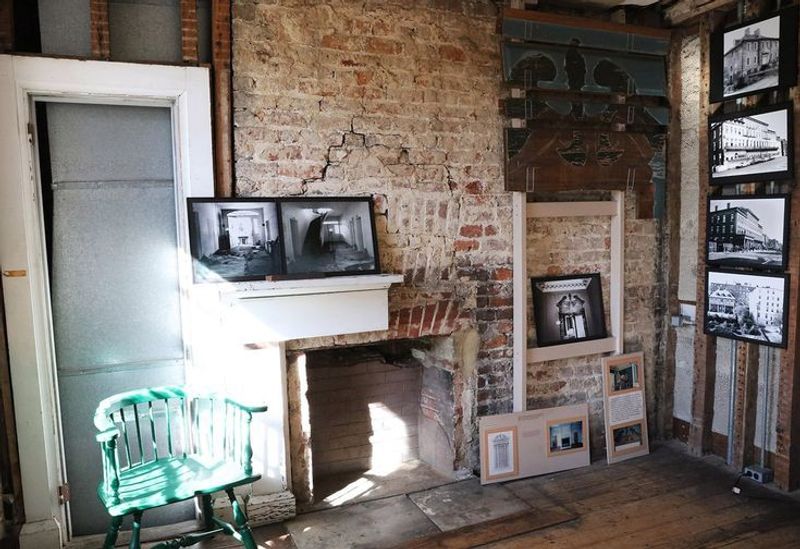
Basements are usually where old paint cans go to retire. At this house, the lower level is where the archaeology nerds get to shine.
The basement area offers exhibits that dig into construction, archaeology, and the everyday workings of the household. Admission to the lower level exhibits has been free, while the guided house tour carries a small fee, so it makes an easy first stop.
You get to see the bones of the building up close. Thick stone walls, structural details, and recovered objects reveal how a colonial mansion really came together.
Finds pulled from the ground around the property tell quieter stories too. Pottery pieces, tools, and household scraps hint at meals, chores, and the lives of everyone who worked here.
This part feels especially fitting after hearing about that hidden well shaft. Water, storage, and labor were the engine of the home, and the basement makes that engine visible.
Take your time reading the panels. They are clear, well put together, and packed with details you will want to repeat to friends later.
Bonus tip for families. Kids tend to love the treasure-hunt vibe of real artifacts pulled out of the dirt.
Stories of the People Who Did the Work
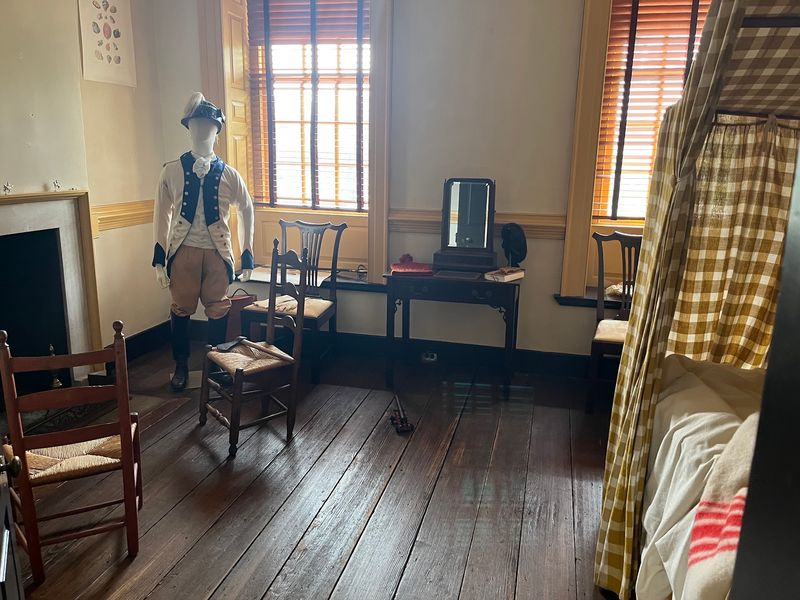
Grand houses do not run themselves. Behind every polished floor and fancy dinner at Carlyle House were enslaved people whose labor kept the entire household going.
The museum addresses that history directly. Tours include space connected to the enslaved workers who lived and labored here, and the interpretation aims to give a fuller, more honest picture of colonial life.
Hauling water from a well, cooking, cleaning, tending fires, and caring for children were daily tasks. When you think about that brick shaft hidden under the floor, picture the hands that worked it, day after day.
History gets richer when you see everyone in the frame. Visiting with that lens turns an elegant mansion into a more complete, more human story.
Women’s roles in managing the household also get attention. Running a home of this size was a serious job requiring planning, budgeting, and constant oversight.
My honest suggestion is to come ready to listen. These parts of the tour can be moving, and they add depth that stays with you long after you leave Alexandria.
Ask the guide what research is ongoing. New findings keep shaping these stories.
A Garden That Steals the Show
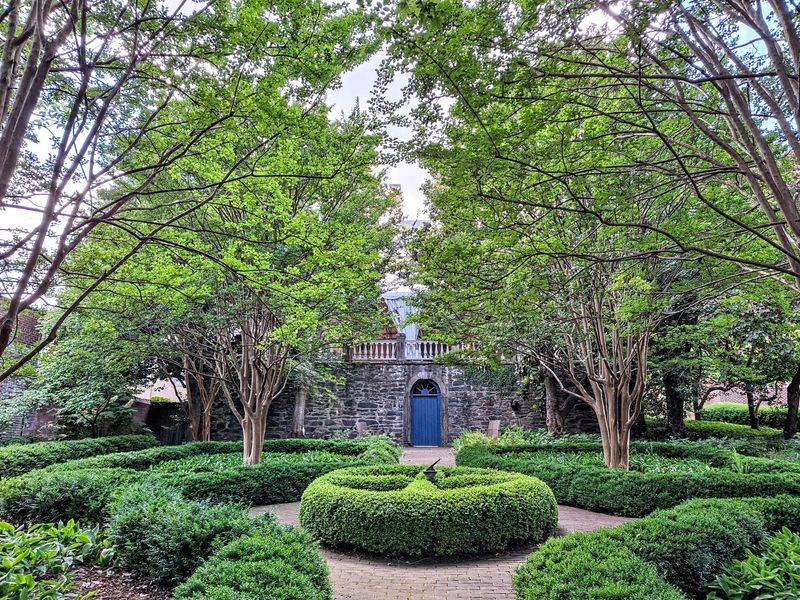
Flowers, brick paths, and a stone mansion as a backdrop. Honestly, the garden behind Carlyle House could charge rent just for the vibes.
Designed to reflect the style of an eighteenth century garden, the space features tidy beds, shady corners, and paths perfect for a slow wander. It feels like a calm pocket of green tucked into busy Old Town.
Spring and summer bring bursts of color. Fall adds a cozy, golden mood that pairs beautifully with the historic stonework.
Photographers adore this spot, and for good reason. The compact layout still offers plenty of pretty angles, and the house looks gorgeous from the back.
Planning a professional shoot or a special occasion here? A permit is required, so reach out to the office early and confirm details, especially since maintenance work can occasionally affect access.
Even without a camera, the garden is a lovely place to pause. Sit, breathe, and listen to the city hum softly beyond the walls.
It makes a sweet ending after a tour packed with history. Your brain gets a breather while your eyes get a treat, which is a pretty fair trade.
Say I Do in Colonial Style
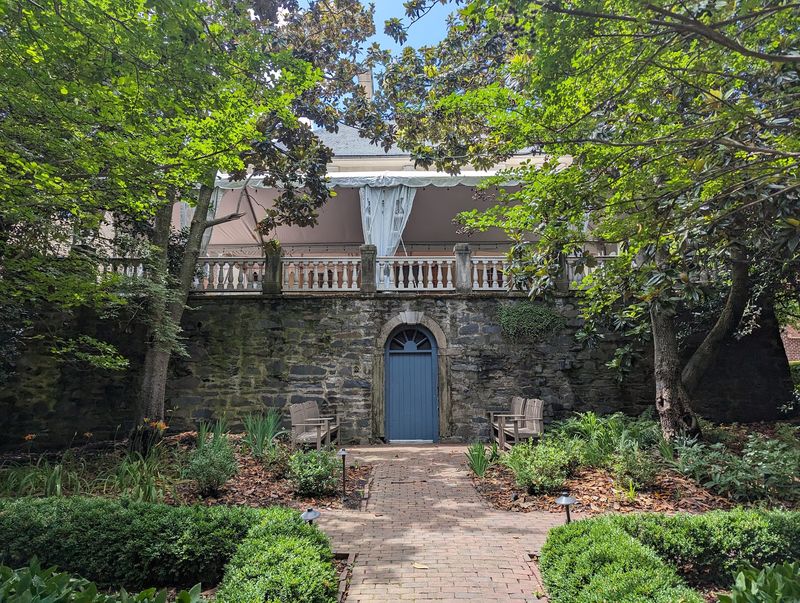
Love stories and history make a great match. Carlyle House doubles as a romantic venue for weddings, small ceremonies, and engagement photos.
The garden setting delivers that timeless look couples crave. Stone walls, greenery, and colonial architecture create photos that feel classic rather than trendy, and they age gracefully.
Because the property sits in the heart of Old Town, you can easily stretch a photo session onto nearby streets. Cobblestones, colorful row houses, and the waterfront are all close by.
Staff work with couples and coordinators to keep things running smoothly. Booking well ahead is wise, since popular dates fill up and permits are required for photography.
Here is a practical tip worth remembering. Confirm your date and garden access shortly before the event, just in case maintenance or other activities pop up.
Smaller gatherings suit this space best. It is intimate rather than sprawling, which makes everyone feel close to the action.
Picture vows exchanged steps away from where colonial governors once debated war plans. That is a pretty legendary backdrop for promising forever, and a fun detail for the toast too.
History buffs in the family will absolutely approve.
Events, Mourning Displays and Spooky Fun
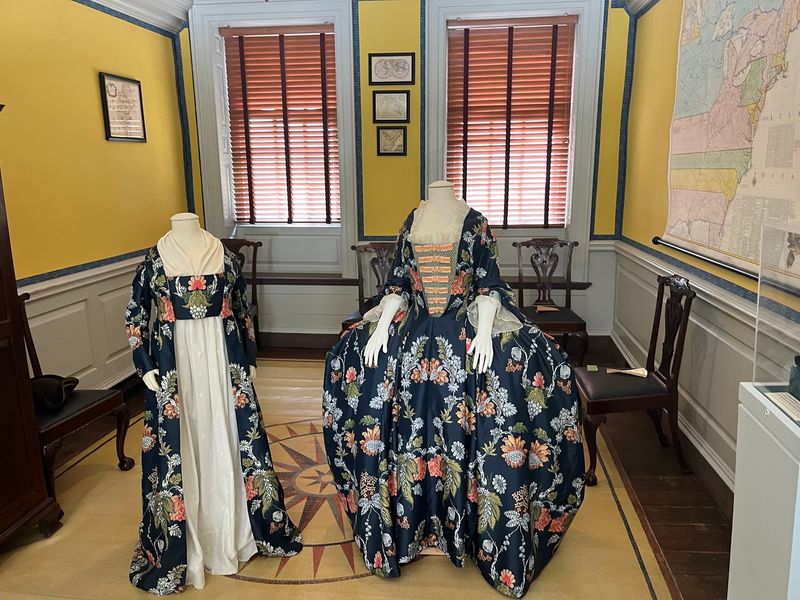
Calendars at historic sites can get surprisingly lively. This mansion hosts special programs throughout the year, from living history days to themed evening events.
One standout is the annual mourning exhibit marking John Carlyle’s death in the fall. Rooms are dressed as they might have looked when the household grieved, with draped fabric and covered mirrors adding an eerie, fascinating mood.
Around Halloween, the spooky energy cranks up. Themed events lean into old customs and ghostly tales, which feels right at home in a house this old.
Costumed interpreters and live demonstrations appear at certain events. Volunteers often fill the rooms, ready to chat about candles, cooking, clothing, and colonial etiquette.
To catch something special, check the NOVA Parks website or the Carlyle House social media pages before you go. Schedules shift, and some events need advance tickets.
Seasonal visits give you a reason to come back again and again. Each program reveals a different side of the house and its people.
And yes, a few locals swear the place has a resident spirit or two. Believe it or not, that rumor definitely adds a delicious shiver to the tour.
Plan Your Old Town Adventure
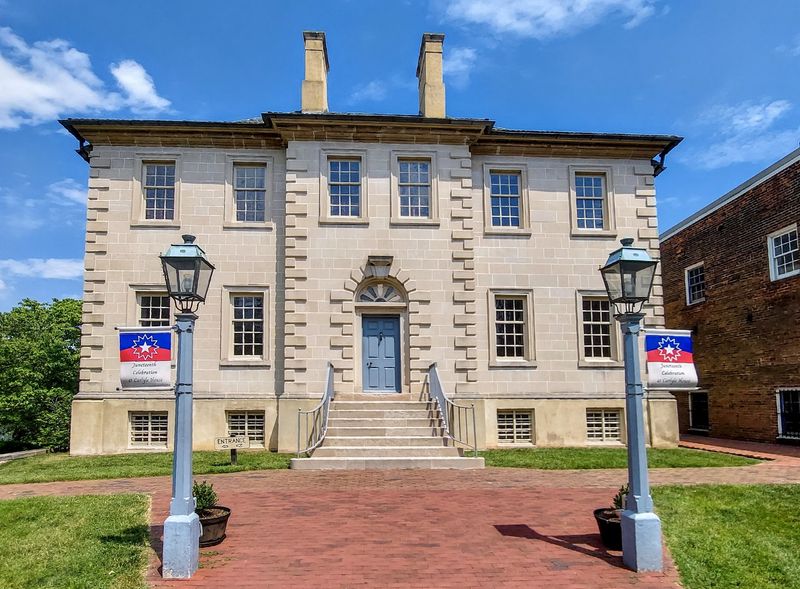
Good news for your feet. Carlyle House sits right in walkable Old Town Alexandria, only a short stroll from the Potomac waterfront.
Fun fact before you go. The house once stood much closer to the river, until landfill pushed the shoreline outward over time, so that waterfront view has wandered off a bit.
Guided tours generally start on the hour and run under an hour, with a short introductory video. The fee is modest, and the free basement exhibits make a nice warm-up.
You will find the house at 121 N Fairfax St, Alexandria, VA 22314. It is managed by NOVA Parks, and the official website lists current tour details and events.
After your visit, wander King Street for shops, cafes, and people watching. Gadsby’s Tavern Museum and the Torpedo Factory Art Center are both close enough for an easy afternoon combo.
Northern Virginia packs a ton of history into small spaces, and this neighborhood proves it block by block. I genuinely think this stop belongs on every Virginia itinerary.
So grab comfy shoes and a curious mind. That hidden well shaft is waiting, and the floorboards still have secrets to spill.
