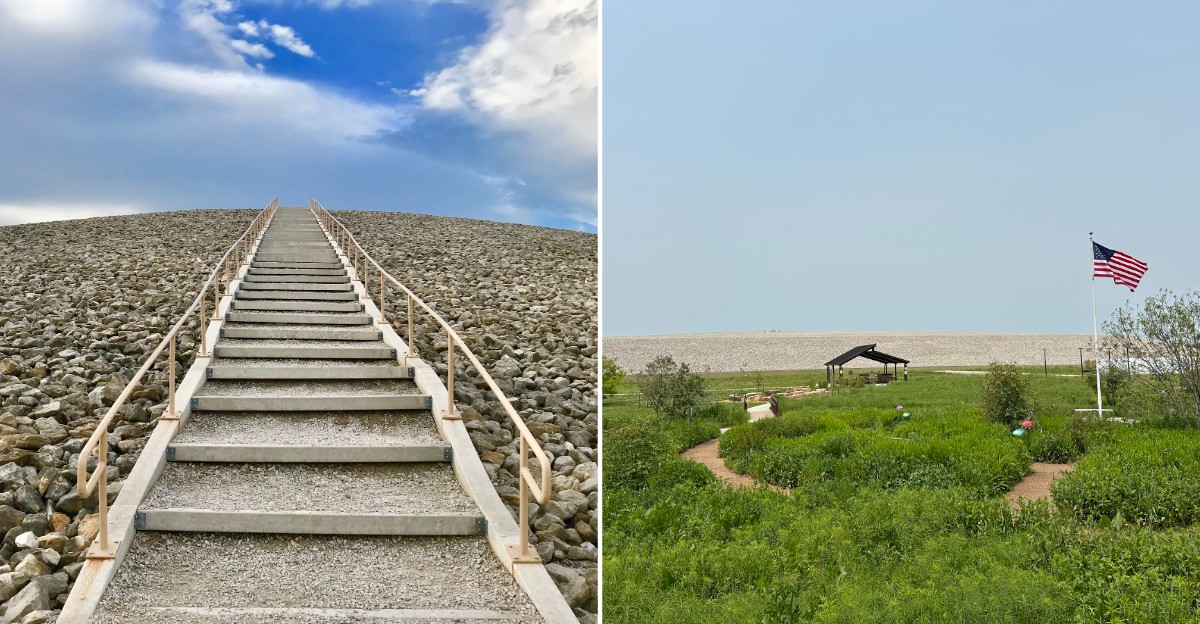
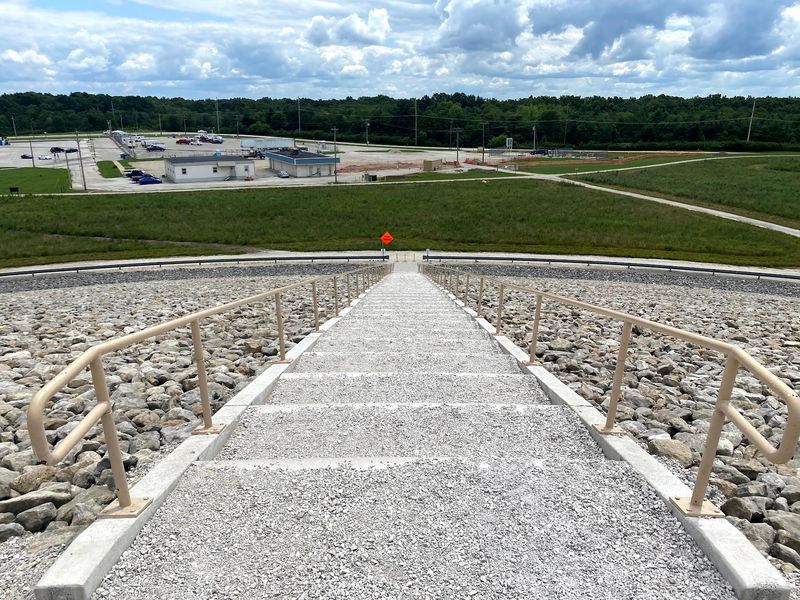
About 1.5 million cubic yards of radioactive and chemical waste sit sealed inside a giant rock-covered mound. And yes, there’s a staircase to the top.
I’d love to say I’d hesitate before climbing it, but the free admission and the view make that hard. The mound rises roughly 75 feet above a restored prairie.
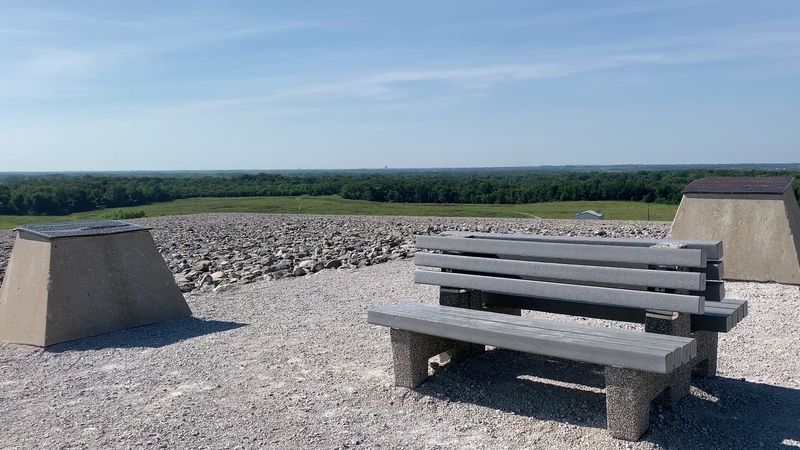
A viewing platform waits at the summit.
Maybe it’s just me, but a cleanup project that ends with a scenic overlook feels very Missouri. It took nearly 5,000 workers and more than 16 years to finish.
Then they planted wildflowers around it.
I don’t know why this place isn’t on more weekend lists, but I have a guess. Most people hear the words radioactive waste and keep driving.
The View From Up Top Stretches Farther Than You’d Expect
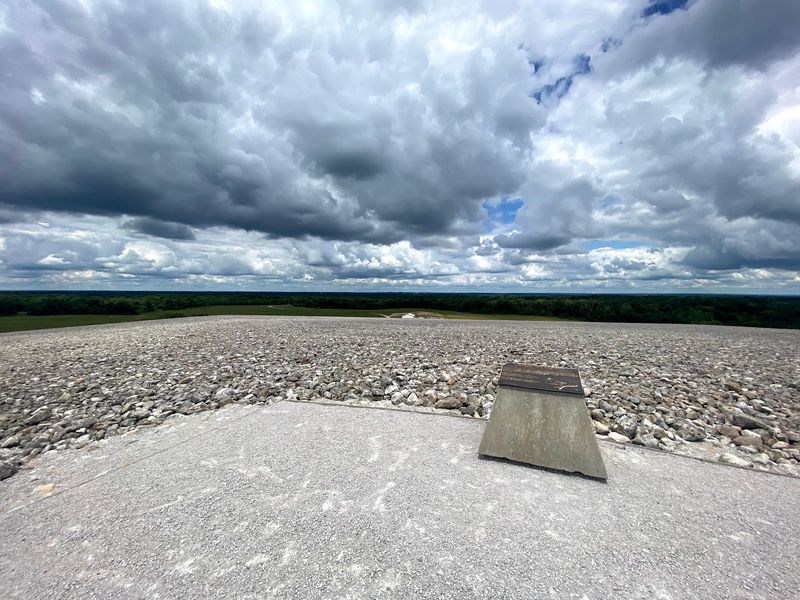
Seventy-five feet doesn’t sound dramatic until you’re standing on it. In flat, open country, that height turns into a real lookout.
From the platform, you can scan the surrounding Howell Prairie below. Parts of St. Charles and St. Louis counties spread out beyond it.
The prairie looks different with every season. Summer brings blooming color, while fall paints the nearby trees in warmer tones.
Storm clouds can look especially dramatic from this height. Sunrise and sunset are also strong choices if you like a glowing sky.
Bring a camera or at least a charged phone. The wide horizon makes panoramic shots easy, even for casual photographers.
Binoculars are a smart extra if you have them. Birds move across the prairie, and a closer look adds a lot to the experience.
Keep in mind that the outdoor areas close at dusk. Time your climb so you aren’t rushing down the stairs in fading light.
Standing up there, it’s easy to forget what lies beneath your feet. Then a plaque reminds you, and the whole scene feels even stranger and more impressive.
Start Inside, Because The Backstory Is Wild
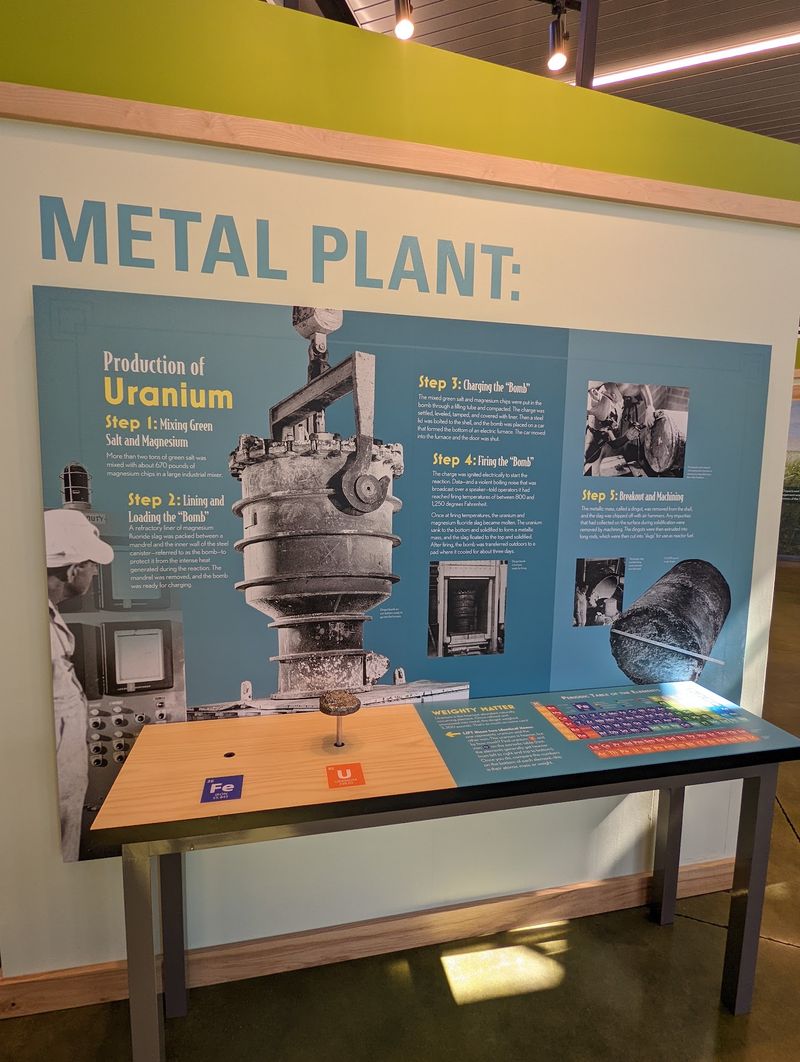
Climbing the mound without the backstory is like reading only the last page of a mystery. The Weldon Spring Site Interpretive Center fills in the missing chapters.
A new building opened on April 14, 2022, replacing the older center. Exhibits cover the site’s history, the massive cleanup, and current site conditions.
You’ll learn about World War II explosives production and Cold War uranium processing. The displays explain the science without making your head spin.
One standout exhibit uses an aerial map with clear overlays. They show where the old towns of Hamburg, Howell, and Toonerville once stood.
Those overlays also mark roads, property owners, and old cemeteries. It’s a powerful way to see how much the landscape changed.
A short introductory film explains what happened here and why. Ask the staff about it if it isn’t already playing.
The center is open Monday through Friday from 9 a.m. to 5 p.m. Weekend hours run from 10 a.m. to 4 p.m., with closures on federal holidays.
Give yourself at least an hour inside. Curious types could easily spend longer reading every panel.
Yes, You Really Can Walk Right Up Onto The Mound
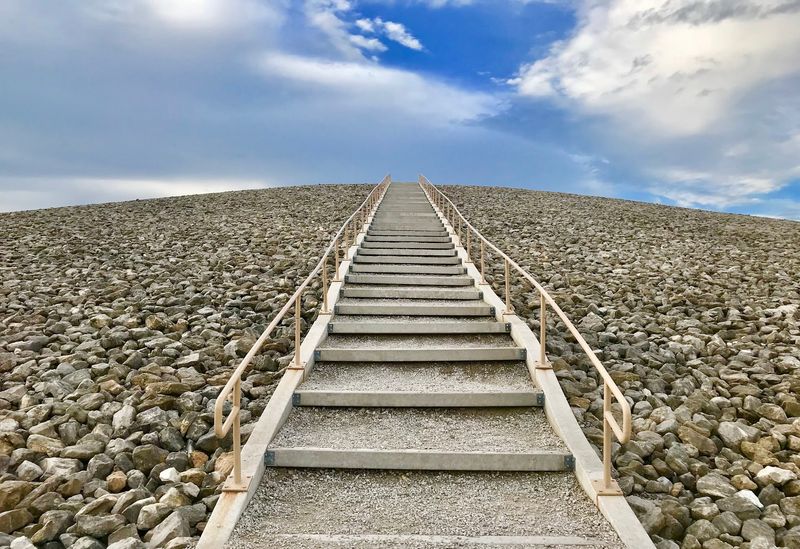
Most hazardous waste sites come with fences and stern signs. The Weldon Spring Site Interpretive Center comes with a staircase instead.
Behind the center sits the Weldon Spring Disposal Cell, an engineered mound about 75 feet tall. It covers roughly 41 to 45 acres, which is a lot of rock to admire.
Inside are about 1.48 to 1.5 million cubic yards of contaminated material. Workers sealed it all beneath a thick layer of riprap rock, finishing the cap in 2001.
The stairs lead to an observation platform at the very top. Several plaques up there explain the history while you catch your breath.
The best part might be the price. Climbing the cell costs nothing, and neither does the center itself.
The mound and outdoor areas stay open seven days a week from dawn to dusk. That gives you plenty of flexibility for an early start or a late stroll.
Wear sturdy shoes because the ground can be rocky. A light jacket helps too, since a tall hill in open country often catches the wind.
Bragging rights come included. Not many people can say they stood on top of a sealed waste cell on purpose.
Entire Towns Packed Up So A Factory Could Move In
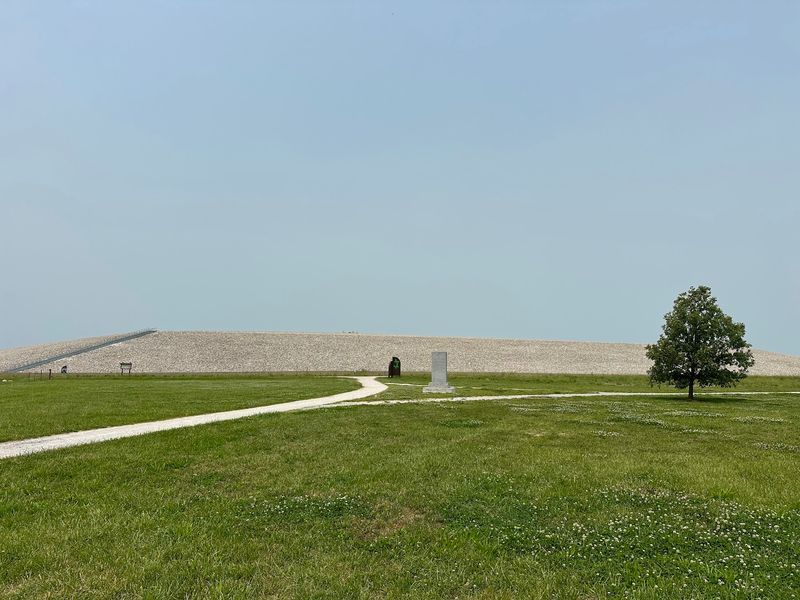
In 1940 and 1941, the U.S. government acquired more than 17,000 acres here. Hundreds of residents had to leave their homes and farms behind.
The small communities of Hamburg, Howell, and Toonerville disappeared from the map. In their place rose the Weldon Spring Ordnance Works.
From 1941 to 1945, the Atlas Powder Company ran the plant. Workers produced explosives like TNT and DNT for the national effort.
That chapter shaped everything that followed on this land. It also explains why some local trails and areas carry names from those lost towns.
The Hamburg Trail is one clear example. Every time someone rides it, the old town’s name gets another mention.
The interpretive center treats this part of the story with care. Families who lost their land are part of the history, not a footnote.
Spend a few minutes with the map overlays inside. Spotting where farmhouses and roads once sat makes the past feel surprisingly close.
Out on the prairie later, you might look around differently. Those open fields once held kitchens, schoolyards, and neighbors chatting over fences.
Uranium Came Next, And So Did The Mess
Just when the explosives chapter ended, the atomic age arrived. In 1955 and 1956, the Atomic Energy Commission took over part of the site.
It became the Weldon Spring Uranium Feed Materials Plant. From 1957 to 1966, Mallinckrodt processed uranium ore concentrates into pure uranium compounds.
Those materials supported nuclear weapons development and energy research. The work mattered nationally, but it left serious contamination behind.
Four large settling basins, called raffinate pits, held radioactive and chemical sludge. A quarry about four miles south also became a dumping ground.
The Army first used that quarry for TNT residues. Later, from 1963 to 1969, it received uranium- and radium-contaminated rubble and soils.
By the 1980s, officials recognized how big the problem had become. The EPA named portions of the Weldon Spring area Superfund sites in 1987.
Exhibits at the Weldon Spring Site Interpretive Center walk through this era clearly. It’s a sobering stretch of the story, but an important one.
Knowing all this makes the green prairie outside feel like a comeback. Few landscapes have traveled quite this far.
Nearly A Billion Dollars Funded The Weldon Spring Cleanup
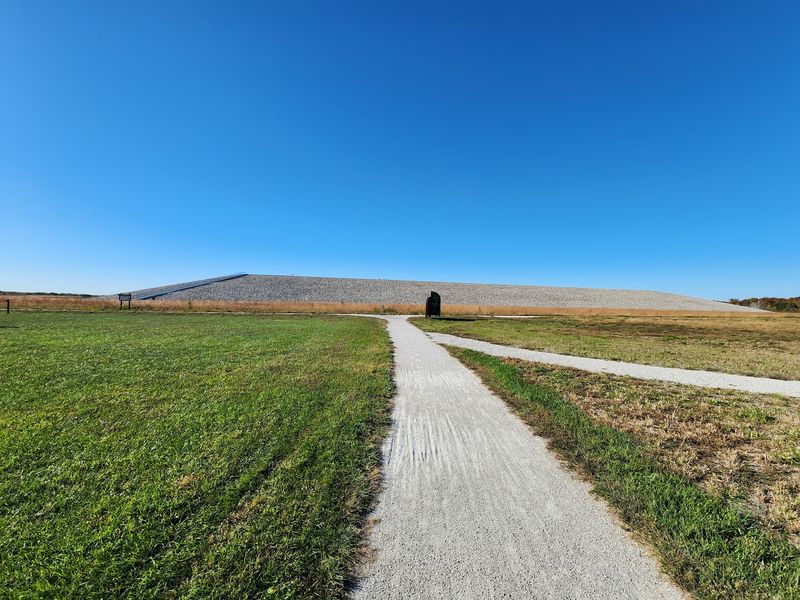
Cleaning up decades of contamination took serious muscle. The Weldon Spring Site Remedial Action Project began investigations in 1986.
Crews demolished the old chemical plant buildings. They also removed sludge from the raffinate pits and waste from the quarry.
All that material went into one place: the on-site disposal cell. Consolidating it meant moving about 1.5 million cubic yards of waste.
The effort lasted more than 16 years and cost nearly one billion dollars. Almost 5,000 workers took part along the way.
That’s a staggering team for one project in Missouri. Think of it as a small town’s worth of people rolling up their sleeves.
The final riprap rock cap went on in 2001. In 2003, the site moved to the Department of Energy’s Office of Legacy Management.
That office still handles surveillance, maintenance, and long-term care today. The cell is designed to contain its contents for at least 200 years, and up to 1,000 where achievable.
Those numbers are worth pondering at the top. Few things people build are planned to outlast so many generations.
A 150-Acre Prairie Now Steals The Spotlight
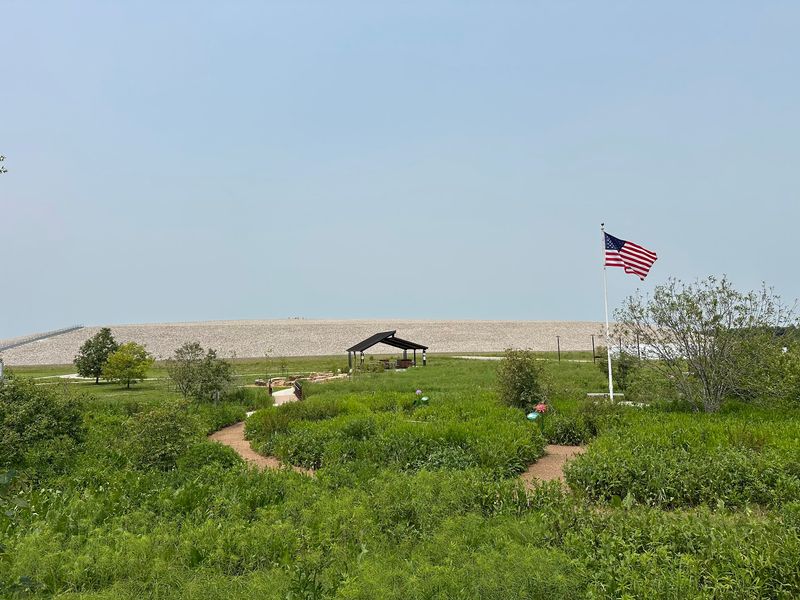
Wildflowers now grow where factories once hummed. The Howell Prairie wraps around the disposal cell across about 150 acres.
More than 100 native plant species fill this restored landscape. Birds and butterflies have moved right in, happily ignoring the dramatic history.
A one-mile crushed gravel path circles the base of the cell. It’s an easy loop for anyone who wants nature without a strenuous hike.
Nearby, an eight-acre Native Plant Education Garden showcases prairie species and other local plants. Gardeners can pick up ideas for their own yards.
Labels and layouts make the garden easy to explore at your own pace. Even folks who can’t tell one flower from another tend to enjoy it.
Summer is prime time for blooms and buzzing pollinators. Fall brings golden grasses and seed heads that look great in photos.
Stick to marked paths while you wander. Ticks can lurk in tall plants, so a quick check afterward is smart.
Bug spray and a hat will make the outing more pleasant. Water helps too, since the prairie offers little shade on sunny days.
Bring Your Bike, Because The Trails Keep Going
Some visitors never even make it inside the building first. They roll in on bikes, because this spot doubles as a trailhead.
The Hamburg Trail runs about six miles as a multi-use path. It connects to Katy Trail State Park and the Busch Greenway.
That link opens up a huge network for riders and walkers. You could turn a short visit into an all-day adventure.
Hikers have another option in the nearby Weldon Spring Conservation Area. Its Lewis and Clark Trail offers views of the Missouri River.
Surfaces can be rocky in places. Thin road tires or minimalist shoes might make you regret your choices.
Pack snacks and plenty of water before heading out. Services along the paths can be limited, so planning ahead pays off.
The combination here is hard to beat. History, prairie, and miles of trail all start from one parking area.
Finish your ride by climbing the mound if your legs agree. If they don’t, the viewing platform will still be there next time.
Plan Your Trip Around Events, Hours, And Easy Logistics
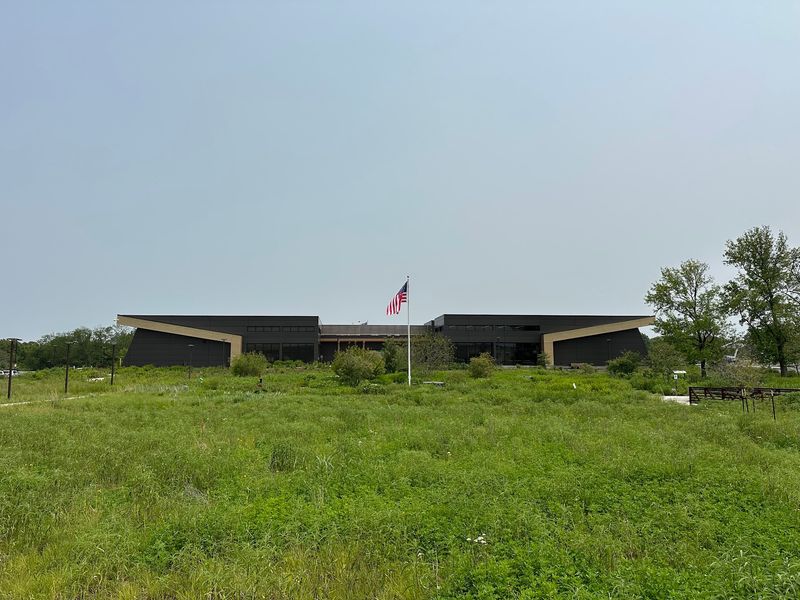
Getting here is refreshingly simple. The Weldon Spring Site Interpretive Center sits at 7295 Highway 94 South, St. Charles, MO 63304.
That’s roughly 30 miles west of St. Louis. It makes a great half-day trip from the city or a stop on a Highway 94 drive.
Free parking sits next to the center. Admission is free too, which makes this an easy yes for families on a budget.
Educational programs and tours run here throughout the year. Groups can also use meeting rooms, and researchers can dig into the site’s records.
Special events occasionally bring the grounds to life. Past offerings have included a Pollinator Palooza with educational booths and kid-friendly activities.
Check upcoming programs before you go so you don’t miss something fun. School groups and homeschool families may find lessons tailored to them.
Remember that the building closes on federal holidays, New Year’s Day, Easter, and Christmas. The outdoor areas remain open daily from dawn to dusk.
Few places in Missouri pack this much history, nature, and quirky charm into one free stop. Climb the stairs, read the plaques, and enjoy the view.
