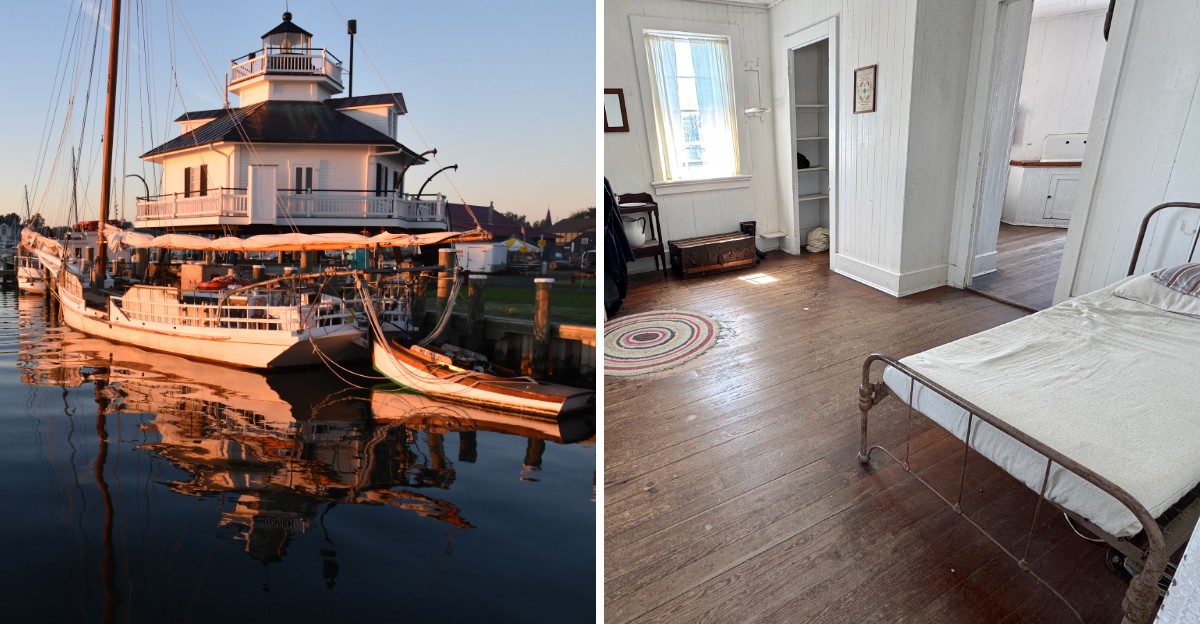
You can actually sleep inside a lighthouse that was almost torn down. The catch?
Overnight stays are reserved for youth groups and their chaperones, not ordinary hotel guests. Still, getting to spend a night where lighthouse keepers once worked sounds pretty incredible.
The Maryland landmark used to stand out in the Chesapeake Bay, until a museum bought it from a demolition contractor for just $1,000 in 1966. Workers lifted it from its pilings and moved it by barge to safety.
I find that rescue almost as fascinating as the chance to sleep inside.
Today, visitors can explore its restored rooms, while overnight groups take part in hands-on lighthouse-keeper activities. Just think how close this place came to disappearing.
Instead, it’s still giving people stories to tell, more than a century after its light first shone.
A $1,000 Rescue Saved This Beacon From The Wrecking Crew
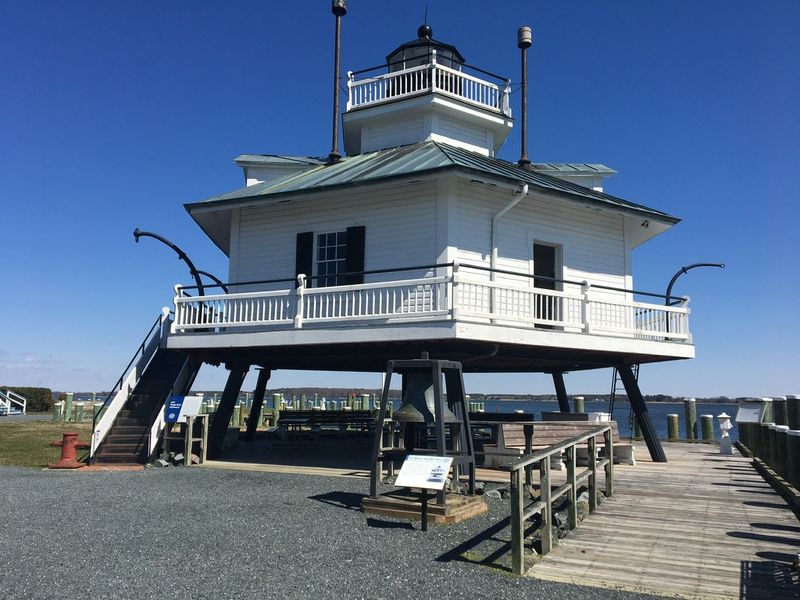
Back in 1966, the 1879 Hooper Strait Lighthouse was headed for the scrap pile. Automation and wear had made it unnecessary to the Coast Guard.
That’s when a young museum stepped in with a bold idea. The Chesapeake Bay Maritime Museum bought the 42-ton structure from a demolition contractor for $1,000.
Moving it took some creativity. Crews carefully cut the lighthouse in half below the eaves so it could travel in pieces.
Then both halves rode a barge 40 miles up the Bay. The lighthouse arrived at its new home on November 9, 1966.
It opened to the public on May 20, 1967. Not bad for a building that nearly became a pile of lumber and iron.
I believe this rescue story is half the fun of visiting. You aren’t just seeing an old building, you’re seeing a comeback.
Knowing that history makes every step inside feel different. Someone looked at a doomed lighthouse and decided it was worth saving.
Today, it sits in Maryland as a reminder that preservation sometimes starts with one quick, gutsy decision. That decision gave generations of families a chance to explore it.
Your Kids Can Spend The Night As Real Lighthouse Keepers
Sleepovers usually mean pizza and a movie. This one comes with an official oath and old-fashioned keeper chores.
The museum calls it Lighthouse Overnight Adventures. Youth groups, students, Scouts, and children’s groups can stay inside the lighthouse with their chaperones.
Participants step into the daily life of a 19th-century keeper. They try on period clothing and perform traditional duties that kept ships safe.
There’s plenty of fun mixed in, too. Stories, lighthouse-themed games, and puzzles help fill the evening.
A dedicated museum educator stays overnight with the group. That means kids get a guide who knows the history inside and out.
The program also includes two days of museum admission and a souvenir patch. So the adventure doesn’t end when everyone rolls up their sleeping bags.
I can’t imagine a better way to make history stick in a young brain. Reading about keepers is one thing, but sleeping where they once worked is unforgettable.
Group leaders should plan ahead, since spots are limited and dates are select. Teachers and Scout leaders, this might be the field trip everyone talks about for years.
Pack Like A Keeper Because Comfort Is Strictly 1879 Style
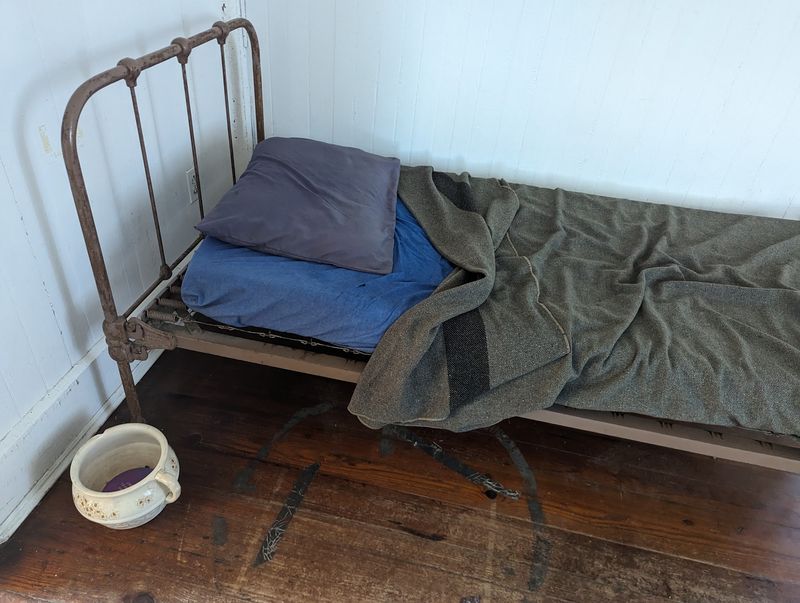
Running water? Not here.
Indoor bathrooms are missing too, which is pretty authentic for an 1879 lighthouse.
The overnight is rustic, and that’s part of the charm. Keepers didn’t have fancy comforts, so guests get a taste of the real deal.
Everyone needs to bring a sleeping pad and a sleeping bag. Don’t forget either one, unless you enjoy cozying up to old wooden floors.
A little smart packing goes a long way. Think comfortable layers, a flashlight, and anything that helps you rest well in a simple space.
The evening starts at 7 p.m. and wraps up at 9 a.m. the next morning. That’s a solid stretch, so plan for both nighttime fun and an early wake-up.
Chaperones should talk with kids about the setup beforehand. Knowing what to expect keeps the adventure exciting instead of surprising.
Honestly, the lack of modern stuff makes the night more memorable. Kids rarely get to unplug like this, especially in a building with such a story.
It’s camping, but with walls, history, and a view of the harbor. That’s a trade most young explorers would happily make.
Mark Your Calendar Before These Spring And Fall Nights Fill Up
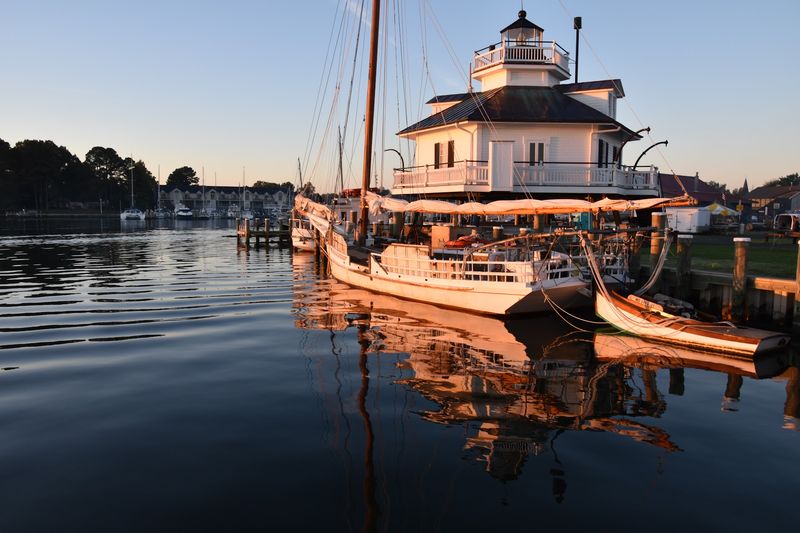
Timing matters with this adventure. The overnight programs run on select Fridays and Saturdays during certain months only.
Look for dates in April, May, and June. The program returns in September and October, when the Bay air usually cools down.
Each group needs at least 12 participants. The lighthouse can hold up to 18, so it stays small and personal.
That size limit is actually a bonus. Everyone gets more attention from the educator, and nobody feels lost in a crowd.
If you’re organizing a Scout troop or class, gather your headcount early. Hitting the minimum is easier when families have plenty of notice.
Spring and fall both offer something nice. Spring brings longer evenings, while fall nights feel perfect for storytelling.
The cost covers more than just a spot on the floor. It includes the stay, activities, two days of admission, and that souvenir patch.
Planning a weekend around it makes a lot of sense. Families can explore the museum before and after the big night, turning one sleepover into a mini getaway.
Ice Wiped Out The First One, So They Built It On Screws
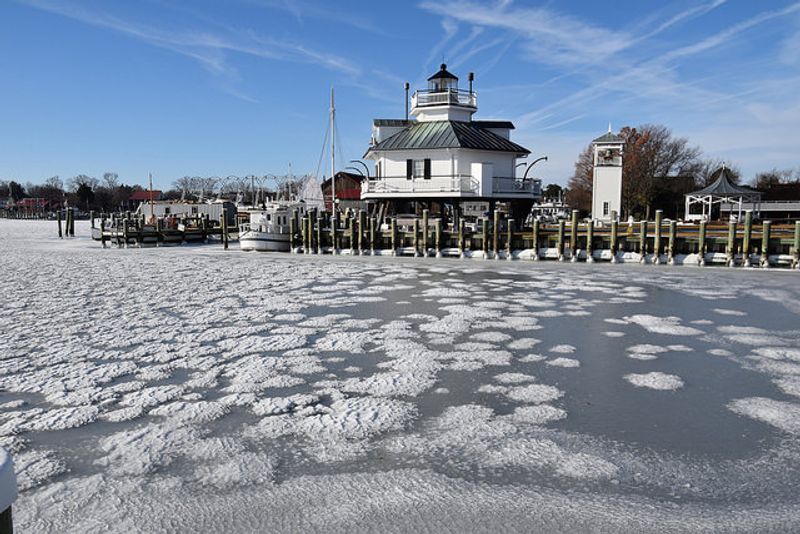
Ice was the villain of this story. In 1877, it destroyed the lighthouse that stood at Hooper Strait before this one.
So in 1879, a replacement went up to guide boats through tricky waters. Hooper Strait was a key passage from the Chesapeake Bay across Tangier Sound.
Those waters had shallow, dangerous shoals. Captains needed a steady light to avoid running aground.
The design is called a screwpile lighthouse. Iron legs were screwed into the soft bottom, letting the cottage sit above the water.
It’s also cottage-style, which means the keeper lived right inside the lighthouse. Home and job were basically the same address.
Here’s a fun fact worth sharing at dinner. This lighthouse is one of only three screwpile cottage-style lighthouses left on the Chesapeake.
That makes it pretty rare. Plenty of these once dotted the Bay, but few survived storms, ice, and time.
When you stand beneath those iron legs, think about the water that once rushed under them. It’s a cool way to picture how engineers solved a very Maryland problem.
Climb Through Three Floors Of Keeper Life Any Open Day
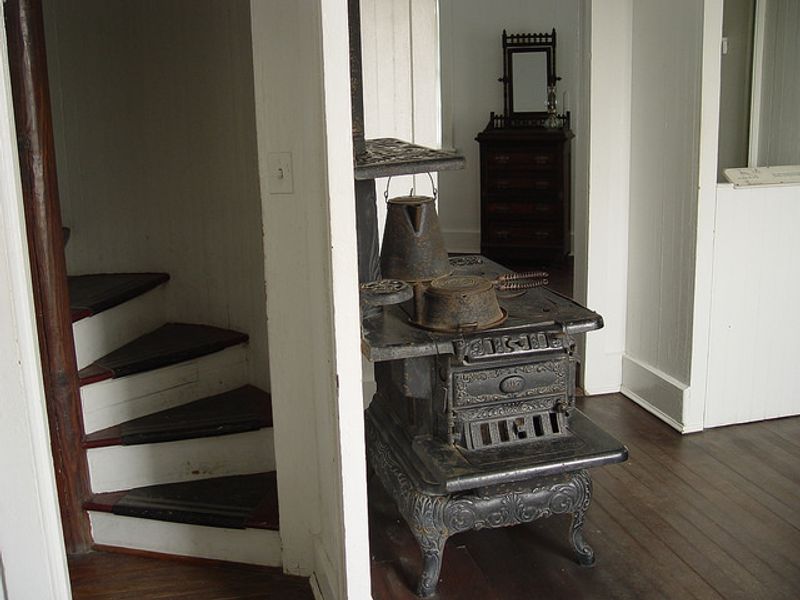
Not part of a youth group? No problem, because day visitors can still head inside.
The lighthouse sits within the Chesapeake Bay Maritime Museum. It’s typically open Thursday through Monday from 10 a.m. to 4 p.m., but check hours before you go.
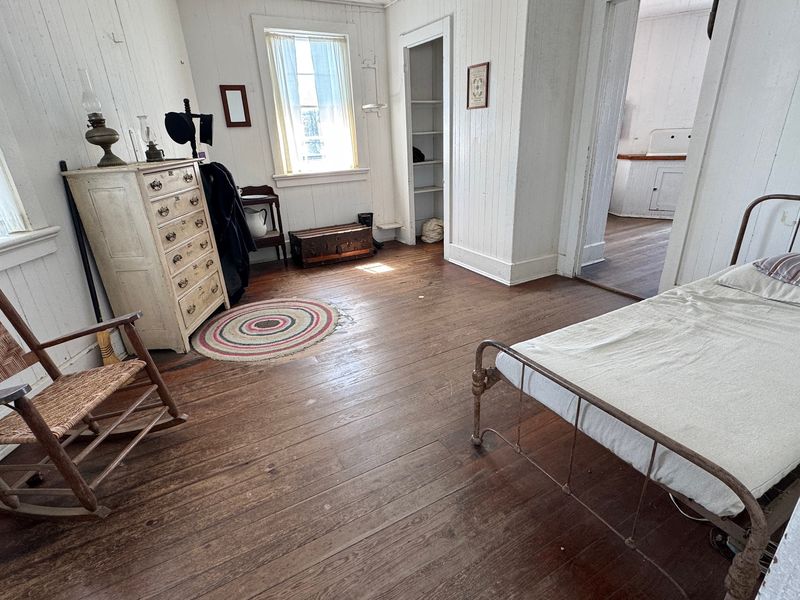
Inside, rooms are furnished to show how keepers once lived. You’ll find a sea hatch and a lookout, two features tied to life surrounded by water.
Visitors move through three floors of the structure. Each level reveals a bit more about the daily routine of keeping the light burning.
Picture hauling supplies, watching weather, and tending the lamp all night. Suddenly your own chores feel a lot less dramatic.
Exploring at your own pace is easy here. Take time with the small details, since they tell the biggest stories.
Kids especially enjoy climbing upward and peeking out. Every floor feels like a new chapter in an old adventure book.
Bring curiosity and comfortable shoes. Narrow historic spaces reward visitors who slow down and really look around.
An Entire 18-Acre Campus Waits Right Outside The Door
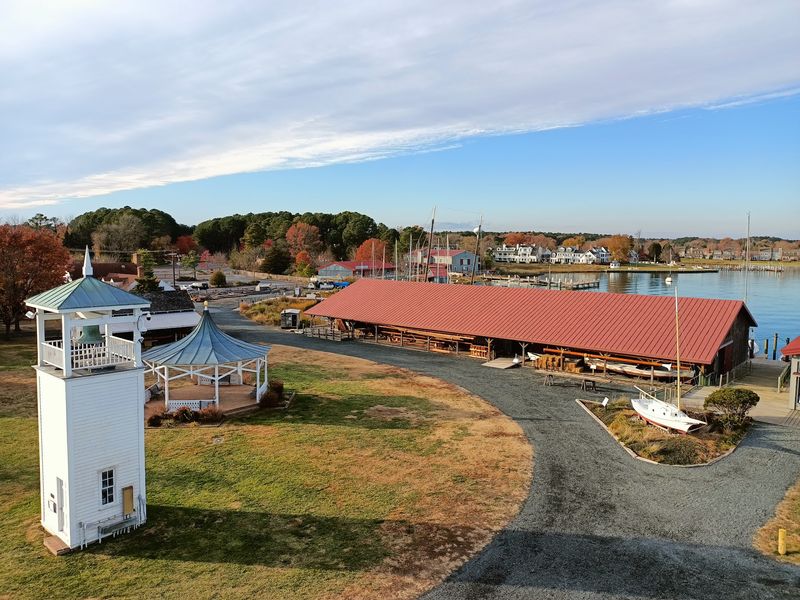
One lighthouse, eighteen acres of extras. The museum campus on Navy Point gives you way more to explore after your climb.
Indoor and outdoor exhibitions share Chesapeake stories from many angles. You can easily spend a full day moving between buildings.
There’s a working shipyard on site, too. Seeing boat restoration happen in real time is a rare treat for anyone who loves craftsmanship.
Don’t skip the floating fleet of historic vessels. These boats bring the Bay’s working history right up to the docks.
The museum store is a handy stop before heading home. It’s a good place to grab a keepsake from your visit.
Families on an overnight trip get two days of admission. That’s plenty of time to see everything without rushing.
The lighthouse stands as the centerpiece, though. Everything else seems to orbit around that six-sided cottage on its iron legs.
Plan your route ahead so you don’t miss favorites. A map and a loose schedule help you balance exhibits, boats, and breaks.
Charming Harbor Streets Make A Perfect Before-Or-After Stroll
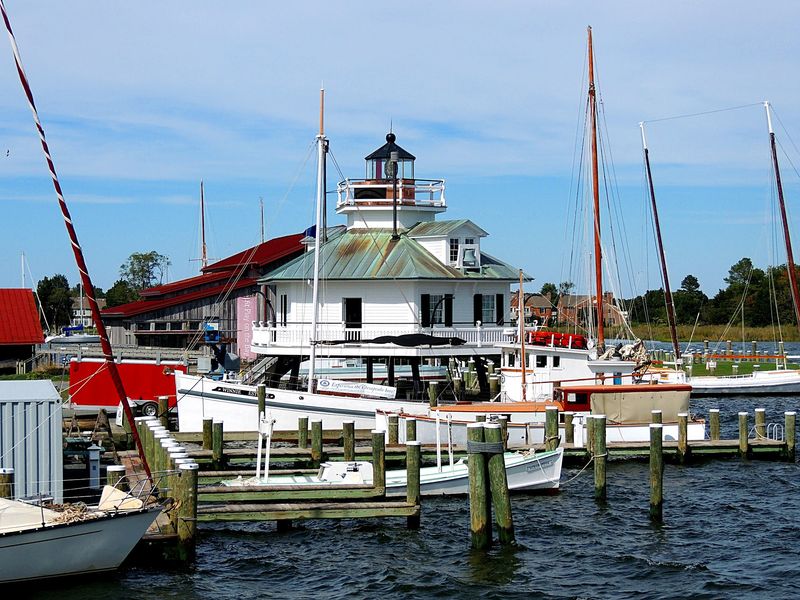
Finding the lighthouse is easy once you know where to look. The museum sits at 213 N Talbot St, St. Michaels, MD 21663.
Its spot along St. Michaels Harbor puts you close to town. Shops and restaurants are nearby, which makes a full day out simple.
This little Maryland town pairs nicely with a museum visit. Stroll, browse, and grab a bite before or after exploring the lighthouse.
Overnight families might appreciate that convenience the most. A good meal before a 7 p.m. check-in can make the evening smoother.
The next morning ends at 9 a.m. That leaves the whole day open for wandering the harbor and town.
Bringing grandparents or younger siblings along? They can enjoy St. Michaels while the overnight crew handles keeper duties.
Waterfront views add to the mood all around. Boats, docks, and open sky make even a short walk feel relaxing.
Turning a lighthouse trip into a town getaway is a smart move. You’ll get history, shopping, and food in one easy, walkable package.
Stick Around For Glowing Evening Views Across The Water
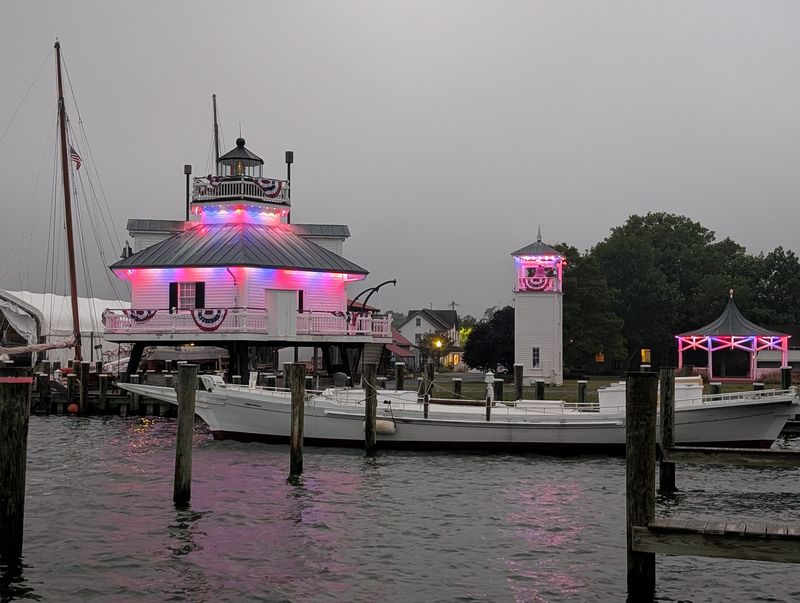
Sunset changes everything here. The lighthouse sits right beside deep harbor water, and the evening light makes it glow.
Photographers will want to linger as the day fades. The six-sided shape and iron legs look striking against a colorful sky.
Recently, the lighthouse has even been lit up for the USA 250 celebration. That festive glow makes darker hours a great time for a look.
Overnight guests get the coziest seat for evening magic. Few people can say they watched the harbor darken from inside a historic beacon.
For day visitors, plan your exit for later in the afternoon. Catching the golden hour on the grounds is well worth the timing.
Bring a camera or charged phone. Wide shots with the water and boats tell the whole story in one frame.
I like how this view connects past and present. Ships once relied on this light, and now people gather just to admire it.
The 1879 Hooper Strait Lighthouse earned its retirement. Watching it shine over a Maryland harbor feels like the happy ending it deserved.
