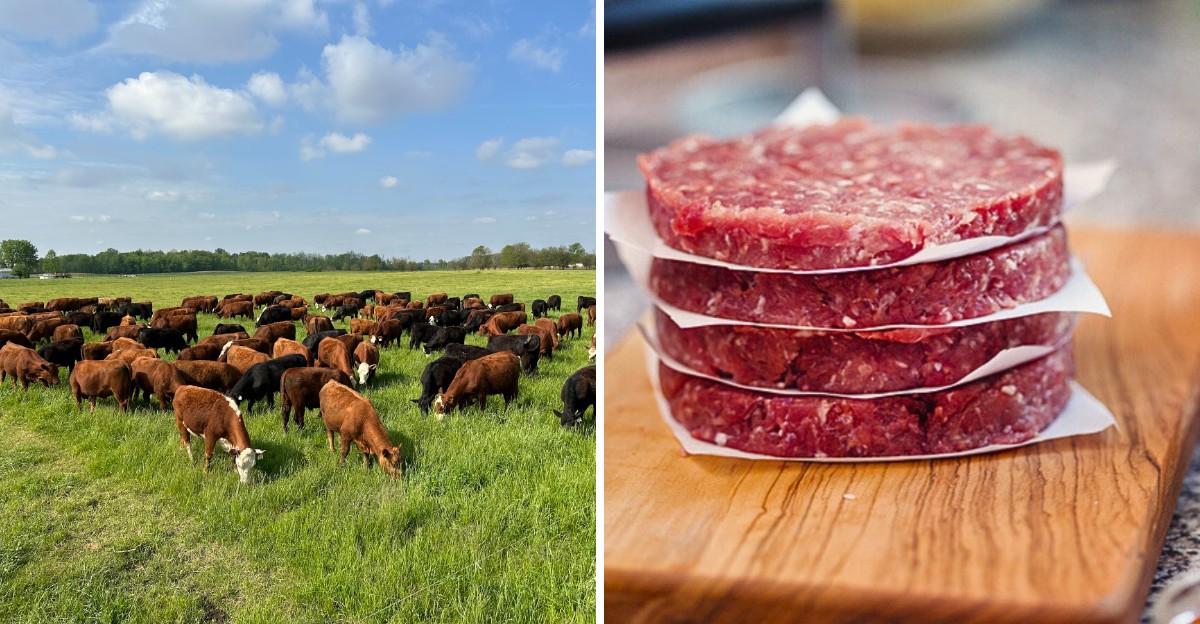
The cow has a better workout routine than most people. Grass all day.
Walk around. Find more grass.
This Indiana farm takes that simple lifestyle seriously, raising beef on grass from start to finish while chickens roam clover and pigs root through the woods.
The operation began with 75 acres in 2010 and has since expanded to nearly 900 acres, giving the animals considerably more room than the average grocery-store package suggests.
The meat is raised without added hormones or antibiotics, too. That changes the way a person looks at the freezer case.
Instead of wondering which package is cheapest, you start wondering what kind of life produced it. And suddenly dinner has become a small farming lesson.
Cows That Never Touch a Kernel of Grain
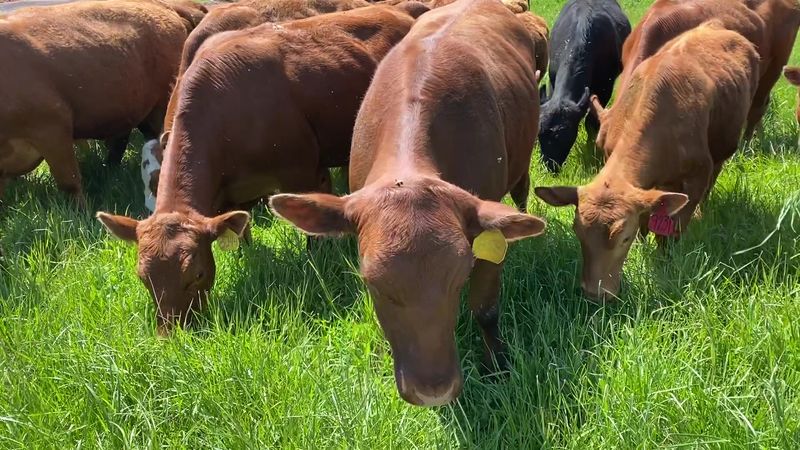
Grass, hay, and more grass. That is the entire menu for the cattle at Tyner Pond Farm, and it stays that way for their whole lives.
Plenty of beef labeled grass-fed still gets finished on grain near the end. Here, the cattle are both grass-fed and grass-finished, which means grain never shows up in the feed trough at all.
The result is beef that tends to carry more omega-3 fatty acids, more CLA, and a nice boost of vitamins compared to regular store beef.
Indiana winters can be rough, so how do the cows keep grazing? The farm uses stockpiled forage, which is grass left to grow tall in the fall so the herd can keep eating it through the cold months.
Clever, right? It keeps the diet 100% forage all year long.
Ground beef is a fan favorite, and many customers point out its rich natural color and how cleanly it cooks in the pan. New York strips and filets are popular for special dinners.
For something budget-friendly, a chuck roast works beautifully in slow-cooked dishes like beef stroganoff.
One handy tip from the farm itself is that pasture-raised meat cooks at a lower temperature than conventional meat. Keep a thermometer close and skip the urge to crank up the heat.
A little patience pays off in a tender, flavorful meal that tastes like it came from a real field, because it did.
No Hormones, No Antibiotics, Just Happy Animals
Chickens chasing bugs across a fresh patch of grass might be the most cheerful sight on the whole property. Every day, the birds get moved to new ground, so there is always something tasty to peck at.
Animals here are raised without added hormones or antibiotics. Instead of living in crowded barns, they spend their days outdoors acting the way nature designed them to act.
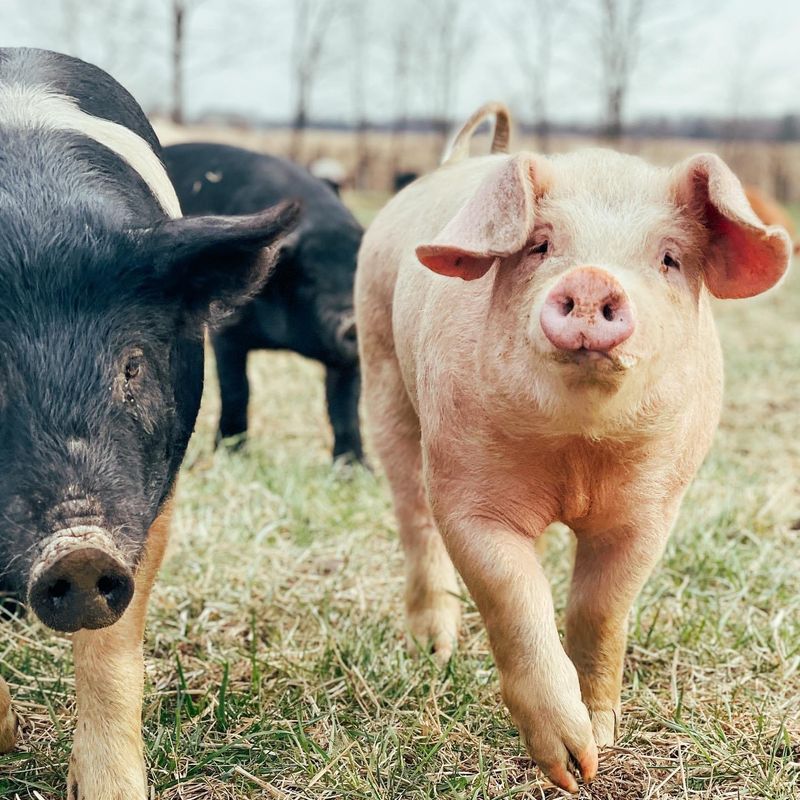
Pigs get their own kind of fun. They have access to pastures and woodlands where they can root around in the dirt and roll in muddy wallows.
Honestly, few creatures look happier than a pig in a good mud puddle.
Pigs and chickens can’t live on grass alone, so their diets get a boost from locally sourced, non-GMO corn and soy. That keeps them healthy and growing at a natural pace.
Does all this care actually change the food? Customers often say yes.
The boneless pork chops come out tender, the bacon gets a lot of love, and the chicken earns praise for its clean taste with none of that strange flavor sometimes found in store-bought poultry.
For anyone trying to cut back on artificial extras in their meals, this is a big deal. Knowing exactly how an animal lived brings real peace of mind.
It also makes dinner feel a little more meaningful, since every bite connects back to an open field in east-central Indiana.
Old Cornfields Turned Into Living Pasture
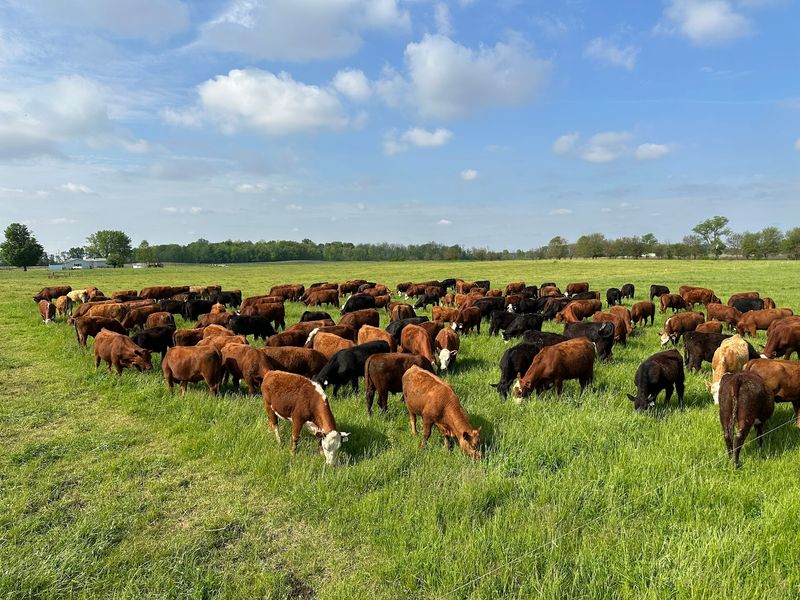
Not long ago, much of this land grew rows of corn and soybeans, just like countless other Indiana fields. Today it looks completely different, with thick pastures full of mixed grasses and plants.
That change came from regenerative farming, a method focused on healing the soil instead of wearing it out. The farm draws inspiration from well-known thinkers like Allan Savory and Joel Salatin, who see a farm as one connected system where every part helps the others.
So how does it work in real life? The land is split into planned sections called paddocks.
Animals graze one section, then move on, letting the grass rest and regrow before they return. Their manure feeds the soil along the way.
Over time, this builds up organic matter underground, adds more kinds of plants, and helps the soil store carbon. Healthier dirt means healthier grass.
Healthier grass means healthier animals, and that loops back to better food on the table.
The pastures are organically certified, and no chemicals or pesticides are used on the land. Birds, bugs, and wildlife tend to show up more when a field is treated this way.
Fun fact for curious minds: rotational grazing copies the way wild herds once moved across open grasslands, grazing hard in one spot and then roaming far away. Tyner Pond Farm simply recreates that ancient pattern with modern fencing and daily planning.
A Little Farm Store With Big Flavor
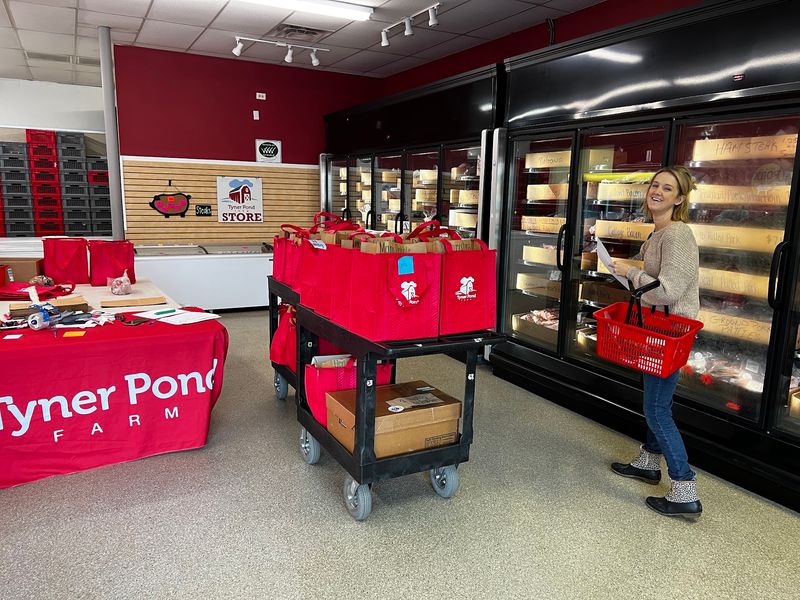
Tucked into town rather than out in the fields, the Tyner Pond Farm store sits at 90 W McClarnon Dr, Greenfield, IN 46140, and it doubles as the fulfillment center for the whole operation. Swing by in the morning for the best timing.
Hours run from 8 AM to noon Monday through Saturday, and the store stays closed on Sundays. Early birds get rewarded here.
Inside, the freezers are stocked with steaks, ground beef, pork chops, breakfast sausage, ham, chicken breasts, thighs, and wings. Fresh eggs are a big draw too.
Plenty of shoppers grab several dozen at a time because the flavor beats the grocery store version by a mile.
The team knows the products well and can offer cooking ideas or suggest a cut that fits a recipe and a budget. Questions about how the animals are raised are always welcome, so don’t be shy.
Keep in mind that the store is in town, while the actual farm sites are out in the country. Anyone hoping to see the pastures should call ahead for directions rather than showing up at a field gate.
A cooler in the trunk is never a bad idea either, especially on a warm Indiana summer day.
That Famous Red Bag at the Front Door
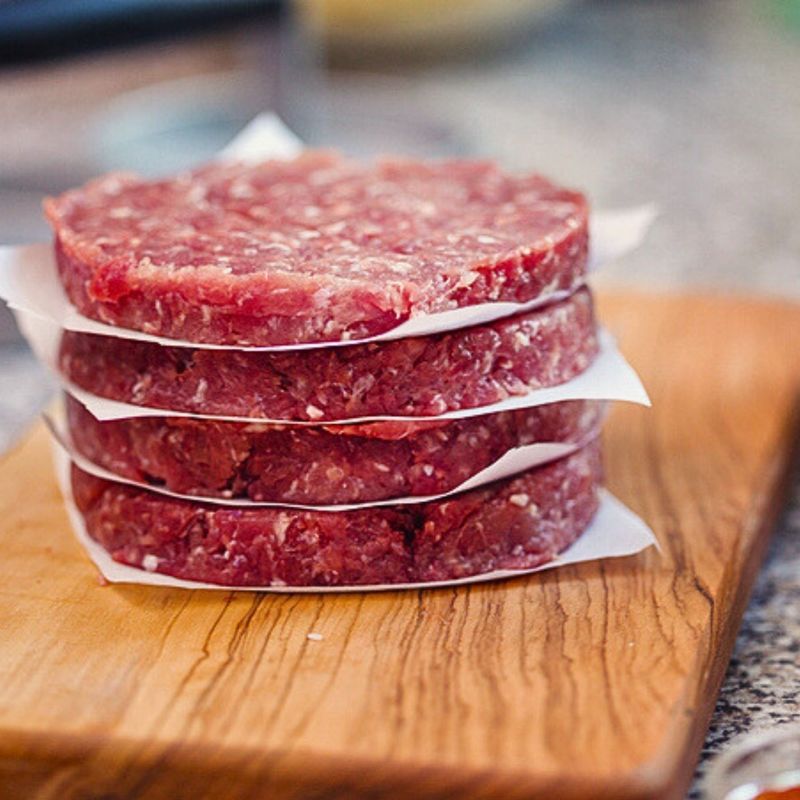
Ask a longtime customer about Tyner Pond Farm, and the red delivery bag will probably come up within the first minute. It shows up on doorsteps all over central Indiana, packed with frozen meat and fresh eggs.
Most people actually order online. The farm offers free home delivery once an order reaches a set minimum, and the packaging keeps everything frozen solid until it lands at the door.
Delivery stretches well beyond Greenfield. Homes in Zionsville, Beech Grove, Indianapolis, and even Kokomo receive regular drop-offs.
That is a wide circle for a family farm!
Setting up a repeat order is a real time saver. Once it is dialed in, the freezer basically restocks itself each week or month.
Some folks start with a gift certificate and end up as monthly subscribers.
Skipping the middleman also means a closer bond between the farm and the family eating the food. Questions sent by email usually get quick, helpful replies, sometimes with cooking tips from the founder himself.
The farm also shares emails and blog posts about daily farm life, weekly specials, and regenerative practices. Reading them feels a bit like getting letters from a friend who lives in the country.
For busy households, this setup is a winner. Good food arrives without a special trip, and the farm visit can be saved for a sunny day when there is time to linger.
Salmon From Alaska, Charcuterie, and Other Happy Surprises
Here is a twist nobody expects from an Indiana cattle farm: wild Alaska sockeye salmon. Yes, really.
The farm took its time before adding seafood. It wanted a fishing partner with values that matched its own, and that search led to Captain Tony Wood and his family operation in Alaska.
The salmon is caught, processed, and flash frozen close to where it is harvested, which locks in quality.
Flash-frozen fillets make easy summer dinners. Pull one out of the freezer in the morning, and supper practically cooks itself by evening.
The variety does not stop there. Shoppers can find Smoking Goose charcuterie, organic raw dairy, and free-range eggs alongside the beef, pork, and chicken.
Some products come straight from Tyner Pond pastures, while others come from trusted local partners who raise animals with similar care.
This mix makes it possible to stock an entire kitchen from one source. Breakfast sausage and eggs cover the morning.
Chicken thighs handle a weeknight. Steaks and salmon take care of the weekend cookout.
A quick suggestion for first-timers is to build a sampler order with a few different items. Taste-testing at home is the fun part, and most families quickly discover a favorite or two.
The ham and bacon tend to win over plenty of skeptics, though the bone-in chicken thighs have their own loyal fan club.
Stay Overnight, Move Chickens, and Learn the Land
Sunrise over the pasture hits differently when the coffee mug is in hand on a farmhouse porch. Tyner Pond Farm offers places to stay for anyone wanting more than a quick stop.
The Sugarberry Cottage is a comfy three-bedroom, two-bath farmhouse available for longer summer rentals. It has a shared living space and a full kitchen, perfect for cooking up the farm’s own steaks.
Bigger groups might like the Tyner Pond Farmhouse, a four-bedroom, three-bathroom rental that sleeps up to nine. Air conditioning, internet, and a full kitchen make it easy to settle in.
Outside, the countryside invites exploring. Paved country roads are great for biking, nearby creeks work well for calm kayaking, and Brandywine Park offers trails for hiking.
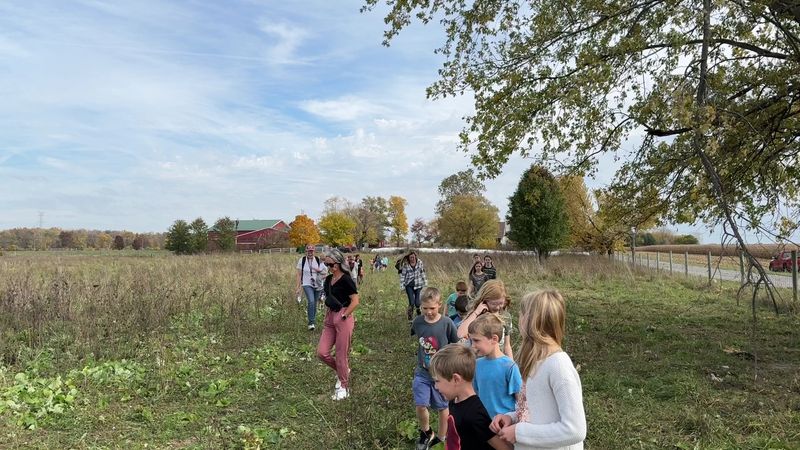
Learning happens naturally here too. Formal tours are not regularly scheduled, but families and groups are welcome to visit by arrangement and watch the cows, pigs, and chickens going about their day.
Student groups have even helped move chicken pens and learned all about soil health.
The farmers are often happy to chat and answer questions about grazing, pasture, and raising animals without chemicals. Workshops pop up too, like a past meat canning class that covered everything from cutting beef to packing jars.
Kids and grown-ups alike leave with dirt on their shoes and a fresh understanding of where dinner begins. Not a bad souvenir.
