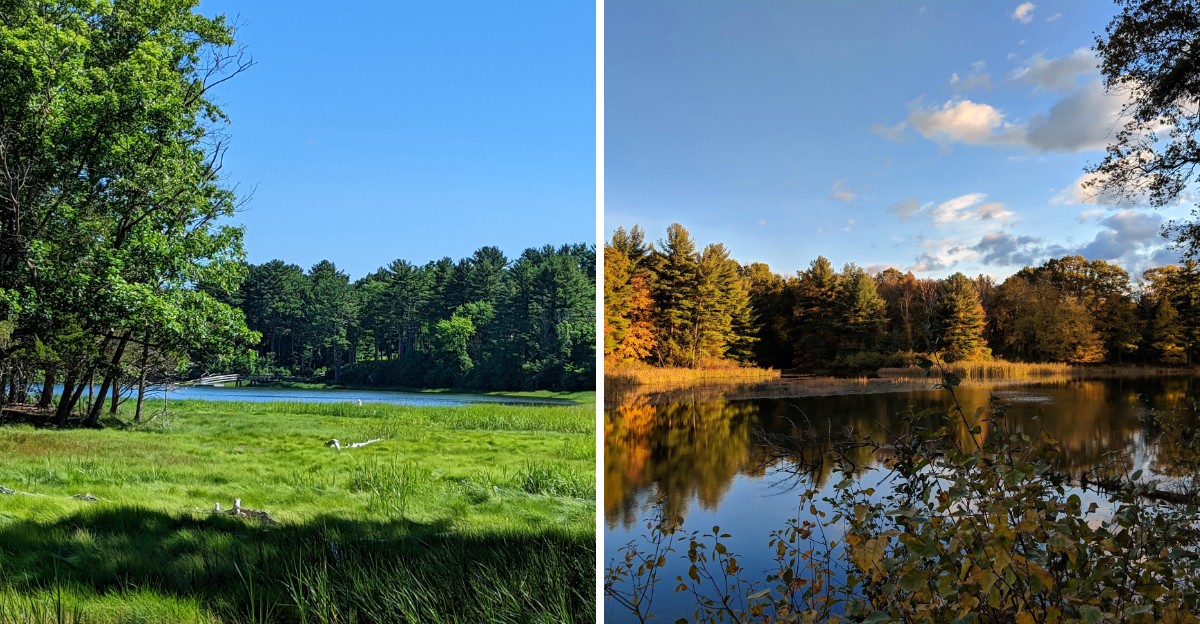
Migration season turns this New Hampshire coastal refuge into one of the best wildlife viewing spots in the region. Tens of thousands of waterfowl pass through every fall, using the protected waters and marshland as a resting point on their long journey south.
You can see ducks, geese, herons, and more, often in numbers that are hard to believe until you are standing there watching them. The refuge is quiet and well managed, with trails and viewing areas that make it easy to observe without disturbing the birds.
Binoculars are recommended, though plenty of visitors simply stand and watch. The best times are early morning and late afternoon, when the light is soft and the activity is highest.
This New Hampshire refuge is a peaceful place to slow down, breathe, and witness something remarkable. And it is free to visit, which makes it even better.
Waterfowl Numbers That Sound Made Up But Are Not
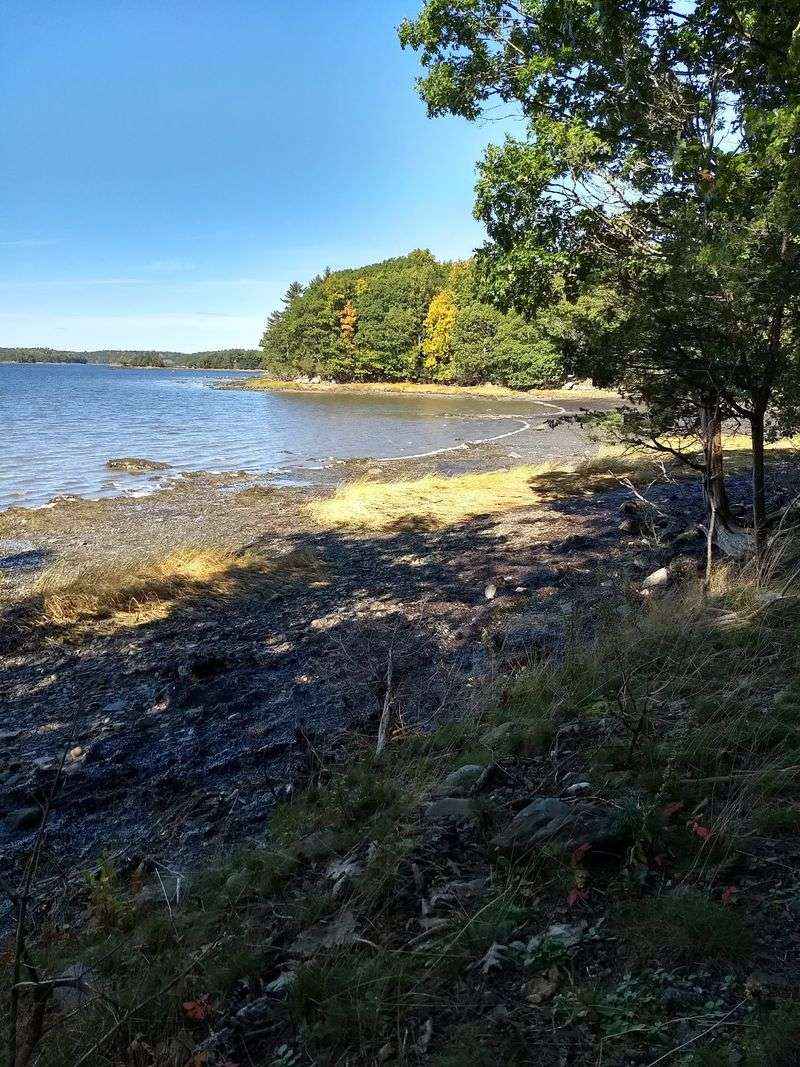
Tens of thousands sounds like an exaggeration until you watch the bay fill up in late fall. Great Bay is one of the most significant waterfowl staging areas in northern New England, and the birds know it long before you do.
Black ducks arrive in serious numbers, joined by mallards, buffleheads, goldeneyes, scaup, mergansers, and Canada geese that honk like a traffic jam with feathers.
Why here? The estuary stays ice free longer than inland waters, and the mudflats serve up eelgrass and invertebrates around the clock.
Timing matters more than luck. Late October through early December delivers the biggest concentrations, while March and April bring the return trip north.
Bring binoculars with decent magnification, because much of the action happens across open water rather than at your feet.
Low tide exposes feeding grounds and pulls birds closer, so check a tide chart before you commit to the drive.
Patience pays off in this corner of New Hampshire. Stand still for ten minutes, let the wind settle, and the bay starts revealing rafts of ducks you completely missed on the first scan.
The Ferry Way Trail Walks You Straight To The Water
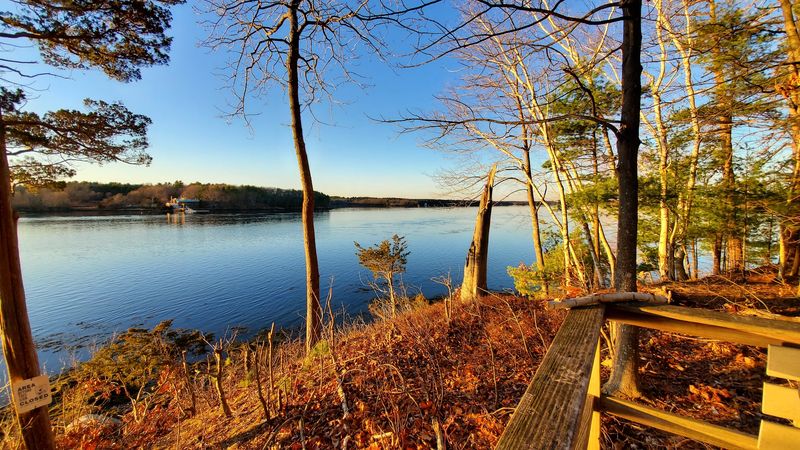
Two miles of easy walking, zero drama, and a payoff that feels earned. The Ferry Way Trail rolls through mixed woods of oak and pine before opening toward the shoreline of the bay.
Footing stays gentle for most of the loop, with boardwalk sections crossing the soggy bits after heavy rain.
Along the way you pass old stone walls, quiet reminders that farmers worked this land generations before the birds got top billing.
An observation point near the water gives you a clear sweep across the estuary, ideal for scanning rafts of ducks without spooking them.
Wear waterproof boots in spring. Snowmelt and tidal seep turn sections of the path into something closer to a puddle course.
Leashed dogs are not permitted, which keeps wildlife calm and your bird list longer.
Morning light works best for photography here, especially when mist lifts off the mudflats and the far shore goes soft and blue.
Move slowly, stop often, and listen. The trail rewards quiet feet far more than fast ones.
Bald Eagles Treat This Place Like A Winter Resort
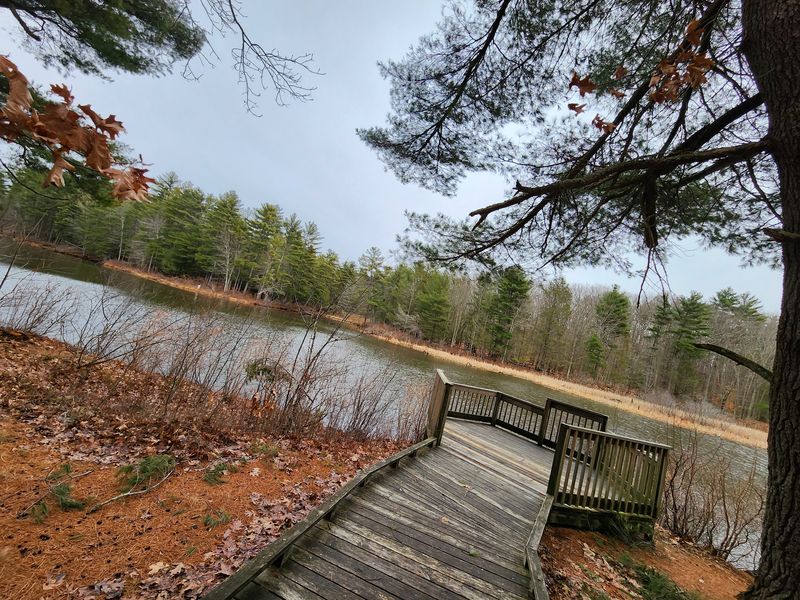
Few sights rearrange your morning like an adult bald eagle dropping out of a white pine. Great Bay hosts one of New Hampshire’s most reliable winter eagle gatherings, and the reason is delightfully practical.
Open water persists in the estuary channels when lakes lock up with ice, so fish and ducks remain on the menu.
Scan the tallest shoreline trees first. Eagles perch high with a commanding view, and their white heads stand out against dark conifers like tiny beacons.
Immature birds throw people off with mottled brown plumage and no white head at all, so do not dismiss a large soaring shape too quickly.
January and February usually bring the strongest showing, though eagles turn up around the bay through much of the year now.
Ospreys take over in the warmer months, hovering and plunging with theatrical splash.
Keep your distance and resist the urge to creep closer for a better frame. A flushed eagle burns energy it needs, and a long lens beats a short walk every time.
An Air Force Past Hiding Under The Pines
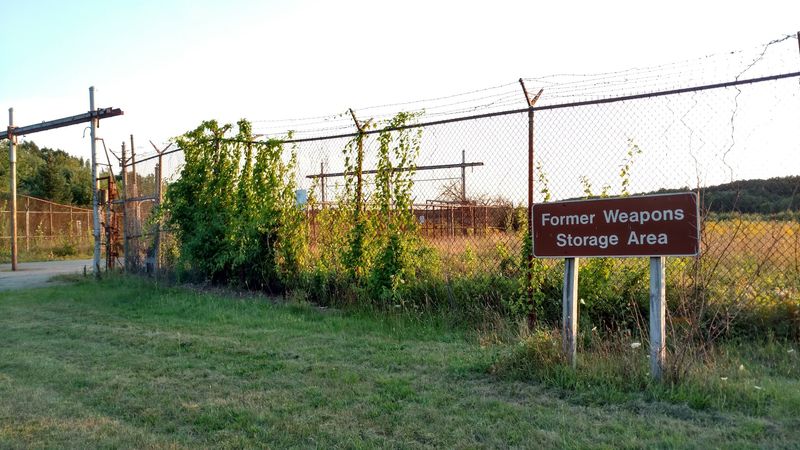
Nature reclaimed a Cold War installation here, and the evidence is still standing. The refuge occupies land once part of Pease Air Force Base, specifically a former weapons storage area ringed by security fencing.
Concrete bunkers sit tucked into the earth along the edges of the property, slowly disappearing beneath moss, vines, and decades of leaf litter.
Old service roads now double as trail segments, which explains why some paths feel unusually straight and firm underfoot.
Access to certain areas remains restricted, and fences are there for genuine safety reasons rather than mystique.
That military history had an unexpected upside. Because the land sat locked away from development for decades, its forests and shoreline escaped the subdivisions that swallowed much of the surrounding seacoast.
Interpretive signs along the way connect the dots between defense infrastructure and habitat protection.
Walking past a bunker while a flock of geese passes overhead makes for a strange and memorable contrast, the kind of layered story you rarely get on a nature walk in New Hampshire.
Salt Marsh And Mudflats Do The Heavy Lifting
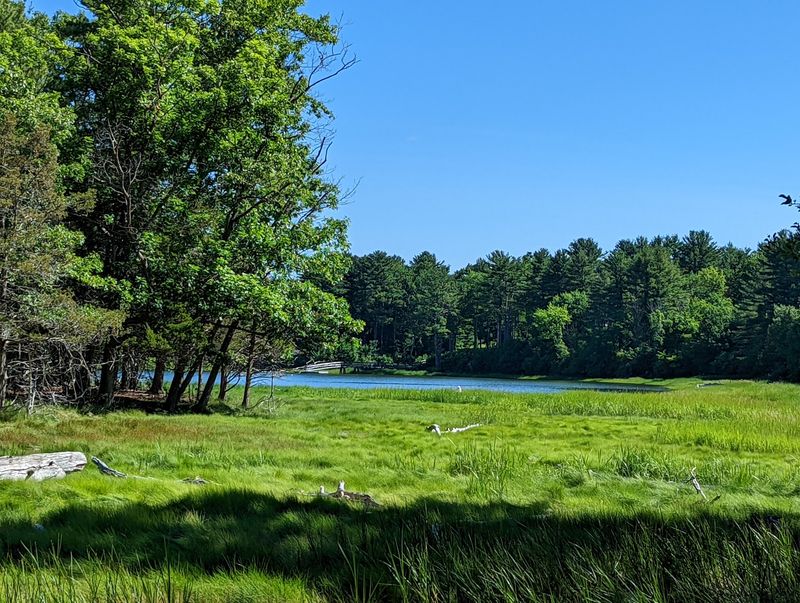
Squelchy, smelly, and absolutely essential. The mudflats fringing Great Bay function as a buffet line for migrating birds, packed with worms, snails, and tiny crustaceans that fuel long flights.
Tides swing dramatically in this estuary, exposing broad flats twice daily before swallowing them again.
Eelgrass beds beneath the surface anchor the whole system, feeding brant and waterfowl while sheltering juvenile fish.
Salt marsh grasses along the edges filter runoff, soak up storm surge, and glow a rich gold once autumn settles in.
Timing your walk to the outgoing tide puts you on the shoreline exactly when feeding activity peaks.
Shorebirds such as yellowlegs and sandpipers work the flats in spring and late summer, probing with the focus of tiny surveyors.
Stay on the trail and off the mud. The substrate is fragile, the footing treacherous, and disturbance sends feeding birds scattering.
Watching an entire flock lift, wheel, and resettle across the flats is the sort of thing that makes you forget your phone exists for a solid twenty minutes.
Peverly Pond Trail Packs A Lot Into A Short Stroll
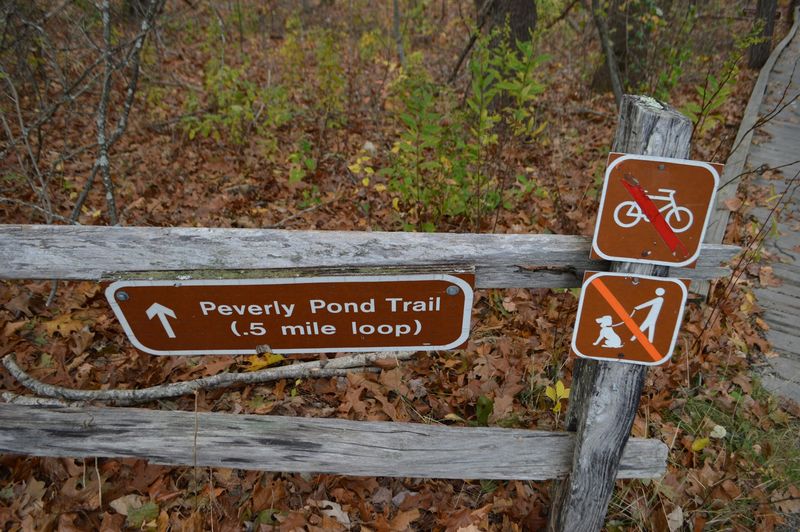
Short does not mean boring. The Peverly Pond Trail runs a fraction of a mile, ending at a viewing area over a quiet freshwater pond that feels worlds away from the tidal bay.
Wood ducks paddle the edges, turtles stack themselves on logs, and dragonflies patrol the surface all summer.
Surface conditions here suit strollers and less confident walkers, making it the friendliest option on the property for families.
Freshwater habitat attracts a completely different cast than the estuary, so birders often tick off species here they never see out on the flats.
Spring evenings bring a frog chorus loud enough to drown out conversation, which frankly improves most conversations.
Bring bug spray between June and August. Wetlands generous with wildlife are equally generous with mosquitoes.
Benches near the overlook let you settle in without rushing, and stillness is the real admission ticket.
Pair it with the longer Ferry Way route and you cover both freshwater and saltwater worlds in a single easy morning.
Season By Season, The Cast Keeps Changing
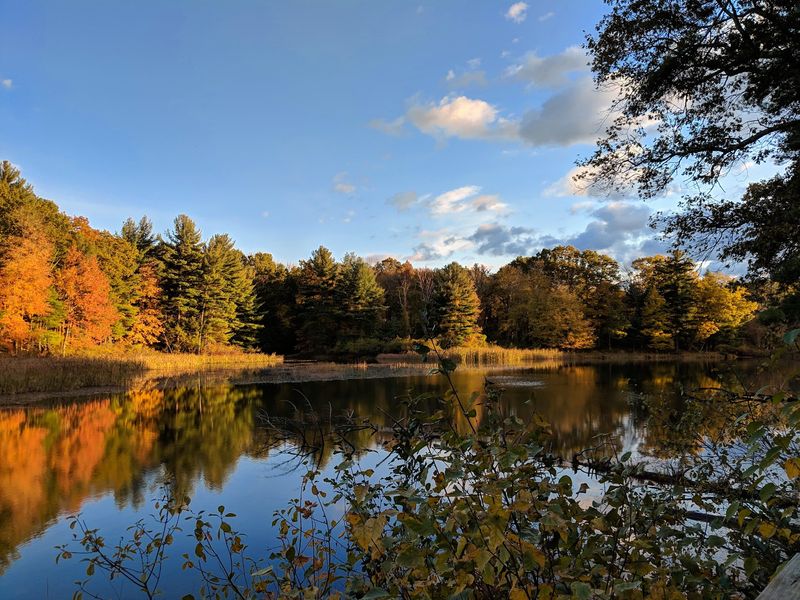
Show up in April and again in November, and you will swear you visited two different places. Migration turns this refuge into a revolving door of feathers.
Spring pushes warblers through the woods, ospreys back to their nesting platforms, and waterfowl north in noisy waves.
Summer quiets down considerably, though nesting songbirds, wildflowers, and butterflies keep the trails lively.
Autumn is the headliner. Waterfowl numbers swell, foliage flares along the shoreline, and the light turns that low golden color photographers chase.
Winter strips everything bare and delivers eagles, sea ducks, and the kind of silence you can almost hear.
Snowshoes or traction cleats make cold weather visits far more pleasant, since the trails ice up in shaded stretches.
Hunting seasons affect access in some areas, so a quick check of current refuge information before heading out saves disappointment.
Choosing a favorite season is a losing game. Locals in this part of New Hampshire simply return again and again, treating the calendar as a reason rather than an obstacle.
Gear Up Smart Before You Head Out
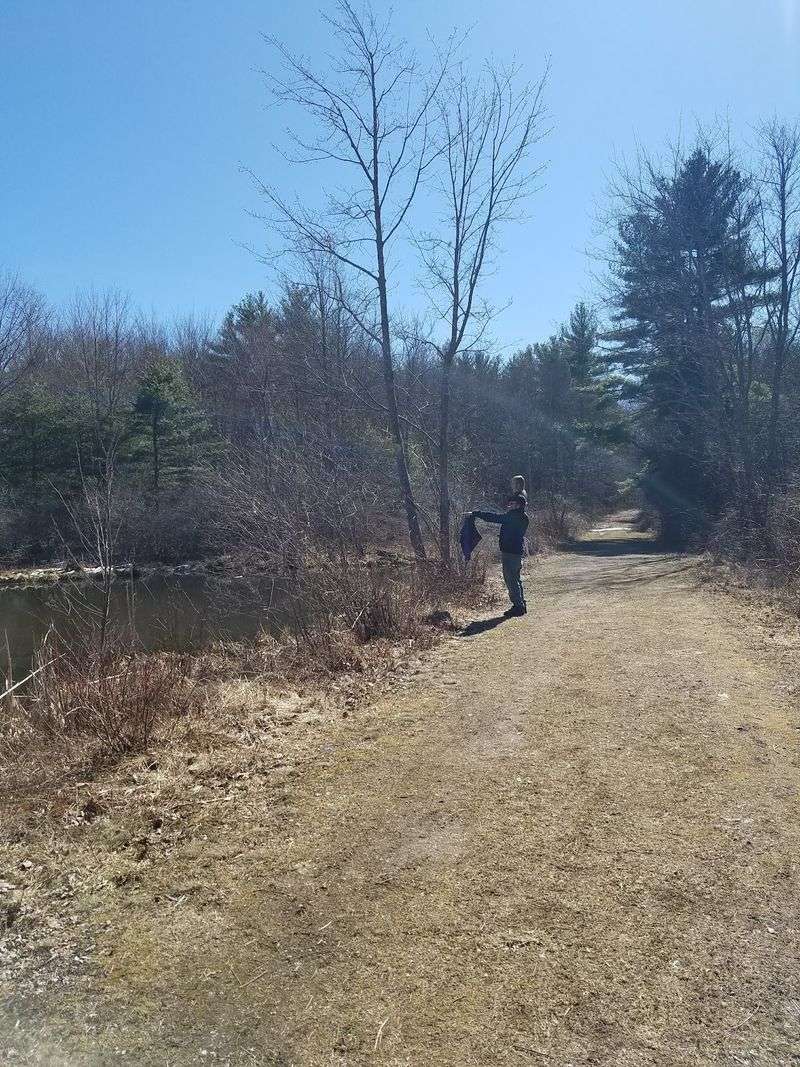
Nothing ruins a bird walk faster than squinting at a distant blob. Binoculars are the single most useful thing you can carry here, ideally something in the eight or ten power range with good low light performance.
A spotting scope earns its keep when waterfowl raft far out on the bay.
Layer your clothing, because wind coming off the estuary cuts sharper than the parking lot temperature suggests.
Waterproof footwear handles muddy sections without complaint, and wool socks handle everything else.
Download a bird identification app before arriving, since cell service can wobble in spots.
Pack water and a snack. No concessions operate on site, and the nearest shops sit a drive away in Portsmouth or Newington.
Neutral colored clothing helps you blend in, while bright jackets tend to send ducks paddling in the opposite direction.
A small notebook turns a nice walk into a growing record, and keeping a running list across visits makes each return trip feel like checking in on old acquaintances.
Rules That Keep The Birds Coming Back
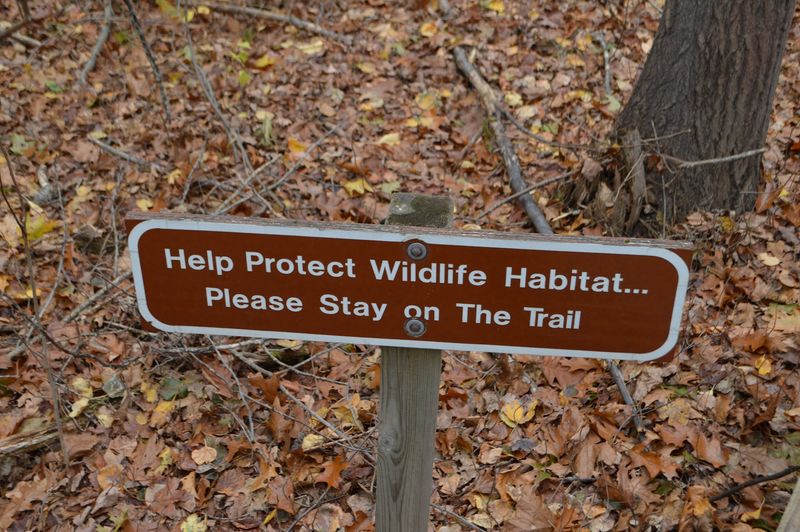
Protection is the entire point, and the regulations reflect that. Pets are not allowed on refuge trails, a rule that surprises people but keeps waterfowl from burning precious energy fleeing.
Bicycles and off road vehicles stay off the paths as well, preserving quiet and preventing erosion.
Hours run sunrise to sunset, so plan your visit inside daylight rather than chasing a moonlit stroll.
Collecting plants, shells, or artifacts is prohibited, which means everything stays where the next person can enjoy it.
Drones are banned outright, and honestly, a buzzing aircraft over a resting flock defeats the purpose of the whole place.
Stick to marked trails. Off trail wandering damages fragile marsh vegetation and risks stumbling into restricted former base land.
Restrooms are limited, so handle that before arriving.
Following the guidelines costs nothing and protects one of New Hampshire’s most valuable coastal habitats. Great Bay National Wildlife Refuge works precisely because people respect the boundaries drawn around it.
Getting There And What Sits Nearby
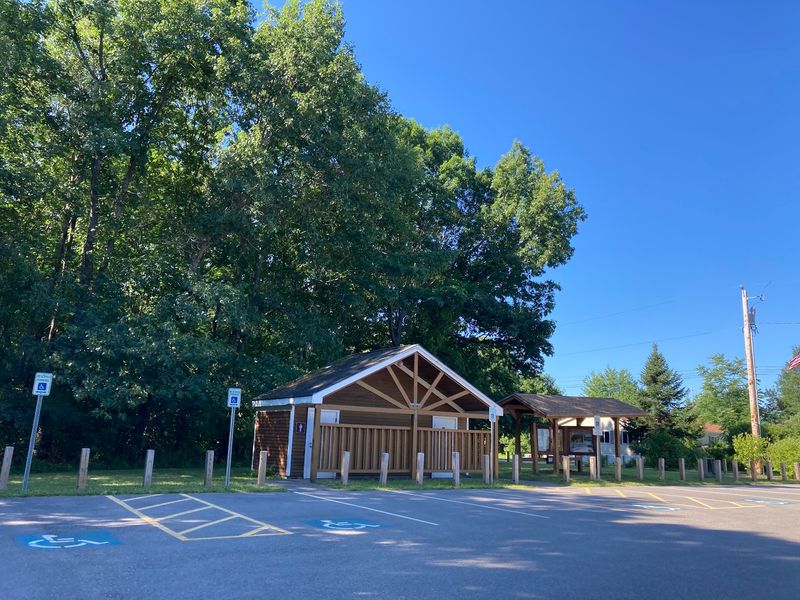
Finding the entrance takes a little attention, since the access road threads through the former base area rather than announcing itself with billboards.
Great Bay National Wildlife Refuge sits in Newington, NH 03801, reached by following signs toward the refuge entrance off Arboretum Drive within the Pease area.
Parking is free and modest in size, which suits the low key character of the property.
Portsmouth waits minutes away with its brick streets, working waterfront, and a walkable downtown that pairs perfectly with a morning outdoors.
Nearby Great Bay Discovery Center in Greenland adds boardwalks and exhibits if you want more estuary context.
Arrive early on weekends in peak migration, because the small lot fills faster than you expect.
Cell coverage is decent but not flawless, so screenshot your directions.
New Hampshire keeps barely eighteen miles of Atlantic coastline, yet this tidal estuary stretches its natural wealth far beyond that number. Lace up your boots, grab the binoculars, and go see whether the locals were right all along.
