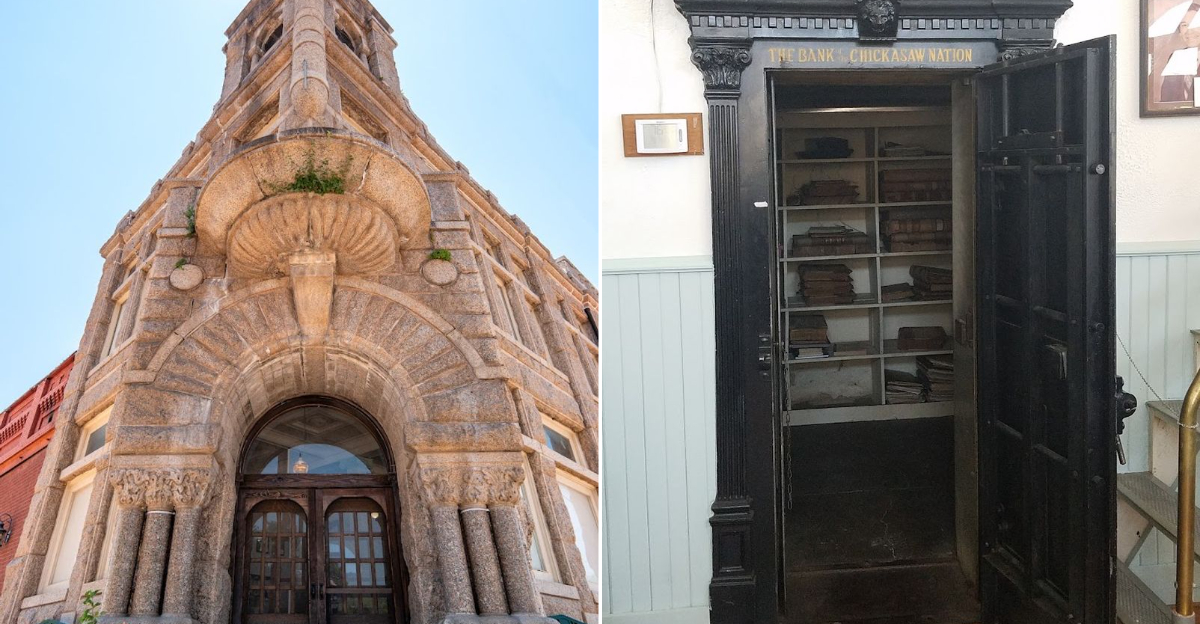
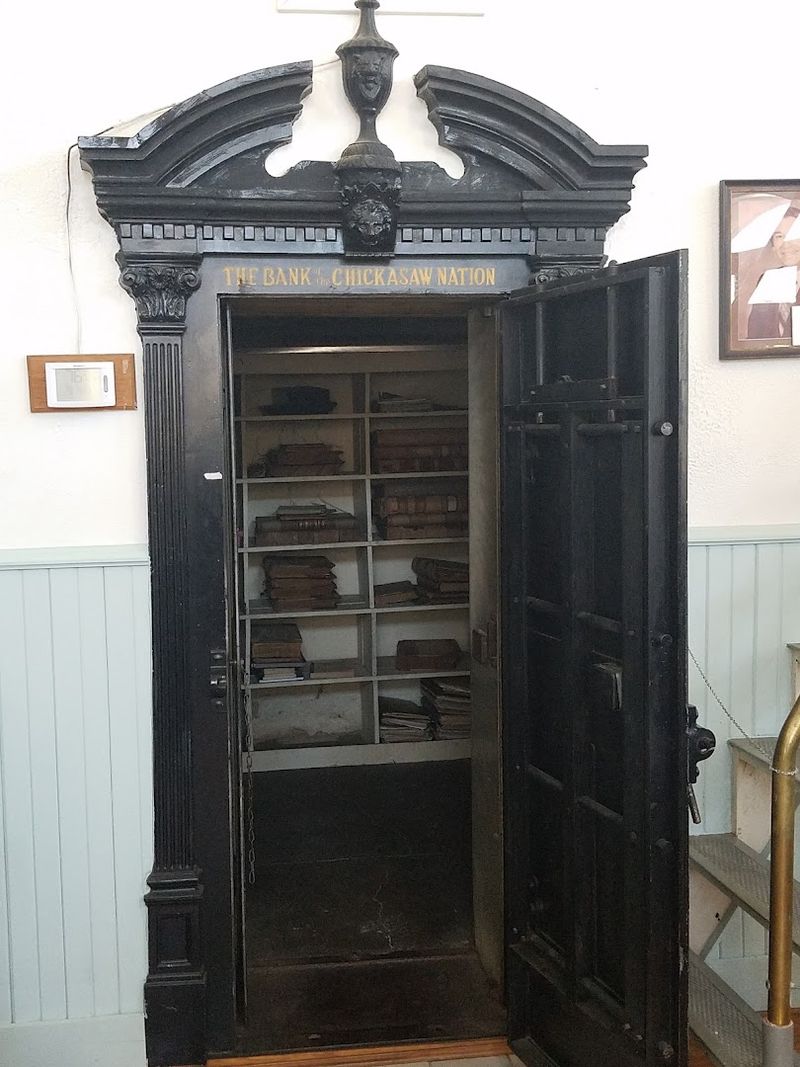
What if you could walk into a bank vault that was built before Oklahoma was officially a state? Inside a small-town museum, you can do exactly that.
The two-story Romanesque structure was constructed in the early nineteen hundreds from native granite, serving as the official depository for the Chickasaw Nation.
You can step inside the restored first floor and see historical memorabilia and artifacts from the territorial era.
The museum was placed on the National Register of Historic Places, and the old bank vault stands as a testament to the region’s past. The rest of the exhibits trace the town’s history from the late eighteen hundreds to the early nineteen forties.
The Building Grabs You Right Away
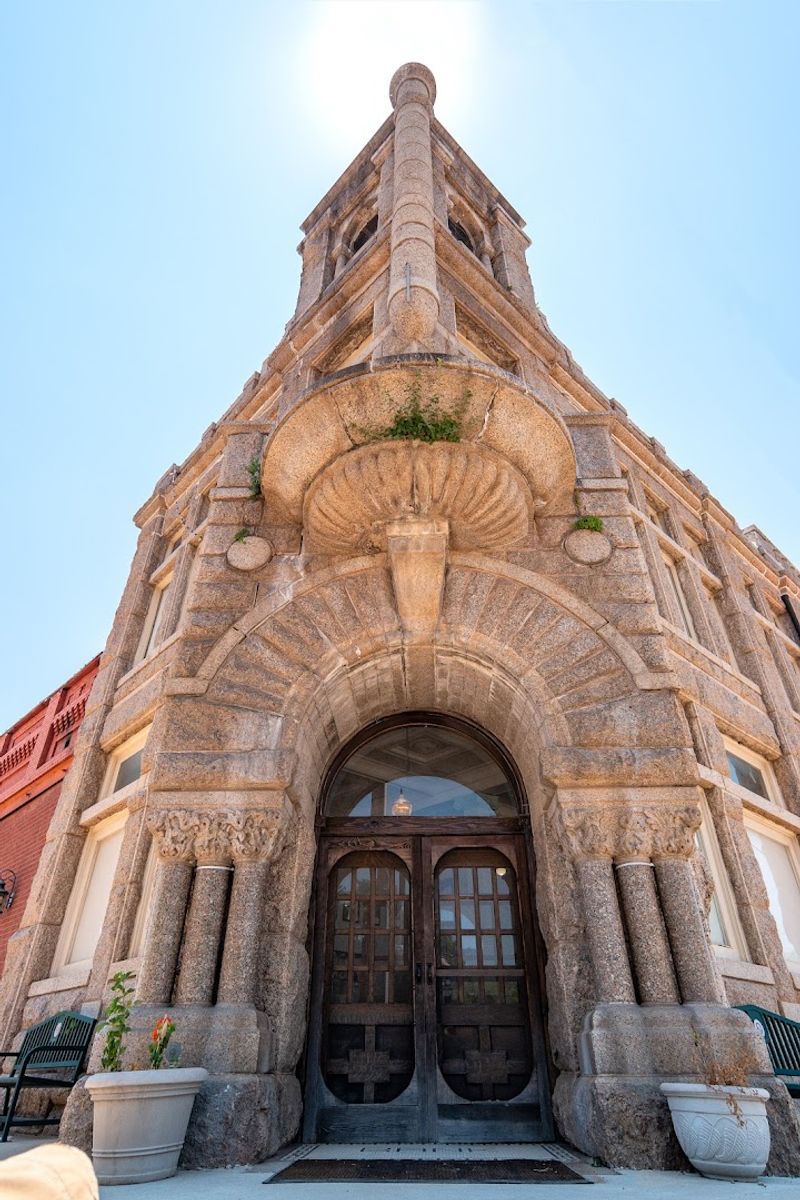
The first thing that got me was how solid this place feels, like it was built by people who expected it to matter for a very long time. You can see that weight before you know a single story inside, and it gives the whole visit a kind of seriousness that sneaks up on you.
Some old buildings look delicate, but this one looks steady, grounded, and fully at home on the street.
It started life as the Bank of the Chickasaw Nation, and that history lands differently when you are standing in front of the actual walls instead of reading about it somewhere later. I kept looking at the stone and thinking about how many everyday moments passed through these doors when this part of Oklahoma was still becoming what we now recognize.
The building does not need theatrics, because its presence does most of the work.
What I liked most was that it still feels local rather than polished into something generic. It carries the kind of character you notice best when you slow down and let yourself take it in.
Before I even reached the exhibits, I already felt like I had stepped into a place that meant something real to Tishomingo.
Walking Through The Front Door Feels Different
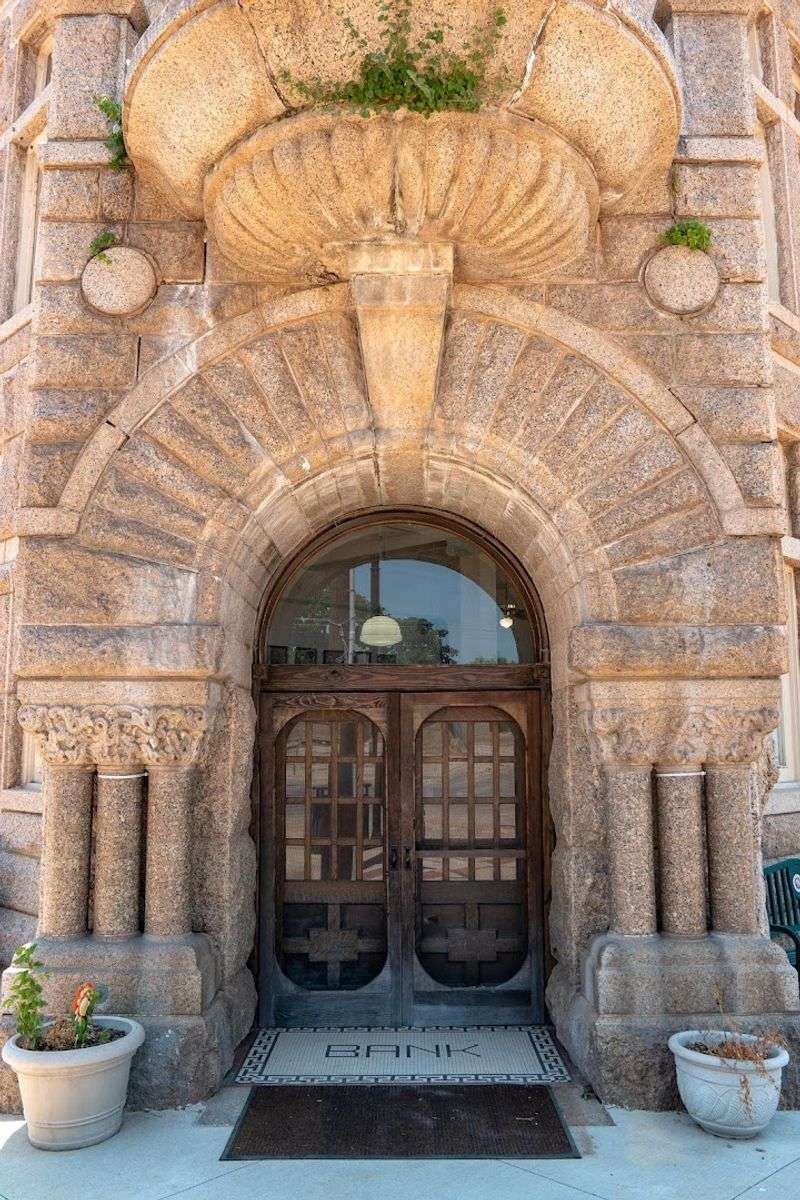
The moment you walk in, the whole thing shifts from interesting to genuinely absorbing, and that is where I started smiling to myself a little. The Chickasaw Bank Museum sits at 413 W Main St, Tishomingo, OK 73460, and somehow the address feels almost too ordinary for a place with this much personality.
Inside, it feels less like entering a museum and more like being let into a preserved slice of daily life.
I really appreciated that the restoration did not scrub away the age or make everything feel overly rehearsed. You still get that sense of an old working building, where counters, rooms, and displays are tied to things people actually did here.
That makes the experience feel warmer and more immediate than spaces that rely on flashy presentation.
There is also something about walking through a former bank that makes you more aware of the human side of history. You start picturing conversations, routines, paperwork, and the ordinary concerns that once filled the rooms.
By the time I had taken in the layout, I was not just looking around anymore, because I was already imagining the place in motion.
Yes, You Can Actually Step Inside The Vault
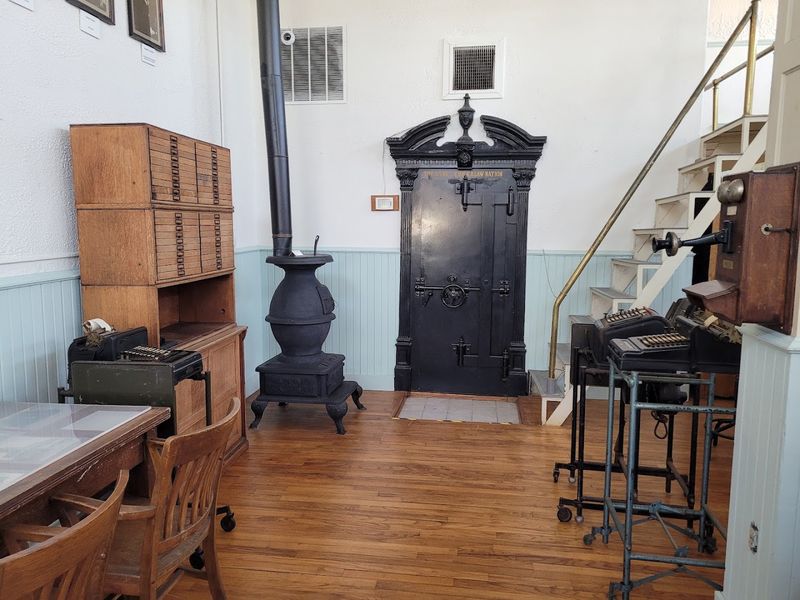
Okay, this is the part that really stayed with me, because getting to step inside an old bank vault never stops being exciting. It is one of those experiences that sounds simple when you say it out loud, but once you are there, the room suddenly feels loaded with imagination.
You start wondering what was locked away, who had access, and what kinds of decisions were made with that heavy door nearby.
The vault is not presented like some gimmick, which is exactly why it works so well. It feels authentic, a little mysterious, and wonderfully matter of fact all at once, like it has no need to prove itself.
I loved that you can stand there and feel the practical side of history instead of just hearing a summary from a sign.
There is also something oddly personal about enclosed spaces that were built to protect what mattered most. They make you think about trust, security, and the way communities organized their lives long before everything became digital and abstract.
If you are the kind of person who likes history you can physically enter, this vault is the moment you will talk about later.
It Is More Than A Bank Story
What surprised me a little was how quickly the place opens up beyond banking history and starts telling a wider local story. You are not just looking at one institution frozen in time, because the museum branches into the broader life of Johnston County and the Chickasaw Nation.
That gives the whole visit more depth, and it keeps you from feeling like you are seeing the same idea repeated room after room.
I liked moving from the bank spaces into exhibits that widened the frame and made the town itself feel more vivid. It helps you connect the building to families, government, business, and ordinary routines that shaped this part of Oklahoma over time.
Instead of isolating one story, the museum lets several stories overlap in a way that feels natural.
There is also a genealogical research library here, which adds another layer for people who love tracing connections and following names through local history. Even if you are not planning to dig into records, it changes the mood of the place because it reminds you that these stories still belong to real families.
That human thread makes everything feel closer and much less distant.
The Exhibits Feel Personal Instead Of Formal
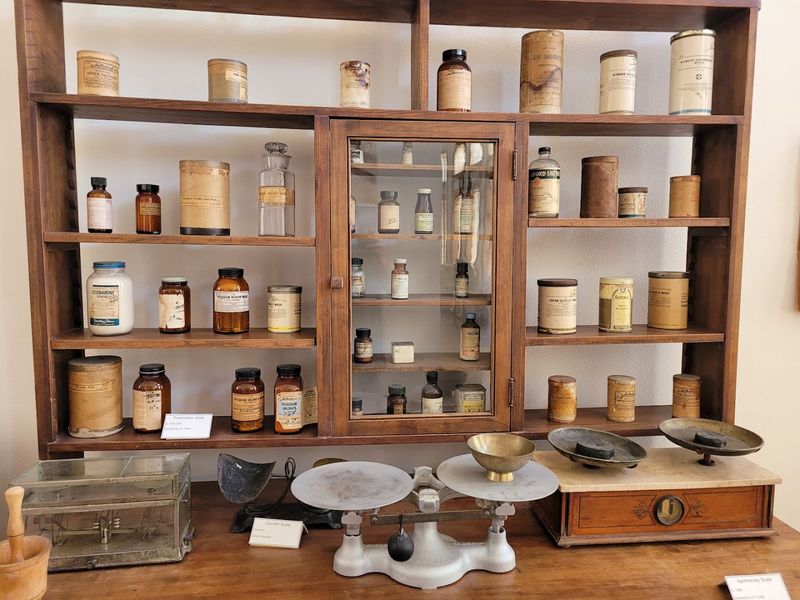
Some museums make you feel like you should keep your hands folded and your voice down, but this one feels more like being guided through a neighbor’s carefully kept family history. The exhibits have that lived-in quality that helps you relax and pay attention without feeling lectured.
I found myself leaning in more, not because anything was flashy, but because the details felt close and human.
You will see memorabilia, artifacts, and pieces of everyday history that quietly fill in the texture of life around Tishomingo. Instead of giving you one giant dramatic moment, the displays build a mood through smaller things, and that approach really works here.
It is the kind of place where you catch yourself imagining desks in use, conversations in hallways, and papers being sorted by hand.
I especially liked the sense that each object had been chosen to tell part of a larger story rather than simply occupy a case. That makes the museum feel thoughtful without becoming stiff.
If you enjoy spaces where history comes through in ordinary objects, gestures, and rooms, you will probably linger longer than you expected, just because the atmosphere keeps pulling you along.
The Old Photos Pull You In Fast
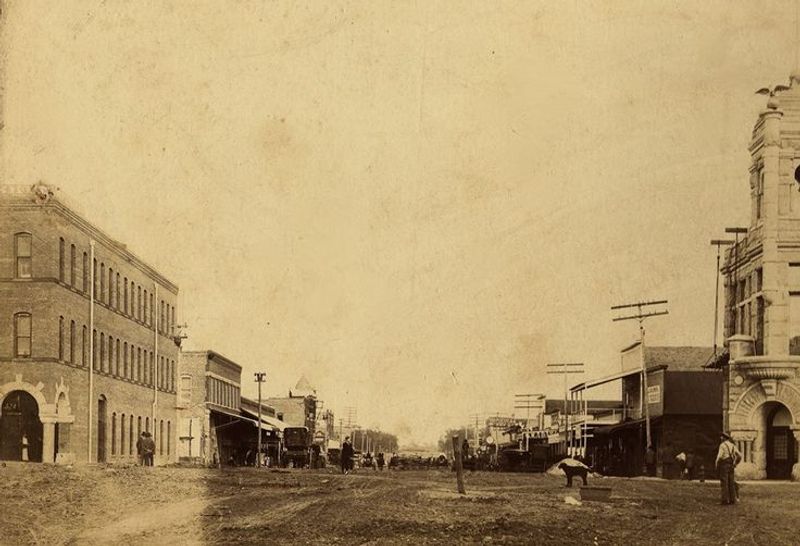
I have a real weakness for old photographs, and this museum uses them in a way that feels especially affecting. Looking at early images of Tishomingo, you are not just seeing buildings and streets, because you are watching a place become itself over time.
That kind of visual history always gets me, especially when you can then step outside and compare the town in your mind.
What I liked here was how the photos made pre-statehood Oklahoma feel less abstract and much more immediate. Faces, storefronts, and street scenes give you something concrete to hold onto, and suddenly the distance between then and now shrinks a little.
It is one thing to hear that a place carries deep history, but it is another thing to look directly at it and feel that recognition click into place.
The photographs also slow you down in the best way, because they ask you to notice little things you might otherwise miss. I spent longer than expected studying expressions, clothing, and backgrounds, just letting the town reveal itself piece by piece.
If you are at all drawn to visual storytelling, these images will probably become one of your favorite parts.
The Chickasaw Story Is The Heart Of It
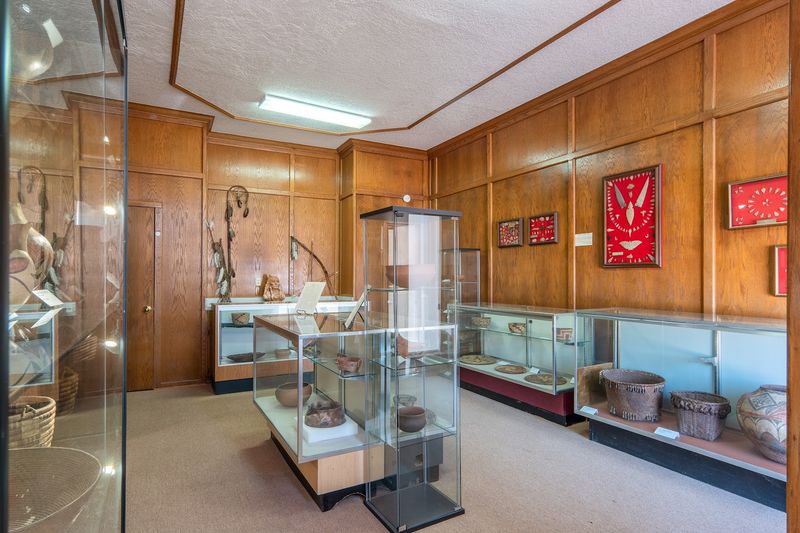
For me, the museum becomes much more meaningful when you remember that this is not only a bank story, but a Chickasaw story at its core. Tishomingo’s place in the history of the Chickasaw Nation gives the building a deeper context that you can feel as you move through the exhibits.
It is not just about architecture or banking practices, because it is also about governance, community, and identity in this part of Oklahoma.
I appreciated that the museum helps you understand how central the Chickasaw Nation was to life here without turning that history into something distant or overly formal. The connection feels grounded in place, and that makes the visit more memorable.
You come away with a stronger sense that this town was not simply reacting to history, but actively shaping it.
That matters, especially if you are trying to understand Oklahoma in a way that goes beyond the usual surface-level stops. The museum gives you a quieter, more thoughtful path into the region’s story, and I found that really refreshing.
It leaves you with the sense that the building is important not only because it survived, but because of the people and institutions it represents.
You Can Feel The Community Care In The Rooms
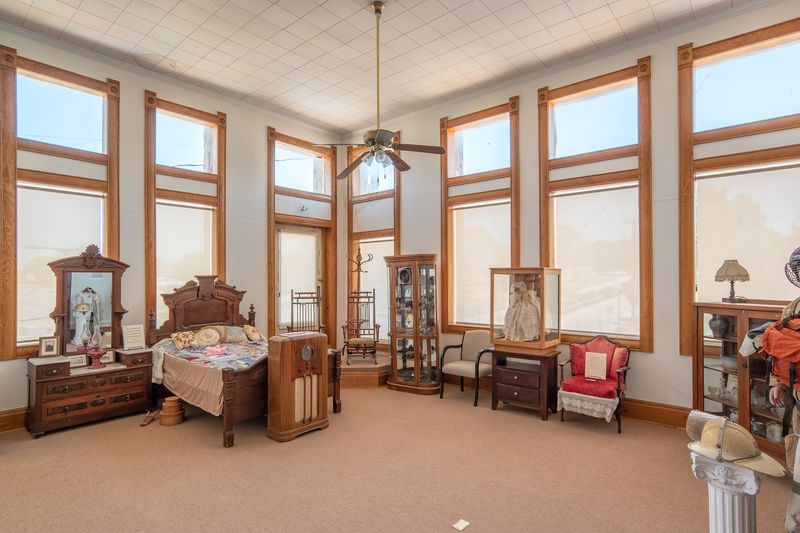
One thing I kept thinking about during my visit was how much care it takes for a place like this to still exist and still feel alive. Museums in small towns do not happen by accident, and you can sense the local effort in the way everything has been preserved and presented.
That feeling gave the whole visit a kind of warmth that I do not always get in larger institutions.
The building has been restored with enough attention that you can appreciate its original purpose without losing the marks of time that make it believable. I always like that balance, because it lets history breathe instead of sealing it behind perfection.
Here, the rooms still feel connected to the people who wanted them protected, remembered, and shared.
You do not need a long explanation to notice that this museum matters to the community around it. The care shows up in the details, in the arrangement of the exhibits, and in the way the place welcomes curiosity without making a big performance out of it.
That local stewardship makes the experience more personal, and honestly, it makes you root for the building even more.
