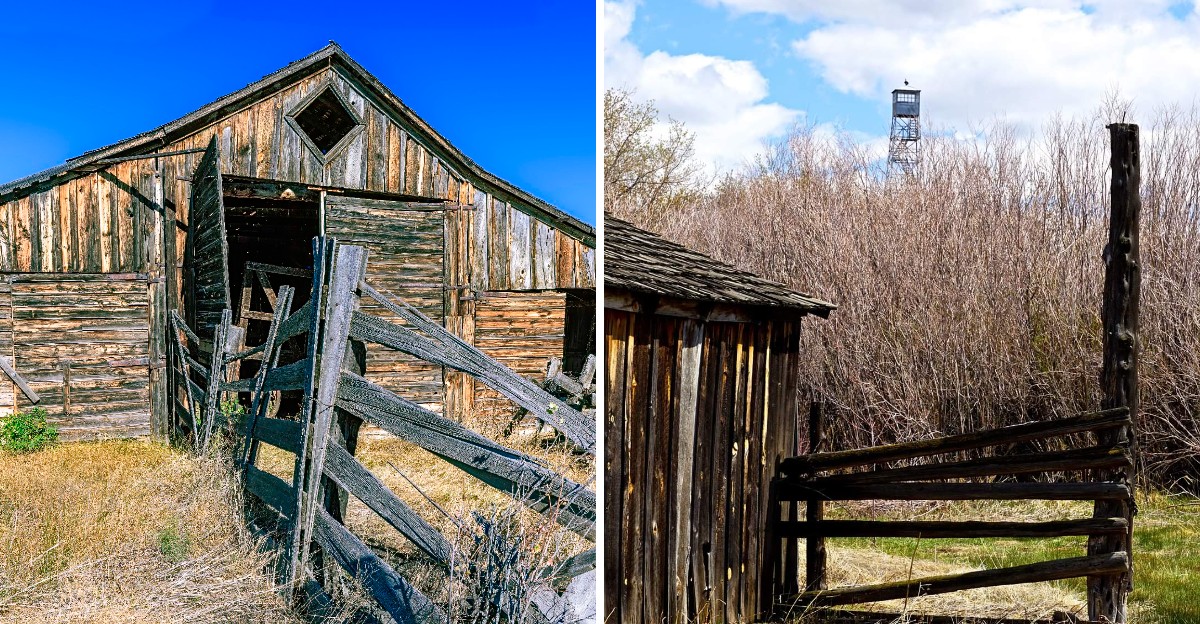
Cattle once covered this land by the thousands, run by an operation so massive it practically rewrote the rules for ranching out west.
Original buildings still stand here, weathered wood and worn barns offering a surprisingly intact look at how an operation this enormous actually functioned. Equipment and structures from the era remain scattered throughout too, nothing cleaned up or modernized just for visitors passing through.
Running cattle at this scale took serious infrastructure most ranches today would struggle to match, let alone maintain across such remote, unforgiving terrain. What’s left behind still hints at just how ambitious the whole operation really was back then.
Few historic ranches preserve this much raw, working history. This particular stretch of Oregon still carries the weight of an empire built entirely on cattle.
The Long Barn Still Stands Tall
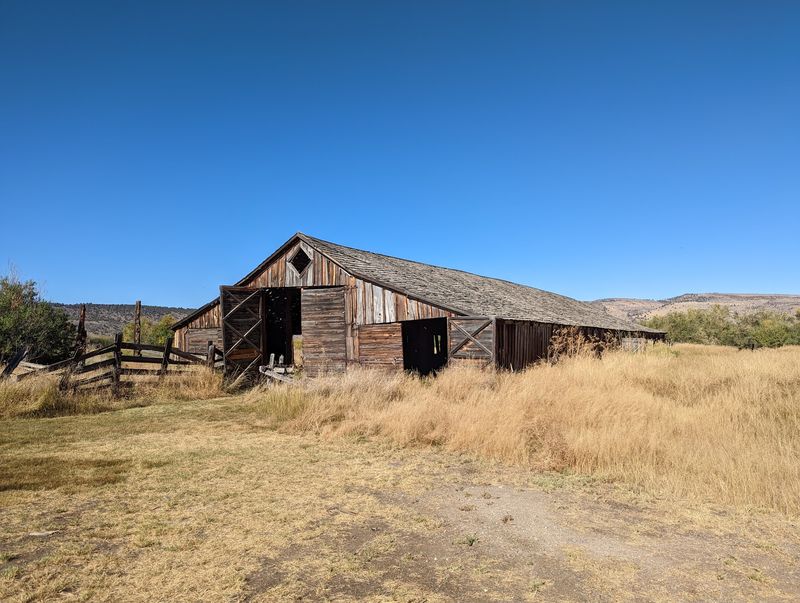
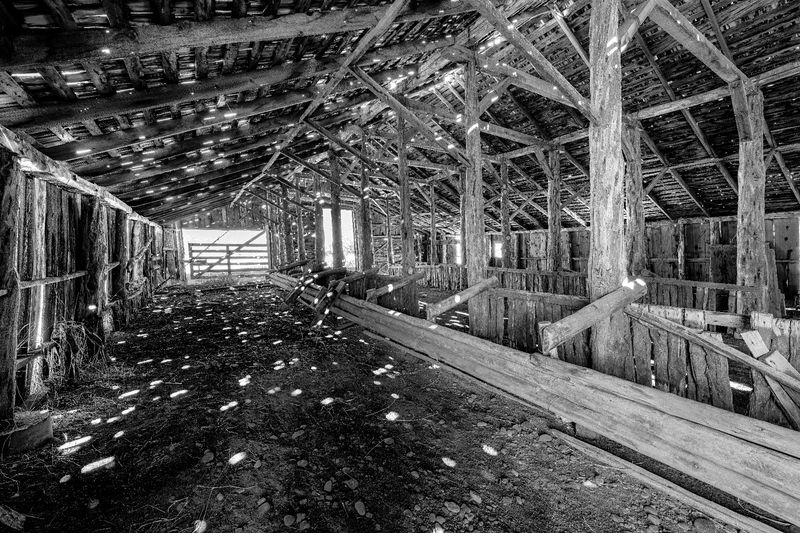
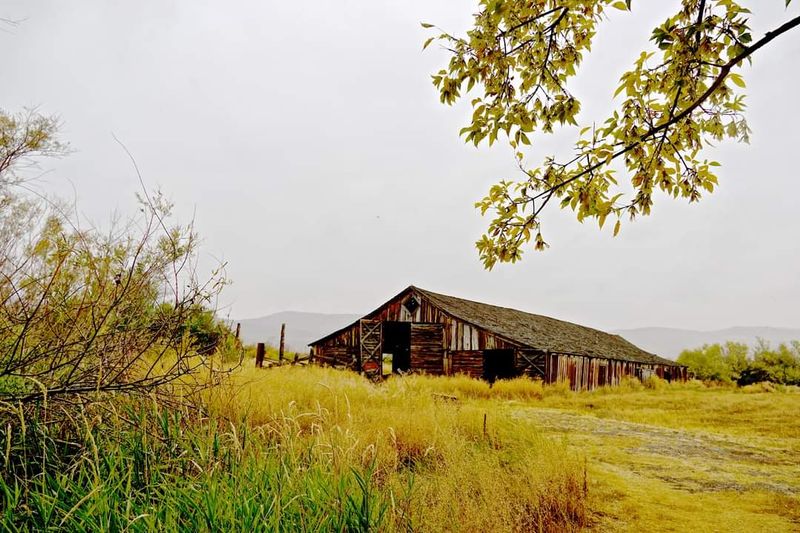
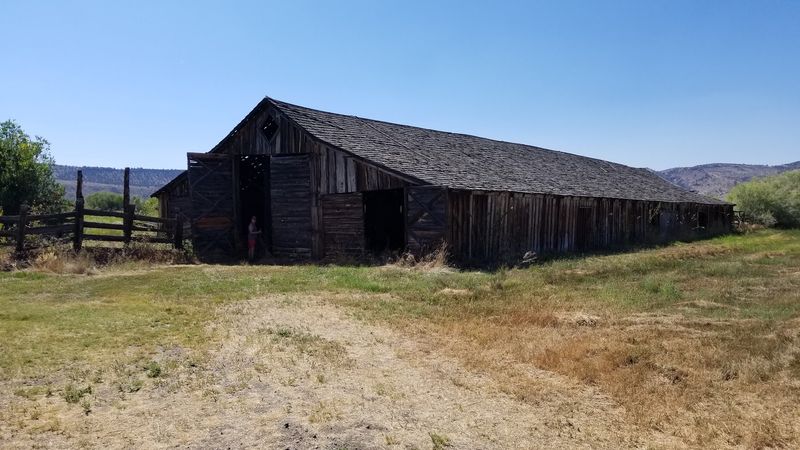
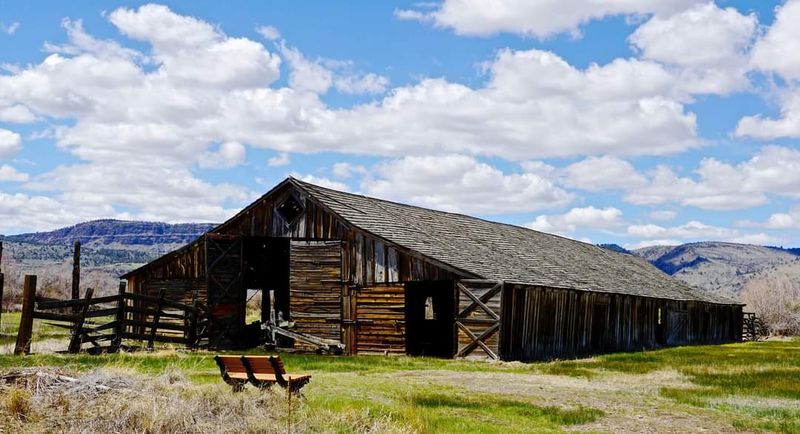
Old wood has a smell, and the Long Barn has plenty of it. The air inside carries hints of dust, juniper, and more than a century of weather. It is easily the star of the whole site.
The barn was built in the 1880s, back when Peter French was turning this valley into a cattle kingdom. Workers used local juniper for the posts because the tough wood resists rot in the dry desert climate. That choice paid off, since the structure still holds its shape today.
Look closely at the beams and you will see hand cuts and joints that tell you how much effort went into it. No modern tools here. Just muscle, skill, and patience.
Horses were kept and trained in the barn, and it helped the ranch handle its huge herd of working animals. The building is long and fairly narrow, which makes it look almost like a wooden train parked in the grass.
A Cattle Empire Built From Nothing
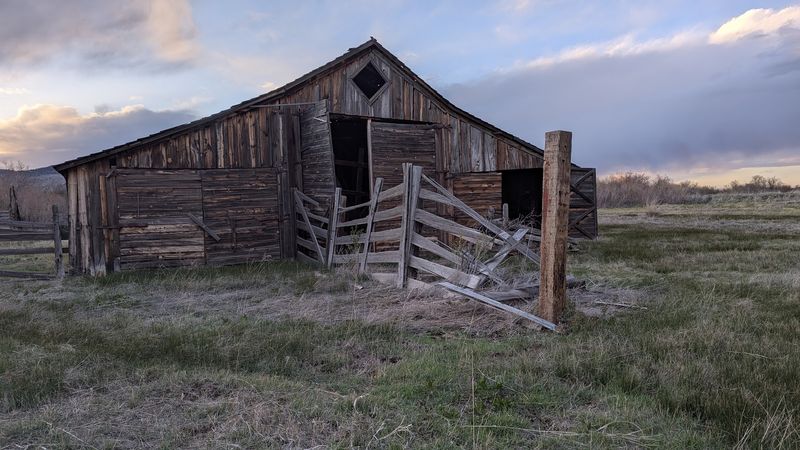
Picture a young man driving cattle north from California in 1872 with a handful of riders and big dreams. That was Peter French, and he was working for a wealthy rancher named Hugh Glenn. Together they built the French-Glenn Livestock Company.
French picked the Blitzen Valley because of its rich grass and steady water from the Donner und Blitzen River. Smart move. Over the next two decades, the operation grew into one of the largest cattle businesses in the American West, with land and grazing reaching across a massive area.
The P Ranch served as the headquarters. Cowboys, cooks, and workers lived and labored here, and the place buzzed with activity during branding and roundup seasons.
Knowing this history changes how the quiet meadows look. Every flat stretch of grass once fed thousands of cattle, and the fence lines you spot hint at how carefully the land was managed.
Spend a few minutes reading the interpretive signs near the parking area. They give a quick, clear background that makes the rest of the visit far more meaningful.
That Curious Beef Wheel
Honestly, the beef wheel confused me at first. It looks like a giant wooden spool sitting on a frame, and it takes a moment to figure out what it did.
Here is the answer. Ranch workers used the wheel to lift heavy cattle carcasses off the ground during butchering. By turning the wheel, they could raise the meat high enough to work on it and keep it away from dirt and hungry critters. It was a clever piece of ranch engineering.
Few structures like this survive anywhere, which makes it a fun find for history buffs and curious kids alike. Ask younger travelers to guess its purpose before reading the sign. The guesses can be pretty entertaining.
It sits a short stroll from the Long Barn, so you can easily see both on the same walk. Take your time here, because the wheel tells a story about daily life that big barns sometimes miss.
Corrals Made From Desert Juniper
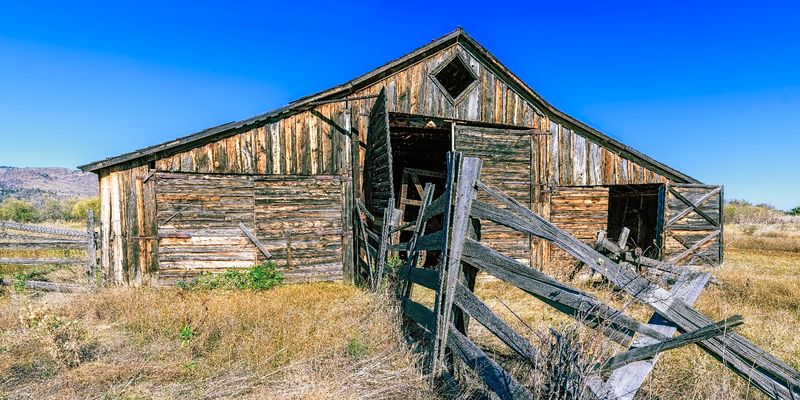
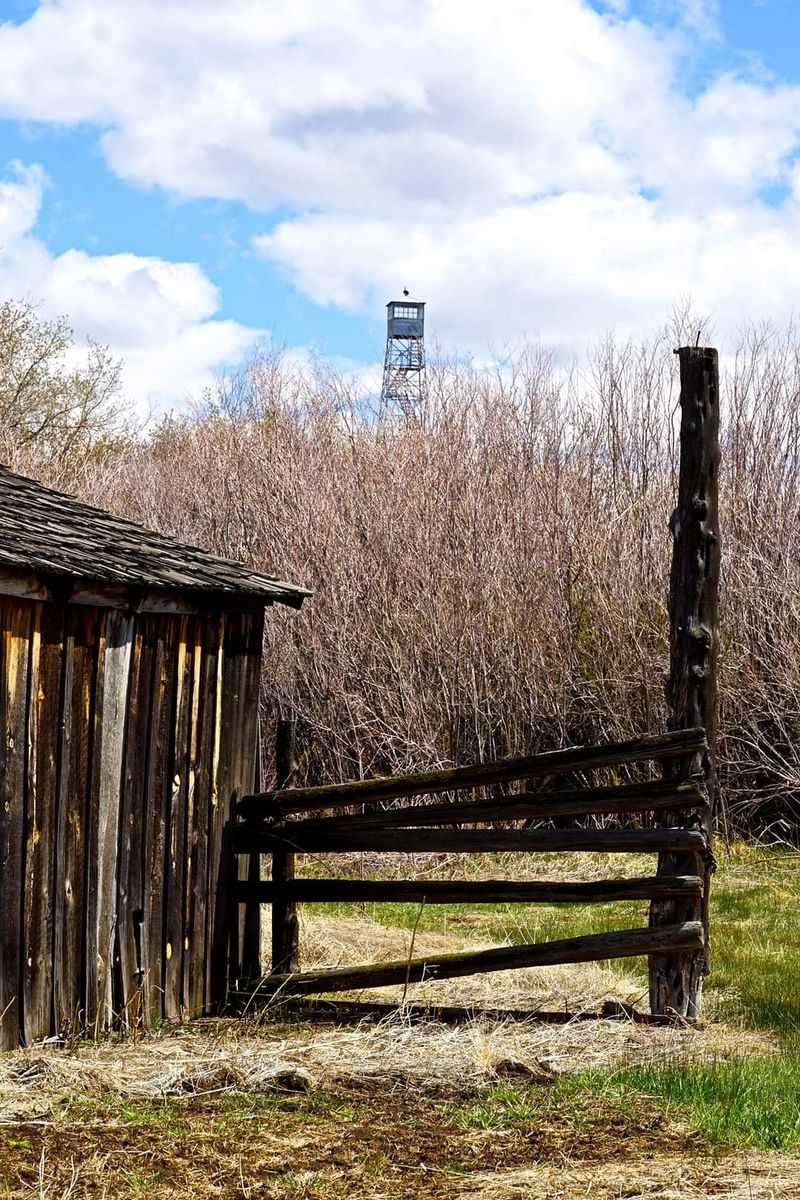
Twisted, gray, and full of character, the old juniper corral posts look almost like driftwood washed up in the desert. Run your eyes along them and you will notice no two are the same shape.
Ranch hands built corrals like these to hold cattle and horses during sorting, branding, and training. Juniper grew nearby, so it made sense to use what the land offered. Its tough fibers survived decades of sun, snow, and stomping hooves.
The corral area gives a real sense of how busy the ranch once was. Imagine dust in the air, horses snorting, and cowboys shouting directions across the pens.
Photographers love this spot. The rough posts make great foreground details with the barn or the far hills behind them.
Please keep a respectful distance and avoid climbing on any of the old wood. These pieces are fragile after so many years, and protecting them means future visitors can enjoy them too. A careful look is all you need to appreciate the craftsmanship that went into them.
The Story That Ended Too Soon
Every big story has a turning point, and this one is a sad one. In 1897, Peter French was shot and killed during a dispute with a homesteader named Ed Oliver over land and access.
Tensions between large ranchers and new settlers ran high in those years. Settlers wanted their own small plots, while big operations depended on wide stretches of open range. The conflict was common across the West, and the P Ranch sat right in the middle of it.
After French died, the company continued for a while, but the golden era slowly faded. The land later changed hands, and the bustling headquarters grew quieter.
Knowing this part of history adds weight to the visit. The calm fields hide a time of serious struggle over who could use the land.
Families with older kids can use this as a chance to talk about how the West was settled and why land mattered so much. It is a real lesson that no textbook can match, told right where it happened.
From Ranch Land To Wildlife Refuge
Here is a fun twist. A place built for cattle now serves as a safe home for birds and wild animals.
In 1935, the federal government bought the P Ranch lands and added them to the Malheur National Wildlife Refuge. The refuge had been created years earlier to protect birds that were being hunted for their feathers. Adding the Blitzen Valley gave wildlife more water, wetlands, and room to thrive.
So the ranch buildings now stand inside protected habitat. Cowboys are long gone, but herons, ducks, and songbirds have moved right in.
Bird lovers often rank this area among the best in Oregon. Spring and fall migrations bring waves of feathered travelers, and even summer offers plenty to spot along the river.
Pack binoculars and a simple field guide. Move slowly, speak softly, and watch the edges of the willows and wet meadows. You might be surprised by how much life appears once you stop and stay still for a few minutes. Patience pays off in a big way here.
Vultures Coming Home At Sunset
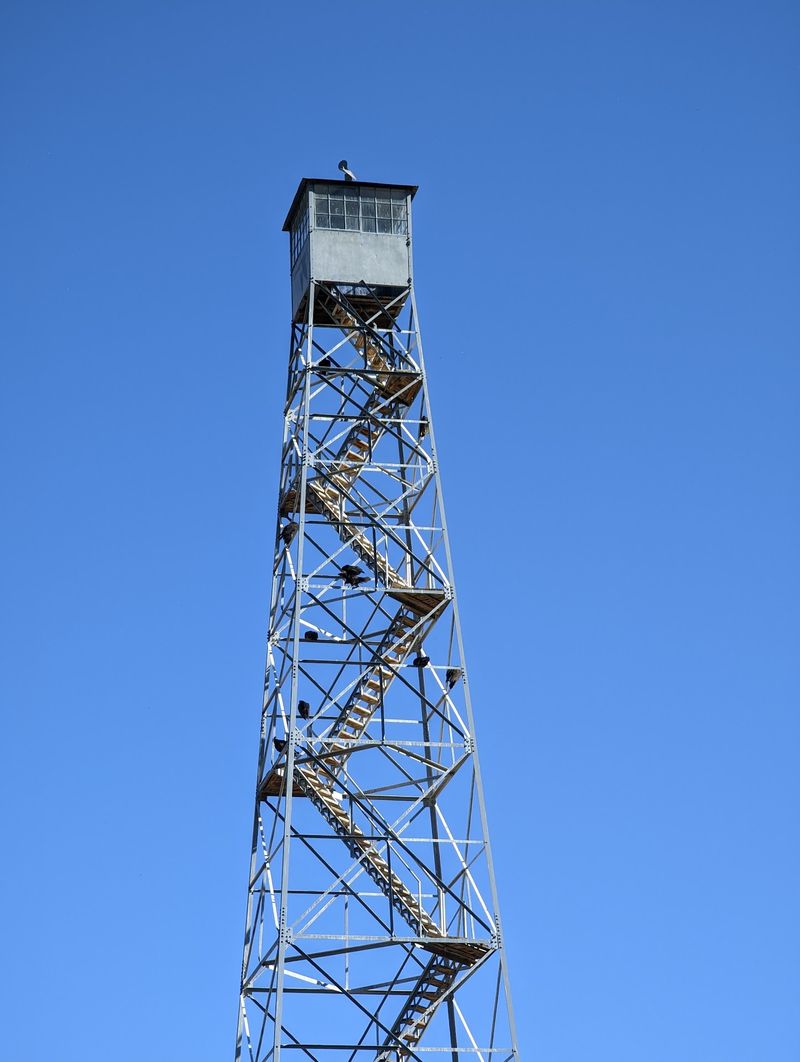
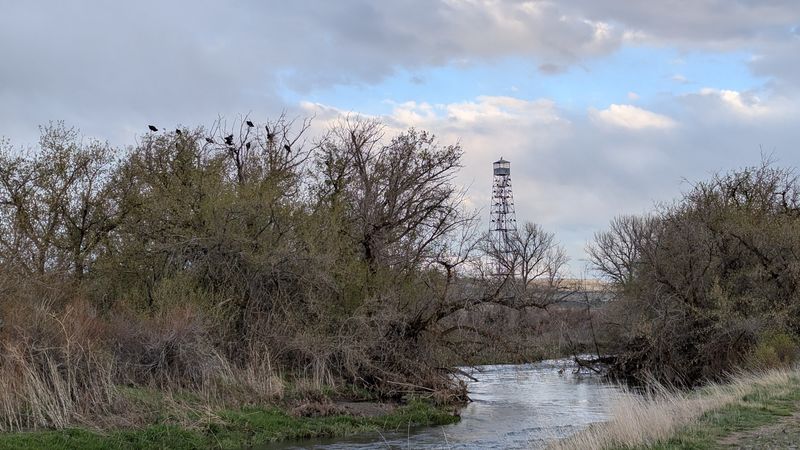
Sunset at P Ranch comes with a surprise guest list. Turkey vultures drift in from every direction and settle onto an old tower near the site to spend the night.
Watching them arrive is oddly peaceful. They glide in wide, lazy circles before landing, wings tipped like dark sails against the orange sky. One by one, the roost fills up.
Vultures sometimes get a bad reputation, but they are nature’s cleanup crew. They help keep the landscape healthy by eating what other animals leave behind. Pretty useful neighbors.
Arrive about an hour before sunset to catch the full show. Find a comfortable spot near the parking area, keep your voice low, and let the birds do their thing.
Owls also show up in this area at dusk, so keep an eye on fence posts and trees as you drive in or out. The soft evening light also makes the old buildings glow, giving you a two-for-one photo opportunity. History and wildlife in one frame is hard to beat.
Down By The Donner und Blitzen River
Thunder and lightning. That is what the German name Donner und Blitzen means, and soldiers reportedly gave it that name after crossing during a storm in the 1860s.
Today the river feels far calmer. It winds through the valley right beside P Ranch, lined with willows and grasses that sway in the breeze. Water from this river is the reason Peter French chose the valley in the first place.
You can reach the river from the parking area, which makes it an easy add-on to your barn visit. Sit on the bank, listen to the water, and watch for birds dipping along the edges.
Anglers know the Blitzen for its native redband trout, especially upstream areas. Check current Oregon fishing rules before casting a line.
Bring bug spray, though. Early summer, especially June, can bring thick swarms of mosquitoes near the water. Later in the season tends to be easier. Long sleeves help a lot, and a hat with a net is not a silly idea at all.
Easy Strolls And Practical Tips
Good news for anyone who dislikes long hikes. Seeing P Ranch takes very little effort.
A parking area with restrooms sits near the entrance, and a short gravel road leads you back to the Long Barn. The walk is flat and simple, so most travelers can manage it without trouble. Sturdy shoes are still a smart choice because the gravel can be loose.
Services in this remote corner of Oregon are limited. Fill your gas tank before heading south, and carry plenty of water and snacks. Cell signal can be spotty too, so download maps ahead of time.
Weather swings can be dramatic. Summer days get hot, while mornings and evenings stay cool, so layers make life easier.
Plan at least an hour to explore the barn, beef wheel, corrals, and river. Add extra time if you want to watch birds or catch the sunset. Leave everything as you found it, since the buildings and wildlife are protected.
Rushing through would honestly be a waste of such a peaceful setting.
Gateway To Steens Mountain Adventures
P Ranch sits right near the start of the Steens Mountain Loop Road, one of the most scenic drives in Oregon. That makes it a perfect first or last stop on a bigger adventure.
The loop climbs high onto Steens Mountain, where you can find deep glacier-carved gorges, wildflower meadows, and sweeping views over the Alvord Desert. Parts of the road are rough gravel and usually open only in summer and early fall. A high-clearance vehicle is a good idea.
Tiny Frenchglen is just a few minutes away. The town is small, but its historic hotel and quiet streets add charm to the trip.
Camping options like Page Springs Campground sit close by along the river. Staying overnight lets you enjoy dark skies packed with stars, a real treat in this remote region.
Wrap up your trip with one more look at the old ranch buildings as the light fades. You will find this slice of cattle history at P Ranch, P-Lane, Frenchglen, OR 97736, waiting quietly for your visit.
