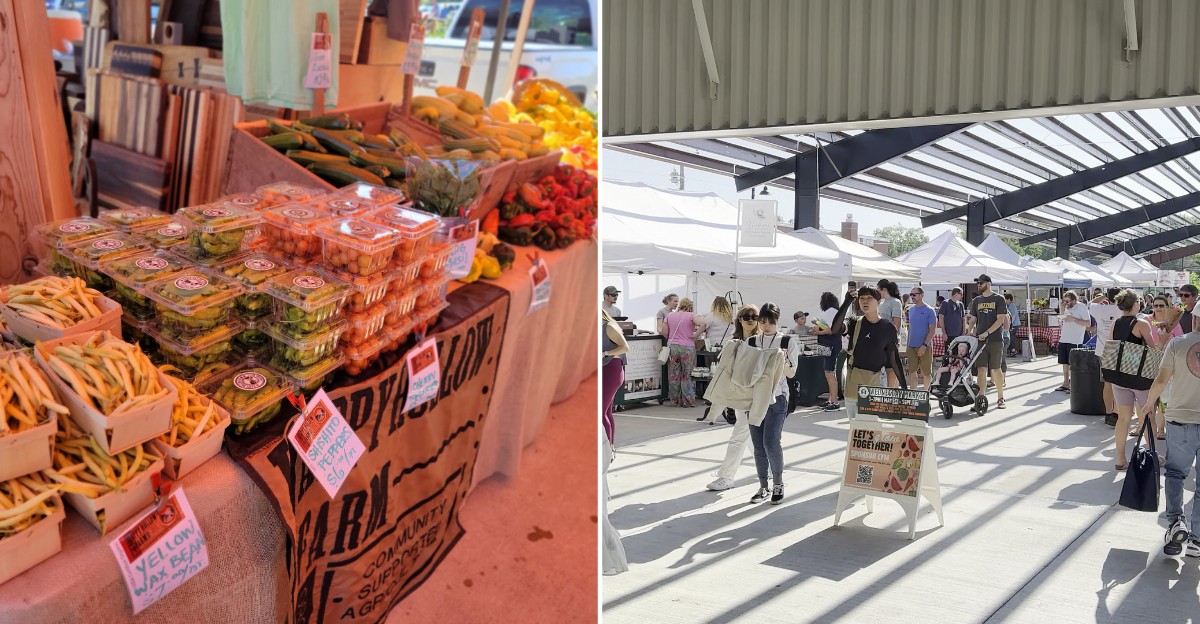
Vendors caught reselling someone else’s goods at this market can be expelled. Yep, that’s the actual rule, and an Inspection Committee checks on it.
Every tomato, carton of eggs, and jar of jam has to come from the person standing behind the table. Even the cookies must be made from scratch by the seller.
I like how simple that promise is. The person handing you the honey actually knows the bees.
The whole thing started with a few growers selling produce from pickup trucks. Today it fills a covered pavilion in central Missouri with room for 98 booths.
Rain, sleet, or July heat, the doors stay open.
I’m still thinking about that pickup truck detail. How does a tailgate idea grow into one of the most honored markets in the country?
The Strictest Rule In The Room Is Also The Best One
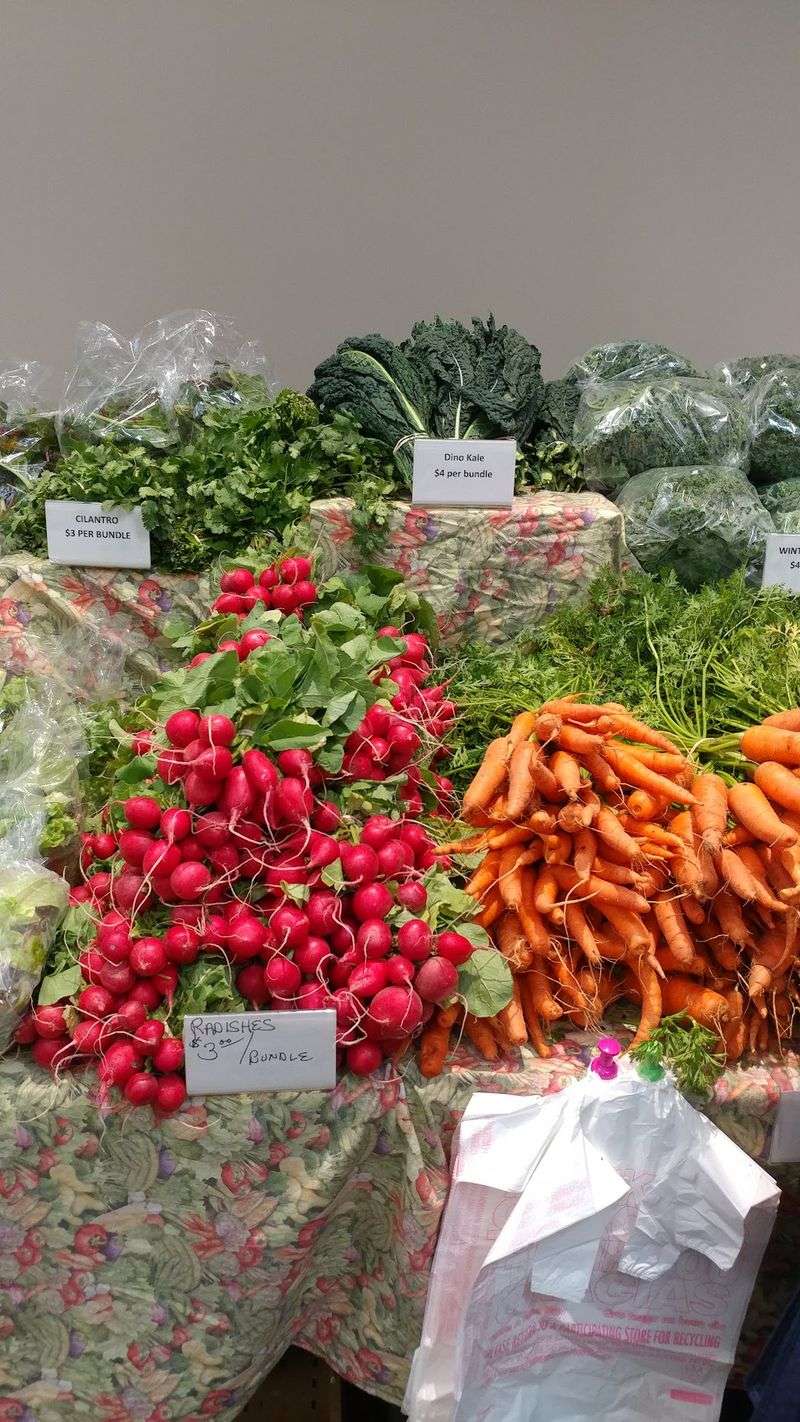
Columbia Farmers Market runs on one big promise called the producer-only rule. Every item sold must be grown, raised, or made by the vendor selling it.
That sounds simple, but it shuts the door on a common trick. Some markets let sellers buy wholesale produce and pass it off as local.
Here, reselling anything you didn’t create is flat-out banned.
The rule covers more than vegetables. Meat and eggs must come from animals the vendor raised.
Baked goods and crafts have to be made from scratch by the seller.
So who keeps everyone honest? The market has an Inspection Committee that carries out routine inspections.
Vendors who break the rule face expulsion, which is a pretty strong motivator.
I love what this means for shoppers. You can ask how a squash was grown and get a real answer.
The person in front of you probably weeded that row last Tuesday.
It also changes how you shop. Instead of comparing brands, you’re meeting the actual makers.
Ask about soil, feed, or a favorite recipe, and you’ll likely learn something new.
Fair warning, though. Once you get used to that kind of honesty, a regular grocery aisle can feel a little anonymous.
It All Started With A Few Pickup Trucks And Big Plans
Back in 1980, a small group of local growers sold produce straight from their pickup trucks. A year later, they officially organized as the Central MO Direct Marketing Association.
Those early days happened at the old Boone County Fairgrounds. A pavilion provided by the Kiwanis Club gave them shelter.
That spot is now home to the Activity and Recreation Center and Clary-Shy Park.
Then things got bumpy. The fairgrounds site was torn down in 1992.
During 1993 and 1994, the market set up in an open parking lot near Parkade Plaza with no shelter at all.
Picture selling lettuce in a Missouri thunderstorm with nothing overhead. Okay, maybe don’t.
It wasn’t glamorous, but the growers kept showing up.
By 1995, the market moved back to the area behind the ARC in Clary-Shy Park. Still no permanent roof, though.
That dream took a lot longer.
A Winter Market began in 2010 at Rock Bridge Christian Church. It moved to the Parkade Center in 2011 because it kept growing.
Looking back, the story feels like a slow-cooked recipe. Each move added something, and the patience eventually paid off in a very big way.
A Pavilion Built To Shrug Off Missouri Weather
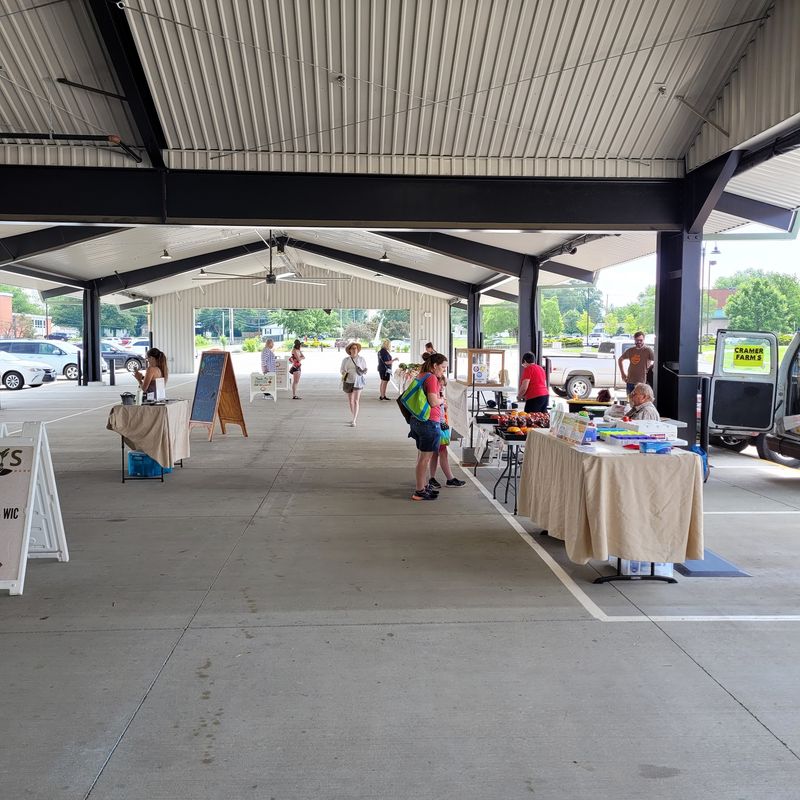
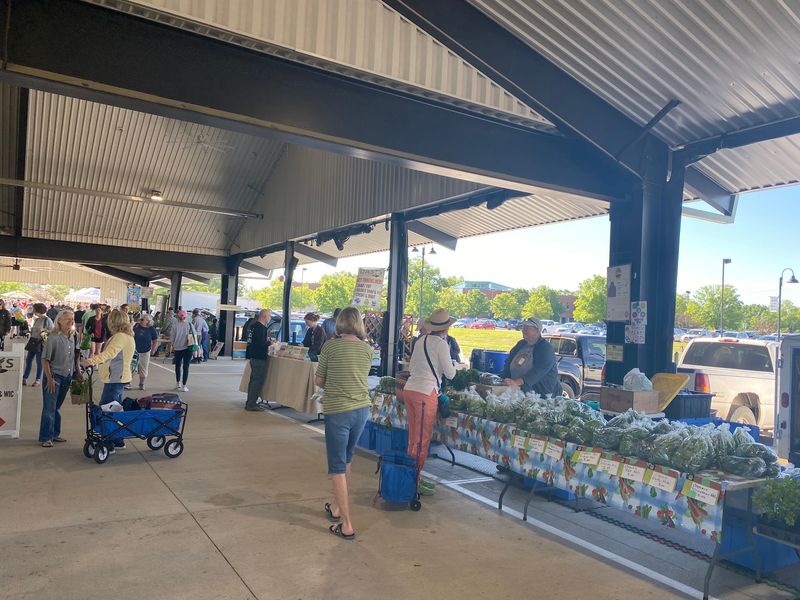
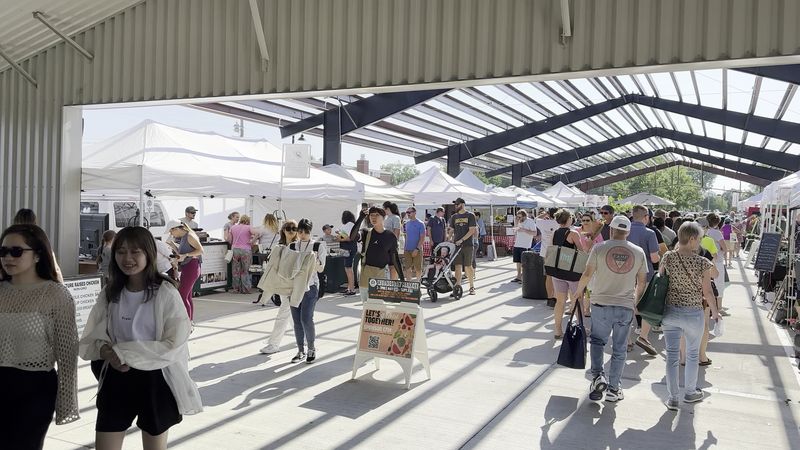
Forty years of tarps and parking lots ended with a serious upgrade. The market now calls the MU Health Care Pavilion home, and it changed everything.
The first phase opened in 2019. It added a large concrete pad with space for 98 vendor booths.
A four-season covered area sheltered 40 of those booths.
That was a huge step, but not every vendor fit under the roof. So the work continued.
On October 28, 2023, the second phase opened. Now all 98 booths sit under cover.
Drop-down vinyl walls can enclose the space when winter winds get rude.
Here’s why that matters to you. Missouri weather loves surprises, from muggy August mornings to icy January ones.
The pavilion lets the market run every Saturday of the year, except for a few holiday weekends.
The building also makes shopping easier on your plans. You don’t have to cancel because of a forecast.
Grab a jacket in winter, sunglasses in summer, and you’re set.
After decades of shuffling around town, the growers finally have a real home. I think that’s worth celebrating with a fresh loaf of something.
Your Shopping Bag Is Going To Need Backup
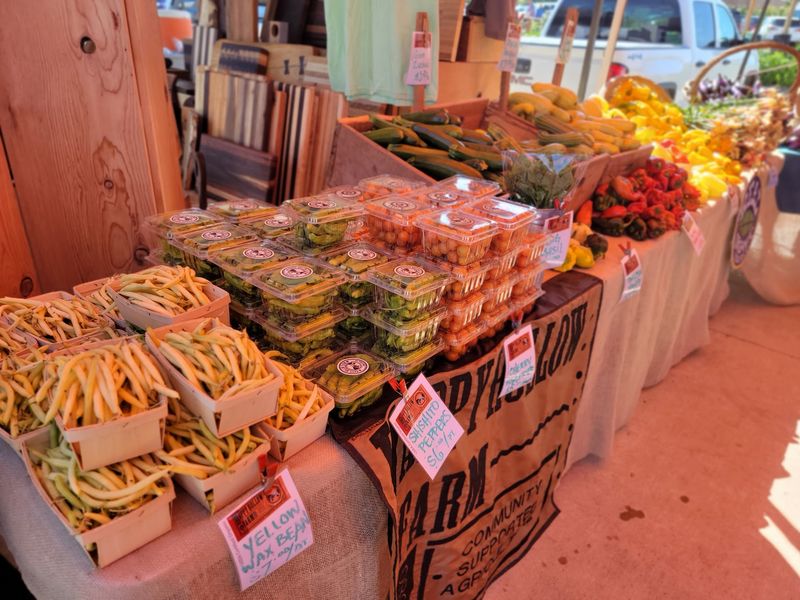
Bring a sturdy tote. Better yet, bring two, because the range of goods here gets tempting fast.
Fresh produce leads the way, with fruits and vegetables that shift with the seasons. You’ll also find locally raised meats, farm-fresh eggs, and a variety of cheeses.
Sweet tooth? Honey, jams, and baked goods show up too.
Every one of those treats has to be made from scratch by the person selling it.
Gardeners get their own reward. Cut flowers, plants, and herbs fill booths with color.
A potted herb from here can keep giving long after your visit.
Handcrafted artisan items round things out. Since the producer-only rule applies, those crafts come from the hands of the vendor, not a factory catalog.
There’s a nice bonus behind the scenes. Vendors making value-added products are strongly encouraged to use local ingredients.
The market even prefers they buy from fellow vendors.
So that jam might use berries grown two booths down. It’s a small circle of neighbors feeding each other.
My advice? Walk the whole pavilion before buying.
Otherwise you’ll fill your bag at booth three and spot something better at booth forty.
Every Vendor Comes From Close To Home
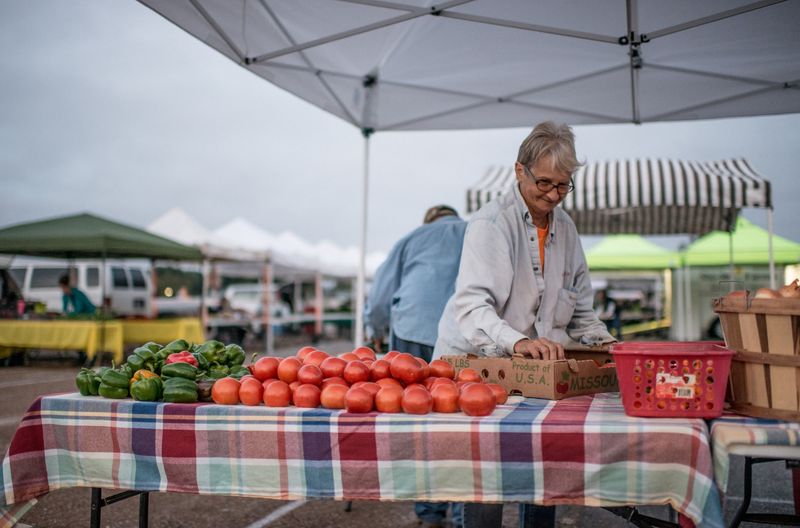
Fifty miles. That’s the line drawn on the map for most sellers at Columbia Farmers Market.
Vendors’ residences and production must generally be within a 50-mile radius of the market, with exceptions for grandfathered members and vendors individually approved by the Board of Directors. That keeps the whole operation rooted in central Missouri.
Why should you care? Food that travels a short distance usually reaches you sooner after harvest.
It also means your money stays close to home.
The radius also builds a real sense of place. The peppers, eggs, and flowers reflect the soil and seasons right here.
Nothing is shipped in from far-off states to fill gaps.
That can mean some honesty about timing. If a crop isn’t in season locally, you may not find it.
Fruit availability, for example, rises and falls through the year.
I actually like that limit. It turns each visit into a little calendar lesson.
Spring brings one lineup, and fall brings another.
Shopping this way can sharpen your cooking too. Plan meals around what’s on the tables instead of a fixed list.
You might discover a vegetable you’ve never tried, grown by someone who lives just down the road.
Ten Acres Of Something Bigger Than A Market
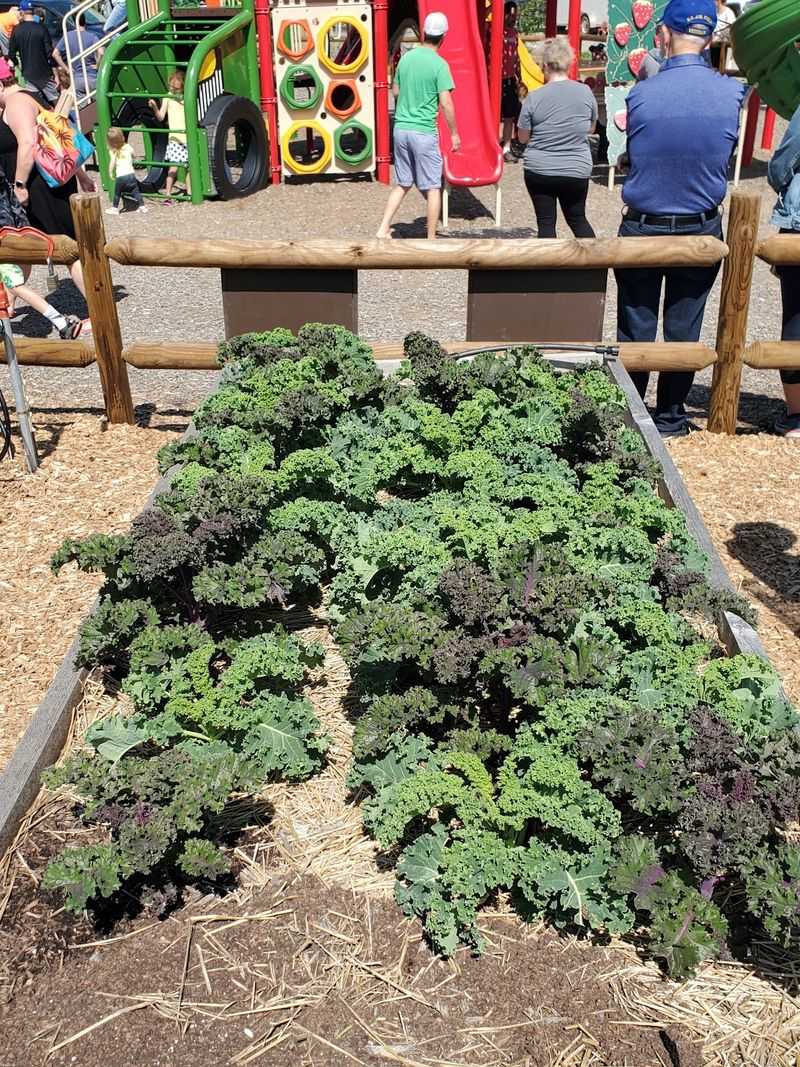
The pavilion is just one piece of a larger project. It sits inside Columbia’s Agriculture Park, a 10-acre hub for local food sales, education, and demonstrations.
This park grew from a public-private partnership formed in 2016. The market teamed up with the Columbia Center for Urban Agriculture, Sustainable Farms and Communities, and Columbia Parks and Recreation.
That’s a lot of groups pulling in one direction. The result is a space built around growing and sharing food.
One standout feature is the 3-acre Urban Farm. It supplies the local food pantry, so fresh vegetables reach neighbors who need them.
I find that detail pretty moving. While you shop for tomatoes, rows nearby are helping feed families across town.
The park also makes the trip more than a quick errand. You can stroll around, see crops in the ground, and get a feel for where food begins.
Kids especially might connect the dots. A carrot at the booth looks different once you’ve seen carrots growing a short walk away.
Give yourself extra time on market day. The setting rewards a slower pace, and the farm views cost nothing.
Bring The Kids And Let The Music Do The Rest
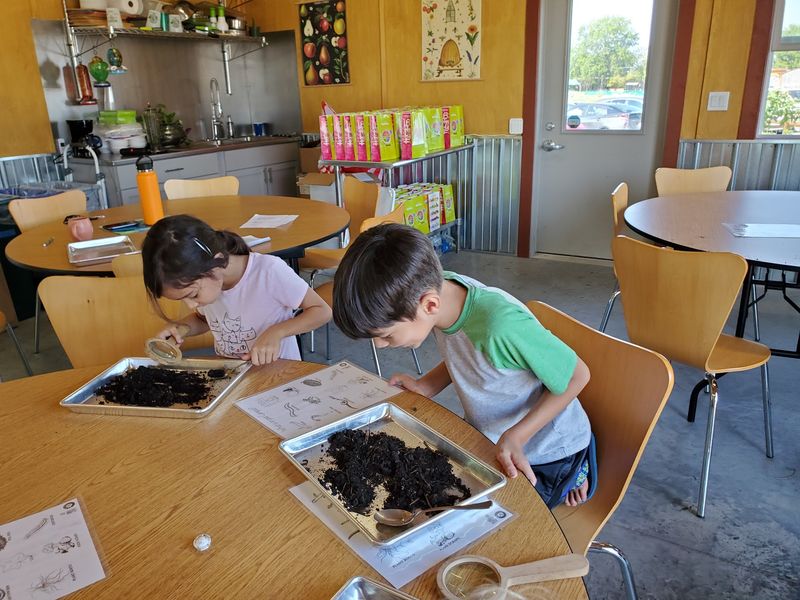
Saturday mornings here come with a soundtrack. The market regularly hosts musicians, so you might shop for beets with a live tune in the background.
Families get plenty to love too. Free children’s activities are part of the regular lineup, which helps little shoppers stay happy.
Let’s be real. A bored kid can end a market trip faster than a rainstorm.
Free activities buy you a few more minutes to pick out peaches.
The market also welcomes artisans and non-profit groups. Their booths add variety and a chance to learn about local causes.
Educational opportunities pop up as well. That fits the bigger mission of Agriculture Park, where teaching about food is part of the plan.
All of this shapes the mood. The market describes itself as a community gathering place that builds relationships between growers and shoppers.
That’s a fancy way of saying people linger. You might come for eggs and end up chatting with the farmer about her chickens.
Plan for that. Don’t schedule anything tight right after your visit.
Between the music, the activities, and the conversations, a quick stop has a sneaky habit of stretching out.
Paying Is Easier Than Choosing What To Buy
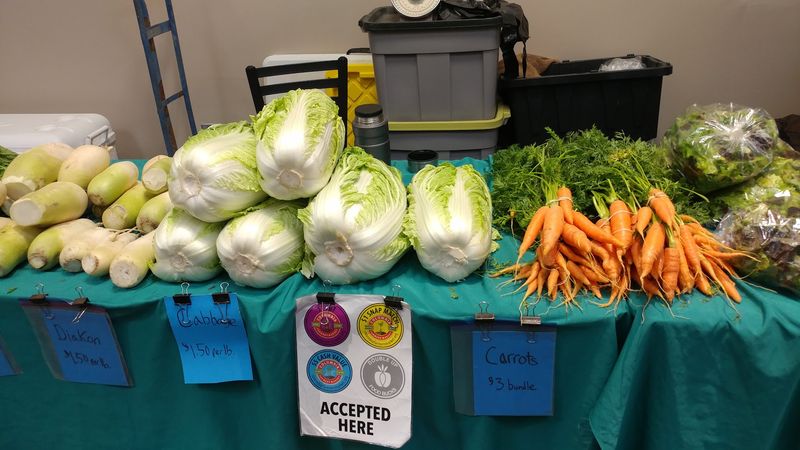
Tokens might be the most charming part of checkout here. Checks, debit, and credit cards are accepted through a token system at the Oasis booth.
Here’s how it works. You visit the Oasis booth, swap your card payment for tokens, then spend them with vendors.
It keeps things moving for sellers who may not have card readers. Bringing some cash is still a smart backup.
The market also accepts EBT and SNAP benefits. Even better, it offers matching programs for families eligible for SNAP and WIC.
That match stretches grocery money further for fresh, local food. I think that’s one of the most thoughtful things a market can do.
Accessibility matters here too. The market is wheelchair accessible, which makes the covered pavilion welcoming to more shoppers.
Put it together and the message is clear. This market wants everyone at the table, not just people with spare time and spare cash.
Quick tip for first-timers. Head to the Oasis booth early if you need tokens.
Then you can wander freely without stopping mid-shop to sort out payment.
Set An Alarm Because The Trophy Case Is Real
National awards don’t usually go to a market that began on tailgates. This one collected them anyway.
Clean Eating Magazine named it one of America’s Top 50 Best Farmers Markets in 2015 and 2017. Feast Magazine called it Best Farmers Market in Columbia in 2018, 2019, and 2020.
In 2021, it was named the number one farmers market in the nation. The market also earned the Mayor’s Climate Protection Award for Environmental Stewardship in 2020.
Ready to see it for yourself? Head to 1769 West Ash Street in Columbia, Missouri.
The market sits at the MU Health Care Pavilion inside Agriculture Park.
Timing matters. From April through October, Saturday hours run 8 a.m. to noon.
From November through March, Saturdays run 9 a.m. to noon.
It closes the Saturdays after Thanksgiving, Christmas, and New Year’s Day. A Wednesday evening market also runs from early summer into late summer or early fall, from 4 to 7 p.m.
Check the season’s dates before you go, since they shift a little each year. Then grab your bags and show up early.
The best stuff loves an early riser.
